
10 Hawaiian Food Words Every Visitor Should Learn Before Ordering
I’ll never forget my first trip to Hawaiʻi. I was so excited to try all the local food, but when I stepped up to the counter, I felt completely lost.
The menu was full of words I didn’t recognize, and I ended up pointing at things or just guessing. While everything was delicious, I knew I was missing out on truly understanding what I was eating.
Since then, I’ve made an effort to learn some basic Hawaiian food terms, and it’s completely changed my ordering experience.
You don’t want to make the same mistake, trust me!
1. Poke (POH-kay)
Raw fish never tasted this good until you try authentic Hawaiian poke. The word itself means “to slice” or “cut crosswise,” which perfectly describes how the fish gets prepared.
Ahi tuna is the most popular choice, cut into perfect cubes and tossed with soy sauce, sesame oil, seaweed, and onions. The marinade soaks into every piece, creating a savory explosion in your mouth.
You’ll find countless versions at markets and restaurants, from spicy mayo styles to traditional shoyu. Some places even offer tofu poke for vegetarians who want to join the fun without the fish.
2. Loco Moco
Comfort food reaches new heights with this island classic that locals swear by after long days. Picture a juicy hamburger patty sitting on a bed of white rice, crowned with a perfectly fried egg.
Brown gravy gets poured over the whole thing, creating a messy masterpiece that tastes better than it looks. The runny yolk mixes with the gravy and soaks into the rice below.
Born in Hilo in the 1940s, this dish was created for hungry teenagers who wanted something cheap and filling. Today it remains the ultimate local-style plate lunch found at diners across every island.
3. Plate Lunch
Forget fancy restaurants when you want to eat like a true Hawaiian resident. Plate lunch represents island culture on a single plate, combining influences from Japanese, Chinese, Filipino, and American cuisines.
Every plate lunch follows the same formula: two scoops of white rice, one scoop of macaroni salad, and your choice of protein. Popular options include teriyaki beef, kalua pork, chicken katsu, or garlic shrimp.
The portions are generous enough to fuel you through an afternoon of beach adventures or hiking. You’ll spot plate lunch spots everywhere, from roadside food trucks to casual cafes in shopping centers.
4. Kalua (Kah-LOO-Ah)
Underground cooking might sound strange, but it creates the most tender pork you’ll ever taste. Kalua refers to the traditional method of slow-roasting food in an imu, which is basically an earth oven dug into the ground.
Hot rocks line the bottom, the meat gets wrapped in banana leaves, and everything cooks for hours under layers of dirt. The result is kalua pig with a smoky flavor and texture that falls apart at the slightest touch.
Most restaurants use modern ovens now, but the taste remains authentic and delicious. You’ll find kalua pork at luaus, plate lunch spots, and even piled high on nachos at beach bars.
5. Haupia
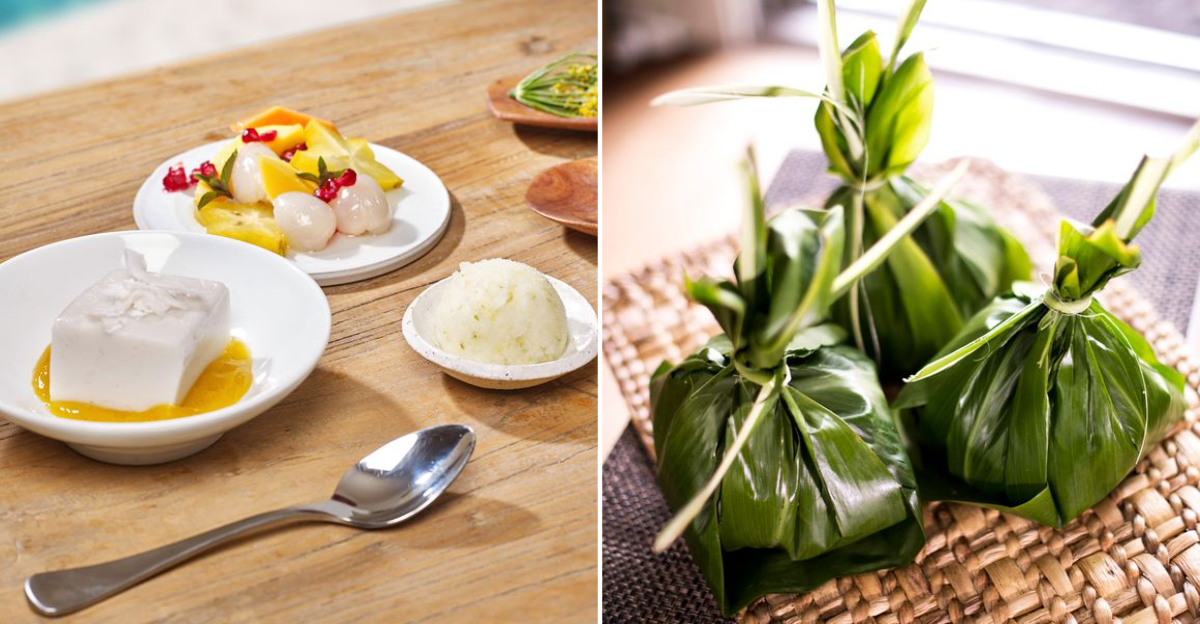
Coconut lovers rejoice when they discover this silky Hawaiian dessert that tastes like tropical heaven. Made from coconut milk, sugar, and cornstarch, haupia gets cooked until it thickens into a pudding-like consistency.
After chilling in the refrigerator, it firms up into squares that wobble slightly when you pick them up. The texture falls somewhere between Jello and custard, with a gentle sweetness that never overwhelms.
My first haupia experience happened at a backyard birthday party in Kona, where it was served alongside chocolate cake. I ended up eating three pieces and completely ignoring the cake because haupia was that good.
6. Spam Musubi
Gas station sushi might sound questionable, but in Hawaii, it’s a legitimate snack that everyone loves. This portable treat combines a slice of grilled Spam with pressed rice, all wrapped together with a strip of nori seaweed.
The Spam gets pan-fried until the edges turn crispy and slightly caramelized. Some versions add teriyaki sauce or furikake seasoning for extra flavor.
Japanese immigrants brought musubi-making techniques to the islands, where it merged perfectly with Hawaii’s love of Spam. You’ll find spam musubi at convenience stores, bakeries, farmers markets, and even fancy restaurants putting gourmet spins on the classic.
7. Lau Lau (Low-Low)
Wrapped packages of flavor await when you order this traditional Hawaiian dish at local restaurants. Pork, butterfish, or chicken gets bundled inside taro leaves, which are then wrapped again in ti leaves for steaming.
The cooking process takes several hours, allowing all the flavors to meld together while the meat becomes fork-tender. Taro leaves taste slightly earthy and spinach-like after cooking, adding a unique flavor you won’t find anywhere else.
Opening a lau lau feels like unwrapping a gift, with steam rising as you peel back the leaves. It’s usually served with rice and poi for a complete traditional Hawaiian meal experience.
8. Poi (Poy)
Taro root gets pounded and mixed with water until it becomes a smooth purple-gray paste that divides opinions. Poi serves as a staple food in Hawaiian culture, eaten with almost every traditional meal for centuries.
The flavor is mildly tangy and slightly sour, with a sticky texture that clings to your fingers. First-timers often find it bland or strange, but locals grew up eating it and consider it essential comfort food.
Fresh poi tastes better than the stuff that’s been sitting around for days fermenting. Many people use it as a neutral base to balance out salty or spicy dishes on their plate.
9. Malasada (Mah-Lah-SAH-Dah)
Portuguese immigrants brought these golden doughnuts to Hawaii in the late 1800s, and islanders have been obsessed ever since. Unlike regular doughnuts with holes, malasadas are round, fluffy, and completely filled with sweet fried dough.
They get rolled in granulated sugar while still warm from the fryer, creating a crunchy coating over the soft interior. Leonard’s Bakery on Oahu made them famous, though you’ll find malasada shops on every island now.
Eating one fresh is absolutely necessary because they lose their magic after sitting too long. Some bakeries offer filled versions with custard or chocolate, but purists insist the original sugar-coated version is unbeatable.
10. Shave Ice
Calling it “shaved ice” will instantly mark you as a tourist, so remember to drop that extra D. Shave ice starts with a block of ice that gets shaved into impossibly fine, snow-like flakes.
Brightly colored syrups in tropical flavors like guava, lilikoi, and lychee get poured over the fluffy ice mountain. The best part is adding condensed milk, ice cream, or mochi balls hidden at the bottom for extra sweetness.
After spending hours baking in the Hawaiian sun, nothing cools you down faster than shave ice. Lines form at popular stands like Matsumoto’s and Ululani’s, where locals and tourists wait together for their colorful frozen treats.