
Here Are 13 Underrated But Must-See Places In Arizona For Out-Of-Towners
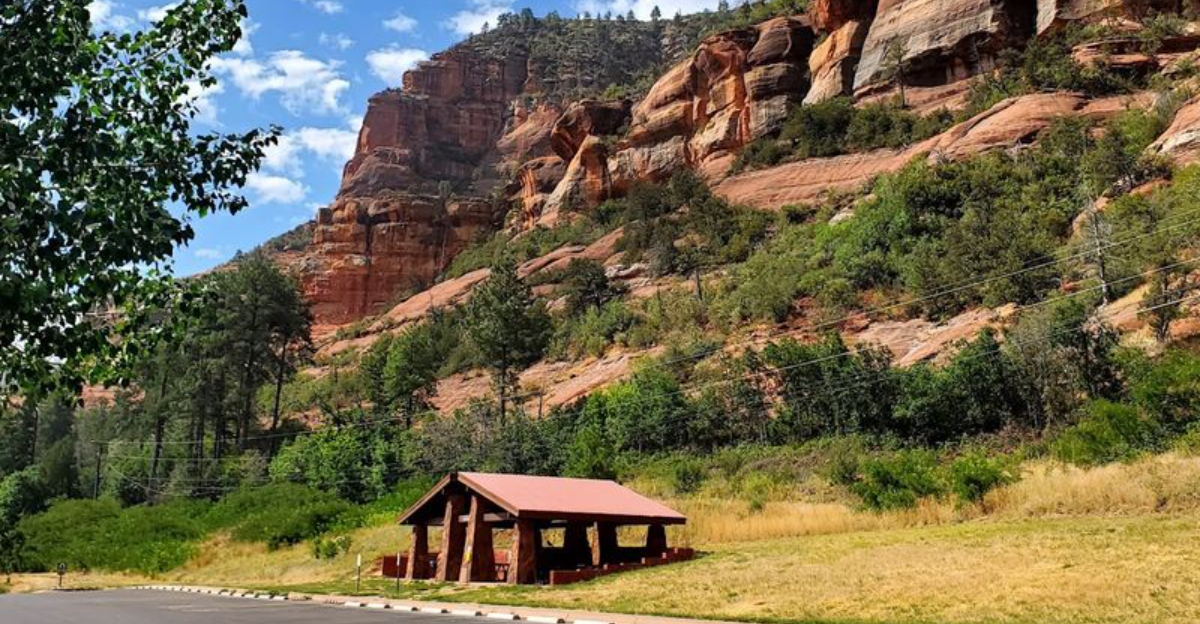
Arizona is so much more than the Grand Canyon and Scottsdale resorts. Whenever friends visit me here, they usually have the same two or three famous landmarks on their bucket list.
Don’t get me wrong, those iconic spots are stunning for a reason, but I always feel like visitors are missing out on the real heart of the state by sticking only to the main highways.
I’ve spent so much time wandering through the hidden corners of Arizona, and I’ve found some truly incredible gems that rarely make it onto the typical tourist maps.
From quiet, serene landscapes to unexpected pockets of history, there is so much beauty waiting to be discovered if you just know where to look. I’ve put together a list of my favorite under-the-radar spots that I think every out-of-towner needs to experience.
They’re a bit off the beaten path, but they are exactly what makes being in Arizona so unforgettable.
1. Chiricahua National Monument, Willcox, Arizona
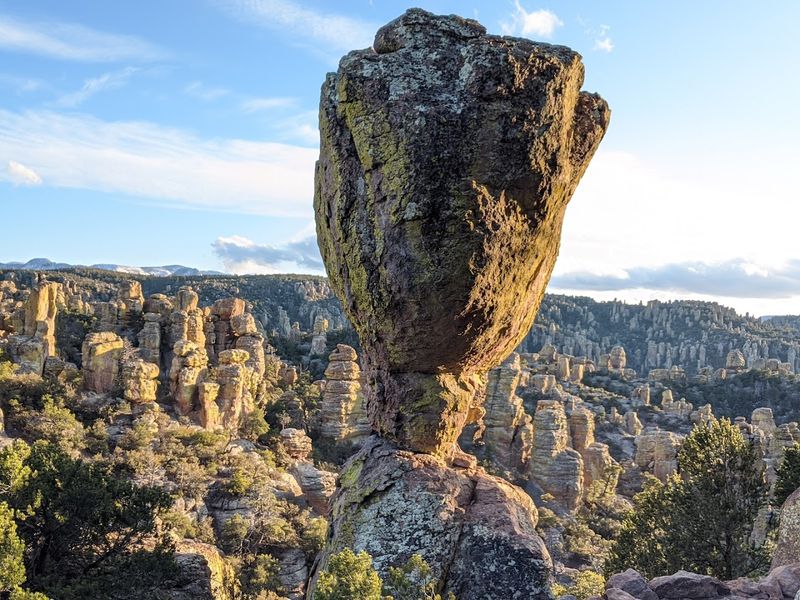
Imagine a forest of giant stone pillars balancing on impossibly thin bases, stretching across an entire mountain range. That is exactly what greets you at Chiricahua National Monument, located at 12856 E Rhyolite Creek Rd, Willcox, AZ 85643.
The Apache people called this place the Land of Standing-Up Rocks, and once you see it, that name makes perfect sense.
The formations here were created by a volcanic eruption roughly 27 million years ago, and erosion slowly sculpted them into the surreal shapes you see today. Hiking trails range from easy walks to more challenging climbs, and each one rewards you with new angles and compositions.
Birdwatchers love this spot because it sits in a rare ecological zone where Mexican and American species overlap.
Spring and fall offer the most comfortable temperatures for exploring. The monument sees a fraction of the crowds that flock to more famous Arizona parks, so the trails feel refreshingly peaceful.
Pack a picnic and plan for at least half a day here.
2. Tonto Natural Bridge State Park, Pine, Arizona
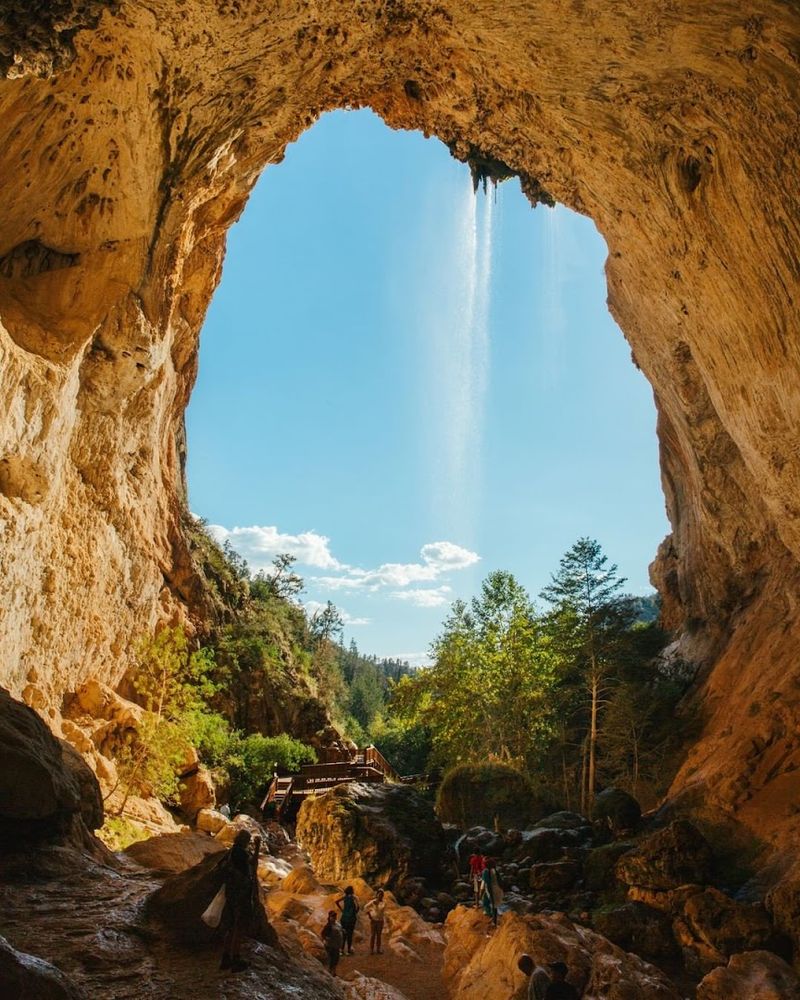
Hidden in the pine forests above Payson, Tonto Natural Bridge State Park protects what is believed to be the largest natural travertine bridge in the world. The bridge stretches 183 feet high and spans 150 feet over a stunning turquoise pool below.
Getting there requires a short but steep hike down into the canyon, and the payoff is absolutely worth every step.
Visitors can swim in the pool beneath the arch during summer months, making this one of the most unique swimming spots in the entire state. The water flows year-round, fed by natural springs, and the canyon walls are draped in ferns and moss that give the whole scene a lush, almost tropical feel.
The park access runs via Forest Road and SR routes near Pine, AZ. Because the park is tucked away from major highways, many travelers rush past it without realizing it exists. Arrive early on summer weekends to secure parking.
A short waterfall hike adds a nice bonus to the visit.
3. Boyce Thompson Arboretum State Park, Superior, Arizona
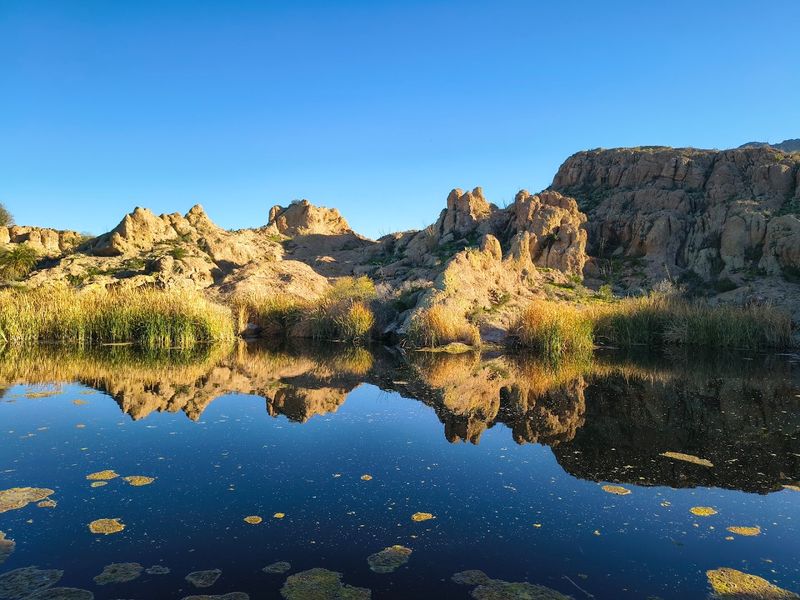
Most people drive through Superior on their way somewhere else, completely unaware that Arizona’s oldest botanical garden sits right off the highway. Boyce Thompson Arboretum State Park at 37615 E Arboretum Way, Superior, AZ 85173 was founded in 1924 and covers 392 acres of beautifully landscaped desert terrain.
The towering volcanic cliffs that frame the property make it feel like a natural amphitheater.
The arboretum is home to thousands of plant species from desert regions across the globe, including rare succulents, towering cacti, and ancient trees. Walking the main loop trail takes about 90 minutes at a casual pace and passes a shimmering lake where birds gather in impressive numbers.
Birdwatchers regularly spot over 200 species here throughout the year.
Winter and spring bring wildflower blooms that turn the trails into colorful corridors. The arboretum also runs educational programs and seasonal events that make repeat visits feel fresh.
It is a wonderfully calm alternative to busier outdoor destinations in the region.
4. Kartchner Caverns State Park, Benson, Arizona
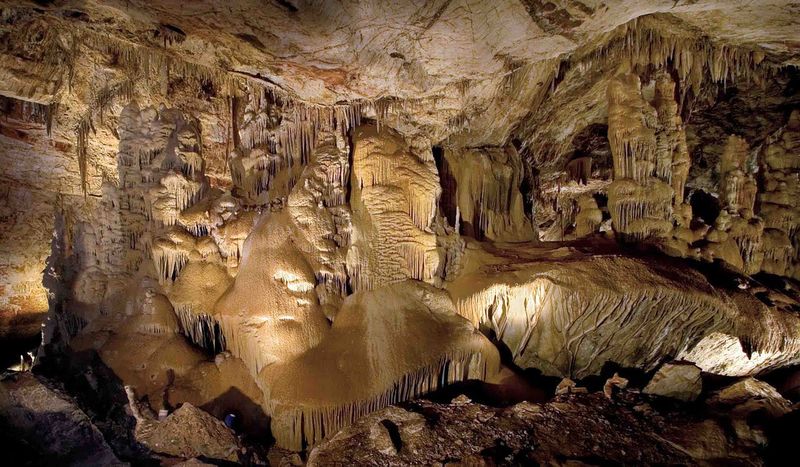
Discovered in 1974 by two spelunkers who kept it secret for 14 years to protect it, Kartchner Caverns is one of the most remarkable cave systems in the entire country. Located at 2980 AZ-90, Benson, AZ 85602, this living cave is still actively growing, meaning moisture continues to feed its formations to this day.
The secrecy of its discovery is part of what makes the story so fascinating.
Guided tours take visitors through two separate cave sections, each showcasing different formations including stalactites, stalagmites, and rare cave bacon deposits that shimmer in the light.
The cave maintains a constant temperature of around 68 degrees Fahrenheit, making it a surprisingly refreshing stop in hot summer months.
Humidity inside hovers near 99 percent, so be ready for a warm, misty atmosphere. Tours book up quickly, especially on weekends, so reservations in advance are strongly recommended.
The visitor center above ground provides excellent background on the cave’s geology and history. Kartchner is one of those places that genuinely leaves people speechless.
5. Montezuma Castle National Monument, Camp Verde, Arizona
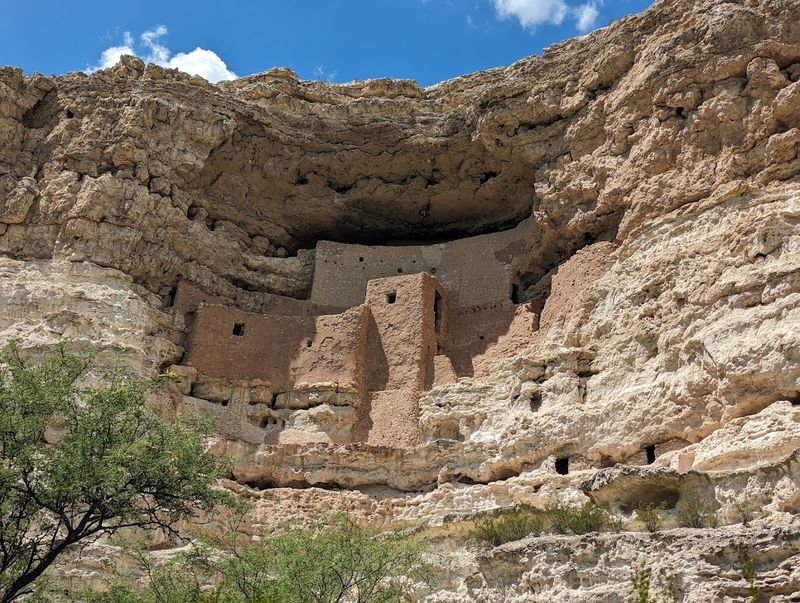
Perched nearly 100 feet up in a limestone cliff above Beaver Creek, Montezuma Castle is one of the best-preserved prehistoric cliff dwellings in North America. The name is a bit misleading since the Aztec emperor Montezuma had nothing to do with it.
Early settlers gave it that name by mistake, but the real builders were the Sinagua people, who constructed this five-story, 20-room dwelling around 1100 CE.
Located near Camp Verde, AZ 86322, the monument is easily accessible and makes for a fantastic half-day stop. The trail along the creek is flat and paved, offering clear views of the dwelling from multiple angles.
There is also a nearby second site called Montezuma Well, a natural limestone sinkhole fed by underground springs, which adds another layer of history and scenery to the visit.
The cottonwood trees lining Beaver Creek turn golden in autumn, creating a beautiful contrast against the red cliffs. This is one of those sites where the setting tells as much of the story as the structure itself.
6. Slide Rock State Park, Sedona, Arizona
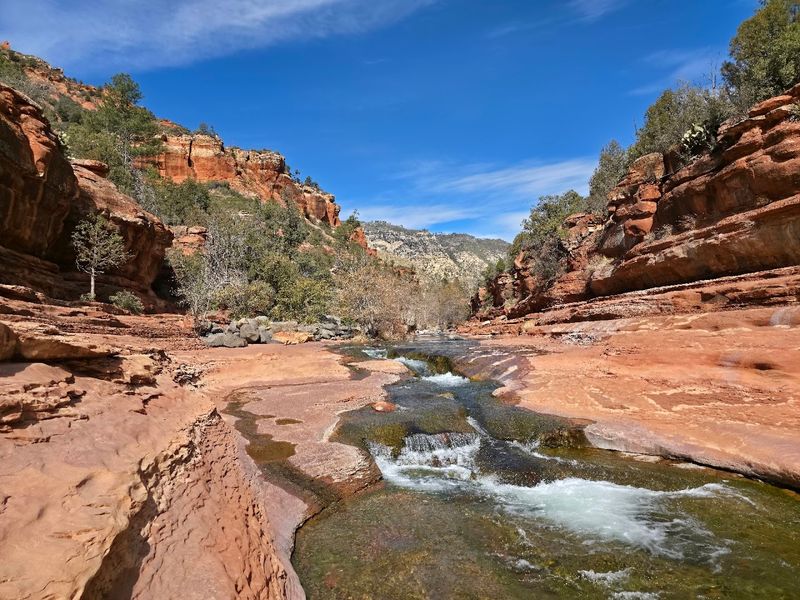
Nature’s own waterpark sits inside one of the most scenic canyons in Arizona. Slide Rock State Park at 6871 AZ-89A, Sedona, AZ 86336 gets its name from a 30-foot natural rock chute carved by Oak Creek, which visitors have been sliding down since the early 1900s.
The smooth red sandstone, polished by centuries of flowing water, creates a surprisingly slick and thrilling ride into a cool, clear pool below.
Oak Creek Canyon itself is jaw-dropping, with towering red walls rising on both sides of the road. The park was originally an apple orchard homestead, and the old apple trees still stand along the creek, producing fruit each fall.
Visiting in late September or October means you might catch apples ripening alongside the fall foliage colors.
Summer weekends draw large crowds, so arriving before 9 a.m. is a smart move. The water temperature stays refreshingly cool even on the hottest days. Water shoes are a practical must-have for navigating the rocky creek bed comfortably.
7. Biosphere 2, Oracle, Arizona
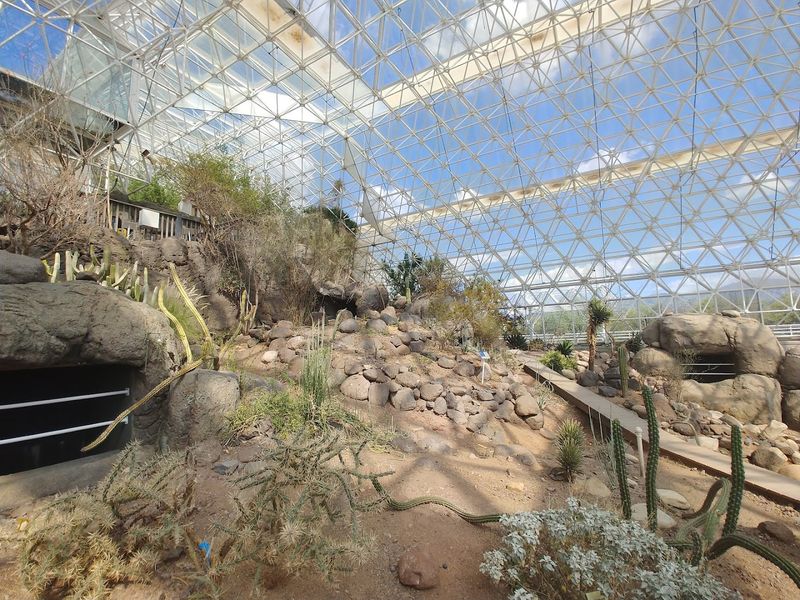
Few places in the United States spark curiosity quite like Biosphere 2, the massive glass and steel structure rising out of the Sonoran Desert near Oracle, AZ 85623.
Built in the late 1980s and located at 32540 S Biosphere Rd, this 3.14-acre enclosed ecosystem was designed to test whether humans could live entirely self-sufficiently inside a sealed environment.
The original two-year experiment in the early 1990s became one of the most talked-about scientific projects of its era.
Today it operates as a research facility managed by the University of Arizona, and guided tours give visitors an inside look at its ocean biome, rainforest, savannah, and desert zones, all contained under one roof. The tour is genuinely fascinating for science enthusiasts and casual visitors alike.
You walk through mini-ecosystems that feel surprisingly alive and complex despite being indoors. The backdrop of the Santa Catalina Mountains adds a striking visual element to the property. Tours run daily and last about an hour and a half.
It is one of the most unusual and thought-provoking stops you can make in the entire state.
8. White Pocket, Vermilion Cliffs National Monument, Arizona
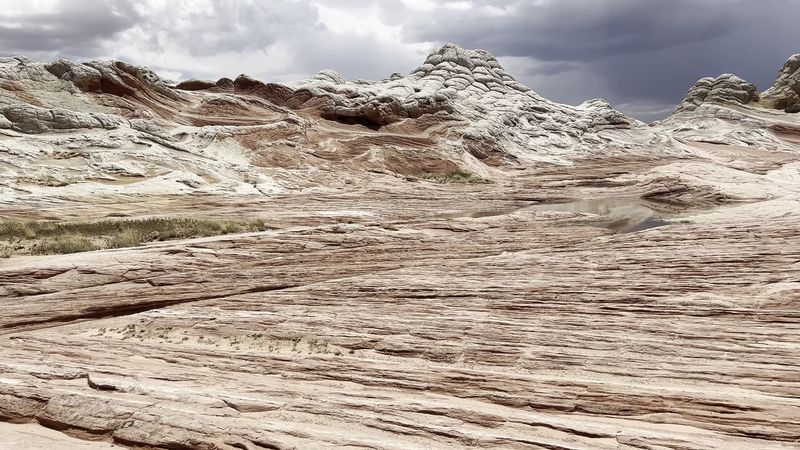
Getting to White Pocket requires a high-clearance four-wheel-drive vehicle and a willingness to navigate several miles of rough dirt road through the remote House Rock Valley. That extra effort filters out the casual visitors, leaving behind one of the most surreal sandstone landscapes you will ever set eyes on.
Located within Vermilion Cliffs National Monument, with access from Page, AZ or Kanab, UT using BLM maps, this spot rewards the determined traveler generously.
The rock here swirls in patterns of white, red, and pink, almost like frozen waves of marble. Unlike the famous Wave formation nearby, White Pocket requires no permit and no lottery, making it a more accessible alternative for those who want similarly mind-bending scenery.
Sunrise and sunset light transforms the colors dramatically, so plan your timing carefully.
Bring more water than you think you need because there are no services anywhere near the site. A GPS device loaded with BLM coordinates is essential since cell service is nonexistent.
White Pocket is the kind of place that makes you stop mid-sentence and just stare.
9. Petrified Forest National Park, Holbrook, Arizona
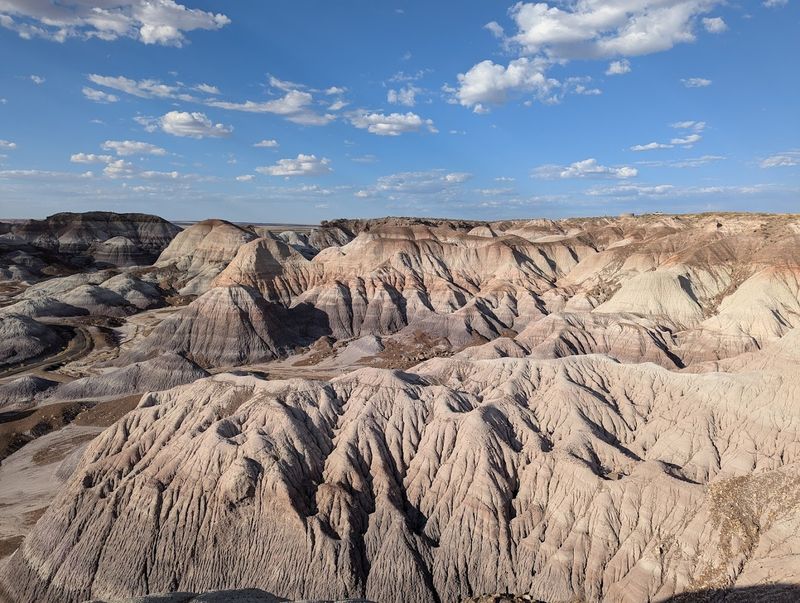
Scattered across the painted desert like discarded jewels, the ancient fossilized logs of Petrified Forest National Park near Holbrook, AZ 86028 are among the most visually striking natural objects you will find anywhere in the American Southwest.
These trees lived over 200 million years ago and were buried under sediment, where minerals slowly replaced the wood with quartz crystal over millions of years. The result is stone logs that shimmer in reds, purples, yellows, and blues.
The park also protects significant archaeological sites including petroglyphs and ancient pueblo ruins, making it a destination that layers natural history with human history beautifully.
The Painted Desert section of the park offers sweeping panoramic views of banded badlands that glow at sunrise and sunset. A 28-mile scenic drive connects the major overlooks and trailheads, making it easy to see a lot without much physical effort.
Removing even a small piece of petrified wood from the park is illegal, and rangers take it seriously. Crowds here are lighter than at many national parks.
The combination of color, scale, and ancient history makes this one deeply memorable stop.
10. Canyon De Chelly National Monument, Chinle, Arizona
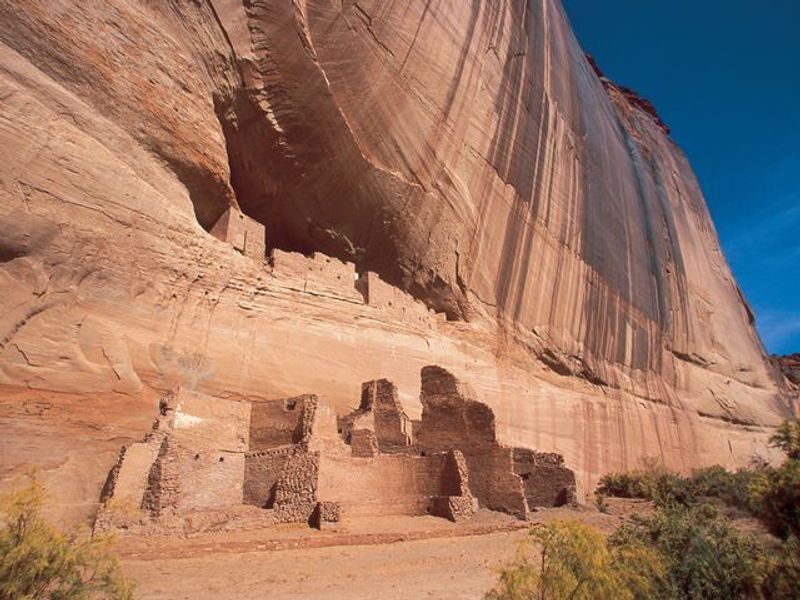
Canyon de Chelly stands apart from nearly every other national monument in the country for one important reason: the Navajo Nation still lives and farms within the canyon today.
Located near Chinle, AZ 86503 with visitor access along Highway 191, this place is not a relic of the past but a living, breathing community with thousands of years of continuous human history layered into its walls.
Ancient cliff dwellings built by Ancestral Puebloans sit in the alcoves above fields still planted each season.
Rim overlooks along both the North and South Rim drives offer dramatic views without requiring a guide. However, descending into the canyon itself requires a Navajo-authorized guide, which adds an irreplaceable cultural dimension to the experience.
Guided tours by jeep, horseback, or on foot give visitors stories and context that no signboard can replicate.
The canyon is most beautiful in spring when cottonwood trees leaf out in vivid green against the red walls. Autumn brings golden foliage that feels equally stunning.
Spending time here is as much a cultural experience as it is a scenic one, and that combination is rare.
11. Bisbee Historic District, Bisbee, Arizona
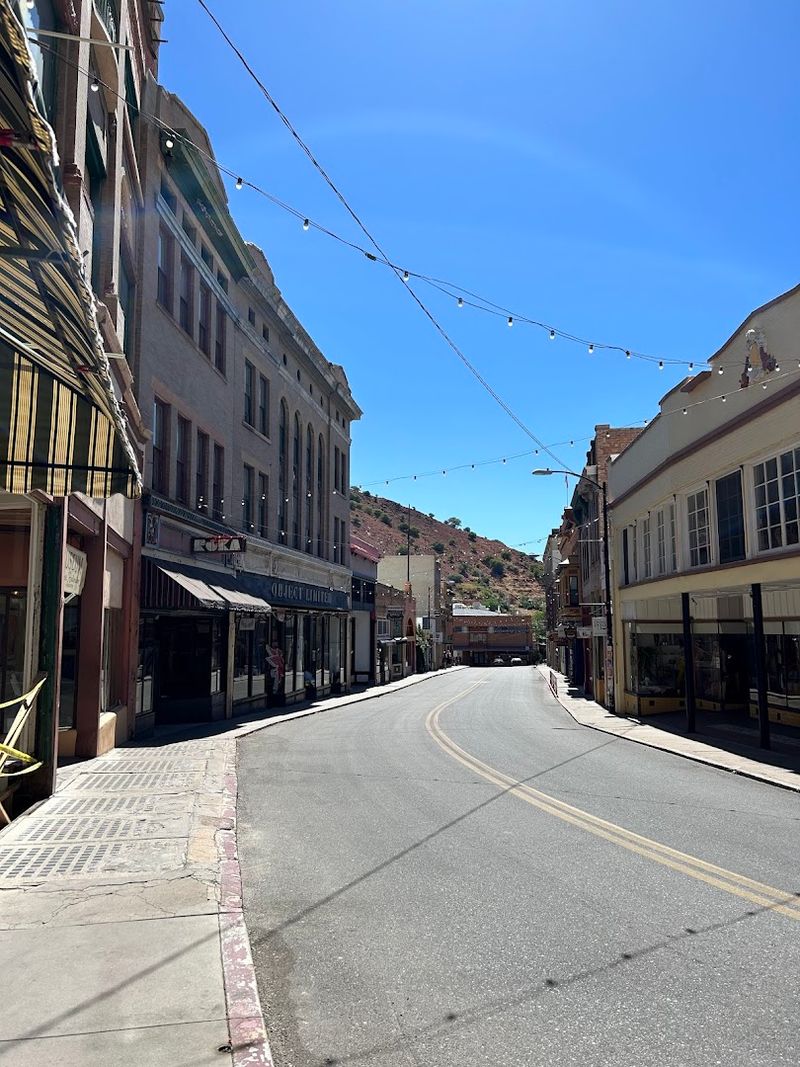
Tucked into the folds of the Mule Mountains near the Mexican border, Bisbee is the kind of town that makes you wonder how you went this long without visiting.
The downtown historic district around Copper Queen Plaza, including the Bisbee Mining and Historical Museum at 5 Copper Queen Plaza, Bisbee, AZ 85603, is packed with Victorian-era buildings that have been transformed into galleries, boutique shops, and quirky cafes.
The whole town clings to steep hillsides connected by staircases instead of streets.
Bisbee was once one of the largest copper-producing cities in the world, and that mining heritage is woven into every corner of the place. The Queen Mine Tour takes visitors underground into the actual tunnels where miners worked in the early 1900s, and the guides are usually former miners themselves.
That personal knowledge makes the experience feel completely authentic.
The arts community here is vibrant and has attracted creative residents for decades. Street murals, sculpture gardens, and live music spill out of nearly every block. Bisbee operates on its own wonderfully unhurried rhythm, and that energy is contagious.
12. Jerome State Historic Park, Jerome, Arizona
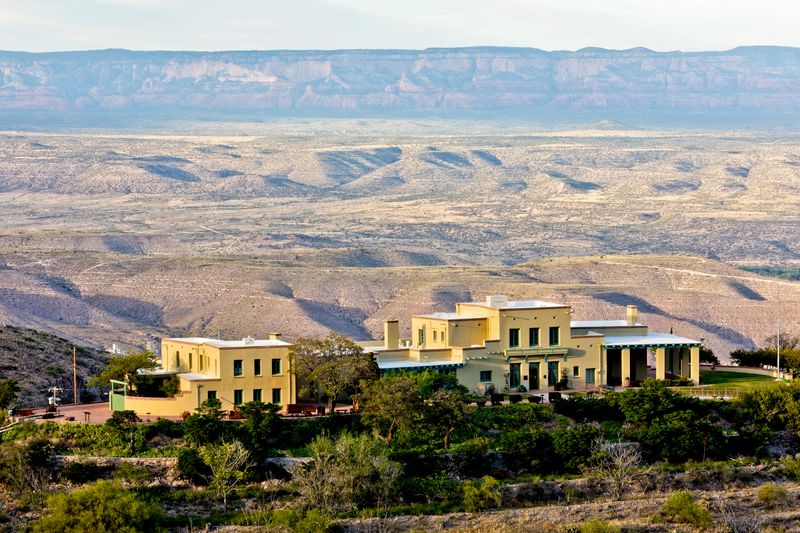
Clinging to the side of Cleopatra Hill at an elevation of nearly 5,000 feet, Jerome was once called the wickedest town in the West during its copper-mining peak in the early 1900s.
Jerome State Historic Park at 100 Douglas Rd, Jerome, AZ 86331 preserves the Douglas Mansion, which was built in 1916 and now serves as a museum filled with mining artifacts, historical photographs, and exhibits about the town’s dramatic rise and fall.
The views from the park’s terrace stretch across the entire Verde Valley. The town itself, just steps from the park, is equally worth exploring.
Jerome’s steep, winding streets are lined with art galleries, studios, and shops operating inside buildings that have been carefully restored.
Some structures shifted significantly due to underground mining activity, giving certain streets a slightly tilted, off-kilter character that adds to the town’s personality.
Jerome draws visitors year-round because its elevation keeps temperatures cooler than the desert floor below. Weekend markets and seasonal art events keep the calendar lively.
Walking the historic downtown alongside a stop at the state park makes for a full and satisfying day trip.
13. Tombstone Historic District, Tombstone, Arizona
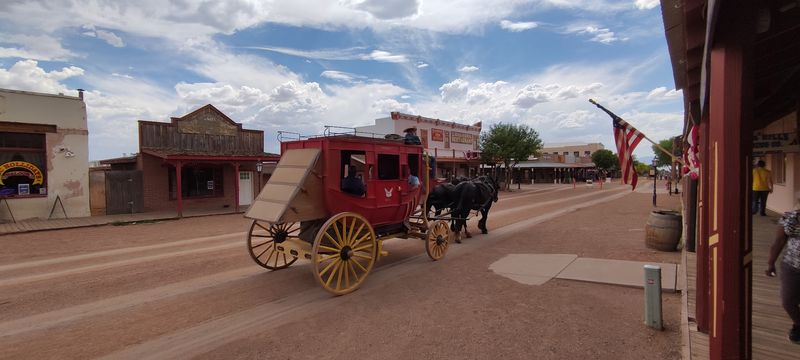
You have probably heard of the gunfight at the O.K. Corral, but standing on the actual ground where it happened in 1881 hits differently than reading about it in a history book.
Tombstone’s historic Allen Street district, centered around downtown Tombstone, AZ 85638, preserves the look and feel of a 1880s silver-boom town with wooden boardwalks, period storefronts, and daily reenactments that bring the Wild West era to life without feeling like a cheap theme park.
The town’s history is genuinely gripping. Tombstone boomed fast and hard after silver was discovered in 1877, attracting thousands of prospectors, outlaws, lawmen, and gamblers.
The Bird Cage Theatre, which operated continuously for years, still has bullet holes in its walls and original fixtures intact. Visiting it feels like stepping into a preserved time capsule.
Boothill Graveyard on the edge of town is a sobering and fascinating complement to the main historic district. The handwritten grave markers tell short but vivid stories.