
Here Are 13 Underrated But Must-See Places In Colorado For Out-Of-Towners
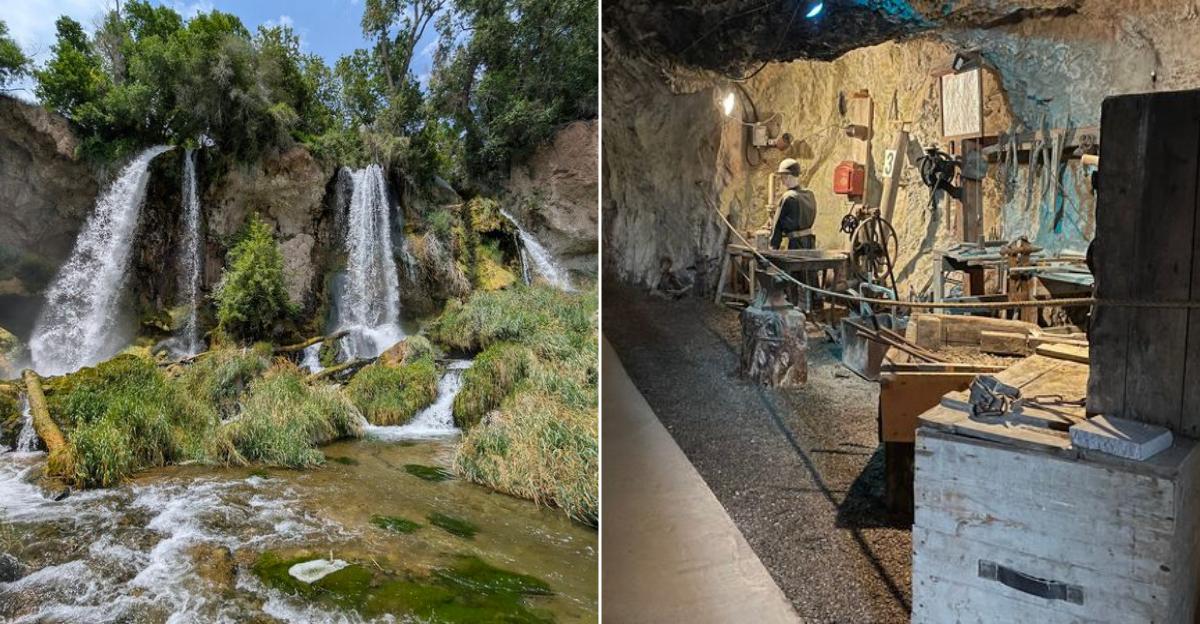
Colorado may get most of its fame from snowy slopes and giant mountain views, but that is only part of the story.
These are the kinds of places that make you slow down, look around, and wonder how something this beautiful is not already swarmed with crowds.
Hidden between famous peaks and heavily traveled trails, they offer the kind of reward that feels personal, like you found something the guidebooks forgot to shout about.
In Colorado, some of the most memorable experiences happen far from the postcard icons, tucked into quiet corners that feel discovered rather than advertised. Families can turn them into unforgettable road trip stops, couples will find plenty of scenery that feels almost cinematic, and solo travelers may enjoy the rare thrill of genuine surprise.
Colorado’s lesser known wonders have a special kind of magic because they do not try too hard. Bring your curiosity, lace up your walking shoes, and get ready to see a side of the state that feels refreshingly real.
1. Colorado National Monument
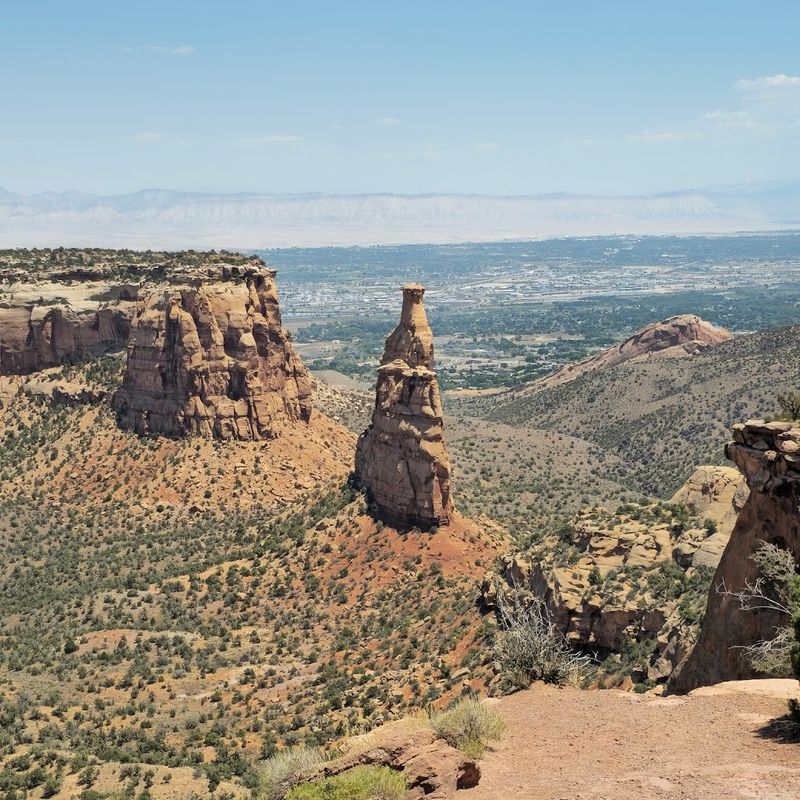
Standing at the rim of Colorado National Monument and looking out over a canyon that feels like it was carved just for you is one of those travel moments that resets your entire perspective. Located at 1750 Rim Rock Drive in Fruita, this place is every bit as jaw-dropping as anything you will find at more famous national parks, yet the parking lot is never a war zone.
The monument is open 24 hours a day, seven days a week, all year long, which means you can time your visit for a quiet sunrise or a star-filled night sky without fighting crowds.
Rim Rock Drive is the main artery here, a 23-mile road that winds along canyon edges with pullouts perfectly positioned for photographs. Hikers have access to trails ranging from short, easy walks to more demanding routes that drop into the canyon floor.
I have driven this road twice now, and both times I found myself pulling over more than I planned to because the views kept outdoing themselves.
Bring water, sunscreen, and a snack because the high desert sun is not shy. This is a place that rewards slow travel, and it costs far less than a day at most theme parks.
2. Rifle Falls State Park
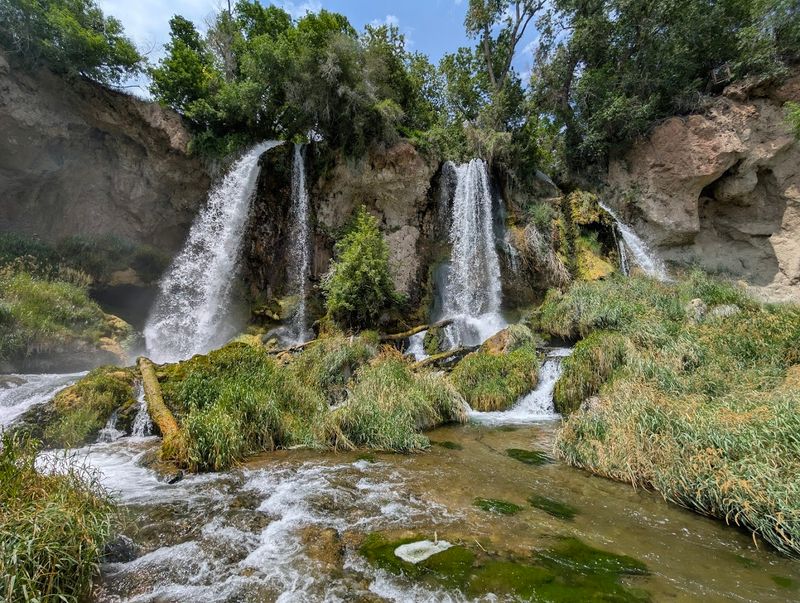
Most people drive through Rifle, Colorado without slowing down, which means most people are missing one of the most visually surprising state parks in the entire American West. Rifle Falls State Park, located at 5775 Highway 325, hides a triple waterfall that looks like it was lifted straight from a Pacific Northwest rainforest and dropped into the Colorado high desert.
The contrast alone is enough to make you stop mid-trail and just stare.
Colorado Parks and Wildlife keeps the park open daily, and the short hike to the falls is manageable for most ages and fitness levels. The mist from the cascades keeps the surrounding vegetation lush and green, creating an almost otherworldly microclimate that feels nothing like the dry landscape you drove through to get here.
I remember rounding the final bend on the trail and genuinely laughing out loud because nothing prepares you for how beautiful it actually is.
Caves tucked behind and beside the falls add an exploratory element that kids absolutely love. Arrive on a weekday morning if you want the falls mostly to yourself.
This is the kind of place you tell friends about and they assume you are exaggerating until they see it themselves.
3. Benson Sculpture Garden
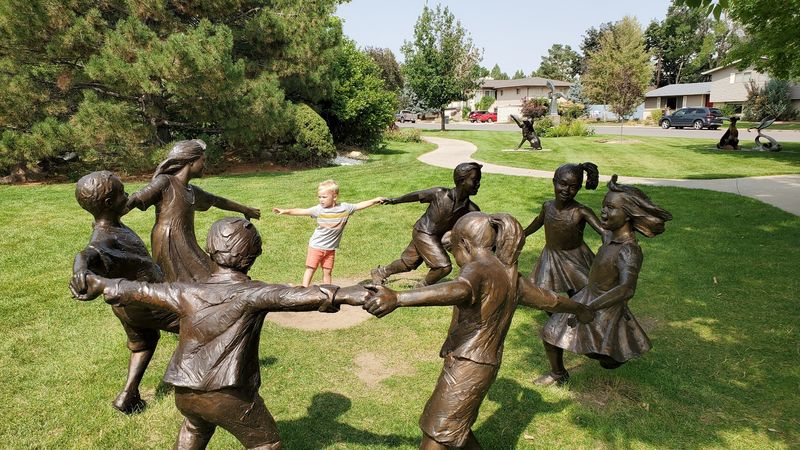
Loveland, Colorado has a long-standing reputation as an arts city, and the Benson Sculpture Garden at 2908 Aspen Drive is the kind of place that makes that reputation feel completely earned. Spread across beautifully landscaped grounds, the garden showcases an ever-changing collection of large-scale sculptures by artists from across the country.
It is open year-round, free to visit, and genuinely one of the most pleasant ways to spend a couple of hours in the state.
What makes this spot feel different from a traditional museum is the way art and nature interact here. You wander paths lined with bronze figures, abstract steel forms, and whimsical installations while birds carry on overhead and families picnic nearby.
There is no hushed gallery pressure, no velvet ropes, just art living outdoors the way it probably always wanted to. The garden hosts an annual show each September that draws sculptors and collectors from around the world, though the permanent collection is impressive enough on its own.
If you are traveling through northern Colorado with an afternoon to spare, this stop adds cultural weight to any road trip without demanding much planning. Bring a blanket and make an afternoon of it.
You will leave feeling quietly enriched.
4. Ute Indian Museum
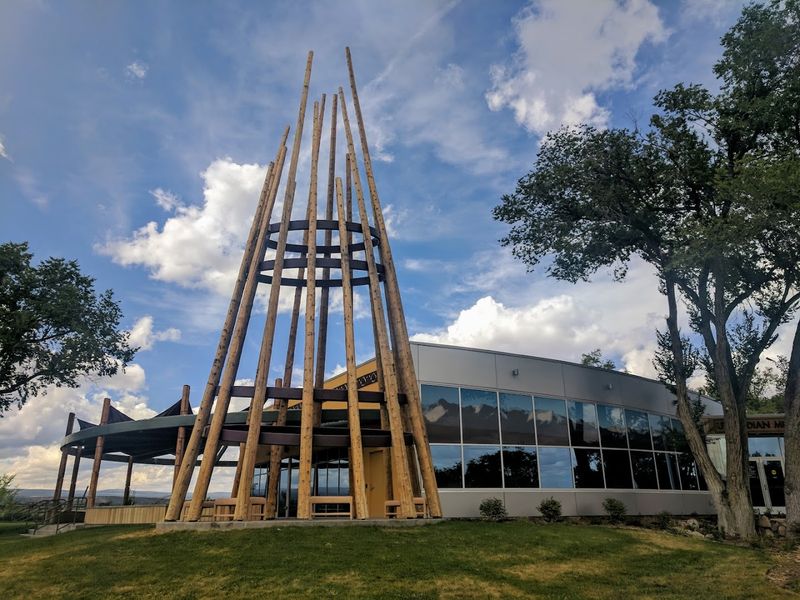
The Ute Indian Museum in Montrose sits at 17253 Chipeta Road and offers one of the most thoughtful and genuinely moving cultural experiences in Colorado. History Colorado operates the museum, and its active exhibits and programming reflect a deep commitment to honoring the Ute people, who were the original inhabitants of nearly all of present-day Colorado.
Visiting here is not just a history lesson; it is a reorientation of how you understand the landscape you have been driving through.
The museum grounds include the burial site of Chipeta, the wife of Chief Ouray, and the setting itself carries a quiet dignity that stays with you long after you leave. Inside, the exhibits trace Ute history, culture, and traditions with care and context that you rarely find in smaller regional museums.
I left feeling like I had finally met the state properly, rather than just passing through its scenic corridors.
Montrose is already worth a stop as a gateway to Black Canyon of the Gunnison, but the Ute Indian Museum gives the town an additional layer of meaning. Plan at least ninety minutes here.
Admission is modest, and the staff are genuinely knowledgeable and welcoming to curious visitors of all backgrounds.
5. Florissant Fossil Beds National Monument
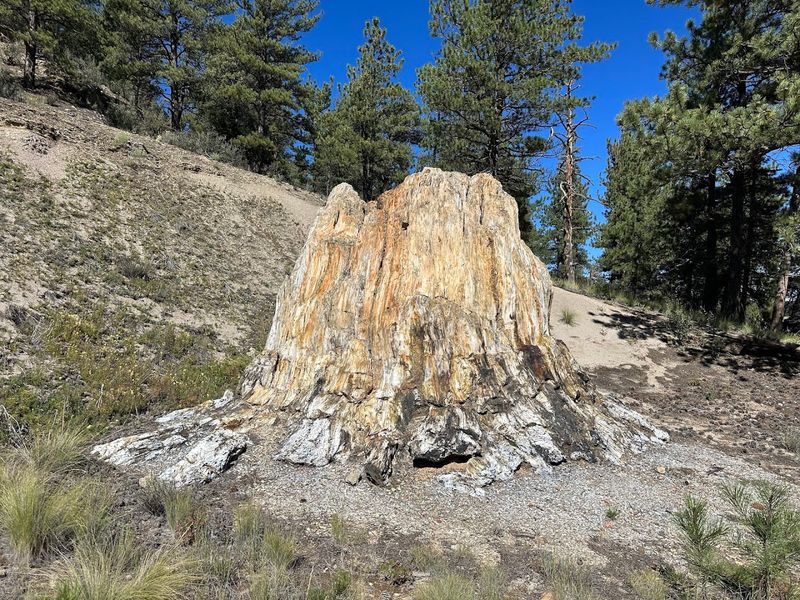
Roughly 34 million years ago, a series of volcanic eruptions buried an entire ancient lake ecosystem near what is now Florissant, Colorado, and the fossils that resulted are extraordinary. The Florissant Fossil Beds National Monument preserves that prehistoric world in remarkable detail, from giant petrified redwood stumps to delicate insect impressions in shale.
Passes are available for entry, and current operating information is listed on the monument’s official site.
Walking among the petrified stumps feels genuinely strange in the best possible way. Some of the ancient sequoia stumps here are among the largest petrified stumps on earth, and standing next to one puts the scale of geological time into a perspective that no textbook quite manages.
Kids are especially captivated, partly because fossils are inherently cool and partly because the meadow setting makes the whole visit feel like a treasure hunt.
The hiking trails are well-maintained and range from flat, easy loops to longer routes that take you into the surrounding ponderosa pine forest. Wildlife sightings are common, and the wildflower meadows in summer are unexpectedly beautiful.
If you are road-tripping between Colorado Springs and the mountains, this monument sits right along a logical route and is absolutely worth the detour.
6. Creede Underground Mining Museum
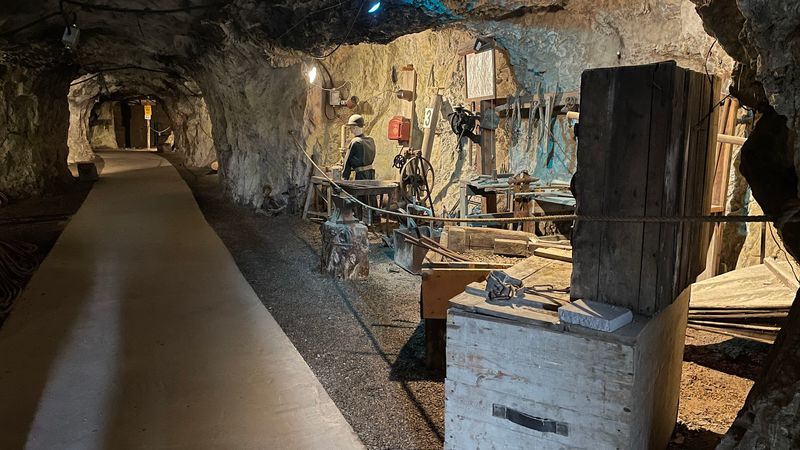
Creede is the kind of Colorado town that feels like it exists slightly outside of normal time, tucked into a narrow canyon with a history as dramatic as its geography. The Creede Underground Mining Museum, found at number 9 USFS Road 503, takes that drama underground quite literally.
The museum is carved directly into the volcanic rock beneath the town, and walking through its tunnels gives you an immediate, visceral sense of what silver mining life actually looked and felt like in the late 1800s.
The museum’s official site confirms it is open year-round, and its 2026 events page shows a genuinely active programming calendar, which tells you this is not a dusty relic running on fumes. Exhibits cover mining technology, local history, and the colorful characters who flooded Creede during its silver boom, including a famous one-time resident named Bat Masterson.
The museum staff bring real enthusiasm to their tours, and that energy makes a significant difference.
Pair a visit here with a walk through Creede’s small but charming downtown, which has galleries, restaurants, and a repertory theater that punches well above its weight. The drive into town through Willow Creek Canyon alone is worth the trip.
This is Colorado storytelling at its most authentic.
7. Fishers Peak State Park
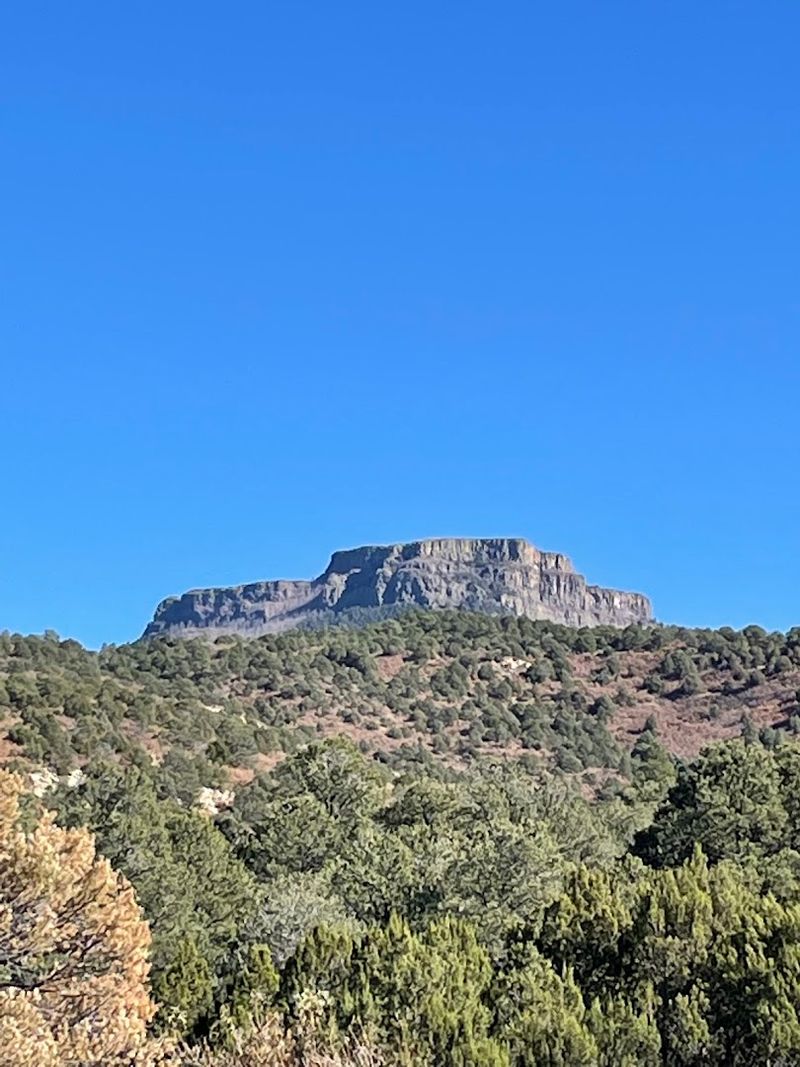
Colorado’s newest state park carries the kind of presence that makes you wonder how it stayed off the tourist radar for so long. Fishers Peak State Park, located at 6910 Marc Jung Drive in Trinidad, opened to the public in 2022 and centers on a striking flat-topped mesa that dominates the skyline above southern Colorado.
Colorado Parks and Wildlife lists it as open daily from 5 a.m. to 10 p.m., giving visitors plenty of time to explore its trails and overlooks.
The park sits in a transition zone between the Southern Rocky Mountains and the Great Plains, which means the ecology here is genuinely different from what you find farther north. Hiking trails wind through grasslands, piñon-juniper woodlands, and ponderosa pine forests, and wildlife encounters are common.
I find that parks with this kind of ecological variety always deliver something unexpected, whether it is a hawk riding thermals above the mesa or a meadow full of wildflowers you did not see coming.
Trinidad itself deserves more credit as a destination, with a walkable historic downtown and a growing arts scene. Combining Fishers Peak with an afternoon in town makes for a deeply satisfying day.
This park rewards early arrivals, especially on weekends when the trailheads fill faster than you might expect.
8. Western Museum of Mining and Industry
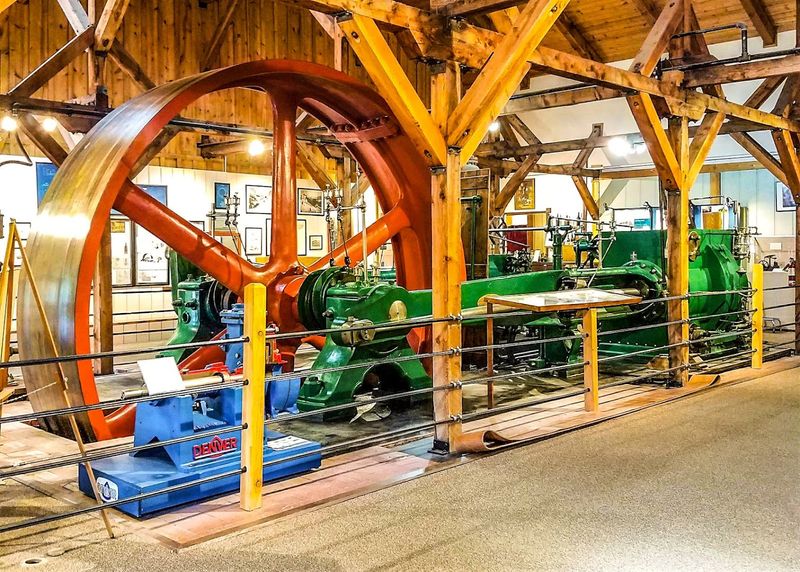
Colorado Springs gets plenty of attention for Garden of the Gods and Pikes Peak, but the Western Museum of Mining and Industry at 225 North Gate Boulevard is the kind of stop that history enthusiasts and curious families stumble upon and immediately wish they had planned more time for. The museum has an active visit page and a current 2026 events calendar, signaling that this is a well-maintained institution with real momentum behind it.
The collection here is legitimately impressive, covering the full arc of Colorado’s mining industry through working machinery, hands-on demonstrations, and richly detailed exhibits. Where many industrial museums feel static, this one has a kinetic energy about it.
Steam engines run, gold panning demonstrations happen, and the sheer scale of the equipment on display makes you rethink how much raw human effort built the American West.
Children respond particularly well to the interactive elements, and adults who came expecting to be mildly interested tend to leave genuinely absorbed. The museum grounds are expansive and set against a backdrop of the Front Range foothills, which gives the whole experience a scenic bonus you were not expecting.
Budget two hours at minimum, and consider pairing it with a meal in Colorado Springs before heading back to the highway.
9. Trinidad History Museum
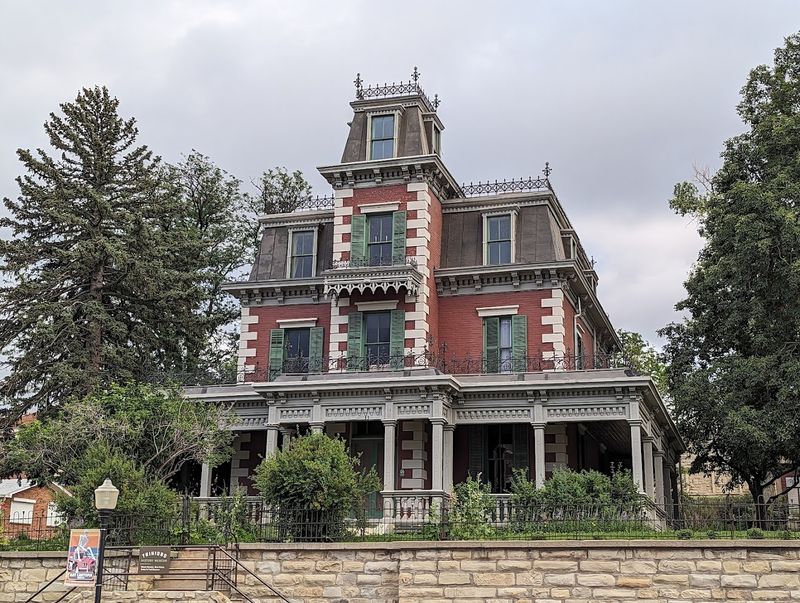
Trinidad sits at the foot of Raton Pass in southern Colorado and carries more history per square block than almost anywhere else in the state. The Trinidad History Museum at 312 East Main Street is operated by History Colorado and maintains an active ticketing presence that reflects genuine ongoing investment in the site.
Walking this campus feels like stepping into several different eras of the American Southwest simultaneously.
The museum complex includes historic homes, period gardens, and exhibits that trace Trinidad’s layered past, from its days as a stop on the Santa Fe Trail to its later role in the coal mining industry and the complex labor history that followed. The Baca House, a beautifully preserved adobe structure on the property, is alone worth the admission price.
There is a texture to this place that you simply cannot replicate in a modern exhibit hall.
What I appreciate most about Trinidad History Museum is how honestly it presents difficult chapters alongside the triumphant ones. The labor history exhibits in particular are handled with a seriousness that elevates the entire visit.
If you are already planning to visit Fishers Peak State Park nearby, folding in the Trinidad History Museum turns a single-stop day into a genuinely rich cultural experience. This town consistently surprises visitors who expected very little.
10. Georgetown Loop Railroad
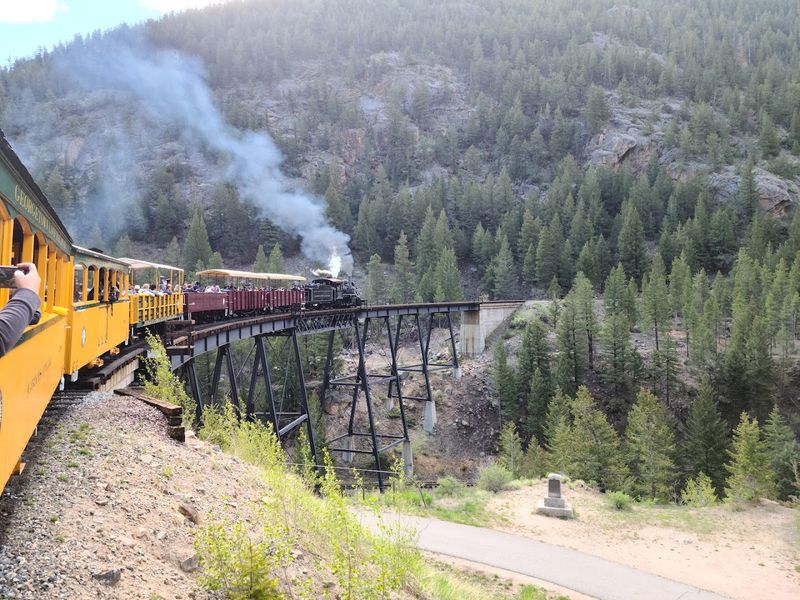
There is something about a narrow-gauge mountain railroad that makes even the most reluctant traveler lean forward in their seat. The Georgetown Loop Railroad, operating out of Georgetown, Colorado, has an active 2026 season with current ride listings and recently announced opening information, meaning this beloved historic line is very much alive and running.
The railroad connects Georgetown and Silver Plume via a spectacular loop of track that climbs the mountain through a series of curves and a soaring trestle bridge.
The engineering feat that makes this loop possible was considered remarkable when it was built in the 1880s, and it still earns that description today. Riding it gives you a moving window into the ingenuity required to push rail access into the high Rocky Mountain terrain during the silver boom.
The views from the Devil’s Gate High Bridge are genuinely dramatic, and the ride itself is smooth enough that you can relax and take it all in rather than white-knuckling through the curves.
Georgetown is a beautifully preserved Victorian mining town, and a visit to the railroad pairs naturally with a stroll through its historic downtown. The whole experience has a timeless, unhurried quality that is increasingly rare in modern travel.
This is one of those stops that earns its place on the itinerary without needing any convincing.
11. Fort Garland Museum and Cultural Center
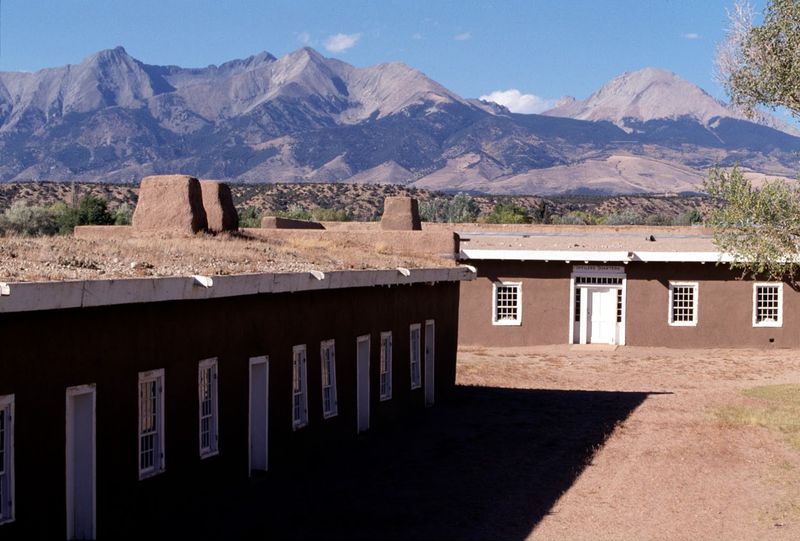
The San Luis Valley is one of those Colorado landscapes that operates at a completely different frequency from the rest of the state, wide, flat, and ringed by mountains in a way that feels almost surreal. Fort Garland Museum and Cultural Center at 29477 CO-159 anchors that valley with history that stretches from Kit Carson’s command of the fort in the 1860s to the broader story of Hispanic culture in southern Colorado.
History Colorado operates the museum, and recent 2025 and 2026 updates confirm ongoing public activity there.
The fort’s adobe buildings have been carefully preserved, and walking through them gives you an immediate sense of frontier military life in the post-Civil War period. The exhibits on the Buffalo Soldiers and the surrounding Hispanic communities add depth and dimension that push this well beyond a standard frontier fort experience.
I found myself spending far longer here than I had budgeted, which is always a good sign.
The cultural center component honors the living traditions of the San Luis Valley’s communities rather than treating the past as a closed chapter. If you are driving the Great Sand Dunes corridor, Fort Garland is a natural and rewarding addition to the route.
The combination of landscape and layered history makes this one of the most distinctive stops in southern Colorado.
12. Museum of the Mountain West
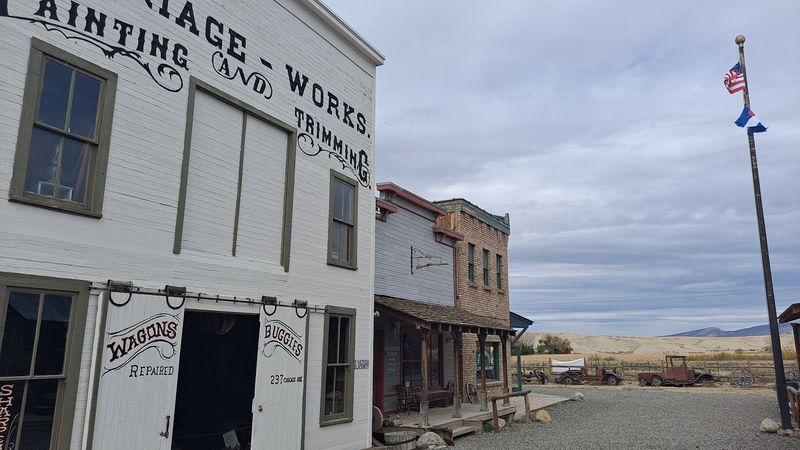
Calling the Museum of the Mountain West a museum almost undersells it. Located at 68169 East Miami Road in Montrose, this place is closer to a full historic town assembled from authentic buildings and artifacts collected from across the region.
Its official site lists current visitor information and seasonal hours, confirming it is actively operating and welcoming guests. What greets you when you arrive is genuinely unlike anything else in Colorado.
The collection spans multiple historic structures, including an old schoolhouse, a chapel, storefronts, and equipment yards filled with machinery that tells the story of Western frontier life in the most tangible way imaginable. Everything here is real, not reproduction, which gives the experience a weight that purpose-built attractions simply cannot match.
Walking through the grounds feels like being handed a key to a part of history that usually stays locked behind glass cases.
Montrose visitors who are already planning a trip to Black Canyon of the Gunnison or the Ute Indian Museum should absolutely add this to the itinerary. The museum rewards unhurried exploration, so give yourself at least two hours if you want to do it properly.
This is the kind of place that history buffs will talk about for years and casual visitors will be genuinely glad they stumbled into.
13. Colorado Gators Reptile Park
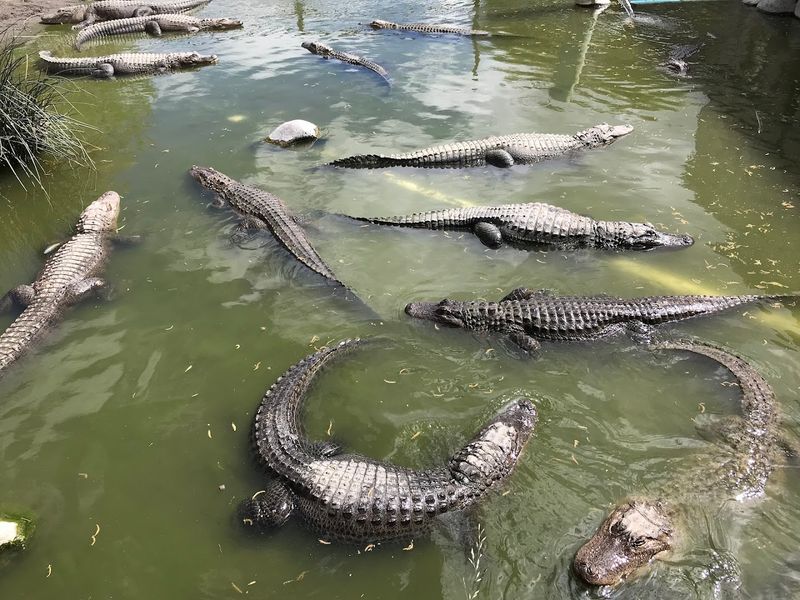
Nothing quite prepares you for the moment you realize there are several hundred live alligators living in the middle of the Colorado high desert. Colorado Gators Reptile Park at 9162 Lane 9 North in Mosca is exactly as unexpected as it sounds, and that is precisely why it earns a spot on this list.
The official site lists current 2026 hours and confirms the park is open daily, so this is very much a living, operational attraction and not some roadside curiosity that closed years ago.
The park originated as a fish farm that used geothermal water to raise tilapia, and the alligators were brought in to manage fish carcasses. That sentence alone tells you this place has a story.
Today it houses not only gators but also a wide range of reptiles and other animals, and it offers hands-on experiences that you will not find at any conventional zoo. Holding a baby alligator is one of those activities that sounds alarming in theory and turns out to be genuinely thrilling in practice.
If you are driving through the San Luis Valley between Great Sand Dunes and Alamosa, this park is a perfect midday stop that will absolutely derail your schedule in the best possible way. Kids go wild for it, and adults who thought they were just humoring the family tend to become the most enthusiastic participants.