
Here’s Why This Ohio Steakhouse’s Menu Has Stayed The Same For Decades
Most restaurants chase trends like they’re going out of style. New menus drop every season, fusion concepts pop up overnight, and yesterday’s comfort food becomes today’s forgotten memory.
But tucked away on West Broad Street in Columbus, Ohio, sits a steakhouse that refuses to play that game. This place serves the same dishes it did when your parents were dating, and customers keep coming back for exactly that reason.
The menu hasn’t changed because it doesn’t need to. When you’ve perfected a formula that brings families together across generations, why mess with it?
What started as a mall chain phenomenon has survived as the last of its kind, proving that sometimes the old ways really are the best ways.
The Original Cafeteria-Style Setup at 4220 W Broad St, Columbus, Ohio
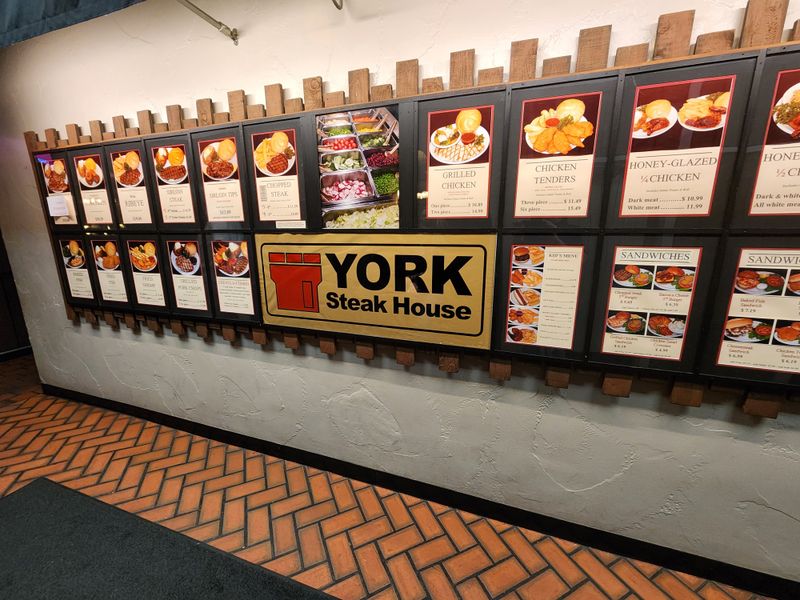
York Steak House at 4220 W Broad St in Columbus, Ohio 43228 operates exactly as it did decades ago. You grab a tray at the entrance, slide it along metal rails, and watch your steak get grilled right in front of you.
This cafeteria format defined the dining experience for millions of Americans in the 1970s and 80s. While other restaurants abandoned the model for table service or fast casual concepts, York kept the line moving.
The system works beautifully for families. Kids can see their food being prepared, parents can control portions and costs, and everyone moves through at their own pace.
I walked through that line on my first visit and felt transported. The heavy wooden doors, the picture menu on the wall, the long corridor with desserts displayed behind glass.
Nothing about this process has been modernized or streamlined.
That’s precisely why regulars love it. The cafeteria style isn’t a gimmick or a throwback theme night.
It’s just how York has always done business, and changing it would betray everything the restaurant represents to its loyal customers.
Steaks Grilled the Same Way Since Opening Day
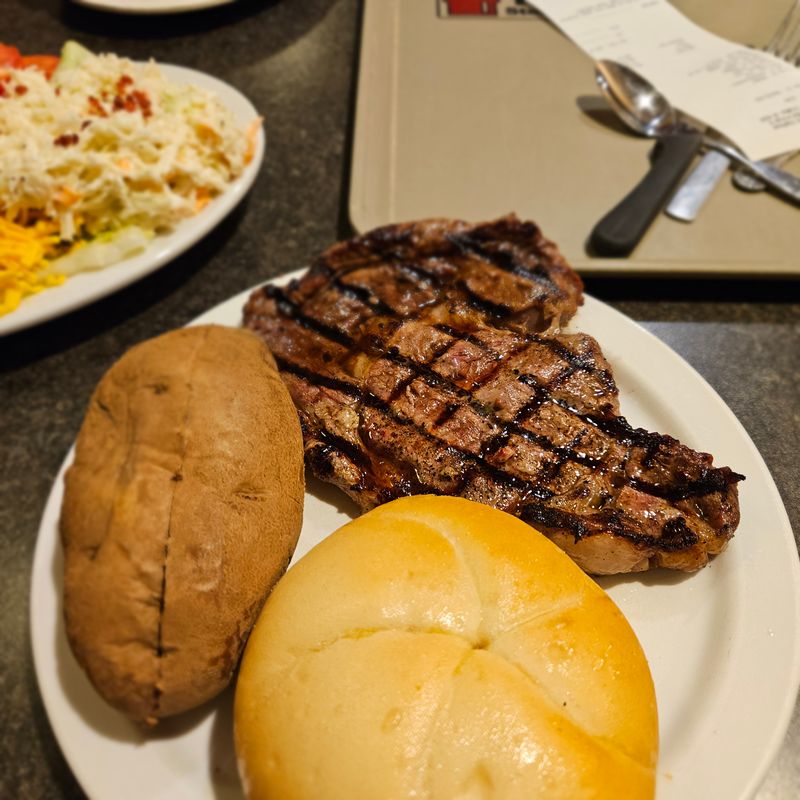
The grill station hasn’t changed its technique in all these years. Same temperatures, same timing, same simple approach that lets the meat speak for itself.
York doesn’t marinate their steaks or coat them in fancy rubs. They season with salt and pepper, throw them on a hot grill, and cook them to your requested temperature.
This straightforward method was standard practice when the chain launched, and it remains standard here.
Many reviews mention the steaks arriving exactly as ordered. Medium rare comes out pink and juicy, not swimming in blood or overcooked to gray.
The grill master knows what they’re doing because they’ve been doing it the same way forever.
I ordered the sirloin medium and watched it hit the grill. No complicated preparations, no theatrical presentations.
Just a good cut of beef treated with respect and proper heat application.
The consistency matters more than innovation here. Customers return because they know exactly what they’re getting.
That five-ounce sirloin tastes the same today as it did when their grandparents brought them here as children.
The Iconic Salad Bar Remains Unchanged
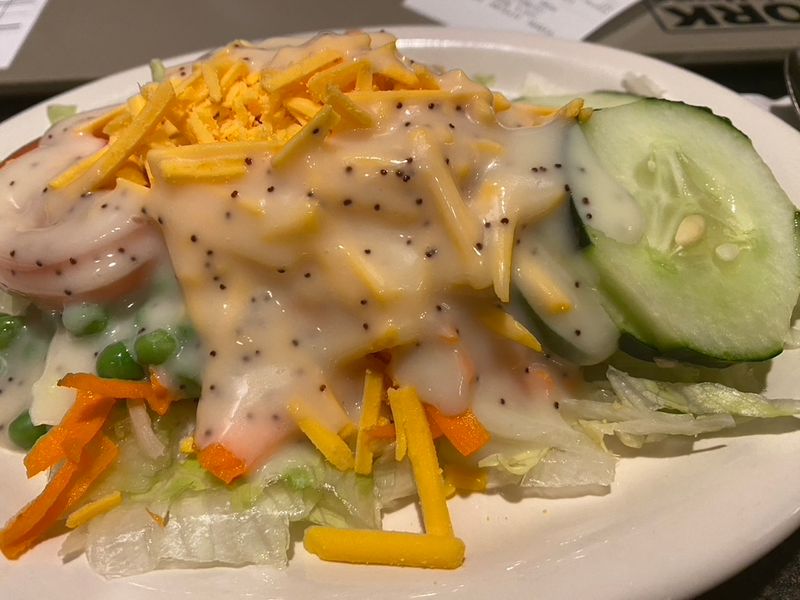
Every entree comes with one trip to the salad bar. Not unlimited trips like modern buffets promise, just one pass to build your salad before the main course arrives.
The selection stays basic on purpose. Iceberg lettuce forms the foundation, with shredded cheddar cheese, cucumber slices, tomato wedges, and a few dressing options.
You won’t find exotic greens or gourmet toppings here.
Some customers complain about the simplicity or the single-trip rule. They remember when salad bars were elaborate affairs with endless return visits.
But York’s approach reflects its original concept perfectly.
I grabbed a plate and made my salad during the cafeteria line process. The vegetables were fresh enough, the cheese was standard grocery store shred, and the ranch tasted like every ranch dressing from the 1980s.
That familiarity is the point. People don’t come to York expecting organic spring mix with vinaigrette.
They come for the same iceberg lettuce salad their parents ate here forty years ago. The salad bar serves nostalgia as much as vegetables.
Those Famous Dinner Rolls Keep People Coming Back
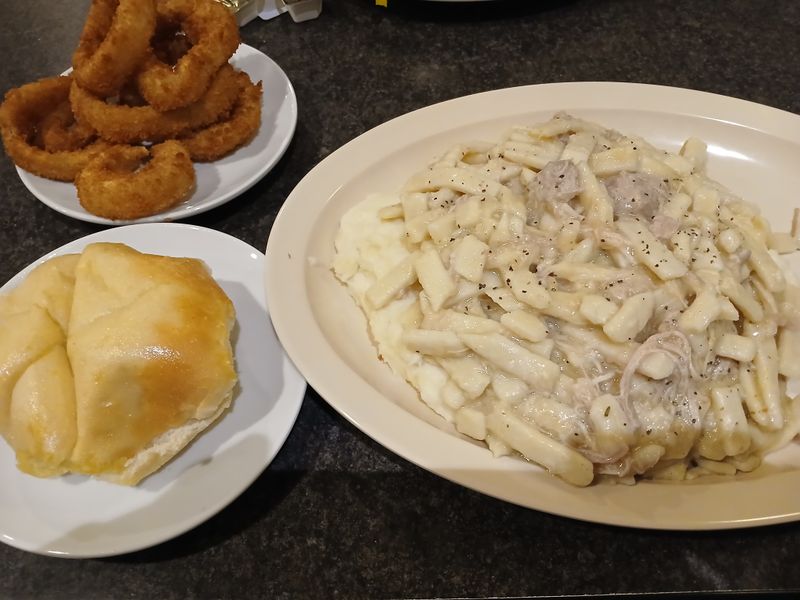
Ask any York regular about their favorite part of the meal and half will mention the rolls. These aren’t fancy artisan creations or trendy flavored breads.
They’re simple white dinner rolls, served warm with butter.
The recipe hasn’t changed since the restaurant opened. Same flour, same baking method, same pillowy texture that made them famous across the Midwest when York was a mall chain empire.
Reviews consistently praise the rolls as off the chart or perfectly buttery. One customer specifically noted how soft and delicious they were, highlighting them as a meal standout.
I received mine alongside my entree and understood the hype immediately. The exterior had a slight crust while the inside practically melted.
They tasted exactly like the rolls I remembered from childhood cafeteria lunches, but somehow better.
Some visits apparently result in drier rolls that sat too long under warming lights. But when they’re fresh, these simple rolls demonstrate why York doesn’t mess with its recipes.
Perfection doesn’t need improvement, it just needs consistency.
Sirloin Tips With Grilled Onions Stay on the Menu
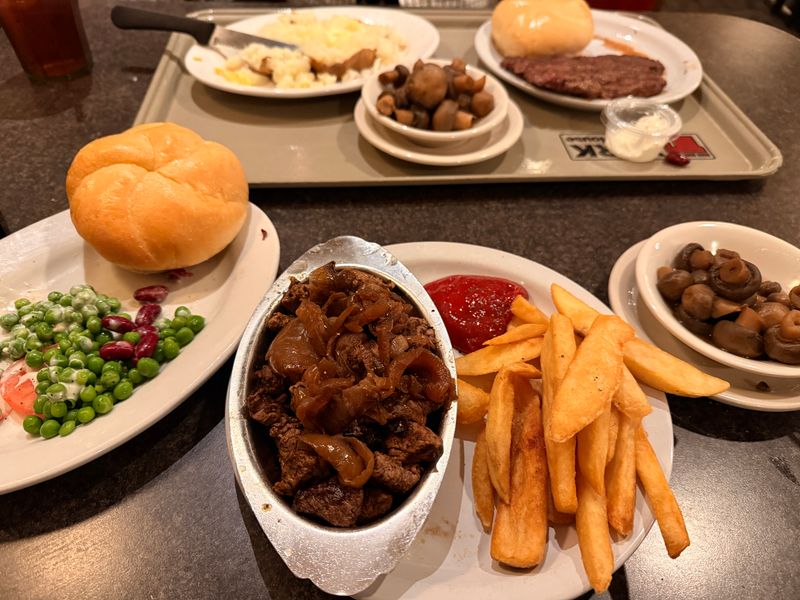
Sirloin tips appear frequently in customer reviews as a standout choice. These aren’t the tough, chewy chunks many restaurants serve.
York’s version comes tender and juicy, topped with caramelized onions.
The dish represents classic American steakhouse fare from the era when York dominated shopping mall food courts. Sirloin tips offered a more affordable option than full steaks while still delivering satisfying beef flavor.
One reviewer specifically mentioned ordering sirloin tips despite normally avoiding them due to toughness issues. The York version changed her mind completely, earning praise for tenderness and proper preparation.
I watched them prepare an order ahead of mine. The tips get the same grilling treatment as full steaks, then get topped with onions that have been cooking down all day.
Simple preparation, reliable results.
The menu could easily swap this dish for something trendier. Steak tips aren’t fashionable anymore in upscale dining.
But York knows its customers want what they’ve always wanted, and sirloin tips with grilled onions fit that bill perfectly. No reason to change what works.
Honey Glazed Chicken Provides the Non-Beef Alternative
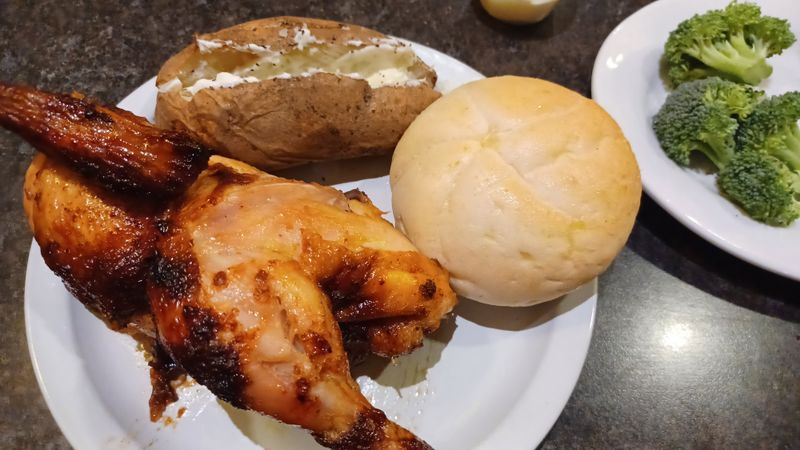
Not everyone wants steak, and York has always recognized that reality. The honey glazed chicken has occupied menu space since the beginning, offering a sweeter alternative to beef.
This dish reflects the cooking style of its era. The glaze is sweet and straightforward, not complicated with Asian fusion influences or gourmet ingredients.
It’s chicken with honey glaze, exactly as the name promises.
Reviews mention the chicken less frequently than steak options, but it appears consistently enough to prove its staying power. One customer ordered a combo with quarter chicken and sirloin tips, praising the chicken’s seasoning.
I observed several customers selecting chicken as they moved through the cafeteria line. The pieces looked substantial, glistening with that honey coating under the warming lights.
The menu could easily rotate in trendy chicken preparations. Buffalo styles, Nashville hot, or herb-crusted options would align with current food trends.
But York serves honey glazed chicken because that’s what the menu has always featured. The restaurant trusts that customers seeking innovation will eat elsewhere, while those wanting consistency will keep coming back.
Baked Potatoes Prepared the Traditional Way
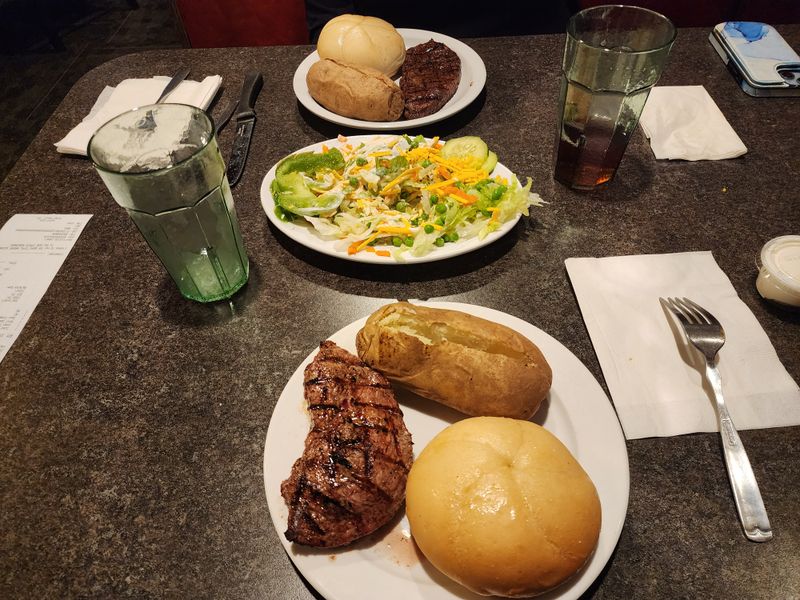
Every steak entree includes a baked potato, prepared exactly as potatoes were baked in American restaurants for generations. Wrapped in foil, cooked until fluffy, served hot with butter and sour cream available.
The preparation method is wonderfully old-fashioned. No fancy twice-baked versions, no loaded potato skins, no sweet potato substitutions.
Just a regular Idaho potato baked in its skin until the interior turns light and fluffy.
Multiple reviews specifically compliment the potatoes. One customer noted how hot and fluffy theirs arrived, while another mentioned the baked potato as one of the better elements of their meal.
I received mine wrapped in foil, still steaming when I unwrapped it. The texture was exactly right, with that dry, fluffy interior that soaks up butter perfectly.
Nothing fancy, nothing innovative, just properly executed.
Modern steakhouses offer elaborate potato preparations with premium toppings and gourmet variations. York sticks with the basic baked potato because that’s what belonged on steakhouse plates in the 1970s.
The side dish lineup doesn’t chase trends because the entire concept is about preserving what worked then.
The 1970s Interior Design Stays Intact
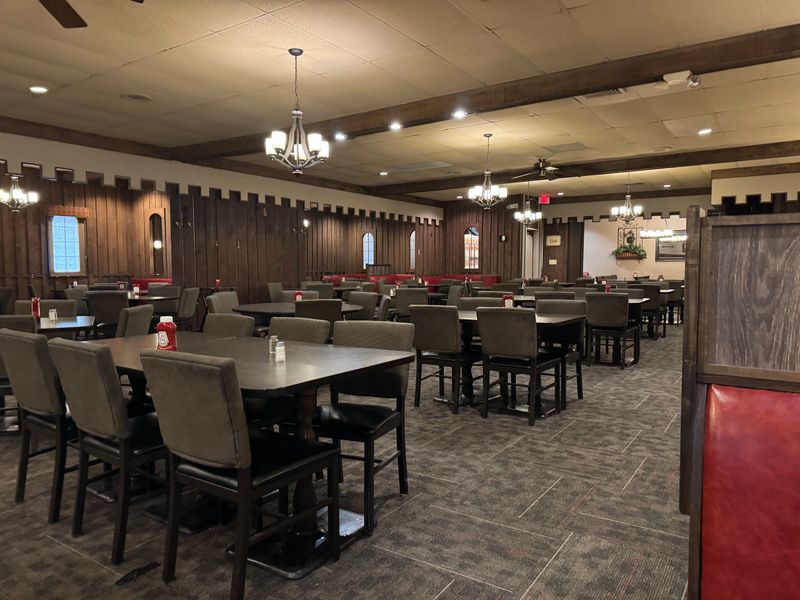
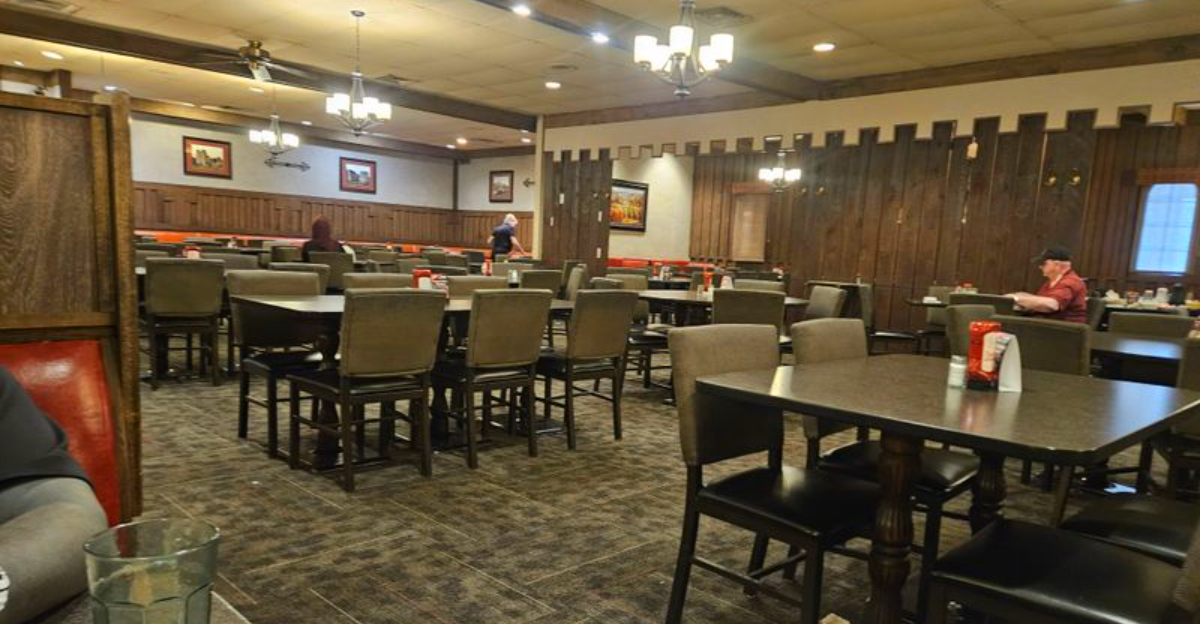
The dining room looks like it was decorated in 1975 and then frozen in time. Dark carpet, wooden tables, dim lighting, and wood-paneled walls create an atmosphere that younger diners find bewildering and older customers find comforting.
This isn’t a themed recreation of 1970s style. These are the actual original furnishings and design choices, maintained rather than replaced.
The heavy wooden doors, the layout, the color scheme all remain authentic to the era.
Dozens of reviews mention the time capsule effect. Customers describe stepping back in time, feeling transported to their childhood, or experiencing nostalgia from the moment they walk in.
The decor generates as much discussion as the food.
I felt the atmosphere immediately upon entering. Everything from the carpet pattern to the table arrangement screamed 1970s mall restaurant.
Modern restaurant design favors open spaces, natural light, and contemporary minimalism. York offers the exact opposite.
Updating the interior would cost significant money and alienate the core customer base. People eat here specifically because it looks like this.
The unchanged decor isn’t neglect, it’s strategy. The restaurant understands that its appearance is part of its appeal.
Affordable Pricing Keeps Families Coming Back
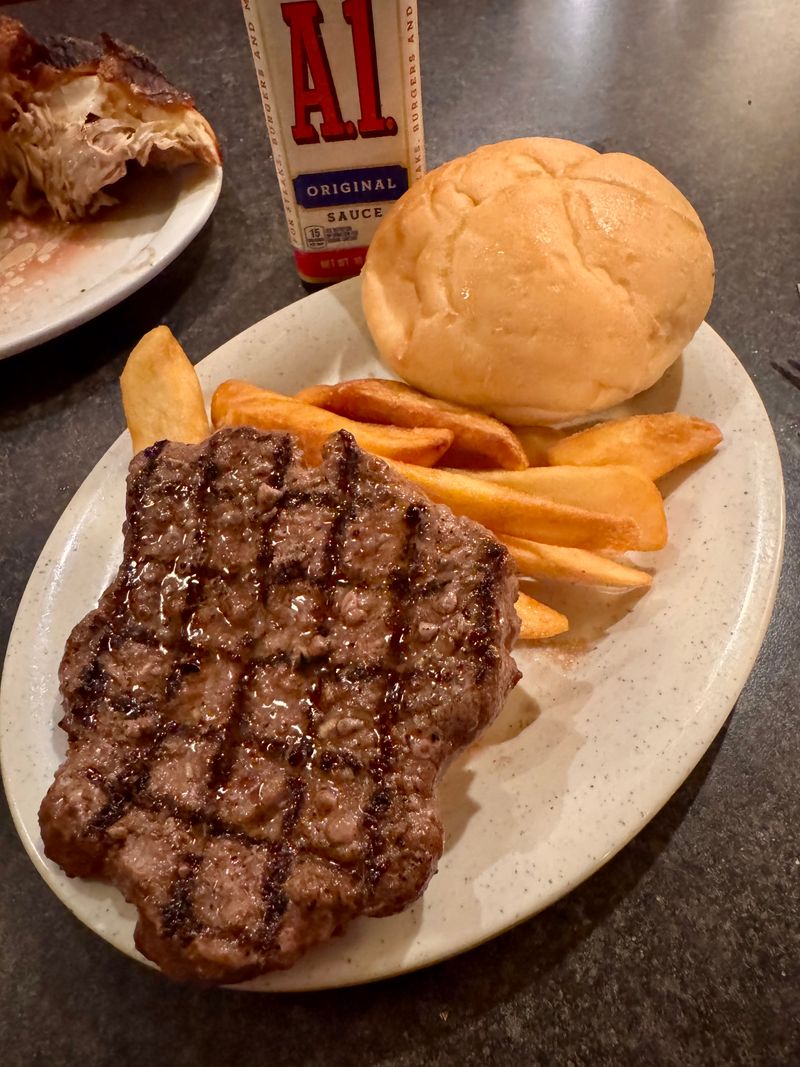
York maintains price points that seem impossible in modern dining. Full steak dinners with salad, potato, and roll cost less than many fast casual meals.
This affordability isn’t accidental, it’s central to the restaurant’s identity.
When York operated as a mall chain, it competed with other food court options by offering sit-down quality at accessible prices. The Columbus location preserves that pricing philosophy even as costs have risen everywhere else.
Review after review emphasizes the value. Customers express amazement at leaving full without breaking the bank.
The cheap prices get mentioned almost as frequently as the food itself, particularly by families and regulars who eat here often.
I paid my bill at the cashier station and genuinely did a double-take at the total. The amount seemed more appropriate for 1985 than 2025.
My full meal cost less than a burger and fries at many casual chains.
Raising prices to match competitors would boost profits but destroy the restaurant’s appeal. York stays affordable because that’s what it’s always been.
The menu hasn’t changed because the entire business model, including pricing, remains committed to the original vision of accessible steakhouse dining.