
Hidden Bunkers Await On This Eerie Ghost Town Trail In Pennsylvania
Pennsylvania holds onto secrets in the most unexpected places, and few feel as mysterious as concrete bunkers scattered along a quiet forest trail.
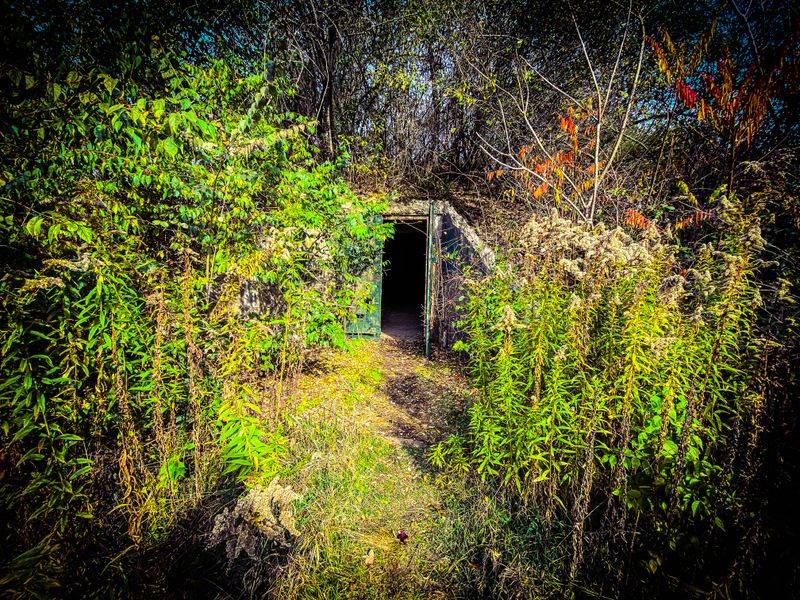
Step into State Game Lands and the mood shifts quickly. Moss creeps over thick walls, heavy doors sit open to the elements, and silence stretches between trees.
What once served a wartime purpose now feels like something pulled from an eerie novel.
It is history layered with stillness, a ghost town atmosphere without storefronts, just remnants of a past that refuses to disappear completely.
Walking this trail is not about bright signs or polished exhibits. It is about discovery. Each bunker appears almost suddenly, blending into the landscape until you are standing right in front of it.
Pennsylvania’s past runs deep, and here it surfaces in a way that feels both haunting and fascinating. The woods stay calm, but your imagination does not.
I remember the first time I rounded a bend and saw one of those structures rising from the ground. My steps slowed without me meaning to.
When a place makes me instinctively quiet down and look closer, I know I have stumbled onto something worth exploring.
A Town Erased For War Efforts
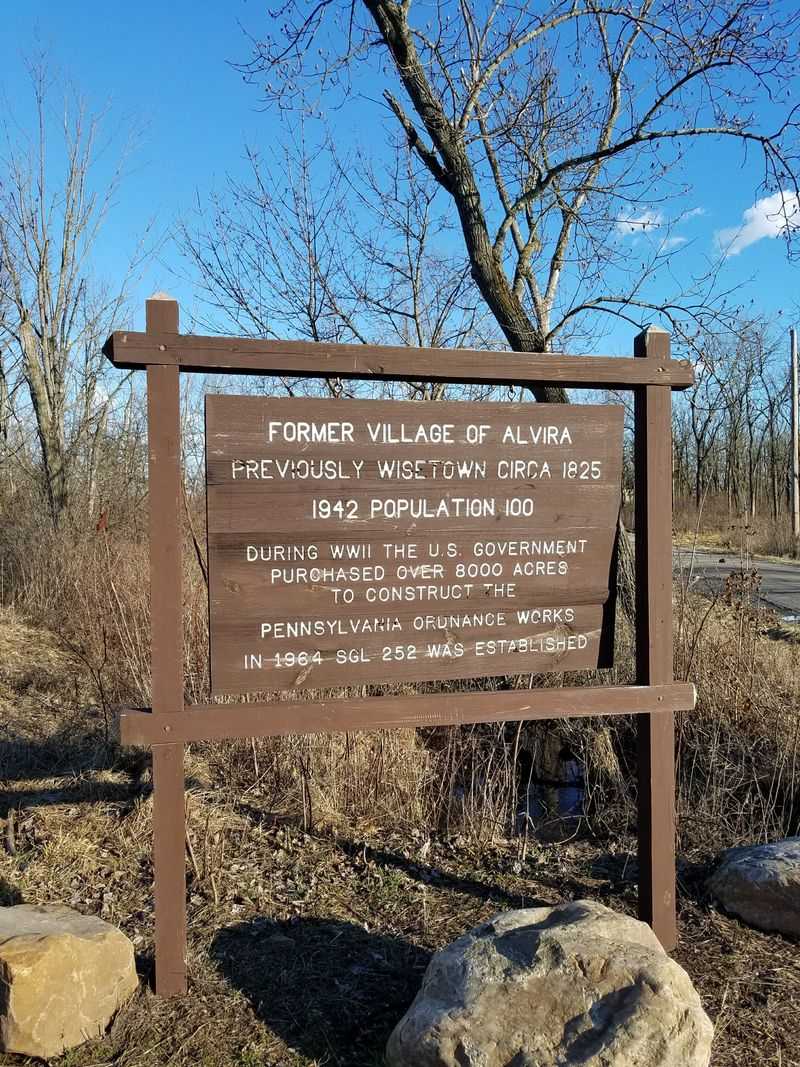
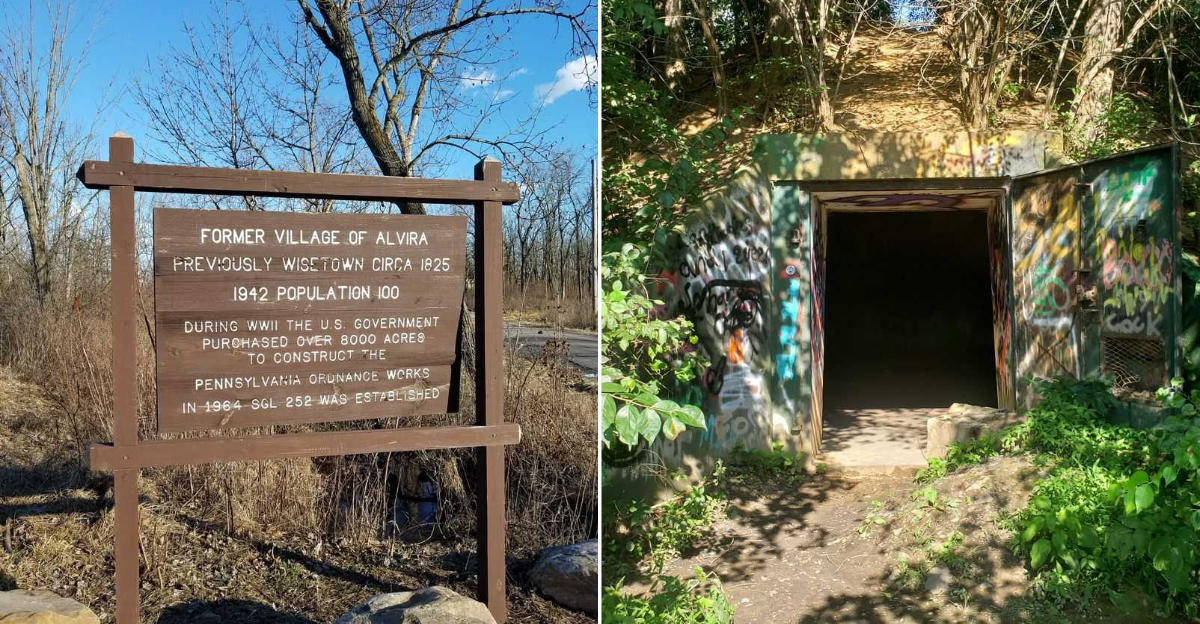
Government officials knocked on doors in 1942, informing families their homes would soon belong to the military.
Alvira disappeared within months as the federal government seized the land to build a TNT manufacturing plant.
Over 100 families packed their belongings and left behind farms, homes, churches, and cemeteries that had stood for generations.
The Pennsylvania Ordnance Works sprawled across thousands of acres, producing explosives for the war effort.
Workers stored quantities of TNT and related materials in bunker magazines, creating a major ordnance facility in central Pennsylvania.
After production ended in 1944, the site changed uses, leaving behind the concrete shells we explore today.
These bunkers now rest within State Game Lands 252, where nature slowly reclaims what humanity built.
Access is along Alvira Road near Allenwood, Pennsylvania, with small pull-offs that serve as informal parking for hikers.
Concrete Igloos Dot The Landscape
Walking through the forest feels like stumbling onto an alien landscape.
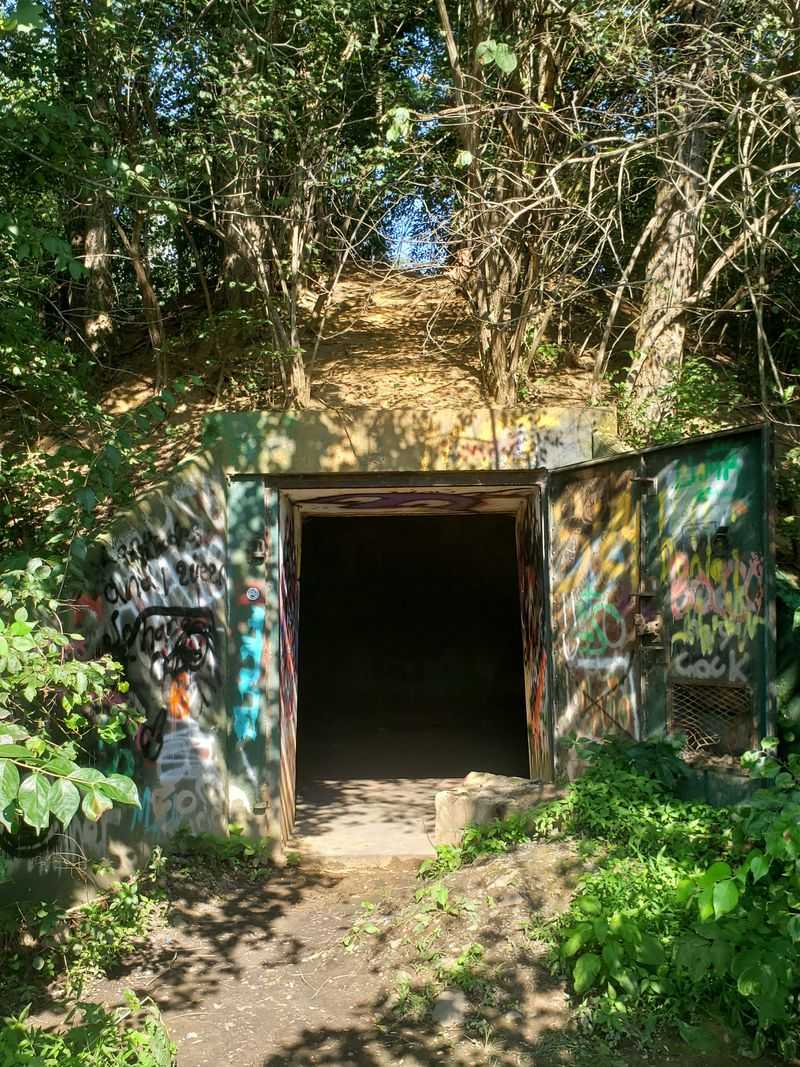
Dozens of dome-shaped concrete structures peek through the underbrush, their rounded tops resembling igloos scattered across the woodland floor.
Each bunker was designed to contain explosions, with thick walls and reinforced construction that has withstood decades of abandonment.
I remember my first visit, expecting maybe three or four structures. Instead, I counted over twenty visible bunkers within a short hike, each one slightly different in size and condition.
Some stand nearly intact while others have crumbled, their steel reinforcement bars jutting out like broken bones.
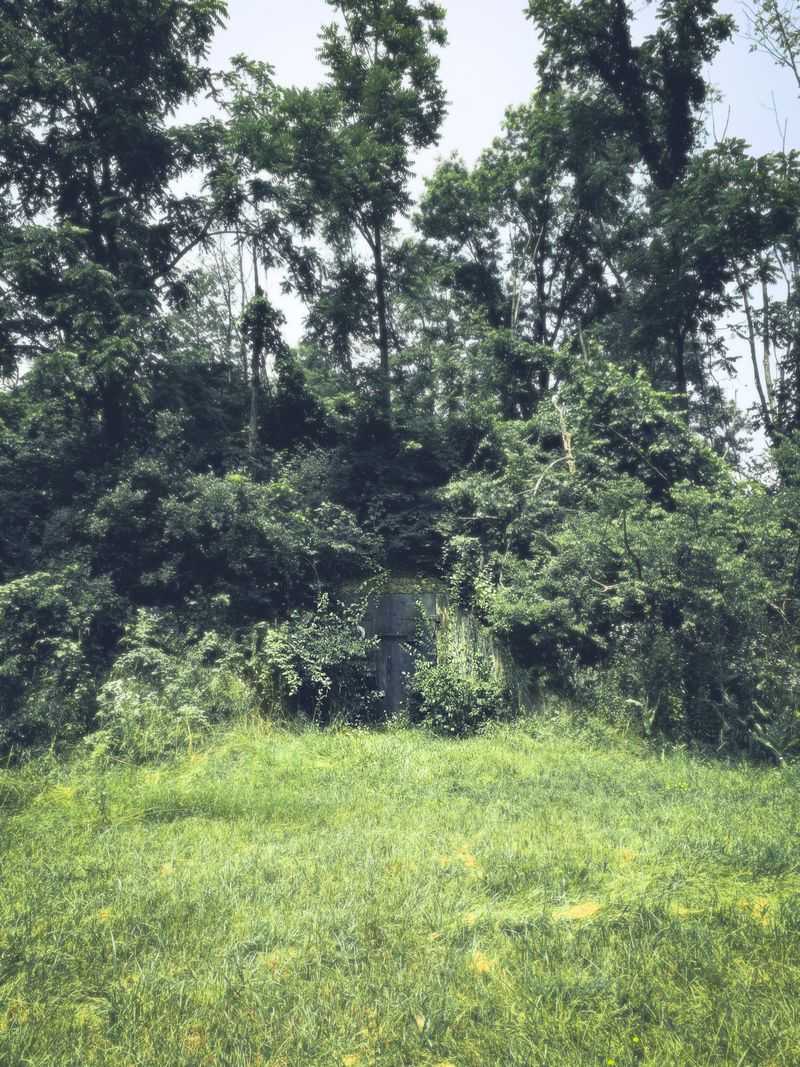
The Pennsylvania wilderness has embraced these structures, covering them in moss, vines, and fallen leaves.
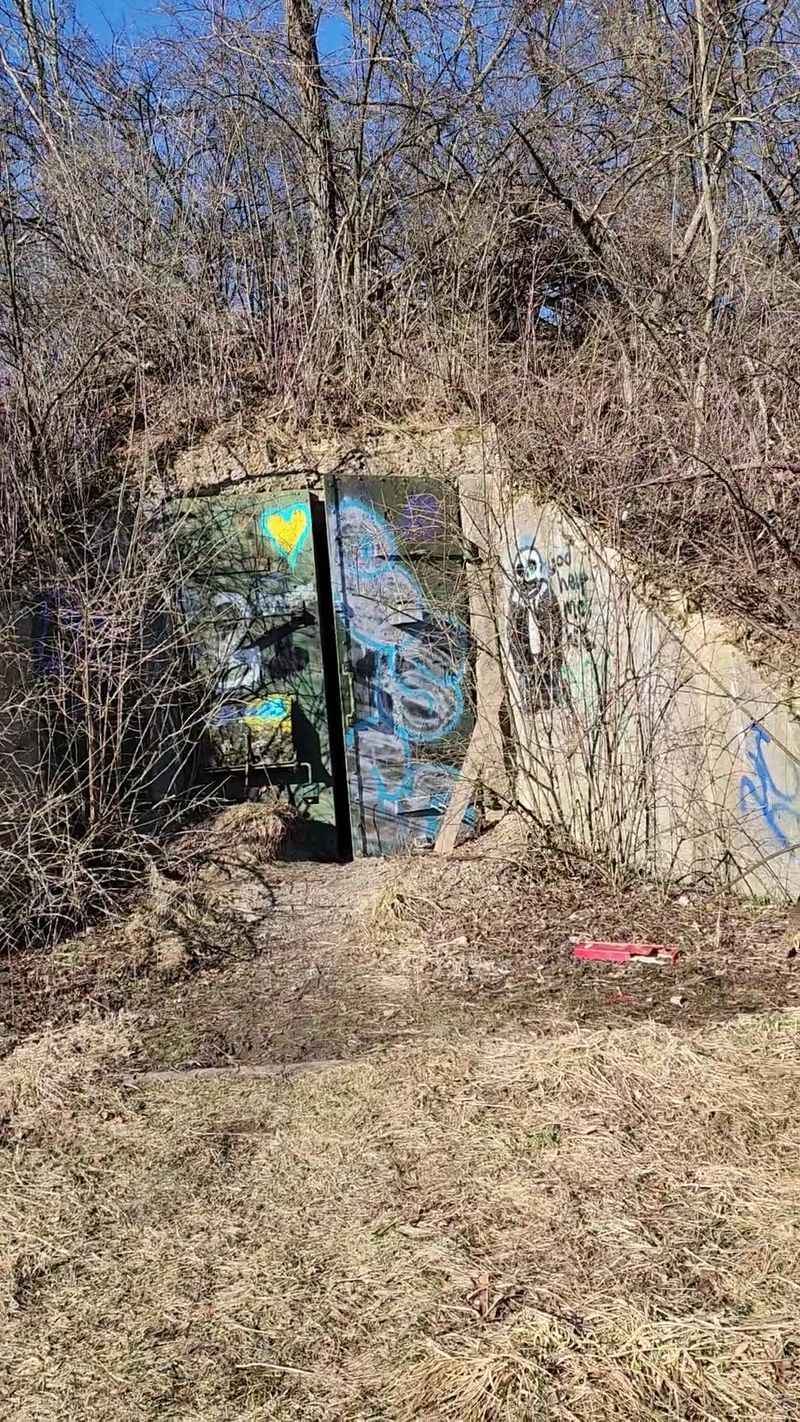
Graffiti artists have also left their mark over the years, adding colorful but controversial layers to the historical site. Each bunker tells its own story of decay and persistence.
Ghost Town Foundations Remain Visible
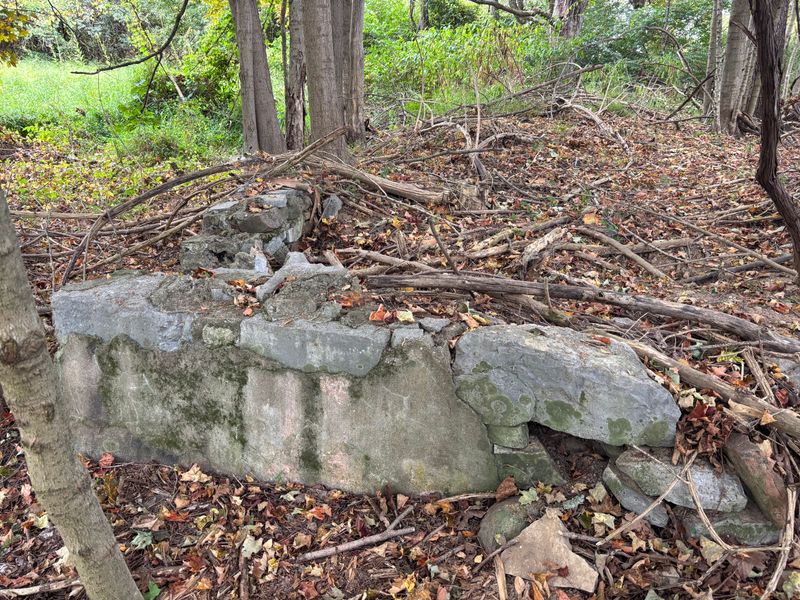
Beyond the bunkers, sharp-eyed explorers discover remnants of the town that once called this place home. Stone foundations mark where houses stood, their cellar holes now filled with leaves and rainwater.
Crumbling walls hint at the layout of Main Street, where neighbors once greeted each other and children played.
Old roadbeds still cut through the forest, though trees now grow where cars once traveled. Visitors find rusted farm equipment, broken pottery, and glass bottles that families left behind in their hurried departure.
Each artifact represents a life interrupted, a story cut short by wartime necessity. The Pennsylvania Game Commission manages these lands now, but they’ve left the ruins largely untouched.
Hikers can trace the footprint of Alvira’s past, imagining the community that thrived here before 1941. The foundations serve as silent monuments to displacement and sacrifice.
Eerie Atmosphere Pervades The Site
Something about Alvira feels different from other historical sites. Perhaps it’s the combination of military history and displaced families, or maybe it’s just the isolated location.
Many visitors report an unsettling feeling walking among the bunkers, especially during overcast days when fog rolls through the trees.
The silence here is profound. No birds seem to sing near certain bunkers, and the usual forest sounds fade to whispers.
Local legends speak of ghostly figures seen near the old foundations, though skeptics attribute these sightings to shadows and imagination.
Whether you believe in paranormal activity or not, the atmosphere at Alvira commands respect.
These bunkers and ruins represent real people who lost their homes, real workers who risked their lives manufacturing explosives, and real history that shaped Pennsylvania and the nation.
The eerie feeling might just be the weight of that history pressing down.
Hiking Trails Wind Through History
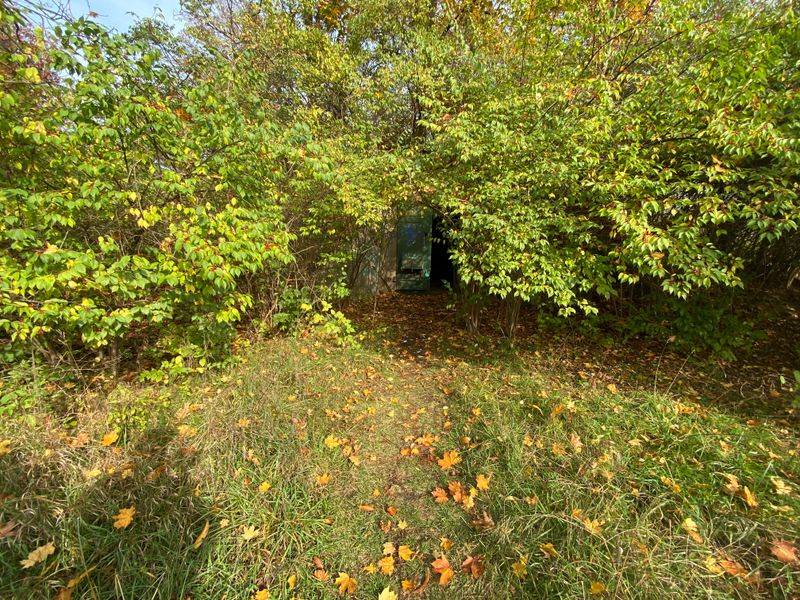
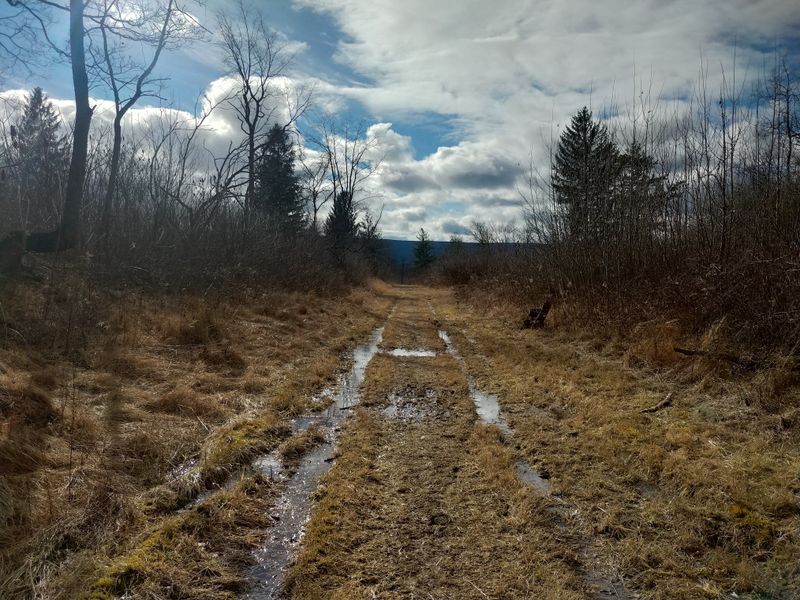
State Game Lands 252 offers multiple trails that wind past the bunkers and through the former town site. The terrain varies from easy walking paths to moderately challenging routes that require careful footing.
Most visitors spend two to three hours exploring the area, though history enthusiasts often linger much longer.
Trail markers are minimal, so bringing a map or GPS device is wise. The bunkers themselves aren’t always visible from the main paths, requiring short detours into the woods.
Wearing sturdy boots is essential since the ground can be uneven and muddy, especially after rain.
I’ve hiked these trails in different seasons, and autumn offers the best visibility. When leaves fall, the bunkers stand out more clearly against the bare trees.
Spring brings wildflowers that soften the harsh concrete, while winter snow transforms the site into something almost beautiful, covering the scars of history with a white blanket.
Photography Paradise For Urban Explorers
Urban exploration photographers flock to Alvira for its unique combination of natural beauty and industrial decay.
The contrast between organic forest growth and geometric concrete structures creates compelling compositions.
Early morning light filtering through the trees casts dramatic shadows across the bunker walls.
Each season offers different photographic opportunities. Summer’s lush greenery nearly swallows some structures, while winter’s stark landscape emphasizes their brutal functionality.
Graffiti adds unexpected color pops, though purists prefer capturing the bunkers in their more natural state.
Drone flights are not allowed on state game lands without authorization, so stick to ground-level photography.
Elevated viewpoints show bunker placement patterns and hint at the scale of the former ordnance works.
Ground-level shots capture intimate details like rusted metal, crumbling concrete, and nature’s persistent reclamation efforts.
Photographers should respect the site’s historical significance and avoid damaging structures for the perfect shot.
Wildlife Has Reclaimed The Grounds
Nature doesn’t wait for permission to return. The Pennsylvania Game Commission manages these lands primarily for wildlife habitat, and animals have enthusiastically moved in.
White-tailed deer browse among the bunkers, using the structures for shelter during harsh weather. Turkey flocks scratch through the leaf litter near old foundations.
Black bears occasionally den in the larger bunkers, making spring visits potentially exciting. Smaller mammals like raccoons, possums, and foxes have made homes in the concrete ruins.
Bird species nest in the crevices and on top of the domed structures, their songs echoing off the walls.
Hunters often frequent these game lands, so wear fluorescent orange Nov. 15 through Dec. 15 if you are not hunting.
The wildlife population here thrives, turning a site of destruction into a sanctuary for Pennsylvania’s native species. It’s a powerful reminder that nature eventually heals even our deepest scars.
Safety Concerns Require Caution
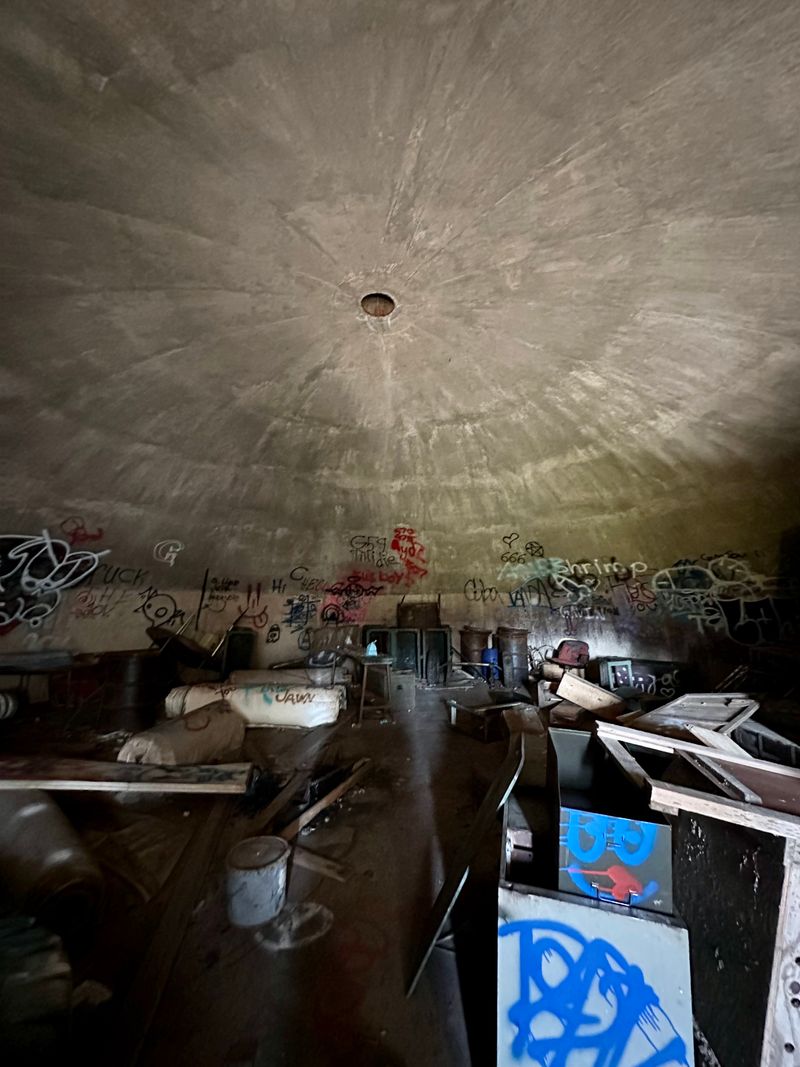
Exploring Alvira comes with real risks that visitors must acknowledge. The bunkers are deteriorating, with loose concrete, exposed rebar, and unstable sections that could collapse.
Entering the structures is dangerous, and some areas are clearly posted officially closed to visitors. Admiring them from outside is the safest approach.
The remote location means cell phone service is spotty at best. Injuries here could result in lengthy waits for help.
Telling someone your plans before hiking is basic safety protocol. Carrying a first aid kit, plenty of water, and a charged phone with offline maps downloaded is smart preparation.
Ticks are abundant in Pennsylvania forests, making tick checks essential after every visit. Poison ivy grows enthusiastically around many bunkers.
The uneven terrain and hidden cellar holes pose tripping hazards. Despite these concerns, thousands visit safely each year by exercising common sense and respecting the site’s dangers.
Historical Significance Beyond The Bunkers
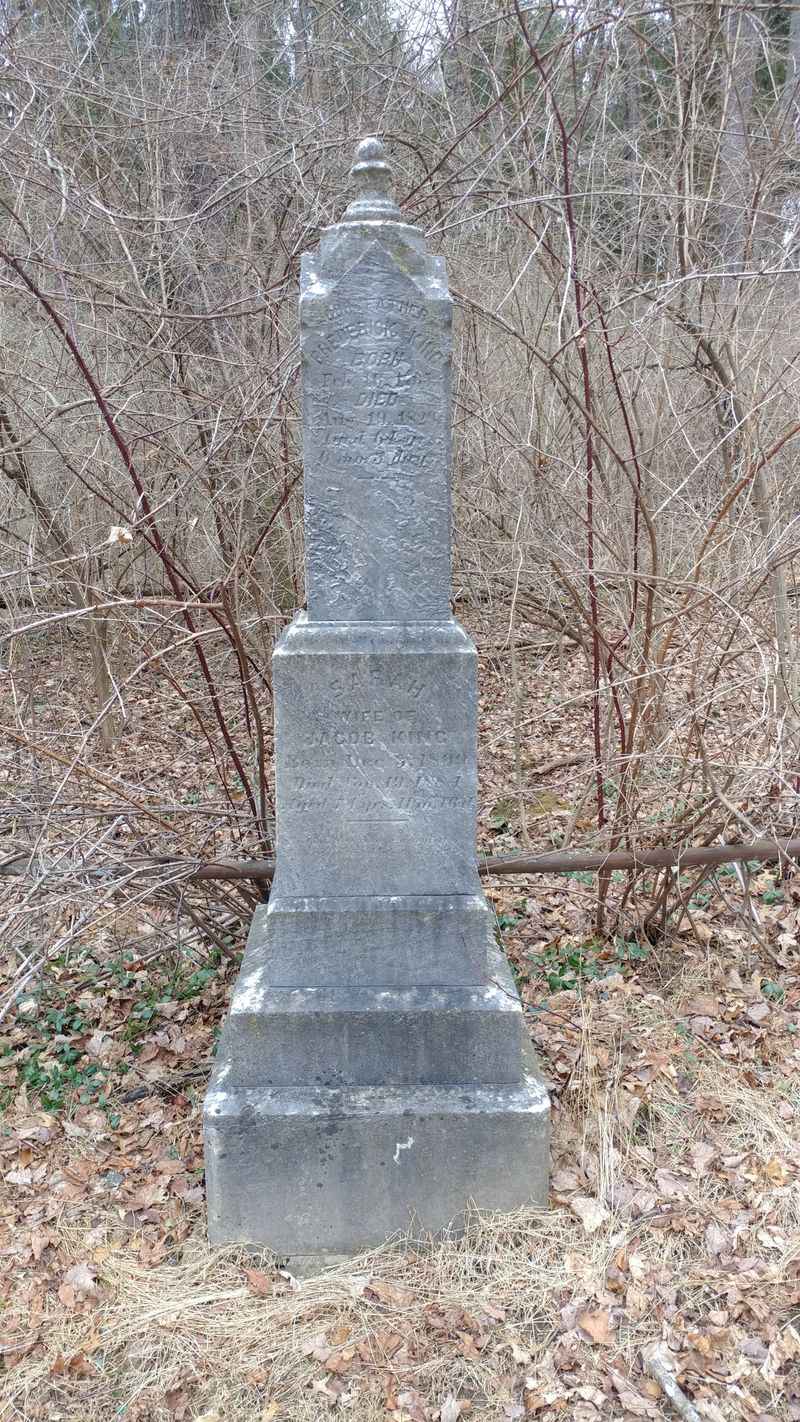
The Bunkers of Alvira represent more than military history. They symbolize the home front sacrifices of World War II, when entire communities gave up everything for the war effort.
Similar displacements happened across America, but few sites preserve the physical evidence as completely as Alvira does.
Historians study this location to understand wartime production and the social impact of government land seizures. The ordnance works employed thousands of workers who lived in nearby temporary housing.
These workers faced daily danger manufacturing explosives, and serious accidents were a constant risk during operation.
After the war, the government sold off buildings and equipment, but the contaminated land remained unusable for agriculture.
The Pennsylvania Game Commission eventually acquired the property, giving it new purpose as wildlife habitat.
This transformation from farmland to war factory to nature preserve tells a uniquely American story of adaptation and resilience.
Visiting Information And Access Details
The Bunkers of Alvira sit on public game lands with free access, but regulations apply. No admission fee is required, though donations to conservation organizations are always appreciated.
The main access point is along Alvira Road near Allenwood, where informal parking areas accommodate several vehicles.
Respect for the site is mandatory. Take only photographs and leave only footprints.
Removing artifacts is illegal and disrespectful to the families who lost their homes. The structures themselves are fragile and should not be climbed on or further damaged.
Spring through fall offers the best visiting conditions, though each season has its appeal. Plan carefully during hunting seasons for safety, and wear fluorescent orange Nov. 15 through Dec. 15.
Bringing a picnic lunch and making a day of exploring this unique Pennsylvania destination is worthwhile.
The combination of natural beauty and historical significance makes Alvira unforgettable for anyone interested in America’s hidden stories.