
11 Hidden Colorado Day Trips Locals Take When They Want To Avoid The Crowds
The best adventures are not always hiding at the end of a chairlift. Colorado gets plenty of praise for its glossy mountain towns, but locals know the real magic often starts where the crowds thin out and the pavement gets a little more interesting.
We are talking prairie horizons that make your playlist feel cinematic, canyon walls that seem to hold old stories in their shadows, and one delightfully bizarre roadside stop where alligators somehow belong in the conversation. That is the fun of this list.
It is not built for people collecting the same postcard views everyone else already has. It is for curious travelers who like a little mystery with their mileage, a cooler packed with snacks, and a map that still matters when service disappears.
Colorado’s lesser-known corners can turn a simple day trip into a story you keep retelling. These eleven places prove the best discoveries often start with one question: what else is out there?
1. Pawnee Buttes Trail – Grover / Northeast Colorado
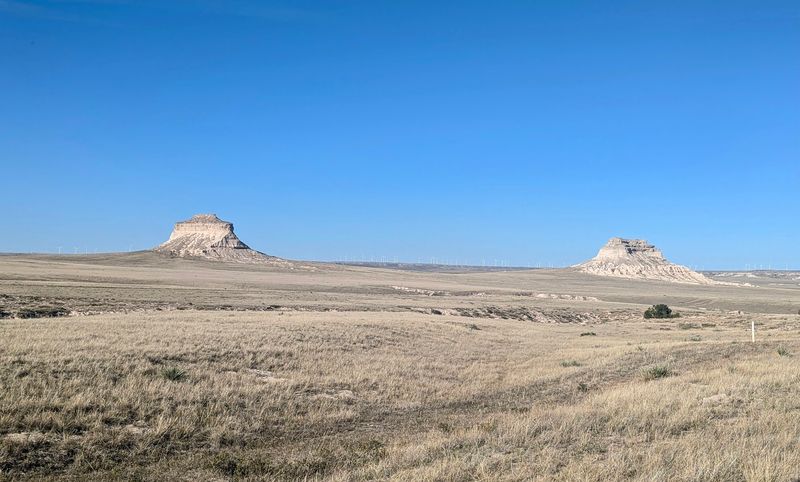
Standing at the base of the Pawnee Buttes feels like the land forgot to stop growing and just left two enormous sandstone pillars out here as a reminder. Northeast Colorado is easy to skip when the Rockies are calling, but that is exactly what makes this two-mile Forest Service trail such a satisfying secret.
The buttes rise dramatically from the flat shortgrass prairie, which makes the whole scene feel slightly unreal, like someone transplanted a corner of Wyoming and hoped nobody would notice.
The trailhead parking area is small and honest, no gift shop, no ranger kiosk, just a gravel lot and a sky that goes on forever. Go early on a weekday and you may genuinely have the whole trail to yourself.
Birding is genuinely excellent here, as the area sits within the Pawnee National Grassland and attracts species you won’t spot anywhere near a mountain resort.
Bring more water than you think you need, because shade is a rare luxury on the prairie. The round trip is manageable for most fitness levels, and the payoff at the base of the buttes is one of Colorado’s most underrated views.
This is a day trip that rewards curiosity over convention.
2. Picture Canyon – Near Springfield / Southeast Colorado
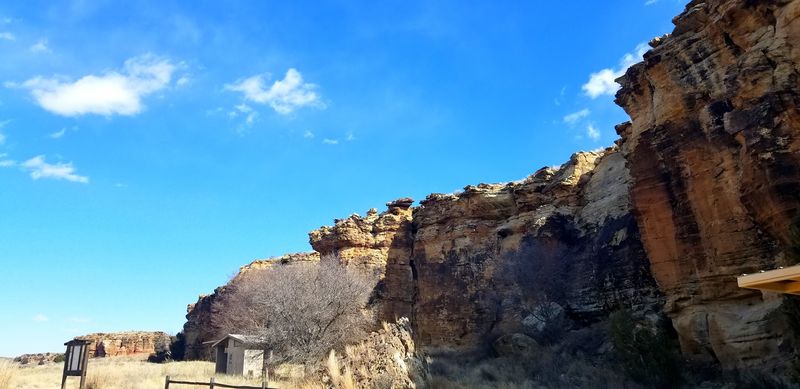
Picture Canyon earns its name the moment you spot your first panel of ancient rock imagery etched into the canyon walls. Located near Springfield in the far southeast corner of Colorado, this place sits so far from the usual tourist circuit that even many longtime Colorado residents have never heard of it.
The Forest Service maintains thirteen miles of trails through the area, winding past homestead remains, dramatic sandstone formations, and those remarkable pieces of art left behind by people who knew this landscape long before any of us.
The canyon is open year-round and all day, which means you can time a visit to catch the morning light hitting the rock walls at just the right angle. That kind of flexibility is rare and genuinely appreciated.
Southeast Colorado has a quieter, more rugged character than the mountain towns, and Picture Canyon captures that spirit completely.
Pack sturdy shoes, a good hat, and a camera with enough battery life to handle the temptation around every bend. The homestead ruins scattered throughout the area add a layer of human history that makes this more than just a scenic hike.
Walking here feels like reading a very old book that most people don’t know exists.
3. Sand Creek Massacre National Historic Site – Near Eads / Eastern Plains
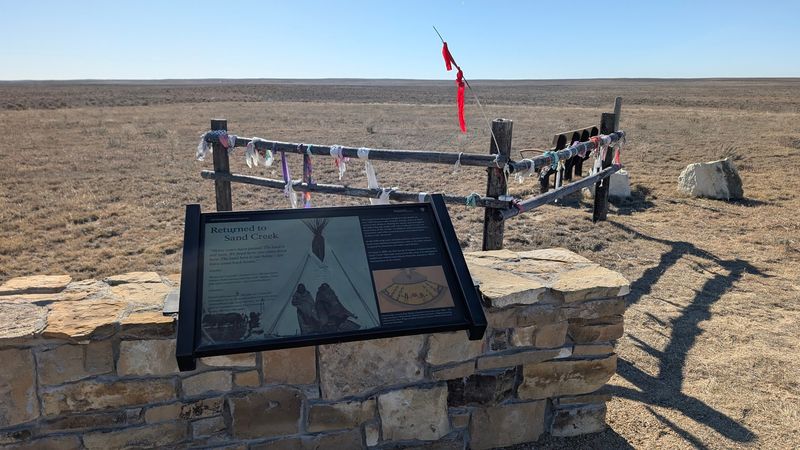
Some places deserve a slow visit, and Sand Creek is absolutely one of them. Located near Eads on Colorado’s Eastern Plains, this National Park Service site commemorates the 1864 massacre of Cheyenne and Arapaho people at this location, one of the most painful and consequential events in Colorado history.
The site is deliberately quiet and contemplative, with interpretive trails that guide you through the landscape while the weight of what happened here settles in gradually.
The park is open Thursday through Monday, nine in the morning to four in the afternoon during the main season, so plan accordingly. Visitor numbers here are modest, which means you won’t be jostling through crowds or waiting for a parking spot.
What you will find is space to think, to read, and to genuinely reckon with history in a way that a busy tourist town rarely allows.
The Eastern Plains have a kind of stripped-down honesty that I find deeply moving. The land looks much as it did in 1864, flat and open and enormous, and standing within it gives the history a physical reality that no museum exhibit can replicate.
Bring patience, an open mind, and a willingness to sit with complicated feelings. This one stays with you.
4. Fishers Peak State Park – Trinidad / Southern Colorado
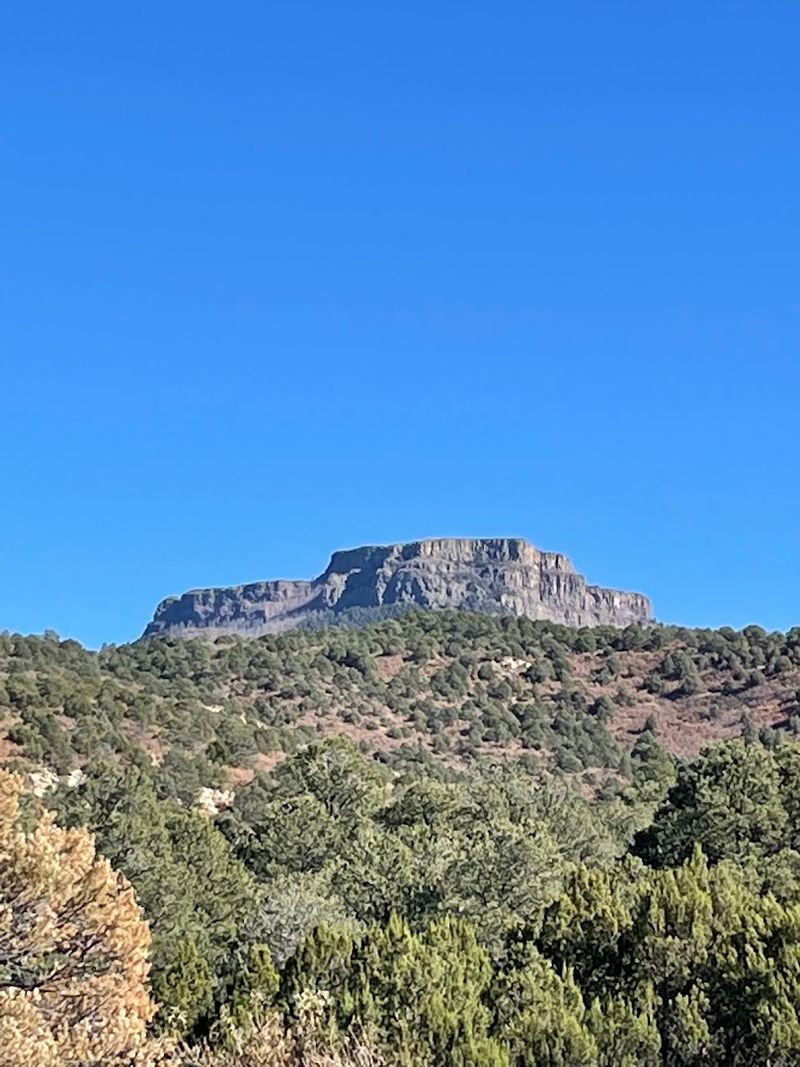
Trinidad has always had more personality than it gets credit for, and Fishers Peak State Park, one of Colorado’s newer additions to the state park system, gives you a perfect excuse to finally make the drive south. The park sits just outside town and offers trails that climb through pinon-juniper woodland toward the flat-topped mesa that dominates the southern Colorado skyline.
Colorado Parks and Wildlife keeps it open daily from five in the morning to ten at night, so early risers and sunset chasers are both well served.
What strikes me most about Fishers Peak is the distinctly southern Colorado atmosphere. It doesn’t feel like a mountain resort area trying to be something it isn’t.
The landscape is drier, the light is different, and the whole place has a relaxed, unhurried energy that the northern I-70 corridor has largely lost to development and day-tripper traffic.
The views from the mesa reward the climb generously, with the Purgatoire River valley spread out below and the Raton Pass country visible to the south. Pair the hike with a meal in Trinidad’s surprisingly lively downtown and you have a full day that feels genuinely off the beaten path.
This park is still finding its audience, which means right now is the perfect time to show up.
5. Cuchara Mountain Park – Cuchara / Spanish Peaks Region
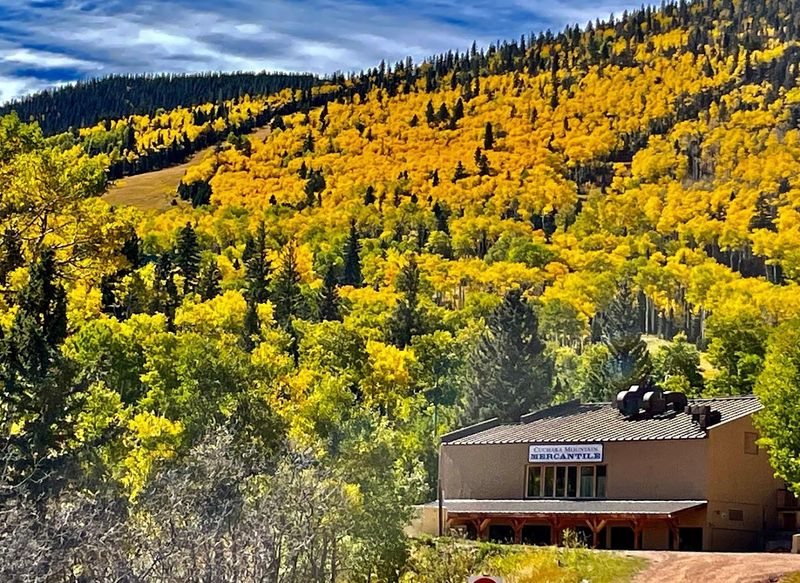
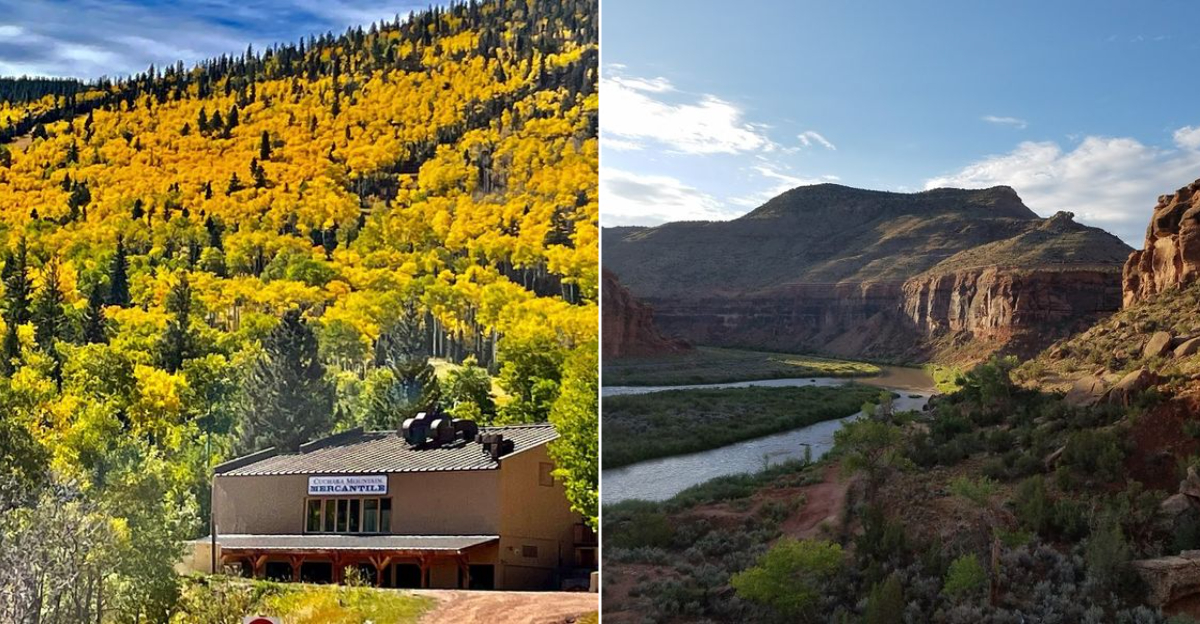
There is something endearing about a former ski area that refused to give up and reinvented itself as a community gathering place. Cuchara Mountain Park sits in the small village of Cuchara, tucked into the Spanish Peaks region of southern Colorado, and it operates with a free, welcoming spirit that bigger parks have largely forgotten.
Hiking, disc golf, biking, snow play in winter, and community events throughout the year make this a genuinely versatile destination that rewards repeat visits in different seasons.
The Spanish Peaks themselves are visible from much of the area and provide a backdrop so dramatic it almost feels unfair. Cuchara is the kind of village where the general store knows most of its customers by name, and the pace of life feels calibrated to something slower and more sensible than what most of us live during the week.
Free public access for many activities means you can show up without a complicated reservation system or a credit card ready for parking fees. That alone is refreshing.
Bring a disc if you have one, or just walk the old ski runs and enjoy the quiet. The Spanish Peaks region is one of Colorado’s most underappreciated corners, and Cuchara sits right at its heart.
Go before the rest of the world catches on.
6. Fort Garland Museum & Cultural Center — Fort Garland / San Luis Valley
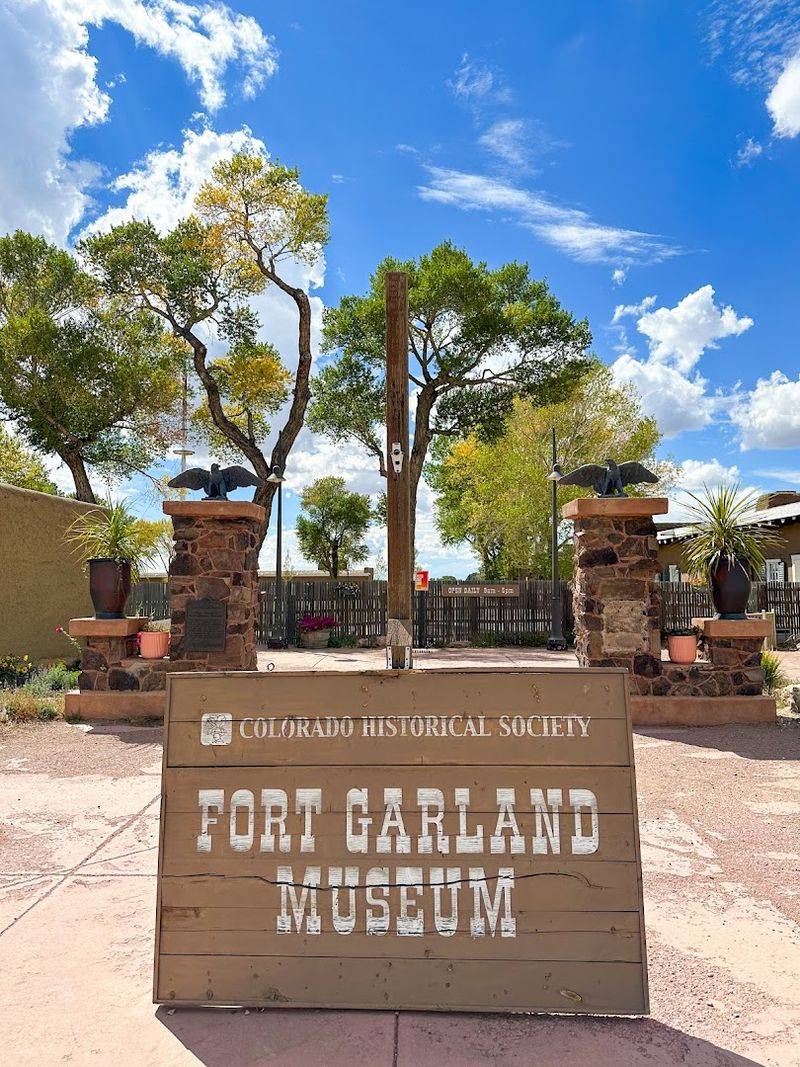
Fort Garland sits in the San Luis Valley with the Sangre de Cristo Mountains rising behind it and an honest, unpretentious attitude that I find immediately likable. The museum occupies the original adobe fort buildings, which were once commanded by Kit Carson, and the History Colorado team has done a thoughtful job presenting the complicated history of this place without glossing over its edges.
It is the kind of cultural stop that rewards genuine curiosity rather than a quick selfie and a move-on.
The San Luis Valley is itself a remarkable landscape, one of the largest alpine valleys in the world, flat and wide and ringed by mountains on all sides. Fort Garland sits at a crossroads that has been significant for centuries, and spending time at the museum helps explain why.
Check current seasonal hours with History Colorado before you make the drive, as they vary throughout the year.
After the museum, the valley offers plenty of room to roam. The Great Sand Dunes are nearby if you want to extend the day, though Fort Garland alone justifies the trip for anyone who finds regional history genuinely absorbing.
This is a stop that leaves you knowing more than when you arrived, which is exactly what the best day trips do.
7. Colorado Gators Reptile Park – Mosca / San Luis Valley
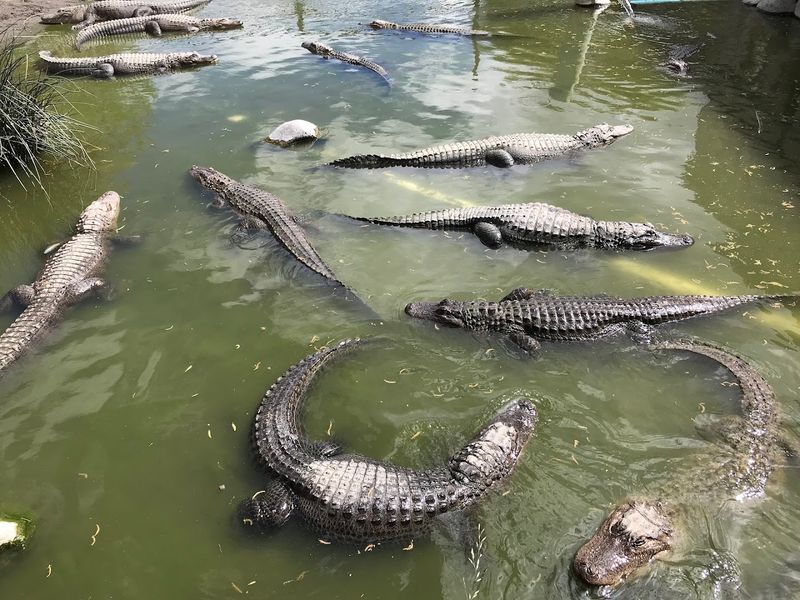
Let me be upfront: I did not expect to enjoy a geothermal alligator farm in the middle of the San Luis Valley as much as I did.
Colorado Gators Reptile Park in Mosca exists because tilapia farmers in the 1980s used natural hot springs to raise fish, and the alligators they brought in to eat the fish waste promptly refused to die in the Colorado winters.
The park now houses hundreds of rescued alligators alongside tortoises, snakes, and other reptiles, and the whole operation has a wonderfully eccentric, only-in-Colorado quality.
The official site lists 2026 daily hours, so confirm before you go. Admission is modest, the staff are knowledgeable and enthusiastic, and the experience of watching a very large alligator do absolutely nothing for twenty minutes is oddly calming.
Kids are consistently delighted, and adults who arrive skeptical almost always leave converted.
Pairing this stop with the Great Sand Dunes, which is just a short drive away, makes for one of the stranger and more memorable day-trip combinations in the state. The San Luis Valley rewards visitors who embrace its particular brand of weird generosity.
Colorado Gators is not trying to be anything other than exactly what it is, and that confidence is its greatest charm. Highly, sincerely recommended.
8. South Park City Museum – Fairplay / Central Colorado
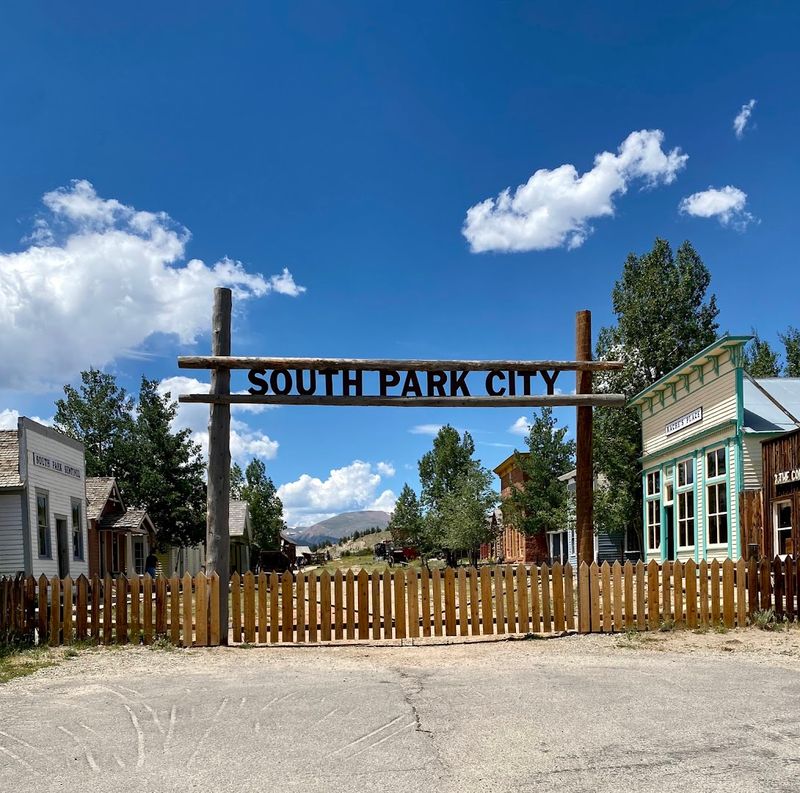
Fairplay sits in the broad, high-altitude South Park basin at nearly ten thousand feet, and its outdoor mining museum is one of those places that sneaks up on you.
South Park City Museum preserves more than forty original and relocated structures from the 1800s Colorado mining era, arranged as a walkable town that feels genuinely inhabited rather than artificially staged.
It is significantly calmer than anything happening in nearby Summit County on a busy weekend, and that contrast alone makes it worth the detour.
The museum is seasonal, so check opening dates before planning your visit. When it is open, you can wander through a general store, a saloon, a schoolhouse, and a doctor’s office, all stocked with period-appropriate artifacts that make the history feel tangible rather than abstract.
There is a satisfying density of detail here that rewards slow exploration over a quick walk-through.
Fairplay itself has a dry, self-aware sense of humor about its own history and its famous fictional counterpart. The town is small, genuine, and uncommonly good-natured about visitors.
Grab lunch at one of the local spots, spend two hours in the museum, and drive back through the South Park basin with the windows down. Few half-days in Colorado feel this rewarding for this little effort.
9. Dominguez-Escalante National Conservation Area – Delta / Western Slope
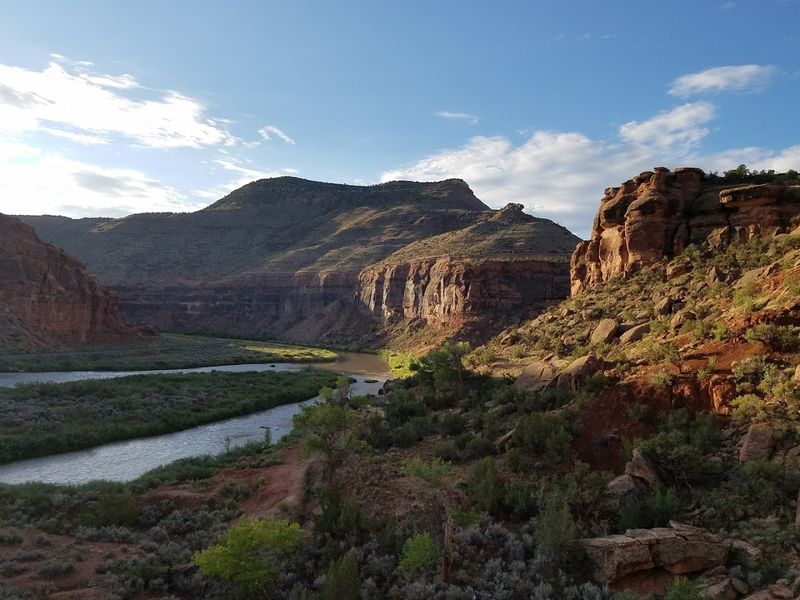
Western Colorado has a different temperature and a different pace than the mountain resort corridor, and the Dominguez-Escalante National Conservation Area near Delta captures that character beautifully.
The BLM manages this spacious canyon-and-river landscape for active recreation including hiking, biking, camping, fishing, and wildlife viewing, and the sheer variety of what you can do here in a single day is genuinely impressive.
The canyons carved by the Gunnison River are dramatic in a quiet, unhurried way that rewards patience.
Heritage sites are scattered throughout the area, adding a layer of cultural depth to what might otherwise be a purely scenic outing. The conservation area is large enough that you can visit multiple times and still find new terrain to explore.
Crowds here are nothing like what you’d encounter at more publicized Western Slope destinations, which is the whole point.
Delta itself is a working agricultural town with a straightforward, welcoming character. Combine the conservation area with a stop in town and you get a day that feels rooted in the actual West rather than a curated version of it.
Bring a good map or a downloaded GPS track, because cell service can be inconsistent in the canyons. The solitude is the reward, and out here, it is entirely available.
10. Trappers Lake — Near Meeker / Flat Tops Wilderness
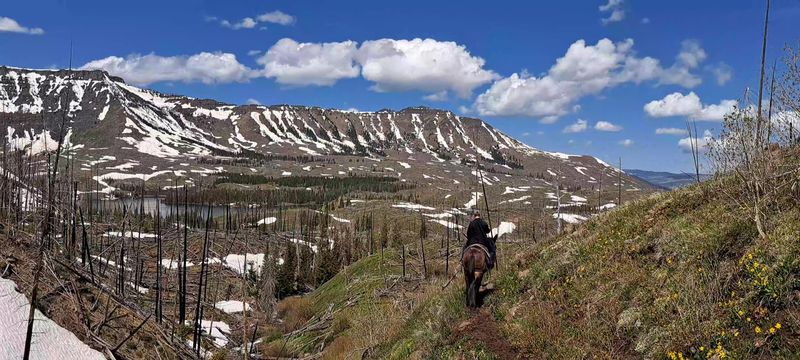
Trappers Lake has a quiet legend attached to it: a visit by Aldo Leopold in 1919 reportedly helped inspire the American wilderness movement, and standing at the water’s edge, it is easy to understand why. The lake sits within the Flat Tops Wilderness near Meeker, accessible by a gravel road that filters out anyone not genuinely committed to the experience.
The Forest Service lists it as an active recreation site with nearby campgrounds and strictly non-motorized lake use, which keeps the atmosphere exactly as still as it should be.
Fishing is excellent, hiking trails extend in multiple directions into the surrounding wilderness, and the plateau landscape of the Flat Tops is unlike anything else in Colorado. The flat-topped volcanic terrain gives the whole area a primordial, slightly otherworldly quality that is hard to describe but immediately felt upon arrival.
Meeker is a small ranching town worth a brief stop on the way in or out, with a local character that hasn’t been smoothed away by tourism pressure. The drive from Meeker to the lake takes roughly an hour on unpaved road, so a high-clearance vehicle is genuinely helpful.
Arrive early enough to claim a trailhead spot and you’ll have one of Colorado’s most unspoiled wilderness experiences entirely to yourself.
11. Lowry Pueblo / Canyons of the Ancients National Monument – Near Dolores and Cortez / Southwest Colorado
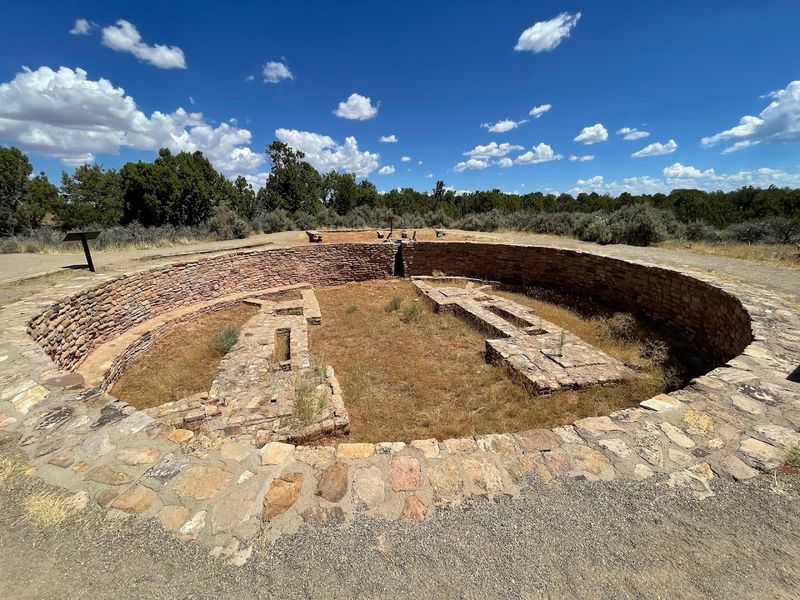
Mesa Verde gets the crowds and the fame, and it deserves both, but Lowry Pueblo inside Canyons of the Ancients National Monument offers a quieter conversation with the same deep history.
The BLM manages this monument and keeps it open year-round, twenty-four hours a day, with cultural sites accessible from dawn to dusk.
Lowry Pueblo is a well-preserved great house with a painted kiva, surrounded by open desert landscape and almost none of the interpretive infrastructure that can make more famous sites feel like theme parks.
Walking the site on your own terms, at your own pace, with very few other visitors around, creates a different kind of connection to the people who built here roughly a thousand years ago.
The monument contains thousands of archaeological sites across its landscape, making it one of the densest concentrations of ancient cultural heritage in the United States.
The drive through the Dolores and Cortez area is itself rewarding, with the canyon country of southwest Colorado unfolding in every direction. This corner of the state operates on its own quiet frequency, and Lowry Pueblo is one of the best reasons to tune in.
If Mesa Verde is the main stage, this is the after-show that the serious fans remember longest. Plan for at least two unhurried hours on site.