
Hidden In Florida, This Animal Sanctuary Has A Lemur Experience You’ll Never Forget
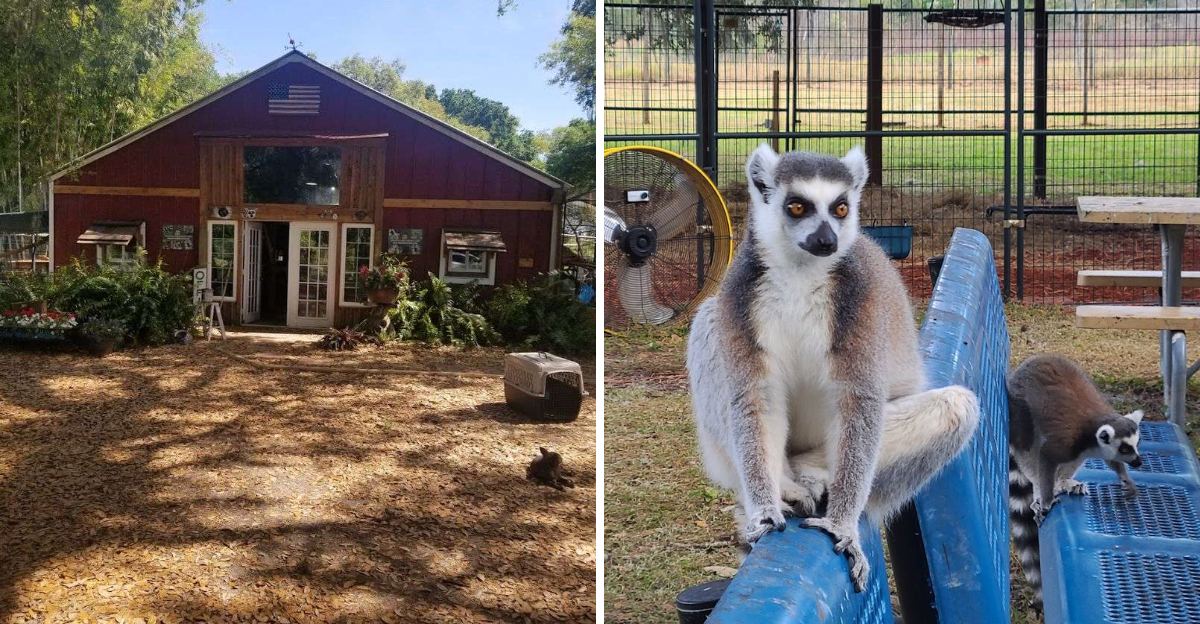
Have you ever visited a place where animals feel closer than you ever expected?
Not behind distant fences or across large enclosures, but right there in front of you. Curious.
Playful. Almost like they are just as interested in meeting you as you are in seeing them.
Somewhere in rural Florida, there is a wildlife sanctuary that creates exactly that kind of experience. The moment you step through the gates, the atmosphere changes.
Lemurs leap through the trees overhead. Sloths hang quietly in shaded spaces.
Otters chirp and splash as visitors walk by.
Instead of rushing from exhibit to exhibit, people slow down here. They listen to the stories behind each rescued animal.
They learn how these creatures arrived and why sanctuaries like this matter so much.
It feels less like a typical zoo visit and more like stepping briefly into the animals’ world.
And once you experience that connection, it becomes the kind of place you find yourself wanting to return to again.
Hands-On Lemur Encounters That Feel Like Pure Magic
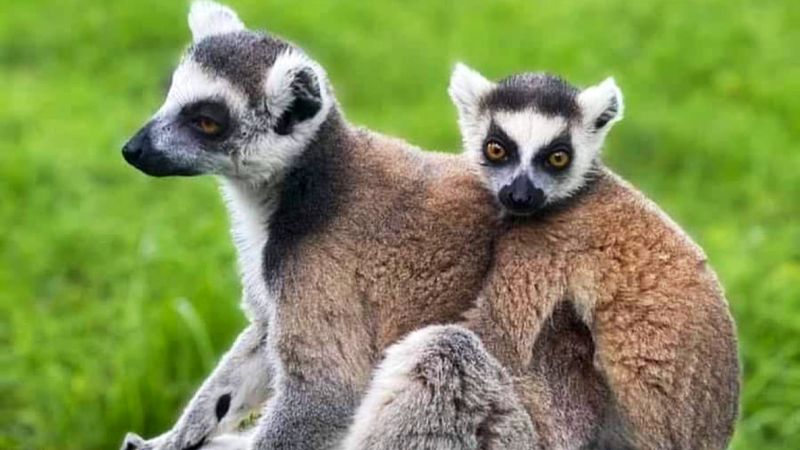
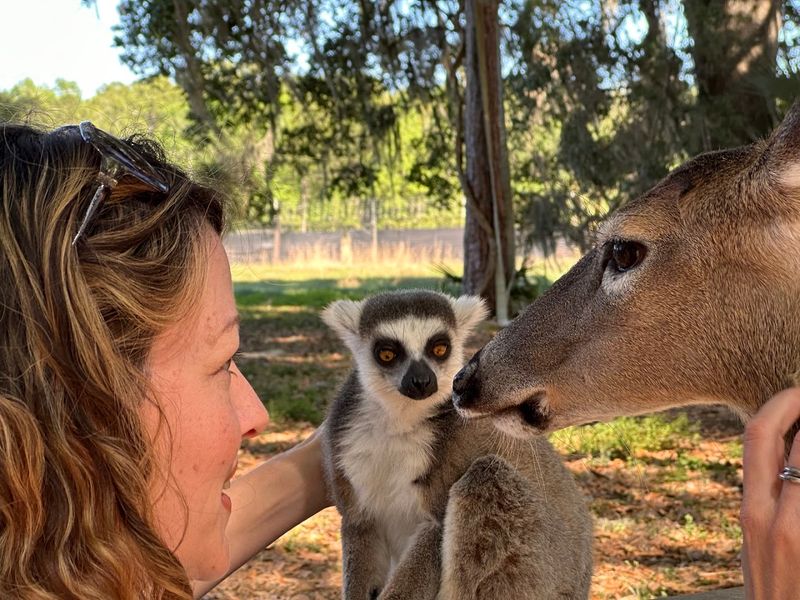
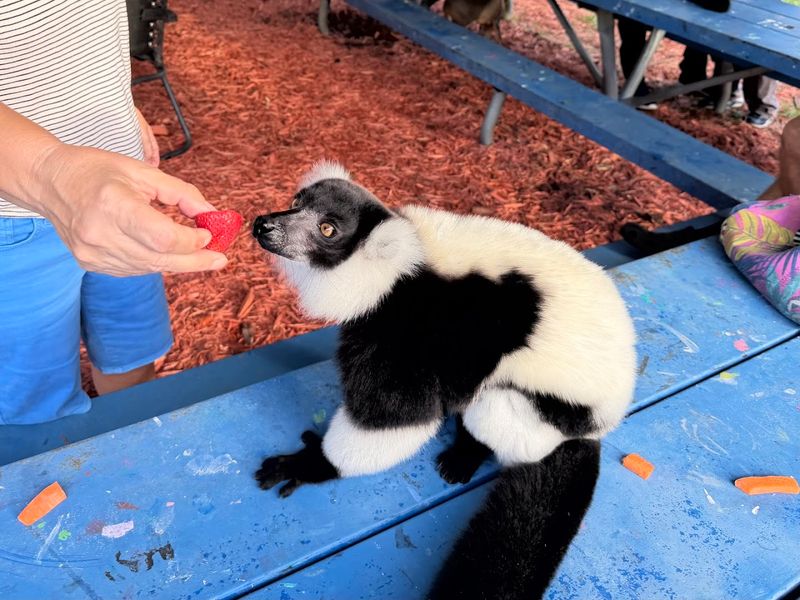
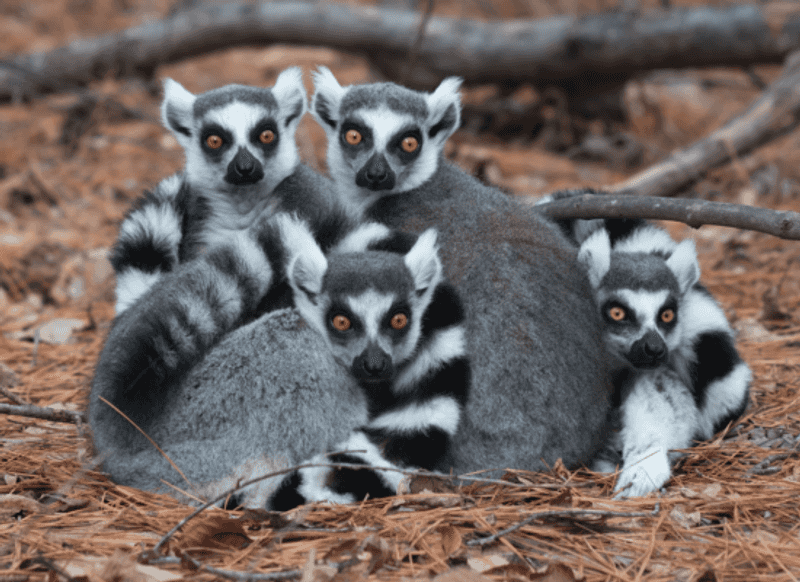
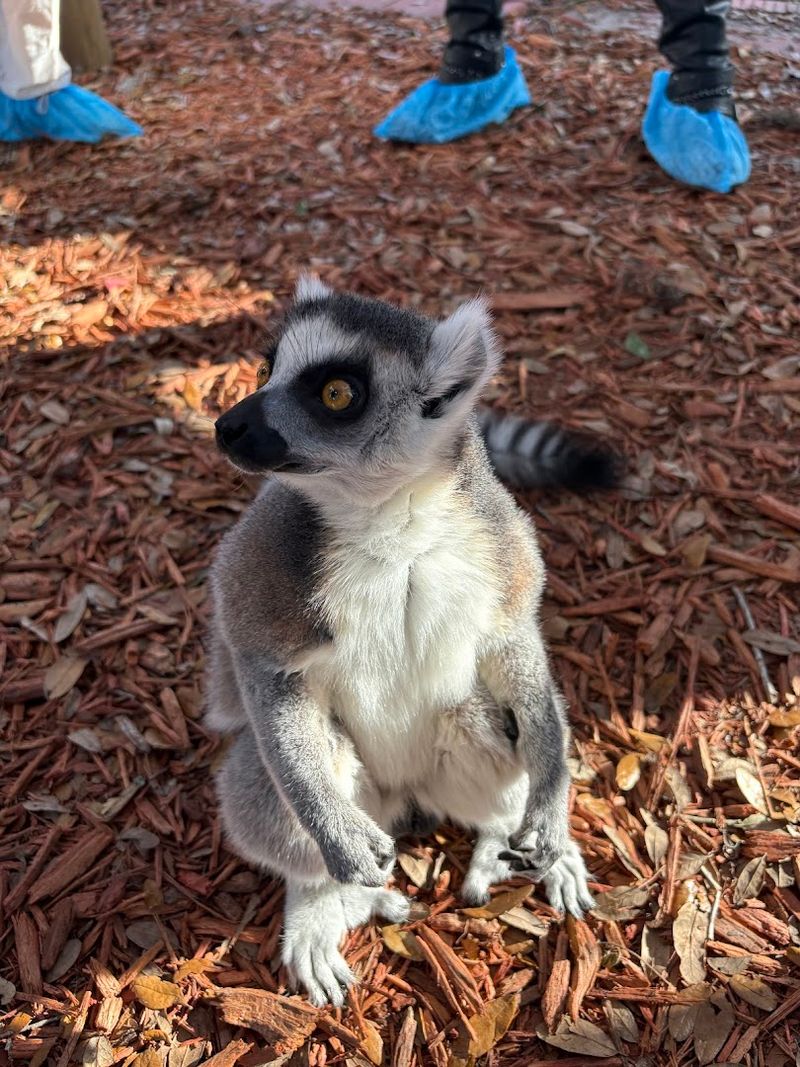
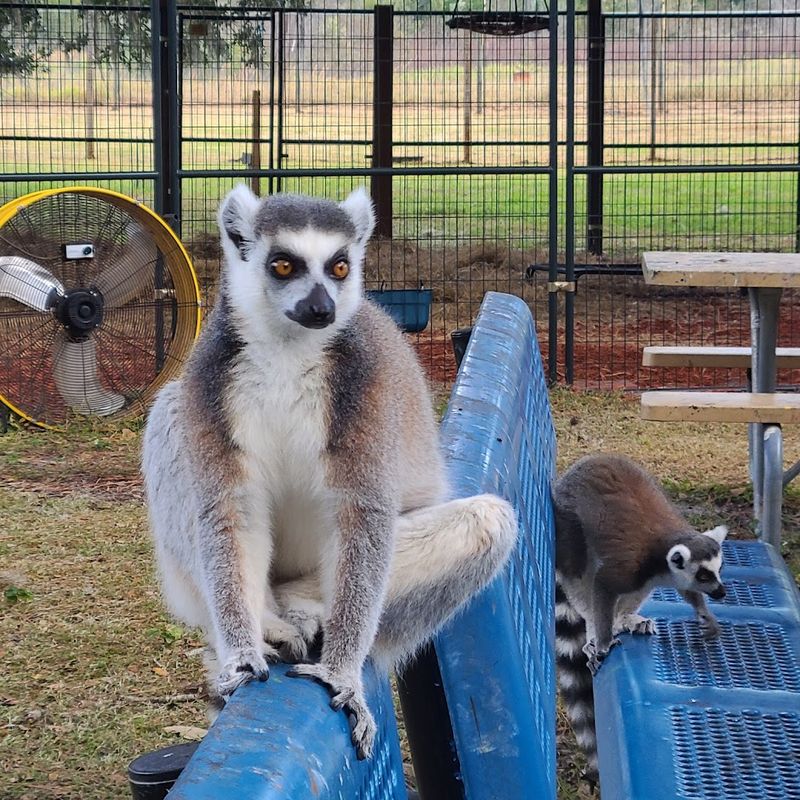
Lemurs practically run the show at Chase Sanctuary, and within minutes of entering their habitat, I had three of them inspecting my pockets and perching on my shoulders like I was their personal jungle gym. Ring-tailed lemurs, with their striped tails and curious eyes, treat visitors like long-lost friends, hopping from arm to arm and sniffing for treats with zero hesitation.
Brody, one of the guides who trains many of the animals himself, explained that lemurs are naturally social and thrive on interaction, which is why they’re so comfortable around people. He handed me a piece of fruit, and before I could blink, a lemur snatched it from my palm with delicate fingers, munching contentedly while balancing on my forearm.
The experience felt surreal because you’re not separated by glass or fences. You’re right there in their space, and they’re genuinely interested in you.
One lemur even groomed my hair, which Brody said was a sign of trust and affection.
I watched other visitors giggle as lemurs explored their backpacks and climbed onto their heads, creating photo opportunities that felt spontaneous and genuine. Every moment with these primates reminded me why Chase Sanctuary has become such a beloved spot for animal lovers seeking authentic connections.
Private VIP Tours That Redefine Personal Attention
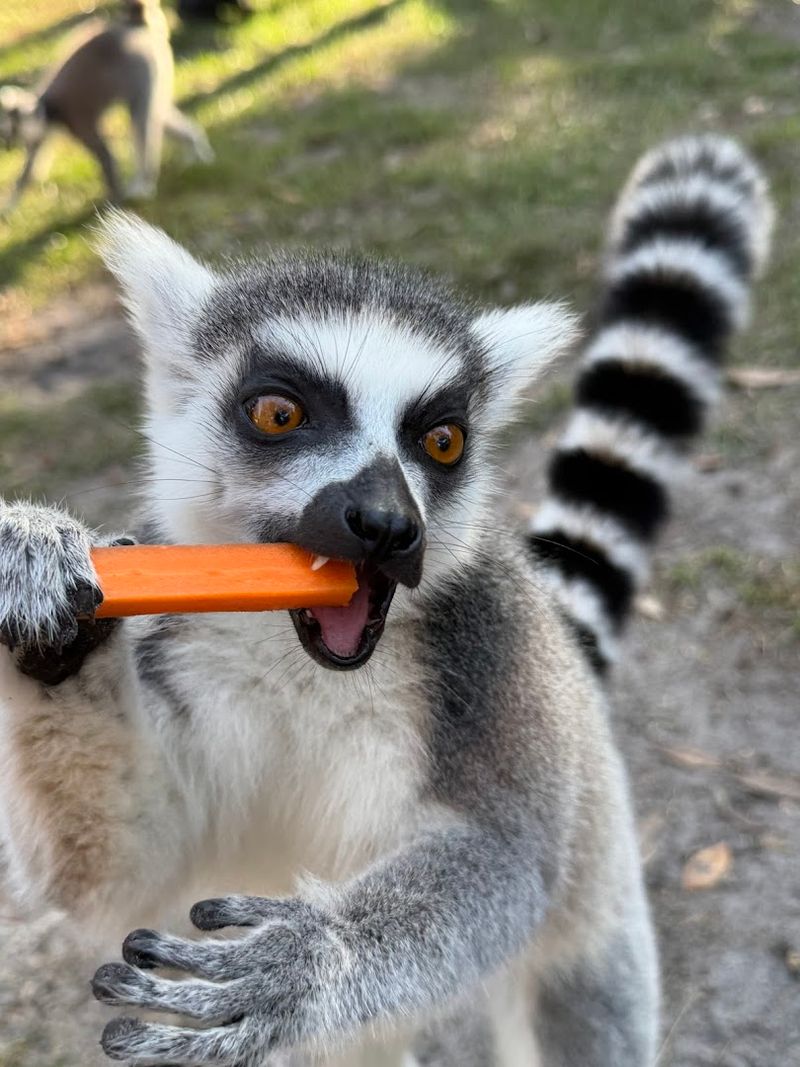
Booking the VIP tour at Chase Sanctuary turned out to be one of the best decisions I made, because instead of shuffling along in a crowded group, I got to move at my own pace and ask endless questions without feeling rushed. The private tours accommodate small groups, which means more time with each animal and a tour guide who tailors the experience to your interests.
Brody guided my group of four, and his knowledge ran deep. He shared stories about how each animal arrived at the sanctuary, their quirks, and the training techniques he uses to keep them mentally stimulated.
When I asked about the otters’ diet, he didn’t just give a quick answer; he explained their nutritional needs, showed us how he prepares their meals, and even let us help feed them.
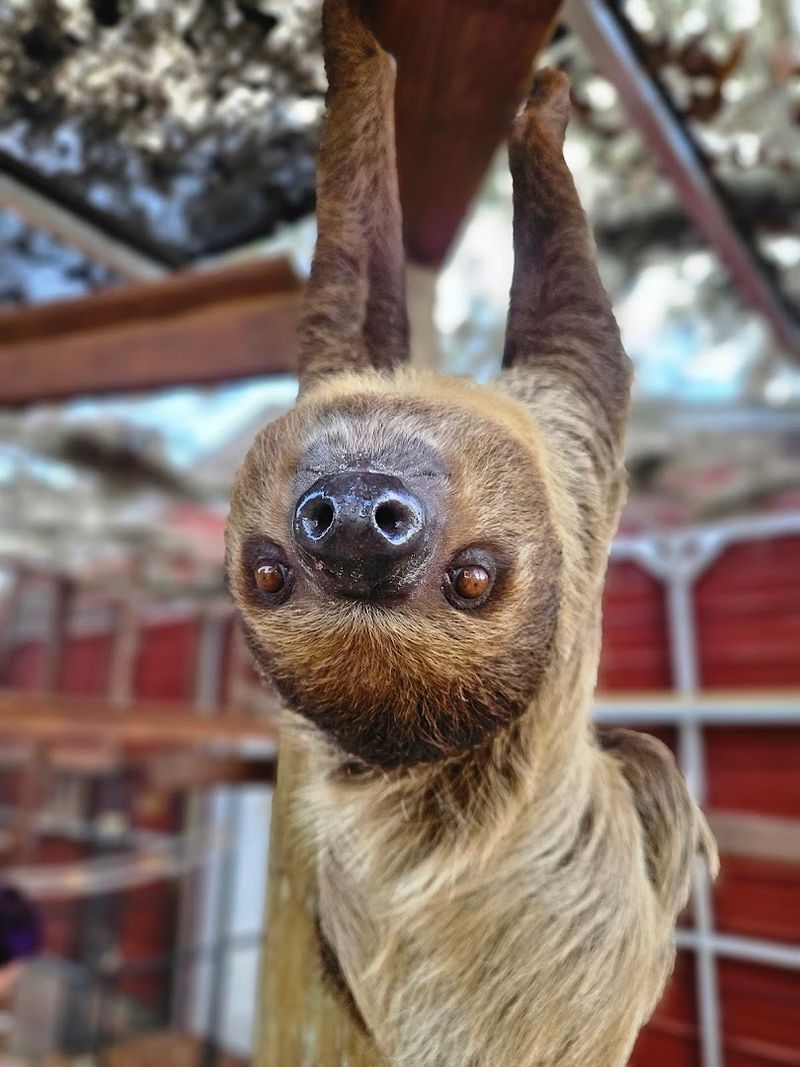
The private setting also meant we could linger wherever we wanted. When I fell in love with the sloths, Brody patiently answered my questions while the baby sloth hung lazily overhead, occasionally reaching out a claw to touch my hand.
Other visitors on the VIP tour mentioned how the intimate setting allowed them to truly absorb the experience without feeling like they were part of a conveyor belt. It’s pricier than the standard tour, but the depth of interaction and personalized attention made every dollar feel well spent.
Impeccably Clean Enclosures That Reflect True Dedication
Walking through Chase Sanctuary, I couldn’t help but notice how spotless every enclosure looked, from the lemur habitats to the areas housing the mini cows and kangaroos. Fresh water bowls sat in every space, bedding appeared recently changed, and not a single corner felt neglected or grimy.
The staff clearly takes pride in maintaining these spaces, and it shows in the animals’ shiny coats, bright eyes, and relaxed behavior.
Corinna, one of the volunteers, mentioned that the team spends hours each day cleaning, enriching environments, and ensuring every animal has what it needs to thrive. She pointed out how the enclosures are designed to mimic natural habitats as closely as possible, with plenty of shade, climbing structures, and hiding spots.
I watched a sloth lazily munching on leaves in a habitat that included multiple levels and branches, giving it room to move and explore. The kangaroos had a sprawling area with soft grass and shaded spots, while the otters splashed in a crystal-clear pool that looked freshly filled.
The cleanliness isn’t just about aesthetics. It directly impacts the animals’ health and happiness, and visitors immediately sense the care that goes into every detail.
I left feeling confident that my admission fee was supporting a facility that genuinely prioritizes animal welfare above all else.
Otter Feeding Sessions That Spark Pure Joy
Otters rank high on the cuteness scale, but meeting them face-to-face at Chase Sanctuary took my appreciation to an entirely new level. Brody led us to their enclosure, where two otters immediately perked up and started chirping with excitement, clearly recognizing him as the bringer of snacks.
He handed each of us a small fish, and the otters stood on their hind legs, reaching up with their tiny paws and making high-pitched sounds that sounded like a mix between a squeak and a whistle. When I held out the fish, one otter gently took it from my hand, turned it over a few times to inspect it, then devoured it in seconds before looking up expectantly for more.
Brody explained that otters are incredibly intelligent and playful, often using tools in the wild to crack open shellfish. He demonstrated a few tricks they’d learned, including spinning in circles and stacking small objects, which the otters performed with enthusiasm.
The interaction felt lighthearted and fun, but it also highlighted the sanctuary’s commitment to enrichment and mental stimulation. These otters weren’t just sitting around waiting to be fed; they were engaged, active, and clearly enjoying the interaction as much as we were.
I left the otter enclosure grinning from ear to ear, already plotting my next visit.
Mini Cow Picnics That Melt Even The Toughest Hearts
I’ve always considered myself more of a big-animal person, but the mini cow picnic at Chase Sanctuary completely changed my perspective. These pint-sized bovines, with their fluffy coats and soulful eyes, waddled over to our picnic blanket like they’d been invited to a garden party, and I instantly fell in love.
Abby, our guide for the picnic, handed us buckets of grain and vegetables, and the baby cows approached with surprising gentleness, nibbling treats from our palms while we stroked their soft fur. One particularly friendly calf plopped down next to me, resting its head on my lap like a contented puppy.
The adult mini cows joined in too, though they were slightly more cautious at first. After a few minutes of coaxing with carrot sticks, they warmed up and let us scratch behind their ears, which apparently is their favorite spot.
Abby shared stories about each cow’s personality, pointing out which ones were more adventurous and which preferred to hang back and observe. The picnic setting felt relaxed and unhurried, giving us plenty of time to bond with the animals without feeling rushed.
Several families were there with young children, and watching the kids giggle as the mini cows licked their fingers was absolutely heartwarming. It’s one of those simple, wholesome experiences that stays with you long after you leave.
Sloth Encounters That Slow Down Time Itself
Sloths embody a lifestyle I secretly envy, moving through life at their own unhurried pace and refusing to stress about anything. At Chase Sanctuary, I got to meet a baby sloth who hung lazily from a branch just above eye level, occasionally reaching out a claw to touch my hand with surprising gentleness.
Jillian, who was guiding our group that day, explained that sloths are built for a slow-motion existence, with specialized muscles and metabolism that allow them to conserve energy. She pointed out how the baby sloth’s mother watched from a nearby branch, keeping a protective eye on her little one while still allowing visitors to interact.
The baby sloth gripped my finger with its claws, and I was struck by how delicate yet strong that grip felt. Jillian mentioned that sloths can hang from branches for hours without tiring, thanks to their unique skeletal structure.
Watching the sloth munch on leaves in slow motion was oddly mesmerizing, and I found myself slowing down too, breathing deeper and letting the stress of daily life melt away. Other visitors stood quietly, snapping photos and whispering so as not to startle the animals.
The sloth habitat at Chase Sanctuary includes multiple levels and plenty of foliage, giving these creatures room to move and explore at their own pace. It’s a reminder that not everything in life needs to be rushed.
Kangaroo Cuddles That Feel Like A Dream Come True
Kangaroos always seemed like exotic creatures I’d only see in documentaries, so standing in their enclosure at Chase Sanctuary and scratching one behind the ears felt surreal. These marsupials lounged in the grass, soaking up the Florida sun, and seemed perfectly content to let visitors approach and pet them.
Kim, one of the staff members, introduced us to a particularly friendly kangaroo who loved belly rubs. I knelt down beside it, and the kangaroo leaned into my hand, eyes half-closed in contentment, looking for all the world like an oversized puppy enjoying a lazy afternoon.
Kim explained that the kangaroos at Chase Sanctuary are rescues, many of them raised by hand after being orphaned or injured. This early human interaction made them comfortable around people, though they still retain their natural behaviors and social structures.
I watched as a younger kangaroo hopped around the enclosure, practicing its jumping skills and occasionally pausing to investigate visitors. Another one stretched out in the shade, completely relaxed and unbothered by the small crowd gathered nearby.
The kangaroo habitat is spacious, with plenty of room for them to hop around and exercise. Seeing these animals up close, feeling their soft fur, and witnessing their gentle nature was an experience I didn’t expect to find in central Florida, yet here it was, waiting to be discovered.
Knowledgeable Guides Who Elevate Every Moment
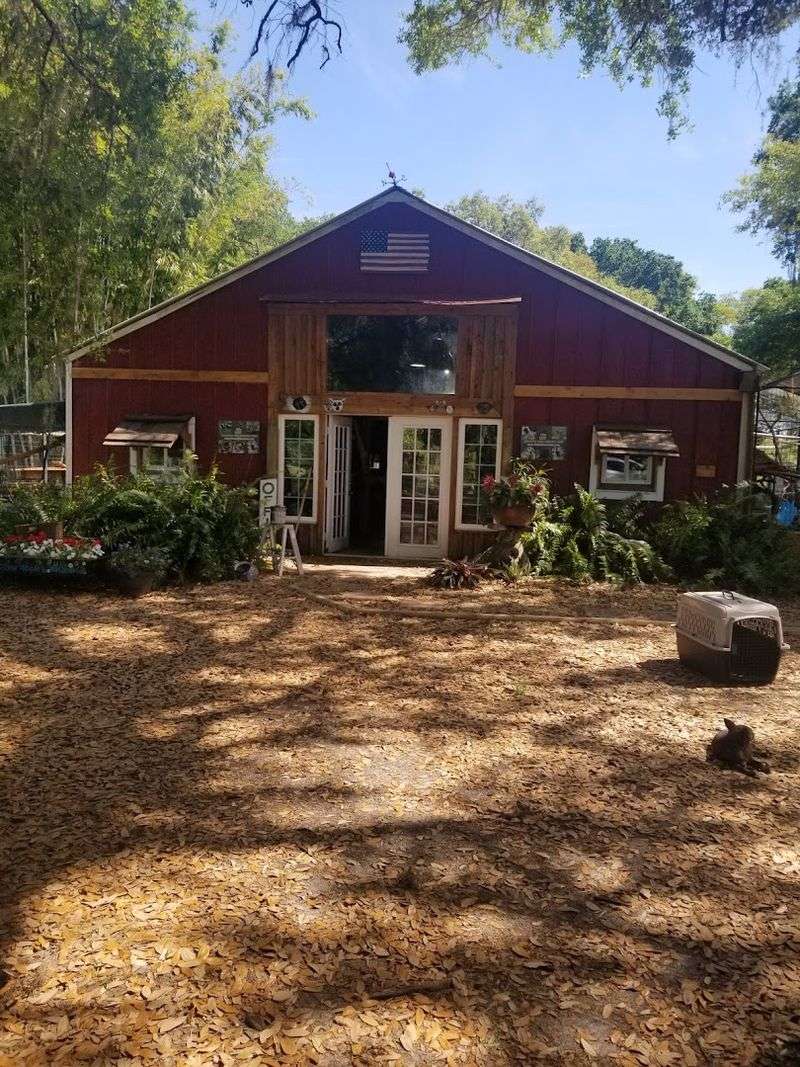
Tour guides can make or break an experience, and at Chase Sanctuary, the guides consistently receive glowing praise for good reason. Brody, Jillian, Abby, Cali, and the rest of the team don’t just recite facts; they share genuine passion, humor, and deep knowledge that transforms a simple tour into an educational adventure.
Brody, who trains many of the animals himself, peppered our tour with dad jokes and witty banter that kept everyone laughing while simultaneously teaching us about animal behavior, conservation, and the sanctuary’s mission. He demonstrated training techniques, explained why certain animals respond to specific cues, and patiently answered every question thrown his way.
Jillian brought a different energy, combining enthusiasm with detailed knowledge and a warm personality that made everyone feel welcome. She shared stories about individual animals, their backgrounds, and their unique quirks, creating a connection that went beyond surface-level observation.
Abby impressed us with her patience and kindness, especially when our group arrived late. Instead of rushing through the tour, she took her time, ensuring we had meaningful interactions with each animal and didn’t feel shortchanged despite our tardiness.
What struck me most was how clearly these guides love what they do. Their passion is infectious, and it elevates the entire experience from a simple animal encounter to a deeper understanding of wildlife conservation and the importance of sanctuaries like Chase.
Exotic Bird Interactions That Showcase Intelligence
Rex, the black casqued hornbill, commands attention with his impressive size and distinctive casque perched atop his beak. Meeting him at Chase Sanctuary gave me a newfound appreciation for avian intelligence, as this bird performed tricks with the precision of a well-trained dog and the personality of a seasoned performer.
Brody introduced us to Rex and explained that hornbills are highly intelligent birds capable of learning complex behaviors and forming strong bonds with their caretakers. He demonstrated a few of Rex’s tricks, including retrieving objects, hopping on command, and even playing a simple game of catch.
When it was my turn to interact, Brody handed me a small toy and instructed me to toss it a few feet away. Rex immediately flew over, grabbed it in his large beak, and brought it back, dropping it at my feet and cocking his head expectantly, waiting for another round.
The bird’s eyes were sharp and alert, constantly scanning his surroundings and taking in every detail. Brody mentioned that Rex enjoys mental stimulation and gets bored easily, which is why the staff regularly introduces new toys and training exercises.
Watching Rex interact with visitors, showing off his skills and soaking up the attention, reminded me that birds are far more complex and intelligent than many people realize. It’s interactions like these that make Chase Sanctuary such a unique educational experience.
A Sanctuary Mission That Actually Makes A Difference
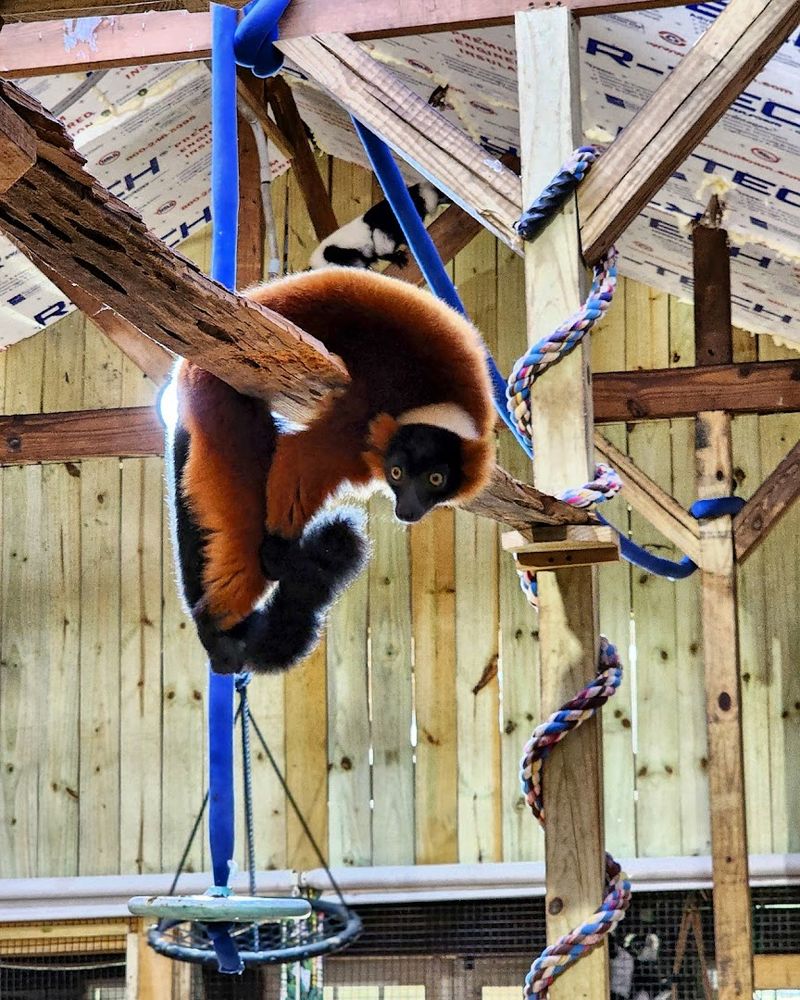
Chase Sanctuary operates as a 501(c)(3) nonprofit, which means every admission fee, tour booking, and donation directly supports the care and rehabilitation of the animals living there. Walking around the property, I could see exactly where that money goes: spacious enclosures, quality food, veterinary care, and enrichment programs that keep the animals mentally and physically healthy.
The sanctuary focuses on rescuing exotic animals that can no longer be kept in private homes, came from neglectful situations, or need specialized care. Each animal has a story, and the staff takes time to share those stories, helping visitors understand the challenges these creatures face and why sanctuaries like this one are so vital.
Beyond rescue and rehabilitation, Chase Sanctuary emphasizes education and conservation. The guides don’t just entertain; they teach visitors about habitat loss, illegal wildlife trade, and the importance of supporting ethical facilities that prioritize animal welfare over profit.
I left the sanctuary feeling like my visit contributed to something meaningful. The animals are clearly thriving, the staff is dedicated and passionate, and the entire operation runs on a foundation of genuine care rather than exploitation.
Supporting Chase Sanctuary isn’t just about having a fun day out; it’s about contributing to a mission that protects vulnerable animals and educates the public on why conservation matters. That’s a cause worth returning to again and again.