
Hidden Michigan Towns That Feel Like You’ve Stepped Into Another Era Without Trying
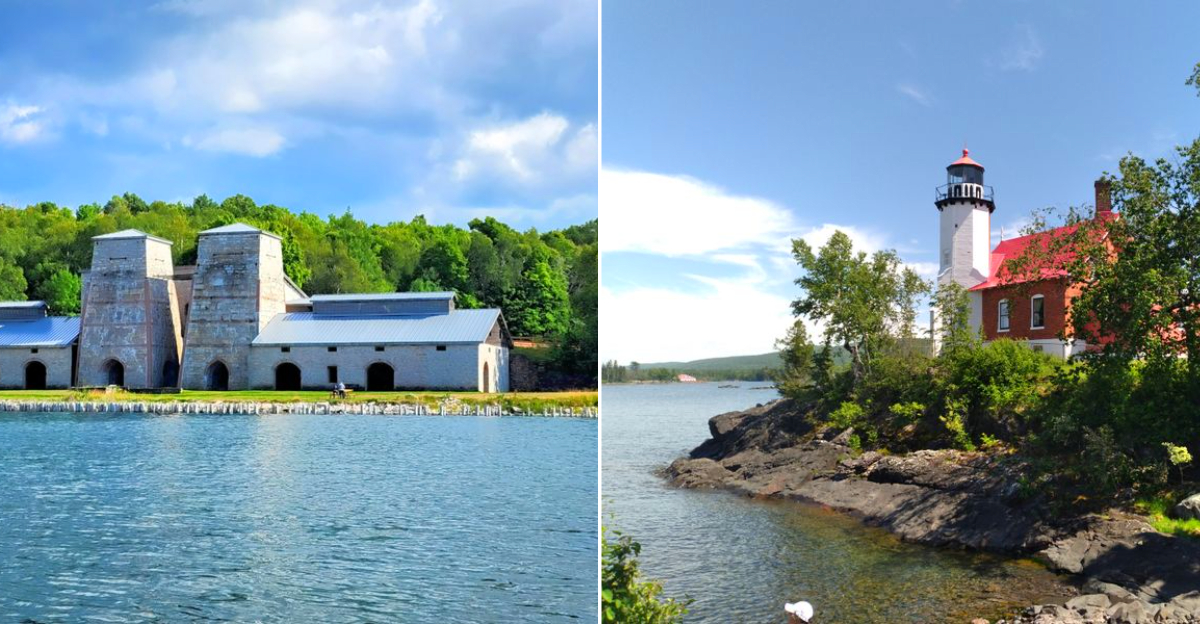
Michigan hides pockets of time that have not rushed to catch the present. If you slip off the main highways and trade the interstate for the winding two-lanes, the pace of the world turns human again, replaced by weathered wooden storefronts, iron shorelines, and rituals that still make sense.
These aren’t “theme park” towns built for show; they are living places where history hums quietly in the background of daily life, preserved in the scent of lake salt and old-growth cedar. Michigan’s historic small towns are living museums where the creak of an old floorboard tells a better story than any guidebook.
This list is for the wanderer who prefers the steady chime of a shop bell to the beep of a self-checkout. From the preserved fishing shanties of Leland’s Fishtown to the Victorian elegance of Marshall, these destinations offer a rare chance to reconnect with a slower, more intentional way of living.
Pack a curious mind and a very warm layer, because the wind off Lake Superior always has an opinion, and the best details only reveal themselves to those who linger. I’ve put together this guide to help you find the quietest corners and the most authentic local experiences in the towns that time forgot.
1. Marshall
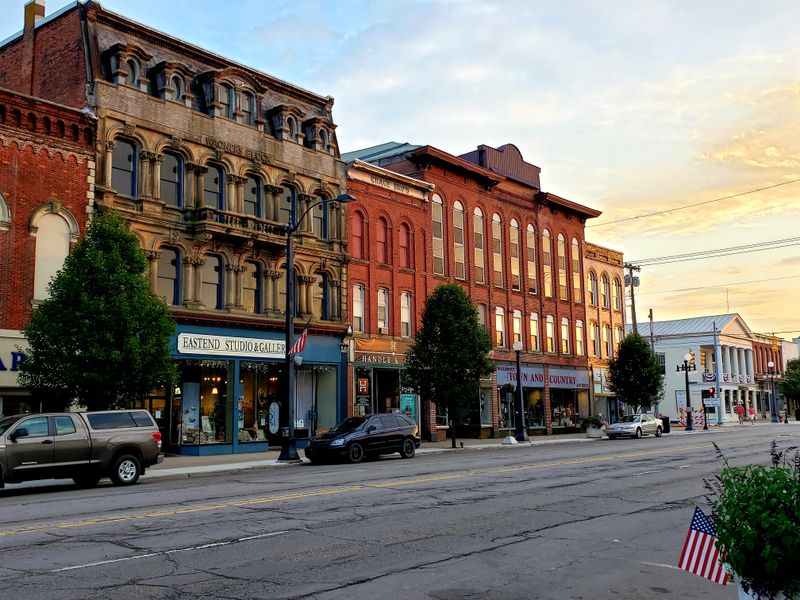
Walking down Michigan Avenue in Marshall feels like flipping through a high-end architectural digest from the 1800s. The brick storefronts keep their ornamented lintels like fine jewelry, and the town’s pride and joy, the Honolulu House, stands as a beautifully improbable relic of 1860s diplomatic fantasy.
Built by a former U.S. consul to the Sandwich Islands, its verandas and tropical motifs look like they were plucked from a Pacific breeze and dropped into the heart of the Midwest. At night, the Brooks Memorial Fountain circles patiently in the center of town, a glowing centerpiece for a community that values its past without being precious about it.
Marshall’s preservation movement is practical. You see it in the lived-in Italianate homes and the Michigan Central Depot, where history isn’t behind glass, it’s just where people live.
I always suggest parking near Fountain Circle and simply looping through the National Historic Landmark District. You should definitely stop by Dark Horse Brewing, then wander over to the American Museum of Magic.
If you ask the volunteers about the escape cabinet demonstrations, they might show you the trick, but they will never, ever show you the secret. That’s the charm of Marshall, it keeps its best mysteries close to the chest.
2. Calumet
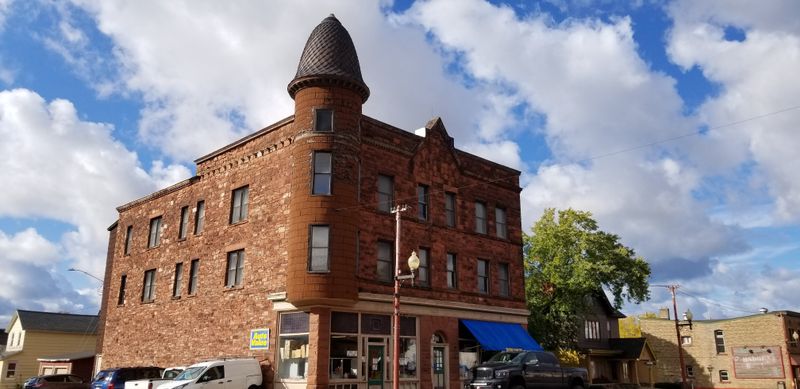
There is a weight to Calumet that you feel the moment you see the red sandstone buildings glowing against a pewter sky. This town was built during a copper boom that imagined itself lasting forever, and the architecture reflects that massive, industrial ambition.
The Italian Hall memorial arch stands as a silent, heartbreaking portal to a tragic Christmas Eve past, stopping conversation for anyone who walks beneath it. Here, history isn’t tucked away in a dusty corner, it’s stitched into the very fabric of the Keweenaw National Historical Park.
The visitor center occupies an old union building where exhibits detail the lives of miners, the intensity of the strikes, and the vibrant immigrant parades that once filled these streets. You can almost hear the layered soundtrack of Finnish and Cornish songs beneath the modern hum of space heaters.
My ritual in Calumet is simple, grab a hot pasty from a family-run shop, the ultimate miner’s fuel, and walk through the Calumet Theatre lobby to admire gilt details that were rescued from the dust of the mines. Wear sturdy boots if you’re visiting in the shoulder season, lake-effect snow has a habit of drifting across these alleys like slow-moving theater curtains.
3. Copper Harbor
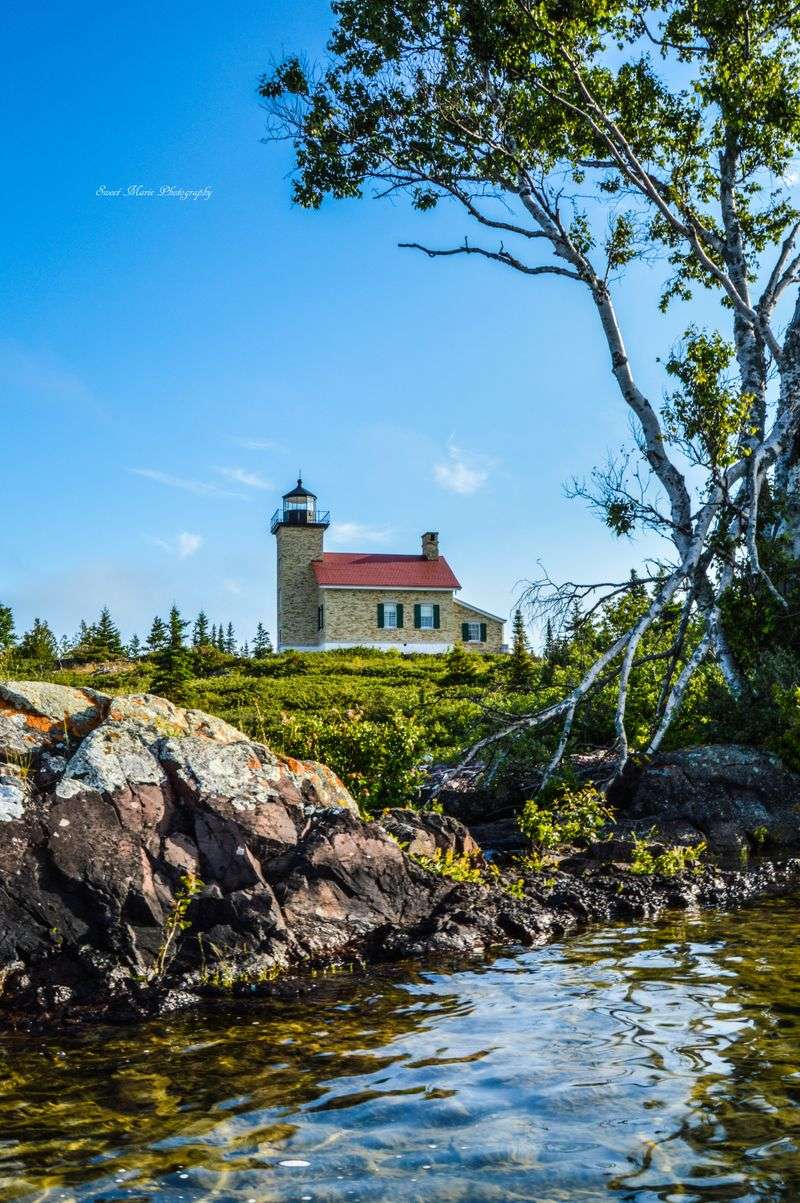
If you follow US-41 to its literal end, you’ll find Copper Harbor, where mile marker zero feels less like a highway sign and more like a ceremonial finish line. This is a place where the scent of pine rides the wind and Lake Superior folds and unfolds against the rocks like a giant, rhythmic lung.
The town is a tiny, beautiful grid holding a general store, a few outfitters, and a harbor that mirrors the pink and orange of the Northern sky. It’s a town at the edge of the world, and it feels like it.
I love spending an afternoon at Fort Wilkins Historic State Park, where the 1840s military order is preserved in tidy barracks and black powder demonstrations. But the real pull is the wilderness, trails thin out into a deep, boreal quiet faster than you’d expect.
While mountain bikers orbit Brockway Mountain, I prefer to sit on the ridge at sunset and watch the freighters pass by like slow punctuation marks on the horizon. Bring layers, even in August, Superior rewrites the weather forecast whenever it feels like it.
If you decide to kayak, take conditions seriously. The waves out here can build from nothing into everything in a matter of minutes.
4. Eagle Harbor
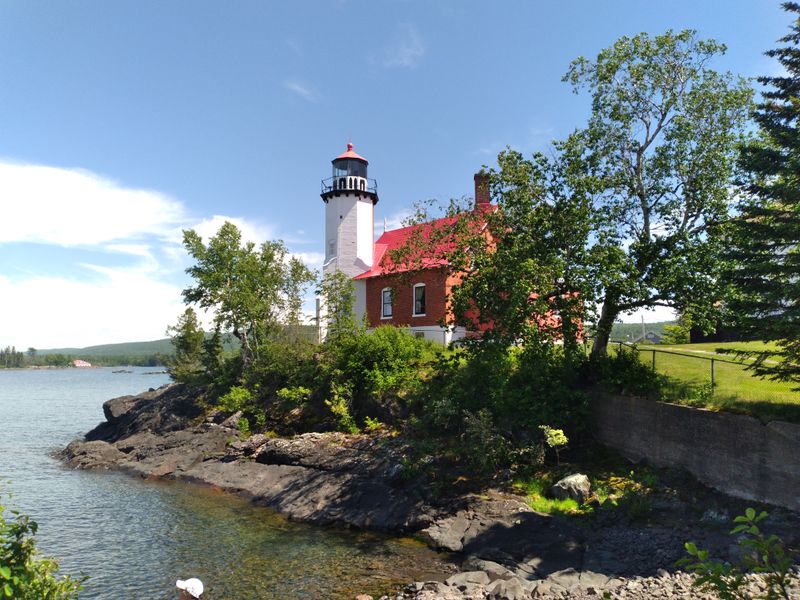
Eagle Harbor is a working postcard, neat, functional, and brave. Gulls heckle the shoreline while the lighthouse keeps its squared jaw turned toward the lake, standing watch as it has for over a century.
A short walk along the water brings the sharp, clean smell of wet coppery rock and cedar. The 1871 lighthouse museum is a must-visit, it explains Fresnel lenses and shipwreck telegrams with an unhurried clarity that makes you realize how fragile life on the big lake used to be.
The houses here wear their weather with a certain pride, their paint softened by decades of Superior’s saltless spray. I’ve found that the best way to experience Eagle Harbor is to pack a windbreaker and just sit.
Watch the range lights come on as the sun dips, they look like practical stars guiding the way home. The harbor ramp is great for launching a small boat, but always check the wave reports first.
Superior doesn’t offer many second chances, and the local Life Saving Station stories are a sobering reminder of that.
5. Leland
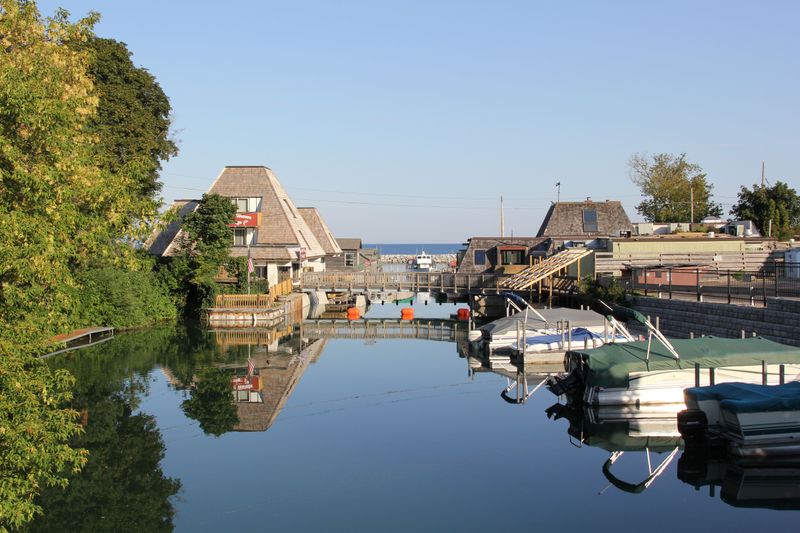
In Leland, the boards of Fishtown creak under your feet with a rhythm that feels centuries old. Cedar shanties lean into the wind like old fishermen swapping stories, and the river squeezes between the docks, carrying the unmistakable, savory scent of smoked whitefish.
While it’s a popular spot for tourists, the stacks of fishing gear by the doorways prove that this isn’t a movie set, it’s a working commercial fishery that has refused to fade away. The preservation here is wonderfully pragmatic.
The Fishtown Preservation Society works to stabilize these buildings, lifting them when the river surges and ensuring that the working part of the waterfront stays visible. I recommend buying a smoked chub sandwich, finding a spot by the dam, and enjoying the gull theater as they vie for scraps.
July is busy, so arrive early if you want to find a parking spot. In the off-season, the weathered wood looks especially beautiful in the sharp, cold light of a Lake Michigan morning.
6. Fayette Historic Townsite, Garden Area
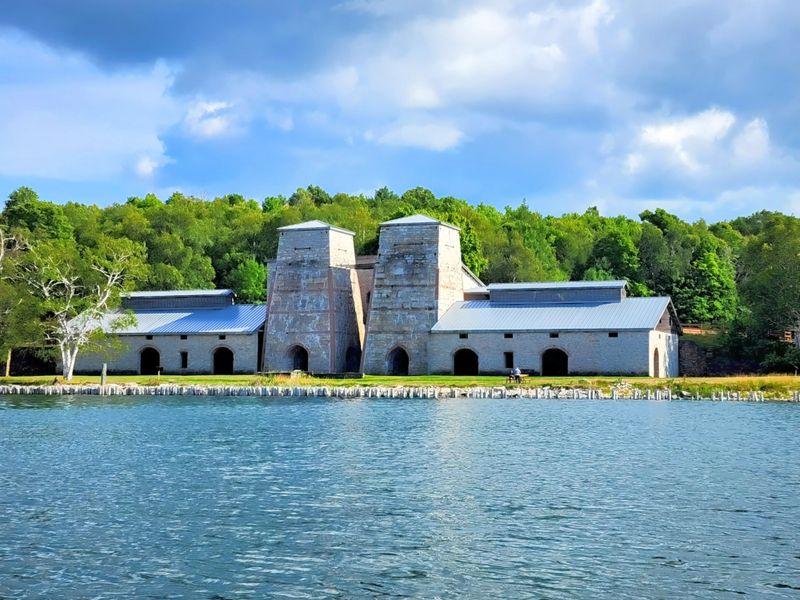
Fayette is a ghost story told in limestone and turquoise water. This company town on Big Bay de Noc sat intact after the iron smelting furnaces cooled in 1891, waiting for the world to find it again.
The charcoal kilns, the grand hotel, and the superintendent’s house still square up to the water, backed by bleached cliffs that look like theater flats. It is one of the most hauntingly beautiful places in the Upper Peninsula, where the only sound is the polite slap of waves against the docks.
From 1867 to 1891, this was a roaring hub of industry, but today it is a silent park where the buildings have been restored with a very light hand. You can still see the tool marks and scorch marks on the walls.
I found myself whispering as I walked through the machine shop, moved by the ghostly order of a town that simply stopped. Walk the cliff trail for a bird’s-eye view, and try to time your visit for the late afternoon.
The way the sun hits the bay turns the water an improbable, Caribbean turquoise that you have to see to believe.
7. Munising
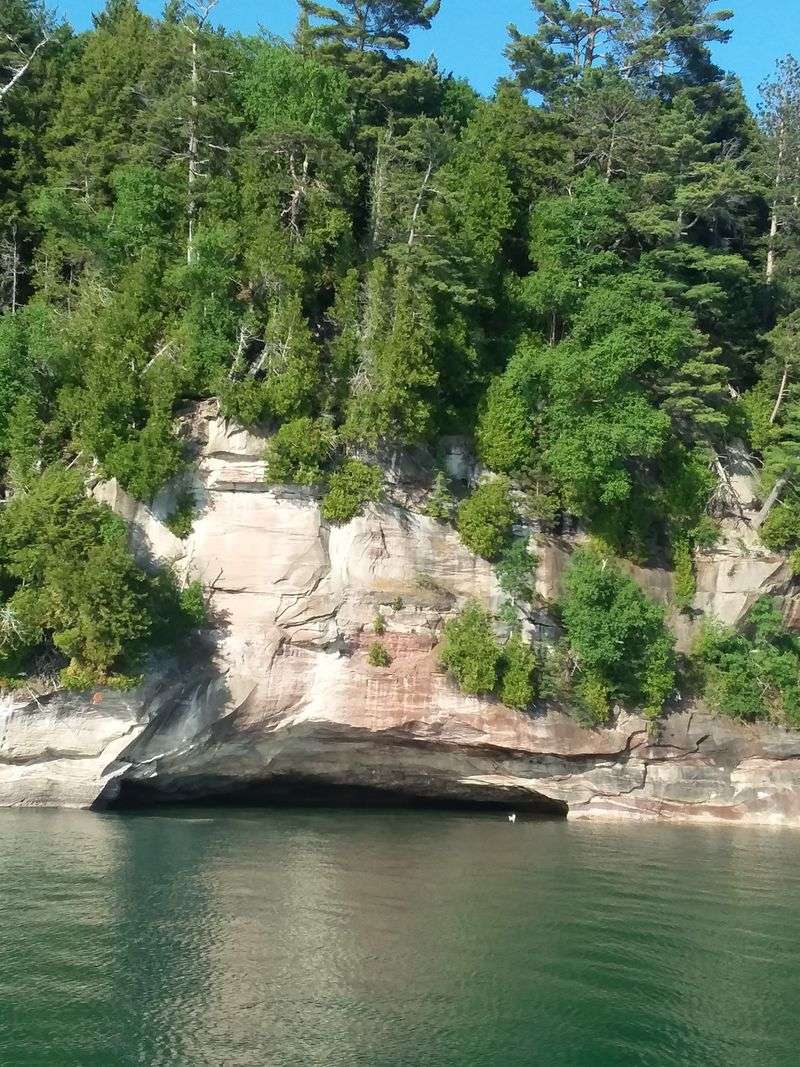
Munising feels like a trailhead masquerading as a harbor. It’s a town defined by its geology, where the mist from the Pictured Rocks cliffs drifts into the streets whenever the wind is feeling playful.
Everywhere you look, people are carrying coolers, hiking poles, and camera straps. The local scent profile is a unique mix of bait shop, espresso, and sunscreen.
It’s the gateway to some of the most dramatic scenery in the country, and the town embraces its role as the jumping-off point for adventure. Tour boats thread beneath mineral-stained walls that look like they were painted by a giant, and kayaks tuck into sea caves on the quiet days.
But don’t just head for the water, the town has its own quirks. Local diners still serve cudighi sausage, a spicy Italian tradition that migrated here with the miners.
My advice is to reserve your boat seat early and pick a late-afternoon departure when the sun hits the cliffs and turns the colors into a vibrant, glowing gallery. On the windy days when the lake is too rough, head for the inland waterfalls, the forest is just as magical, though you should definitely keep your mud-ready shoes in the car.
8. Cross Village
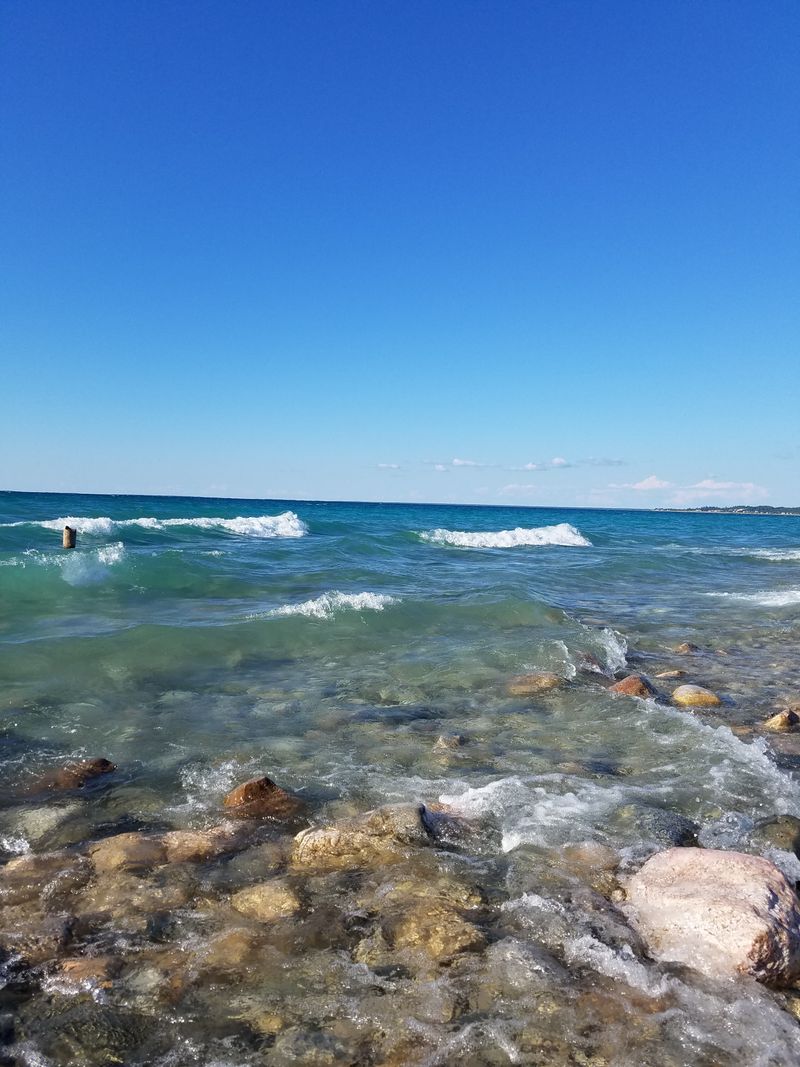
At the end of the legendary Tunnel of Trees drive lies Cross Village, a small, wind-combed settlement anchored by the sheer folk-art genius of Legs Inn. Driftwood curls over the roofline like a frozen wave, and carved faces peer out from the stone walls.
It’s a place where Odawa history and Kashubian Polish traditions have blended into something entirely unique. The inn serves hearty Polish plates, pierogi and placki, that feel like a warm hug after a long drive.
The bluff behind the inn looks out toward an expanse of Lake Michigan that feels vast and empty, though you know it’s full of history. Summers bring live music to the lawn and a communal vibe that makes everyone feel like a local.
If you’re driving the Tunnel of Trees to get here, remember to be patient. The road is narrow and the curves are sharp, but that’s the point.
Pull off only where it’s marked, take a deep breath of the lake air, and let the quiet of the forest settle in before you hit the village.
9. Cedarville
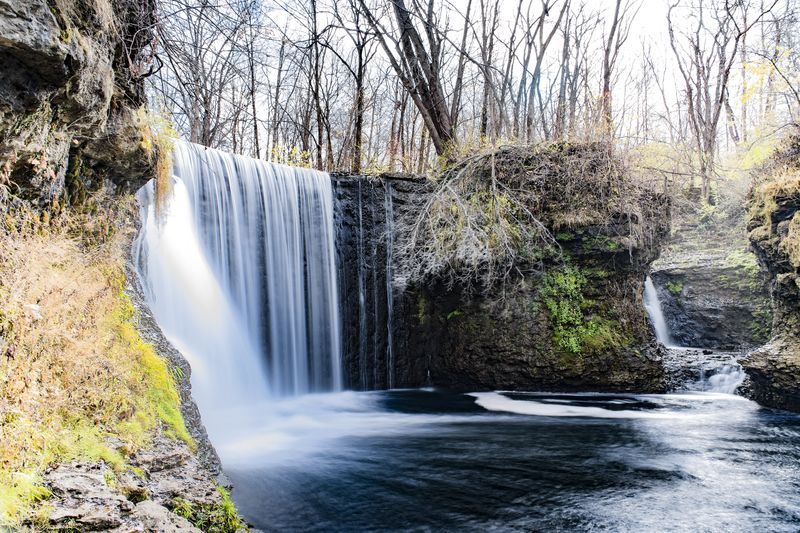
Cedarville moves at mooring speed. Located in the Les Cheneaux Islands, this town measures time in gentle wakes and coffee refills.
At dawn, a linen of mist lays across the channels while wooden boats shuffle their reflections in the still water. The soundscape here isn’t traffic, it’s gulls, the creak of rope, and the occasional rhythmic tap of tools coming from a nearby boat shed.
This is the heart of Michigan’s wooden boat culture, a place where varnish is a religion. The craft lineage here is profound.
The local museum explains the curves of lapstrake hulls, and every August, the town hosts a classic boat show that makes the harbor gleam like melted caramel. Marinas here feel conversational rather than transactional, people want to talk about their engines and their hulls.
I love renting a small skiff on a calm day to wander the protected passages between the islands. Just make sure to bring a dry bag with sandwiches and an extra sweater, the breeze over the water always manages to steal more heat than you expect.
10. Pentwater
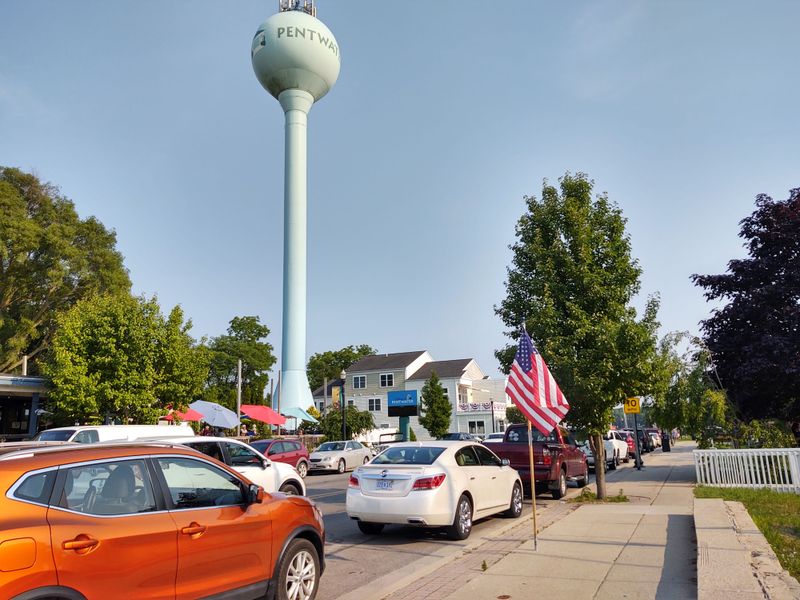
This is a town that feels like a perpetual summer evening. A brass band often plays on the village green, their music carrying over a tidy square where cottages show off their ornate porches and patterned shingles.
It’s a town built around a channel that pulls sailboats toward the big lake with almost comic patience. There is no rush in Pentwater, there is only the next ice cream cone and the next sunset.
History hides in plain sight here. The storefronts keep their 19th-century lines, and the weekly craft market is a throwback to a simpler time without any of the modern fuss.
I’ve found that the best way to see Pentwater is to park your car once and do everything else on foot. The beach is an easy walk from the shops, and the pierhead lights are modest but perfectly framed against the horizon.
If you visit in the shoulder season, you’ll find more space on every bench and a lake smell that is cleaner and crisper than you remembered. It’s the perfect place to end a trip, a quiet reminder that sometimes the best era to step into is one where the only thing on the agenda is watching the tide.