
Hike The Colorado Backcountry With A Llama Carrying The Gear
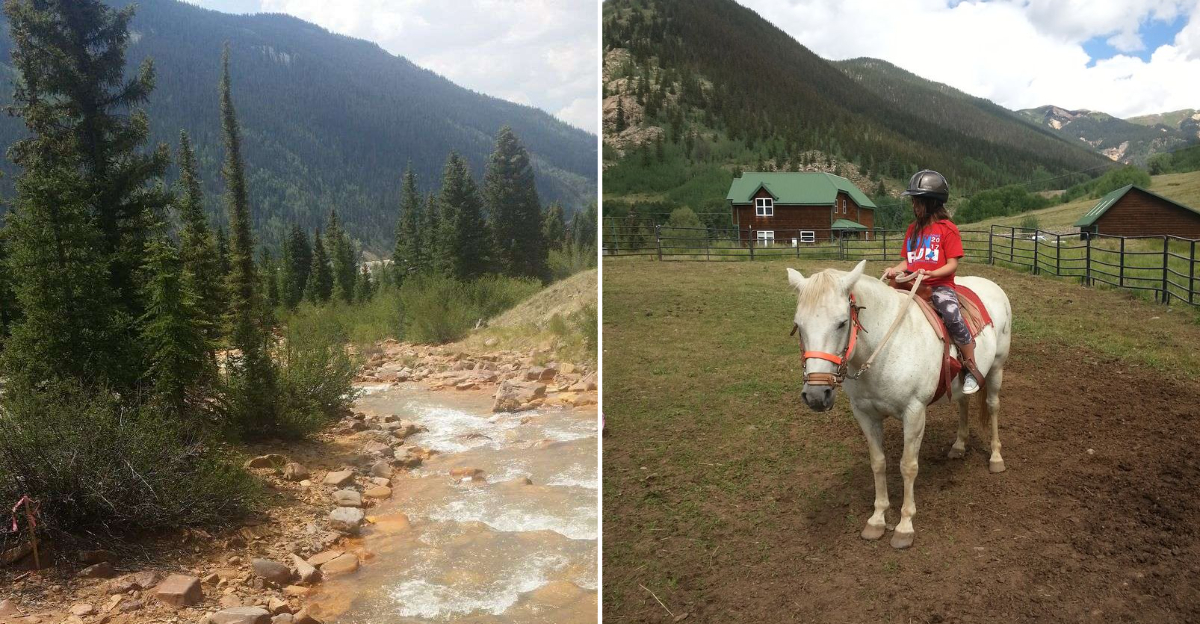
There is something wonderfully ridiculous about hiking into the mountains while a llama handles the luggage.
Instead of hauling a heavy pack up every climb, visitors can carry the basics while a calm, woolly companion takes on the extra gear.
In the high country of Colorado, that means more energy for the trail, the views, and enjoying where you are going.
You can rent a pack llama for your own outing or join a guided trip if you would rather have someone else lead the way.
Better yet, these animals are not just useful. Their steady pace and curious personalities become part of the experience surprisingly fast.
Reviews are strong, and repeat visitors suggest this is more than a novelty. Before heading into the mountains, though, it helps to know how the trips work.
For an outdoor adventure with a wonderfully unconventional sidekick, few Colorado experiences sound quite this memorable.
The Silverton Plan That Makes Itself
Some trips take three group chats, a spreadsheet, and a mild argument about who forgot the tent poles. Others just sort of announce themselves.
Redwood Llamas, at 1708 Greene St Box 562, Silverton, Colorado 81433, falls firmly into the second category.
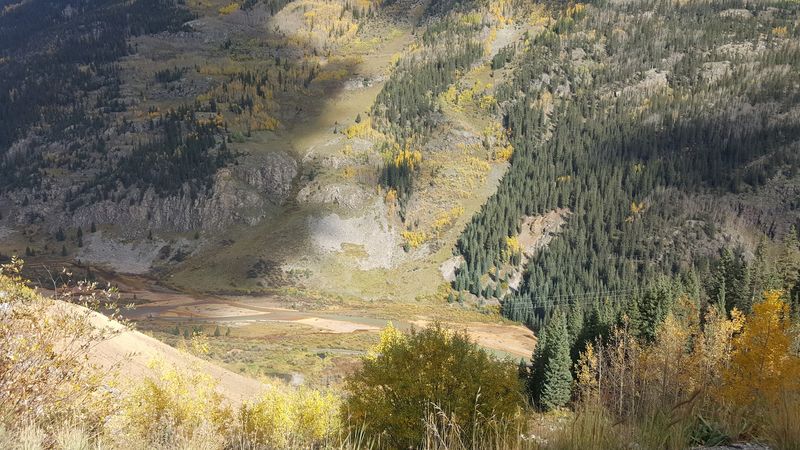
You point the car toward the San Juans, you show up, and a llama shoulders the load. That is the plan.
There is no need to negotiate over who gets stuck with the heaviest pack, because the animal with four legs and a permanently unimpressed expression has already volunteered.
Silverton itself is the kind of place people mention in the same breath as a bucket list. One visitor called it an interesting history and a beautiful place, which is a compact way of saying the town does not need help selling itself.
Quick Verdict: If you want backcountry scenery without hauling forty pounds up a mountain, this is the low-debate, high-payoff option.
Phone ahead at +1 970-560-2926 or check redwoodllamas.com before you commit. The operation runs seven days a week, opening at 6 AM, which tells you something about how mountain mornings work here.
Why Llamas Beat Your Own Aching Shoulders
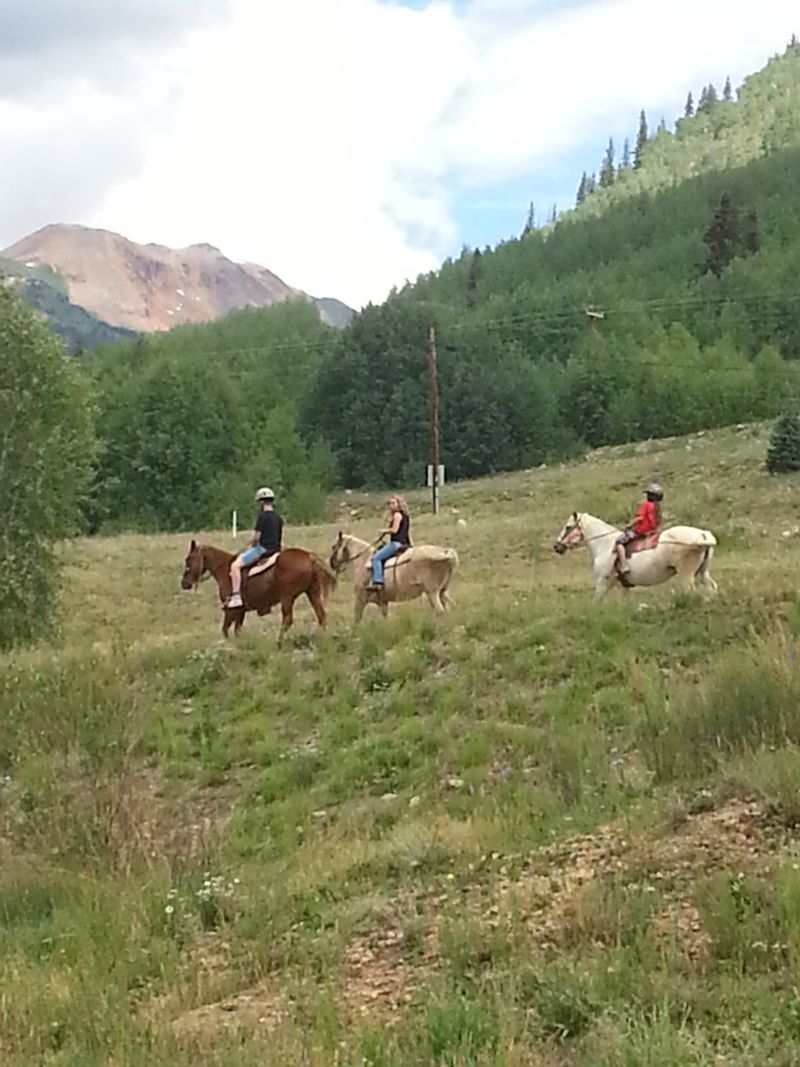
Here is the honest sales pitch, delivered without a single exclamation point: they carry everything. That phrase shows up almost word for word in one visitor’s account, and it is the core value of the whole experience.
Weight is the thing that ruins backcountry trips. Not the distance, not the elevation, not even the weather.
It is the moment three miles in when your shoulder straps start feeling like a personal grudge.
Hand the gear to a pack llama and the math changes completely. Suddenly you are walking through alpine country with your hands free, your posture upright, and your mood roughly forty pounds lighter.
That same visitor described the animals as very easy to deal with and no problem when not in transit, which is the kind of understated praise you rarely hear about livestock.
Why It Matters: Removing the weight removes the excuse. People who thought backcountry travel was out of reach suddenly find it very much within reach.
The result is a trip where the scenery gets your full attention instead of competing with your lower back for it. That is not a small upgrade.
That is the entire trip, reframed.
Meeting Bill Redwood And The Herd
Every good outfit has a person at the center of it, and here that person is Bill Redwood. Visitors mention him by name again and again, which in the world of outdoor operators is the strongest signal there is.
One account described him as very helpful and accommodating and patient, noting that he will guide you through the loading and unloading until you are comfortable with it. Read that last part twice.
Until you are comfortable, not until he is ready to move on.
That distinction matters more than it sounds. First-time llama handlers arrive with roughly zero relevant skills and a lot of polite nerves.
Being walked through the process at your own pace turns a strange task into something you can genuinely manage.
Another visitor summed up the operation in three words: top notch. Hard to argue with brevity like that.
Insider Tip: Treat the loading lesson as part of the fun, not a chore to rush through. Learning to pack a llama is a story you will tell later, whether you meant to or not.
Bill and his team also draw repeat customers, which says plenty.
Trails Gentle Enough For Grade Schoolers
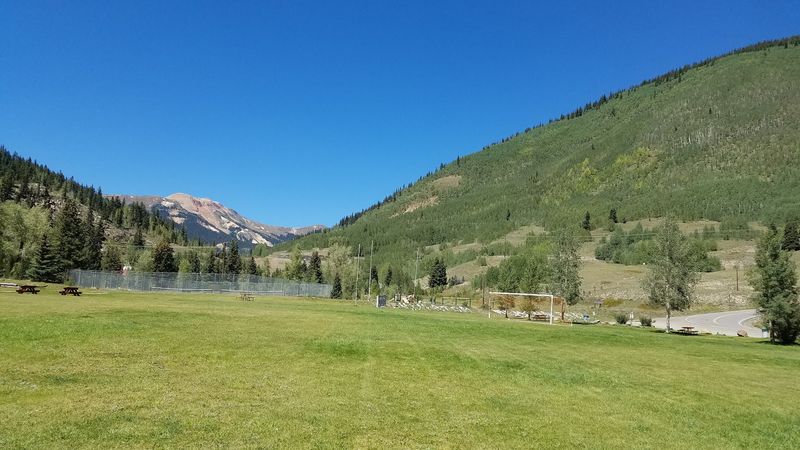
Parents, this is the section you were scrolling for. One visitor put it plainly: the hike is not so intense at all, great for kids.
That single sentence solves a problem families know well. Most Colorado mountain outings involve a negotiation phase, a complaining phase, and a carrying-the-smallest-child phase.
Take the gear off the adults and the whole dynamic softens.
Kids also happen to be excellent llama company. The animals are unbothered, oddly dignified, and covered in wool, which is roughly the ideal combination for a seven-year-old’s attention span.
The same visitor mentioned that the hiking guides are amazing and very friendly, and that lunch was great too. Food in the backcountry has a way of tasting better than it has any right to, but a good meal still counts.
Best For: Families who want a real mountain experience without turning it into an endurance test, plus anyone whose knees have opinions about heavy packs.
Halfway through this list, here is the part that surprises people most: the llamas are not just cargo. They become the reason the day sticks in memory.
Learning To Pack Like You Know What You Are Doing
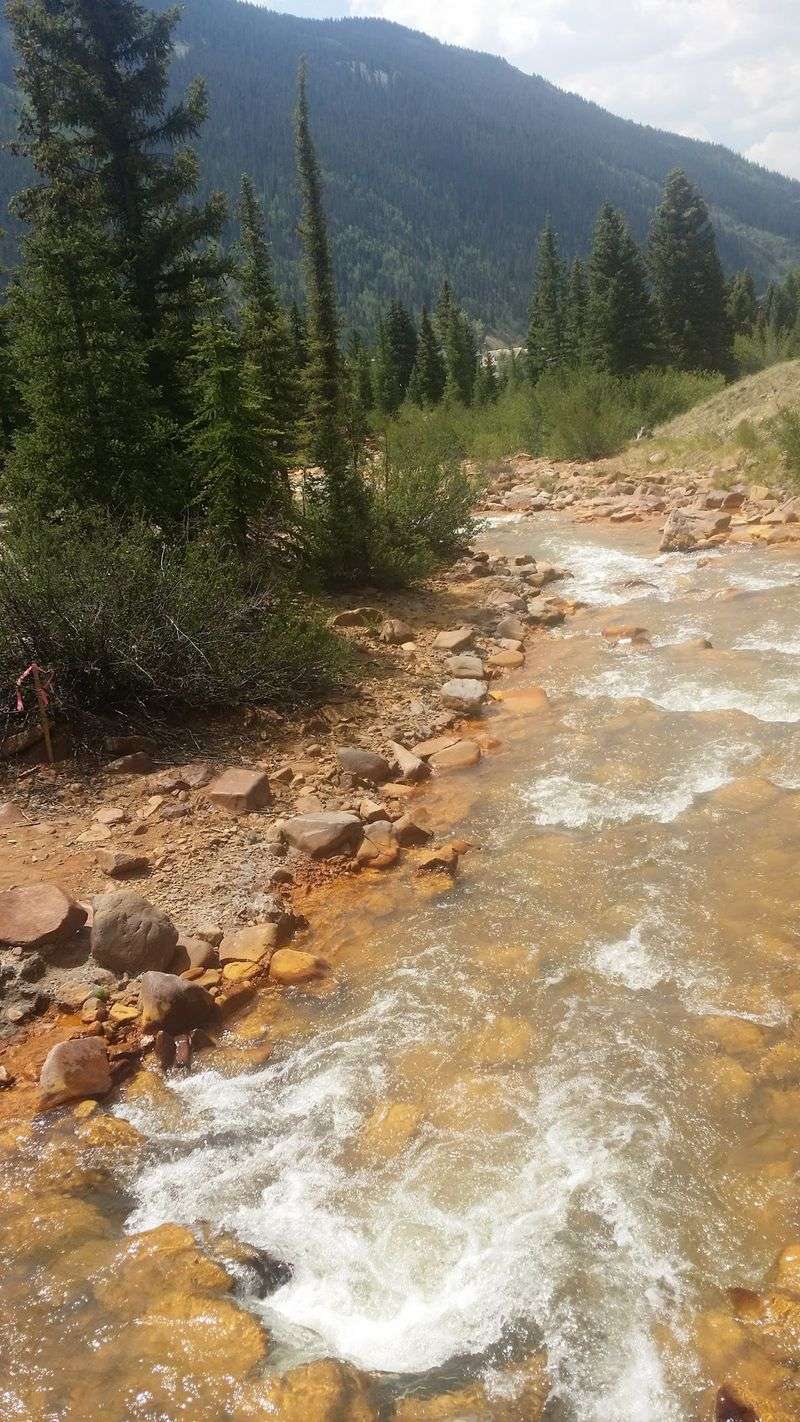
Learn how to pack with Llamas with Redwood Llamas. That is nearly a direct quote from one visitor, and it points to something that separates this from a simple guided walk.
You are not a passenger here. You get taught.
Loading, unloading, balancing the panniers, keeping the animal comfortable, all of it becomes a skill you actually take home.
Balance is the part most people underestimate. A llama’s load needs to sit evenly, and getting it right feels a bit like packing a suitcase that will be walking uphill later.
The lesson also pays off practically. Once you know how to handle the loading process, renting llamas for future trips stops feeling intimidating and starts feeling like a normal option.
Pro Tip: Pack in soft-sided bags rather than rigid containers when possible. Gear that molds to the pack sits better and shifts less on the trail.
Multiple visitors have returned for second trips, and part of that is confidence. Once you have done it, you know exactly how the day goes, and that removes the guesswork entirely.
Six AM Starts And Seven Day Availability
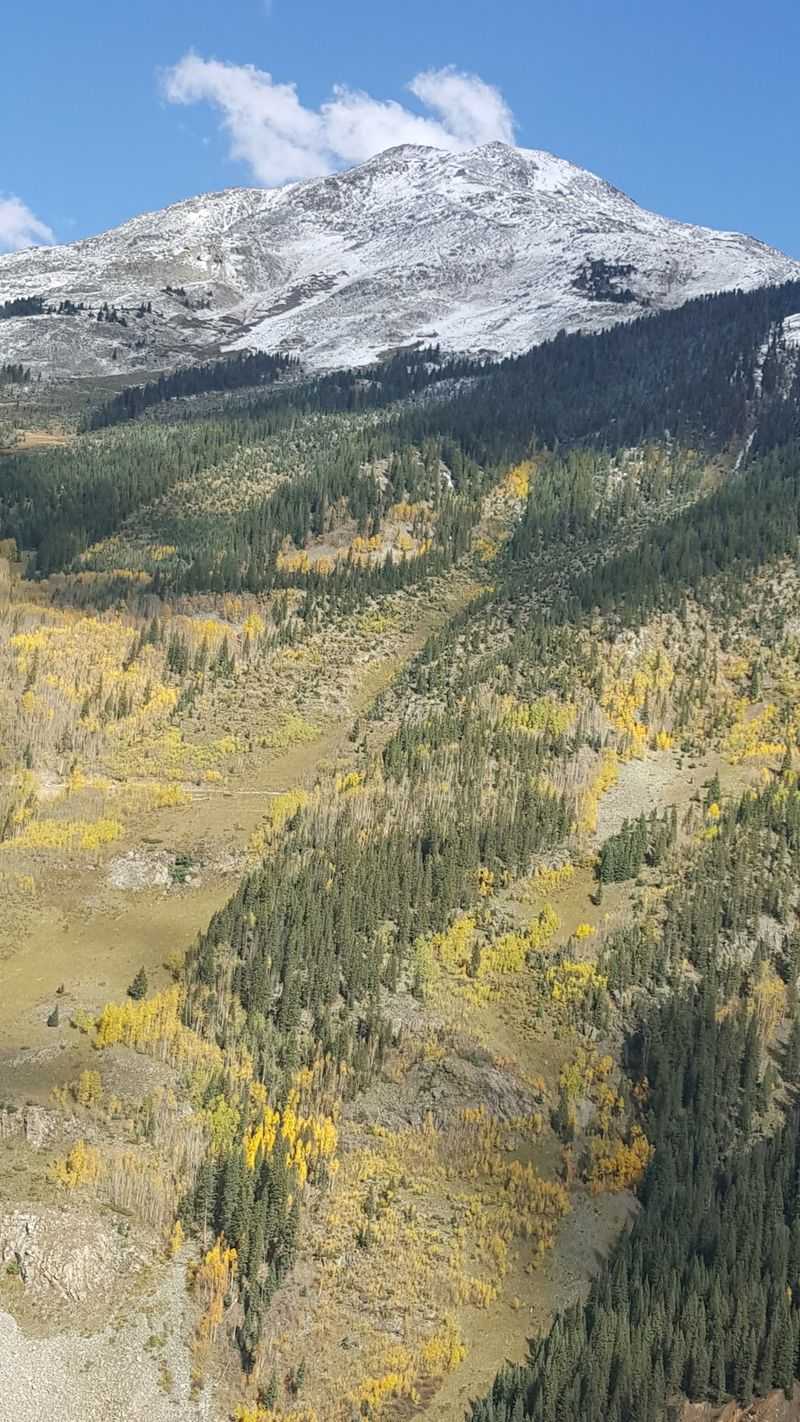
Doors open at 6 AM, every single day of the week, running through 9 PM. Wednesday through Tuesday, no gaps, no mysterious closed days that ruin a carefully built itinerary.
Mountain people understand why the early hour exists. Colorado high country tends to build afternoon weather with real enthusiasm, so starting early is less a preference and more a strategy.
An early departure also means cooler walking, quieter trails, and light that photographers describe using words they would never use in normal conversation.
Planning Advice: Call +1 970-560-2926 well before your trip. Availability for pack animals is not the same as availability for a restaurant table, and planning ahead is simply how this works.
Common Mistakes to Avoid: Assuming you can decide the night before. Also, underestimating how cold a Silverton morning can feel even in warm months.
Bring a layer you can shed.
The seven-day schedule is genuinely useful for weekend planners. Whether you have Saturday, Sunday, or a stolen Tuesday, the operation is open and running.
Flexibility like that is rare in small mountain towns, and worth appreciating.
The Trip Worth Repeating, Summed Up
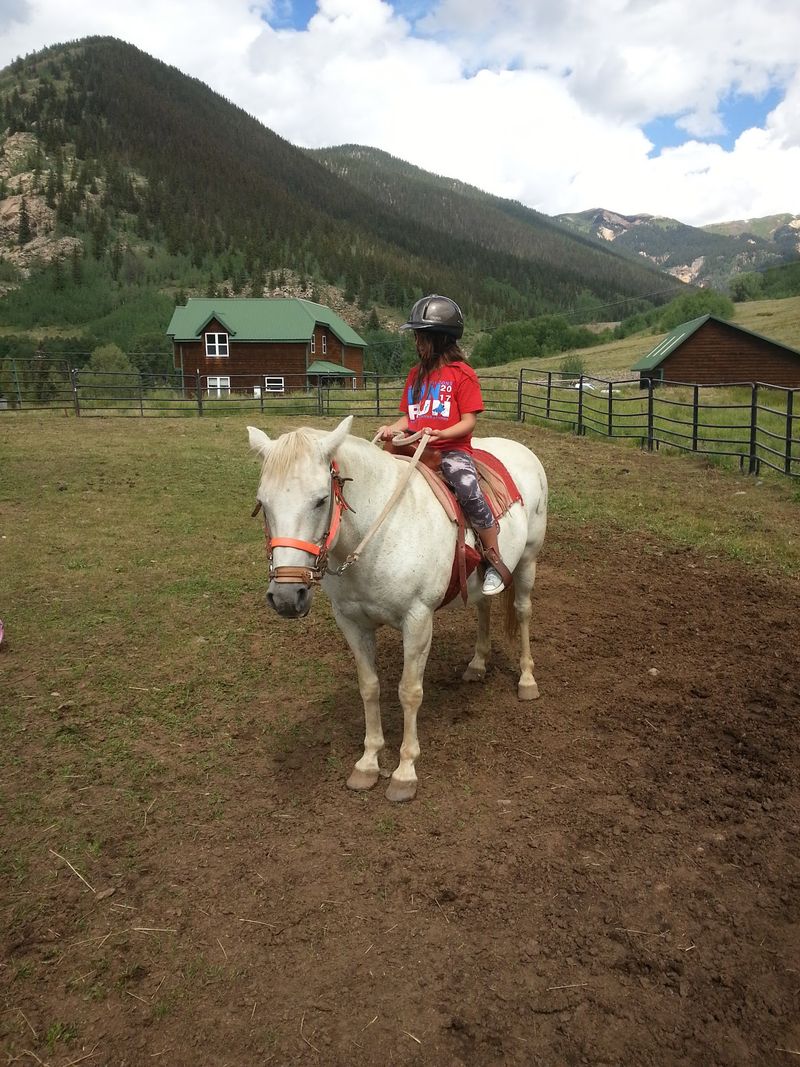
Strip away everything else and the value here is simple. Roughly two dozen Colorado visitors have weighed in, the rating sits at 4.8 stars, and one recent account mentioned it was their second trip with the llamas, with a third already assumed.
Repeat visits are the quiet endorsement that matters most. Anyone can enjoy a novelty once.
Coming back means the experience held up.
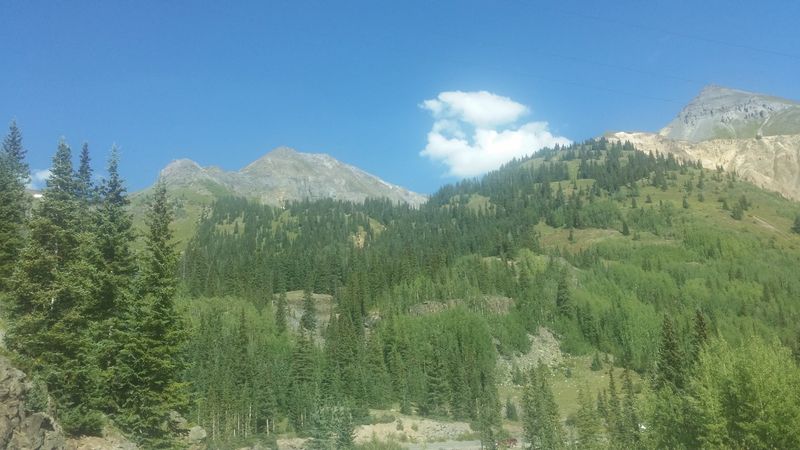
What you get is a backcountry day where the hard part is handled. The gear rides on a llama, the guidance comes from people who take time to teach you, and the scenery is Silverton’s own high-country payoff.
Solo hikers get a genuinely new skill. Couples get a shared story that beats another weekend of errands.
Families get a mountain trip nobody has to be carried through.
Who This Is For: Anyone curious, patient with animals, and happy to walk at a llama’s pace.
Who This Is Not For: Hikers chasing speed records or total solitude.
Tell a friend it this way: you hike, the llama hauls, and everybody comes home grinning. That is the whole pitch, and it holds up beautifully.