
12 Historic Dining Rooms In New Jersey You Won’t Find Mentioned In Travel Guides
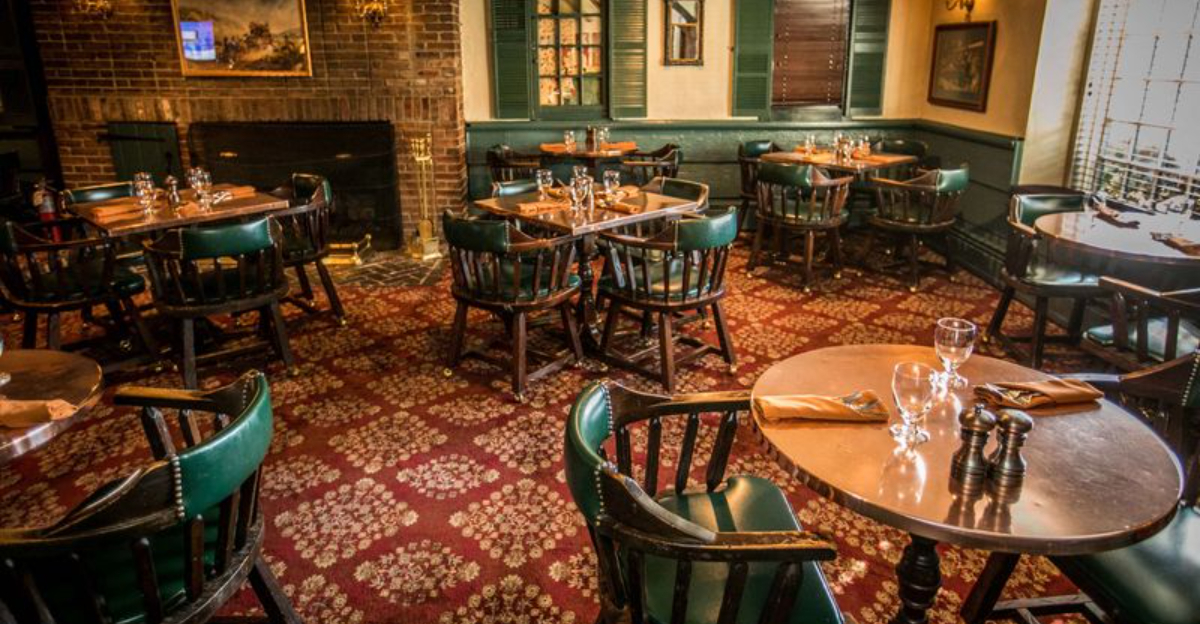
If you’re anything like me, part of the fun of dining out isn’t just the food-it’s discovering a place with a story, a little charm, and maybe even a hint of history.
New Jersey is full of hidden gems, and some of the most memorable meals I’ve had have come from dining rooms that feel like stepping back in time.
These aren’t the flashy spots you see in travel guides or Instagram reels, they’re the kind of restaurants where the woodwork creaks just enough to remind you of decades past, the staff greets you like an old friend, and the recipes have been passed down through generations.
Let me take you through twelve historic dining rooms that locals swear by-and that deserve a place on your must-visit list.
1. The Walpack Inn
Nestled deep in the Delaware Water Gap National Recreation Area sits a treasure most travelers zoom right past.
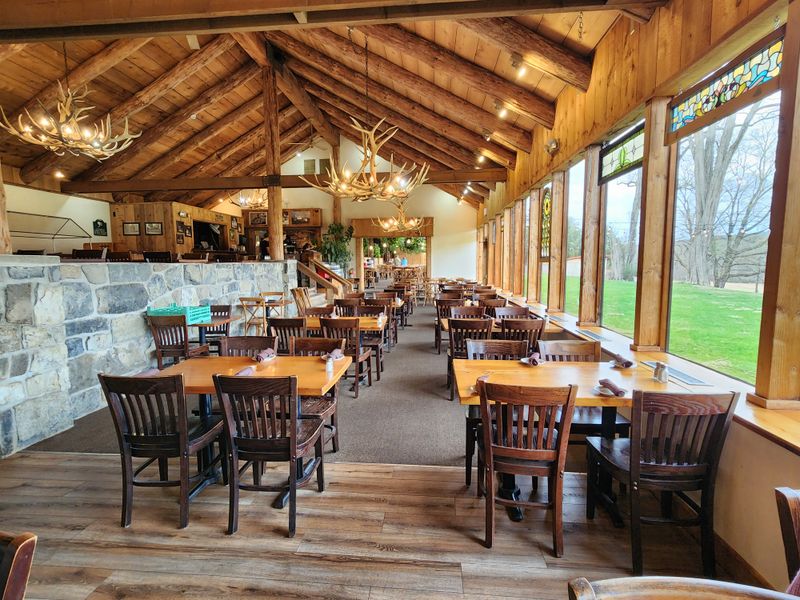
The Walpack Inn at 7 National Park Service Rd 615 in Wallpack Center feels like stepping into a time machine set for the 1800s.
Original wide-plank floors creak beneath your feet while exposed wooden beams overhead tell stories of countless meals shared across generations.
What makes this place truly special is its location within a ghost town that was nearly swallowed by a dam project that never happened.
The building itself dates back to the early 19th century and served travelers along the old stagecoach route.
Today, diners enjoy hearty American fare surrounded by antique furnishings and historical photographs that capture the area’s forgotten past.
The atmosphere practically whispers tales of pioneers and merchants who once filled these very rooms.
Finding this spot requires determination, but that’s precisely why it remains blissfully uncrowded.
2. Ye Olde Centerton Inn
Southern New Jersey’s best-kept dining secret hides along a quiet country road where most GPS systems get confused.
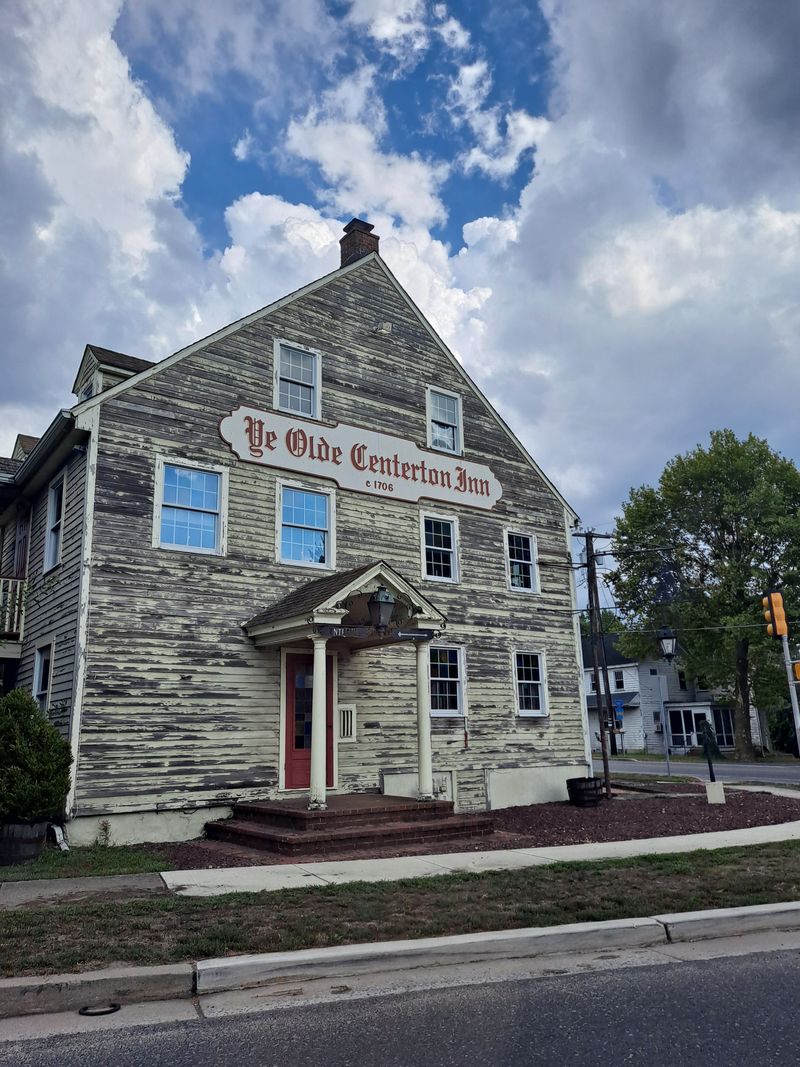
Ye Olde Centerton Inn at 1136 Almond Rd in Pittsgrove welcomes guests into rooms that have hosted diners since 1706.
That makes it one of the oldest continuously operating inns in the entire state, though somehow it escaped the tourist spotlight.
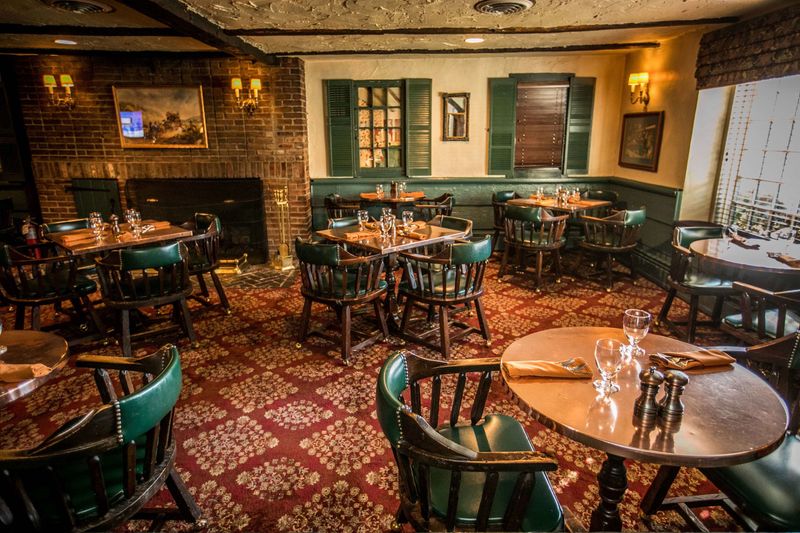
Colonial-era charm oozes from every corner, with fireplaces that actually work and tables worn smooth by centuries of elbows.The building started as a stagecoach stop between Philadelphia and the Jersey Shore, serving weary travelers who needed rest and refreshment.
My grandmother once told me her parents celebrated their anniversary here in the 1940s, ordering the same pot roast recipe that still appears on today’s menu Each dining room features different historical periods, from Revolutionary War era to Victorian elegance.
The kitchen respects tradition while keeping flavors fresh and exciting.
3. Olde Mill Inn & Grain House Restaurant
Picture dining inside an actual grain mill from 1768, where flour once poured and wagon wheels rolled.
The Grain House Restaurant at 225 Route 202 in Basking Ridge delivers exactly that experience, though you’d never guess it from the road.
Massive stone walls two feet thick keep the dining rooms naturally cool, while hand-hewn beams overhead showcase craftsmanship that modern builders can only dream about.
This wasn’t always a restaurant, obviously.
For decades, it ground grain for local farmers before being carefully converted into a dining destination that honors its agricultural roots.
Antique farming tools decorate the walls, and the original millstone sits proudly on display near the entrance.
Multiple dining rooms spread throughout the building, each offering a slightly different glimpse into colonial life.
The menu celebrates local ingredients with the same dedication the mill once showed to processing regional harvests.
Candlelight flickers against ancient stone, creating an ambiance that feels genuinely magical.
4. Lambertville Station Restaurant & Inn
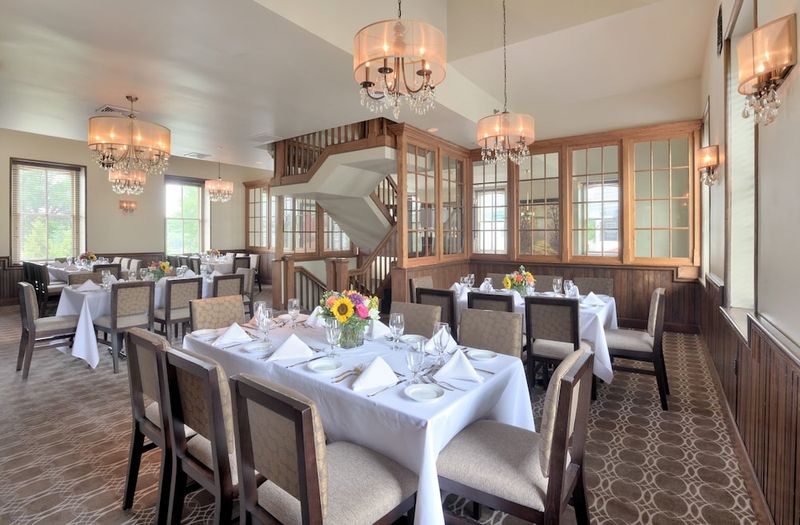
Trains no longer rumble through this 1867 railway station, but the excitement of travel still fills the air.
Lambertville Station Restaurant at 11 Bridge St in Lambertville transformed a working train depot into one of the most atmospheric dining experiences along the Delaware River.
Original architectural details remind visitors of the golden age of rail travel, when this station bustled with passengers heading to Philadelphia and New York.
Floor-to-ceiling windows offer stunning river views that change with every season, while the dining rooms maintain their Victorian elegance.
Exposed brick walls, vintage light fixtures, and carefully preserved ticket windows create an environment that’s equal parts nostalgic and sophisticated.
The building narrowly escaped demolition in the 1970s when preservationists recognized its historical value.
Now it serves exceptional cuisine where conductors once called out departure times.
Each table offers a different perspective on the river, the bridge, or the charming town beyond.
5. The Ryland Inn

Refined country elegance defines this 1790s farmhouse that became a culinary destination through careful restoration.
The Ryland Inn at 115 Old Highway 28 in Whitehouse Station operates inside a building that witnessed America’s earliest days as a nation.
Original hardwood floors, working fireplaces, and hand-plastered walls create an intimate setting that feels both grand and welcoming.
What started as a working farm evolved into a stagecoach inn before eventually becoming the sophisticated restaurant it is today.
Multiple dining rooms flow throughout the historic structure, each maintaining its own character while sharing a commitment to preservation.
Period-appropriate furnishings mix with modern comfort, proving that history and luxury can coexist beautifully.
The kitchen sources ingredients from local farms, continuing the agricultural traditions that built this region.
Dinner here feels like being invited to a private estate where every detail matters.
Soft lighting emphasizes the building’s bones while creating an atmosphere perfect for celebration or quiet conversation.
6. The Mad Batter At Carroll Villa Hotel
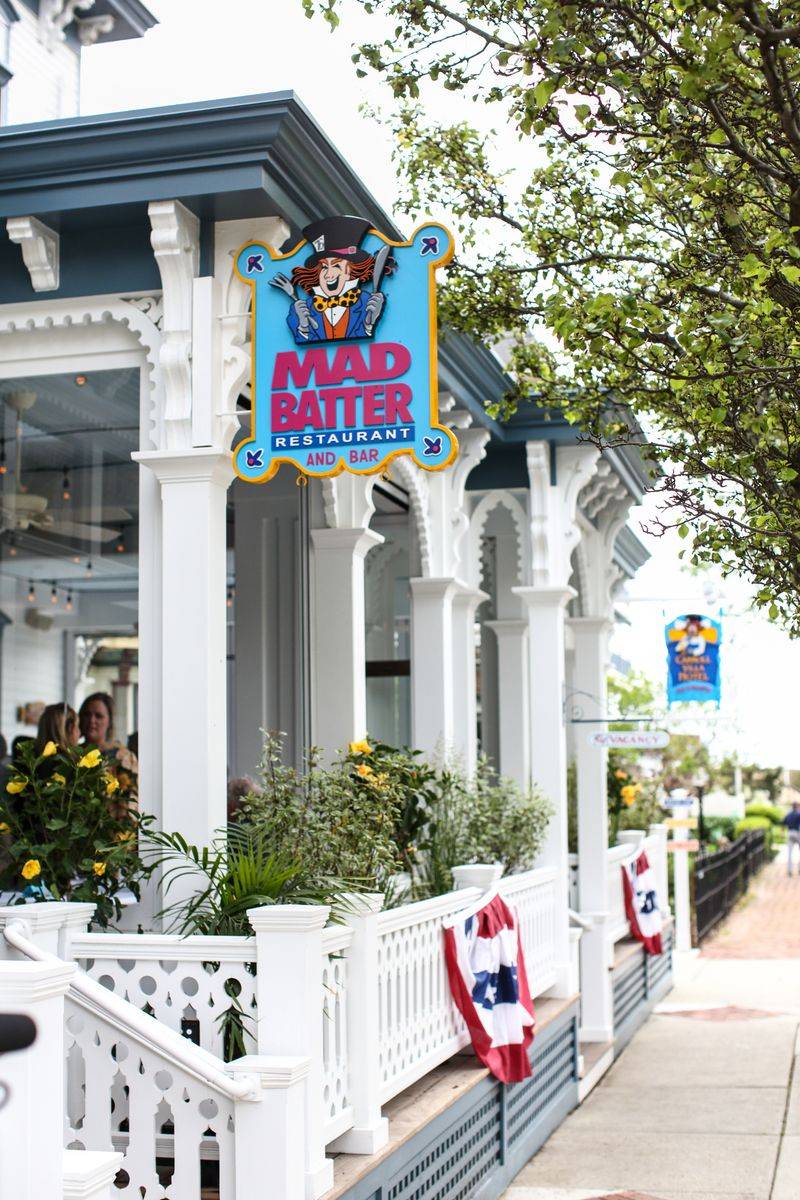
Cape May’s Victorian charm reaches its peak inside this 1882 hotel where breakfast feels like a theatrical production.
The Mad Batter at 19 Jackson St serves meals in dining rooms that capture the whimsy and elegance of the Gilded Age.
Stained glass windows cast colorful patterns across white tablecloths while intricate woodwork frames every doorway and window.
The Carroll Villa Hotel has sheltered seaside visitors for over a century, and its restaurant maintains that tradition of hospitality with flair.
Bright, cheerful colors contrast beautifully with the building’s formal Victorian architecture, creating an atmosphere that’s simultaneously fancy and fun.
Original tin ceilings, ornate light fixtures, and period-appropriate furniture transport diners back to when Cape May was America’s premier beach resort.
Each room tells a different story about the families who vacationed here generations ago.
Morning light streams through those famous windows, making breakfast feel like a celebration.
The menu honors both tradition and creativity with equal enthusiasm.
7. The Cranbury Inn
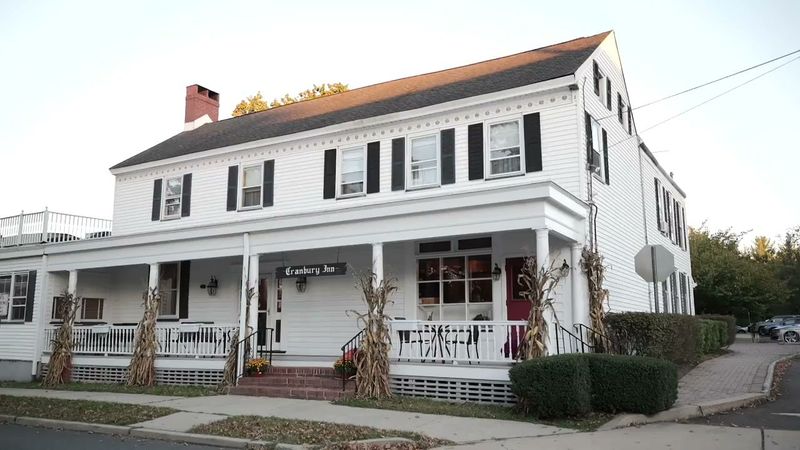
George Washington probably didn’t eat here, but plenty of Revolutionary War soldiers definitely did.
The Cranbury Inn at 21 S Main St in Cranbury has been feeding travelers since 1780, making it older than the Constitution itself.
Low ceilings with exposed beams force tall visitors to duck slightly, a reminder that people were generally shorter back then.
Original brick fireplaces anchor each dining room, and you can still see where hitching posts once stood outside.
The building served as a tavern and inn along the main route between New York and Philadelphia, hosting countless important figures during America’s founding years.
Today’s diners sit in rooms that witnessed heated debates about independence and statehood.
Antique furnishings and period decorations maintain the colonial atmosphere without feeling like a museum.
A friend once discovered her ancestor’s name carved into a windowsill upstairs, dating back to 1823.
The menu balances historical recipes with modern tastes, respecting the past while feeding contemporary appetites.
8. The Franklinville Inn
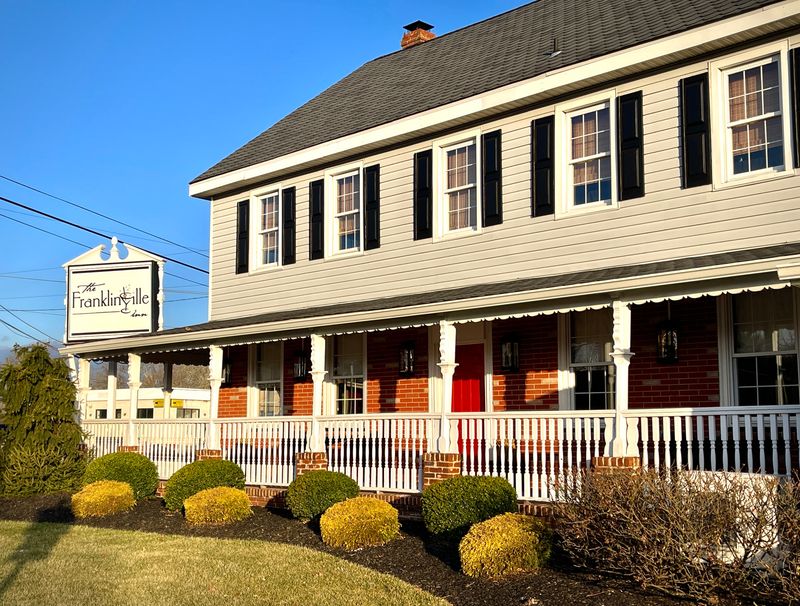
Small-town America lives on inside this unassuming building that’s been the heart of its community since the 1800s.
The Franklinville Inn at 2526 Delsea Dr in Franklinville doesn’t advertise much because it doesn’t need to.
Locals have kept this place running for generations, filling its dining rooms with laughter and conversation that echoes through time.
Original woodwork and vintage fixtures create an atmosphere that’s comfortable rather than fancy, welcoming rather than pretentious.
The building started as a stagecoach stop and gradually evolved into the neighborhood gathering place it remains today.
Photographs covering the walls show the town’s history, from farming communities to modern suburbs, with the inn appearing in the background of countless celebrations.
Each dining area maintains its own personality while sharing a warm, lived-in feeling that only genuine history can provide.
Regulars have their favorite tables, and newcomers quickly understand why people keep coming back.
Honest food served in honest surroundings never goes out of style.
9. The Frenchtown Inn (FiNNBAR)
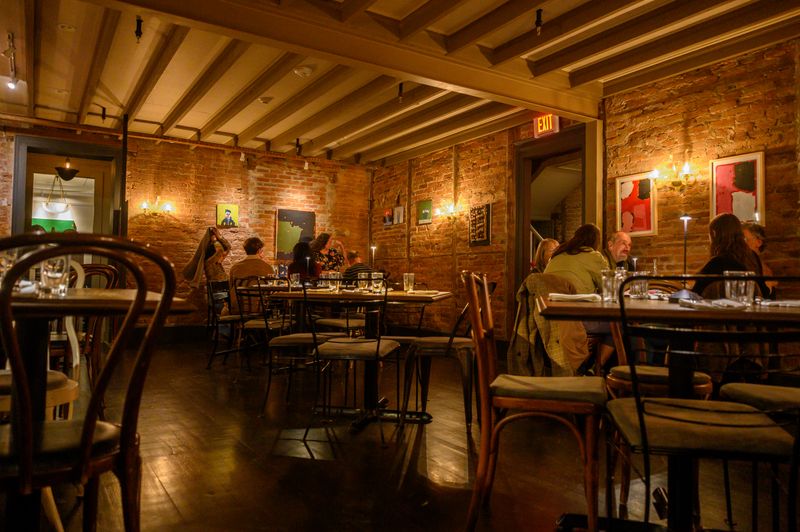
European charm meets American history along the Delaware River in this building that’s reinvented itself multiple times.
The Frenchtown Inn at 7 Bridge St in Frenchtown now operates as FiNNBAR, but the bones of the 1800s structure remain beautifully intact.
Stone walls, original flooring, and architectural details transport diners to a different era while the menu keeps things refreshingly current.
This building has served many purposes over its long life, from private residence to boarding house to the dining destination it is today.
Each transformation respected the historical integrity while adapting to changing times.
The intimate dining rooms create spaces perfect for conversation, with tables positioned to feel private despite the building’s modest size.
Exposed beams overhead and carefully preserved woodwork showcase the craftsmanship of builders who worked without power tools.
Windows overlook the river and the charming streets of one of New Jersey’s most picturesque towns.
History surrounds you here, both inside the building and throughout the entire riverside community.
10. The Sergeantsville Inn
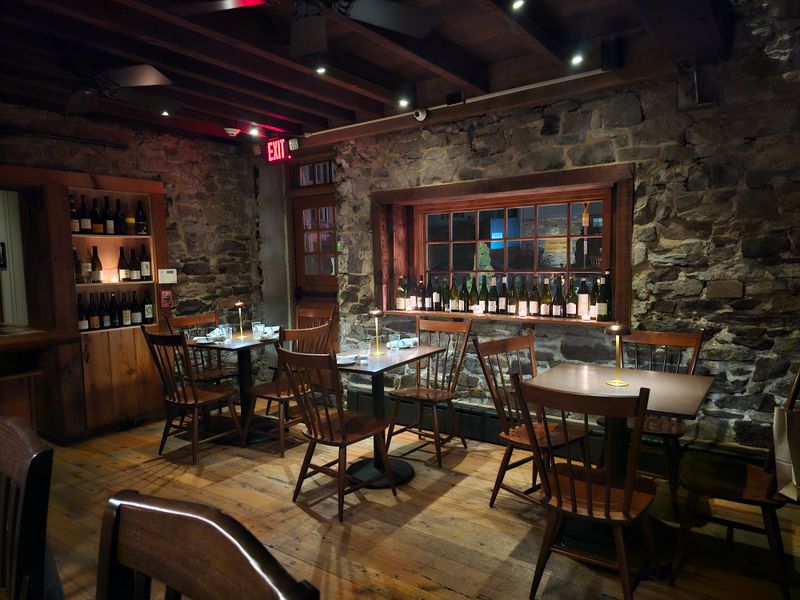
Candlelight has flickered in these windows since 1750, guiding travelers to warmth and sustenance for nearly three centuries.
The Sergeantsville Inn at 601 Rosemont-Ringoes Rd in Sergeantsville stands as a testament to enduring hospitality in rural New Jersey.
Original stone foundations support hand-hewn beams that were already old when the Civil War began.
Multiple dining rooms spread throughout the historic structure, each offering a slightly different ambiance while maintaining the building’s colonial character.
Working fireplaces, wide-plank floors, and period-appropriate furnishings create an environment that feels authentically historical without being stuffy.
The building narrowly survived several threats over the years, including plans to widen the road that would have required demolition.
Preservationists fought hard to protect this landmark, recognizing its importance to the community’s identity.
Today’s diners benefit from that dedication, enjoying exceptional meals in rooms that have hosted celebrations, business deals, and quiet dinners for generations.
The atmosphere encourages lingering, savoring both food and history.
11. Barnsboro Inn
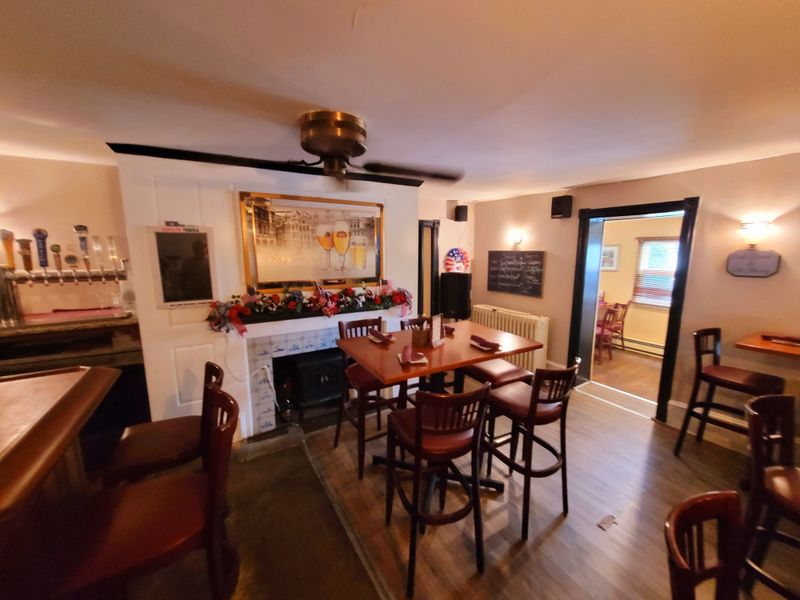
South Jersey’s hidden culinary gem operates inside a building that’s witnessed the entire evolution of American dining.
Barnsboro Inn at 699 Main St in Sewell maintains the traditions that made neighborhood restaurants the backbone of American communities.
Original architectural elements blend seamlessly with comfortable furnishings that invite guests to settle in and stay awhile.
The building dates back to the 1800s when this area was primarily farmland and the inn served agricultural workers and traveling merchants.
Over decades, it adapted to changing tastes while keeping its essential character intact.
Dining rooms feel like visiting a favorite relative’s house, where everyone’s welcome and the atmosphere encourages conversation.
Historical photographs and local memorabilia covering the walls tell stories about the community’s growth and the inn’s central role in it.
Regulars greet each other by name, and newcomers quickly feel like part of the family.
The kitchen delivers reliable comfort food that satisfies without pretension, honoring the inn’s long tradition of feeding neighbors well.
12. Stockton Inn
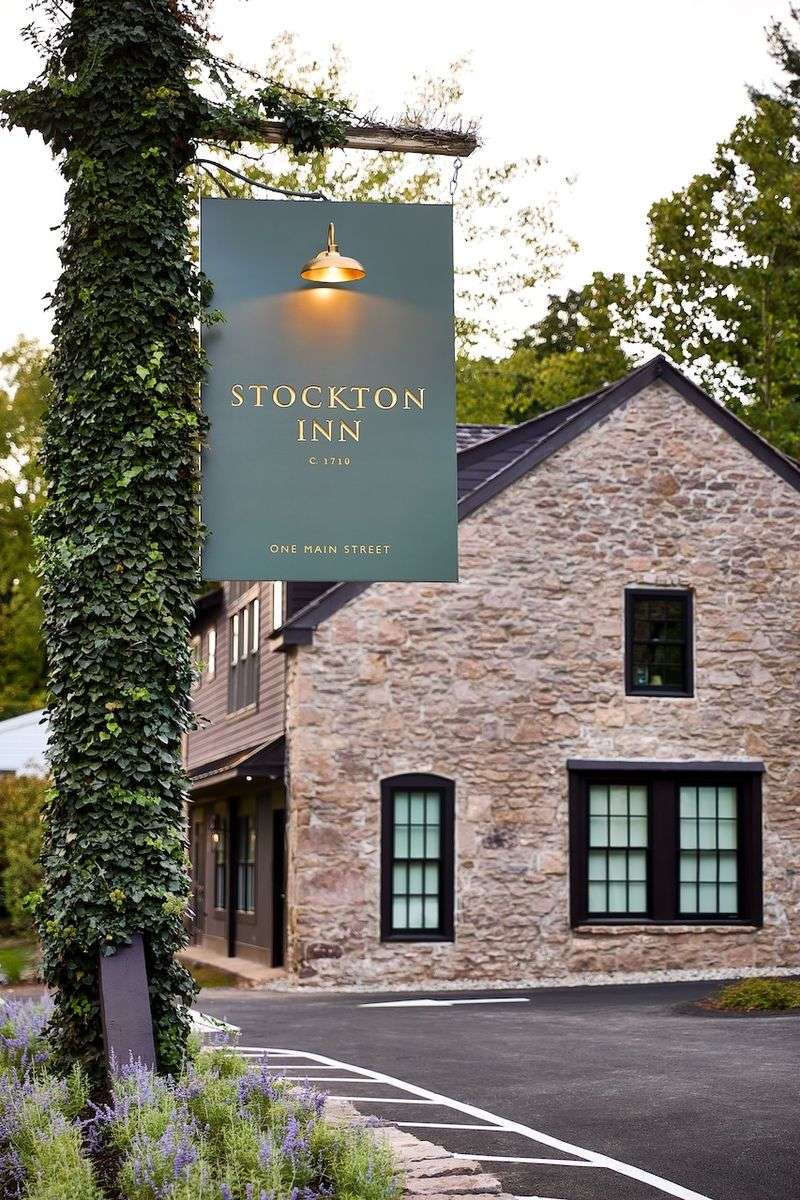
A song made this place famous, but its history runs far deeper than any melody.
The Stockton Inn at 1 S Main St in Stockton earned its place in popular culture when Richard Rodgers mentioned it in a song, but the building’s story began way back in 1710.
Stone walls, multiple fireplaces, and rooms that seem to multiply as you explore them create an atmosphere that’s equal parts cozy and maze-like.
Colonial travelers stopped here for rest and refreshment along the Old York Road, one of the main routes connecting New York and Philadelphia.
The building expanded over centuries, adding rooms and dining spaces as needs changed.
Today’s guests discover hidden nooks, intimate dining areas, and historical details around every corner.
Original architectural features mix with comfortable furnishings that respect the past without being precious about it.
The atmosphere feels genuinely lived-in rather than preserved, as though the building continues its evolution while honoring its roots.
Dining here means participating in a tradition that spans three centuries of hospitality.