
Historic Route 66 Hides A 175-Acre Wildlife Sanctuary Few Travelers Expect
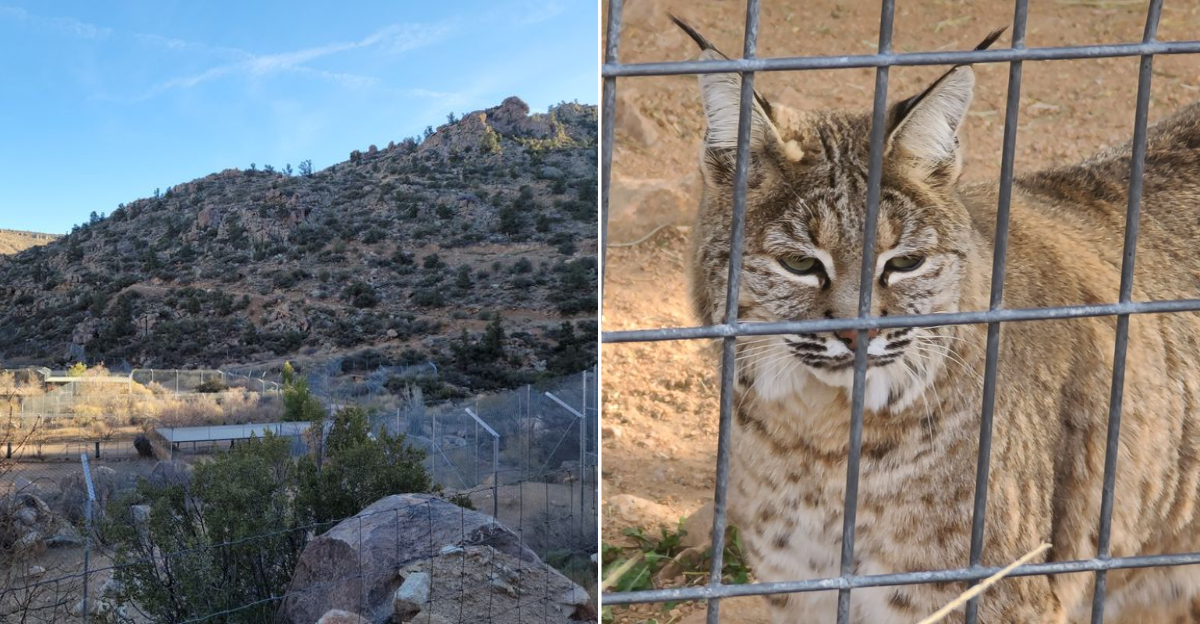
My road trip planning usually revolves around one important question: where am I stopping for snacks? But a drive along Historic Route 66 in Arizona delivered something far more memorable than anything waiting at a gas station.
Near the tiny community of Valentine, the highway leads to an enormous 175-acre sanctuary where rescued wild animals have room to roam. Lions, tigers, leopards, bears, and other animals live here, turning an ordinary Route 66 detour into an experience that can stop you in your tracks.
There is something surreal about seeing a massive cat moving through the desert landscape while you stand only a short distance away. The scale of the sanctuary makes the experience even more striking, especially when you realize how much space has been dedicated to animals that needed a new home.
Route 66 already has plenty of surprises, but this may be one of its wildest.
The Unlikely Origin Story
A Las Vegas illusionist walking away from the stage to rescue wild animals sounds like the plot of a quirky movie, but that is exactly how Keepers of the Wild came to life. Jonathan Kraft, the sanctuary’s founder, spent years in the entertainment industry watching animals used in shows and performances.
What he witnessed troubled him deeply, from the confinement to the training methods that prioritized spectacle over welfare.
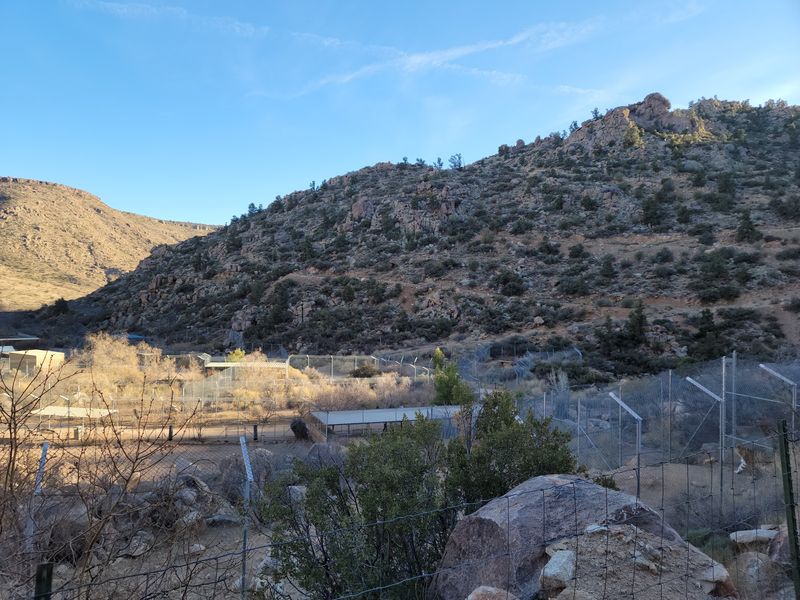
In 1995, Kraft put his Vegas production on hold and redirected his energy toward building a permanent refuge for captive wildlife. He chose a stretch of land along Historic Route 66 in Valentine, Arizona, nestled inside Crozier Canyon, where the rugged desert landscape offered space and serenity.
Today, the sanctuary is accredited by the American Sanctuary Association and holds licenses from both the USDA and Arizona Game and Fish. Kraft’s pivot from illusions to real-world rescue work is one of the most compelling founding stories I have ever encountered on any road trip.
The 175-Acre Canyon
Pulling off Route 66 and into Crozier Canyon, the first thing that strikes you is how the landscape itself becomes part of the experience.
Towering canyon walls rise on either side, and the wide-open Arizona sky stretches overhead in every direction. This is not a concrete zoo tucked into a parking lot.
The sanctuary spans a full 175 acres, and the animals here live in habitats that are often acres in size rather than small enclosures. Big cats can roam, bears can investigate their surroundings, and wolves can move the way their instincts tell them to.
That kind of space changes how you feel watching them. The natural desert setting creates a mood that is hard to describe without standing inside it.
Dry brush, warm rock, and canyon silence surround every path. Visiting Keepers of the Wild feels less like a zoo trip and more like stepping into a living landscape where rescued animals have genuinely reclaimed their freedom within safe boundaries.
The Rescued Animals Call This Canyon Home
Over 130 to 150 animals representing roughly 50 different species live at Keepers of the Wild, and every single one of them has a story.
Many were rescued from the entertainment industry, where they had been trained, confined, or used as props. Others came from private ownership situations, and some were legally confiscated by authorities.
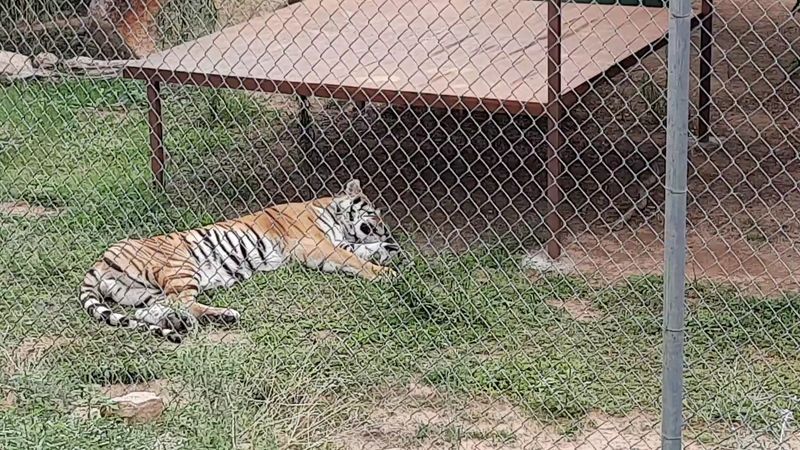
The roster reads like a wildlife encyclopedia. Big cats include lions, tigers, and leopards. Bears, both grizzly and black, share the canyon with wolves, cougars, and bobcats.
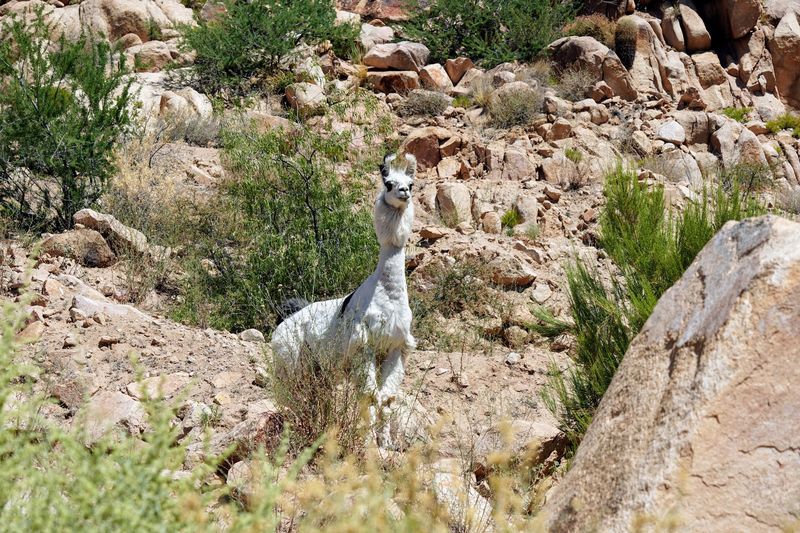
Primates, birds, coyotes, camels, llamas, alpacas, deer, and tortoises round out the community in remarkable variety.
What moved me most was learning that none of these animals will ever be bought, sold, traded, or bred here. The sanctuary holds a strict no-breeding policy, keeping its focus entirely on care and education rather than expansion.
Each animal is a permanent resident, not a passing guest, and that commitment shows in how calm and well-adjusted so many of them appear.
Self-Guided Tours
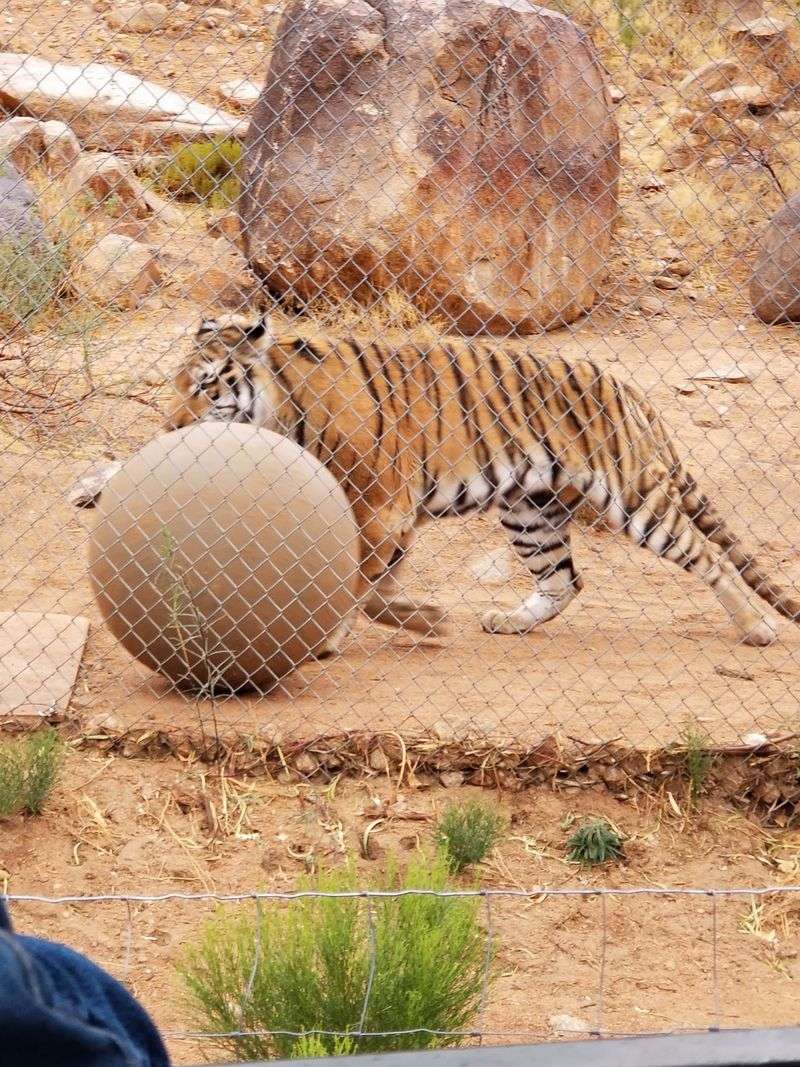
Not every traveler wants to follow a scheduled group, and Keepers of the Wild respects that completely. General admission includes a self-guided walking tour that lets you move through the sanctuary at whatever speed suits you.
Educational signs at each habitat explain the animals’ backgrounds, their species, and what life looked like for them before they arrived here.
I spent nearly two hours on my self-guided walk, lingering longer at the big cat habitats and circling back to the bear area twice. The paths are well-maintained, and the layout flows naturally from one habitat to the next without feeling rushed or crowded.
Reading those signs while standing just a short distance from the animals adds real weight to the information. You are not absorbing facts from a pamphlet in a parking lot.
You are learning about a specific animal while looking directly at it, which makes the education stick in a way that a textbook never quite manages. It is a genuinely thoughtful way to experience a sanctuary.
Guided Safari Tours
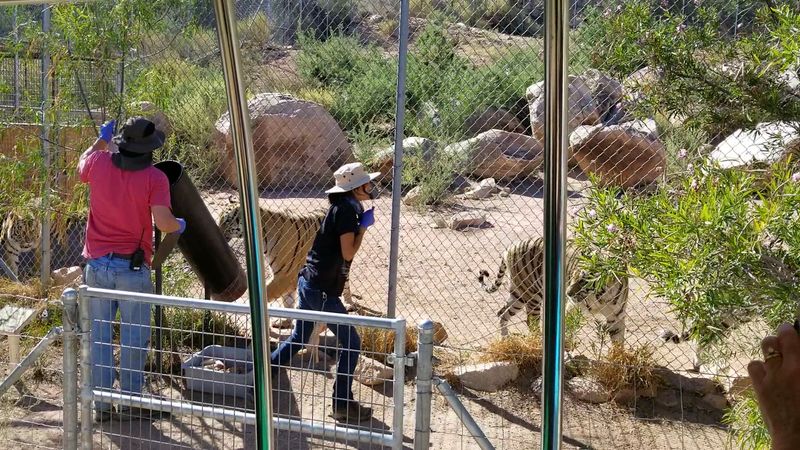
If you want the full story behind every pair of eyes watching you from those habitats, the Guided Safari Tour is the way to go. Running about an hour and fifteen minutes, these tours are led by experienced Keepers who know the animals personally.
They share rescue stories, individual personality quirks, and details about each species that you simply would not pick up on your own.
The tour moves through the park in a vehicle, offering close-up views and a more structured narrative experience. For anyone who has questions or wants to understand the sanctuary’s mission on a deeper level, having a Keeper beside you makes an enormous difference.
I found myself scribbling notes as fast as I could keep up.
The Guided Feeding Safari Tour takes things one step further by letting visitors witness big cats and other carnivores during actual feeding time. Watching a lion approach its meal in a natural outdoor habitat is a sight that stays with you long after you have driven back onto Route 66.
The Sanctuary’s No-Breeding Policy
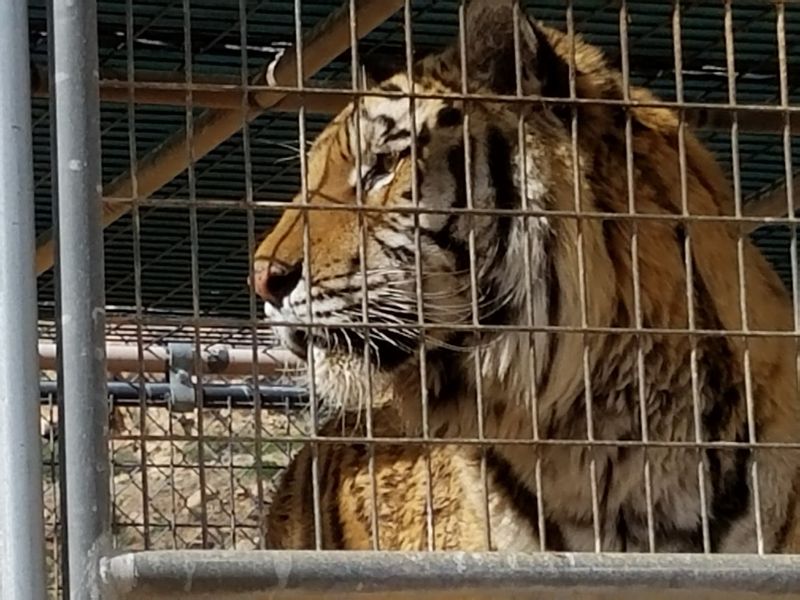
Some wildlife facilities breed animals for display, profit, or public appeal. Keepers of the Wild takes a firm stance in the opposite direction, and that policy shapes everything about how the place operates. No animal here is ever bred, bought, sold, traded, or leased.
Period.
That might sound simple, but it carries significant weight in the world of captive wildlife. Breeding programs at poorly run facilities can create surplus animals with nowhere safe to go, feeding cycles of neglect and exploitation.
By refusing to participate in that system, Keepers of the Wild keeps its focus entirely on the animals already in its care. The sanctuary also prohibits public interaction with the animals.
There are no photo ops where you hold a tiger cub or pet a cheetah. That boundary is not a disappointment once you understand it.
Watching a rescued wolf move freely through a large natural habitat, unbothered and unhurried, turns out to be far more rewarding than any staged encounter could ever be. The animals’ dignity is the whole point.
Accessibility Features That Welcome Every Visitor
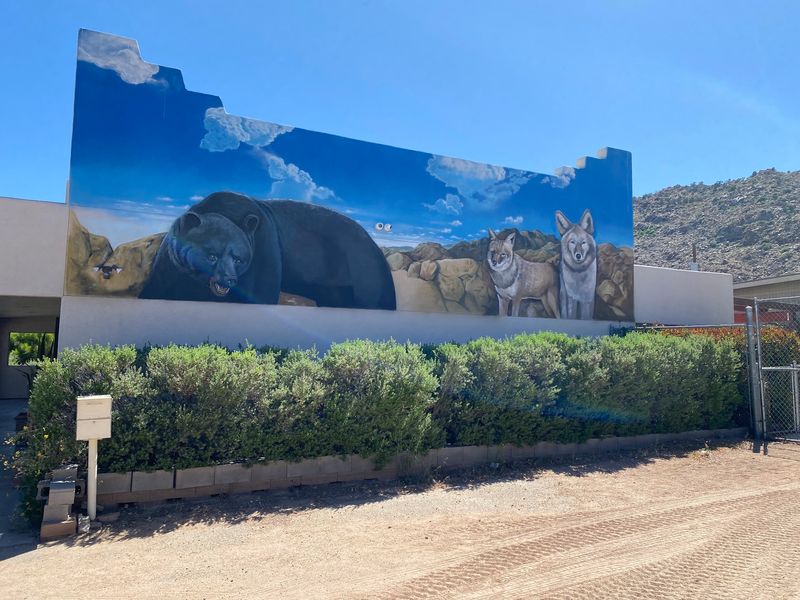
One detail I appreciated immediately about Keepers of the Wild is how seriously they take accessibility.
The park is wheelchair accessible throughout, and tram vehicles are available for the Guided Safari Tours to accommodate guests who have difficulty walking long distances or climbing into taller vehicles.
That kind of thoughtful planning is not always a given at outdoor nature parks, especially those set in rugged canyon terrain. Finding a sanctuary this size with genuine accessibility infrastructure in place was a pleasant and meaningful surprise.
Nobody should have to miss out on an experience like this because of mobility challenges. The park accepts cash, credit cards, debit cards, and Apple Pay, which keeps the entry process smooth and stress-free.
Tickets can also be purchased online ahead of time, which is a smart move during busy travel seasons on Route 66. One practical note worth keeping in mind: once you have entered the sanctuary, there are no refunds or rain checks, so plan your visit on a day when you can commit to the full experience.
Best Times To Visit
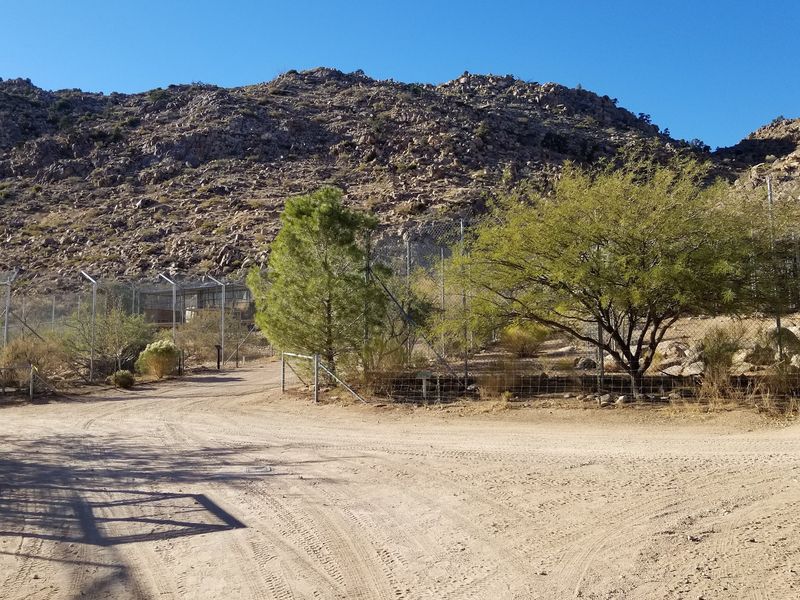
Keepers of the Wild is open Wednesday through Monday from 9 am to 5 pm Arizona time, and it is closed on Tuesdays, Thanksgiving Day, and Christmas Day. Knowing that schedule before you plan a Route 66 road trip saves a frustrating detour to a locked gate.
One of the most popular insider tips for visiting is to arrive around 3:00 pm in the afternoon. That timing often aligns with feeding time for several animals, and watching the sanctuary come alive with activity during those moments adds a whole new layer to the visit.
Big cats especially become noticeably more engaged around food, and the energy shifts across the entire park.
The sanctuary sits less than 45 minutes from Kingman, Arizona, making it a natural and rewarding stop for anyone driving the historic highway. Volunteers are also welcome here, helping with tasks like food preparation, laundry, and general facility upkeep.
If you want to give back to a place doing genuinely important work, reaching out to Keepers of the Wild about volunteer opportunities is absolutely worth your time.
Why This Stop On Route 66 Stays With You
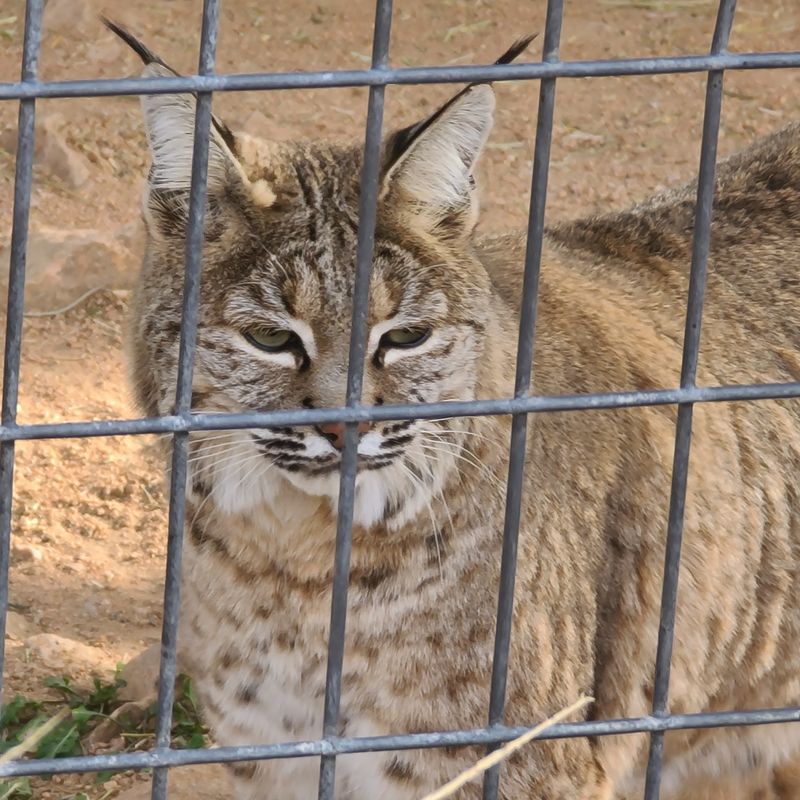
Route 66 is full of roadside stops that promise something memorable and deliver something mediocre. Keepers of the Wild is the rare exception that quietly exceeds everything you expect from it.
The canyon setting is beautiful, the animals are extraordinary, and the mission behind the whole operation carries a moral clarity that makes you think long after you have left.
Knowing that every animal here arrived through rescue, and that every dollar spent on admission supports their permanent care, gives the visit a purpose that most tourist attractions simply cannot match.
You are not just sightseeing. You are participating in something that matters.
I left Valentine, Arizona, with a full memory card, a head full of animal stories, and a genuine respect for what Jonathan Kraft built from a decision to walk away from the stage.
If your Route 66 itinerary has any flexibility at all, point your wheels toward 13441 E Highway 66 and let the canyon do the rest. Some detours change the entire tone of a trip.