
Hold A Small Alligator At This Unexpected Colorado Reptile Park In The San Luis Valley
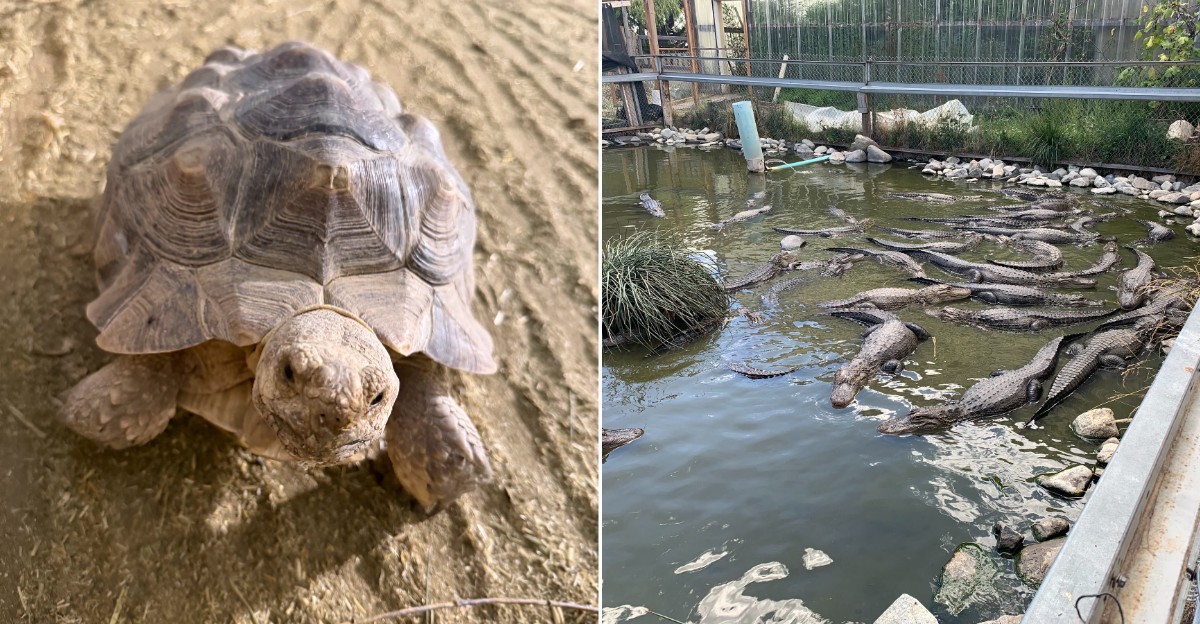
Alligators and mountain road trips sound like two completely different vacation plans. Yet somehow, they meet in one of the most unexpected wildlife experiences imaginable.
Picture yourself exploring a working fish farm, only to discover reptiles that seem much more at home in a southern swamp than a high mountain valley. Surprisingly, this unusual animal encounter happens right here in Colorado.
And the strangest part? You might even get the chance to hold a small alligator.
With staff supervision, visitors can ask about getting closer to these fascinating creatures while learning what makes this reptile-filled destination so unusual. Forget the predictable roadside souvenir stop.
The wide-open landscape of the San Luis Valley makes this corner of southern Colorado an especially surprising place to meet an alligator. Come with questions, keep your schedule flexible, and prepare for a wildlife experience that might completely change your expectations of a mountain getaway.
Small Alligator Encounters Put Curiosity First
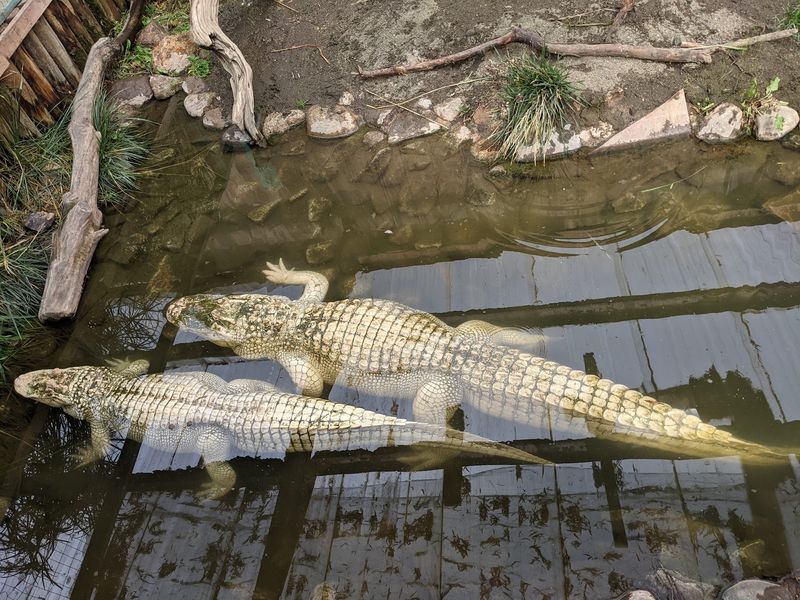
Holding a small alligator turns an abstract animal into something you can study at close range. The scales, feet, and long tail become the main event, rather than details lost across an enclosure.
Small alligator handling appears repeatedly in the supplied visitor information for Colorado Gators Reptile Park. Treat it as an encounter to confirm with staff, not a promise that every animal will be available whenever you arrive.
Ask how the experience works before joining in. Staff should direct the handling, explain where your hands belong, and decide whether the animal and visitor are ready.
Children need the same clear instructions as adults, plus an honest chance to decline. Watching someone else participate can still be interesting, and nobody needs to turn a family outing into an unexpected courage test.
Keep your phone ready before the encounter begins so photography does not compete with listening. Ask permission before taking pictures, and let the person handling the animal focus on the instructions rather than the camera.
Wash your hands afterward and before eating. Most importantly, remember that the alligator is a living animal, not a prop; the useful part of the encounter is learning to look closely while respecting its needs and boundaries.
A Mosca Fish Farm With An Unexpected Cast
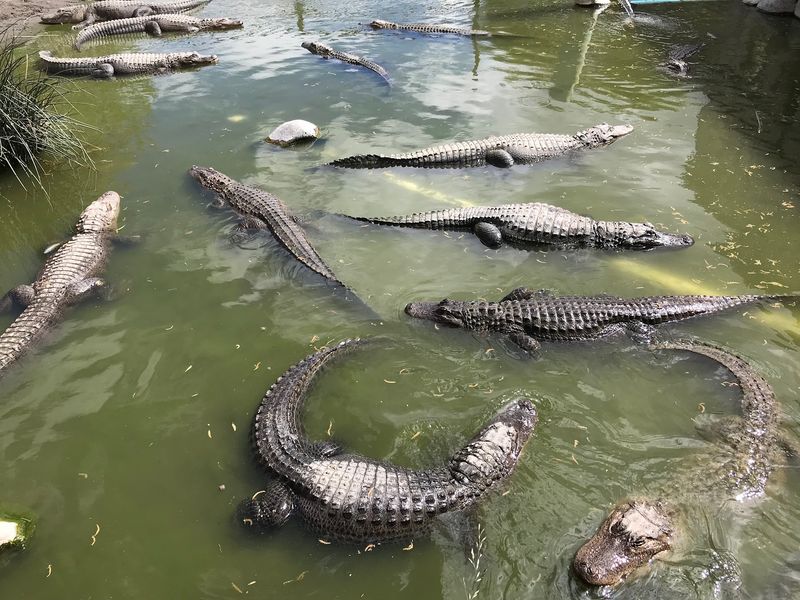
A road trip plan gets simpler when one stop gives everyone something concrete to be curious about. In Mosca, that stop involves alligators, which is a fairly strong answer to the usual question of what to do next.
Colorado Gators Reptile Park is at 9162 Lane 9 North, Mosca, CO 81146, USA. Its identity as both a wildlife attraction and a fish farm gives the visit a different starting point from a conventional zoo.
The fish farm connection is worth keeping in mind as you explore. You are visiting a place shaped by animal care and farm operations, not simply a collection of exhibits arranged around a polished theme.
Alligators are the headline, but the supplied visitor information also identifies tortoises, snakes, lizards, and birds. That variety gives a group several reasons to slow down rather than treating the visit as one photograph followed by the exit.
Start with the reptiles that brought you here, then leave room for the less expected animals. A sensible plan is to confirm current admission and access details before driving, especially when your schedule depends on a particular encounter.
The appeal is straightforward: a Colorado outing where the farm animals are not quite the ones you expected.
San Luis Valley Geography Changes The Gator Story
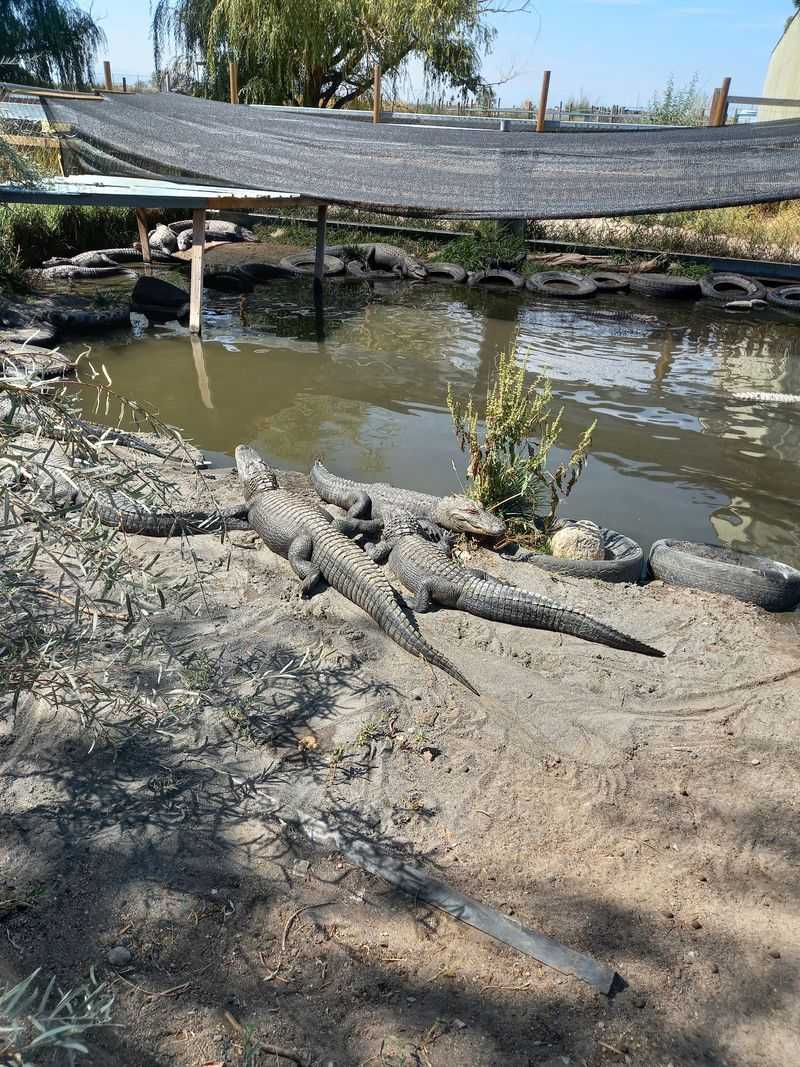
Alligators usually bring warm wetlands to mind, not an inland valley associated with Colorado road trips. That mismatch is part of the interest here, but the farm setting gives it a practical context.
The supplied place information identifies a working fish farm with reptile enclosures and fish ponds. Rather than expecting a tropical landscape, approach the property as an animal care operation in the San Luis Valley.
At Colorado Gators Reptile Park, the setting is part of the subject. Looking between the fish farm and the reptile areas helps explain why the visit feels different from a standard zoo circuit.
Wear shoes you would be comfortable using around a farm. Check the forecast before leaving, and bring the layers, drinking water, and sun protection that suit your travel day rather than relying on the word reptile to suggest tropical weather.
Photographs can capture the contrast without turning it into a joke at the animals’ expense. Include some of the surrounding property when permitted, not just a tightly cropped picture of an alligator.
Allow your expectations to adjust as you walk. The interesting discovery is not that the valley has become Florida; it is that an animal attraction can grow around an entirely different local setting.
Rescued Reptiles Add A Second Layer
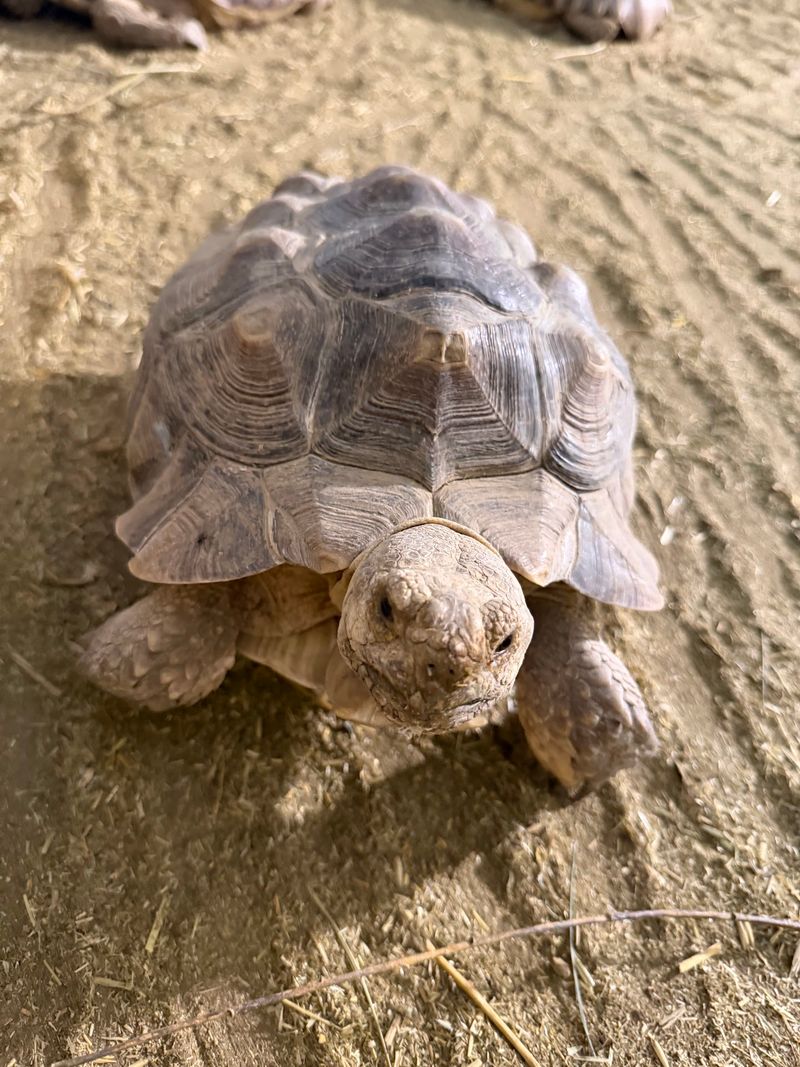
The small alligator encounter may draw your attention first, but the animals’ backgrounds offer another reason to linger. The supplied visitor information describes rescued reptiles among the park’s residents.
That does not mean every animal shares the same history. Ask staff about a particular resident rather than assuming that one rescue story applies to the entire collection.
Colorado Gators Reptile Park gives curious adults and children a chance to think beyond appearance. A large reptile is not simply a bigger version of an easy household pet, and questions about space, feeding, and care can make that difference clear.
Why It Matters: Learning about individual animals can turn a novelty stop into a useful conversation about responsible ownership.
Keep those conversations grounded and age appropriate. Younger children may be interested in what an animal eats, while adults might ask how its daily care changes as it grows.
The wider collection also rewards attention: tortoises, snakes, and lizards should not become background scenery just because alligators get the largest share of the billing. Each invites a different kind of observation.
Leave room for questions, but respect staff responsibilities and posted boundaries. The strongest souvenir may be a better understanding of an animal you previously knew only by reputation.
One Reptile Visit Can Suit Different Traveling Styles
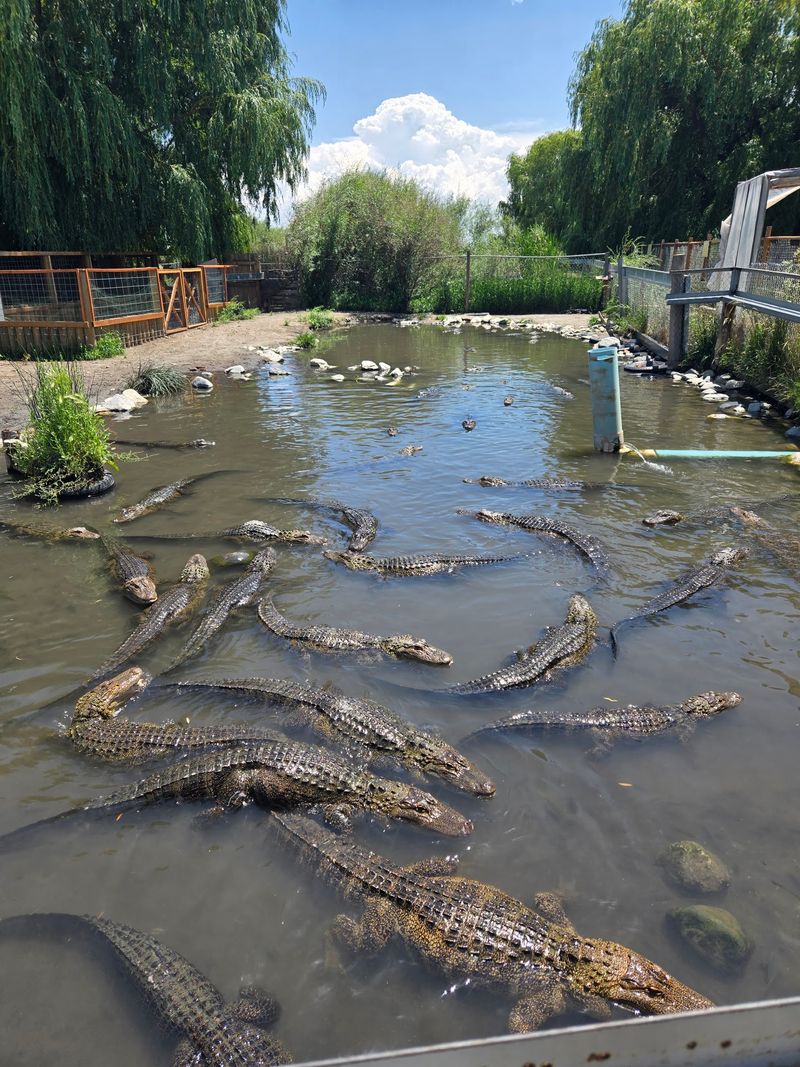
Not everyone in a traveling group wants the same level of animal interaction. Fortunately, seeing reptiles and choosing to hold one are different decisions, and the distinction can save everyone some unnecessary negotiation.
At Colorado Gators Reptile Park, families can build the visit around observation first. Let children see the animals, hear instructions, and decide whether an available supervised encounter sounds appealing.
Couples do not need matching enthusiasm either. One person can be fascinated by an alligator while the other prefers tortoises, and both still have a reason to explore the collection.
Solo visitors can take a more focused approach, spending time on animal information or asking a specific question when staff are available. There is no need to manufacture a group activity to make the stop meaningful.
For weekend travelers, the practical issue is leaving enough room in the day. Budget more than a rushed photo stop, but ask the park about a realistic visit length if another commitment follows.
A Colorado road trip already involves choices about distance and daylight. Keeping this visit centered on the animals, rather than packing in every possible interaction, makes those choices easier.
The shared goal is curiosity, not unanimous bravery. Looking carefully counts as participation, even without holding anything.
Make The Mosca Stop A Simple Saturday Detour
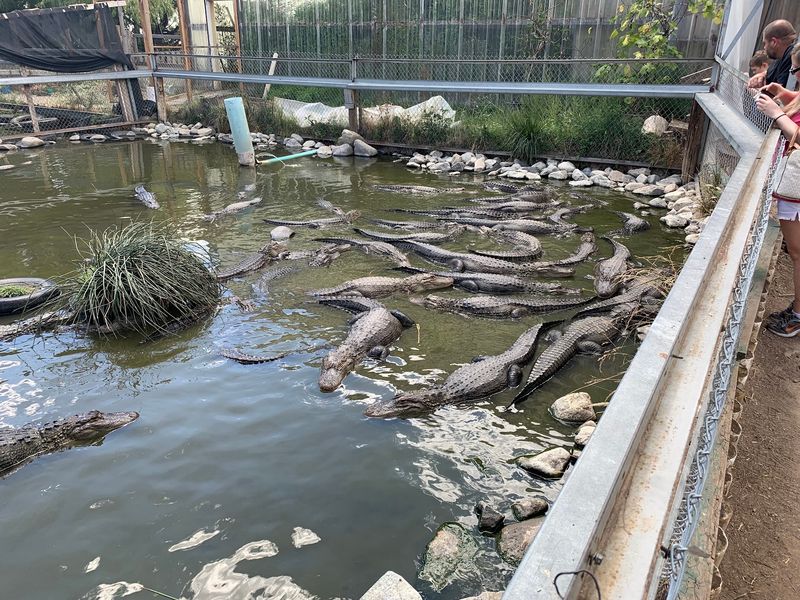
A simple Saturday detour works best when the basic questions are settled before the car starts. Check admission, opening times, and the availability of any animal encounter that matters to your group.
Use 9162 Lane 9 North, Mosca, CO 81146, USA when mapping Colorado Gators Reptile Park. Confirm that your navigation result names the reptile park rather than relying only on a shortened road label.
The supplied listing shows daily hours of 9 a.m. to 5 p.m., but schedules can change. Check the official website before departure, especially around holidays or when you are traveling a substantial distance.
Keep the rest of the plan modest. Bring drinking water, choose practical footwear, and arrange meals around the visit without assuming that every service you might want is available on the property.
Ask about accessibility or stroller needs directly if those details will affect your day. A farm setting alone does not tell you whether every route will work for your group.
Feeding activities appear in the supplied visitor information, but confirm current rules and costs rather than carrying in your own food for the animals.
One checked destination, a flexible schedule, and a few sensible supplies are enough. Nobody needs a spreadsheet just to meet an alligator.
Leave Mosca With More Than An Alligator Photo
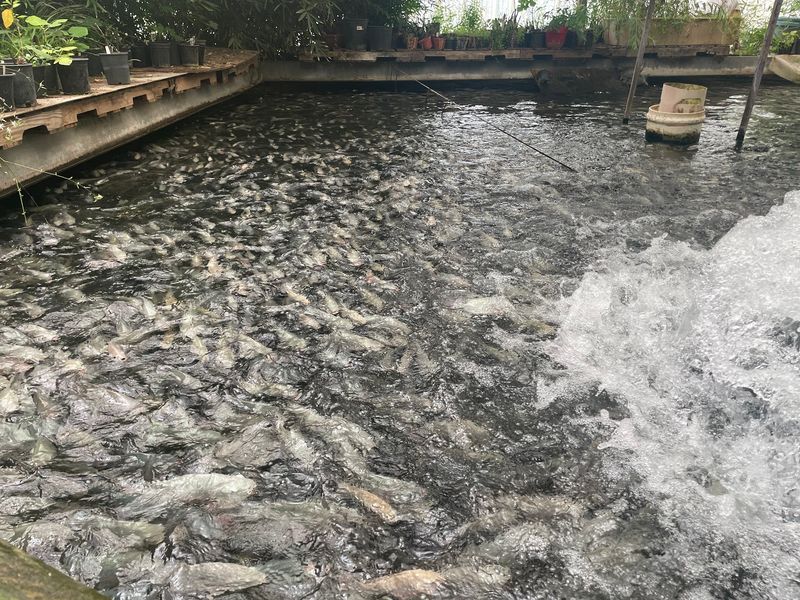
The photograph is an obvious keepsake, but it need not carry the whole visit. A small alligator encounter becomes more interesting when you also understand the farm setting and notice the animals beyond the headline attraction.
Colorado Gators Reptile Park brings those pieces together in Mosca: reptiles, a working fish farm, and opportunities to ask questions about animal care. That combination gives the stop a clear identity without requiring a grand travel plan.
Remember the practical limits along with the appeal. Handling should depend on staff guidance, feeding should follow current rules, and any specific encounter should be confirmed before you build the day around it.
Some visitors will leave most interested in alligators. Others may remember a tortoise, a snake, or the idea that a fish farm could become the setting for this kind of attraction.
None of those reactions needs improving. A useful outing can be as simple as paying attention to something unfamiliar and asking a better question than you had when you arrived.
For a Colorado weekend, the lasting value is that unexpected connection between place and purpose. The valley remains the valley; your picture of what belongs in it gets a little wider.
Check the hours, then go meet the alligators.