
Holland, Michigan Is Home To The Only Authentic Working Dutch Windmill In The United States
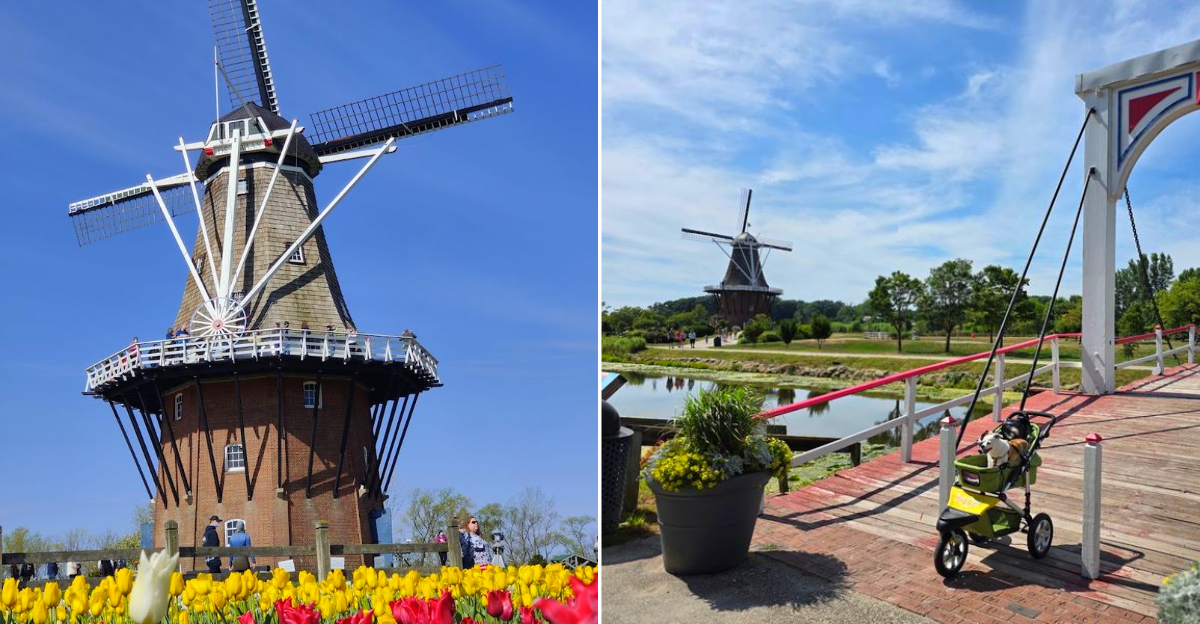
I climbed the narrow staircase one creaking step at a time. Each floor revealed another piece of machinery that has been grinding wheat into flour for over two hundred and sixty years.
De Zwaan stands one hundred and twenty-five feet tall on Windmill Island Gardens in Holland, Michigan.
It is the only authentic working Dutch windmill in the entire United States. Shipped from the Netherlands in 1964, it has been turning its sails over the city ever since. I reached the top and looked out across thirty-six acres of manicured gardens below.
In spring, one hundred and fifty thousand tulips bloom across the grounds. A hand-painted antique carousel spins near the entrance.
Friesian horses graze in the distance. A scale model of Dutch life in the 1840s fills a small building called Little Netherlands.
The windmill itself still grinds flour that visitors can take home. Holland, Michigan is home to the only authentic working Dutch windmill in the United States, and standing at the top of it makes that fact feel even more extraordinary.
Start With The Story First
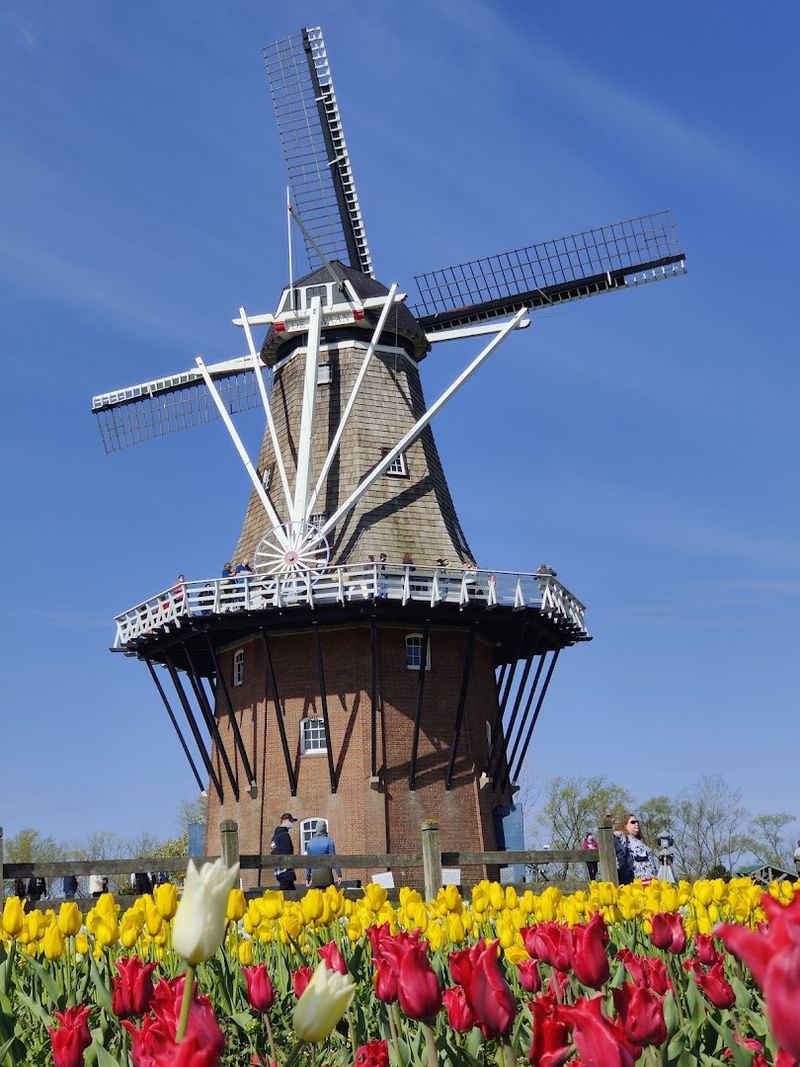
At first glance, De Zwaan looks almost too picturesque to be real, which is exactly why its history matters. The windmill arrived in 1964, opened to the public in 1965, and was formally dedicated by Prince Bernhard of the Netherlands on April 10, 1965.
The basic tale is dramatic enough without any polishing. About 7,000 pieces, weighing 66 tons, were dismantled in the Netherlands, shipped to Muskegon harbor, and then hauled by truck to Windmill Island for reconstruction.
Knowing that backstory changes the climb upstairs. Every beam, bolt, and turning gear feels less like decor and more like a traveler that crossed an ocean to keep Holland, Michigan, tied to its Dutch roots for visitors today still in daily life.
The Only Dutch Windmill Still Working In America
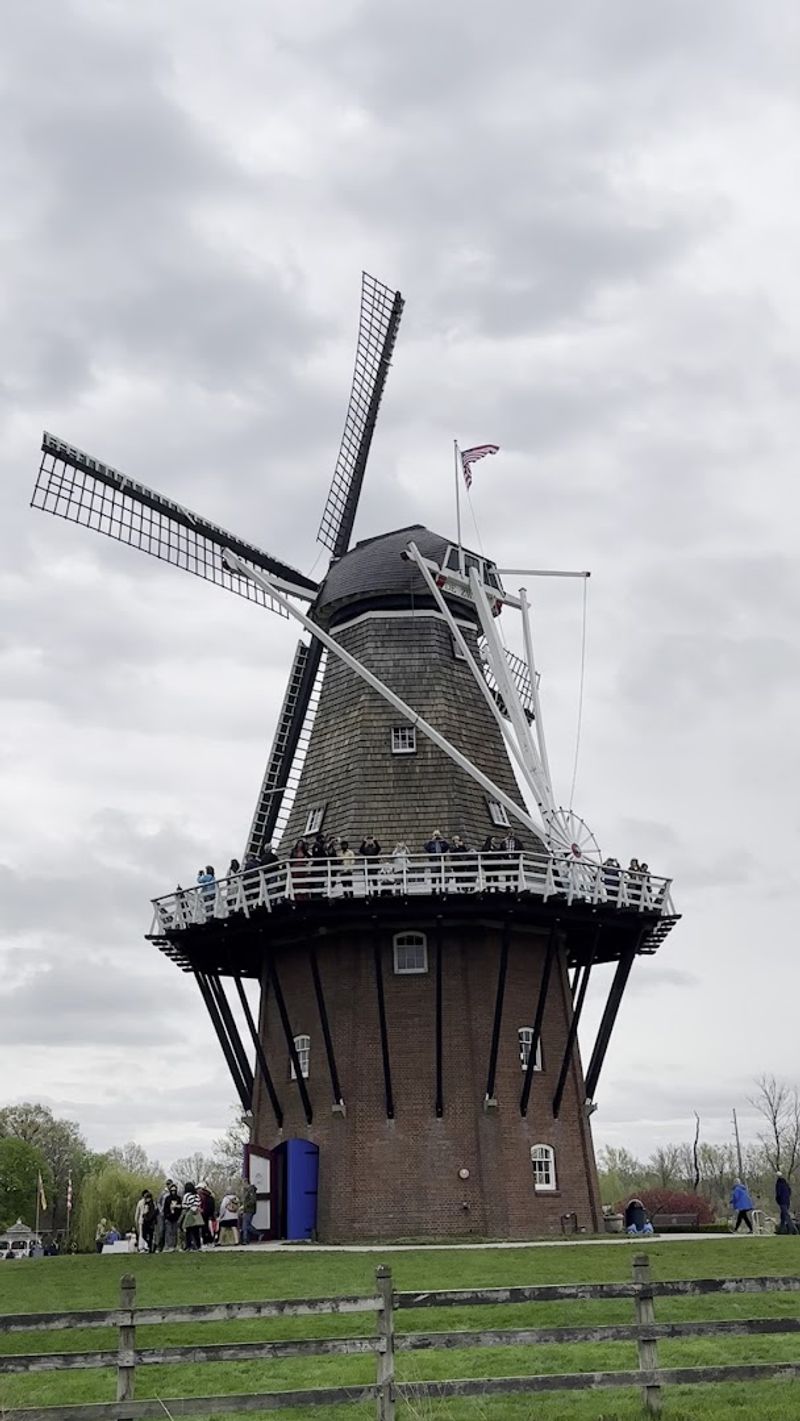
De Zwaan Windmill stands inside Windmill Island Gardens at 1 Lincoln Avenue in Holland, Michigan, just north of downtown. Approach from Lincoln Avenue and follow the garden signs onto the causeway leading across the Macatawa River channel.
The final approach crosses onto the 36-acre island, where the windmill gradually rises above the gardens and Dutch-style buildings. Continue along the entrance road toward the visitor area rather than searching for direct vehicle access to De Zwaan itself.
Use the designated parking lot near the garden entrance, then check in and continue through the grounds on foot. The windmill is reached along the interior paths, and visitors taking the seasonal tour climb through five working levels.
Climb All Five Levels
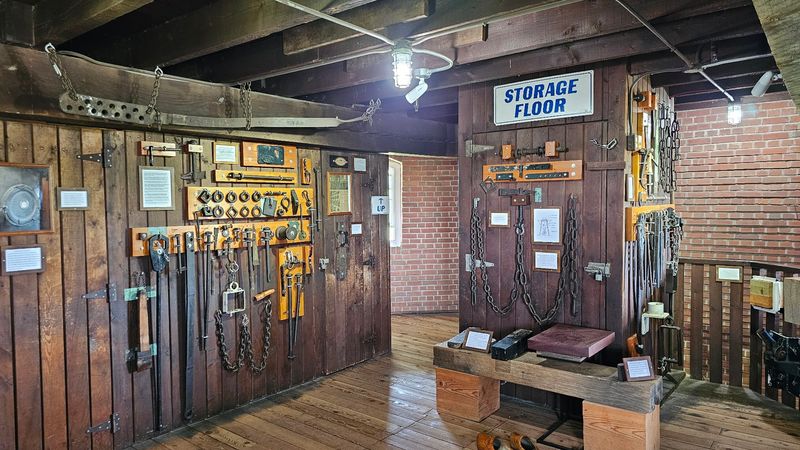
Stairs inside old mills have a way of making modern knees suddenly polite, so wear steady shoes and take your time. Visitors can climb up to five levels, and each floor reveals another part of how the machine handles grain, weight, wind, and power.
One of the best surprises is how much the building still feels like a workshop. Thick brick walls anchor the base, and upper floors show hand planed Norwegian fir beams marked with Roman numerals used during assembly.
By the time you reach the gallery deck, the view feels earned. Looking out across the gardens also helps you understand why windmills were built as practical towers, not just scenic symbols for postcards or festivals alone back then.
Notice The Bullet Marked Metal
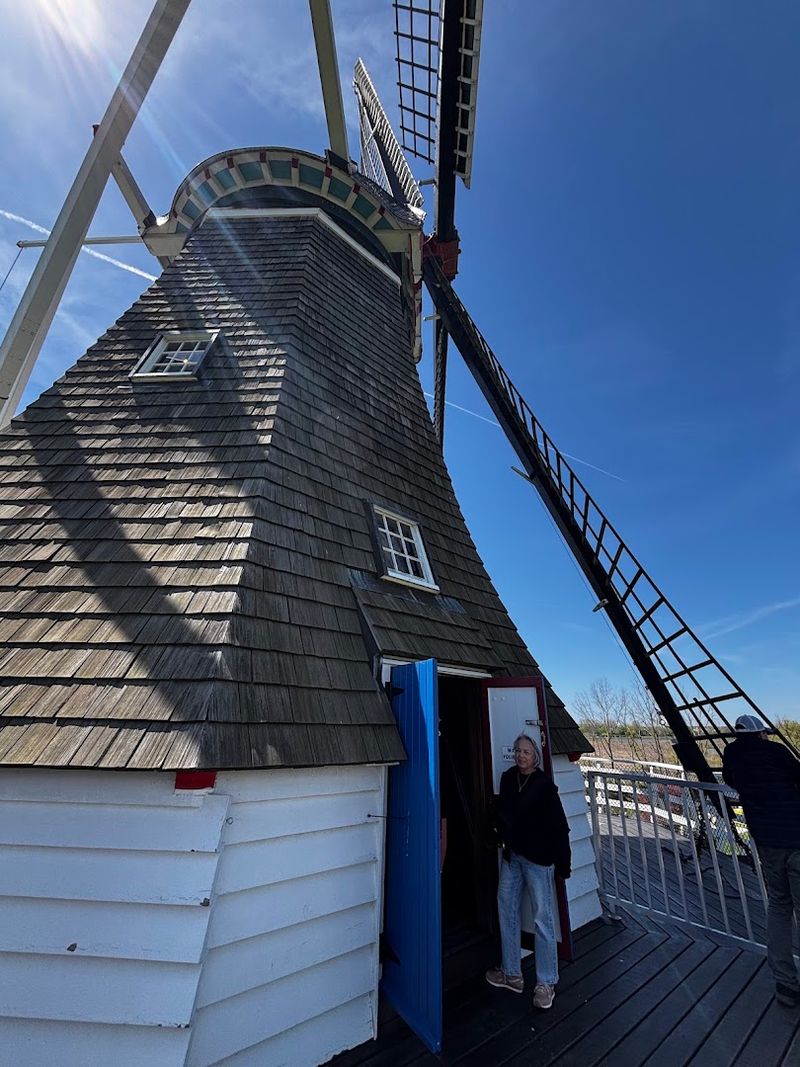
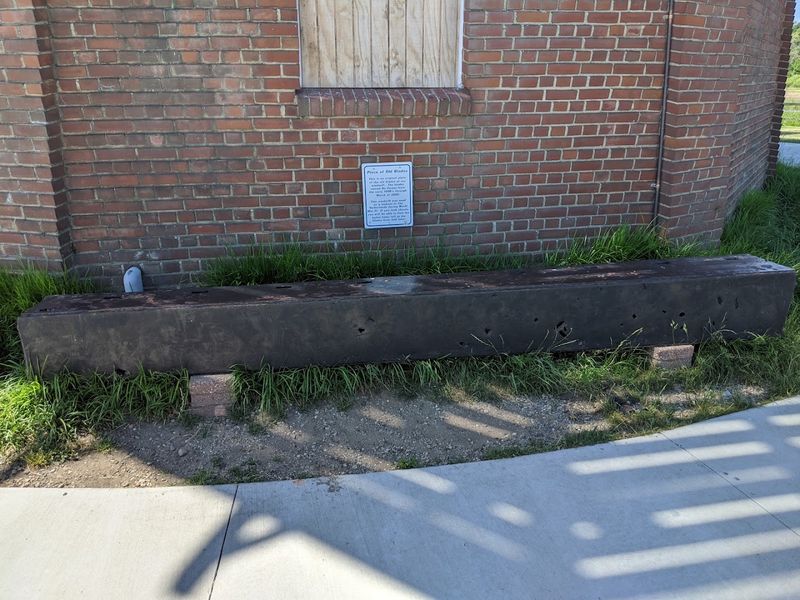
Out on the grounds, an object many people walk past may be the windmill’s sharpest history lesson. The original metal sail stocks, riddled with bullet holes from World War II, are displayed on the ground, and they give the place a sobering edge.
That damage helped shape De Zwaan’s journey to Michigan. After World War II, the Netherlands banned windmill sales, but this mill received an exemption because it had been severely damaged and needed a different future.
I found those scarred pieces strangely moving. They remind you that windmills were not only charming landmarks in Dutch life, but working structures that lived through occupation, repair, survival, and change long before they became treasured educational places in America for visitors.
Watch How The Mill Works
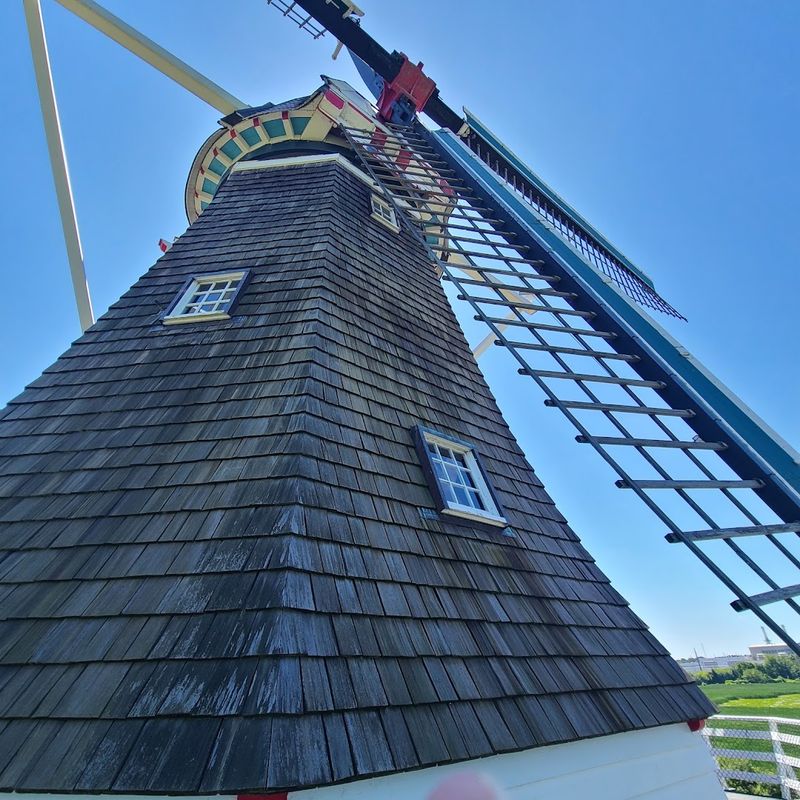
Even before the stones start doing their job, the mechanics inside De Zwaan steal your attention. The miller can rotate the cap to face the sails into the wind, and canvas can be added to the blades to catch lighter breezes.
Once grain begins moving, the system feels cleverly simple and wonderfully strange. A wind powered pulley called an elevator hoists bags of wheat to the fifth story grinding floor, showing how vertical design made hard labor more efficient.
Noise is not the main memory here. Wooden gears are lubricated with beeswax, so the grinding process can sound quieter than many visitors expect, which somehow makes the windmill feel even more skillfully made than its age would suggest to anyone.
Meet A Rare Kind Of Miller
Plenty of historic places have interpreters, but De Zwaan has something rarer. Alisa Crawford is the first Dutch certified miller in the Americas and the only one in the United States, which adds real authority to every explanation of the windmill.
That detail matters because De Zwaan is not maintained as a frozen relic. Holland promised to preserve it as a working windmill and keep it open for education, so skilled knowledge is part of the attraction, not an extra.
Ask questions when you visit. Even basic points about wind direction, flour production, or wooden gearing become more interesting when they come from someone trained in a craft most Americans never get to encounter firsthand in regular daily travel today.
Time Your Visit For Tulips
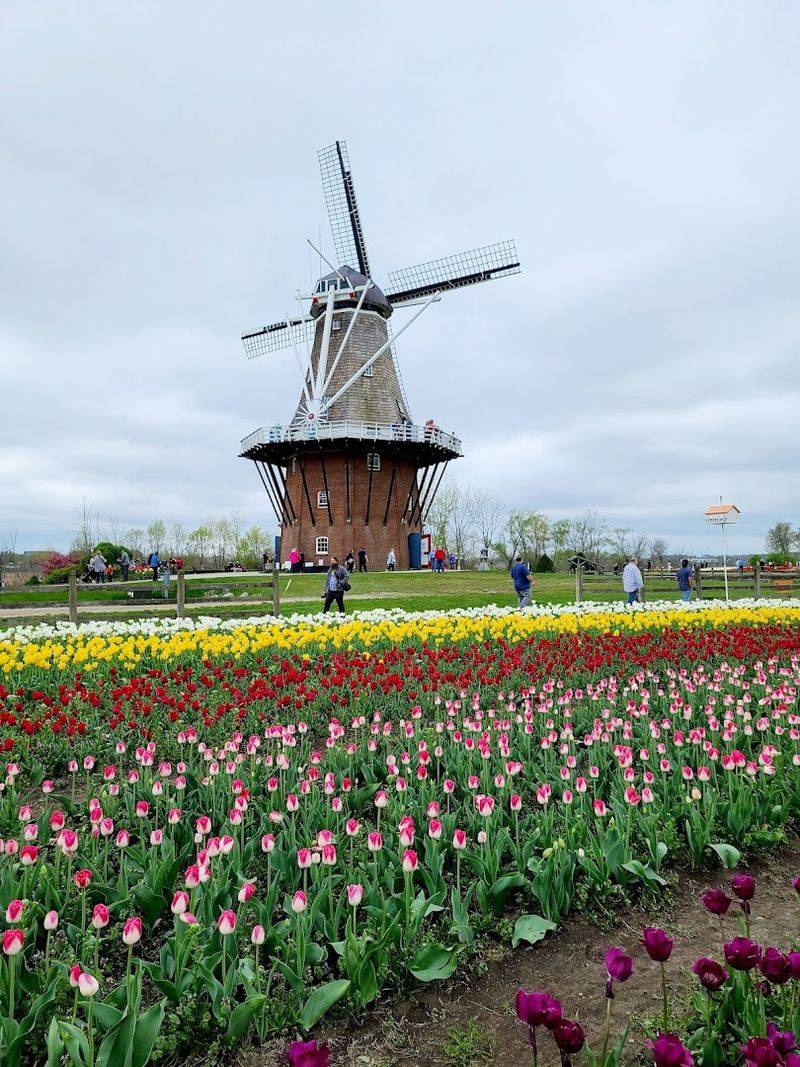
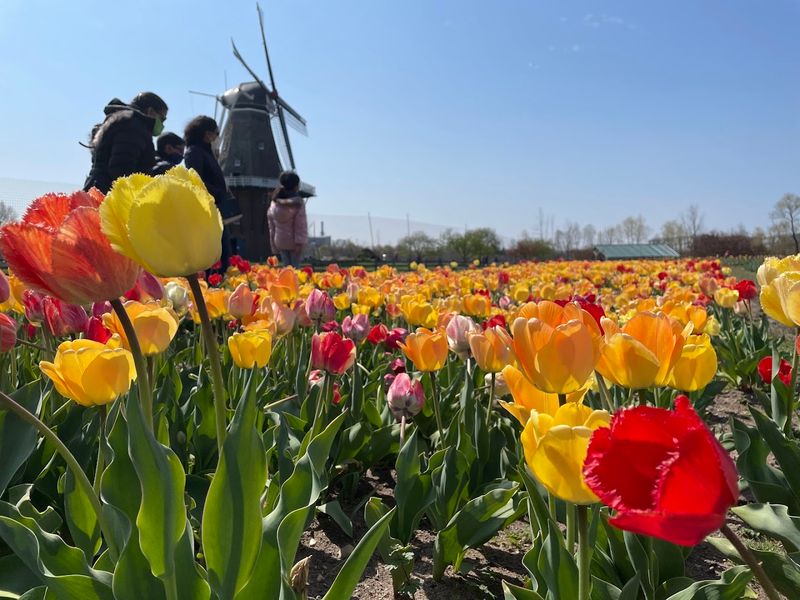
Spring gives De Zwaan its most famous backdrop, and the contrast is almost funny at first. A hardworking machine of wood, brick, and gears rises over a park known for roughly 150,000 tulips during the Tulip Time season.
The color can distract you from the windmill, so try not to rush straight to flower photos. Windmill Island Gardens covers 36 acres, and De Zwaan remains the clear centerpiece, with dikes, canals, and paths helping the Dutch setting feel more complete.
If crowds make you wilt, choose a weekday or visit just before or after the busiest Tulip Time stretch. Summer and early fall still bring plenty of annuals and perennials, with a calmer rhythm underfoot for slower longer looking there.
Use The Post House As Context
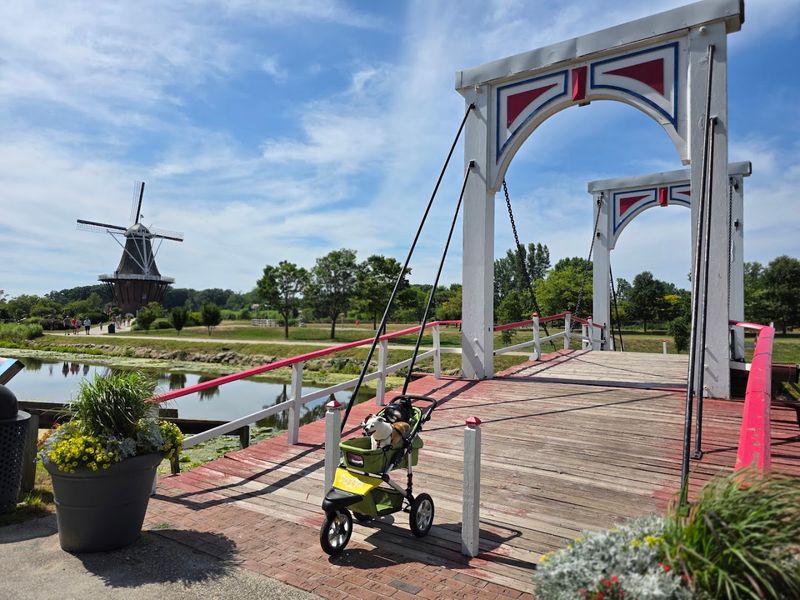
A short film can save you from wandering politely without quite knowing what you are seeing. The Post House, a replica of a 14th century wayside inn at Windmill Island Gardens, shows a 12 minute introductory video about Dutch windmills and the Netherlands.
Watching it first gives the windmill a stronger outline in your mind. Afterward, the island’s replica buildings, canals, and street details read less like scenery and more like a framework built to support De Zwaan’s story.
I appreciated how much easier the later details became to notice. Once you have the basics, even the mill’s big wagon doors and sloped brickwork start feeling purposeful instead of simply picturesque during the walk that follows outside and upstairs there.
Look Closely At The Brick Base
From a distance, the windmill reads as one tall shape, but the base deserves its own attention. The ground floor uses thick brick walls laid in a traditional Dutch style, with a slight slope designed to help drain water away.
Those large double doors are another clue that beauty was never the only goal. Farmers once could drive wagons loaded with grain directly into the mill, which says a lot about how practical the layout had to be.
Historical research now points to the current mill’s original construction in Dordrecht in 1833 as a sawmill, not 1761 as once believed. That updated history makes the building feel even more interesting, not less, especially when you are standing right beside it.
Pause On The Gallery Deck
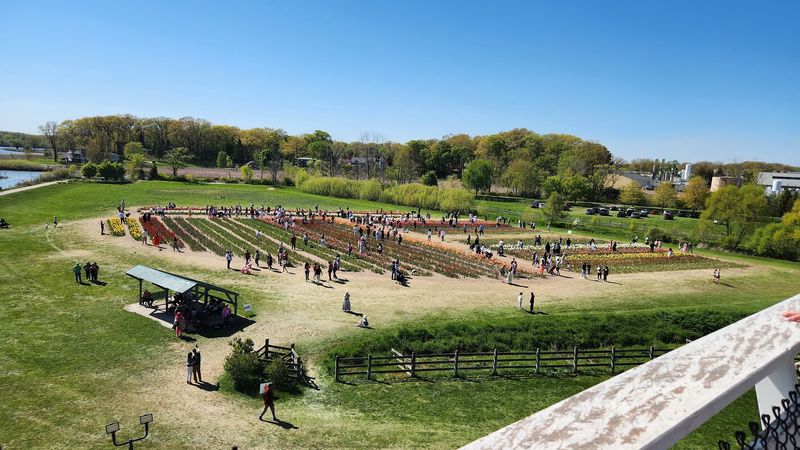
Up on the gallery deck, De Zwaan finally stops feeling giant and starts feeling personal. The blades pass close enough to study their scale, and the height gives you broad views over gardens, water, and the carefully arranged Dutch inspired setting.
The windmill stands 125 feet tall from the ground to the top of its blades, and the blades span 80 feet. Numbers like that sound abstract until you stand beside moving machinery built to work with weather rather than electricity.
Give yourself a minute before heading back down. Seeing the island from that level connects the practical engineering below with the ornamental landscape around it, which is a neat trick few historic attractions can manage so gracefully at once.
Buy The Flour If Available
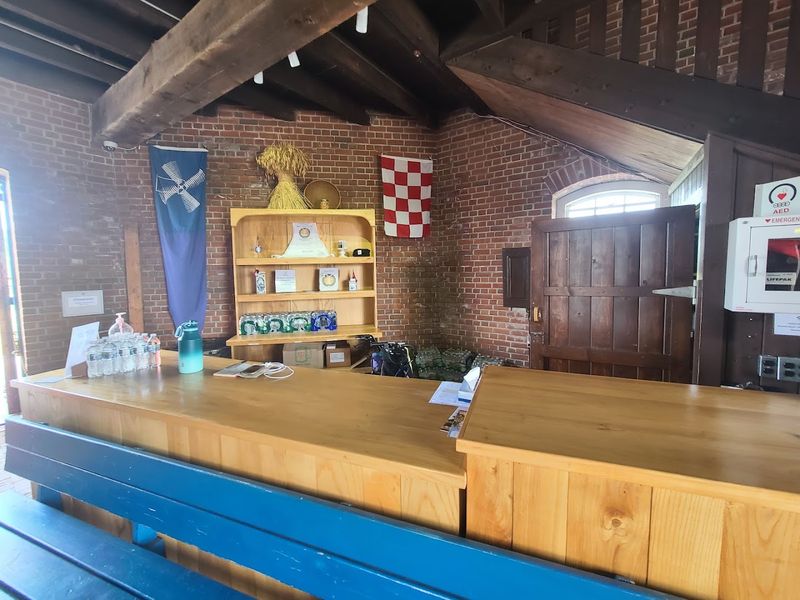
Souvenirs can be flimsy, but flour ground inside De Zwaan carries the place home in a useful way. When winds cooperate, the mill grinds locally sourced soft white winter wheat and corn, and whole wheat flour is sold in the Windmill Island Gardens gift shop.
That small purchase links the visit to the windmill’s real purpose. Local businesses also use the flour, which means the old machine still feeds present day routines instead of sitting apart from them behind ropes or glass.
If bags are available, grab one after your tour rather than before climbing stairs. It is an easy reminder that De Zwaan is not just authentic. It is still doing the honest work it was built to do.