
Hundreds Of Pelicans Are Landing Along The Illinois River Right Now, And These 11 Spots Put Families Close
Ten feet. That is how wide an American white pelican can stretch its wings, and right now hundreds of them are floating, fishing, and lounging on sandbars along the Illinois River.
Fall migration runs from about September through mid-October, and these giant white birds were once rare in Illinois, so seeing a crowd of them feels like a small miracle. Best of all, the spots below cost little or nothing, which makes this one of the easiest family outings of the season.
1. Illinois Waterway Visitors Center
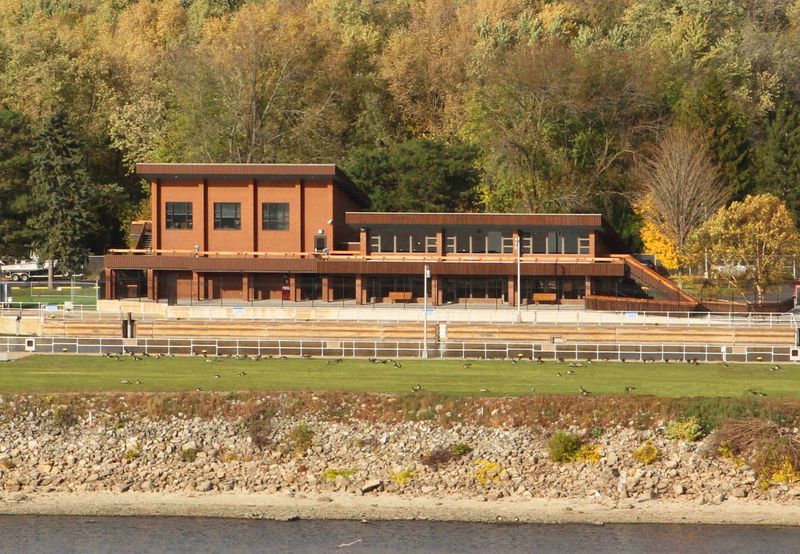
Massive towboats squeezing through a lock, a sandstone bluff glowing across the water, and white pelicans drifting past the railing. Few places pack that much action into one free stop in LaSalle County.
Sitting right on the Illinois River in Ottawa, the visitor center overlooks an operating lock where barges rise and drop like giant toy boats in a bathtub. Kids tend to lose their minds over the engines, then turn around and spot great blue herons and American white pelicans working the water nearby.
Those birds show up here in spring, summer, and fall, so the deck earns its reputation as a sneaky wildlife lookout.
Across the river, the view of Starved Rock State Park is one of the prettiest in the region. Pelicans love that stretch, often gliding low in long white lines before settling near the shallows.
Inside, exhibits explain how the lock works and why river traffic matters to Illinois, which turns a bird trip into a bonus history lesson. Restrooms are on site, and the building keeps daily hours from 9 AM to 5 PM.
Pack a thermos of cocoa, bring binoculars, and plan for at least an hour. Watching a barge lock through takes patience, and the pelicans reward it.
2. Emiquon National Wildlife Refuge
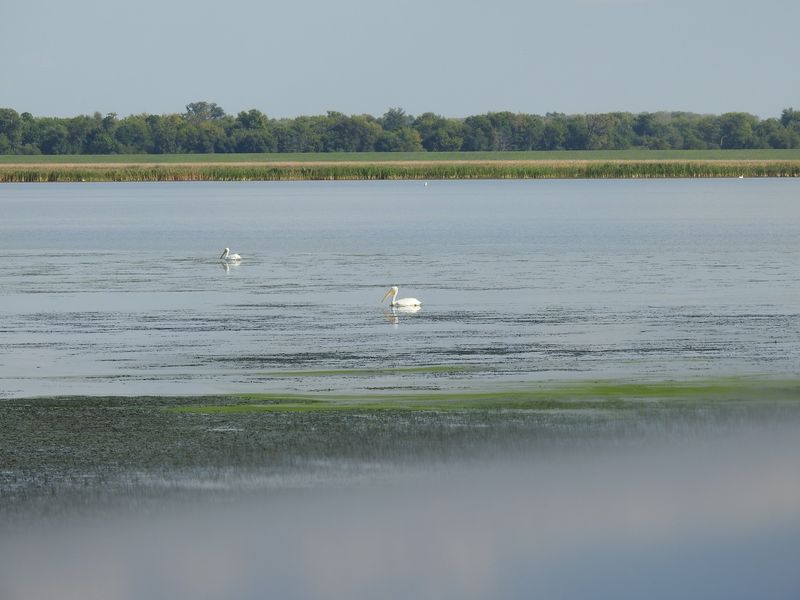
Thousands. During migration, that is the kind of number people toss around when pelicans pile into this restored wetland near Lewistown in rural Fulton County.
Emiquon was once farmland, and today it is a sprawling backwater habitat brought back to life along the Illinois River floodplain. The result feels wild and quiet at the same time, with long views across open water where pelicans gather in big floating rafts.
Bald eagles, snow geese, and plenty of other waterfowl share the scene, so even a slow afternoon delivers something to point at.
Here is the part kids love most: free viewing binoculars. Little ones can press their faces up to the eyepieces and suddenly see a pelican scooping fish with that huge orange bill, close enough to count feathers.
Hikes here are easygoing and friendly for small legs, which keeps the outing relaxed instead of rushed. Weekend mornings and Monday tend to be calmer, if you prefer having the shoreline mostly to yourself.
Bring a snack, a field guide, and a little patience. Emiquon rewards quiet watchers, and it stands as living proof that restoring Illinois wetlands brings the birds right back home.
3. Chautauqua National Wildlife Refuge
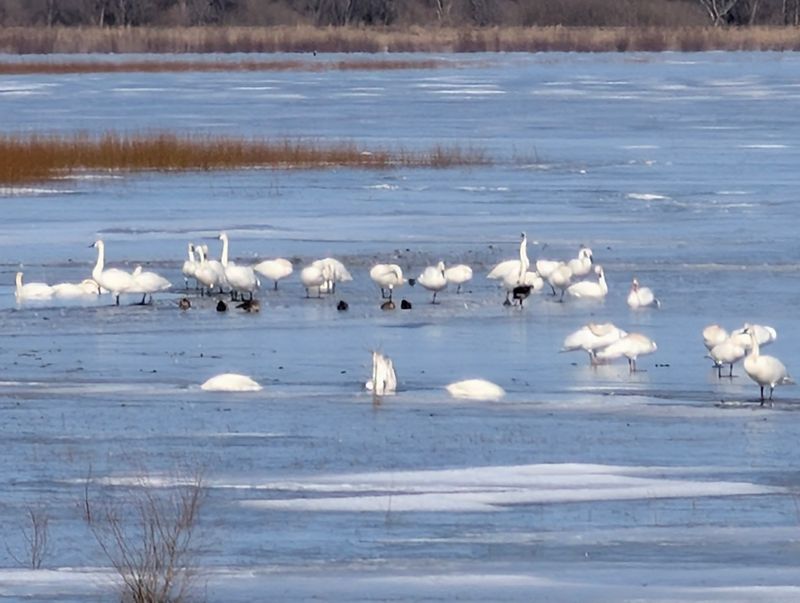
Gravel crunches underfoot as the trail slips out of the woods and opens onto the lake, and suddenly the water is dotted with white. That reveal is the magic of this refuge outside Havana, a small river town in Mason County.
Chautauqua is part of the larger Illinois River refuge network, and its mix of floodplain woods, open water, and mudflats makes it a favorite resting stop for migrating birds. Spring and fall bring the biggest show, with pelicans sometimes numbering in the hundreds or more.
Shorebirds and geese fill in the gaps, and bald eagles make regular appearances too.
Families get a nice variety of trails plus lookout stations, so you can choose a short stroll or a longer ramble depending on how many snack breaks are required. The paths are gentle enough for kids, and a public restroom saves the day.
Timing matters here. Posted hours run Monday through Friday, 8 AM to 4 PM, with weekends closed, so a teacher workday or a long weekend Friday works beautifully.
Bring a camera. Photographers adore this spot, and a lineup of pelicans against an autumn tree line makes a postcard your family will actually frame.
4. Sue And Wes Dixon Waterfowl Refuge
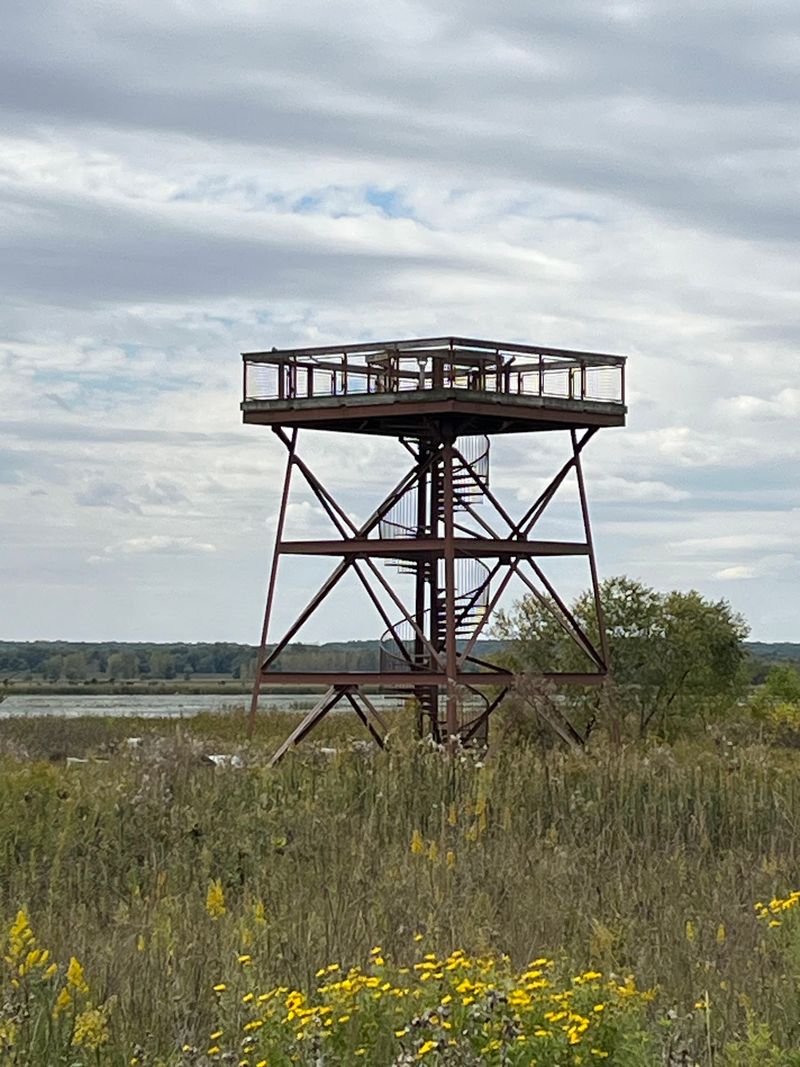
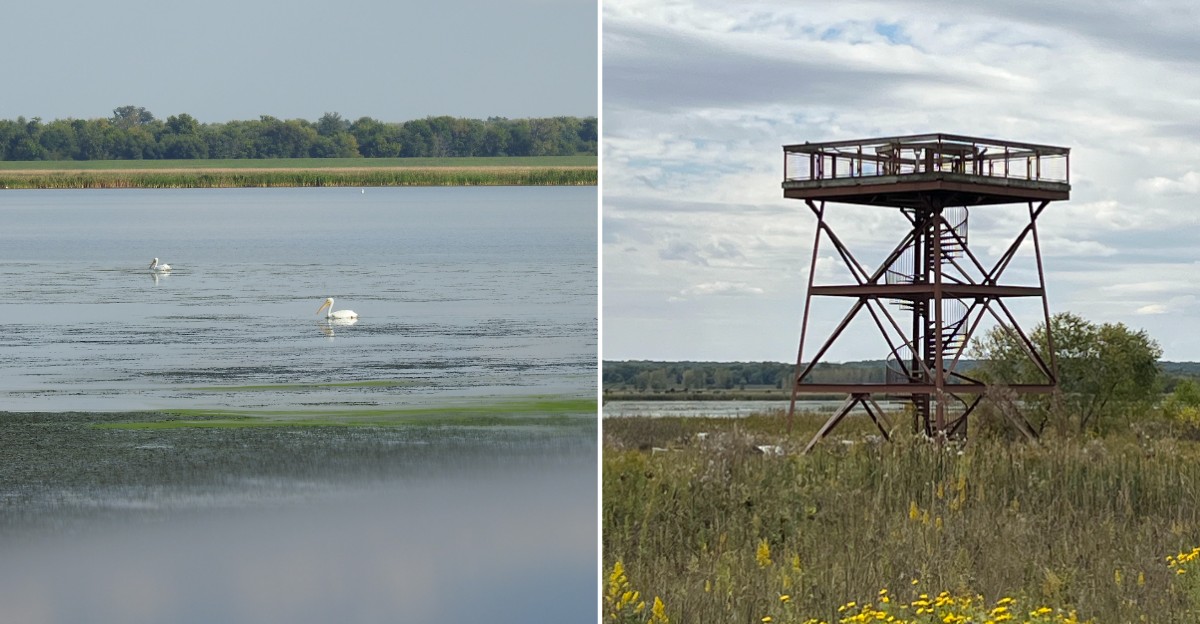
Climb three stories, catch your breath, and look out. From the top of the lookout tower at this Hennepin preserve, the Illinois River backwater spreads out like a living map.
Sitting near a small historic village in Putnam County, the Dixon Waterfowl Refuge is a restored wetland that feels peaceful almost the second you step out of the car. A boardwalk carries you over the water, past lily pads and native flowers, while shaded trails wind through prairie, woods, and waterfront.
Streams trickle through the property, and the whole place hums with birds.
Pelicans are among the many migrants that drop in here, sharing space with trumpeter swans and bald eagles. For kids who think birds are boring, a swan, an eagle, and a pelican in one afternoon tends to change minds fast.
The tower climb is easy, which makes it a hit with grandparents and preschoolers alike. Dogs are welcome on the trails, so the family pup can tag along.
Gates open daily from 7 AM to 7 PM, giving you room for golden-hour visits. Kayakers will also find a boat launch, perfect for quietly paddling the backwaters once the birding is done.
5. Starved Rock State Park

Most Illinois kids visit Starved Rock for the waterfalls. Fewer realize the river below those famous sandstone bluffs doubles as a pelican highway every spring and fall.
Spread along a bend in the Illinois River near Oglesby and Utica, this park is a geological showpiece, with lush forests, canyons carved by streams, and seasonal waterfalls. More than 225 bird species have been recorded here, and American white pelicans use the area as a migration stopover.
From the bluff overlooks, spotting a flock riding the current below feels like finding treasure.
Hiking is the main event, and the park offers plenty of kid-friendly routes so nobody melts down halfway. Afterward, the picnic tables, grills, and playground turn the trip into a full family day.
Budget-wise, it is hard to beat. Admission is free, and so is parking, which leaves room in the wallet for an ice cream stop on the drive home.
Weekend afternoons get crowded, especially in October when the leaves are blazing. Arrive early, grab a trail map, and keep binoculars handy at every river view, since the pelicans rarely announce their arrival before sliding past.
6. Pere Marquette State Park, Grafton, IL
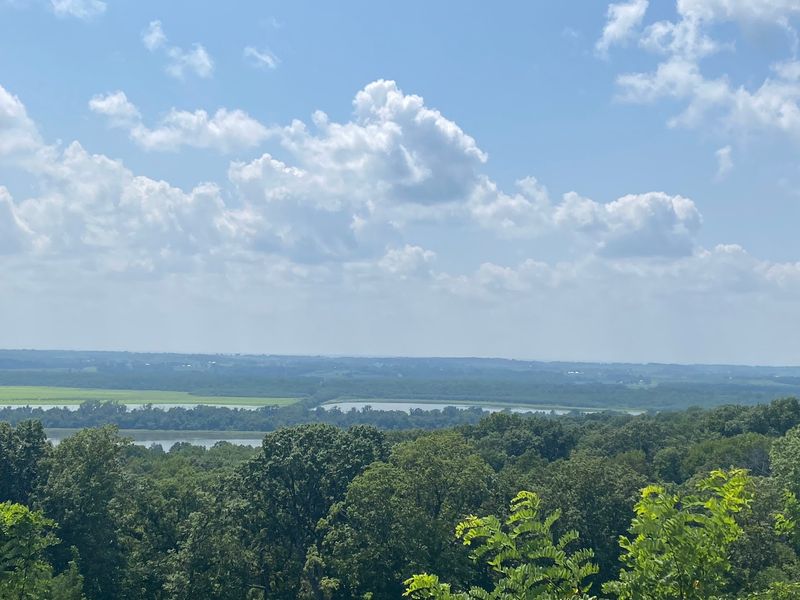
Two great rivers meet just below these bluffs, and the pelicans clearly know a good gathering spot when they see one. Pere Marquette sits minutes from Grafton, about twenty miles from Alton, where the Illinois River joins the Mississippi.
Covering roughly 8,000 acres, this is the biggest state park in Illinois and a natural magnet for birders. Sandbars and shallow water near the confluence make prime resting grounds for migrating white pelicans, and the drive in along the Great River Road often delivers sightings before you even park.
Fall color on the bluffs makes the whole trip look like a calendar page.
Families have plenty to do between bird spotting sessions. Well-kept, kid-friendly trails, a playground, swings, picnic tables, and grills cover a full afternoon without spending much.
Parking is free, too.
Fun detail for the kids: the historic lodge has a giant chessboard in its great room, and the restaurant serves breakfast, lunch, and dinner if packing a cooler sounds like too much work.
Visitor center hours run Monday through Saturday, 8 AM to 3:30 PM. Stop in, ask about recent bird activity, then head for the river views.
7. Peoria Riverfront Park

City sidewalks are not usually where you expect wild birds the size of a small child. Yet along Peoria’s riverfront, pelicans sometimes cruise right past downtown, proving nature does not mind a little skyline.
Peoria Riverfront Park stretches along the shore of the Illinois River, with a long paved trail that stays well kept and easy for strollers, scooters, and bikes. Public art pops up along the way, giving kids something to hunt for between bird sightings.
Benches and picnic tables invite you to sit and simply watch the water roll by.
What sets this stop apart is convenience. No gravel roads or remote refuge drives needed, just a playground, restrooms, plenty of parking, and an open river view where migrating flocks can appear overhead.
Anglers like to toss a line in here as well, so curious kids may catch a glimpse of a fish being reeled in. Dogs are welcome, making it a relaxed outing for the whole household.
Monday afternoons tend to be quiet, ideal for lingering. Grab a picnic, stroll the path, and keep watching the sky, because a passing line of pelicans makes an ordinary city walk unforgettable.
8. Meredosia National Wildlife Refuge
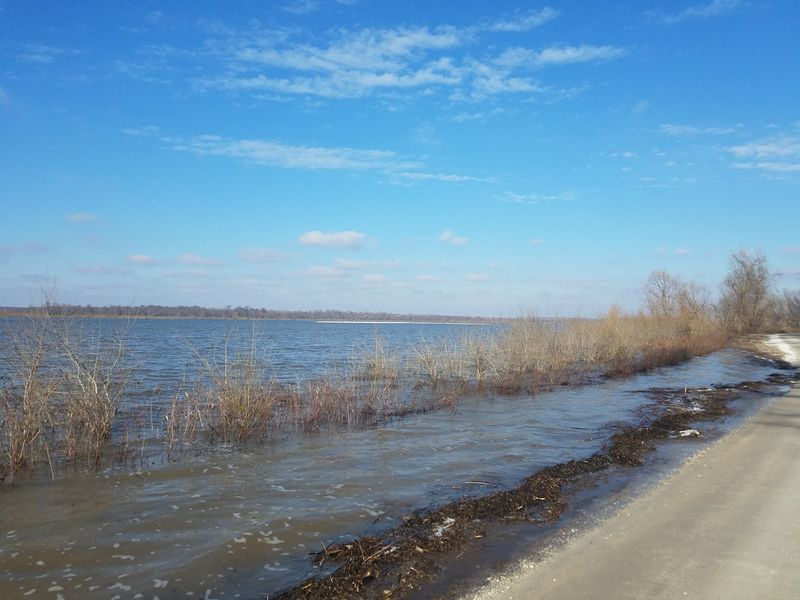
Quiet roads, an enormous sky, and water that can suddenly seem covered in white feathers make Meredosia feel like the kind of place birders would rather keep to themselves.
The refuge stretches through the Illinois River floodplain in Morgan and Cass counties, protecting backwater lakes, wetlands, and other habitat that migrating birds depend on. American white pelicans are among the biggest attention grabbers.
During migration, groups can gather on open water before heading out to search for fish.
Meredosia Lake is one of the places worth scanning carefully. Bring binoculars and give yourself time instead of expecting the birds to appear the second you arrive.
Early mornings can be especially peaceful, with fewer distractions and calm water that makes distant birds easier to spot.
Families should come prepared since services around the refuge are limited. Pack water, snacks, and binoculars before heading out.
Bug spray can also be useful around wet areas.
Turn the waiting into a game for younger visitors. Have kids count pelicans in groups of ten, watch for birds circling overhead, or see who can spot the biggest flock first.
Sometimes the best part is simply watching a quiet lake suddenly come alive.
9. Banner Marsh State Fish And Wildlife Area
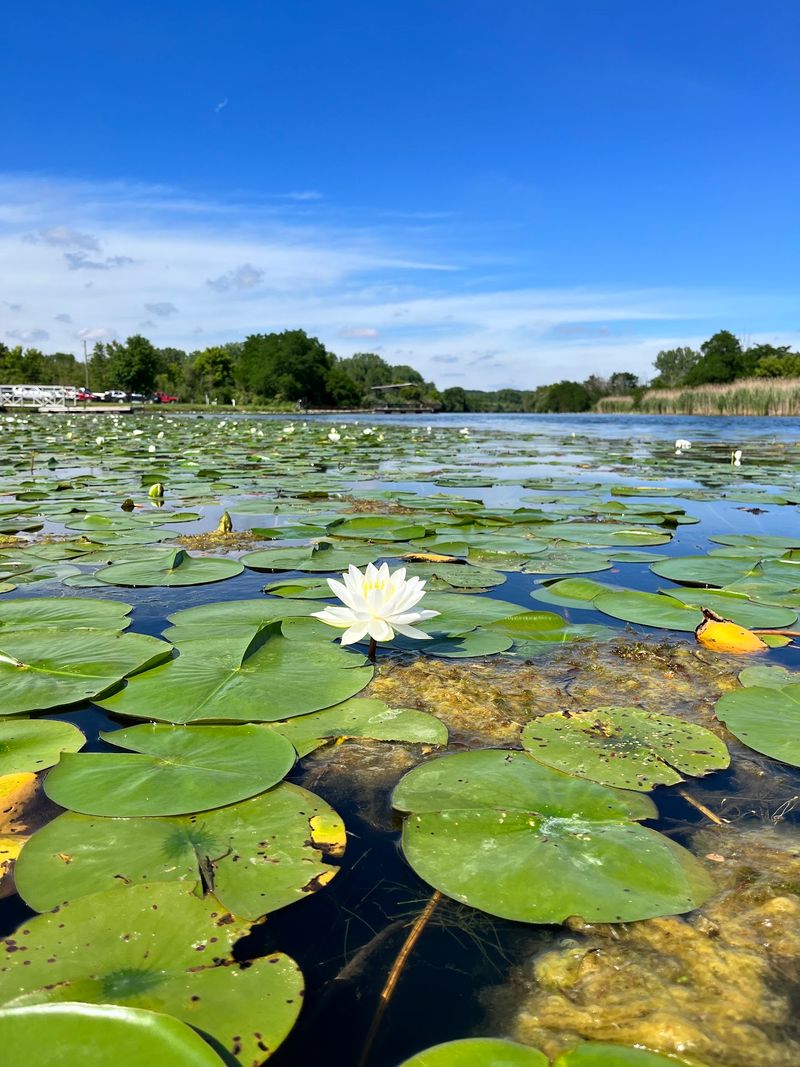
A former coal-mining landscape probably does not sound like prime pelican territory. Banner Marsh proves otherwise.
Years after strip mining reshaped this part of central Illinois, the flooded pits became a sprawling collection of lakes, ponds, and wetlands. Today the area supports fish and wildlife, making it an appealing stop for migrating waterbirds as they move through the region.
American white pelicans can appear during migration, and their size makes them surprisingly easy for kids to spot once a flock settles on the water. Watch closely when several birds begin feeding together.
Pelicans sometimes cooperate by moving fish toward shallower water before dipping their enormous bills beneath the surface.
Banner Marsh sits between Peoria and Canton near Route 24, making it an easy addition to a fall drive through the area. Families can explore without committing to a long hike, since roads and parking areas provide access to broad views over the wetlands.
Bring binoculars, snacks, and a picnic if the weather cooperates. The wide-open landscape encourages visitors to slow down and scan the water carefully.
Even when the pelicans stay distant, spotting those huge white shapes against the darker marsh makes the search worthwhile.
10. Marshall State Fish And Wildlife Area
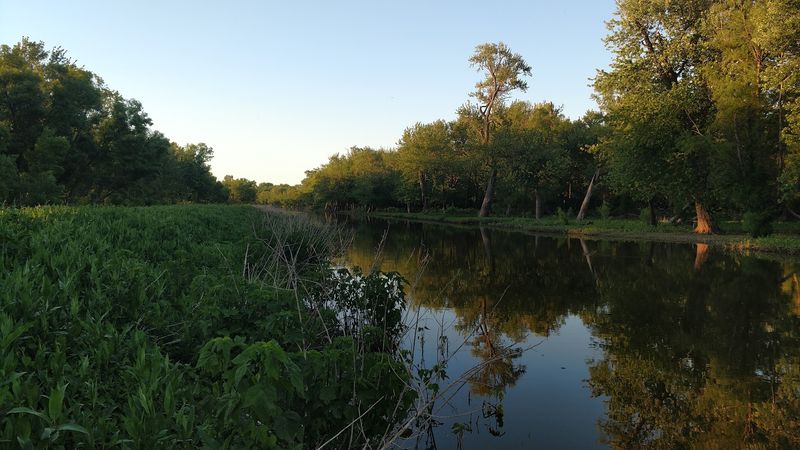
A group of large white birds lifts from the water almost at once. As they turn overhead, sunlight catches their wings and the flock seems to flash against the sky.
That is the kind of scene families may catch while exploring Marshall State Fish and Wildlife Area along the Illinois River near Lacon.
The property follows miles of river and backwater habitat, giving migrating birds plenty of places to rest and feed. Wooded areas and wetlands add variety to the landscape, so visitors are not staring at the same stretch of water all afternoon.
Several recreation options also make Marshall useful for families who want more than a quick birding stop. Hiking, fishing, picnicking, and camping can turn pelican watching into part of a longer outing.
River views give visitors opportunities to scan for birds resting on the water or moving overhead.
Timing deserves a little attention. Hunting seasons can overlap with fall migration, so families should check current regulations and posted notices before exploring trails or less developed areas.
Bring binoculars and give the river some time. Pelicans may not appear on cue, but a passing flock can transform an ordinary stop into the moment everyone remembers on the drive home.
11. Havana Riverfront Park
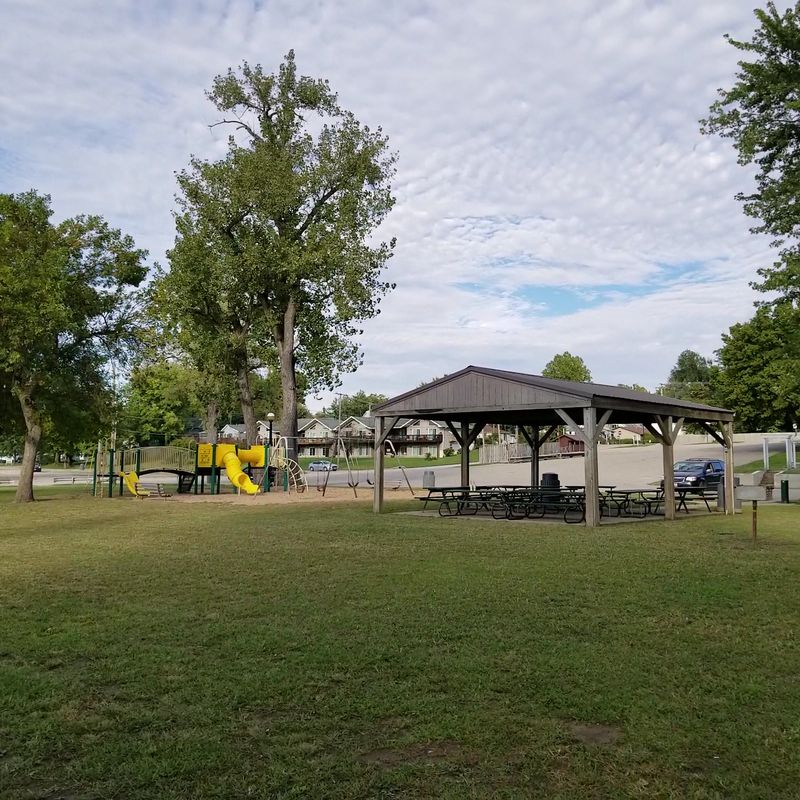
Ice cream in one hand and binoculars in the other sounds like a pretty good way to introduce kids to birdwatching.
Havana Riverfront Park makes that combination easy. The park sits beside the Illinois River in downtown Havana, giving families open water views without requiring a long hike into a wildlife refuge.
Walking paths and places to sit make it easy to linger while watching the river for movement.
During migration season, American white pelicans travel through the Illinois River corridor, and the Havana area puts visitors close to important bird habitat. Watch the open water, distant sandbars, and sky above the river for groups moving through.
This stop works especially well for families with younger kids who might lose patience at a remote birding area. Downtown conveniences are nearby, and visitors can combine the search for pelicans with a walk along the waterfront or a meal in town.
Here is a fun detail to share while everyone waits: a pelican’s pouch is not a permanent storage bag for fish. The bird uses it to scoop prey, drains the water, and then swallows.
Spotting that famous bill in action makes the wait much more interesting.