
Hungry Black Bears Are Showing Up Near Homes And Campsites In These Florida Counties This Fall
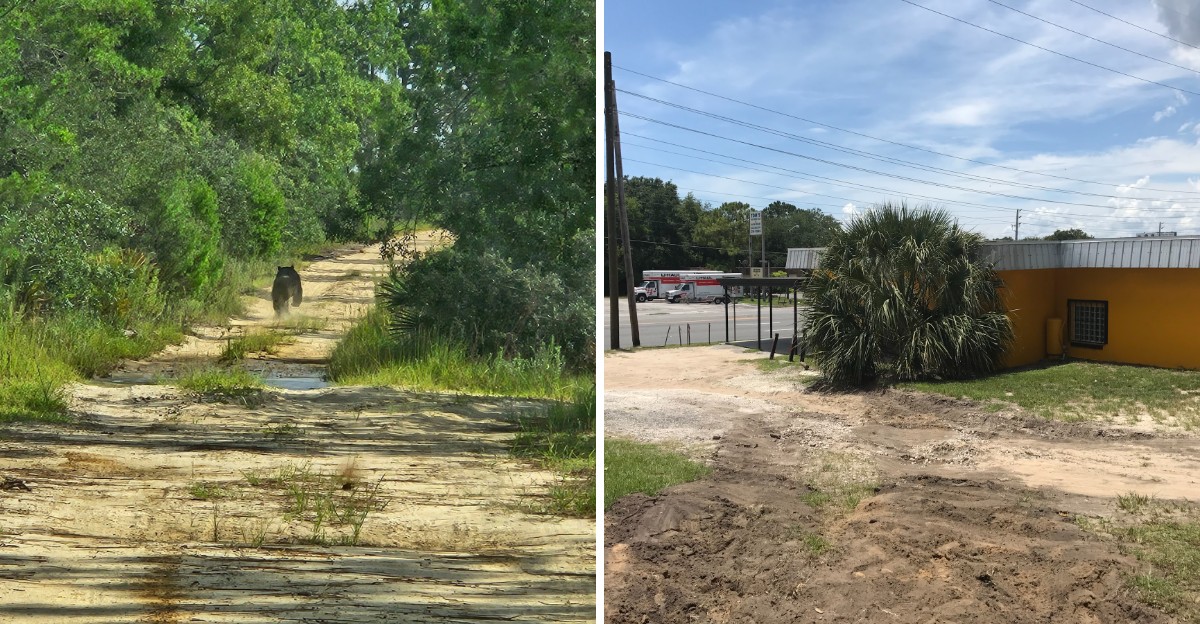
Florida has its fair share of unexpected visitors, but finding a black bear wandering through your backyard is a little different from spotting a squirrel stealing birdseed. And when fall rolls around, these furry neighbors seem to develop an appetite that could put a Thanksgiving dinner guest to shame.
While most people are busy planning pumpkin patches and weekend camping trips, black bears are on a mission of their own: finding as much food as possible before winter arrives.
Unfortunately, that search sometimes leads them straight to neighborhoods, trash cans, and campgrounds where an unattended snack can turn into an unexpected wildlife encounter.
And although seeing a bear might sound like an exciting story to tell your friends, nobody wants to discover one investigating the garbage while they’re taking out the trash.
Across the Sunshine State, certain counties are especially familiar with these hungry visitors, making a little extra awareness worthwhile.
So, before your next outdoor adventure, here’s where bear encounters are worth watching for and how to keep both yourself and these curious creatures safe.
Marion County And The Mighty Ocala National Forest
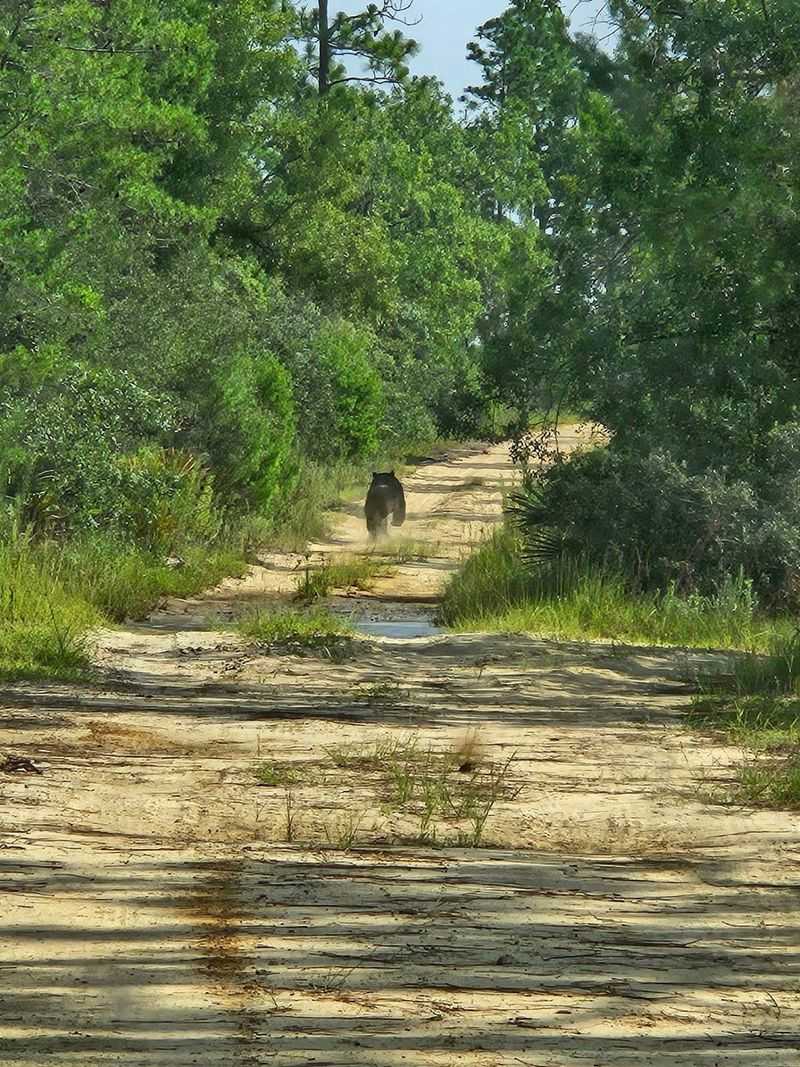
Picture this: you unzip your tent at Juniper Springs and spot a furry visitor sniffing your cooler like it owns the place. Welcome to Marion County, home of the Ocala National Forest, which holds one of the biggest black bear populations in the entire state.
Fall is snack season for these bears. Wildlife experts say a bear may eat up to 20,000 calories a day in autumn to prepare for winter, which is like munching about forty cheeseburgers.
Acorns, saw palmetto berries, and sadly, unguarded trash all end up on the menu.
Juniper Springs Recreation Area sits at 26701 E Highway 40, Silver Springs, FL 34488. Built in the 1930s by the Civilian Conservation Corps, it has a charming old stone mill house and crystal clear spring water that stays about 72 degrees all year.
It is a magical spot, but rangers ask campers to store food in bear-proof lockers.
Want to be a bear-smart camper? Never leave food, toothpaste, or dirty dishes inside your tent.
Keep a clean site and lock up coolers in your car at night.
Follow those simple rules, and your only souvenir will be amazing photos, not a shredded sleeping bag.
Lake County Lakeside Neighborhoods
Garbage day in Lake County sometimes feels like a buffet opening with a very furry guest list. Towns like Eustis, Umatilla, and Mount Dora sit close to the forest edge, so bears often wander in after dark looking for leftovers.
Residents have shared videos of bears lounging in hammocks, splashing in pools, and even napping on porches. It sounds funny, and honestly it is, but bears that get used to human food can become bold.
That puts both people and bears at risk.
Here is the good news. Florida Fish and Wildlife Conservation Commission, or FWC, has helped many communities get bear-resistant trash cans.
Some areas even require them, and they work like a charm.
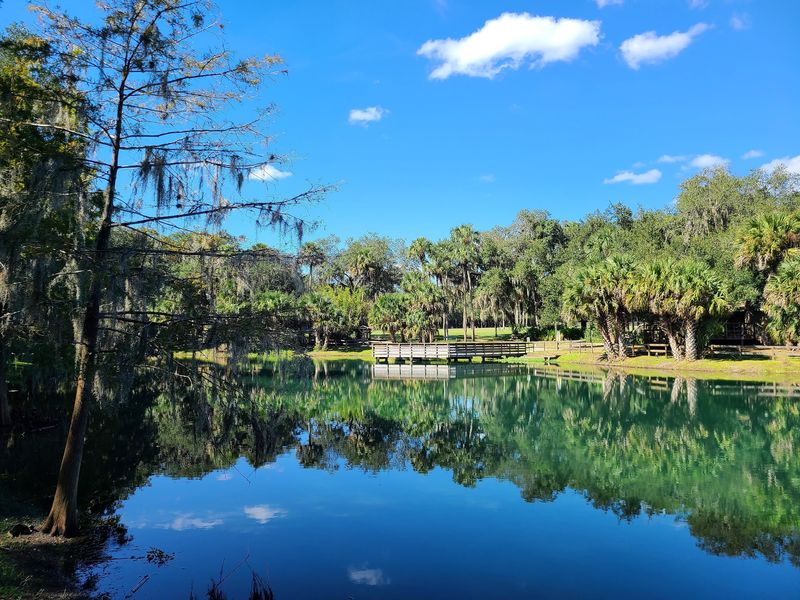
A fun place to learn more is Trimble Park at 5802 Trimble Park Rd, Mount Dora, FL 32757. Tucked on a peninsula between Lake Beauclair and Lake Carlton, it offers shady campsites, wooden boardwalks, and stunning sunsets over the water.
Quick tips for locals: put trash out on the morning of pickup, not the night before. Bring pet food indoors and clean your grill after cooking.
A little planning keeps your yard boring to bears, and boring is exactly what you want.
Volusia County Spring Country
Manatees get all the fame in Volusia County, but bears are quietly stealing scenes too. Neighborhoods near DeLand, DeBary, and Deltona report regular bear visits each fall, especially near wooded lots and creeks.
Why here? The area connects big patches of wild land, giving bears a natural highway between the Ocala forest and the St. Johns River.
When acorns drop in autumn, bears follow the food trail, and sometimes that trail ends at your bird feeder.
Blue Spring State Park, at 2100 W French Ave, Orange City, FL 32763, is a gem worth visiting. The historic Thursby House, built in 1872, still stands on a shell mound overlooking the spring run.
Campers here enjoy peaceful mornings, but they also learn to keep coolers locked and tables wiped clean.
Bird feeders are a sneaky bear magnet, and plenty of folks never suspect them. Seed is packed with fat and calories, making it bear candy.
Many experts suggest taking feeders down in fall or hanging them very high.
Did you know? Florida black bears are a special subspecies found only in the Southeast.
Seeing one is truly a local treat, just from a respectful distance.
Seminole County Suburban Surprises
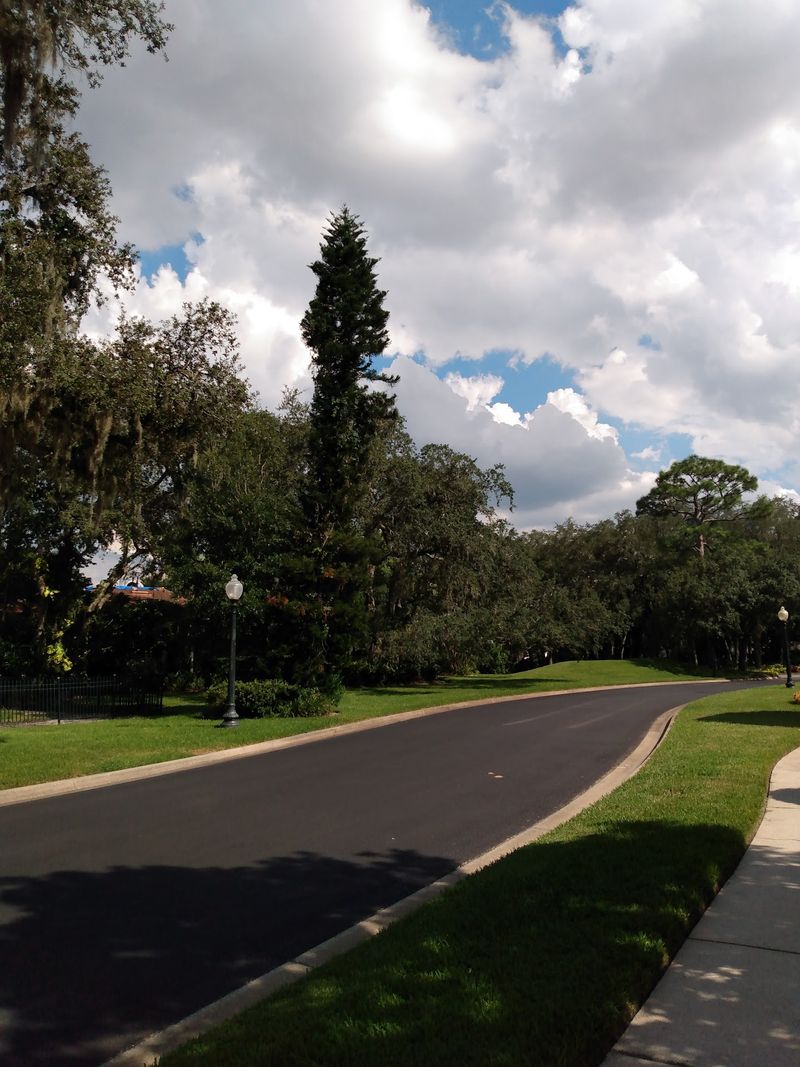
Few places blend shopping malls and bear sightings quite like Seminole County. Longwood, Sanford, and Lake Mary sit right beside protected forests, so the bears never really left when the houses arrived.
Seminole County made history as one of the first Florida counties to pass a bear-smart trash rule in parts of the area. Since then, neighborhoods have learned to treat bears like that one relative who shows up uninvited, polite but firm.
Wekiwa Springs State Park, at 1800 Wekiwa Circle, Apopka, FL 32712, sits on the county line and is a favorite for paddlers and campers. The bubbling turquoise spring stays cool year-round.
Rangers remind guests that bears roam nearby, especially around dusk.
So what should you do if a bear wanders past your patio? Stay calm and keep your distance.
Make loud noises, clap, or bang pots from a safe spot, and the bear will usually lumber away.
Never feed a bear, even if it looks adorable. Feeding bears in Florida is against the law, and it teaches them bad habits.
Respect wins the day here, and so does a tightly closed garbage lid.
Orange County Beyond The Theme Parks
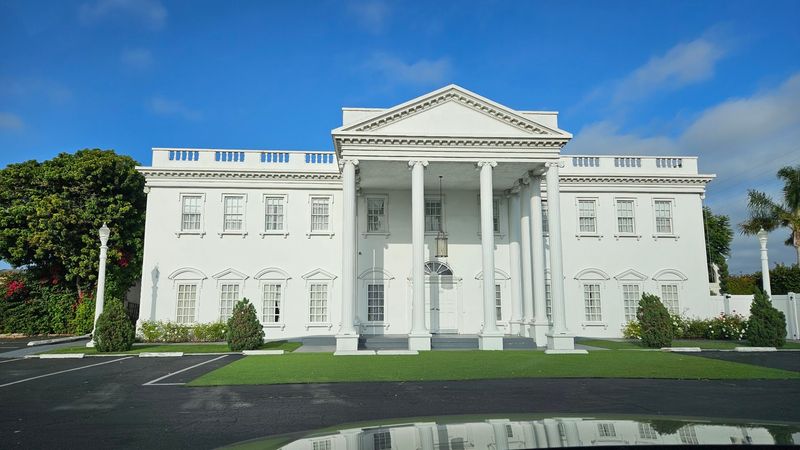
Mickey Mouse is not the only famous critter in Orange County. North and west parts of the county, near Apopka and the Wekiva River, see real bears strolling past mailboxes every autumn.
These bears are skilled food detectives. Their sense of smell is around seven times stronger than a bloodhound, so a forgotten burger wrapper in a truck bed might as well be a dinner bell.
Kelly Park, at 400 E Kelly Park Rd, Apopka, FL 32712, is a local legend. Famous for Rock Springs, where visitors float down a chilly, clear run on tubes, the park also offers campsites under tall trees.
Campers should use the bear-proof containers provided.
Hikers love the trails here, and a few smart habits make them safer. Walk in groups, talk or sing as you go, and keep dogs on a short leash.
Bears usually avoid people when they hear you coming.
Spotting cubs? Back away slowly and never walk between a mother bear and her babies.
Think of it as Florida’s other magical kingdom, with fewer lines and much hairier residents.
St. Johns County Coastal Wanderers
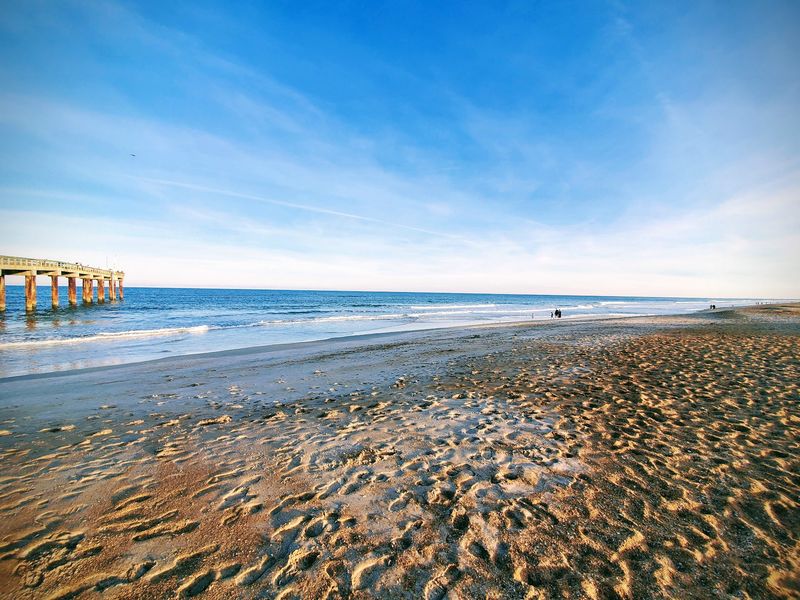
History buffs flock to St. Augustine for forts and old streets, but some bears clearly came for the seafood scraps. St. Johns County has seen a rise in bear activity, especially in growing neighborhoods west of town.
Bears travel long distances in fall. Young males especially roam far to find new homes, sometimes wandering many miles in a single week.
That explains surprise sightings near golf courses and gated communities.
Anastasia State Park, at 300 Anastasia Park Rd, St. Augustine, FL 32080, is a dreamy spot with tall sand dunes, salt marshes, and a peaceful campground. Its coquina quarry was used to build the Castillo de San Marcos centuries ago.
Wildlife lovers can spot herons, crabs, and once in a while, signs of bigger visitors.
Fish cleaning stations and beach trash cans draw curious noses. Always toss fish scraps in proper sealed bins and pack out what you bring.
Homeowners should lock garages and keep freezers inside. Bears have learned to open doors with surprising skill.
A clean beach, a closed garage, and a little awareness make this coastal county wonderful for everyone, paws included.
Collier County And The Big Cypress Bears
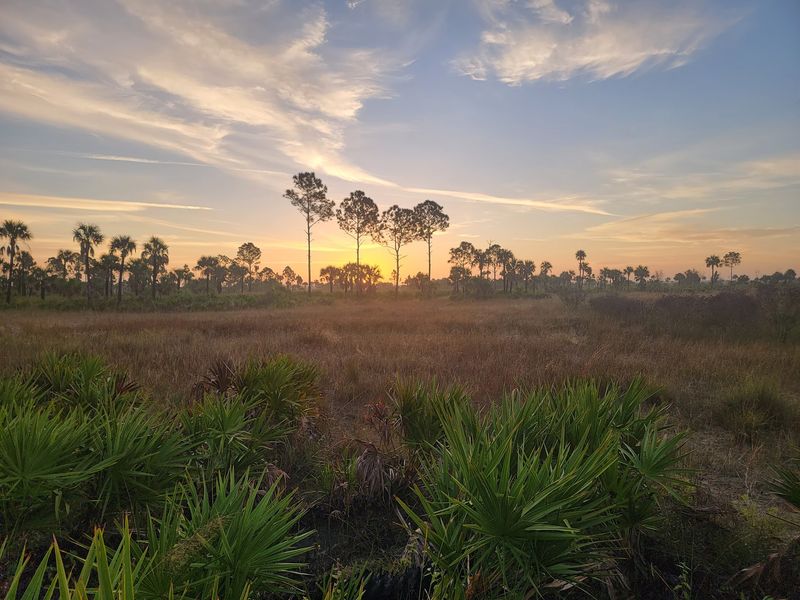
Down in the swampy south, bears in Collier County live a life that sounds like a jungle adventure movie. The Big Cypress area is home to a smaller southern bear group that wanders through wetlands, pine flatwoods, and sometimes Naples neighborhoods.
Golden Gate Estates is a hotspot for sightings. Its big lots and wooded yards feel like home to bears, especially when palmetto berries ripen in fall.
Collier-Seminole State Park, at 20200 E Tamiami Trail, Naples, FL 34114, offers a fantastic taste of wild Florida. You can see an old walking dredge used to build the Tamiami Trail in the 1920s, plus mangrove paddling trails and a cozy campground.
Rangers keep a close eye on wildlife and share helpful tips.
Here is one fun fact. Despite the name, Florida black bears can be brown or cinnamon colored, though most are glossy black.
If you live here, secure chicken coops with electric fencing. Bears love an easy egg breakfast as much as we do.
Collier County shows how wild places and people can share space with a bit of respect and a lot of good habits.
Franklin County Forest Foragers
Oysters made Franklin County famous, yet the forest around it hides a bear party nobody expected. Part of the Apalachicola National Forest stretches through here, and it shelters one of Florida’s largest bear groups.
Fall is when things get busy. Bears munch on tupelo, gallberries, and acorns, but towns like Carrabelle and Eastpoint sometimes become the dessert course.
Campers at quiet forest sites may hear rustling at night.
Tate’s Hell State Forest, at 290 Airport Rd, Carrabelle, FL 32322, has a name that sounds scary but offers beautiful dwarf cypress trees and remote camping. Legend says a farmer named Cebe Tate got lost in the swamp for days in the 1870s, giving the place its spooky title.
Primitive campers should hang food bags at least ten feet up and away from tree trunks. Better yet, bring a bear-resistant canister.
Cooking smells cling to clothes. Change out of your dinner clothes before bed and keep them outside your tent.
Swap ghost stories by the fire and enjoy the stars, while the bears hopefully stick to their berries.
Liberty County Wild Woods
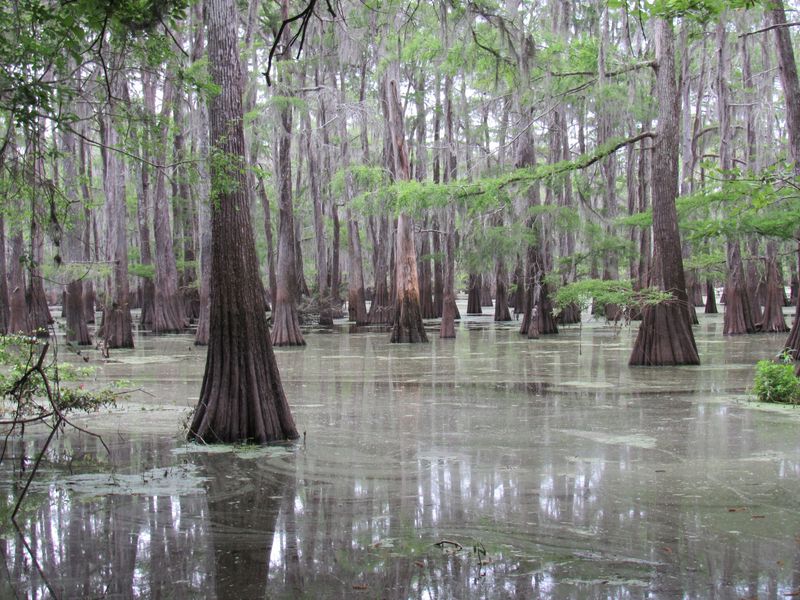
With more trees than people, Liberty County is basically bear paradise wearing a rural Florida hat. It is one of the least populated counties in the state, and much of its land sits inside the Apalachicola National Forest.
That means bears are everywhere. Locals in Bristol and Hosford often see them crossing dirt roads or checking out backyard deer feeders.
In fall, sightings jump as bears fatten up.
Torreya State Park, at 2576 NW Torreya Park Rd, Bristol, FL 32321, is a hidden treasure. Steep bluffs over the Apalachicola River make it feel more like the mountains than Florida.
The historic Gregory House, built in 1849, was moved across the river piece by piece and now sits proudly in the park.
The park also protects the rare Florida torreya tree, one of the most endangered trees in North America. It is a special place for curious hikers.
Slow down, enjoy the view, and you might spot a bear safely from your car window.
Okaloosa County Emerald Coast Bears
Sugar white sand and emerald water bring tourists to Okaloosa County, and apparently bears enjoy the vacation vibe too. Fort Walton Beach, Niceville, and Destin have all had bear visitors strolling past condos and beach houses.
Eglin Air Force Base covers a huge chunk of wild land here, giving bears plenty of room to roam. When they get curious, they slip into nearby towns for an easy meal.
Henderson Beach State Park, at 17000 Emerald Coast Pkwy, Destin, FL 32541, is a perfect beach camping spot. Tall dunes, sea oats, and gentle waves make it feel like a postcard.
Campers should still lock food away, since bears have been seen even near the coast.
Vacation rentals can be tricky. Visitors might not know the trash rules, so always ask your host where bear-safe bins are located.
One fun fact: a Florida black bear can run up to 35 miles per hour. So do not try to race one, even after a big beach breakfast.
Enjoy the waves, protect the wildlife, and leave nothing behind but footprints in the sand.