
I Went Looking For The Steakhouse That Shaped Manhattan, New York, And Found A Living Time Capsule
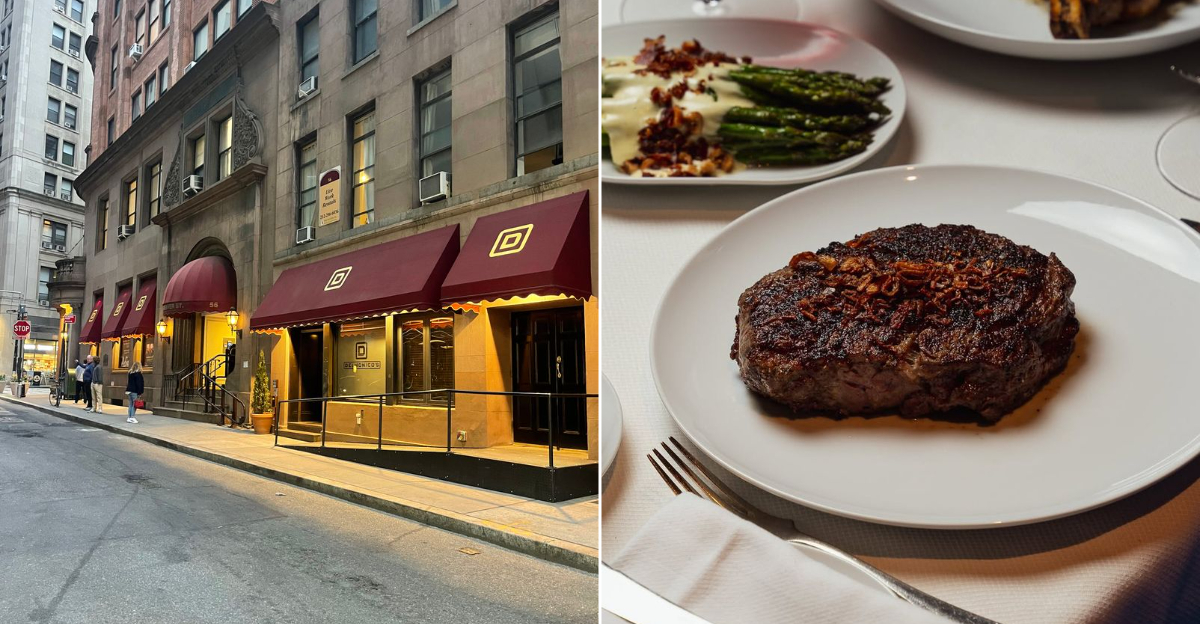
Manhattan changed fast, but this steakhouse clearly missed the memo. And that turned out to be the whole point. I went looking for a place that supposedly shaped the city’s dining scene and ended up inside a living time capsule, stubbornly intact.
No reinvention, no modern polish, no attempt to wink at the present. Just history sitting comfortably in its own skin.
Being there felt like pressing pause on New York’s usual sprint, like the city briefly remembered who it used to be.
Somewhere between the weight of the room and the confidence of a place that had nothing left to prove, it clicked: this wasn’t about chasing legends, it was about standing in one.
The kind that didn’t need explaining. The kind you felt immediately. And suddenly, the idea of a steakhouse shaping Manhattan didn’t sound dramatic at all. It sounded inevitable.
First Sighting Of Delmonico’s
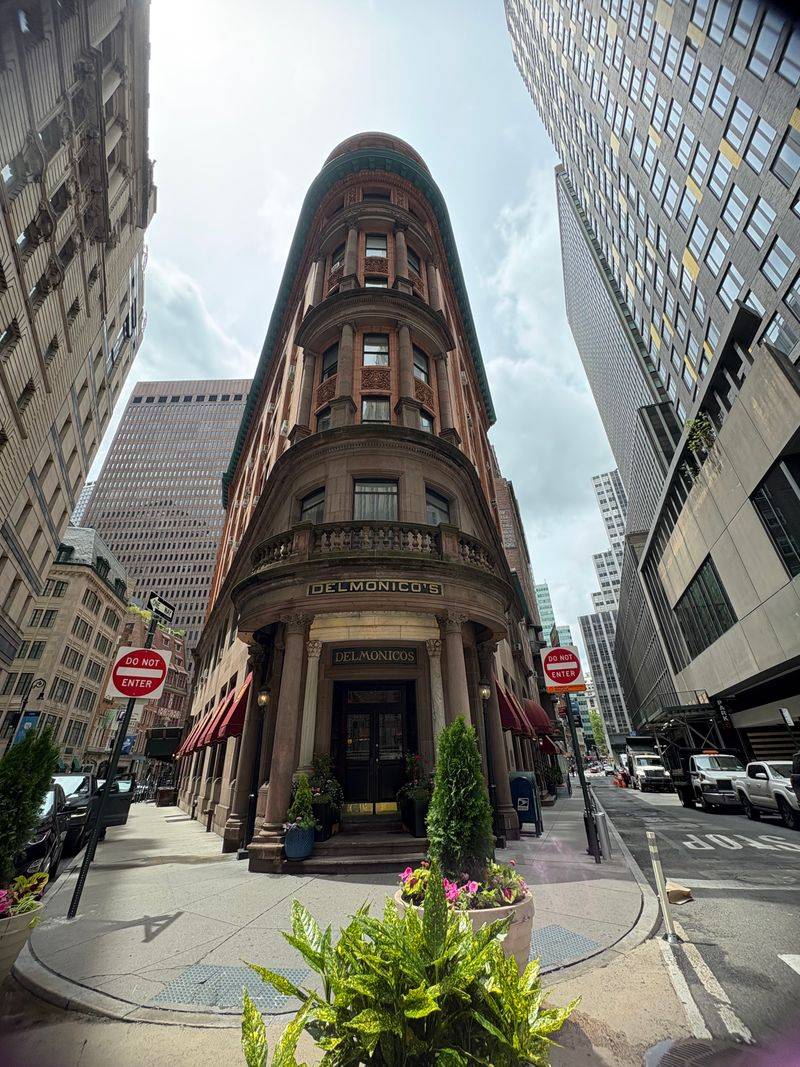
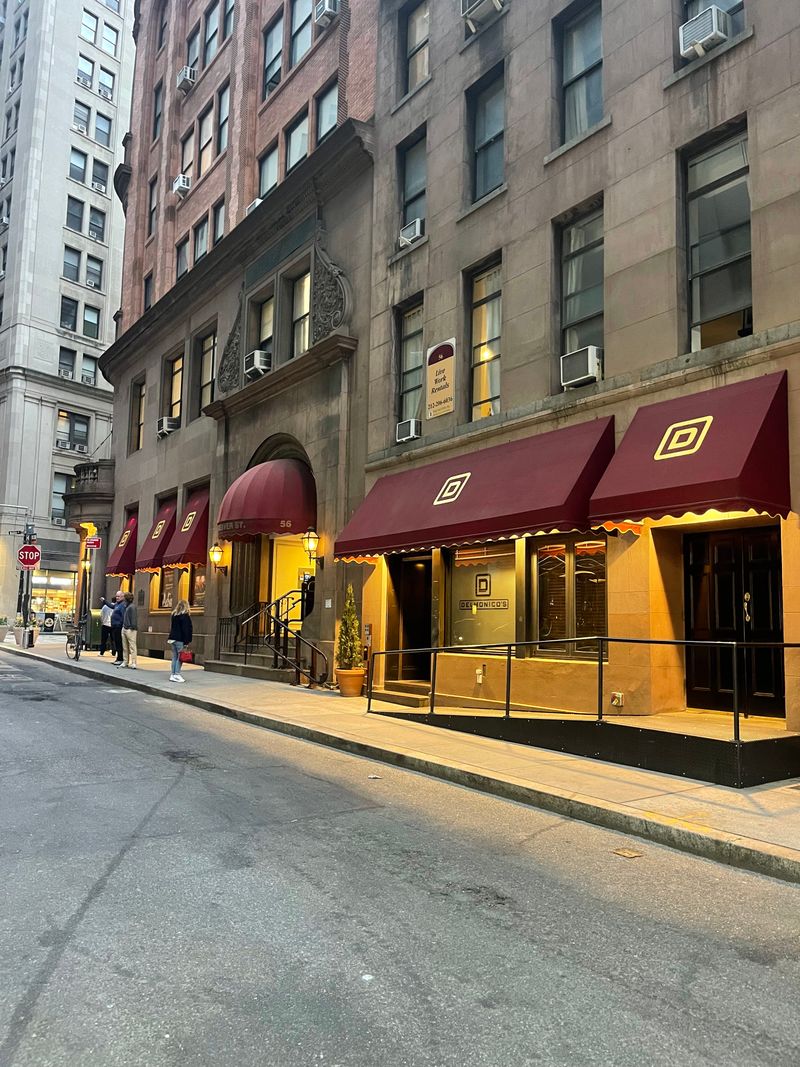
Have you ever rounded a corner and felt a building start telling you stories before you even touched the door? The Financial District was buzzing like a pocket watch when I saw it, that burnished facade with arched windows and quiet swagger.
There it was at 56 Beaver Street, New York, NY 10004, sitting like a grand old raconteur with tales tucked into every cornice. I paused on the curb, half expecting a brass-band memory to come strutting out of the revolving door.
From the outside, Delmonico’s does not shout. It sort of winks.
The building curves in a way that suggests time has learned to flow around it, and the gold-lettered signage gleamed like a secret I was suddenly in on. There is a strange calm on that stretch of Beaver Street, a hush that lets the architecture do the talking, and I listened, happily captive.
I ran my fingertips along the cool stone as if reading Braille, teasing out the past. My appetite sharpened, but so did a reverence that is rare and non-negotiable when a place predates your grandparents’ best stories.
Walking toward the door, I could almost hear a century of shoes behind me, each step a nudge to keep going.
The entry gave me that museum-meets-mains vibe, a threshold where appetite and archive agree to hold hands. I felt the click of the real thing, the not-hype of a room that has already won the argument.
Before a single bite, I was hooked, which is the best way to enter any dining room. Cross that line, and the city starts tasting like itself again.
Dining Room Atmosphere
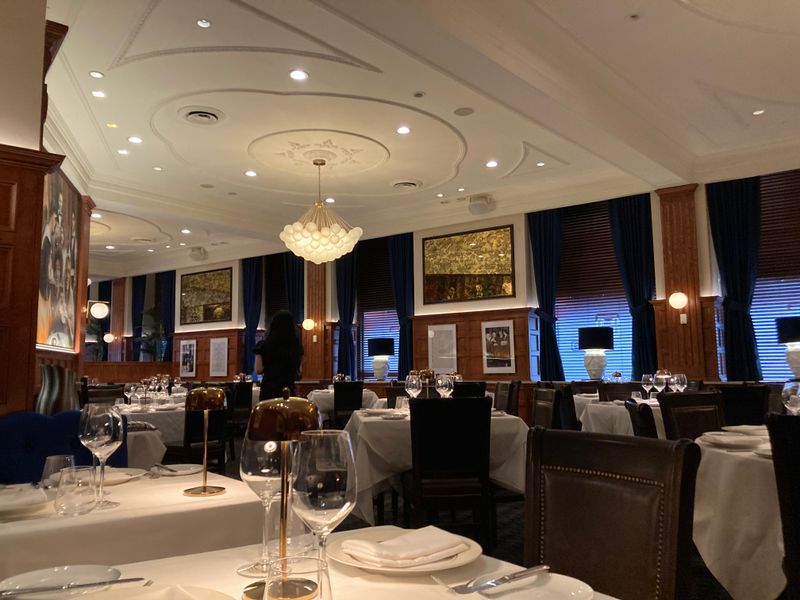
Stepping into the dining room felt like walking into a photograph that had quietly learned to breathe. The lighting was amber and patient, the kind that flatters a plate and a story in equal measure.
Wood paneling, crisp tablecloths, and portraits that look you in the eye formed a chorus of old-New-York confidence.
The room did not hurry me. It calibrated me.
Chairs had that perfect lean-back approval, and the clink of cutlery sounded like punctuation to whispered legends. I clocked the small, deliberate details: a careful fold here, a polished rim there, choices that said someone still cares about the arc of a meal the way a novelist cares about her last chapter.
I settled in, spine uncoiling, as if the seat itself remembered how to hold hungry hope. Aromas drifted in layered previews: sear, butter, pepper, an herbaceous promise that landed lightly then stayed.
Every table felt like a stage for a conversation you would not want to cut short, even if dessert called collect.
What got me was the tempo. Slow but alert, confident but never cocky, like a perfectly practiced pause before a line that lands.
It gave my appetite room to think, which is rarer than you might guess. I realized I was not only ready to eat.
I was ready to listen, because this room talks in the language of appetite and memory, and I was fluent again.
Prime Delmonico Cut
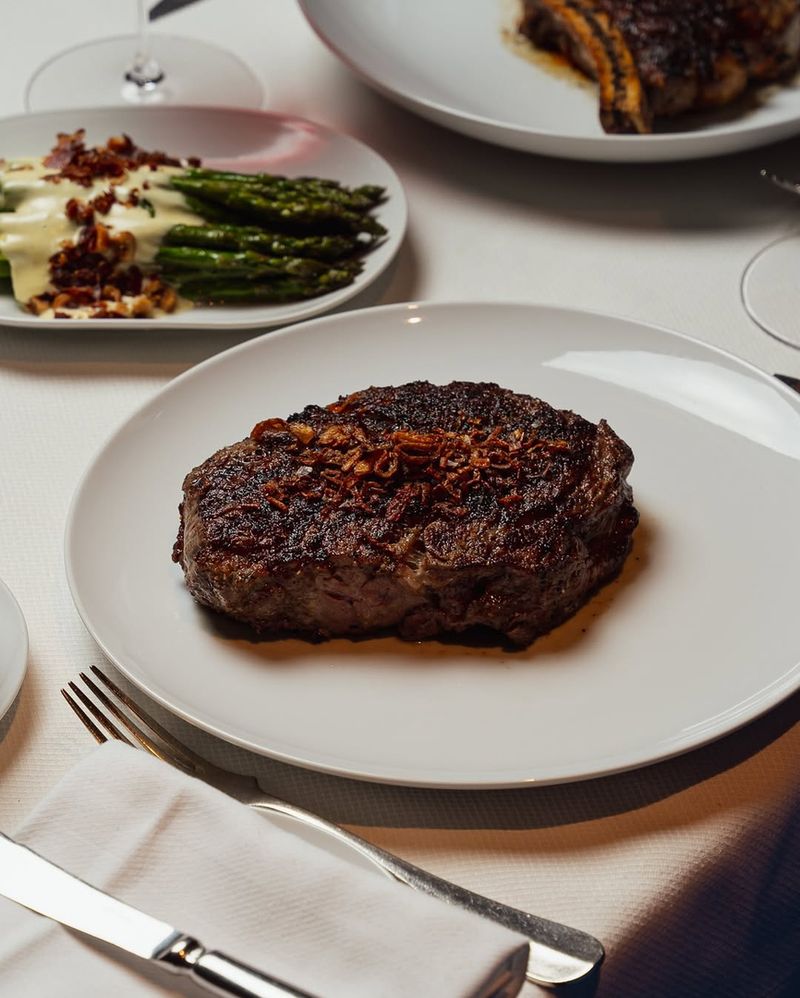
When the Delmonico steak arrived, the room’s clock reset to Now. The plate came in like a headline, all char-kissed edges and a gloss that looked equal parts confidence and restraint.
I hovered for a heartbeat, then sliced, and the knife slid through as if the beef had an opinion about tenderness.
The sear whispered first, a toasted, mineral hum that read like New York in lowercase. Then the center answered, rosy and unapologetically plush, with a buttery finish that did not shout, just stayed.
Salt did the quiet choreography, and each bite wrote a footnote to the mythology I had been chasing since the curb.
What I loved was the calm in the seasoning. No fireworks, no unnecessary garnish, just a perfect balance that let the beef say exactly what it needed to say.
I paired bites with roasted potatoes that caught the drippings like good listeners and a green that reset my palate without scolding it.
Halfway through, I realized I was not comparing it to anything. I was measuring other steaks against this one, past and future, and that is a neat trick.
The Delmonico cut did not perform. It conversed, and I felt smarter for having eaten it.
This is the steak that explains why we chase char and crave center, the thesis statement of American beef.
Lobster Newberg And The House Of Firsts
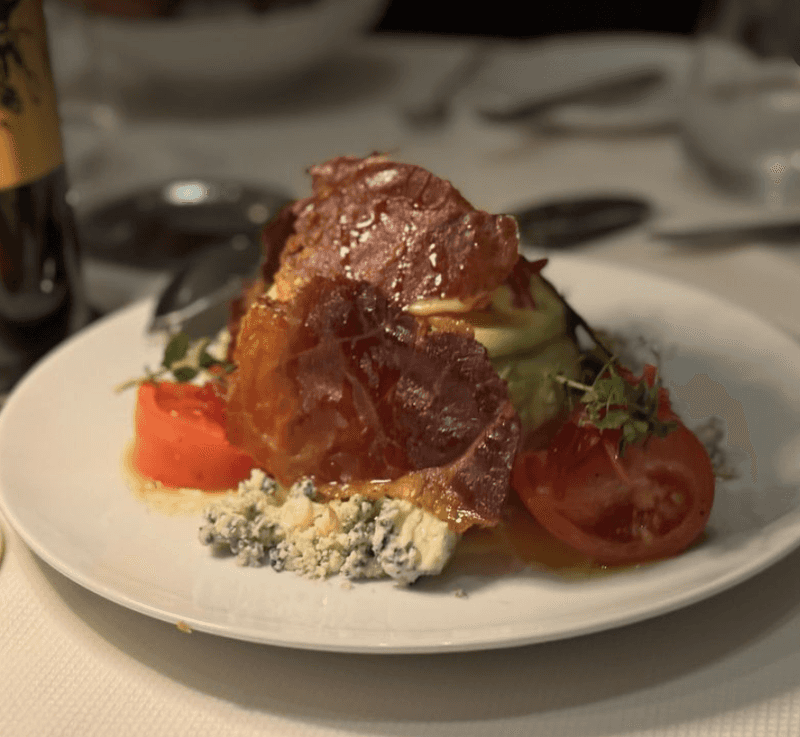
Lobster Newberg slid onto the table wearing satin, a cream sauce so glossy it practically signed autographs. I respected the restraint immediately: sweet lobster first, then brandied warmth, then a whisper of spice.
The sauce did not drown anything. It carried the lobster like a well-cut suit carries a good posture.
There is a reason Delmonico’s has a reputation for firsts, and dishes like this are the evidence. The balance was meticulous, as if every component had its own rehearsal time.
The lobster tasted like it remembered the ocean but was perfectly willing to relocate to this silky new life.
What got me grinning was the clarity. Classics are often abused by nostalgia until they turn blurry, but this plate stayed focused.
Each bite had definition, gentle lift from the fat, and a finale that suggested quiet applause rather than confetti. Spoon, fork, pause, appreciate.
Repeat.
I kept thinking about how many menus borrowed this confidence and never returned it. There is something generous about a dish that teaches you mid-bite, showing you where richness ends and elegance begins.
When the last streak of sauce vanished, I felt that tidy satisfaction of a chapter closed well. If you want to taste why history matters, this is your red-letter paragraph.
The Salad That Behaves Like A Prologue
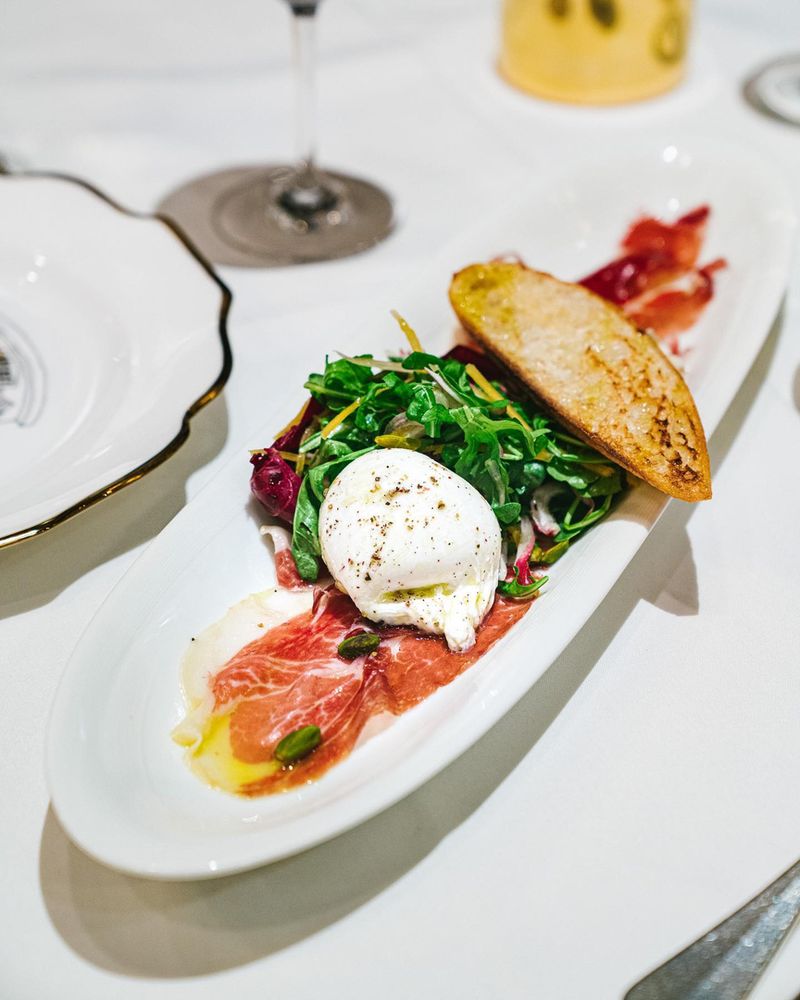
I started with a salad because pacing matters, and this one strutted in without unnecessary theater. Leaves were cold and crisp, the vinaigrette whisper-thin but laser-precise, and the herbs felt like a memory jog rather than a garnish.
It tasted like a promise that the night knew where it was going.
The pleasure here was in the line breaks. Bitter, sweet, acid, crunch, then back again.
Nothing overloaded, nothing apologizing, everything edited. I could feel the kitchen’s confidence in restraint, the faith that clarity beats clutter every time.
Salads get typecast as warmups, but this one worked like exposition. It gave me character, setting, and tone in three easy bites, pointed my palate toward the main act, and refused to steal a scene it did not own.
That discipline felt almost luxurious.
When I set the fork down, I noticed I was leaning forward, ready. That is the measure, right there.
Not full, not hyped, just aligned. The salad did its prologue job so well that the next plate felt inevitable.
If you think foreplay is optional in dining, this bowl will politely convince you otherwise.
A Curtain Call In Flame And Frost
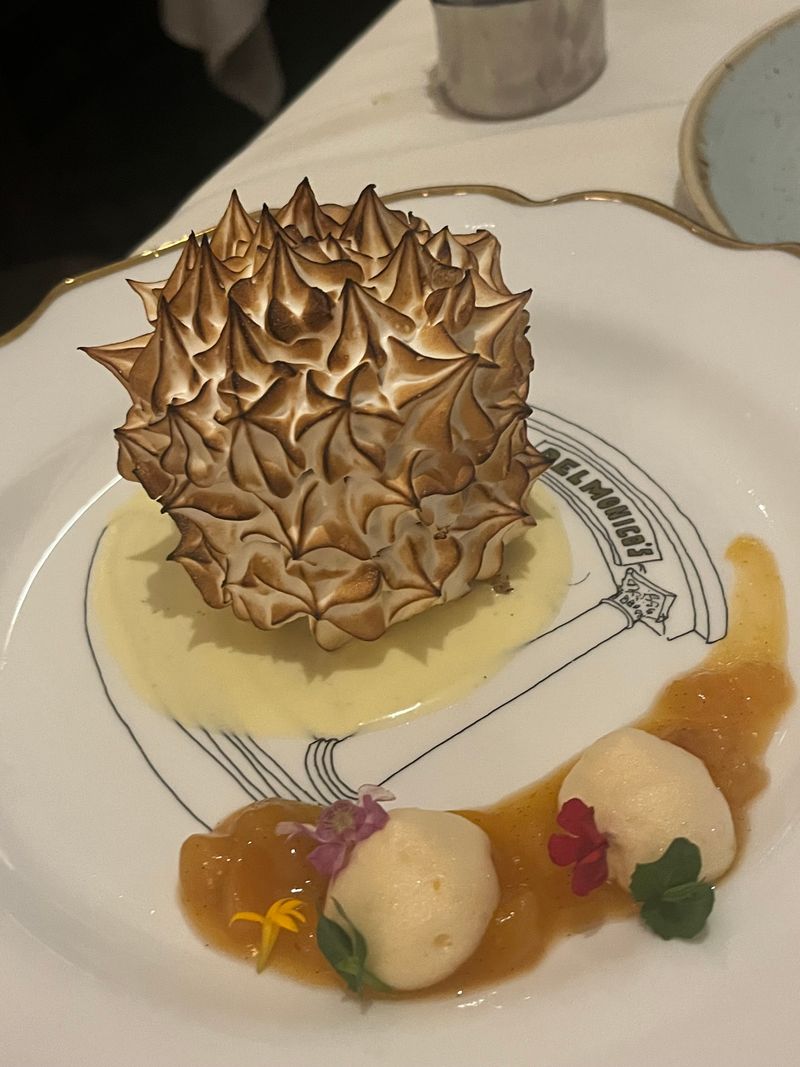
Baked Alaska is the parting shot that smiles like a magician. The meringue arrives in golden swirls, burnished to the edge of caramel, while the interior hides its cool secret with elegant poise.
Cutting in feels transgressive, like opening a present before you are supposed to.
The textural theater is real. Warm, toasty peaks yielding to cold, creamy core, then cake landing the flavor with quiet confidence.
Sweetness stays in its lane. Balance does the heavy lifting.
You eat slower without meaning to, a built-in intermission between bites that makes the finale feel earned.
I love how this dessert solves for nostalgia without getting sticky about it. It respects your memory while insisting on precision.
Each forkful finishes clean, like a line that does not need a mic drop to be heard.
I had that lovely post-credits calm, the soft glow that says the story landed. Dessert should not bully the meal that came before it.
It should validate the arc. This Baked Alaska nodded to the past, shook hands with the present, and told me to come back when I wanted another good ending.
Fair deal accepted.
Why This Address Still Teaches Us How To Eat
By the time I stepped back onto Beaver Street, the city’s tempo had shifted underneath my shoes. A meal at this address is not just dinner.
It is a syllabus, a reminder that technique ages well when it is honest, and that hospitality can be both soft-spoken and unforgettable.
I kept replaying the night’s quiet lessons. Edit bravely.
Season like you mean it. Let the textures keep the beat.
When a place carries history without dragging it, you taste the difference in your own posture. You sit taller.
You listen harder. You leave kinder to your cravings.
The steak explained confidence without noise. Lobster Newberg proved that richness can still be nimble.
The salad did exactly what a beginning should do. The room itself solved for poise and patience.
None of it begged.
So yes, I went looking for the steakhouse that shaped Manhattan and found a living time capsule that still writes in present tense. The sign on 56 Beaver is a lighthouse for hungry curiosity, a promise that classics can stay fresh if you keep the craft awake.
I left with that bright, compact certainty only a great meal can give: the city is older than me, wiser than me, and willing to share if I show up hungry and pay attention. Would you pull up a chair and listen, too?