
I Went To One Of The Oldest Oyster Houses In South Carolina, Here’s What I Learned
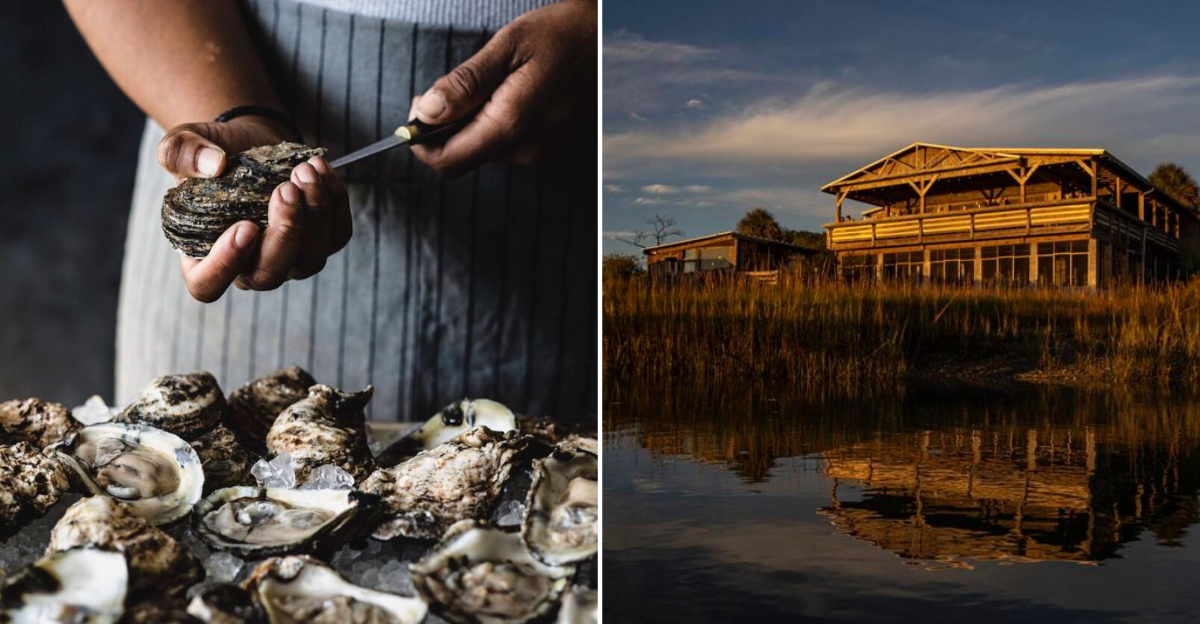
I pulled into a gravel lot surrounded by marsh grass and weathered wood, wondering if my GPS had led me astray. But the smell of steaming oysters and the sound of laughter drifting from a ramshackle building told me I was exactly where I needed to be.
Bowen’s Island Restaurant has been shucking bivalves and serving Lowcountry soul since 1946, making it one of South Carolina’s oldest oyster houses still standing.
What I discovered during my visit went far beyond just great seafood. Let’s discover what that was.
Meet the place: Bowen’s Island Restaurant, just outside Folly Beach
Tucked away at 1870 Bowens Island Road in Charleston, this salt-sprayed landmark sits right on the edge of the marsh. You can practically taste the ocean breeze before you even step inside.
The restaurant has been family-run since its founding in 1946, and that sense of heritage shows in every weathered plank and handwritten menu board.
What struck me first was how authentic everything felt. This is not some polished tourist trap with fake nautical decor. It is a working oyster house in every sense, complete with creaky floors and the smell of brine hanging in the air.
The location just outside Folly Beach makes it a perfect stop after a day of sun and surf. Locals and visitors alike gather here to celebrate the Lowcountry’s most treasured shellfish tradition.
Why it Fits the Title
Bowen’s Island opened its doors in 1946, making it one of the oldest continuously operating oyster houses in South Carolina. That is nearly eight decades of serving briny clusters to hungry crowds.
The longevity alone earns it serious respect in Charleston’s food community, but there is more to the story than just age.
What truly sets this place apart is its unwavering focus on local oysters and traditional roasting methods. Many restaurants have come and gone, but Bowen’s Island has stayed true to its original mission.
The James Beard Foundation recognized it as an America’s Classics winner in 2006, cementing its status as a Charleston institution.
Continuity matters here. The same family keeps the tradition alive, generation after generation, proving that some things are worth preserving exactly as they were.
The Oyster Room Ritual
Walking into the oyster room felt like stepping into a culinary ceremony. Fresh oysters get dumped onto a sheet of scorching hot steel, then workers cover them with wet burlap to trap the steam.
The propane-heated pit does its magic for a few minutes, cooking the clusters just enough to pop them open.
Then comes the best part. Someone grabs a shovel and literally scoops the steaming oysters onto long communal tables where everyone gathers. The smell is incredible, like the creek itself decided to join you for dinner.
What I loved most was how interactive it all felt. These are not individually plated oysters on ice with fancy mignonette. They arrive hot, messy, and perfect, tasting exactly like the waters they came from.
When to go and What’s in Season
Timing your visit matters more than you might think. Bowen’s Island opens Tuesday through Saturday, from 11 a.m. to 9:30 p.m., but the kitchen takes a break between 3 and 4 p.m. Steamed oysters do not start until 4 p.m., so plan accordingly if that is your main reason for going.
Local wild oyster clusters hit their prime season from September through roughly mid-May. Visiting outside that window means you might miss the full experience of those briny, just-harvested beauties. I made the mistake of going in the summer once and learned my lesson.
Check the official website before you drive out, especially during off-season months. The restaurant occasionally adjusts hours, and nobody wants to arrive at a closed door after a long drive.
What to Order Once You are In
Start with trays of steamed oysters, obviously. The all-you-can-eat option appears when available, and if you see it on the board, grab it without hesitation. Pacing yourself becomes impossible once you taste how sweet and briny these clusters are.
Beyond oysters, the menu leans into classic Lowcountry comfort food. Fried shrimp, crispy fish, hush puppies, and tangy coleslaw round out a meal that warms you from the inside. Nothing fancy, just honest cooking done right.
I watched a regular at the next table order a little bit of everything, and his strategy made perfect sense. The oysters are the star, but the supporting cast deserves applause too. Come hungry and leave happy.
Scars and Honors that Tell the Story
Just five months after winning the James Beard Foundation’s America’s Classics award in 2006, disaster struck.
A devastating fire tore through the restaurant, leaving the family with a heartbreaking choice: rebuild or walk away. They chose to rebuild, keeping the gritty charm and oyster-room soul intact.
The scars from that fire are part of the story now. Walking through the rebuilt space, you can feel the determination it took to bring this place back to life. The family refused to modernize or sanitize the experience, and that decision paid off.
Today, the James Beard award hangs as a badge of honor, but the real achievement is simpler. Bowen’s Island survived, and it still feels like the same beloved oyster house it always was.
What it Feels Like at Sunset
Stay long enough to watch the sun dip toward the horizon, and you will understand why people keep coming back. The wooden boards creak under your feet as you walk outside, and gulls circle overhead, hoping for scraps.
The sky turns shades of copper and pink over the spartina grass, painting the marsh in warm light.
People linger at picnic tables with oyster knives in hand and paper cups nearby, nobody in a rush to leave. The view becomes part of the meal, as essential as the food itself.
I sat there one evening, my hands still smelling like brine, and realized this is what Lowcountry dining is supposed to feel like. Unhurried, unpretentious, and absolutely unforgettable.
If you go
Bring gloves or ask for a pair when you arrive. Oyster shells get hot and sharp, and nobody wants to spend the evening nursing a cut finger. Grab an oyster knife from the communal pile and claim your spot at a shared table like a local would.
Peak season brings crowds, so arriving early helps you avoid long waits. I learned this the hard way on a Saturday evening in October when the line stretched into the parking lot. Plan for a little salt water on your shoes and maybe some oyster juice on your shirt.
Check the official website for the address and phone number before you drive. A quick call can confirm hours and availability, saving you a wasted trip down that winding marsh road.
The Communal Table Tradition
Forget about private booths or quiet corners for two. At Bowen’s Island, you sit elbow-to-elbow with strangers who quickly become friends over piles of shells.
The communal tables force you to share space, stories, and sometimes even oyster-shucking tips with whoever lands next to you.
I found myself chatting with a couple from Columbia who had been coming here for thirty years. They showed me the best technique for popping open stubborn shells. Another table over, a family celebrated a birthday with laughter and plenty of hot sauce.
This setup is intentional. The restaurant wants you to connect, not isolate. By the end of the meal, you will probably know your neighbor’s name and their opinion on the best dipping sauce.
The Working Waterfront Vibe
Bowen’s Island has never tried to hide its working-class roots. The building looks like it might blow away in a strong wind, but that ramshackle appearance is part of the charm.
Fishing nets hang from the ceiling, and the walls are covered in decades of signatures, photos, and random memorabilia.
You can tell this place has always been about function over form. The focus stays on the oysters and the people who come to eat them, not on impressing food critics with fancy decor. It feels honest in a way that polished restaurants rarely do.
Walking around, I noticed old tools, faded signs, and worn furniture that all tell stories. This is not a theme restaurant pretending to be authentic. It is the real deal, rough edges and all.
Why Locals Guard this Secret
Charlestoners have a complicated relationship with Bowen’s Island. They love it fiercely but also worry that too much attention will ruin what makes it special.
Every local I talked to had the same protective tone when describing the place, like they were letting me in on a family secret.
The restaurant walks a fine line between welcoming visitors and maintaining its authentic character. Tourists discover it through word of mouth and online reviews, but the regulars keep coming back because nothing fundamental has changed. It still feels like their place.
I get the protectiveness now. In a city where historic restaurants get bought out and sanitized, Bowen’s Island remains stubbornly itself. That is worth protecting, even if it means sharing the secret reluctantly.