
15 Iconic New York Foods You Thought Were Italian (But Really Started Here)
Walking through Little Italy or any red-sauce joint in the city, you might think you’re experiencing authentic Italian cuisine.
Plot twist: many of these beloved dishes are as American as baseball and apple pie. New York’s Italian immigrants created an entirely new food culture, blending Old World traditions with New World ingredients and tastes.
These culinary mashups became so popular that even Italians now think some of these dishes originated in the motherland.
1. Spaghetti and Meatballs
Back in Italy, meatballs and pasta live separate lives like divorced parents. Italian nonnas serve polpette as a second course, never mingling with primo piatto pasta.
Early 20th-century Little Italy changed everything. Immigrant cooks discovered that combining these dishes created the ultimate comfort food for homesick families. The hefty portion satisfied hungry workers while stretching ingredients further.
I remember my Italian friend’s horror when I ordered this classic combo during our first dinner together. Now it’s America’s most recognizable Italian dish, proving that sometimes fusion beats tradition.
2. Pasta Primavera
Fancy restaurants in the 1970s needed something lighter than heavy cream sauces. Le Cirque answered with this vegetable-packed pasta that screamed sophistication.
Craig Claiborne’s 1977 New York Times recipe launch turned this off-menu special into a nationwide sensation. Suddenly, every Italian restaurant from coast to coast offered their version of spring vegetables tossed with pasta.
The irony hits hard when you realize Italians barely knew this dish existed until American tourists started requesting it in Rome.
Sometimes the student teaches the master, especially when the lesson involves perfectly crisp seasonal vegetables and al dente noodles.
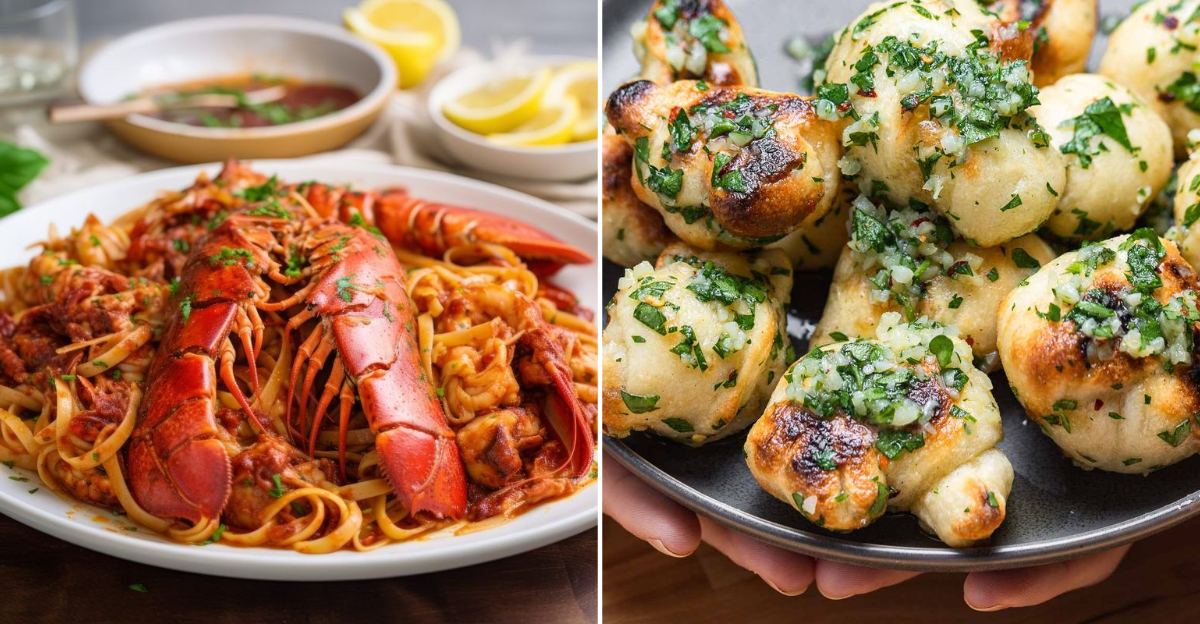
3. Lobster Fra Diavolo
Spicy tomato sauce meets succulent lobster in this fiery creation that sounds authentically Italian. The name translates to “brother devil,” suggesting ancient Roman origins.
Reality check: most Italians have never heard of this dish. New York’s red-sauce restaurants invented this seafood spectacular during the mid-20th century, capitalizing on America’s love affair with both heat and luxury ingredients.
The combination works brilliantly because crushed red pepper flakes enhance the lobster’s natural sweetness.
Sometimes the best traditions start in restaurant kitchens thousands of miles from their supposed homeland, proving creativity trumps authenticity every single time.
4. Garlic Knots
Waste not, want not became the motto of resourceful NYC pizzeria owners. Leftover dough scraps transformed into golden, garlicky perfection that customers couldn’t resist.
Queens pizzerias in the 1970s pioneered this genius move, turning potential garbage into pure profit. The twisted knots absorb garlic oil like edible sponges, creating an addictive appetizer that keeps customers coming back.
Every New Yorker has their favorite garlic knot spot, and the debates get heated. These humble dough twists prove that necessity breeds the most delicious innovations, especially when butter, garlic, and Italian seasoning join the party.
5. New York Pizza Slice
Pizza exists in Italy, but the wide, foldable slice culture belongs entirely to New York. Lombardi’s opened America’s first pizzeria in 1905, creating the template for grab-and-go dining.
The fold technique isn’t just a style; it’s engineering. Thin crust supports heavy toppings while remaining portable for busy city dwellers rushing between subway stops and office meetings.
I’ve perfected my slice-folding technique over decades of practice, and watching tourists struggle with their first New York slice never gets old.
Coal and gas ovens create that perfect char-to-chew ratio that defines authentic New York pizza culture.
6. Grandma Pie
Long Island pizzaiolos wanted to recreate their grandmothers’ home-style sheet pan pizzas. Umberto’s and King Umberto helped popularize this thicker, olive oil-brushed creation that tastes like childhood memories.
The square cut and rustic appearance distinguish Grandma pies from their circular cousins. Cheese goes directly on the dough, then sauce on top, creating a reverse-engineered flavor profile that somehow works perfectly.
This style bridges the gap between restaurant pizza and home cooking, offering comfort food that feels both familiar and special.
Sometimes the best innovations come from honoring family traditions while adapting them for commercial success.
7. Pepperoni
That bright red, paprika-spiced sausage covering your pizza isn’t Italian at all. Early 20th-century New York Italian immigrants developed this distinctly American cured meat using local ingredients and techniques.
Traditional Italian salumi focuses on subtle, complex flavors, while American pepperoni delivers bold spice and vibrant color. The smokiness and slight sweetness pair perfectly with melted mozzarella and tomato sauce.
Ordering pepperoni pizza in Italy gets you confused stares and possibly bell peppers. This beloved topping represents immigrant innovation at its finest, proving that sometimes improvements happen when traditions meet new possibilities and creative freedom.
8. Clams Oreganata
Baked clams topped with seasoned breadcrumbs became a staple of Italian-American restaurants throughout New York. The oregano-heavy mixture creates a crispy contrast to tender mollusk meat underneath.
These aren’t found on Italian coastal menus, despite seeming perfectly Mediterranean. New York chefs developed this preparation to showcase local Long Island clams while satisfying American preferences for hearty, filling appetizers.
My family’s New Year’s Eve tradition always includes a dozen of these golden beauties, and the anticipation builds all year.
The combination of briny seafood and herbed breadcrumbs creates comfort food that feels both elegant and homestyle simultaneously.
9. Eggplant Rollatini
The name itself reveals American origins. Italians call this dish involtini di melanzane, but Italian-American restaurants needed something that sounded more familiar to English-speaking customers.
Thin eggplant slices wrapped around ricotta filling and baked in marinara sauce became a vegetarian favorite. The presentation looks elegant while delivering comfort food satisfaction that appeals to diverse palates.
Rolling technique requires patience, but the results justify the effort. Each bite combines creamy cheese, tender eggplant, and tangy tomato sauce in perfect harmony, creating a dish that feels both sophisticated and deeply satisfying for hungry diners.
10. Rainbow Cookies
Those colorful almond-paste bars in Italian flag colors fooled everyone, including me, for years. New York Italian-American bakeries created these around 1900, spreading the tradition throughout immigrant communities nationwide.
Layers of green, white, and red almond cake get sandwiched with jam and covered in chocolate. The labor-intensive process requires patience, but the results create bakery case showstoppers that draw customers from blocks away.
Every Italian-American celebration features these beauties, from Christmas to weddings to Sunday dinners. The patriotic colors honor homeland heritage while the flavors satisfy American sweet tooth preferences, creating perfect cultural bridge desserts.
11. Prosciutto Bread
Brooklyn and Arthur Avenue bakeries turned savory bread into an art form. Mazzola Bakery has been perfecting this cured pork and cheese-studded loaf since 1928, creating a template that defines the style.
Each slice reveals pockets of salty prosciutto and melted cheese throughout dense, flavorful bread. The combination works as breakfast, lunch, or dinner, satisfying hunger while delivering complex, satisfying flavors.
This isn’t found in Italian panifici, despite seeming perfectly authentic. New York bakers understood that combining their best ingredients into one spectacular loaf would create something greater than the sum of its already impressive parts.
12. Italian Hero Sandwich
The name “hero” itself belongs to New York, coined in the 1930s to describe these massive sandwiches that required heroic appetites. Italian cold cuts piled high on crusty bread became the ultimate grab-and-go meal.
Layers of salami, capicola, provolone, and pepperoni get topped with lettuce, tomatoes, onions, and oil-and-vinegar dressing. The construction requires architectural skills to prevent structural collapse during consumption.
Every corner deli has their own interpretation, and New Yorkers defend their favorites fiercely. These submarines pack entire meals into portable packages, proving that sometimes bigger really is better when hunger strikes hard.
13. Utica Greens
Chesterfield Restaurant in Utica developed this escarole dish during the 1980s, combining bitter greens with prosciutto, hot peppers, and breadcrumbs. The creation swept through Upstate New York menus faster than wildfire.
Sautéed greens get elevated with salty cured meat and spicy peppers, creating complexity that transforms humble vegetables into restaurant-worthy sides. The breadcrumb topping adds textural contrast that completes the experience.
This regional specialty proves that innovation happens everywhere, not just in major metropolitan areas. Sometimes the most delicious traditions start in small-town restaurants where creative chefs experiment with local ingredients and customer preferences.
14. Chicken Riggies
Central New York’s creamy, pepper-spiked rigatoni with chicken became a regional obsession during the late 1970s. The Utica-Rome area birthed this comfort food that combines pasta, poultry, and plenty of personality.
Rigatoni tubes trap creamy sauce while tender chicken and sweet bell peppers add substance and color. Hot cherry peppers provide heat that balances the rich dairy base perfectly.
Local restaurants guard their recipes jealously, and residents debate the best versions with religious fervor. This proves that great Italian-American dishes don’t need Manhattan addresses to achieve legendary status among devoted fans and hungry customers.
15. Utica Tomato Pie
Room temperature, cheeseless pizza might sound wrong, but Utica families have been perfecting this style for over a century. O’Scugnizzo’s was selling these thick, focaccia-like pies by 1914.
The absence of cheese lets tomato sauce flavors shine while the thick crust provides a substantial base. Served at room temperature, the flavors meld together, creating something completely different from traditional hot pizza.
This regional specialty challenges everything you think you know about pizza while delivering satisfaction in unexpected ways.
Sometimes the most authentic traditions develop in small cities where immigrant families adapt recipes to local tastes and available ingredients.