
If You Can Say These 13 Words, You’re Definitely From Arizona
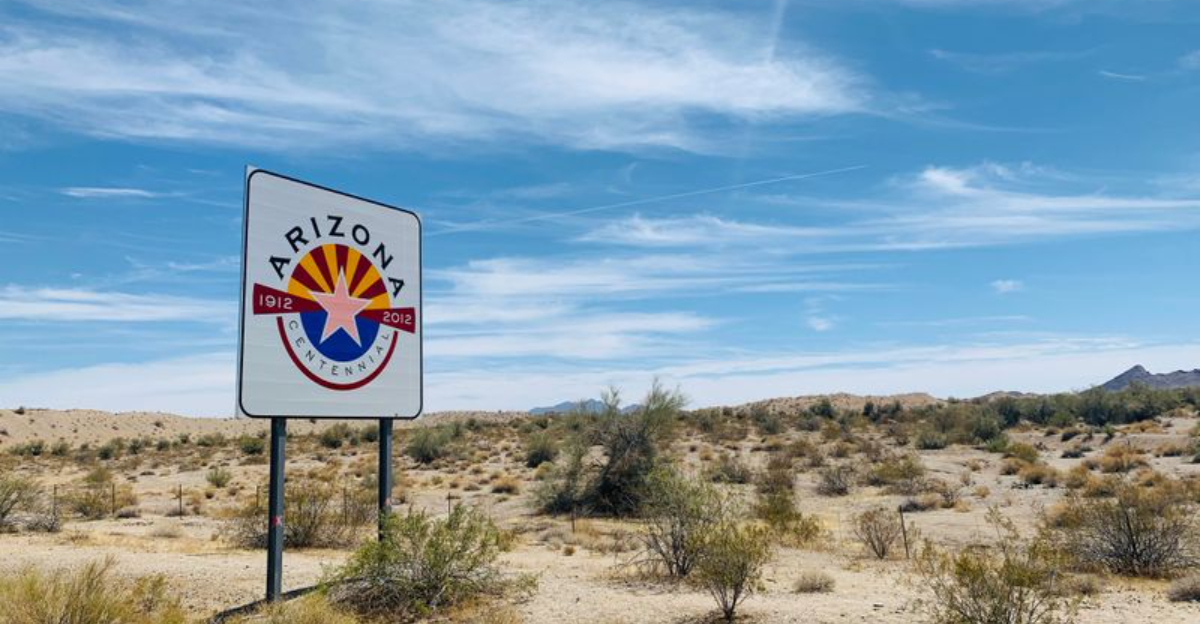
I once watched a visitor try to order directions to Canyon de Chelly and turn three simple syllables into a five-car pileup. Arizona has a way of stacking Spanish, O’odham, Apache, and old ranching words into place names that look impossible on a road sign at 65 miles per hour.
Locals say them without blinking, and that easy delivery is the real license plate of the state. I have driven most of these roads, mispronounced most of these names, and been kindly corrected by gas station clerks from Nogales to Prescott.
What follows is a road trip through 13 words that split residents from newcomers, complete with the places behind them: desert forts, red rock chapels, sky islands, pine rims, and mission churches with sugar-white towers.
Read on, practice out loud, and you will earn the small satisfaction of saying Mogollon correctly while someone from out of state stares at you like you just performed a magic trick.
1. Fort Huachuca
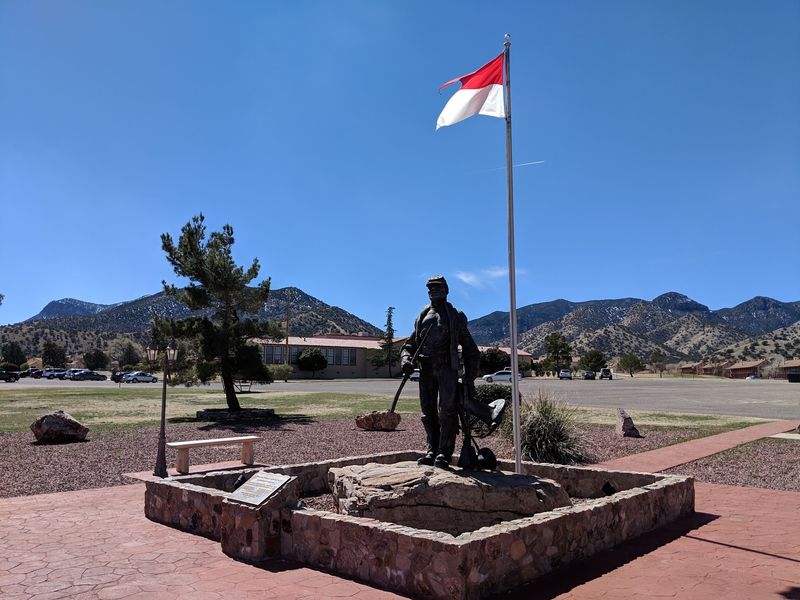
Say it wah-CHOO-kah, and watch the room relax. Fort Huachuca sits beside Sierra Vista in southeastern Arizona, tucked against the mountains that share its name in Cochise County.
The post dates back to 1877, when it guarded travel routes through the San Pedro Valley, and it remains an active Army installation today. Visitors can arrange access to the Fort Huachuca Museum, where exhibits cover the Buffalo Soldiers who served here and the daily life of frontier troops.
Birders treat the surrounding canyons as sacred ground, since hummingbird species show up here in numbers that seem almost unreasonable for a dry state. Garden Canyon, inside the post boundaries, hides rock art panels and shady sycamores that feel wildly out of place after miles of grassland.
Spring and late summer bring the best wildlife activity, and mornings stay cool enough for comfortable walking. Nail the pronunciation at the visitor gate and you will get a nod that no guidebook can buy.
2. Nogales
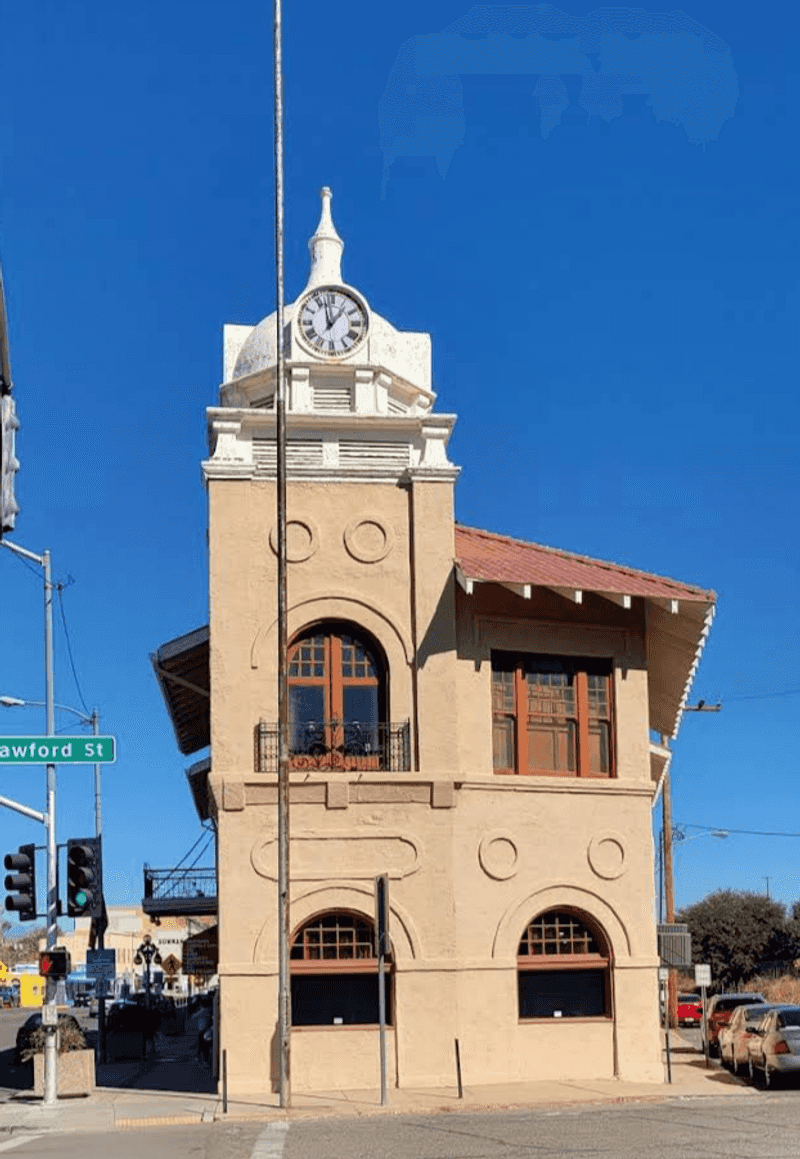
Roll it off the tongue as no-GAH-lays, never no-GALES like a weather report.
Nogales anchors Santa Cruz County in southern Arizona, sitting directly on the international line with its sister city in Mexico. The name means walnut trees in Spanish, a nod to the groves that once filled these hills before the railroad arrived.
Morley Avenue downtown fills with shops, bakeries, and produce vendors, and the area handles a staggering share of the fresh vegetables that reach American tables each winter.
The Pimeria Alta Museum, housed in the old city hall and fire station, lays out border history with photographs that reward slow browsing.
Nearby Tumacacori and the grasslands to the north make an easy add-on for anyone driving down Interstate 19, where distances are posted in kilometers. Winter afternoons here stay mild and bright, ideal for wandering.
Mispronounce it once and someone will correct you before your car door closes.
3. Sonoita
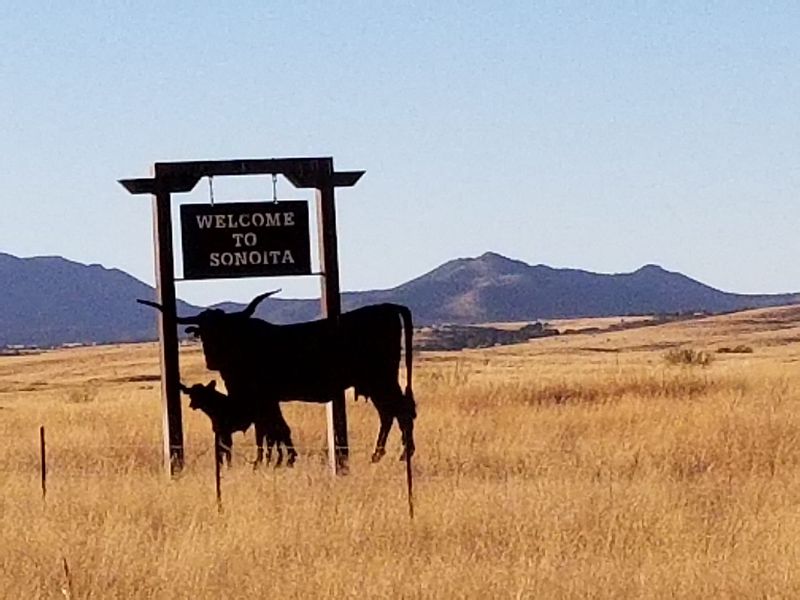
Locals stretch it into suh-NOY-tah, and the extra vowel trips up almost every newcomer.
Sonoita spreads across high grasslands in Santa Cruz County, roughly an hour southeast of Tucson at the crossroads of two scenic highways.
Sitting near 5,000 feet, the town stays noticeably cooler than the low desert, which explains why so many Phoenix residents drive down for weekend air. Rolling hills covered in waving grass and scattered oaks make this one of the least Arizona-looking corners of Arizona.
Horse country runs deep here, and the Sonoita Fairgrounds hosts one of the oldest continuously running rodeos in the state. Down the road, Patagonia Lake and the Sonoita Creek area give paddlers and birdwatchers a reason to linger.
Late summer monsoon storms turn the grasslands emerald green, which is the single best time to point a camera at anything. Say it right and you sound like you own boots that have actually been used.
4. Mazatzal Mountains
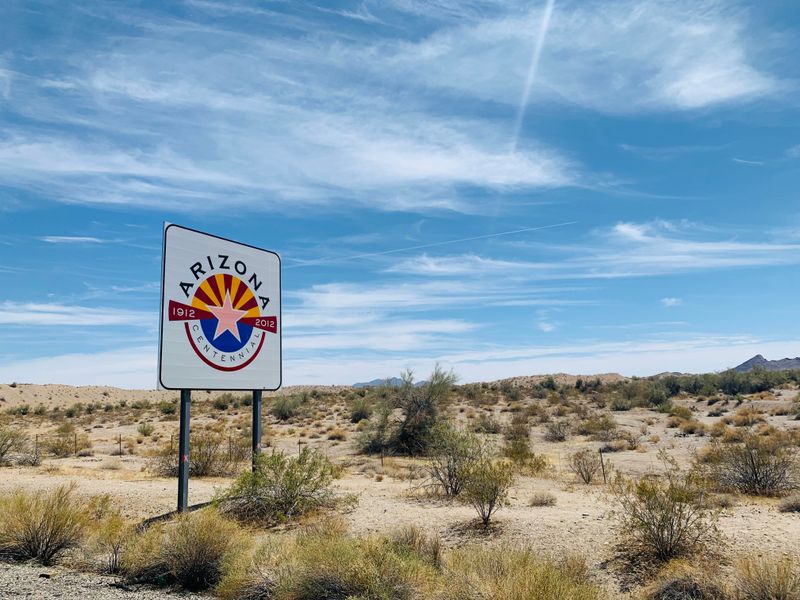
Here is the trick most people never learn: old-timers say MAH-tuh-zel, flattening the whole thing into three syllables. The Mazatzal Mountains rise in central Arizona between Payson and the Verde Valley, forming a rugged wall of rock that separates desert from pine country.
Much of the range falls inside the Mazatzal Wilderness, one of the original wilderness areas protected in the United States. Four Peaks, the jagged skyline landmark visible from Phoenix on clear days, sits at the southern end and occasionally wears snow in winter.
Hikers tackle the Barnhardt Trail for switchbacks, canyon views, and a workout that earns every calorie eaten afterward in Payson.
Amethyst mined from Four Peaks has turned up in fine jewelry around the world, which is a quiet flex for a desert mountain. Cooler months make the best hiking window, since summer sun here shows no mercy.
Pronounce it the local way and you have basically been issued a state ID.
5. Mogollon Rim
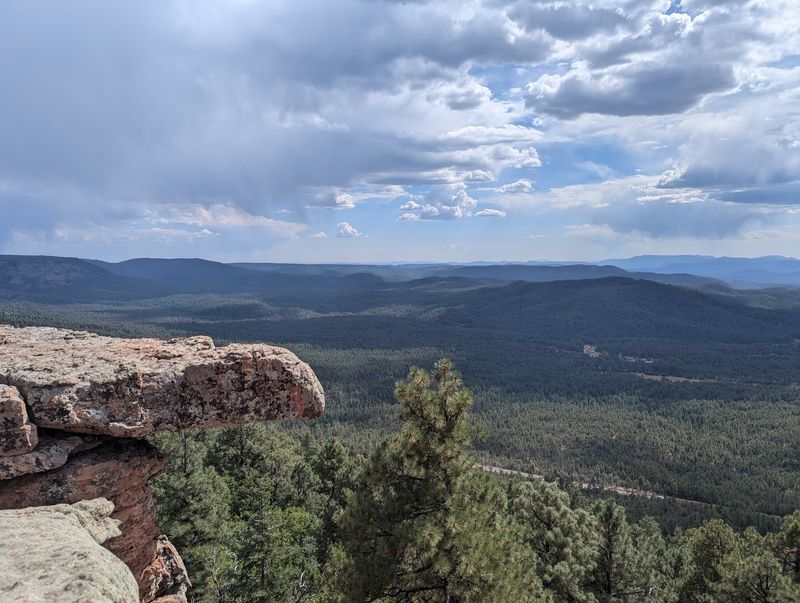
Muggy-own. That is it. Not moe-GO-lun, no matter how the letters argue.
The Mogollon Rim runs about 200 miles across central and northern Arizona, a giant escarpment that drops away in cliffs of limestone and sandstone. Ponderosa pines crowd the top of it, forming one of the largest continuous stands of those trees anywhere on the planet.
Highway 260 near Payson and the Rim Road forest route deliver overlooks where the land simply falls away into blue distance. Woods Canyon Lake and Willow Springs Lake sit up here, drawing families with fishing poles and campers hunting relief from valley heat.
Western author Zane Grey built a cabin below the Rim and set several novels in this country, which explains a few local place names. Summer weekends fill fast, so early arrivals get the good campsites and the quiet mornings.
Master this word and Arizonans will assume you have been camping up there since childhood.
6. Tohono O’odham Nation,
Four syllables, gently spoken: toe-HOE-no AW-uh-thawm. The Tohono O’odham Nation covers a vast stretch of southern Arizona west and southwest of Tucson, with lands reaching toward the international border.
The name translates roughly to Desert People, and the community has lived in this landscape for thousands of years. Baboquivari Peak, a granite spire visible for miles, holds deep spiritual meaning within O’odham tradition.
Saguaro fruit harvesting each early summer remains an important seasonal practice, marking the start of the traditional year before monsoon rains arrive.
Visitors passing through on Highway 86 should remember that this is sovereign land, so permits and respect for posted rules matter more than curiosity.
Basket weaving from bear grass and yucca has made O’odham artisans widely admired, and their work appears in museums across the Southwest. Kitt Peak National Observatory sits on Nation land, offering nighttime programs under some of the darkest skies in the country.
Say the name carefully and thoughtfully, because getting it right is a form of courtesy.
7. San Xavier Del Bac
Trip point ahead: it is san HAH-vee-air, with a soft Spanish X.
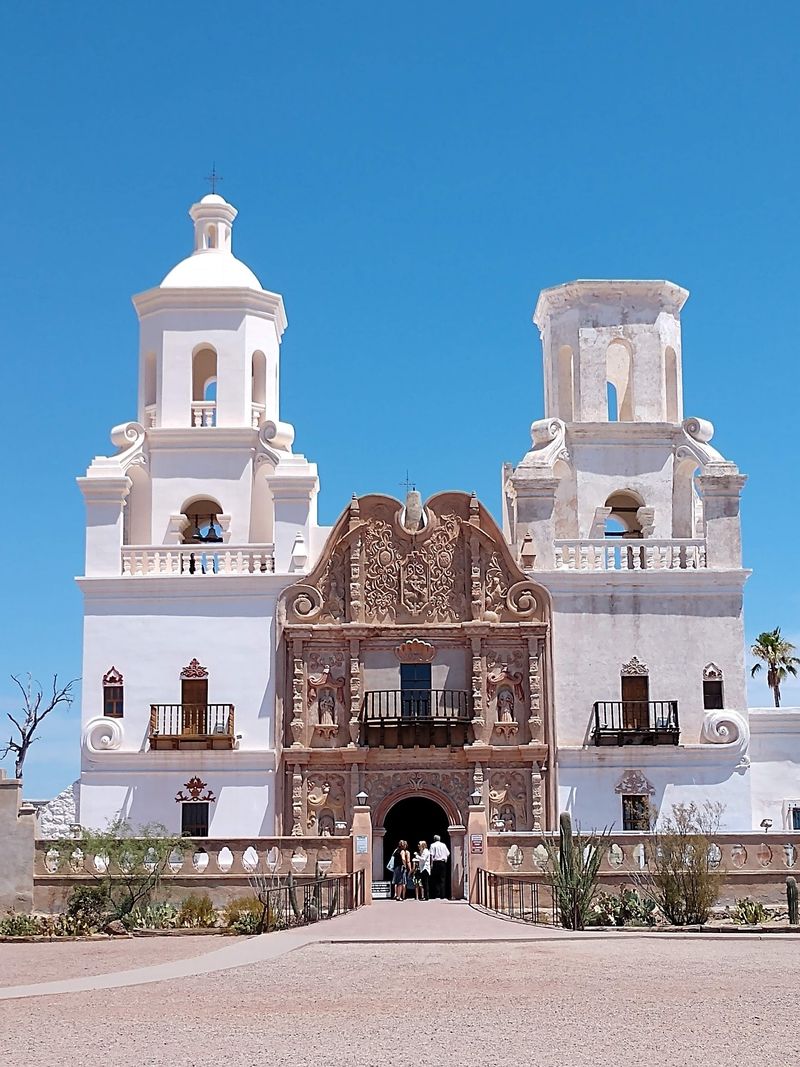
San Xavier del Bac stands just south of Tucson on Tohono O’odham land, its brilliant white walls visible from Interstate 19. Construction of the current church finished around 1797, making it the oldest intact European-built structure in Arizona.
People call it the White Dove of the Desert, and once you see it glowing against a storm sky, the nickname makes complete sense. Inside, painted saints, carved figures, and swirling frescoes cover nearly every surface, restored over decades by international conservation teams.
One bell tower remains unfinished, and local stories offer several colorful explanations, none of them officially confirmed. Admission is free, though donations support ongoing preservation work that never really stops.
Fry bread vendors set up in the plaza outside, and skipping them would be a genuine mistake. Nail the pronunciation while giving directions and you have just passed a very Tucson test.
8. Casa Grande Ruins
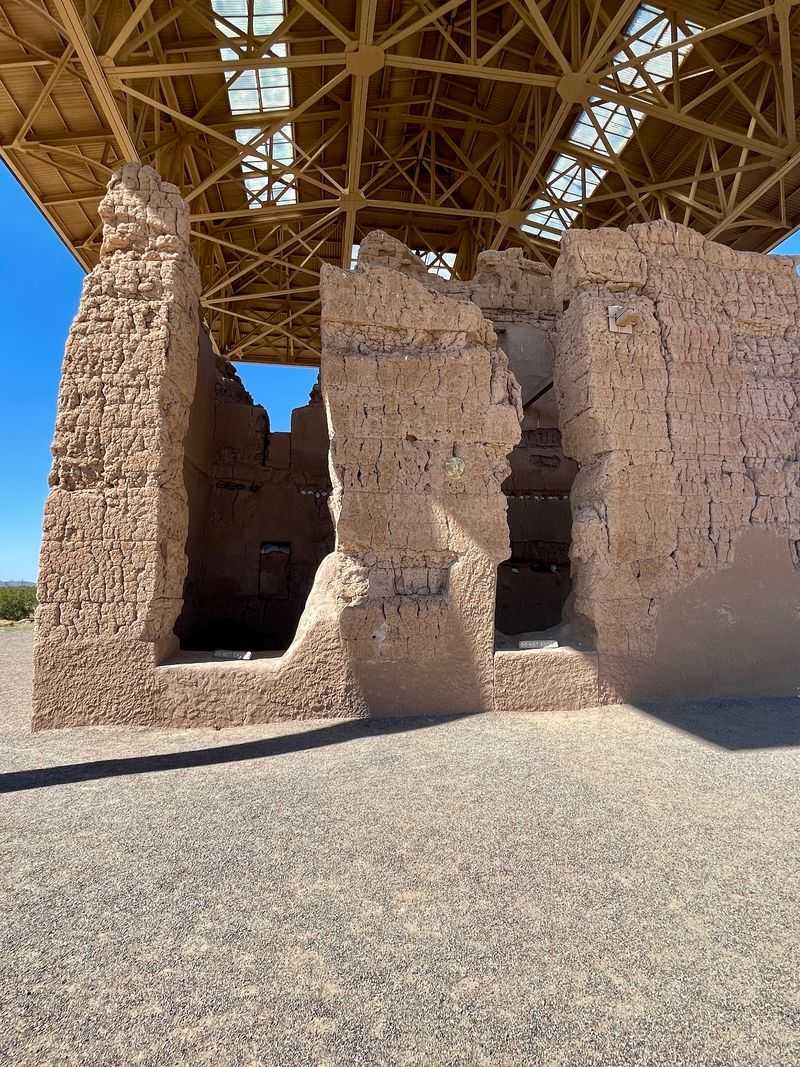
Arizonans say CASS-uh GRAND, hard stop, while newcomers reach for a rolling Spanish finish.
Casa Grande Ruins National Monument sits near Coolidge in Pinal County, between Phoenix and Tucson off Highway 87. The four-story earthen structure was built by ancestral Sonoran Desert people around the year 1350 and has stood through six centuries of sun and rain.
A large steel canopy installed in 1932 shelters the walls, and the shelter itself is now considered historic.
Openings in the upper walls align with solar and lunar events, hinting at careful astronomical knowledge.
Rangers lead short talks that explain the irrigation canals that once fed thousands of acres of farmland nearby.
Note that the city of Casa Grande sits about 20 miles away, which confuses visitors constantly. Winter and spring bring pleasant walking weather, and the whole visit fits easily into an afternoon.
Get the flat local pronunciation right and nobody will ever ask where you moved from.
9. Tempe, Maricopa County, Arizona
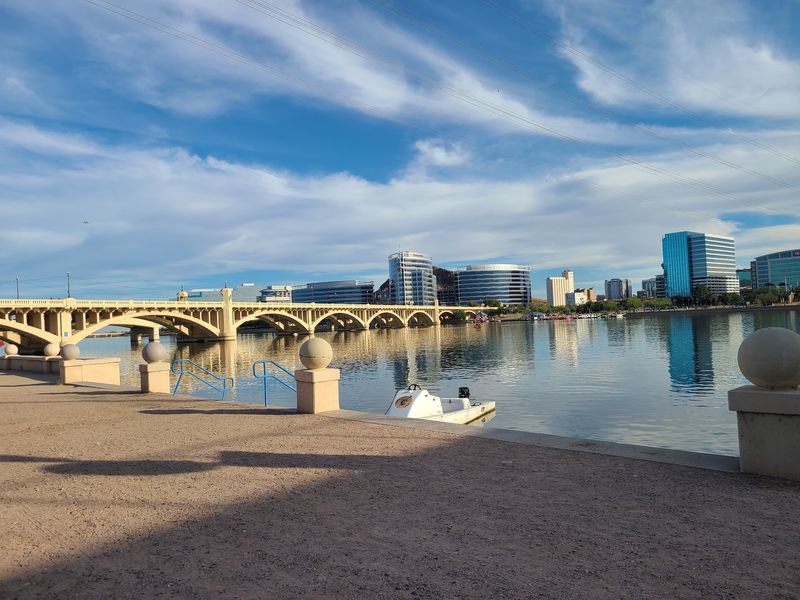
Two syllables, both said: tem-PEE, and never like the Italian musical term.
Tempe sits in Maricopa County, wedged between Phoenix, Mesa, and Scottsdale in the middle of the metro area. Arizona State University dominates the personality here, filling Mill Avenue with bookstores, coffee shops, and a permanent buzz during the school year.
Hayden Butte, the reddish hill locals call A Mountain, offers a short steep climb with skyline views that pay off well beyond the effort. Tempe Town Lake stretches along the Salt River channel, hosting rowers, paddleboards, and one of the busiest running paths in the state.
The town was named in the 1870s after a valley in Greece, which is a surprisingly poetic origin for a desert college city. Spring training baseball and outdoor festivals crowd the calendar between February and April, the sweet spot for weather.
Say tem-PEE with confidence and you have cleared the easiest entrance exam Arizona offers.
10. Prescott
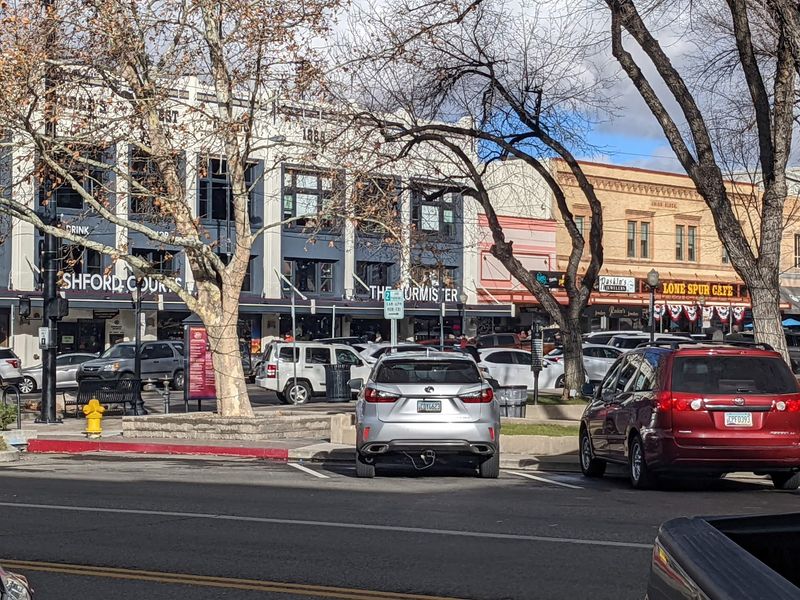
The rhyme locals teach: it sounds like biscuit, so PRESS-kit, not press-COTT.
Prescott occupies the pine-covered hills of Yavapai County in central Arizona, about 100 miles north of Phoenix. The town served as the first territorial capital back in 1864, and the Sharlot Hall Museum preserves that chapter with original log buildings.
Courthouse Plaza forms the heart of downtown, shaded by elms and ringed by Victorian-era brick storefronts. Whiskey Row, the famous block facing the plaza, is packed with shops and music venues that keep the sidewalks lively year-round.
Watson Lake, just north of town, delivers granite boulders piled around blue water, making it one of the most photographed kayaking spots in Arizona.
The Prescott Frontier Days rodeo, running since 1888, bills itself as the world’s oldest, and every July it fills the town.
Elevation near 5,400 feet means four real seasons and occasional snow. Pronounce it like the breakfast bread and locals will welcome you home.
11. Tlaquepaque
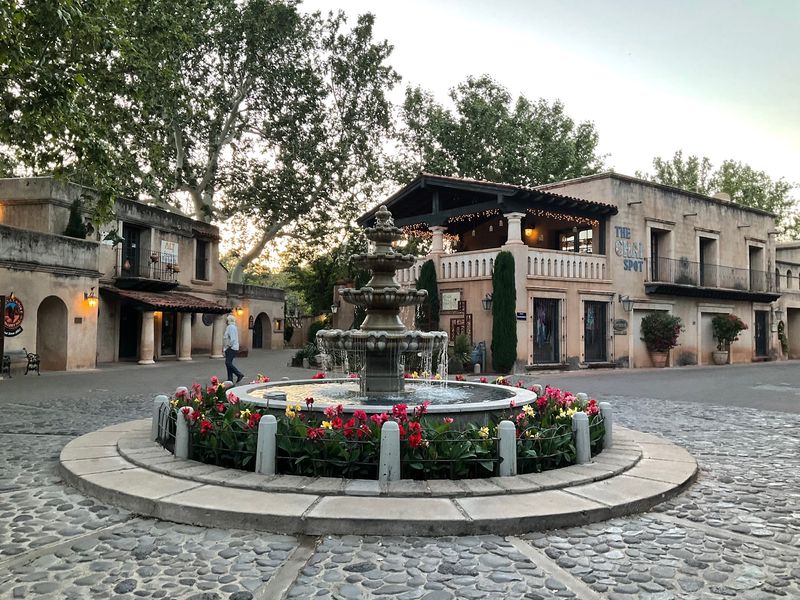
Deep breath, then: tuh-LOCK-uh-POCK-ee. Tlaquepaque Arts and Shopping Village occupies a shady stretch along Oak Creek in Sedona, Yavapai County, right on Highway 179.
Built in the 1970s, it was designed to resemble a traditional Mexican village, borrowing its name from a well-known arts town in Jalisco. Sycamore trees were left standing during construction, so the courtyards feel genuinely aged rather than freshly assembled.
Cobblestone walkways connect galleries, jewelry studios, pottery shops, and restaurants tucked behind arched doorways and iron gates. Bells, fountains, and vine-covered stucco walls make it easy to lose an hour without buying a single thing.
Red rock formations peek over the rooftops, reminding you that Sedona is doing the heavy scenic lifting outside.
Free live music appears in the courtyards during warmer months, and the December holiday lighting draws serious crowds. Deliver those five syllables smoothly and everyone within earshot will assume you have lived here for years.
12. Ahwatukee
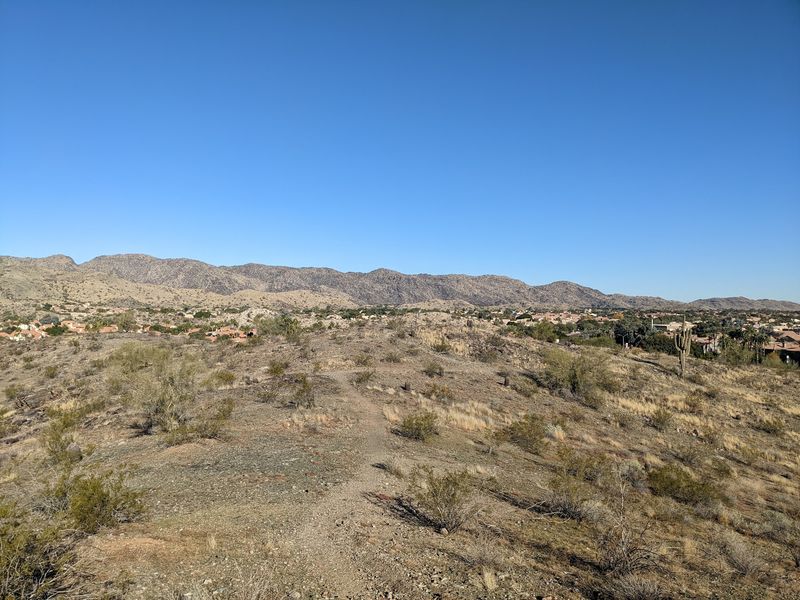
Ah-wah-TOO-kee, and yes, it takes practice. Ahwatukee is a village of Phoenix in Maricopa County, sitting on the south side of South Mountain in the Sonoran Desert.
Residents jokingly call it The Ahwatukee, since the mountain separates the neighborhood from the rest of the city and creates a small-town feeling. South Mountain Park and Preserve borders the area and ranks among the largest municipal parks in the country, with more than 50 miles of trails.
The Desert Classic Trail is a local favorite for mountain bikers, staying relatively flat while serving up long desert views. Golf courses, palo verde trees, and quiet residential streets define the vibe more than nightlife ever will.
The name is said to come from a Crow phrase interpreted as house of your dreams, attached to a historic ranch house here. Cool morning walks in winter make this side of the mountain especially pleasant.
Handle those four syllables cleanly and your Arizona credentials are basically laminated.
13. Canyon De Chelly
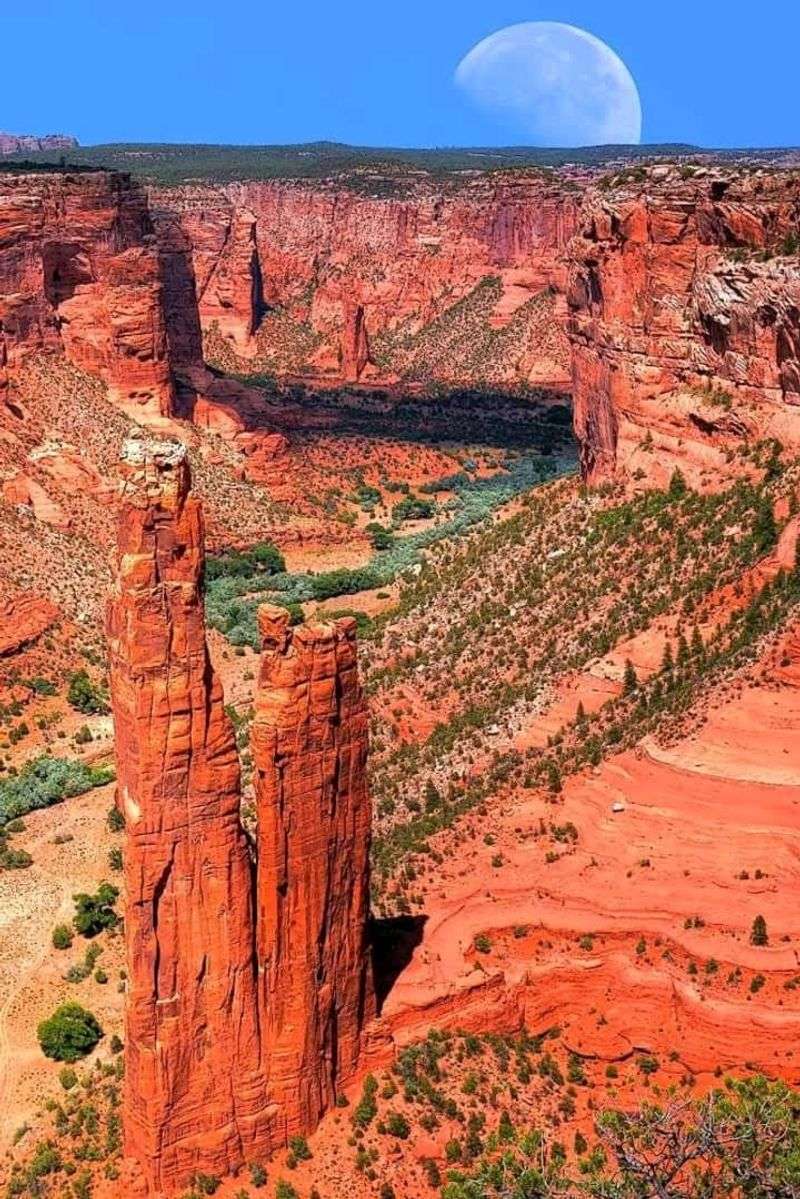
The final boss of Arizona pronunciation: canyon duh SHAY. Canyon de Chelly National Monument lies near Chinle on the Navajo Nation in northeastern Arizona, deep in Apache County.
The name came through Spanish from the Navajo word Tseyi, meaning rock canyon, and centuries of translation flattened it into what locals say today. Families have farmed and grazed sheep on the canyon floor continuously for close to 5,000 years, making it one of the longest inhabited places in North America.
Spider Rock rises around 750 feet from the canyon bottom, a twin sandstone spire that anchors Navajo storytelling. Rim drives with overlooks are open to everyone, but entering the canyon itself requires a Navajo guide, with the White House Ruin Trail as the single exception.
Cliff dwellings tucked into alcoves appear suddenly along the walls, small and startlingly well preserved. Spring and fall bring the kindest weather for the drives.
Say it correctly and you have officially graduated.