
If Your Brain Needs A Reset, This Tiny Washington Bay Town Is The Move
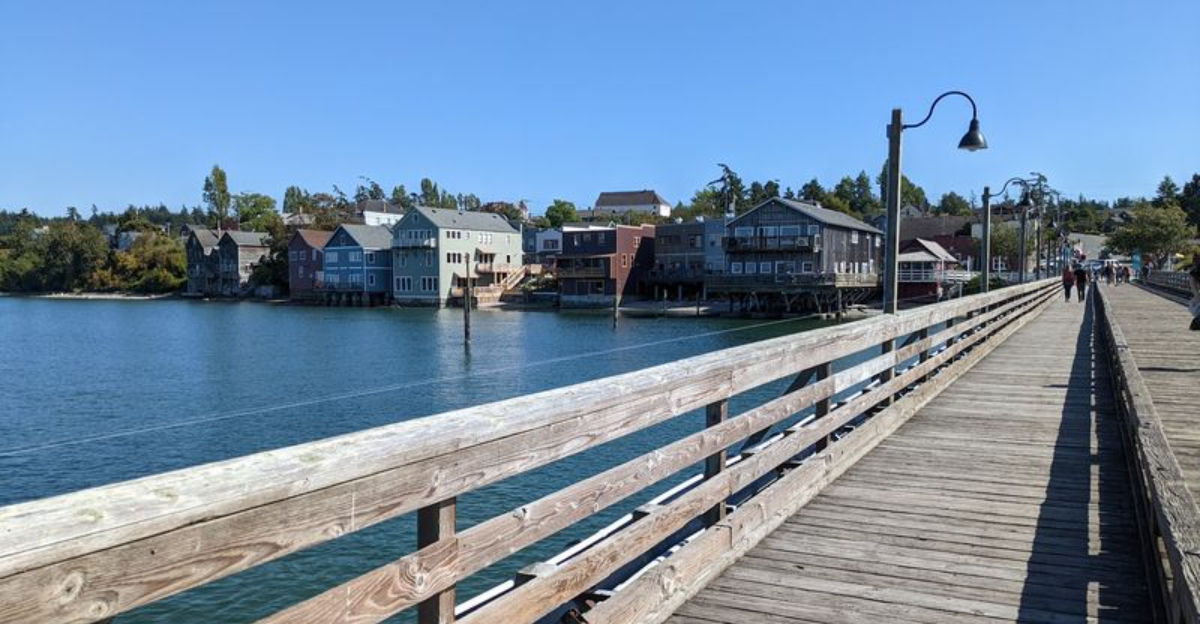
When you want your brain to stop overthinking, your shoulders to quit their lifelong tension, and your soul to remember what calm feels like, this tiny Washington bay town is the move.
I rolled in without a plan, just a bag, a map, and an unreasonable amount of curiosity, and immediately the pace slowed. Streets smelled of salt and coffee, little docks rocked like they’d been rehearsing zen all morning, and every corner seemed to whisper, linger here a little longer.
I wandered. I watched the tide. I let the quiet work its magic. By the second day, I wasn’t just visiting, I was rebooting.
And honestly? I didn’t want to leave.
Penn Cove Mussels
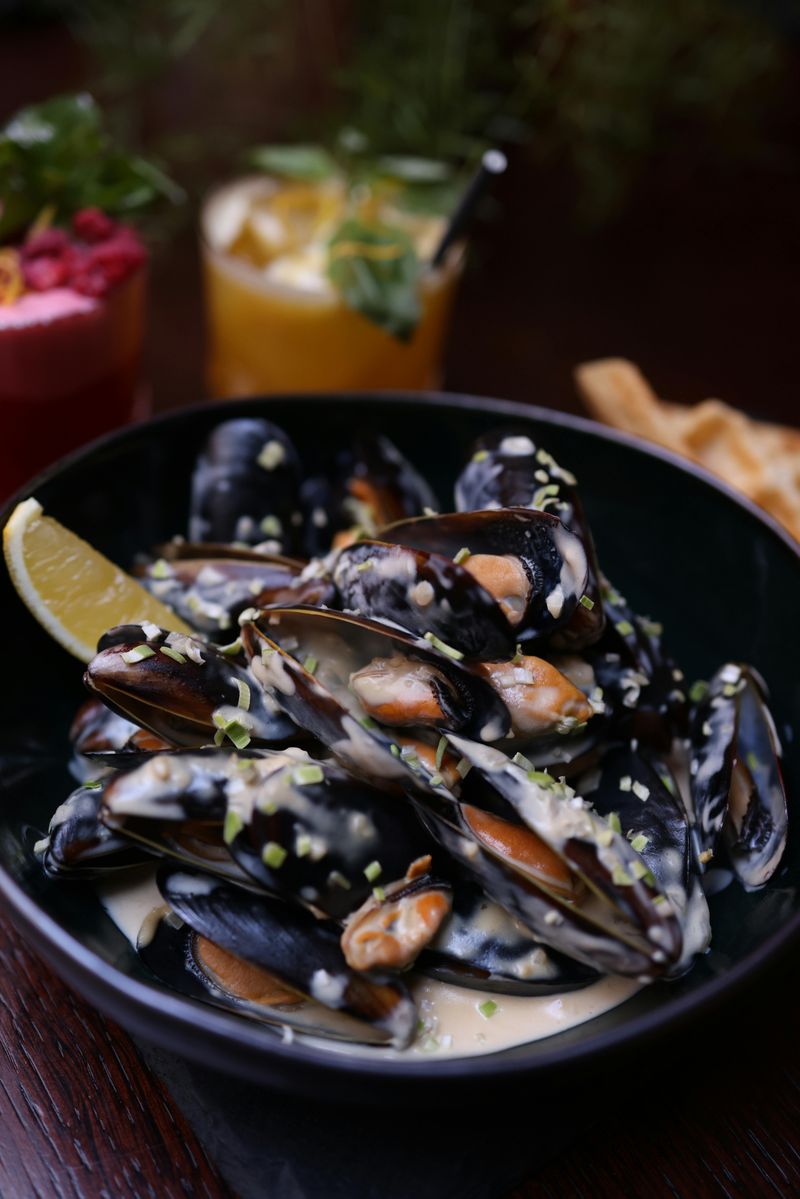
Before Coupeville, I thought mussels were just something fancy restaurants put on menus to seem sophisticated. Then I actually ate Penn Cove mussels, and I completely understand why people make the drive to Whidbey Island just for this one dish.
Penn Cove is literally famous for its mussels, they’ve been farmed here since 1975, and the cold, nutrient-rich waters of the cove produce shellfish that taste cleaner and sweeter than anything I’d had before.
I ordered them at a little waterfront spot and watched the steam curl up while the broth smelled like the ocean decided to become soup.
The mussels themselves were plump, tender, and had this subtle briny sweetness that made me eat the entire bowl and then mop up the broth with bread like I had absolutely no shame.
Penn Cove Shellfish is one of the most well-known mussel operations in the entire country, and tasting them right at the source felt like cheating in the best possible way.
There’s something about eating food that was literally grown in the water you’re looking at that makes the whole experience feel grounded and real. It wasn’t just a meal.
It was a full sensory moment that made me slow down, taste everything, and actually be present.
Coupeville’s food story starts and ends with these mussels, and they deserve every bit of the hype they carry.
Where Time Literally Slows Down
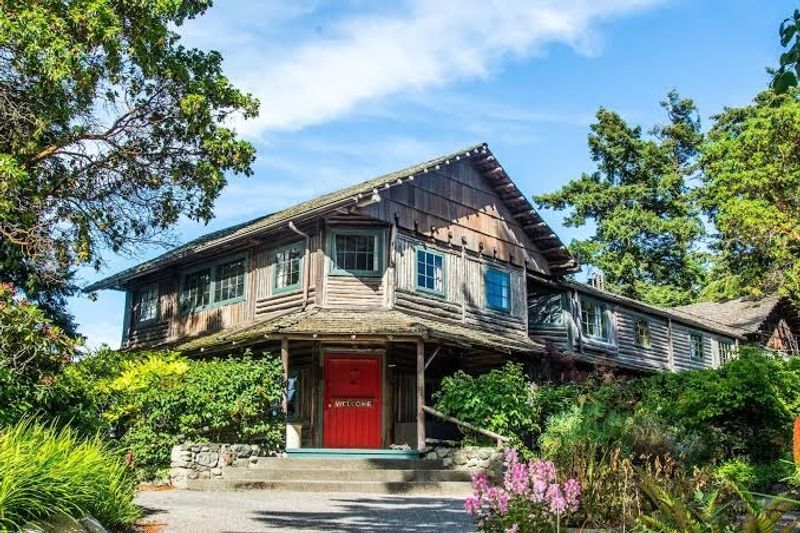
The Captain Whidbey Inn sits at 2072 W Captain Whidbey Inn Rd, Coupeville, WA, right on the edge of Penn Cove, and pulling up to it felt like arriving somewhere time had agreed to pause.
Built in 1907 from madrona logs, the building has this warm, weathered presence that makes you want to immediately lower your shoulders and exhale.
I didn’t stay the night, but I sat on the dock for almost two hours watching the water and doing absolutely nothing productive, and it was genuinely one of the best decisions I made on the whole trip.
The dock stretches out over the cove, and the reflection of the trees on the still water looked like a painting someone forgot to put behind glass.
The inn has this timeless Pacific Northwest energy, mossy, quiet, a little magical. It reminded me of the kind of place characters in a Richard Hugo poem would show up to think about their lives.
There’s no Wi-Fi pressure out on that dock, no notifications, no noise except the occasional splash of a bird landing on the water.
Even if you’re just passing through Coupeville for the day, making a stop here to sit on that dock is non-negotiable. Some places earn their reputation through food or views.
This one earns it through atmosphere, and the atmosphere here is genuinely unlike anything I’ve experienced on the West Coast.
A Walking Mood Board
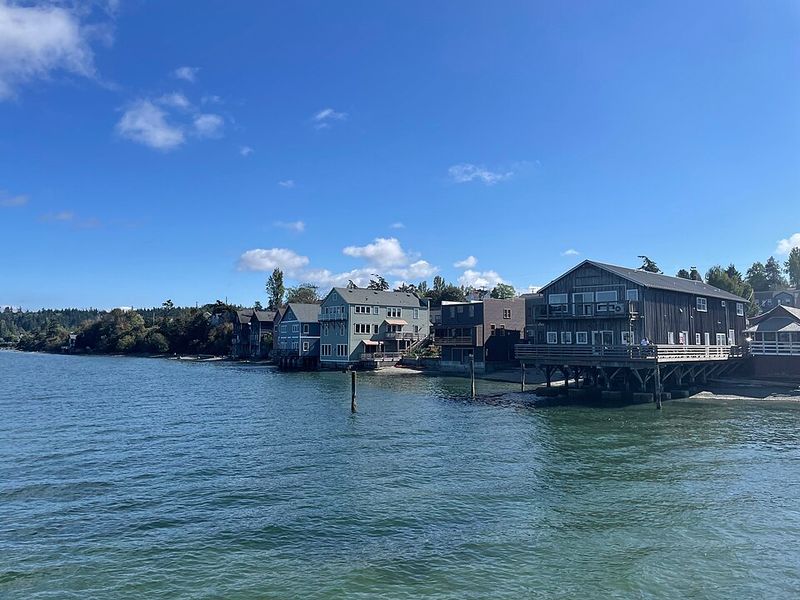
Walking down Front Street in Coupeville felt like someone had preserved a tiny slice of the 1800s and then filled it with really good coffee and local art.
The street runs right along the waterfront, and the Victorian-era buildings are so well-maintained they almost look theatrical. Except they’re completely real and completely functioning.
I wandered in and out of little shops selling everything from handmade jewelry to locally printed maps of the island. Nothing felt touristy in that hollow, mass-produced way.
Everything had a story, and the people running these places clearly cared deeply about what they were selling and why.
One shop had a wall of black-and-white photos of Coupeville from the early 1900s, and looking at them next to the actual unchanged buildings outside the window was a genuinely surreal experience.
The town is listed on the National Register of Historic Places, which explains why it looks like a living museum but feels like a real, breathing community.
Front Street is short enough to walk in ten minutes but interesting enough to stretch into an entire afternoon if you let yourself slow down and actually look at things. I bought a small watercolor print of Penn Cove from a local artist’s shop and it’s currently hanging in my kitchen because some places deserve to stay with you.
Coupeville’s downtown doesn’t just look good, it makes you feel something.
Nature With A Story
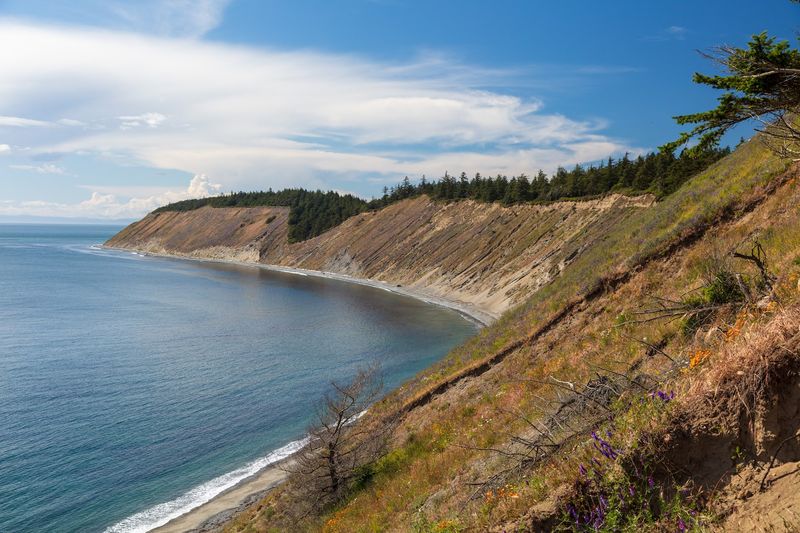
Ebey’s Landing hit differently than I expected. I thought it was going to be a pretty walk with some nice views, and yes, it absolutely delivered on that, but it also turned out to be one of the most historically layered places I’ve ever stood in.
Established in 1978 as the first National Historical Reserve in the United States, Ebey’s Landing protects a working cultural landscape that has been continuously farmed and inhabited since the 1850s.
Standing on the bluff trail and looking out over the Strait of Juan de Fuca with farmland behind me and the Olympics across the water felt genuinely cinematic.
The trail I took loops up along the bluffs and drops back down to a driftwood-covered beach, and the whole hike runs about 5 miles. My legs were tired but my brain felt completely clear by the time I finished, like someone had opened a window in a stuffy room and let all the old air out.
The prairie sections of the trail have this golden, wide-open quality that feels more like Montana than the Pacific Northwest, and the contrast between that openness and the dense forest sections makes the whole loop feel dynamic and interesting the whole way through.
Ebey’s Landing is the kind of place that reminds you the outside world is enormous and beautiful, and whatever was stressing you out before you got here is very, very small.
The Postcard You’ll Actually Want To Send
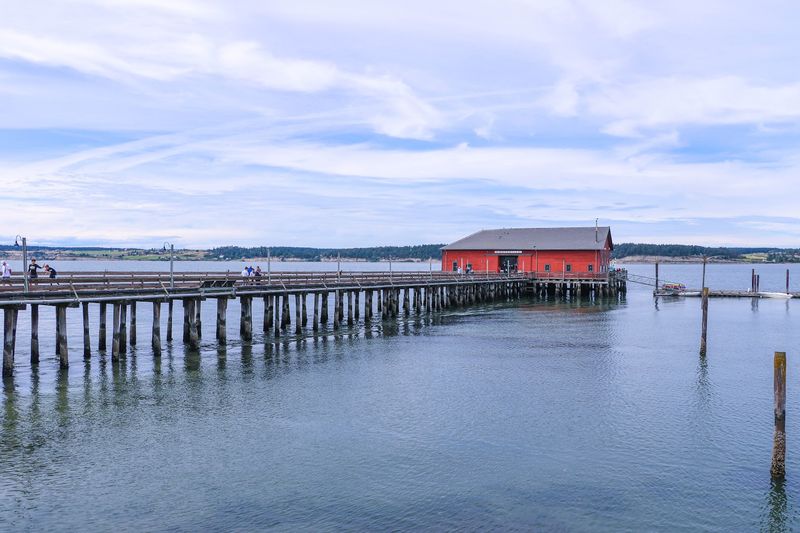
The Coupeville Wharf is one of those places that looks exactly like its photos but somehow still manages to exceed your expectations when you actually show up. It stretches out over Penn Cove and has been a part of this town since 1905, and there’s something about standing on those old wooden planks above the water that makes you feel both tiny and completely at peace.
I walked out to the end of the wharf on a foggy morning, and the mist was sitting low over the cove in that moody, atmospheric way that makes the Pacific Northwest feel like it belongs in a Terrence Malick film. The water below was so clear I could see the mussel lines suspended beneath the surface, which felt like a little bonus gift from the universe.
There’s a small seafood shop right on the wharf where I grabbed a cup of chowder, and eating it while standing over the water with the fog rolling in was one of those simple experiences that somehow feels profound when you’re in the right headspace for it.
No phone, no agenda, just warm chowder and cold air.
The wharf is also a great spot for watching herons, cormorants, and the occasional seal poking its head up near the pilings. Wildlife encounters feel more personal when you’re standing that close to the water.
This wharf isn’t just a landmark. It’s a mood, and that mood is pure, uncomplicated stillness.
Where History Meets Dramatic Coastline
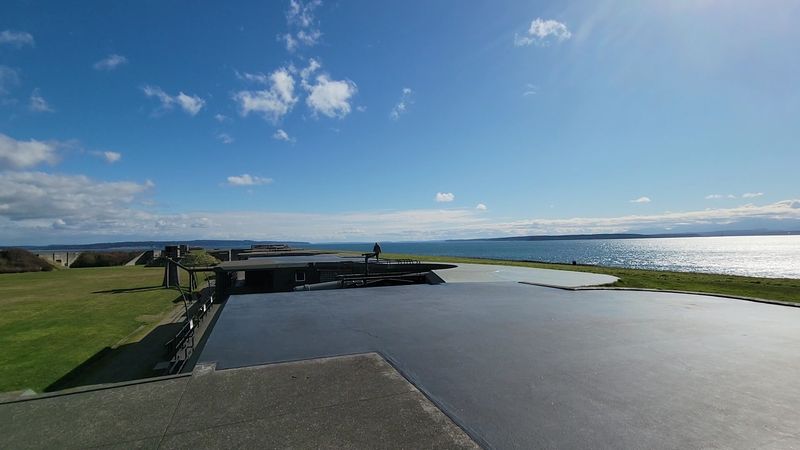
Fort Casey State Park sits at the southern end of Whidbey Island and carries this incredible tension between historical weight and jaw-dropping natural beauty that I wasn’t fully prepared for.
The fort was built as part of the Harbor Defense System to protect Puget Sound, and walking through the bunkers and climbing up to the old platforms gave me a real sense of how seriously this coastline was once guarded.
The views from the top of the batteries, out across Admiralty Inlet toward the Olympic Mountains, are staggering in the best way.
I spent a solid hour just wandering the grounds, poking into dark concrete corridors and then emerging into blinding coastal sunlight, which created this dramatic contrast that kept the whole visit feeling dynamic.
The lighthouse nearby, the Admiralty Head Lighthouse, is beautifully restored and adds a picturesque anchor to the whole scene.
The beach below the bluffs is all smooth stones and driftwood, and I sat there for a while just listening to the waves hit the rocks while ferries crossed in the distance. Fort Casey is one of those places that layers history, nature, and solitude in a way that genuinely recharges something in you.
If Coupeville is the reset button, Fort Casey is where you hold it down until the screen goes dark and comes back clean.
Eating With Your Eyes First
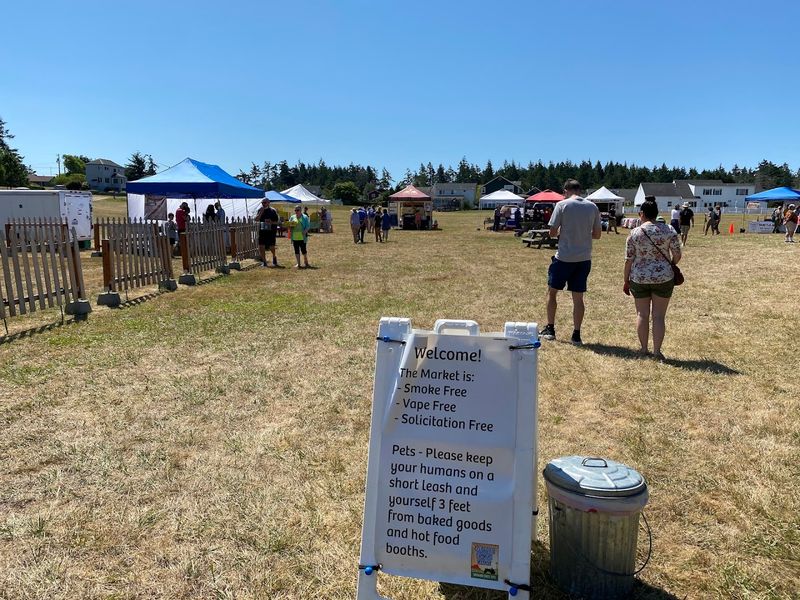
Whidbey Island has this agricultural soul that sneaks up on you while you’re driving the back roads between towns, and by the time I’d passed my third farm stand overflowing with late-season vegetables and homemade preserves, I had fully committed to stopping at every single one I could find.
The island’s farming heritage is deep, Ebey’s Landing protects working farmland that’s been continuously cultivated for over 150 years, and that history shows up in the quality and variety of what’s available roadside.
I picked up a jar of locally made lavender honey, a bunch of rainbow carrots so beautiful they looked like they were trying to win an award, and a small loaf of seeded bread that became my lunch.
Eating food this close to its source has a different quality to it that I always forget until I’m actually doing it. The carrots tasted like carrots are supposed to taste, earthy, sweet, slightly bitter at the tops, and the honey had this floral complexity that made me want to put it on absolutely everything.
There’s no app for finding these stands. You just drive, you pay attention, and you pull over when something catches your eye.
That spontaneity felt like a tiny act of rebellion against the overscheduled, GPS-directed life I’d been living back home. Coupeville in Washington and its surrounding farms remind you that slowing down isn’t a luxury.
It’s actually how you’re supposed to move through the world.
Have you ever let a farm stand change your whole afternoon? Because it happened to me, and I’d let it happen again in a heartbeat.