
10 Illinois Downtowns Perfect For A Summer Stroll This July
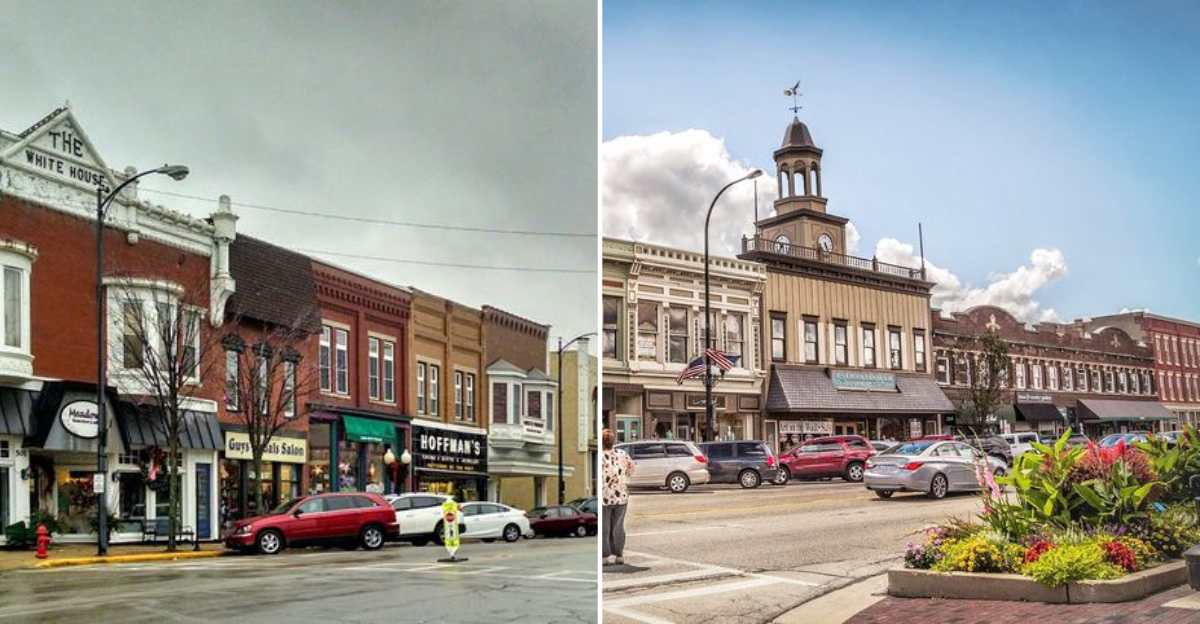
July has a way of making Illinois feel especially alive. The days linger, farmers markets fill up with color, and small-town sidewalks seem to get a little busier once summer settles in.
The best part is that some of the most memorable places to wander are not flashy at all. They are the downtowns with brick storefronts, river views, antique shops, public art, and the kind of corners that make you slow down without even meaning to.
Illinois has plenty of those places, and they are perfect for a weekend drive or an easy Saturday spent mostly on foot. These ten walkable downtowns offer history, charm, good food, and just enough summer energy to make the whole day feel like a small adventure.
1. Galena, Illinois
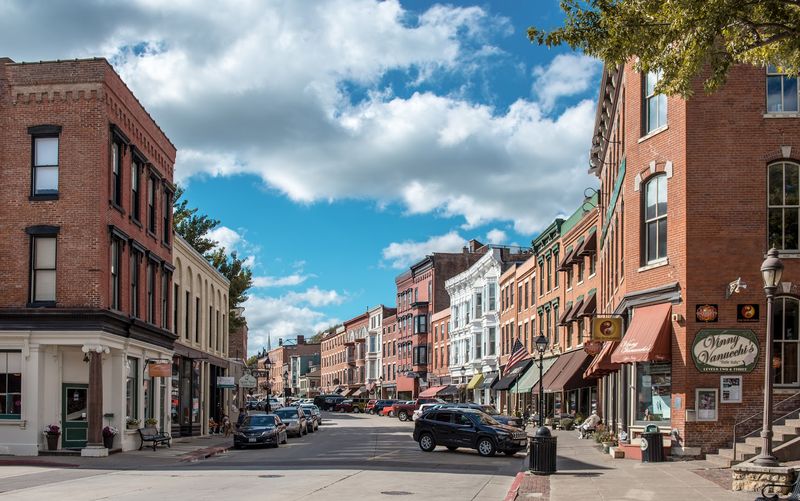
Main Street in Galena might be the most photogenic stretch of road in the entire Midwest. Tucked into the rolling hills of northwestern Illinois, this small city is famous for its impeccably preserved 19th-century brick storefronts that line the road like something out of a history book brought to life.
Boutique shops, cozy cafes, and art galleries fill nearly every storefront, making it easy to lose track of time.
The Galena River adds a quiet, scenic backdrop to the whole experience. Strolling along the waterfront in July, when wildflowers are blooming and the air smells faintly of fresh-baked goods wafting from nearby bakeries, feels genuinely restorative.
History fans will love knowing that Ulysses S. Grant once called this town home, and his preserved residence is open for tours.
Galena rewards slow walkers. There is always something new to notice, from hand-painted window displays to hidden courtyards tucked between buildings.
Plan to spend at least half a day here, and bring comfortable shoes because the charming hills make the terrain just interesting enough to keep your legs working.
2. Chicago Riverwalk And The Loop, Chicago, Illinois
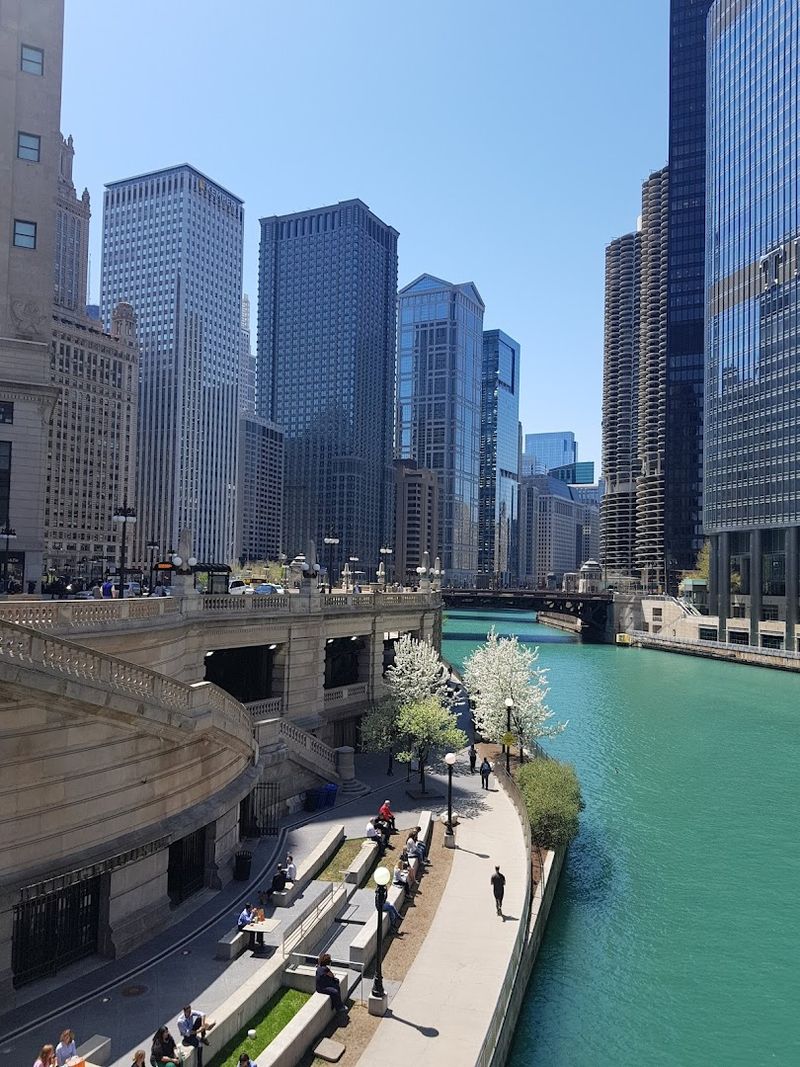
Few urban walks in the country can match the energy of Chicago’s Riverwalk on a bright July morning.
Stretching along the Chicago River through the heart of the Loop, this waterfront path puts some of the world’s most celebrated architecture directly at eye level, so you are not just walking through a city, you are reading it like an open book.
Bridges, towers, and public art installations make every block feel like a new chapter.
Millennium Park sits just a short walk away and transforms into a festival hub every summer. Free outdoor concerts, interactive art installations, and the iconic Cloud Gate sculpture draw locals and visitors alike.
The park’s Great Lawn regularly hosts performances that fill the air with live music on warm evenings.
July is genuinely one of the best months to experience downtown Chicago on foot. The streets are lively, the outdoor dining patios are full, and the lake breeze keeps temperatures from getting too overwhelming.
Grab a coffee, pick a direction along the Riverwalk, and just start moving. The city has a way of rewarding curious walkers with unexpected views around every corner.
3. Woodstock, Illinois
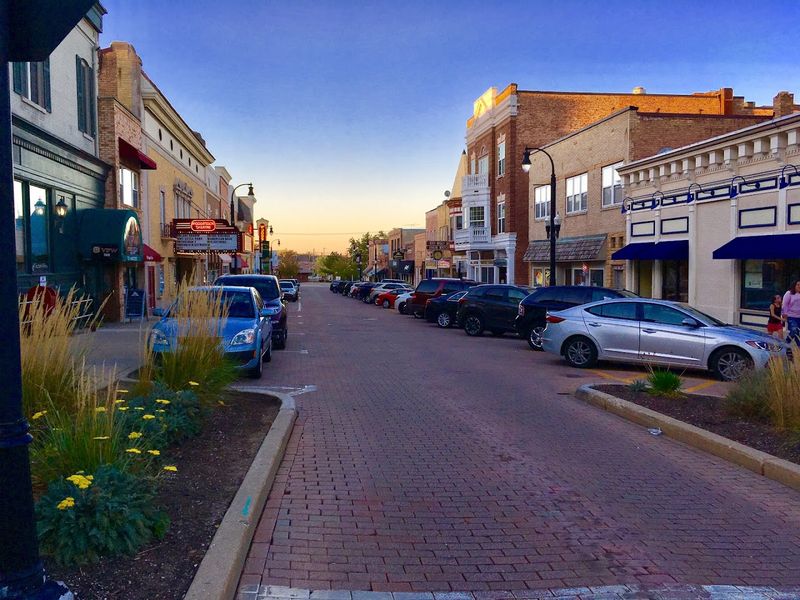
If you have ever seen the movie Groundhog Day, you have already had a preview of Woodstock’s downtown.
Located in McHenry County in northeastern Illinois, this town’s central square served as the fictional Punxsutawney, Pennsylvania, in the beloved 1993 film.
Walking through the square today, you can spot plaques marking the exact filming locations, which turns a simple stroll into a surprisingly fun scavenger hunt.
Beyond the film fame, Woodstock holds its own as a genuinely lovely Midwestern town. The historic architecture surrounding the square is beautifully maintained, and July brings a lively community market where local vendors sell produce, handmade crafts, and homemade treats.
The Opera House, dating back to 1889, anchors the square with an impressive Victorian presence. Local restaurants and cafes ring the square and spill their seating out onto the sidewalks during summer, making it easy to grab a bite and watch the world go by at a relaxed pace.
Woodstock has the kind of unhurried atmosphere that makes you want to slow down and actually pay attention to your surroundings, which is honestly a rare quality in today’s fast-moving world.
4. Alton, Illinois
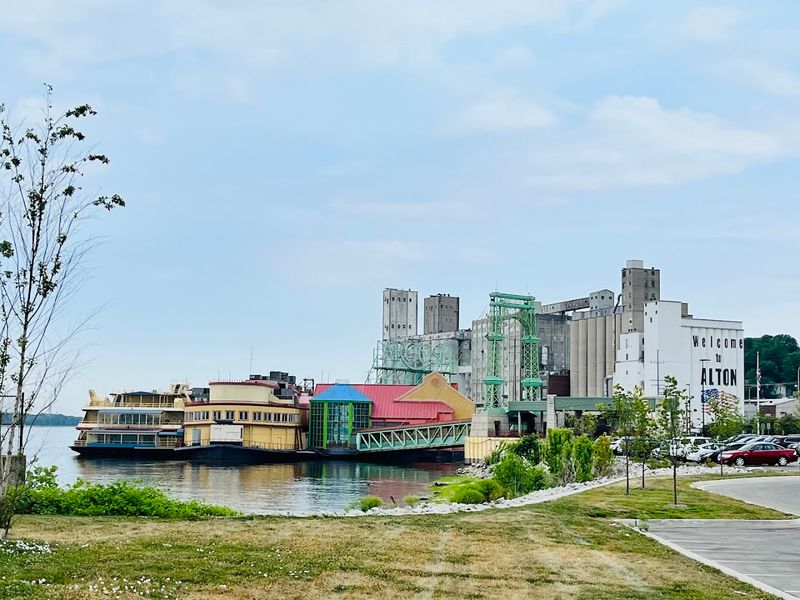
Alton sits right along the Mississippi River in southwestern Illinois, and that location alone makes it worth a summer visit.
The downtown riverfront offers sweeping views of the river and the dramatic limestone bluffs rising on the Missouri side, creating a natural backdrop that feels almost cinematic. On a clear July day, the light bouncing off the water is genuinely beautiful.
The Great River Road runs right through town, making Alton a popular stop for cyclists and road-trippers following the river south.
Antique shops fill much of the downtown, and serious collectors have been known to spend entire afternoons picking through the inventory at some of the larger multi-dealer stores. The variety and quality of antiques here is considered among the best in the region.
Alton’s history runs deep, and informational markers throughout the downtown tell stories of the city’s role in the Civil War era, including its connection to abolitionist Elijah Lovejoy.
Strolling through Alton feels like peeling back layers of American history with every block, and the Mississippi River always remains visible in the distance, grounding every step of the walk in something genuinely grand.
5. Ottawa, Illinois
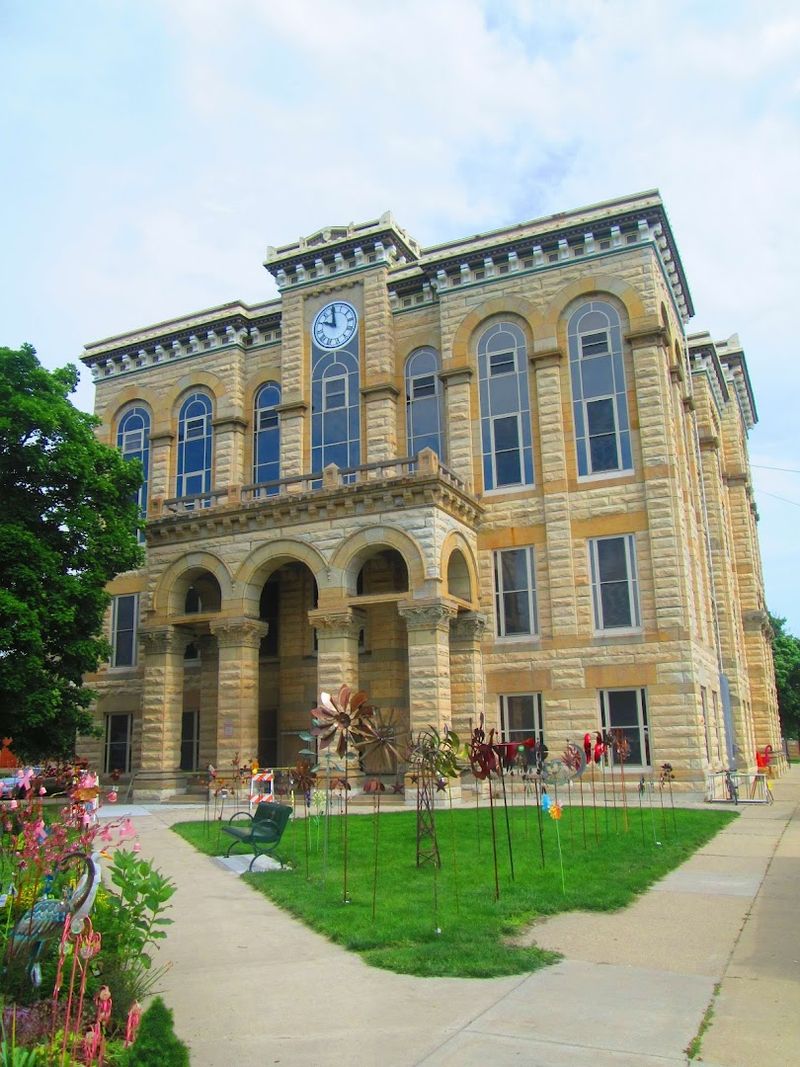
Ottawa occupies a genuinely special spot on the Illinois map, sitting right where the Illinois and Fox rivers meet in LaSalle County. That confluence of waterways gives the town a natural energy that you can feel as soon as you arrive.
The downtown itself is compact and walkable, with well-maintained historic buildings housing local shops, diners, and small businesses that have served the community for generations.
One of Ottawa’s biggest draws in July is its proximity to Starved Rock State Park, located just minutes away.
Many visitors use the downtown as a home base before or after hitting the park’s famous canyon trails, seasonal rain-fed waterfalls, and shaded forest paths. After a morning hike, returning to Ottawa’s main street for a leisurely lunch feels like exactly the right reward.
Ottawa also carries significant historical weight as the site of the first Lincoln-Douglas debate in 1858.
Washington Square Park, right in the heart of downtown, features a monument commemorating that event, giving walkers a tangible connection to one of the most important political conversations in American history.
It is the kind of detail that makes a simple stroll feel unexpectedly meaningful.
6. Naperville, Illinois
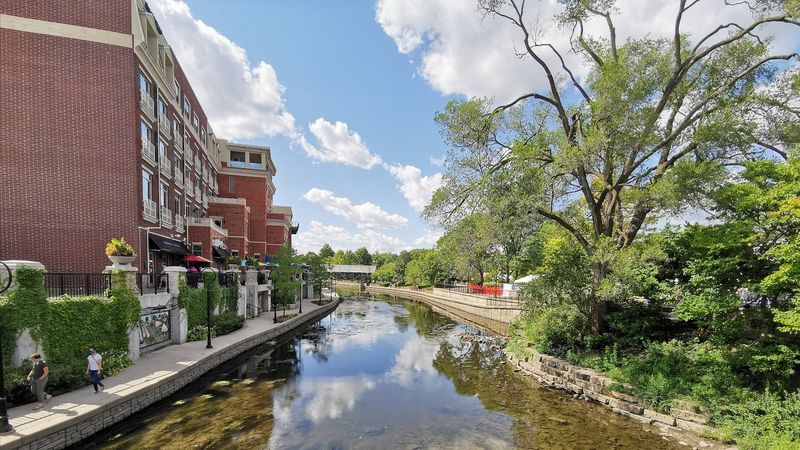
Naperville consistently ranks among the most livable cities in the entire country, and one afternoon walking its downtown will make that ranking feel completely earned.
The crown jewel is the Riverwalk, a beautifully maintained brick-paved path that winds along the DuPage River through the heart of the city. Covered bridges, fountains, and carefully tended gardens line the route, making it one of the most pleasant urban walks in all of Illinois.
Downtown Naperville is packed with high-end dining options, boutique shops, and seasonal art installations that change throughout the summer.
July brings outdoor events, live music performances around downtown and nearby Central Park, and a general buzz of activity that makes the area feel genuinely vibrant. Families, couples, and solo walkers all seem equally at home here.
The Riverwalk connects to Centennial Park, where a historic quarry was transformed into a beloved community swimming area that locals have cherished for decades.
Even if you are just passing through, stopping to watch the activity around the park gives you a real sense of how much this community values its shared public spaces. Naperville does not just have a nice downtown, it has a downtown people actually use and love.
7. Mount Carroll, Illinois
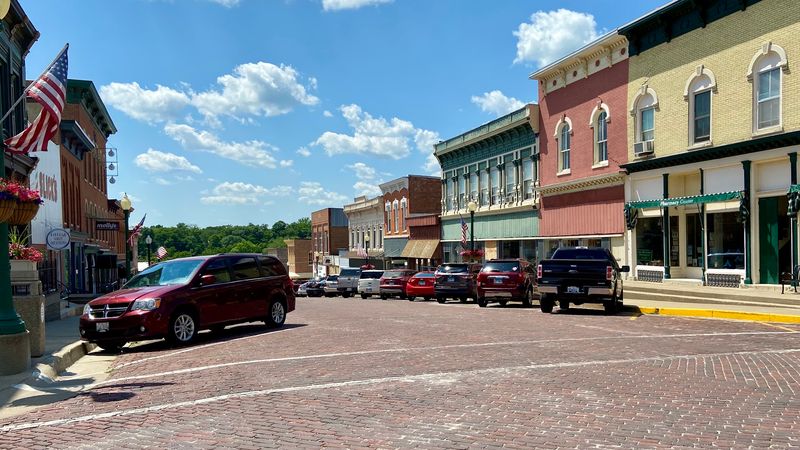
Not many people outside of northwestern Illinois have Mount Carroll on their radar, and that is precisely what makes it so rewarding to visit.
This small city in Carroll County is built into the bluffs above a peaceful canyon, giving it a topography unlike almost any other Illinois town. Walking its streets feels a little like wandering through a place that time decided to leave mostly alone, and that is meant as the highest possible compliment.
The historic downtown district is remarkably well-preserved, with 19th-century brick buildings lining the main commercial block in various states of charming, lived-in beauty.
Local shops, a small cafe or two, and community gathering spots make up the commercial core. The brick-paved roads add a tactile, old-world texture to every step you take through the area.
Point Rock Park, located just outside downtown, offers access to wooded trails and scenic outdoor space along the Waukarusha River, making it a rewarding summer stop after a downtown stroll.
Pairing a downtown stroll with a short walk through Point Rock Park makes for a full and satisfying July outing. Mount Carroll is the kind of place that rewards visitors who seek out the roads less traveled across Illinois.
8. Quincy, Illinois
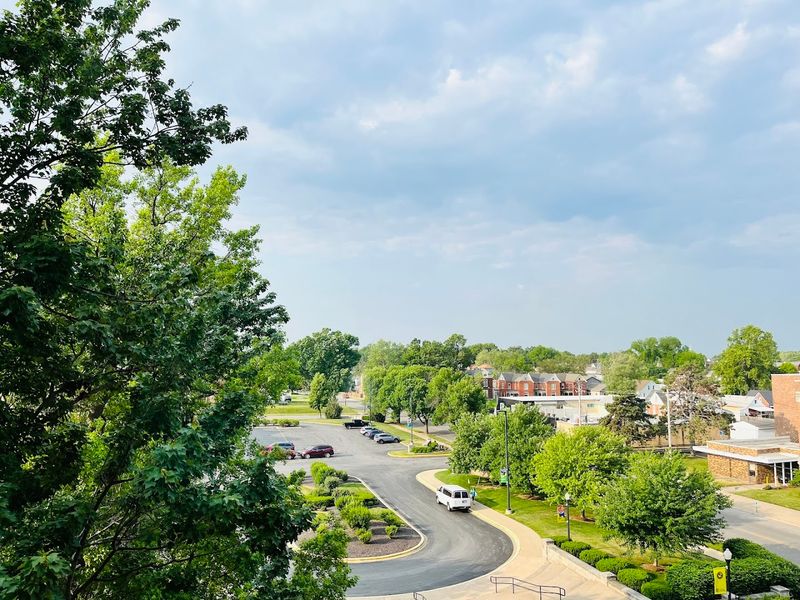
Quincy sits high above the Mississippi River in Adams County, and the views from the bluff-top parks overlooking the water are among the most dramatic in the state. But it is the architecture that truly defines a walk through Quincy’s downtown and surrounding historic districts.
The city contains one of the largest and most varied collections of 19th-century buildings in the entire Midwest, ranging from Italianate commercial blocks to grand Victorian mansions that line the residential streets just beyond the core.
Walking through the Villa Kathrine, a Moorish-style castle built in 1900 by eccentric traveler George Metz, is one of those genuinely unexpected Illinois experiences that sticks with you long after you leave.
The building now serves as a tourist welcome center and sits perched dramatically above the river. It is the kind of architectural curiosity that makes Quincy feel like a place with real personality.
July mornings in Quincy are ideal for a long, unhurried walk through the historic Washington Park neighborhood, where tree-lined streets canopy over well-preserved homes that tell the story of the city’s prosperous 19th-century past.
Bring a camera, because nearly every block offers a composition worth capturing before the summer heat peaks in the afternoon.
9. Geneva, Illinois
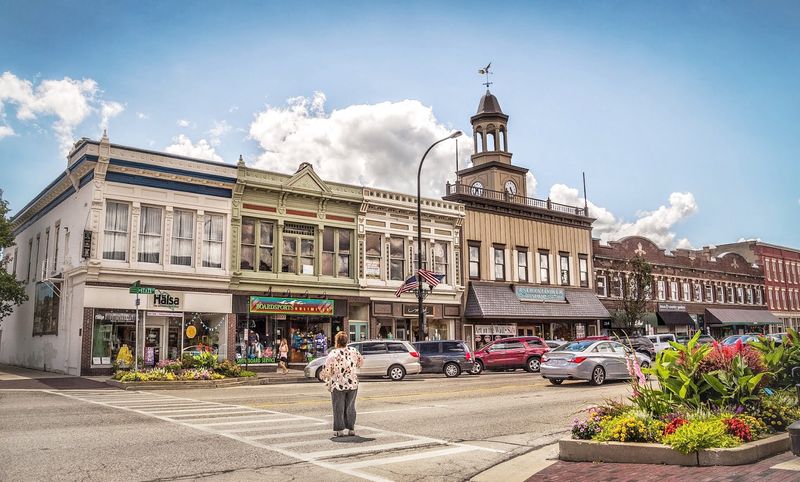
Geneva has quietly built a reputation as one of the most walkable and visually appealing small downtowns in the entire Chicago metropolitan area.
Located in the Fox River Valley in Kane County, the city’s historic buildings have been thoughtfully converted into over a hundred specialty shops, acclaimed restaurants, and artisan studios that line both sides of the main commercial street.
The result is a downtown that feels both historic and thoroughly alive.
The Fox River Trail runs right through Geneva, connecting walkers and cyclists to a longer network of paths that stretch through the entire valley.
In July, the riverbanks are lush and green, and the trail offers a shaded alternative to the sunny main street. Benches and overlook spots along the river make it easy to pause and simply enjoy the scenery.
Geneva’s summer calendar is consistently full of outdoor events, art fairs, and community gatherings that draw visitors from across the region.
The Swedish heritage of the town surfaces in some of the local business names and a few annual traditions that longtime residents hold dear.
Walking Geneva in summer feels like discovering a small city that genuinely has its priorities in order, good food, beautiful surroundings, and plenty of room to wander.
10. Princeton, Illinois
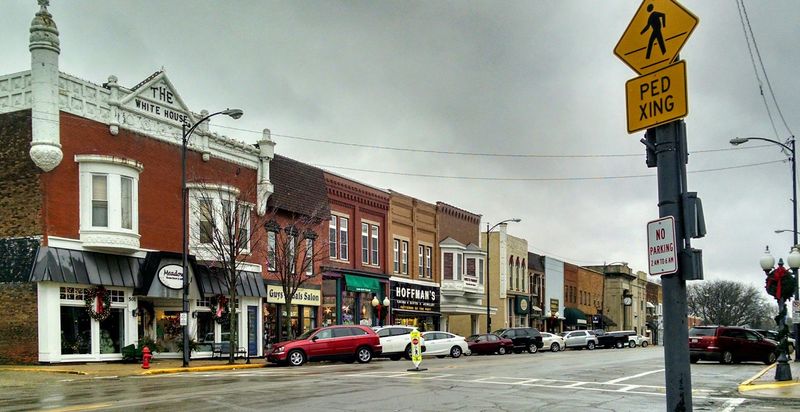
Princeton’s downtown main street carries the kind of quiet confidence that only comes from genuine historical depth.
Located in Bureau County in north-central Illinois, the commercial district is listed on the National Register of Historic Places, and the 19th-century brick buildings that line the street have been maintained with obvious community pride.
Walking through Princeton feels like a reminder that classic Midwestern main streets are not just nostalgia, they are still very much alive.
Local bakeries and independent shops occupy many of the storefronts, giving the downtown a personal, community-rooted character that chain-heavy commercial strips simply cannot replicate.
Stop in at one of the bakeries on a July morning and you will likely find fresh pastries, strong coffee, and a counter conversation with someone who has lived in Princeton their entire life.
Princeton is also home to the Lovejoy Homestead, a historic site connected to abolitionist Owen Lovejoy that draws history enthusiasts from across the region.
The property also offers a closer look at Princeton’s abolitionist history and the local stories connected to the Lovejoy family. Princeton rewards the curious traveler, and that is exactly the kind of destination worth putting on your summer road trip map.