
Illinois Fast-Food Sandwiches From The ’80s That Deserve A Comeback
Fast food in the 1980s was a wild ride, especially in Illinois where chains competed fiercely for hungry customers with creative, sometimes bizarre, menu items.
From taco-burger hybrids to customizable sandwich bars, the decade brought bold experiments that left lasting memories for anyone who grew up eating at suburban drive-thrus or downtown lunch spots.
While many of these sandwiches disappeared as chains streamlined their menus, they deserve recognition, and maybe even a triumphant return, because they captured the fearless, fun spirit of ’80s fast food culture.
1. Taco Bell — Bell Beefer
Picture this: seasoned taco meat piled high on a hamburger bun, topped with shredded lettuce, diced tomatoes, and melted cheese. That was the Bell Beefer, Taco Bell’s answer to the question nobody asked but everyone secretly wanted answered—what if a taco became a burger?
Taco Bell locations across Illinois, like those nationwide, served this oddball creation throughout the 1980s, and it quickly became a cult favorite among adventurous eaters who craved something different from the standard Crunchy Taco.
The Bell Beefer wasn’t trying to be fancy or sophisticated. It was messy, gloriously unpretentious, and tasted like pure comfort food mixed with Tex-Mex flair.
The soft bun soaked up all that savory taco juice, creating a sloppy joe experience with a southwestern twist. Kids loved it because it felt like a secret menu hack before secret menus were even a thing.
What made the Bell Beefer special was its sheer audacity. Taco Bell took two beloved American foods and smashed them together without apology, creating something uniquely ’80s in its experimental spirit.
Fast-food chains today constantly revive retro items to tap into nostalgia, and the Bell Beefer checks every box: memorable name, distinctive taste, and a backstory that sparks conversation.
Bringing back the Bell Beefer would remind customers that Taco Bell once pushed boundaries in delightfully weird ways. Modern diners crave authenticity and throwback experiences, and this sandwich delivers both.
Plus, imagine the social media buzz when people rediscover this forgotten gem.
The Bell Beefer wasn’t just a sandwich; it was a bold statement that fast food could be fun, unpredictable, and totally worth the napkins you’d need to clean up afterward.
2. Hardee’s — Classic Roast Beef Sandwich
Long before Hardee’s became synonymous with massive charbroiled burgers and loaded breakfast biscuits, the chain offered roast beef sandwiches as a significant part of its menu, especially during the 1970s and 1980s.
Throughout the 1980s, Hardee’s locations across Illinois, especially in downstate communities and suburban shopping centers, promoted their roast beef as a premium alternative to standard fast-food fare.
Thinly sliced, piled generously on a soft bun, and served with just enough sauce to enhance the meat’s natural flavor, this sandwich competed directly with Arby’s for roast beef supremacy.
What set Hardee’s version apart was its straightforward approach. There were no gimmicks, no flashy packaging, just quality roast beef that tasted homemade rather than mass-produced.
Regular customers appreciated the consistency and the fact that Hardee’s treated roast beef as a core menu item rather than a limited-time experiment. It gave the chain a distinct identity in a crowded marketplace.
The Classic Roast Beef Sandwich represented Hardee’s effort to diversify beyond burgers during a decade when chains were still figuring out their niches. For Illinois diners, it offered a satisfying lunch option that felt slightly more grown-up than a typical fast-food burger.
The sandwich became a staple for workers grabbing quick meals and families looking for variety.
Today, Hardee’s focuses heavily on indulgent burgers and breakfast items, but bringing back the Classic Roast Beef Sandwich could attract customers seeking something different. Nostalgia aside, roast beef sandwiches remain popular, and Hardee’s has the experience to do them right.
Reviving this menu item would honor the chain’s history while offering a lighter, protein-packed alternative to the current lineup. Sometimes the best comebacks are the simplest ones.
3. McDonald’s — McDLT
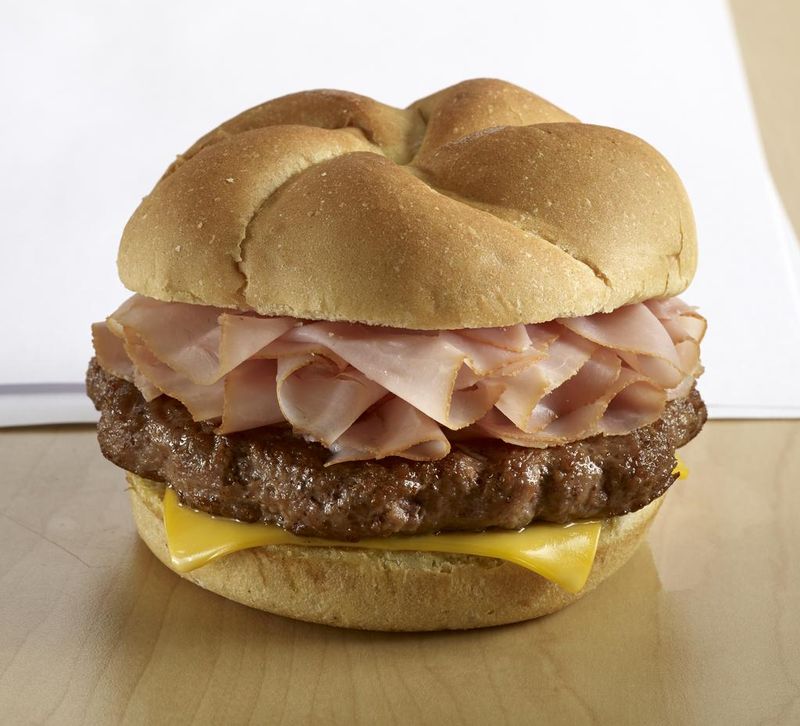
Few fast-food items captured the excessive, innovation-obsessed spirit of the 1980s quite like the McDLT. Launched in 1985, this McDonald’s creation featured a quarter-pound beef patty, cheese, lettuce, tomato, pickles, and sauce—but the real star was the packaging.
The McDLT arrived in a special Styrofoam container divided into two compartments: one side kept the hot burger and bottom bun warm, while the other kept the lettuce, tomato, and top bun cool and crisp. You assembled it yourself right before eating.
Chicago-area McDonald’s restaurants embraced the McDLT enthusiastically, and the sandwich became a lunchtime conversation piece. People loved the theatrical element of putting their own sandwich together, and the temperature contrast genuinely improved the eating experience.
The lettuce stayed crunchy instead of wilted, and the tomato didn’t turn into a soggy mess. It felt futuristic and fun, even if the packaging was environmentally questionable by today’s standards.
The name itself—McDLT, standing for McDonald’s Lettuce and Tomato—rolled off the tongue with the kind of catchy simplicity that defined ’80s marketing. McDonald’s promoted it heavily with commercials featuring celebrities, and the campaign worked.
The McDLT became a cultural touchstone, remembered fondly by anyone who experienced it firsthand.
Bringing back the McDLT would require solving the packaging problem, but modern sustainable materials could replicate the hot-and-cold concept. The nostalgia factor alone would generate massive interest, and the interactive assembly aspect would appeal to social media-savvy customers.
The McDLT wasn’t just a sandwich; it was an experience that reminded people that fast food could be innovative, playful, and surprisingly thoughtful about food quality. That kind of creativity deserves another chance.
4. Burger King — Yumbo
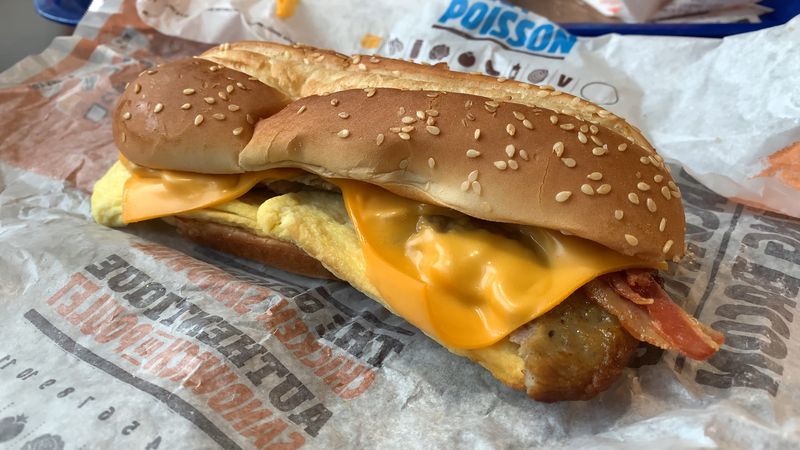
Sometimes comfort food doesn’t need to be complicated, and the Yumbo proved that beautifully. Burger King’s hot ham-and-cheese sandwich offered a simple, satisfying alternative to burgers during the late 1980s, a period when some Illinois locations still reflected broader menu experimentation seen across the chain.
Warm slices of ham, melted cheese, and a soft bun created a deli-style experience in a fast-food setting. The Yumbo wasn’t flashy or revolutionary, but it filled a genuine need for customers who wanted something familiar yet different.
What made the Yumbo memorable was its unpretentious nature. Burger King didn’t try to reinvent the wheel or add unnecessary ingredients.
The sandwich tasted like something your mom might make at home, which gave it an approachable, comforting quality that stood out among more aggressively marketed items.
It appealed to older customers, families with picky eaters, and anyone who occasionally wanted a break from beef. The name Yumbo, while slightly goofy, stuck in people’s minds and became part of the sandwich’s charm.
It sounded friendly and inviting, perfectly matching the sandwich’s easygoing personality.
Illinois Burger King locations saw steady sales from customers who appreciated having a reliable hot sandwich option that didn’t require explaining or justifying.
Today, nostalgia-driven menus are everywhere, and the Yumbo fits perfectly into that trend. Burger King has already experimented with bringing it back in limited markets, proving the concept still works.
A permanent return would give the chain a unique menu item that competitors don’t offer and would appeal to customers seeking lighter, non-beef options.
The Yumbo represents a simpler time in fast food when variety meant more than just bigger burgers. That simplicity, that warmth, that straightforward deliciousness, it all deserves a permanent comeback.
5. Wendy’s — SuperBar Sandwich Creations
Wendy’s SuperBar, introduced in 1988, was the fast-food equivalent of letting kids loose in a candy store—except instead of candy, customers faced an all-you-can-eat buffet of pasta, tacos, salad fixings, and yes, sandwich-building ingredients. Illinois Wendy’s locations, particularly in suburbs and college towns, embraced the SuperBar concept enthusiastically.
While the SuperBar was not designed specifically for sandwiches, creative diners discovered they could assemble sandwich-style creations using available bread, vegetables, and toppings from the bar.
The genius of the SuperBar was the freedom it offered. Fast food in the ’80s was starting to recognize that customers wanted choices and control over their meals.
The SuperBar delivered both in abundance, allowing people to experiment with combinations that would never appear on a standard menu.
You could build a turkey-and-veggie masterpiece, pile on three types of cheese, or create something completely bizarre that somehow tasted amazing.
For Illinois diners, especially students stretching their budgets, the SuperBar represented incredible value. One price got you unlimited trips, and strategic sandwich-building could turn a single visit into a multi-course meal.
The social aspect mattered too—friends would compare creations, challenge each other to weird combinations, and generally treat the SuperBar as entertainment as much as sustenance.
Bringing back the SuperBar concept would require significant operational changes, but modern fast-casual chains prove that customizable, buffet-style service can work. Imagine a contemporary version with fresh, locally sourced ingredients and Instagram-worthy presentation.
The nostalgia factor would drive initial interest, but the actual experience, the fun, the creativity, the unlimited possibilities, would keep customers coming back. The SuperBar sandwich creations weren’t just food; they were personalized culinary adventures that made every visit to Wendy’s feel special and uniquely yours.
6. Hardee’s — Original Chicken Fillet Sandwich
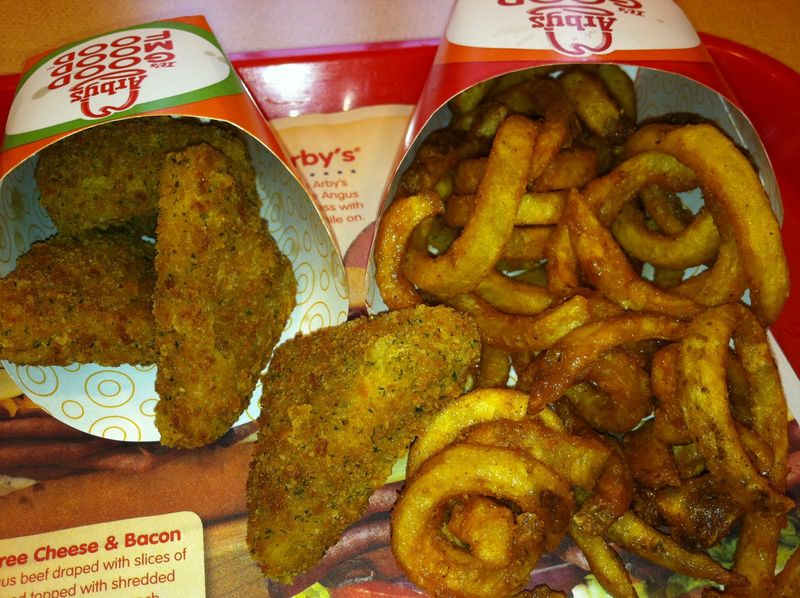
Years before the great chicken sandwich wars of the 2020s, Hardee’s was already perfecting the art of the fast-food chicken sandwich. Introduced in 1981, the Original Chicken Fillet Sandwich became a Midwest staple throughout the decade, with Illinois locations selling thousands weekly to customers who appreciated a quality alternative to burgers.
A breaded, hand-breaded chicken breast, crispy on the outside and juicy inside, served on a toasted bun with lettuce, tomato, and mayo—simple, satisfying, and executed consistently well.
What distinguished Hardee’s chicken sandwich was the attention to quality. The chicken breast was substantial, not a thin, processed patty.
The breading had real flavor and texture, achieving that perfect crunch that makes chicken sandwiches addictive. Hardee’s didn’t cut corners, and regular customers noticed.
The sandwich earned loyal fans who would specifically visit Hardee’s for their chicken fix.
During the 1980s, chicken sandwiches weren’t yet the cultural phenomenon they’d become decades later, but Hardee’s was ahead of the curve. The chain recognized that customers wanted variety and that a well-executed chicken sandwich could compete with burgers for menu dominance.
Illinois diners, particularly those watching their red meat intake or simply craving something different, made the Original Chicken Fillet Sandwich a consistent seller.
Fast-forward to today, and chicken sandwiches dominate fast-food conversations. Every major chain has launched premium versions, sparking social media debates and long drive-thru lines.
Hardee’s could capitalize on this trend by reviving the sandwich that started it all for them. The Original Chicken Fillet Sandwich has heritage, authenticity, and a proven track record.
Bringing it back would position Hardee’s as a pioneer in the category while offering customers a nostalgic alternative to newer competitors. Sometimes being first matters, and Hardee’s deserves credit for getting chicken sandwiches right when others barely tried.
7. Roy Rogers — Roast Beef & Fixins Bar Sandwiches
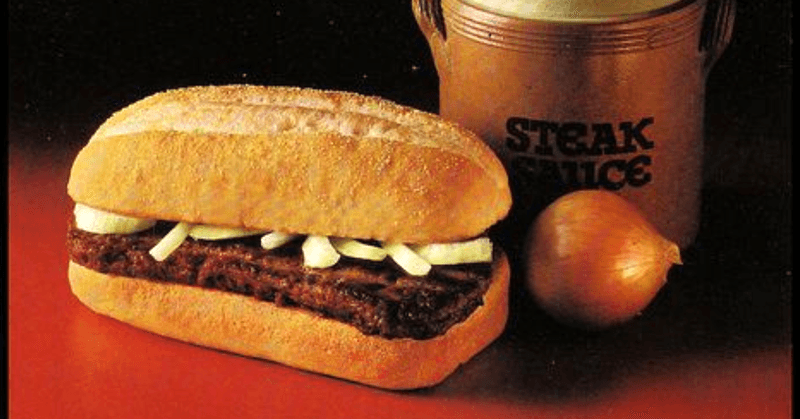
Roy Rogers Restaurants brought a unique concept to Illinois during the 1980s: the Fixins Bar, a toppings station where customers could customize their roast beef sandwiches with an impressive array of fresh vegetables, sauces, and condiments. At a time when most fast-food chains controlled every aspect of your meal, Roy Rogers trusted customers to build their perfect sandwich.
The roast beef itself was thinly sliced, tender, and flavorful, but the Fixins Bar elevated the entire experience into something special and personal.
Illinois locations attracted customers who appreciated the freedom to customize. You could pile on tomatoes, pickles, onions, peppers, lettuce, and multiple sauces, creating a sandwich that matched your exact preferences.
Health-conscious diners could load up on vegetables, while others went heavy on cheese and condiments. The Fixins Bar made every visit feel interactive and ensured that no two sandwiches were exactly alike.
The concept reflected a broader shift in fast food toward customization, but Roy Rogers implemented it earlier and more comprehensively than competitors. The chain understood that giving customers control over their meals increased satisfaction and encouraged repeat visits.
The Fixins Bar became a signature feature that distinguished Roy Rogers from other roast beef chains and burger-focused competitors.
Today, customization is everywhere in fast food, from build-your-own bowls to elaborate topping menus. Roy Rogers pioneered this approach decades ago, and reviving the Fixins Bar concept would remind customers of the chain’s innovative spirit.
Modern consumers value personalization and fresh ingredients, making this the perfect time for a comeback. The Roast Beef & Fixins Bar sandwiches weren’t just meals; they were creative expressions that let every customer play chef.
That kind of engagement, that sense of ownership over your food, creates loyalty that standard menus can’t match. Roy Rogers understood that in the ’80s, and the concept remains brilliant today.
8. Brown’s Chicken — Discontinued Hot Sandwich Variations
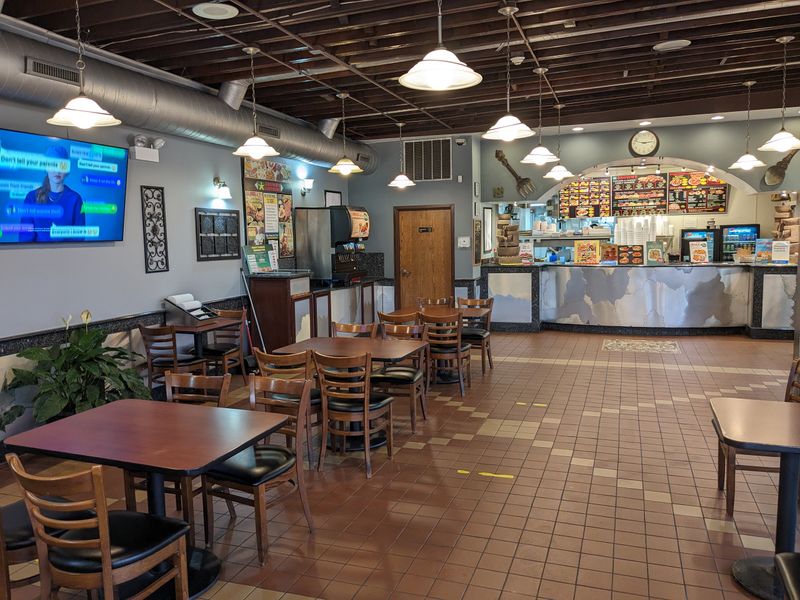
Brown’s Chicken holds a special place in Chicago-area food history, and during the 1980s, the regional chain experimented with menu offerings beyond its core fried chicken meals. While specific hot sandwich items were not consistently documented or widely standardized, longtime customers recall Brown’s periodically expanding its menu with additional hot, handheld options.
These limited-time and rotating items gave regulars something new to try and demonstrated that Brown’s was more than just a one-trick chicken joint.
What made Brown’s experimentation significant was its regional focus. As a Chicago-born chain, Brown’s understood local tastes and preferences better than national competitors.
The offerings reflected Midwestern sensibilities, hearty portions, familiar flavors, and honest value. They weren’t trying to be trendy or coast-focused; they were designed for Illinois customers who wanted satisfying, no-nonsense fast food.
The 1980s represented Brown’s peak popularity, with locations throughout the Chicago suburbs serving families, workers, and anyone craving quality fried chicken. Occasional menu experimentation added variety and gave customers reasons to visit beyond standard chicken dinners.
Even if these items weren’t permanent fixtures, they contributed to Brown’s reputation as a chain that cared about keeping its menu interesting and responsive to customer interest.
Bringing back a discontinued or inspired sandwich would tap directly into regional nostalgia. Chicago-area residents who grew up with Brown’s Chicken have strong emotional connections to the brand, and a sandwich comeback would generate significant local interest.
The chain has faced challenges over the decades, but its legacy remains strong among those who remember its ’80s heyday. Reviving a classic-inspired sandwich would honor that history while introducing younger generations to Brown’s creativity.
Regional chains have advantages that national competitors can’t replicate, and Brown’s sandwich comeback could remind everyone why local favorites matter. The sandwiches might have disappeared, but the memories, and the appetite for their return, remain very much alive.