
11 Illinois Foods That Outsiders Always Mispronounce (But Locals Know Instantly)
When it comes to Illinois cuisine, locals share more than just great taste. They share a secret language of food pronunciations that instantly separates the natives from the visitors.
From Chicago’s signature condiments to Eastern European pastries found throughout the state, these foods trip up even the most confident foodies from out of town.
Ready to sound like a true Illinoisan at your next meal? Let’s explore the foods that make outsiders stumble but locals smile knowingly.
1. Giardiniera: Chicago’s Spicy Crown Jewel
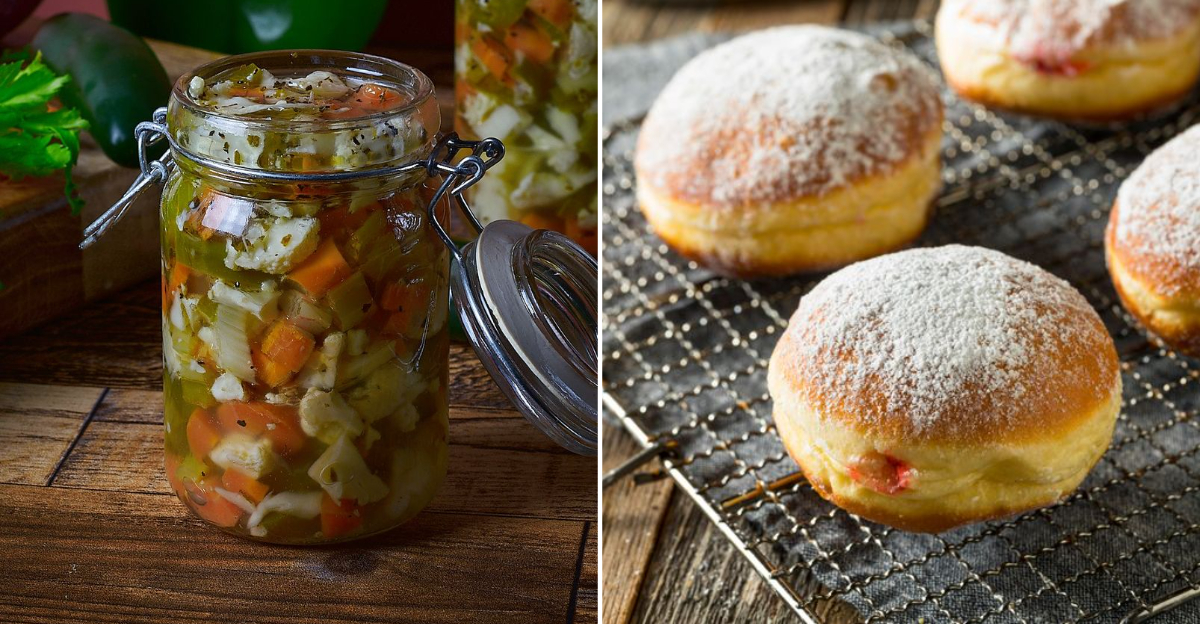
Strangers fumble with “jee-ar-dee-NAIR-uh” while locals smoothly order their “jar-dih-NAIR-uh” without missing a beat. This zesty mix of oil-soaked vegetables – carrots, cauliflower, celery, and those fiery sport peppers – elevates everything it touches.
You haven’t truly experienced Chicago cuisine until you’ve had this spicy relish piled high on an Italian beef sandwich. The hot variety will wake up your taste buds, while the mild version offers all the flavor without setting your mouth ablaze.
2. Jibarito: The Plantain Sandwich Revolution
Tourists ask for a “JY-buh-REE-toe” while Chicagoans confidently order a “hee-bah-REE-toh” in Humboldt Park eateries. This Puerto Rican-Chicago creation swaps bread for crispy fried green plantains, creating an unforgettable handheld meal.
Between those golden plantain “buns” sits garlicky marinated steak or chicken, lettuce, tomato, and mayo. The contrast between the savory meat and the slightly sweet crunch of plantain creates a flavor combination you won’t find anywhere else in America.
3. Pączki: Fat Tuesday’s Sweet Reward
Visitors stumble over “PONZ-kee” while Chicagoans with Polish roots confidently ask for “POONCH-kee” at bakeries. These rich, filled doughnuts create lines around the block before Lent begins each year.
Unlike regular doughnuts, these Polish pastries contain a rich egg dough that creates an indulgent, dense texture. Fillings range from traditional prune and rose hip to modern adaptations like custard and chocolate.
The singular form “pączek” (PON-chek) rarely gets used, because honestly, who can eat just one?
4. Gyro: The Vertical Spit Sensation
Tourists hesitantly order a “JAI-roh” while locals confidently ask for a “YEE-roh” at Greek diners across Chicagoland. The savory aroma of seasoned meat spinning on vertical spits has been tempting hungry Illinoisans for generations.
The perfect gyro combines thin slices of that seasoned beef-lamb blend with cool tzatziki sauce, fresh tomatoes, and onions, all wrapped in warm pita bread.
Many Greek-owned restaurants in Chicago have been serving this Mediterranean staple to the same families for decades.
5. Saganaki: The Flaming Cheese Spectacle
Visitors timidly request “sag-uh-NAKE-ee” while Chicago natives confidently order “sah-gah-NAH-kee” in Greektown restaurants. This simple dish of fried cheese creates unforgettable dining memories when servers flame it tableside with a triumphant “OPA!”
The first time I took my out-of-state cousins to Greektown, they jumped when the waiter set our cheese on fire. Now they can’t visit Chicago without requesting this theatrical appetizer at least once.
The kasseri cheese develops a perfect golden crust while maintaining a gooey center, best enjoyed with warm pita bread.
6. Mostaccioli: The Baked Pasta of Celebration
Newcomers might say “mo-stuh-SEE-oh-lee,” while true Chicagoans know it’s “muss-tah-CHO-lee.” This baked pasta dish appears at virtually every Chicago family gathering, from graduations to funeral luncheons.
The tube pasta, similar to penne and typically cut on the diagonal, holds tomato sauce perfectly, whether smooth or ridged. Layers of melted mozzarella and parmesan create that irresistible cheese pull when serving.
No Chicago parish fundraiser or wedding would be complete without a massive aluminum tray of this comfort food classic.
7. Bruschetta: The Garlic Bread Elevation
Tourists order “broo-SHET-uh” while locals know to ask for “broo-SKET-tah” at Italian restaurants throughout Illinois. That hard ‘k’ sound is the insider signal that you know your Italian food pronunciation game.
The perfect bruschetta starts with quality bread, toasted just right and rubbed with fresh garlic cloves. Ripe tomatoes, fresh basil, and good olive oil create a simple but spectacular topping.
Many Chicago Italian families grow their own basil specifically for summer bruschetta when tomatoes reach peak ripeness.
8. Kolaczki: The Cookie of Many Celebrations
Visitors might attempt “koh-LAKE-ski” while Chicagoans confidently ask for “koh-LOTCH-kee” at Polish bakeries in neighborhoods like Avondale. These delicate, folded cookies reveal colorful fruit or cheese fillings from their diamond-shaped centers.
I grew up watching my grandmother fold these buttery dough squares around apricot, raspberry, and prune fillings each Christmas. Her fingers worked quickly, pinching the corners to create perfect diamond shapes that barely contained the sweet filling.
Powdered sugar dusting is the final touch for these holiday favorites.
9. Chruściki: Delicate Angel Wings
Out-of-towners might attempt “cru-SICK-ee” while those in the know confidently ask for “hroosh-CHEE-kee” at Polish bakeries. These delicate, twisted ribbons of fried dough seem to shatter at the slightest touch, leaving a trail of powdered sugar wherever they go.
The light, crispy texture comes from the addition of spirits in the dough – traditionally vodka or grain alcohol. After quick frying, these ethereal cookies cool before getting their signature snow-like coating of powdered sugar.
They’re especially popular during Carnival season before Lent.
10. Gnocchi: Pillowy Potato Perfection
Visitors hesitantly ask for “NO-key” or “guh-NOCK-ee” while Chicagoans with Italian roots confidently order “NYO-kee” at restaurants throughout the city. These small potato dumplings have been comforting generations of Illinois families with their pillowy texture.
The best gnocchi feels light despite being made from potatoes – the result of a gentle touch when mixing and minimal flour. Traditional preparations include simple brown butter and sage or a bright tomato sauce.
Many Chicago Italian grandmothers still make these by hand, creating the signature ridges with the back of a fork.
11. Prosciutto: The Aristocrat of Hams
Tourists might ask for “pro-skoo-EE-toe” while locals confidently request “pro-SHOO-toh” at Italian delis across Chicagoland. This paper-thin, salt-cured ham has been elevating sandwiches, pizzas, and charcuterie boards throughout Illinois for generations.
The best way to enjoy prosciutto is simply – maybe wrapped around melon or fig for that perfect sweet-salty combination. The delicate, melt-in-your-mouth texture comes from long aging, sometimes up to two years.
Many Chicago Italian markets still import their prosciutto directly from specific regions of Italy.