
12 Illinois Hidden Gems That Feel Made For Early Summer
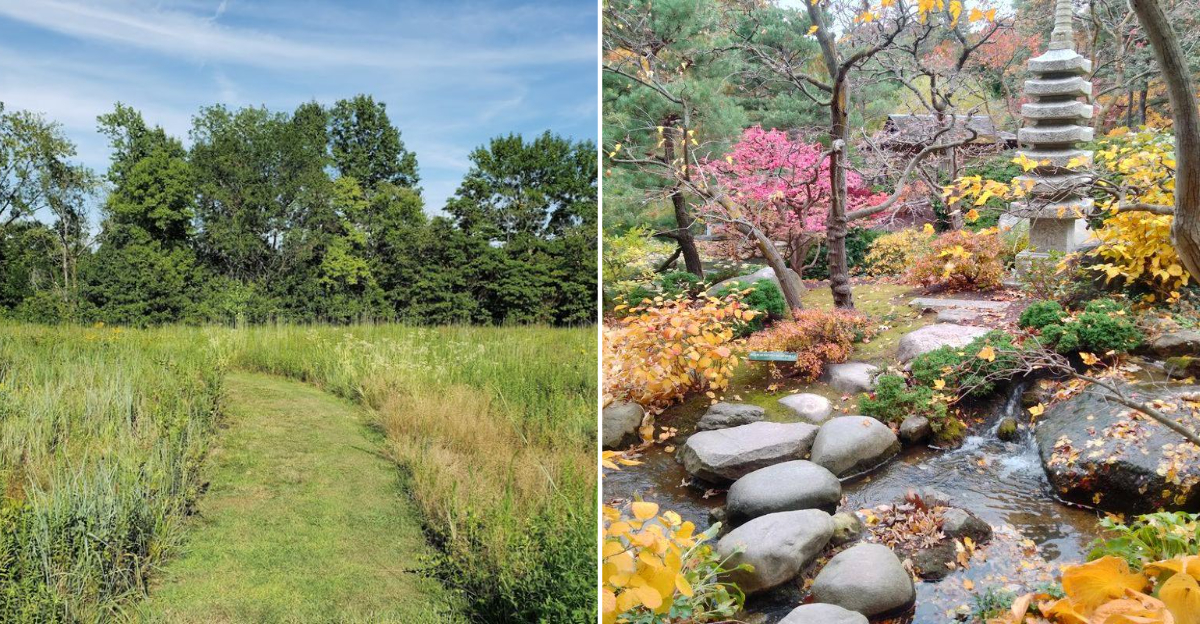
Illinois has a sneaky way of catching you off guard. One minute you think you know the state, and the next you are looking at sandstone canyons, quiet gardens, ancient earthworks, river bluffs, and forest trails that feel made for a slow summer day.
Early summer might be the best time to go, too. The wildflowers are out, everything still feels fresh and green, and the biggest crowds have not taken over yet.
So grab snacks, wear shoes you do not mind getting dusty, and give yourself a little extra time. These 12 Illinois spots are the kind of places that make a simple day trip feel like a real escape.
1. Severson Dells Nature Center, Rockford
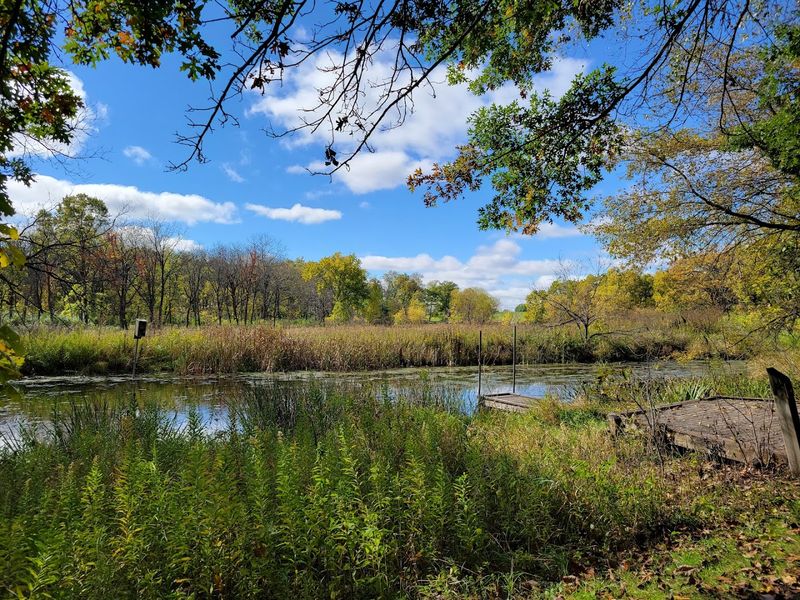
Right on the outskirts of Rockford, Severson Dells Nature Center sits along the Kishwaukee River and offers something that most city parks simply cannot: real, unhurried nature.
The 360-acre property includes prairie, forest, wetlands, and several miles of well-marked hiking trails that feel genuinely wild without being intimidating for beginners or families with young kids.
Early summer is an especially rewarding time to visit because the wildflower meadows are in full swing and the bird activity is at its peak.
The nature center hosts educational programs throughout the season, so you can pair a hike with a guided naturalist talk if you want to learn more about local ecosystems. Hall Creek and the surrounding wetlands add a calming natural backdrop to the whole experience.
Admission is free, parking is easy, and the trails are well-maintained. Severson Dells Nature Center is located at 8786 Montague Road, Rockford, IL 61102.
Pack a light snack, bring binoculars if you have them, and give yourself at least two hours to do the place justice.
2. Lirley Trailhead, Cedar Lake, Shawnee National Forest
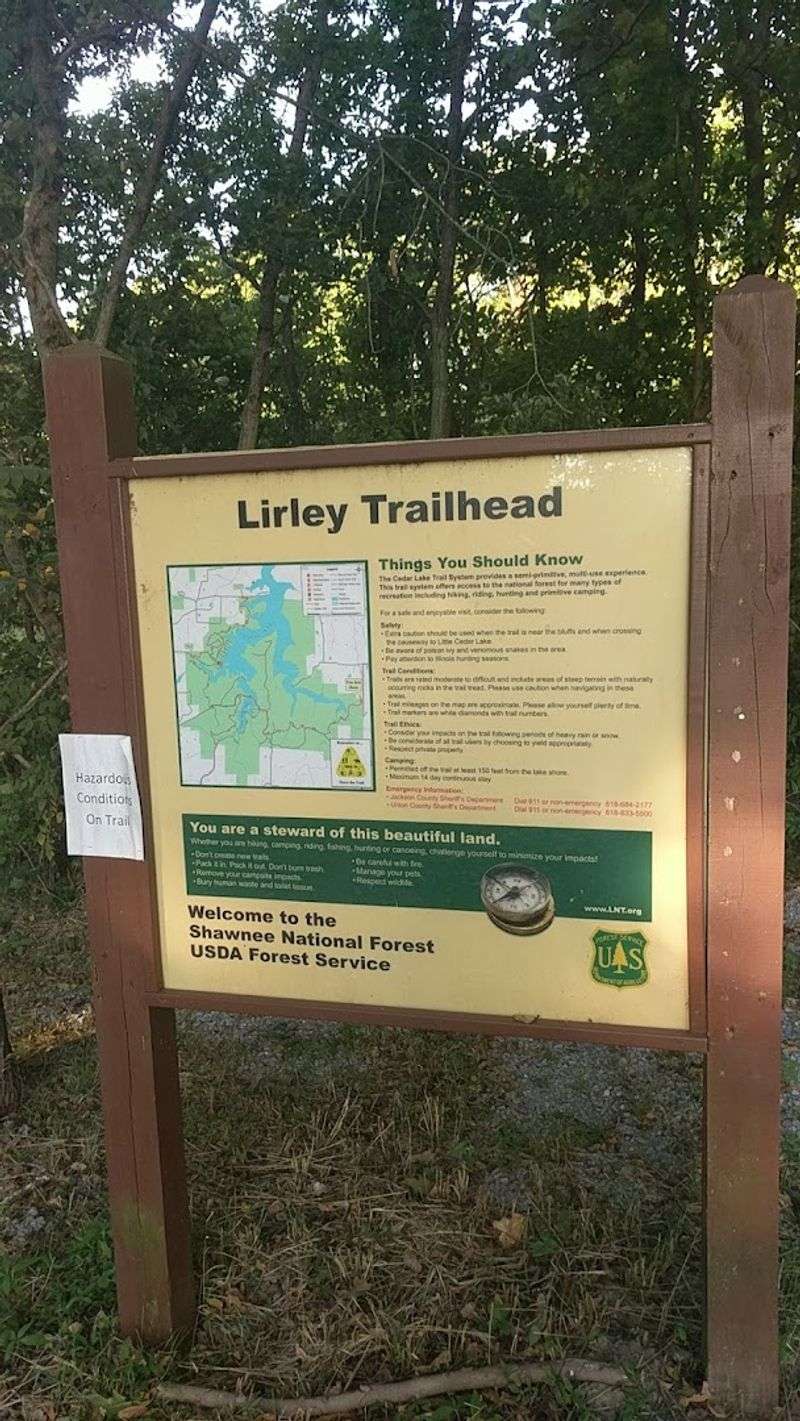
Cedar Lake in the Shawnee National Forest has been drawing hikers and paddlers for years, but the Lirley Trailhead remains one of the quieter entry points into this beautiful corner of southern Illinois.
The trail winds through dense hardwood forest before opening up to views of Cedar Lake that feel almost too good to be real, especially when the water is reflecting a clear June sky.
The Shawnee National Forest spans about 289,000 acres across southern Illinois, and this particular area rewards visitors who take their time.
You might spot white-tailed deer, wild turkey, or one of the many songbird species that migrate through the region in late spring and early summer. The terrain is moderately challenging, making it a satisfying outing for anyone who wants more than a casual stroll.
The Lirley Trailhead is located near Vienna, IL in the Shawnee National Forest. Bring plenty of water since shade can be inconsistent, and wear sturdy footwear because some trail sections get rocky.
Arriving early on weekends gives you the best chance of having the lakeside views all to yourself.
3. Ballard Nature Center, Altamont
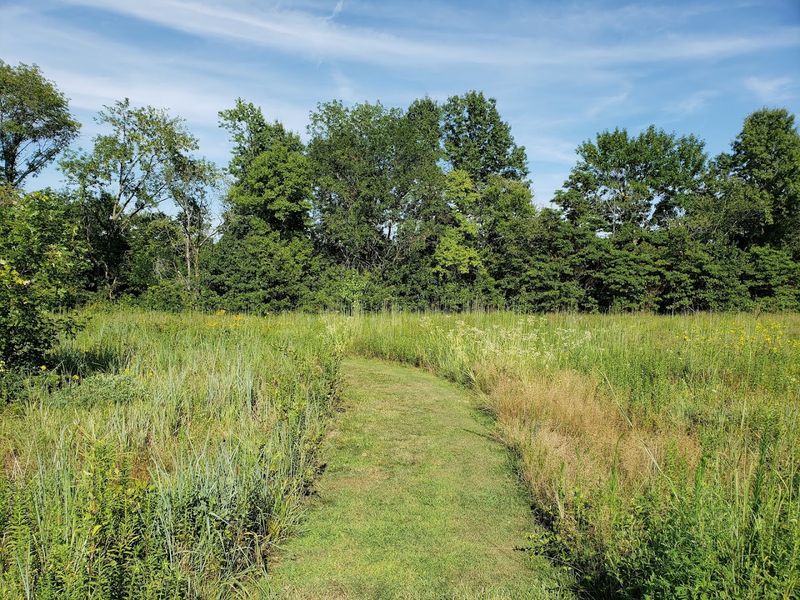
Ballard Nature Center in Altamont, Illinois is the kind of place that makes you slow down without even trying.
Spread across 145 acres of restored prairie, wetland, and woodland, the center was developed as an outdoor classroom and has been quietly doing excellent work for environmental education in central Illinois for decades.
The landscape itself is the main attraction, and early summer is when it truly shines. The restored prairie sections are packed with native wildflowers like coneflowers, black-eyed Susans, and prairie blazing star that attract butterflies, bees, and a surprising variety of dragonflies.
The wetland boardwalk is a particular highlight, giving visitors an up-close look at marsh life without getting their feet wet. Kids especially love the interactive nature programs the center runs throughout the summer months.
Ballard Nature Center is located at 5253 E. US Highway 40, Altamont, IL 62411.
The grounds are accessible for most fitness levels, with trails and nature areas designed for relaxed exploring.
If you are passing through central Illinois on a road trip and need a reason to pull over and breathe some fresh air, this is exactly the stop you have been looking for.
4. Little Grand Canyon, Shawnee National Forest
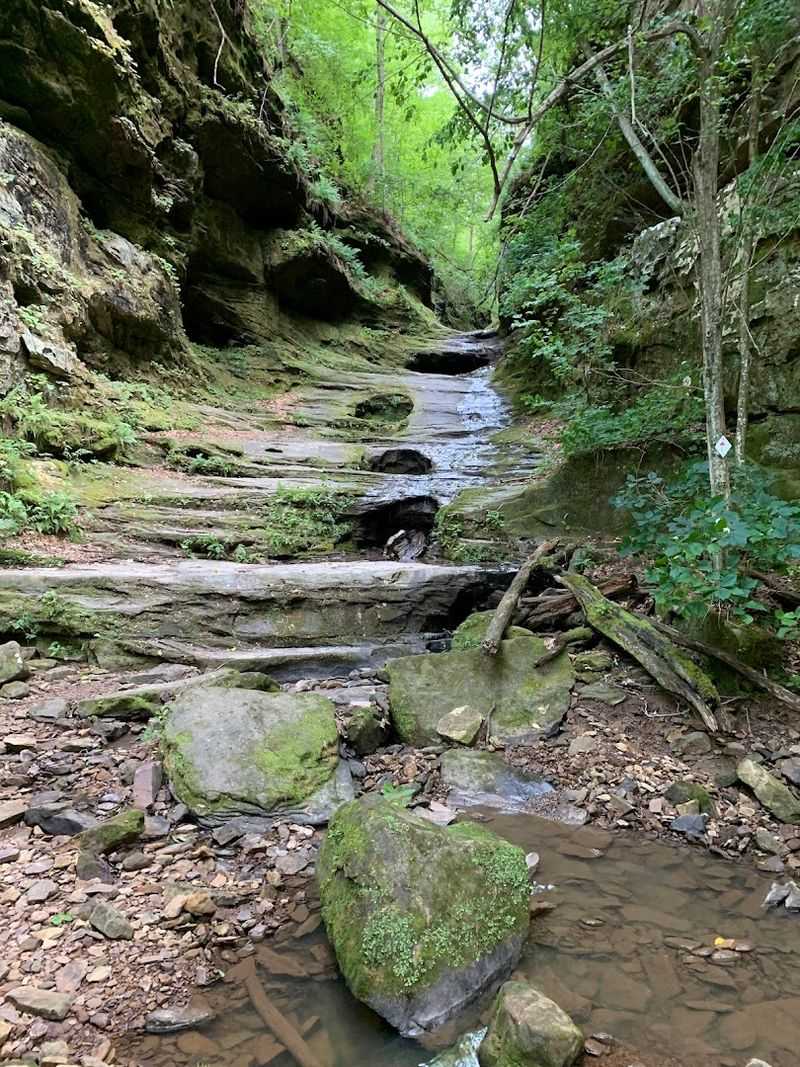
Calling something the Little Grand Canyon is a bold claim, but this Shawnee National Forest trail earns it.
Located near Murphysboro in Jackson County, the Little Grand Canyon is a 3.5-mile loop that descends into a stunning ravine carved by centuries of erosion, revealing layered sandstone walls, seasonal waterfalls, and a floodplain forest that feels like it belongs somewhere far more exotic than southern Illinois.
The hike involves some elevation change and a few sections that require a bit of scrambling, so it is best suited for older kids and adults who are comfortable on uneven terrain.
In early June, the canyon floor is lush and green, ferns are at their fullest, and the air inside the ravine stays noticeably cooler than the surrounding upland, which is a genuine bonus on a warm summer day.
The trailhead is located off Hickory Ridge Road near Murphysboro, IL 62966 in the Shawnee National Forest. Parking is free and the trail is well-marked.
Go on a weekday if possible because this spot has gained a loyal following and weekend mornings can get busy. Bring a camera because nearly every turn offers a postcard-worthy view.
5. Mississippi Palisades State Park, Savanna
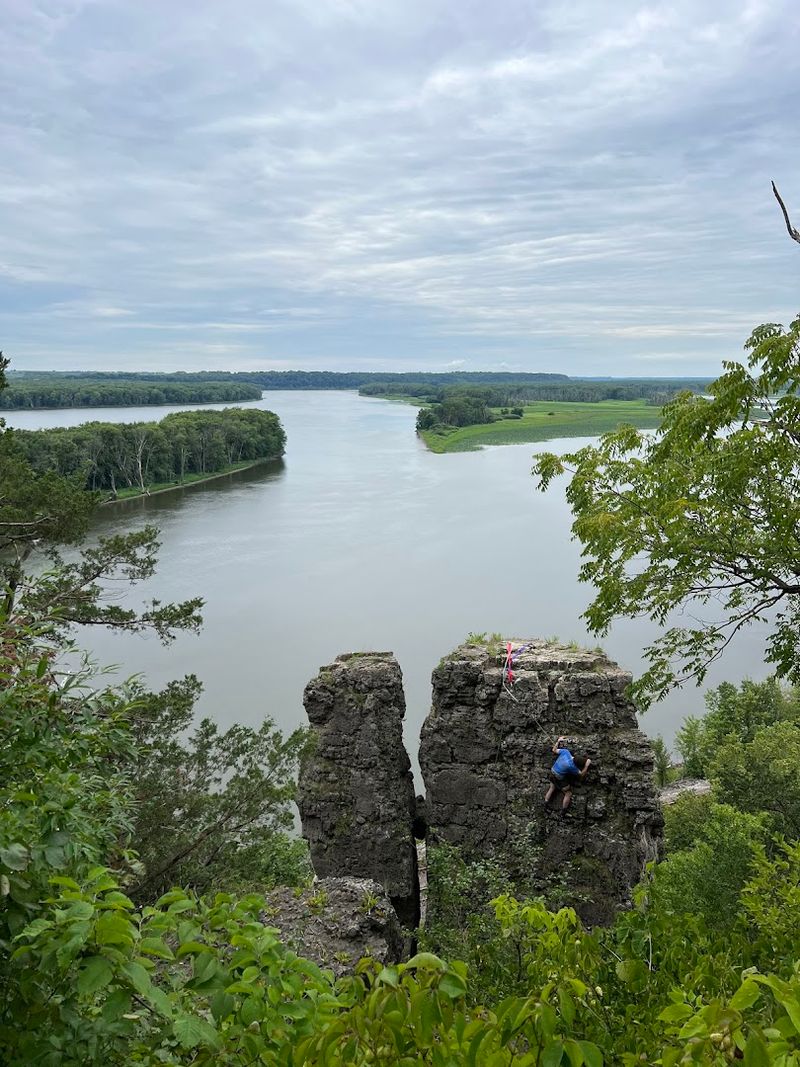
Few views in Illinois hit quite as hard as standing on top of the limestone bluffs at Mississippi Palisades State Park and looking out over the wide, slow-moving Mississippi River.
Located near Savanna in Carroll County, this 2,500-acre park is one of the most visually dramatic natural areas in the entire state, yet it remains far less visited than parks closer to major cities.
The park has over 15 miles of hiking trails ranging from easy riverside walks to more challenging climbs that reward you with panoramic bluff-top views. Early summer is ideal because the foliage is thick, the river is often at a beautiful level, and migratory birds are still moving through the area.
Rock climbers also use some of the limestone formations, and the campground fills up on weekends but is usually available mid-week.
Mississippi Palisades State Park is located at 16327 IL-84, Savanna, IL 61074. Admission to the park is free, and camping fees are reasonable.
Whether you come for a day hike or an overnight stay, the bluff views alone make the drive completely worth it. Sunset from the upper trails is something you will want to tell people about.
6. Sand Ridge State Forest, Forest City
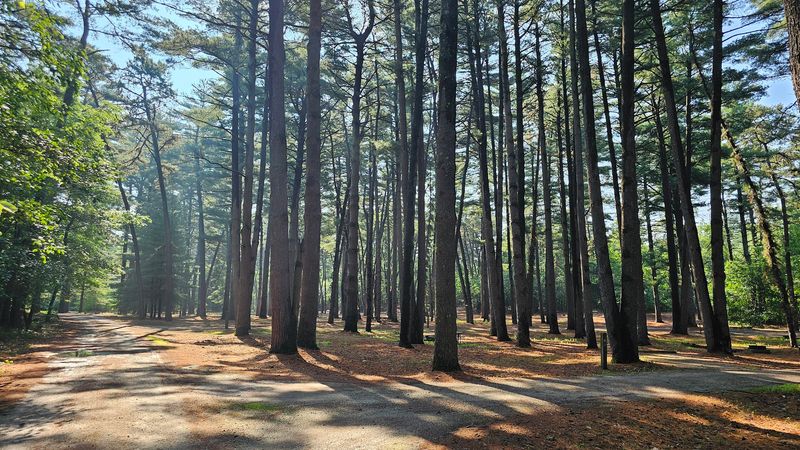
Sand Ridge State Forest near Forest City, Illinois is genuinely unlike anything else in the state.
The 7,550-acre forest sits atop ancient sand dunes left behind by glacial meltwater, creating a landscape of open sandy trails, scattered pine plantations, and scrubby oak woodlands that feels more like the Great Lakes shoreline than central Illinois.
That unusual geology makes it a fascinating destination for curious visitors. Hikers, mountain bikers, and horseback riders all share the trail network here, and the loose sandy soil gives the whole place a relaxed, almost beachy atmosphere.
Early summer is a great time to visit because the heat is manageable, wildflowers pop up in the open sandy clearings, and wildlife activity is high. The forest is also a known spot for rare plant species that thrive in sandy, nutrient-poor soils.
Sand Ridge State Forest is located along Forest Road near Forest City, IL 61532. There is no admission fee.
The area is spacious enough that even on busier days it rarely feels crowded.
Bring a trail map from the Illinois Department of Natural Resources website before you go, since the trail network is extensive and signage can be inconsistent in some sections.
7. Cahokia Mounds State Historic Site, Collinsville
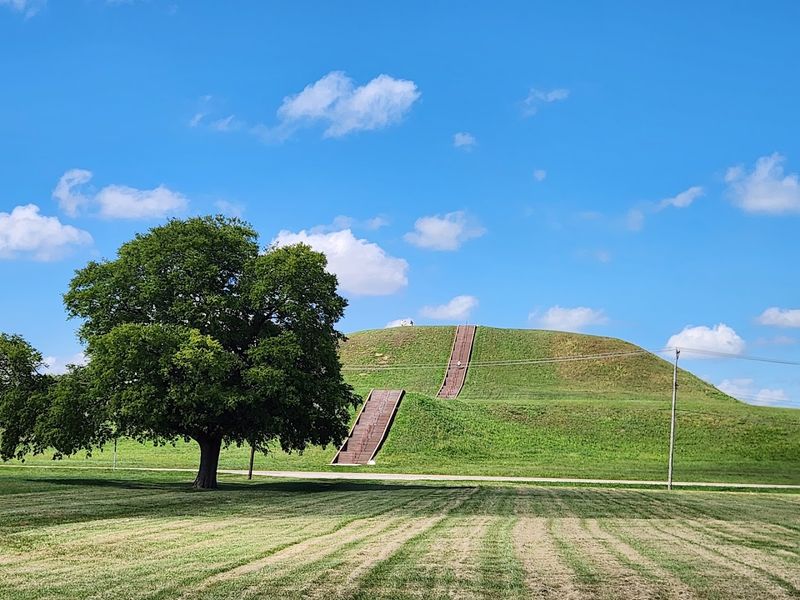
At its peak around the year 1100 CE, Cahokia was the largest pre-Columbian city north of Mexico, home to an estimated 20,000 people.
That fact alone makes Cahokia Mounds State Historic Site near Collinsville, Illinois one of the most significant archaeological sites in North America, yet it remains surprisingly undervisited compared to its historical importance.
The site preserves 80 earthen mounds built by the Mississippian culture, and the centerpiece is Monks Mound, a massive four-terraced structure that covers more ground at its base than the Great Pyramid of Giza.
Climbing to the top gives you a sweeping view of the surrounding landscape and a genuine sense of the scale of this ancient civilization. The on-site interpretive center does an excellent job of presenting the history in an accessible, respectful way.
Cahokia Mounds is located at 30 Ramey Street, Collinsville, IL 62234. Admission to the grounds is free, with a suggested donation for the museum.
Early summer mornings are cool and quiet, making it an ideal time to walk the grounds before the midday heat sets in. This is history on a scale that most people simply do not expect to find in Illinois.
8. Cantigny Park, Wheaton

Cantigny Park in Wheaton, Illinois is the kind of place that makes a Tuesday feel like a special occasion. The 500-acre estate was the former home of Robert R.
McCormick, longtime publisher of the Chicago Tribune, and it was opened to the public in 1958.
Today it operates as a public park featuring formal gardens, woodland trails, a military museum, and sweeping open lawns that are perfect for a picnic.
The gardens are the star of the show in early summer, when roses, perennials, and annual displays are at their most colorful. The design is formal but not stuffy, and there are plenty of shaded areas to sit and enjoy the scenery without feeling like you need to keep moving.
The First Division Museum on the grounds covers American military history from World War I through recent conflicts and is well worth a visit.
Cantigny Park is located at 1S151 Winfield Road, Wheaton, IL 60189. Parking fees apply, but admission to the gardens and grounds is free.
The park opens daily and tends to be especially lovely in the morning hours before the afternoon heat peaks. It is one of the most polished and well-maintained public spaces in all of northern Illinois.
9. Allerton Park And Retreat Center, Monticello
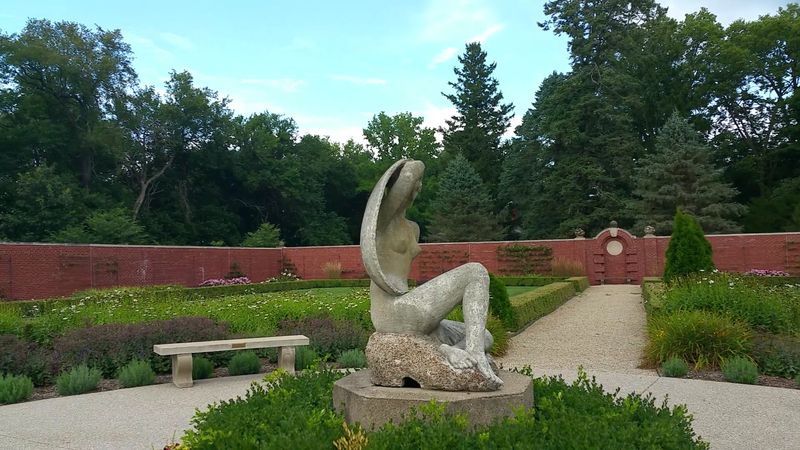
Robert Allerton spent decades transforming his central Illinois estate into one of the most unusual and beautiful gardens in the Midwest.
The result is Allerton Park near Monticello, a 1,500-acre property that blends English landscape gardens with Asian-inspired sculptures and formal garden rooms. The University of Illinois has managed the site since 1946, and it remains open to the public year-round.
The sculpture collection is what sets Allerton apart from other parks. Dozens of bronze and stone figures are placed throughout the grounds, from the famous Sun Singer statue to the whimsical Fu Dog Garden, creating a treasure hunt quality to any walk through the property.
Early summer brings lush greenery that frames the sculptures beautifully and makes the formal garden rooms feel especially vibrant.
Allerton Park is located at 515 Old Timber Road, Monticello, IL 61856. Admission is free for the grounds, and guided tours of the historic manor house are available.
The sheer variety of garden styles packed into one property makes repeat visits worthwhile because you always notice something new. Plan to spend at least three hours here if you want to explore everything properly.
10. Anderson Japanese Gardens, Rockford

Ranked consistently among the top Japanese gardens in North America by the Journal of Japanese Gardening, Anderson Japanese Gardens in Rockford, Illinois is a world-class destination that most people outside the region have never heard of.
The 12-acre garden was designed by Hoichi Kurisu and has been refined over decades into a remarkably cohesive and peaceful landscape that rewards slow, attentive visits.
Koi ponds, waterfalls, tea houses, stone lanterns, and meticulously pruned plantings create an atmosphere of genuine calm that is hard to find in most public spaces.
Early summer is one of the best times to visit because the irises and other moisture-loving plants are blooming, the garden is at its greenest, and the long daylight hours give you plenty of time to explore without rushing. The sound of moving water is present almost everywhere you walk.
Anderson Japanese Gardens is located at 318 Spring Creek Road, Rockford, IL 61107. Admission fees apply and are very reasonable for what you get.
The garden hosts special events throughout the summer, so check the calendar before your visit. If you have never been to Japan but are curious about the aesthetic, this garden offers a genuinely transportive experience without the plane ticket.
11. Garden Of The Gods Recreation Area, Shawnee National Forest
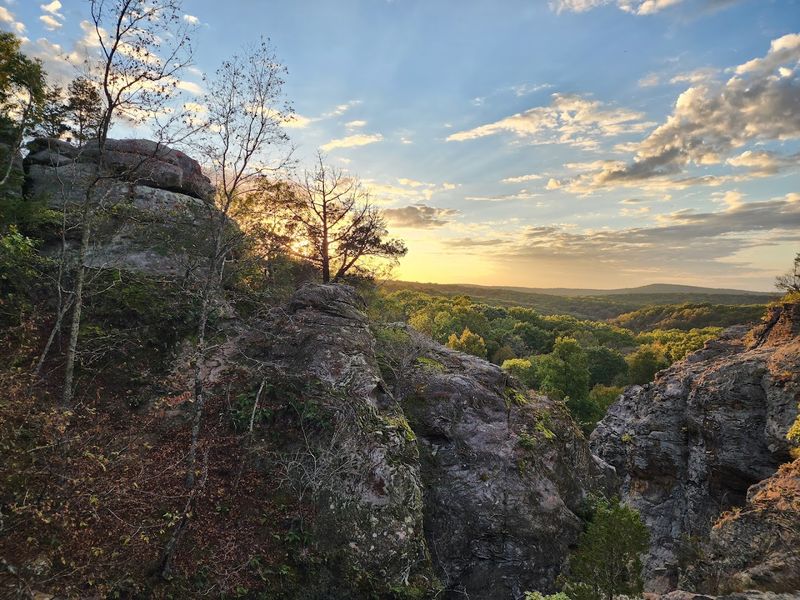
Garden of the Gods is arguably the most dramatic landscape in Illinois, and it is the kind of place that makes first-time visitors stop mid-sentence and just stare.
Located in the Shawnee National Forest near Elizabethtown in Hardin County, this recreation area features a collection of ancient sandstone rock formations that have been sculpted by erosion over hundreds of millions of years into shapes that look almost intentional.
The main Observation Trail is about a quarter mile long and is accessible enough for most visitors, but the views it delivers are genuinely spectacular. Named formations like Camel Rock, Anvil Rock, and Mushroom Rock give the place a surreal quality that photographs well but is even better in person.
In early summer, the surrounding forest canopy is full and green, which makes the pale orange and tan sandstone formations stand out even more dramatically against the landscape.
Garden of the Gods is located off Karbers Ridge Road near Elizabethtown, IL 62931. Parking is free and the site is managed by the U.S. Forest Service.
Sunrise and late afternoon light are the best times for photography. Come on a weekday if you want the formations mostly to yourself because this spot has become well-known enough that weekends bring real crowds.
12. Fort De Chartres State Historic Site, Prairie Du Rocher
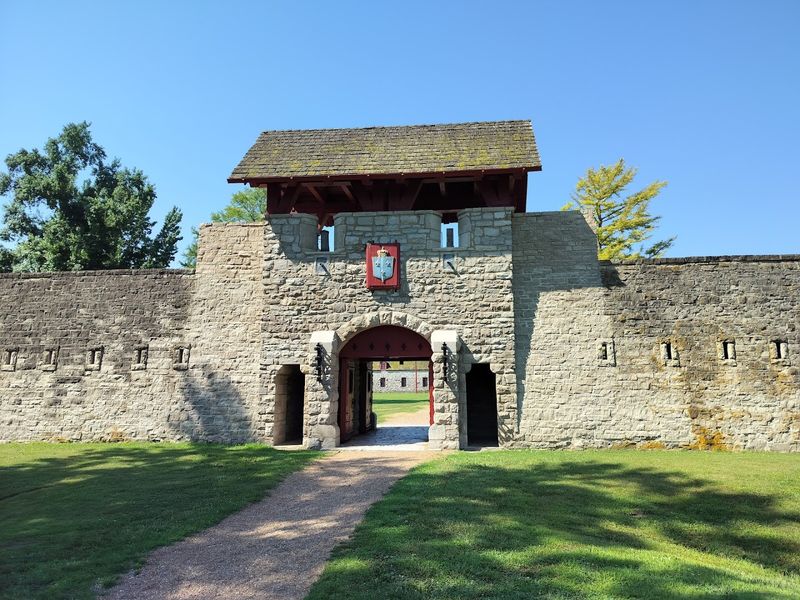
Most people do not know that France once controlled a large swath of the American interior, and Fort de Chartres near Prairie du Rocher in Randolph County is one of the most tangible reminders of that history anywhere in the country.
The original fort was built by French colonial authorities in 1720, and the current stone reconstruction gives visitors a vivid sense of what frontier life looked like three centuries ago along the Mississippi River.
The site includes a restored powder magazine believed to be the oldest building in Illinois, a small but informative museum, and wide open grounds that feel peaceful and unhurried.
In early summer, the fort hosts living history demonstrations and reenactment events that bring the French colonial period to life in an engaging, family-friendly way.
The surrounding landscape of the American Bottom floodplain adds a sense of geographic context that makes the history feel even more grounded.
Fort de Chartres is located at 1350 IL-155, Prairie du Rocher, IL 62277. Admission is free and the site is managed by the Illinois Department of Natural Resources’ Historic Sites division.
The drive through the small French colonial villages of the area, including nearby Kaskaskia Island, turns the trip into a genuinely immersive historical experience that goes well beyond the fort itself.