
Illinois’ Massive Four-Day Music Festival That Too Many Visitors Miss
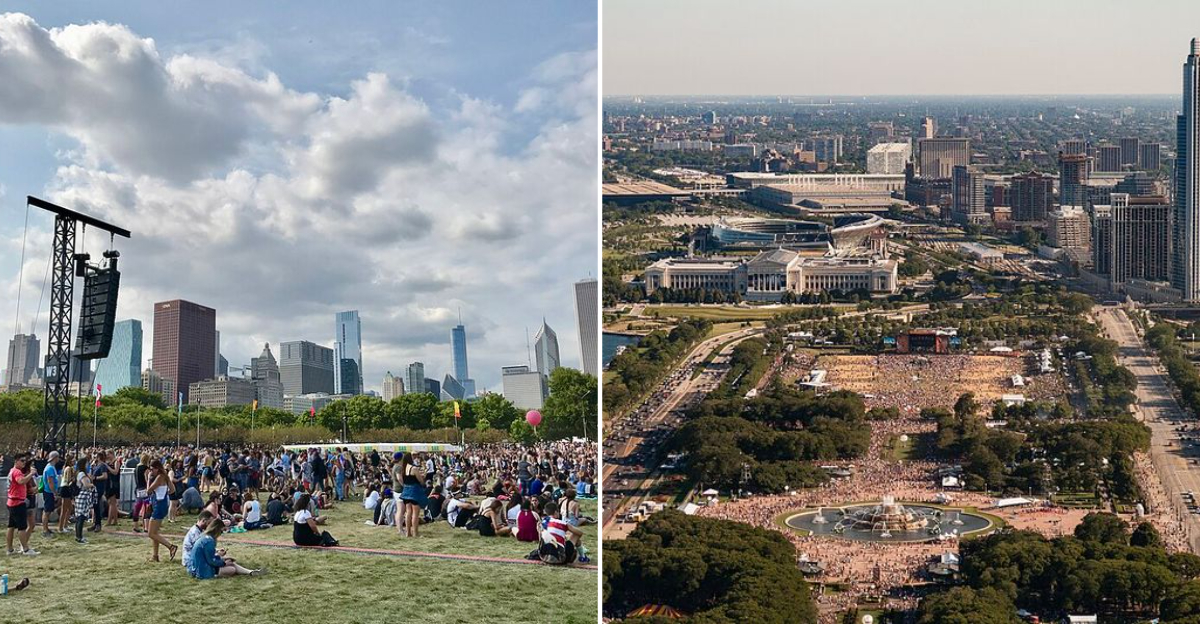
Every summer, downtown Chicago becomes the center of a massive musical takeover, and the skyline turns into part of the show. Hundreds of thousands of fans gather inside a sprawling lakefront park for four days of live performances, packed crowds, and nonstop energy.
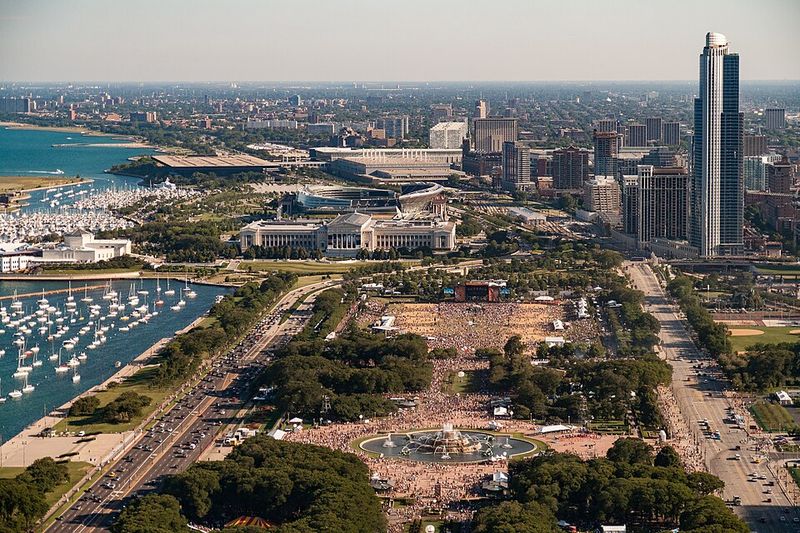
The setting alone makes the experience unforgettable. Towering buildings rise beyond the stages, Lake Michigan sits nearby, and the entire park feels transformed once the music begins.
This Illinois festival attracts major artists and devoted fans from around the world, yet seeing it in person still feels bigger than any photo or video suggests.
Standing in the middle of the crowd while a headliner performs against the Chicago skyline is the kind of summer memory that stays with you long after the final set ends.
A Festival Born From Rock Rebellion
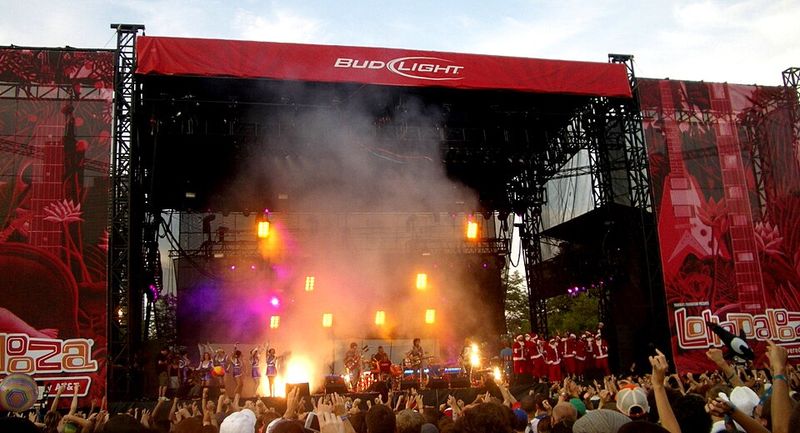
Back in 1991, Perry Farrell, the frontman of Jane’s Addiction, launched Lollapalooza as a farewell tour for his band.
Nobody expected it to become one of the most recognized music festival names on the planet. What started as a traveling roadshow across North America eventually found its permanent home in Chicago’s Grant Park in 2005, and the city has never looked back.
The festival’s name itself comes from an old American slang term meaning something outstanding or extraordinary. That word choice turned out to be a perfect prediction.
Over the decades, Lollapalooza has featured legendary performances from artists like Red Hot Chili Peppers, Radiohead, Eminem, Billie Eilish, and countless others who have helped shape modern music culture.
Understanding this history makes attending the festival feel like more than just a concert. You are walking into a living piece of music history, one that grew from a single rebellious idea into a global cultural institution that still pushes creative boundaries every single year.
The Perfect Urban Stage
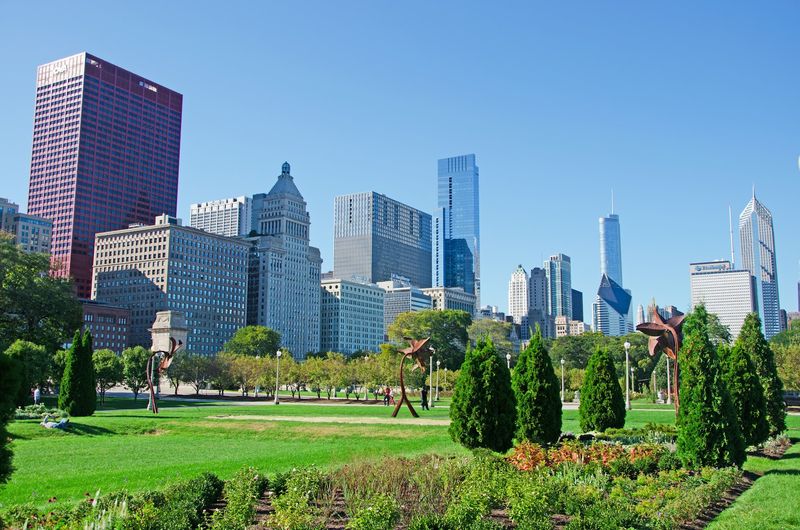
There are not many places in the world where you can watch a headlining act perform while the glittering skyline of a major American city rises up behind the stage. Grant Park makes that experience possible, and it is genuinely hard to describe how striking it looks in person.
The park sits right along the western shore of Lake Michigan, giving the entire festival grounds a natural, open-air feel that indoor arenas simply cannot replicate.
The park spans over 313 acres of green lawns, tree-lined paths, and open plazas, giving festival organizers plenty of room to set up multiple stages without things feeling cramped.
On a clear summer day, the combination of blue water, green grass, and towering buildings creates a visual atmosphere that feels almost surreal. I found myself stopping mid-crowd just to look around and take it all in.
Grant Park is also well-connected to the rest of downtown Chicago, making it easy to slip out after a set and explore the city before the next performance begins. The park is truly one of the best natural festival venues anywhere in Illinois and in North America.
Eight Stages Running Simultaneously
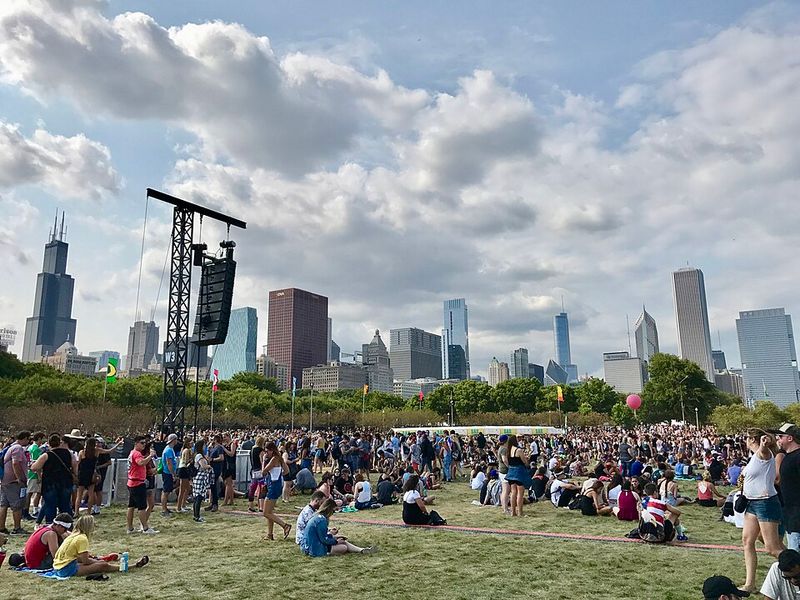
One of the first things that genuinely surprised me about Lollapalooza was the sheer number of stages running at the same time.
The festival operates eight stages simultaneously across the park, which means at almost any given moment, you have multiple artists performing live.
That kind of variety is rare even among major music festivals, and it creates a genuinely exciting problem: you will never be able to see everything you want to see.
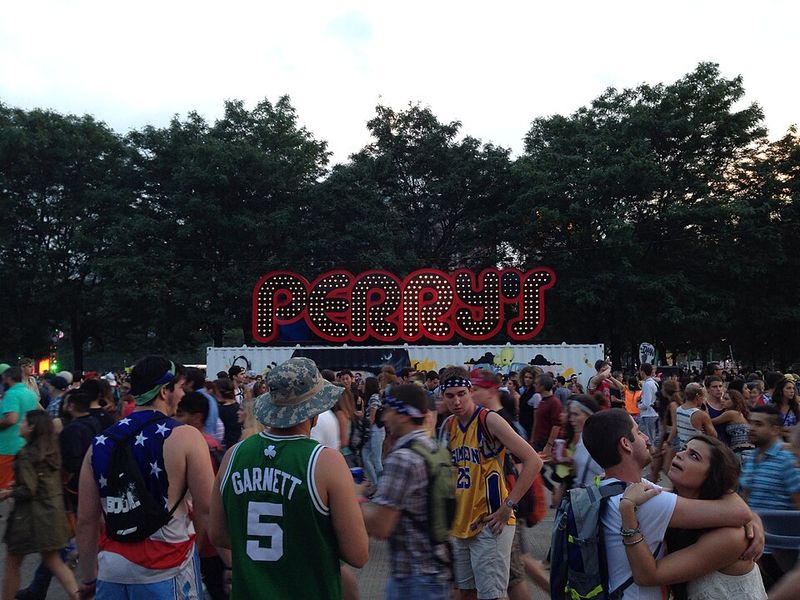
Each stage has its own personality and sound. The T-Mobile Stage and Bud Light Stage serve as the festival’s two main stages, while Perry’s Stage focuses largely on electronic music.
Smaller stages tucked throughout the park tend to spotlight up-and-coming artists, electronic producers, and genre-specific acts that attract passionate, dedicated fans.
Planning your schedule ahead of time is essential because conflicts are unavoidable. Two artists you love will almost certainly perform at the same time on opposite ends of the park.
Many experienced festival-goers treat this challenge like a fun puzzle, mapping out their ideal day and then staying flexible enough to follow whatever sounds good in the moment. That spontaneity is part of what makes the experience so memorable.
A Lineup That Covers Every Genre
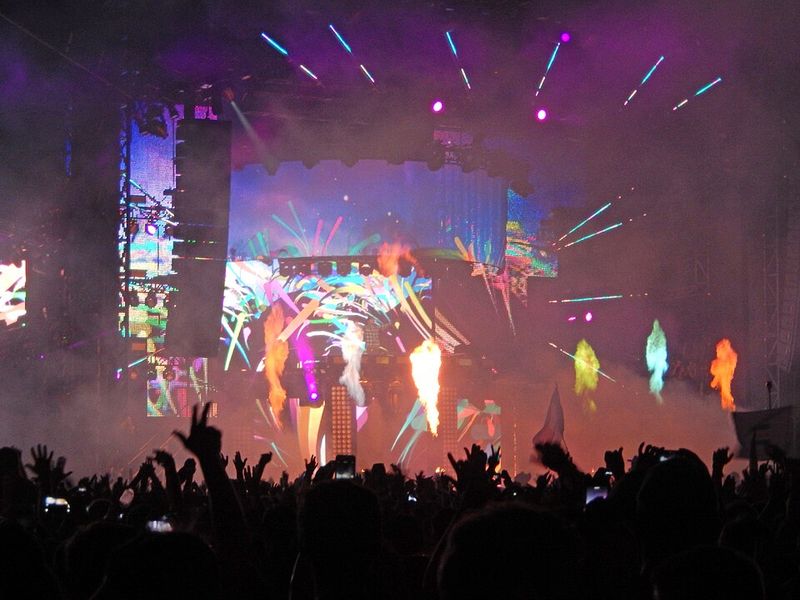
Calling Lollapalooza a rock festival would be a serious understatement in 2026. The lineup spans an enormous range of musical styles, including hip-hop, pop, electronic dance music, indie rock, metal, R&B, and Latin music.
That diversity is one reason the festival attracts such a wide range of ages and backgrounds, making the crowd itself one of the most interesting parts of the experience.
The 2026 headliners include Charli XCX, Tate McRae, Lorde, Olivia Dean, John Summit, JENNIE, The Smashing Pumpkins, and The xx.
More than 170 artists are scheduled to appear across eight stages during the four-day festival, giving visitors plenty of opportunities to hear major stars alongside performers they may not know yet.
For me, the genre-crossing lineup was one of the most exciting parts of attending. I wandered into a set I knew nothing about on a smaller stage and ended up staying for the entire performance.
That kind of happy accident happens constantly at Lollapalooza, and it often leads to discovering a new favorite artist.
The Festival Draws Over 100,000 Fans Per Day
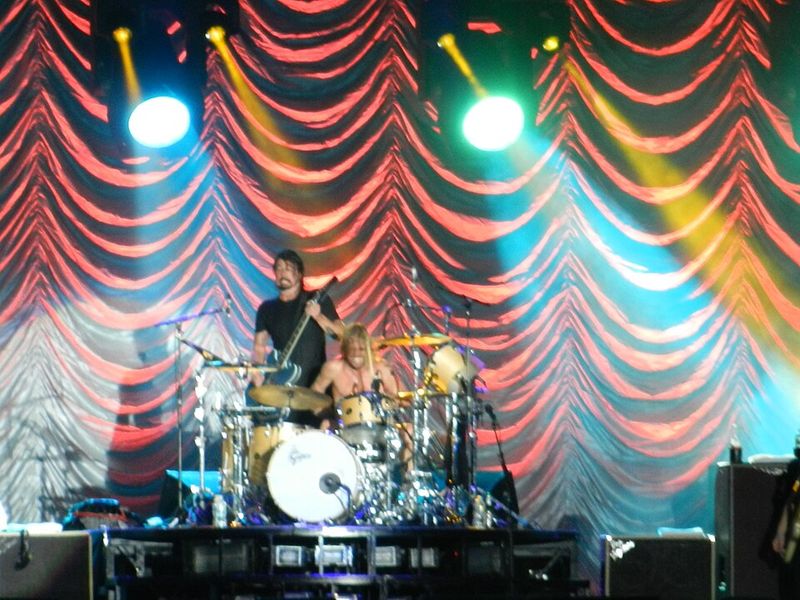
The numbers behind Lollapalooza are staggering. On any given day of the four-day festival, more than 100,000 people fill Grant Park.
Over the full weekend, total attendance regularly exceeds 400,000 visitors, making it one of the largest annual music events in the United States. Those figures put it in the same conversation as Coachella and Glastonbury in terms of sheer scale.
What is impressive is how the city of Chicago handles that kind of foot traffic with remarkable efficiency.
The Chicago Transit Authority adds extra train service during festival weekend, and the park itself is designed with enough open space that even a crowd that size rarely feels completely overwhelming.
Arriving early to secure a good spot near the main stage is always a smart move, but even late arrivals can find comfortable viewing areas.
Being surrounded by that many people who are all there for the same reason creates an energy that is genuinely electric. Strangers share snacks, trade festival tips, and cheer together for artists they may have only just discovered.
That collective enthusiasm, multiplied by 100,000 people standing in one of America’s most beautiful urban parks, is something you have to feel for yourself to fully appreciate.
What Happens Between The Biggest Sets
Lollapalooza figured out a long time ago that great music alone does not make a great festival.
The event has built an entire ecosystem around the performances, featuring a sprawling food and beverage marketplace called Chow Town, where Chicago restaurants and national food vendors compete for your appetite.
It is genuinely one of the best places to eat during any festival weekend, and the variety of options is impressive.
Beyond food, the festival dedicates significant space to art installations, interactive experiences, and vendor markets.
Walking between stages, you might stumble across a large-scale sculpture, a hands-on art activity, or a pop-up shop from an independent clothing designer. These elements give the festival a texture and depth that goes well beyond the concert experience.
There is also a dedicated family area called Kidzapalooza, featuring live music and interactive experiences for younger festivalgoers.
The organizers have clearly put thought into making the event feel welcoming to a wide range of people. Whether you spend your day in the crowd or wandering through the art installations, there is always something worth stopping for between sets.
Ticket Options Range From Basic To Ultra-Premium
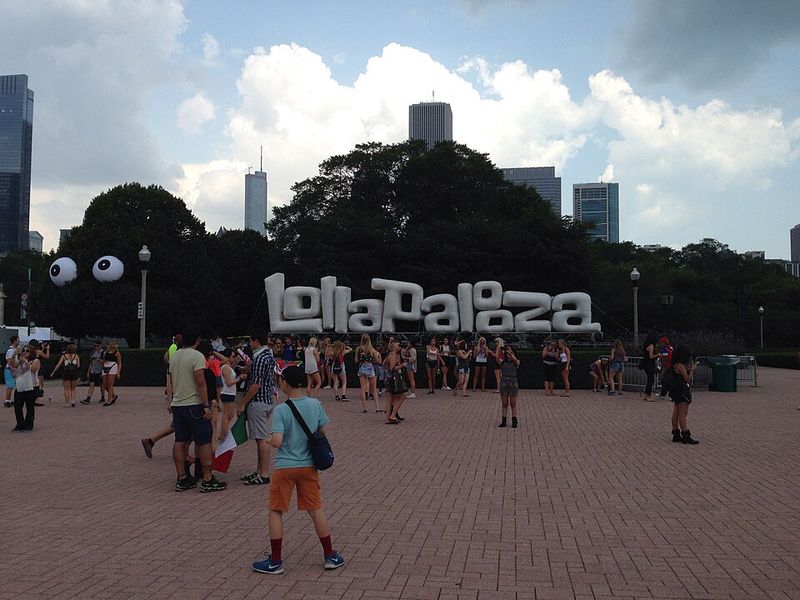
Getting into Lollapalooza requires some planning, and ticket prices reflect the scale of the event. Four-day general admission passes typically start around $375 and can climb significantly higher depending on when you purchase them and what tier of access you choose.
Single-day tickets are also available, which is a great option if you only care about seeing a specific headliner or if a full four-day commitment feels like too much.
VIP and platinum packages are available for those who want premium viewing areas, dedicated entrances, and access to exclusive lounges.
These options can cost several times the price of a standard pass, but they come with meaningful upgrades that make a real difference in comfort when the park is at full capacity.
I went the general admission route on my first visit and had an incredible time, though the VIP viewing areas do look very appealing from the outside.
Tickets typically go on sale in late winter or early spring, and availability can become limited quickly after the lineup is announced.
Signing up for email alerts through the official Lollapalooza website is the most reliable way to make sure you do not miss the on-sale date. Early planning is everything with an event this popular.
How To Enjoy The Festival Without Burning Out
A little preparation goes a long way at a festival this large. Comfortable shoes are absolutely non-negotiable, since you will likely walk several miles each day crossing between stages.
Lightweight, breathable clothing is equally important because July in Chicago can be genuinely hot and humid, especially when you are standing in a crowd. Packing a small portable charger for your phone is one of those decisions you will thank yourself for by the second day.
Grant Park opens its festival gates at 11 AM each day, and the headliners typically perform between 8 PM and 10 PM. Arriving early gives you time to explore the grounds, find the stages you want to visit, and grab food before the longest lines form around midday.
The festival has two entrances: the main entrance at Michigan Avenue and Ida B. Wells Drive and the north entrance at Monroe Street and Columbus Drive.
Staying nearby in the Loop or South Loop neighborhoods means you can return to your hotel between sets to rest and recharge. Chicago’s public transit system connects directly to the park, making it easy to get around without relying on rideshares.
With a bit of smart planning, four days at Lollapalooza feels energizing rather than exhausting, and you will leave wanting to come back the following year.