
Illinois Mealtime Rules From The ’60s That Feel Unbelievable Today
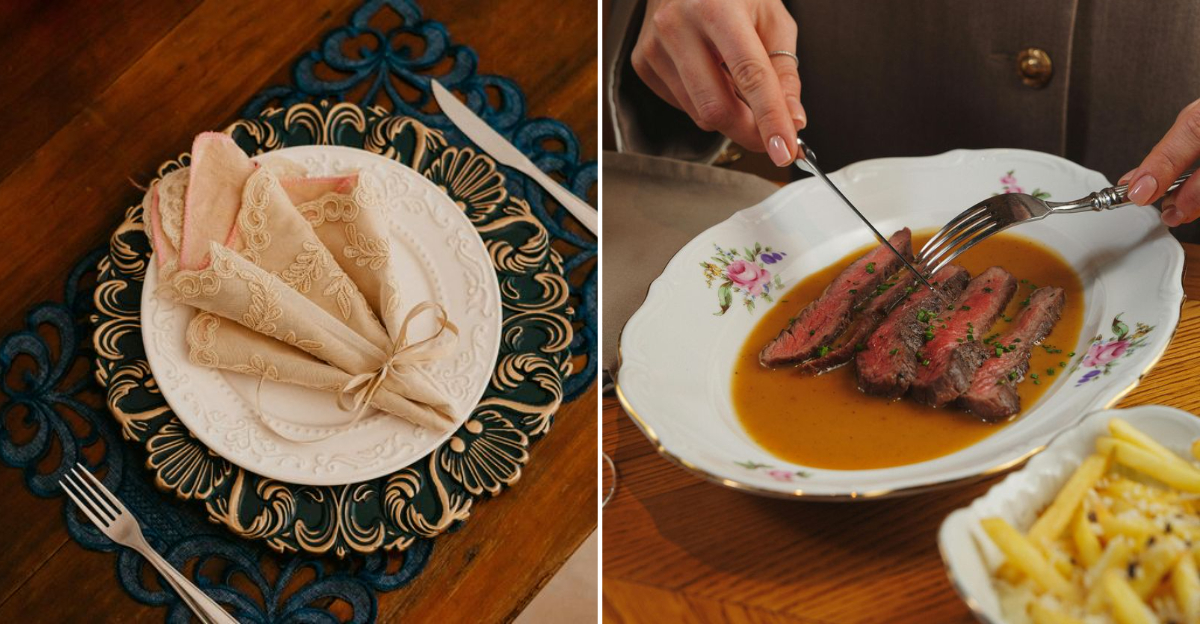
Back in the 1960s, Illinois dinner tables operated under rules that would make today’s families do a double-take.
Mealtime wasn’t just about eating, it was a ritual shaped by etiquette, structure, and expectations that often left little room for flexibility.
While not every household followed the same standards, many families across Illinois shared similar mealtime norms rooted in discipline and routine.
Kids today might think these customs sound more like boot camp than supper, but for many families across the Prairie State, this was simply how things were done.
1. Everyone Ate At The Exact Same Time
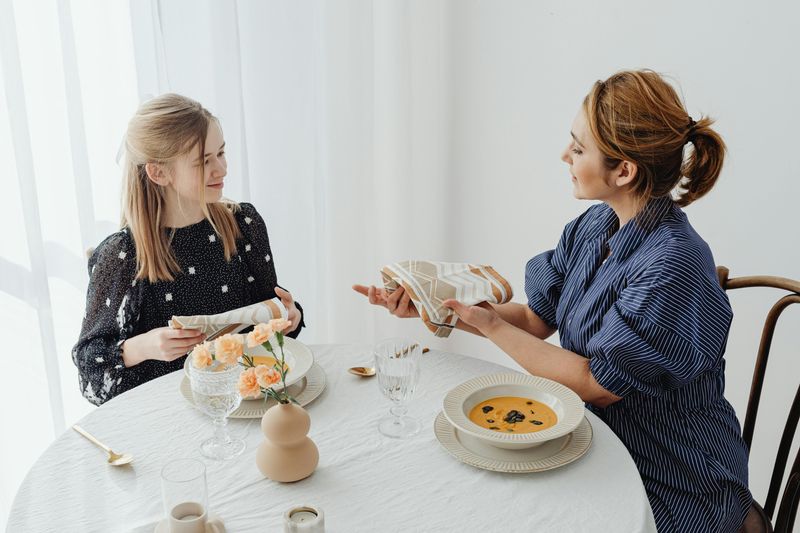
Forget about wandering into the kitchen whenever hunger struck—that wasn’t how many Illinois families rolled in the 1960s. Dinner typically started at a set time, often when the working parent sat down, and everyone else was expected to be present.
No excuses, no delays, no “I’ll eat in five minutes.”
This synchronized dining created a sense of order that defined family life back then. Missing dinner meant you missed more than just food—you missed the day’s debriefing, family announcements, and connection time.
In many households, arriving late was discouraged and seen as disrespectful to the family routine.
Nowadays, families eat in shifts based on work schedules, sports practice, and personal preferences. Back then, your schedule often bent to accommodate mealtime, not the other way around.
That dinner bell wasn’t merely a suggestion—it signaled that the household was coming together.
2. You Waited Until The Head Of The Household Began Eating
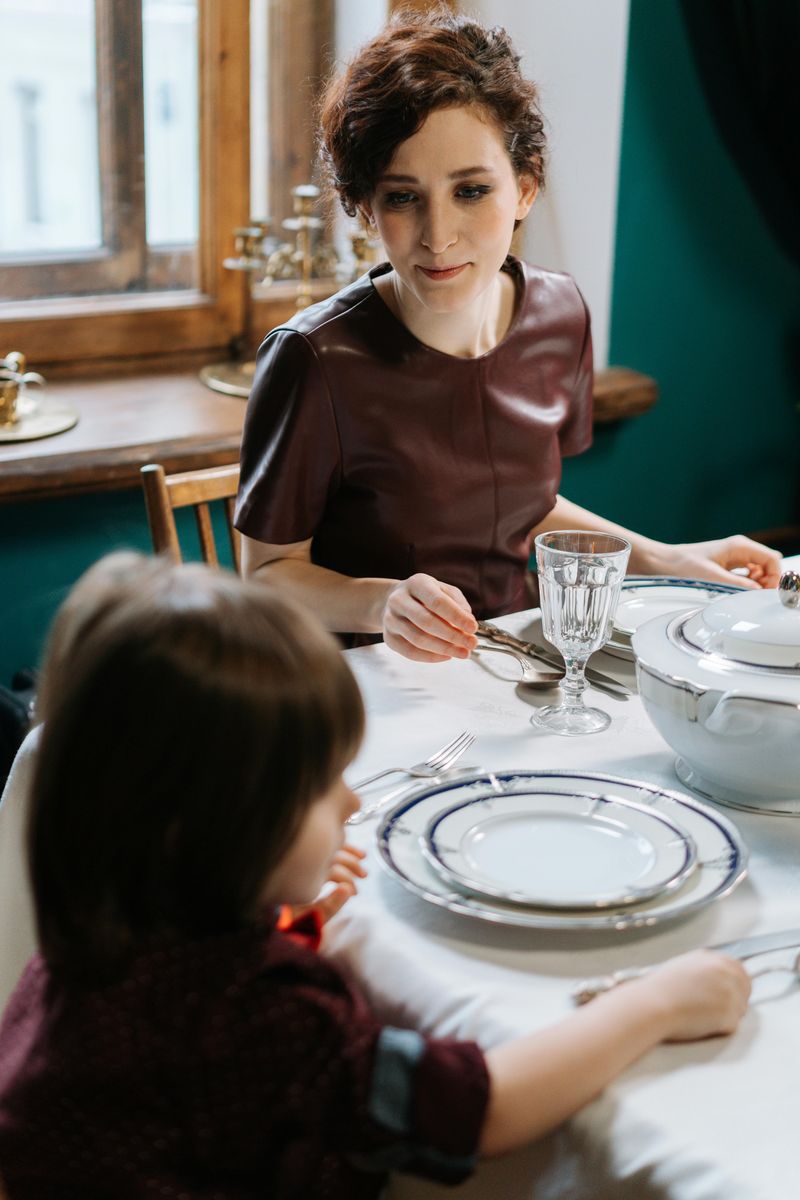
Picture this: steaming mashed potatoes, golden fried chicken, and buttery corn sitting right in front of you, but you couldn’t touch a single bite. In many homes, children waited until an adult, often the head of the household, began eating before starting themselves.
This unspoken rule reinforced family hierarchy at meals in numerous Illinois households.
Children learned patience the hard way, watching delicious food cool while waiting for the signal. Sometimes it was a nod, sometimes just the clink of silverware, but everyone knew the drill.
Starting early could earn a stern look or correction.
Today’s kids would find this frustrating, especially with smartphones distracting them from such formalities. But back then, respect often trumped hunger.
The authority of parents frequently extended to setting the tone and timing of the meal.
3. Kids Asked To Be Excused From The Table
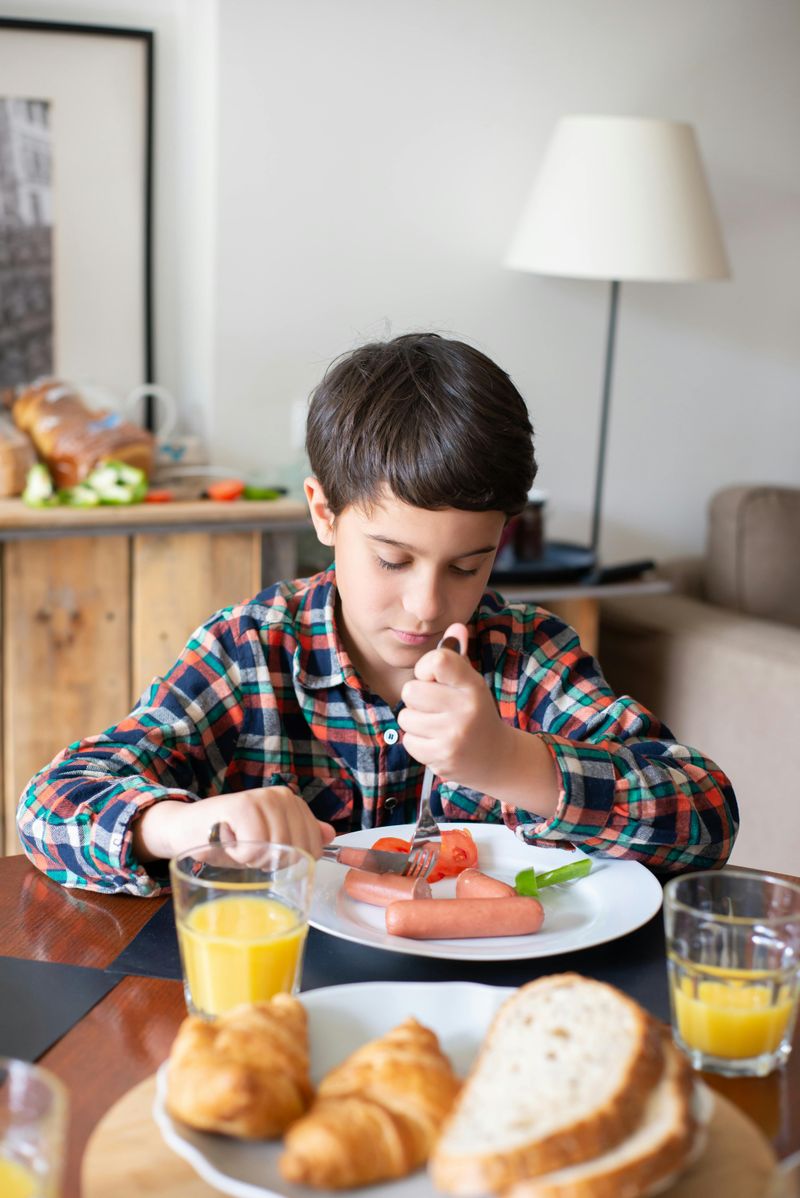
Bolting from the table the second you finished eating? Absolutely not happening in a 1960s Illinois home.
Children had to formally request permission to leave, usually with the magic phrase “May I please be excused?” Skipping this courtesy was widely viewed as rude in many families.
Parents viewed this tradition as essential training in respect and manners. Even if you’d cleaned your plate and sat through twenty minutes of adult conversation, you still needed that verbal release.
Just standing up and walking away branded you as rude.
Modern families rarely enforce this formality, with kids often clearing their plates and disappearing without ceremony. But back in the day, your parents often controlled not just what you ate, but when your meal officially ended.
Freedom came only after proper protocol.
4. Plates Had To Be Completely Clean
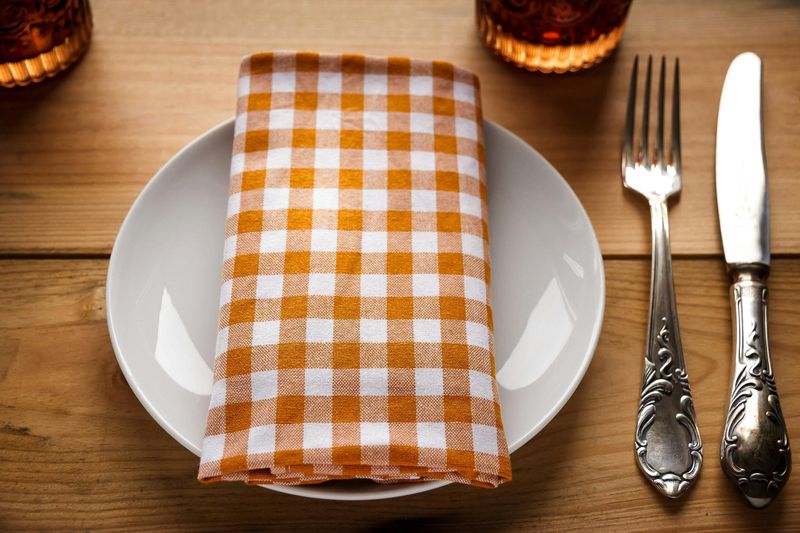
That last spoonful of peas staring at you from your plate wasn’t optional—it was mandatory. Illinois parents in the ’60s enforced the clean plate club with unwavering dedication, regardless of whether you were stuffed or simply didn’t like lima beans.
Waste not, want not wasn’t just a saying; it was law.
Many parents had lived through the Depression or wartime rationing, making leftover food feel almost offensive. They’d remind you about starving children elsewhere, guilt-tripping you into finishing every morsel.
Your appetite didn’t matter—the principle did.
Today’s nutrition experts actually discourage this practice, encouraging kids to listen to their hunger cues instead. But back then, portion control meant finishing what you were served, even if it meant sitting at the table long after everyone else left.
5. Dessert Was Earned, Not Guaranteed
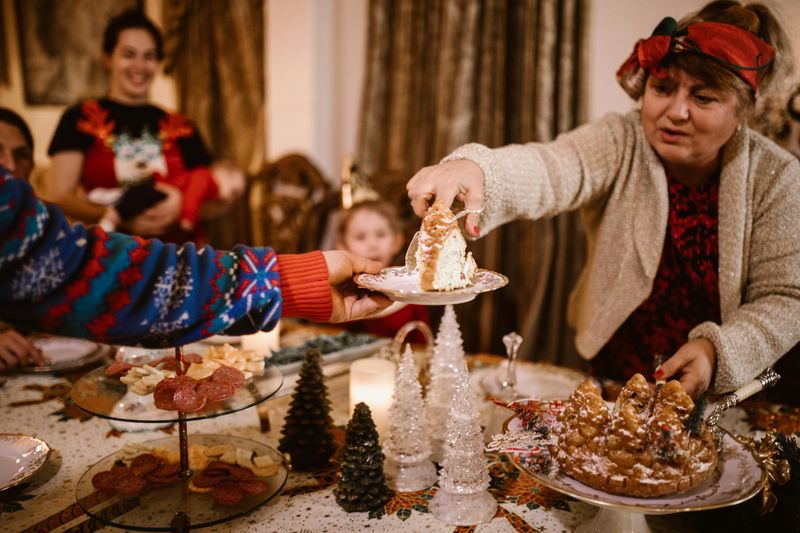
Cake, pie, or cookies weren’t automatic—they were rewards for good behavior and clean plates. Illinois moms wielded dessert like a powerful motivational tool, dangling sweetness just out of reach until you proved yourself worthy.
Dinner compliance determined whether you got that slice of heaven.
Bad table manners, complaints about the main course, or leaving food behind could disqualify you instantly. Watching siblings enjoy dessert while you sat empty-handed taught harsh lessons about following rules.
No participation trophies here—you earned every bite of that cherry pie.
Contemporary parents often serve dessert more casually, sometimes even as part of the meal itself. But in the 1960s, sugar came with strings attached.
That made it taste even sweeter when you finally qualified for your reward.
6. No Elbows On The Table
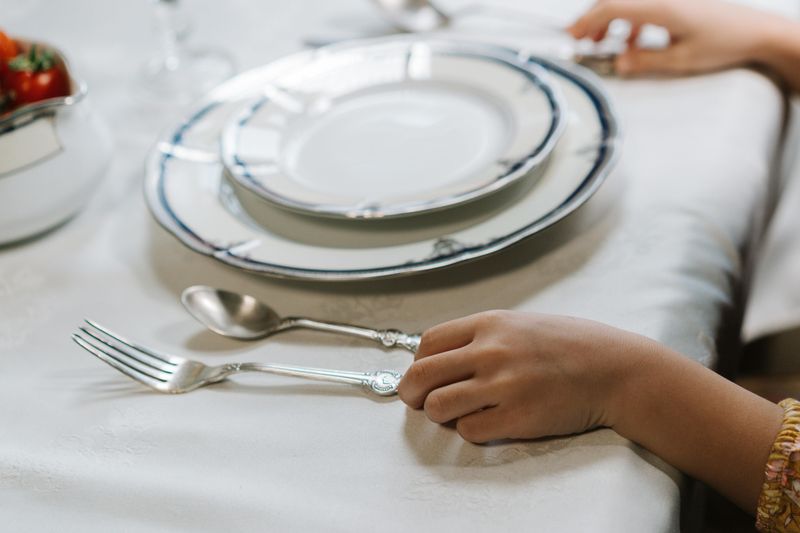
Rest your elbows on the table and you’d get swatted, scolded, or at minimum receive a sharp look from across the room. This rule ranked among the most consistently enforced bits of dining etiquette in many Illinois homes.
Even adults monitored themselves, keeping forearms off the tabletop.
Parents believed proper posture at meals reflected overall character and upbringing. Slouching or leaning suggested laziness and disrespect.
While the social consequences varied by family, visible manners were often tied to perceptions of good parenting and respectability.
Today, this rule has loosened considerably, with casual dining making it nearly obsolete. But back then, your elbow placement carried real social meaning.
7. No Talking With Food In Your Mouth
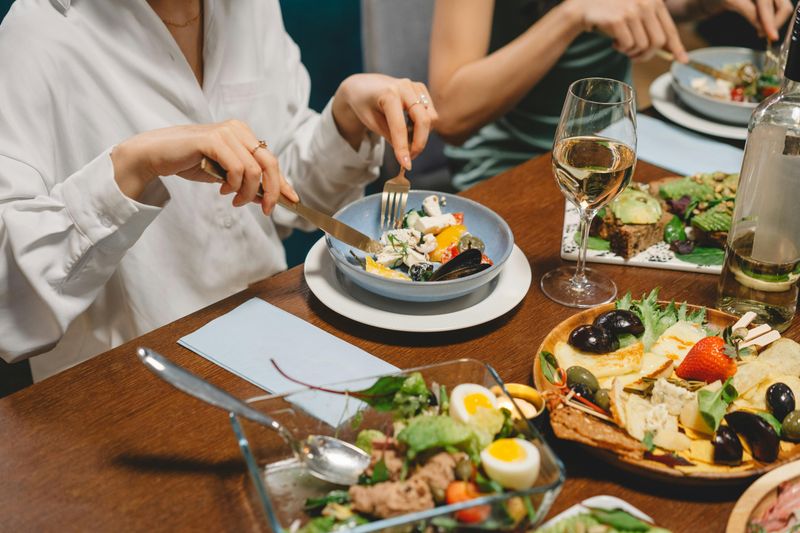
Opening your mouth mid-chew to answer a question or tell a story? Prepare for immediate correction and possible embarrassment.
Parents monitored children’s mouths like hawks, ready to pounce on any violation of this sacred rule. Chew, swallow, then speak—in that order, always.
This wasn’t just about manners; it was about presenting your family as civilized and well-raised. Nobody wanted their kids looking like barnyard animals at the dinner table.
Even urgent news had to wait until your mouth was completely empty.
Modern families still teach this rule, but enforcement has definitely relaxed. Back in the 1960s, though, talking with food visible could earn you a timeout or worse.
Your words could wait—proper etiquette could not.
8. No Getting Up During The Meal
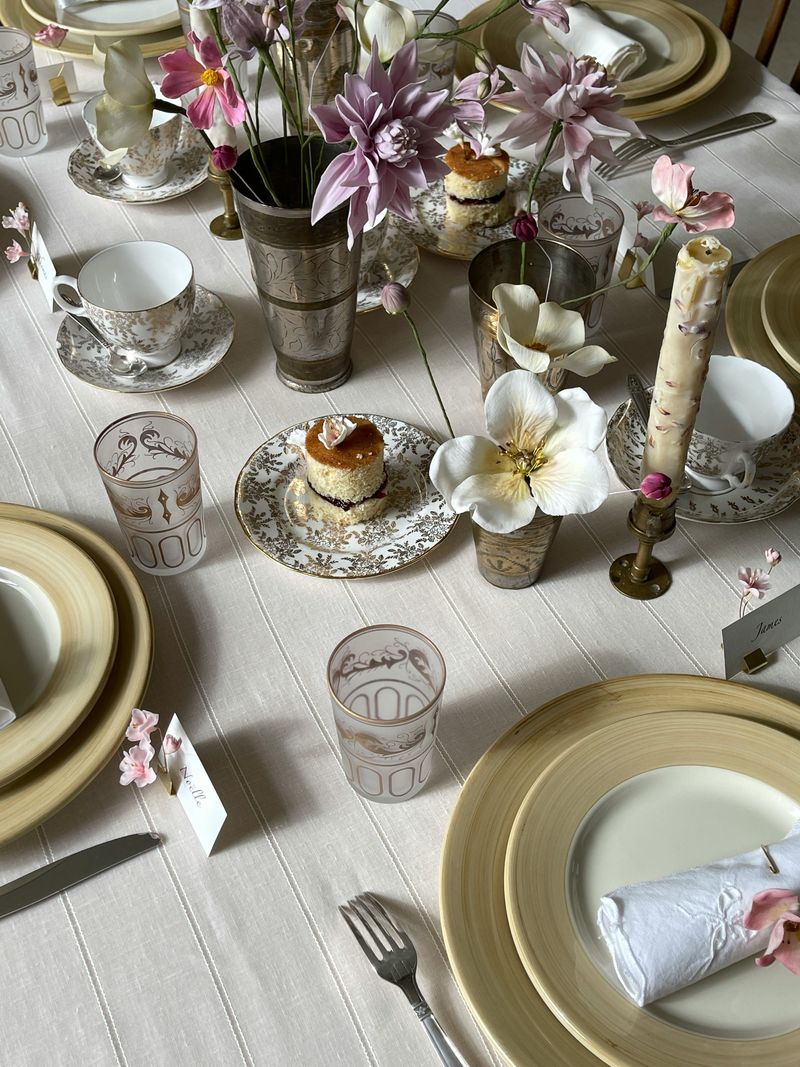
Once your bottom hit that chair, it stayed planted until dinner officially ended. Needing something from the kitchen?
Tough luck, you should have thought of that earlier. Illinois families treated meals as sacred, uninterrupted time, and wandering around broke the spell completely.
This rule taught planning ahead and living with your choices. Forgot your napkin?
You’d manage without. Want more salt?
Wait until someone passes it. Getting up disrupted everyone and showed poor preparation and consideration.
Today’s casual dining culture makes this seem ridiculously rigid. People hop up for condiments, drinks, and phone chargers without a second thought.
But 1960s families believed staying seated demonstrated commitment to family time and respect for the meal someone worked hard to prepare.
9. You Ate What Was Served
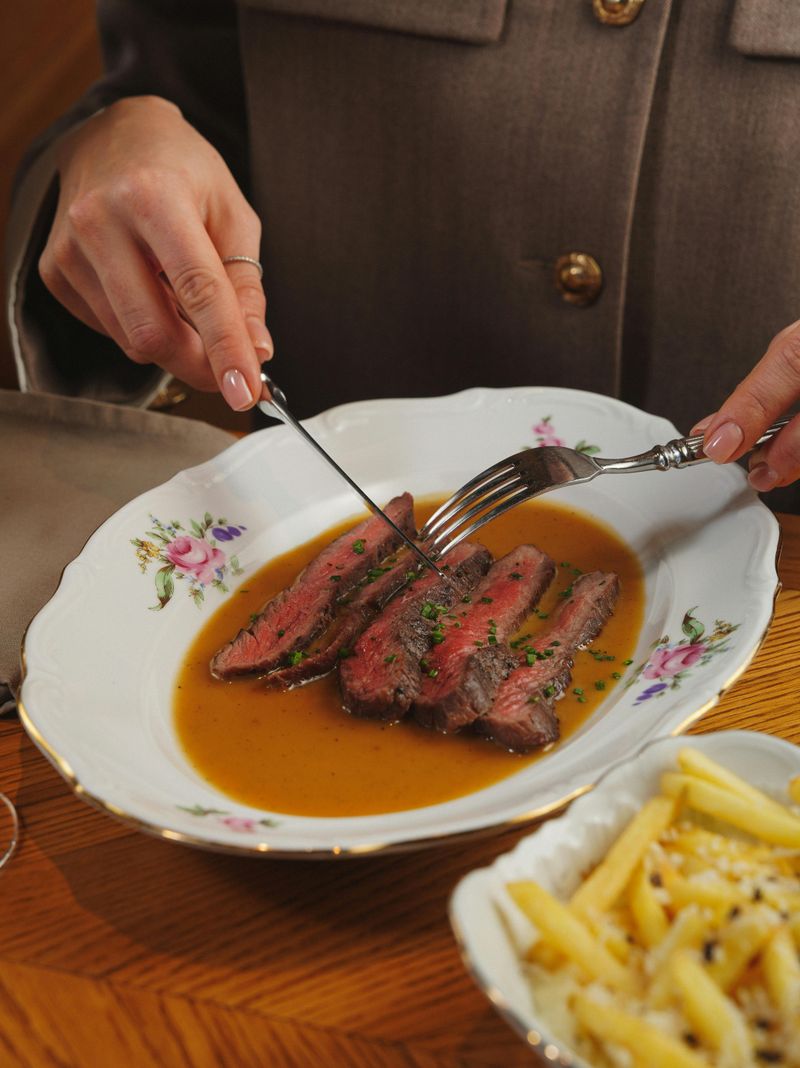
Picky eating wasn’t a recognized condition in 1960s Illinois—it was called being difficult. Whatever Mom cooked appeared on your plate, and that’s exactly what you ate.
No substitutions, no alternatives, no “I’d rather have something else.” The menu wasn’t up for negotiation or democratic vote.
Parents genuinely believed that accommodating preferences would spoil children and create entitled attitudes. Food was fuel and family provision, not a customizable experience.
Disliking something was considered a character flaw you needed to overcome, not a valid dietary preference.
Contemporary parents often prepare multiple options or allow some choice, understanding that taste preferences are real. But back then, your opinion about liver and onions mattered exactly zero.
You ate it, you survived it, and you probably still remember hating it.
10. Drinks Were Limited

Guzzling unlimited beverages throughout dinner? Not in a 1960s household.
You got one glass, milk or water, nothing fancy, and refills weren’t automatic. Some families made you wait until after the meal to get more, teaching restraint and appreciation for what you had.
Parents worried that drinking too much would fill kids up before they finished their food. Plus, constant drink requests disrupted the meal’s flow.
You learned to sip strategically, making that single glass last through multiple courses.
Today’s dinner tables often feature pitchers and bottles, with everyone refilling at will. But back then, beverage control was another tool for teaching discipline and gratitude.
Even hydration came with rules and limitations that seem absurd by modern standards.
11. Television Was Off During Dinner
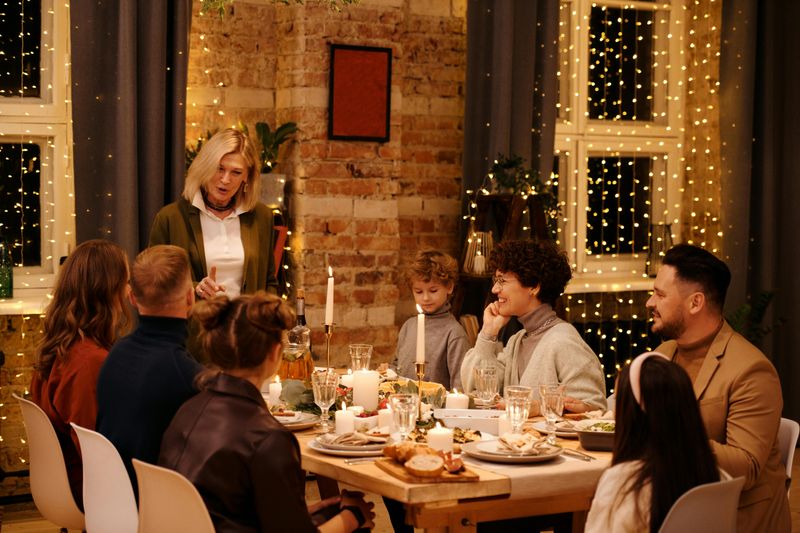
That flickering screen in the living room stayed dark during dinner hour—no exceptions. Illinois families viewed mealtime as sacred bonding time, not an opportunity for entertainment consumption.
The television represented distraction from what really mattered: face-to-face family connection and conversation.
Parents wanted to hear about school, share news, and maintain family cohesion. TV competed for attention and made real communication impossible.
Even favorite shows took a backseat to family dinner, which was considered non-negotiable quality time.
Nowadays, many families eat in front of screens or with devices nearby. But 1960s households drew a firm line—dinner meant talking, listening, and being present.
That box stayed off, and you actually had to interact with the people around you.
12. Phones Didn’t Exist And Distractions Weren’t Allowed
While smartphones were decades away, the principle applied to everything: no books, no toys, no comic books, no daydreaming out the window. Dinner demanded your full attention, and Illinois parents enforced this ruthlessly.
Even homework couldn’t compete with family mealtime’s sacred status.
Bringing entertainment to the table suggested the meal and company weren’t interesting enough. Parents took this as personal insult and disrespect.
Your eyes belonged on your plate and the people around you, nowhere else.
Today’s battle against phones at dinner echoes this old rule, but with much less success. Back then, though, distractions were simply absent or forbidden.
You engaged with your family because literally nothing else was available or permitted during those thirty minutes together.
13. Food Was Served By Adults
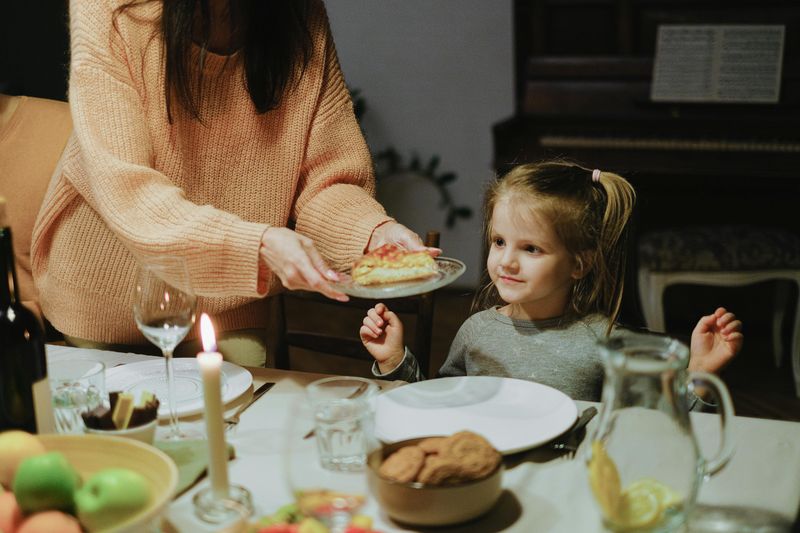
Reaching for the mashed potatoes yourself? Absolutely not.
Adults controlled food distribution, dishing out portions they deemed appropriate for each family member. Kids sat patiently while Mom or Dad loaded their plates, with no input on amounts or selections.
This system prevented waste, maintained order, and reinforced parental authority. Children couldn’t take too much or too little—adults decided what constituted a proper portion.
Self-service suggested greediness or lack of discipline that well-raised kids shouldn’t display.
Modern family-style dining often lets everyone serve themselves, promoting independence and choice. But 1960s Illinois families ran a tighter ship.
Your plate arrived pre-loaded, and you dealt with whatever portions appeared. Control extended to every aspect of the meal, including how much food you received.
14. Second Helpings Required Asking
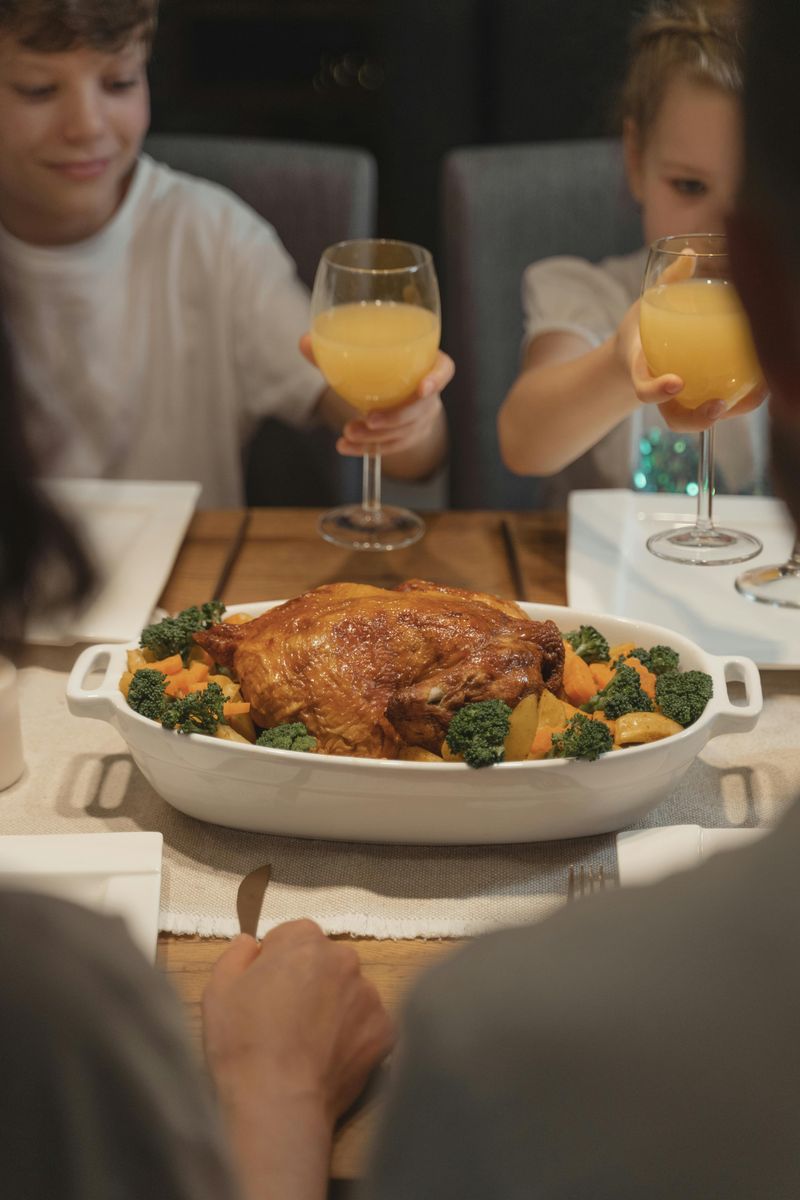
Still hungry after finishing your first plate? You couldn’t just grab more—you had to formally request permission.
Even with plenty of food remaining, reaching for seconds without asking was considered greedy and ill-mannered. Illinois kids learned early that politeness preceded every action at the table.
This rule taught restraint and consideration for others who might also want more. It also gave parents veto power over additional portions, especially if they thought you hadn’t finished properly the first time.
Your appetite was subject to parental approval.
Today, buffet-style meals and casual attitudes make this seem overly formal. But back then, every serving required negotiation and permission.
Even satisfying your hunger meant following protocol and respecting the established hierarchy at your family’s dinner table.
15. Napkins Were Mandatory And Used Correctly
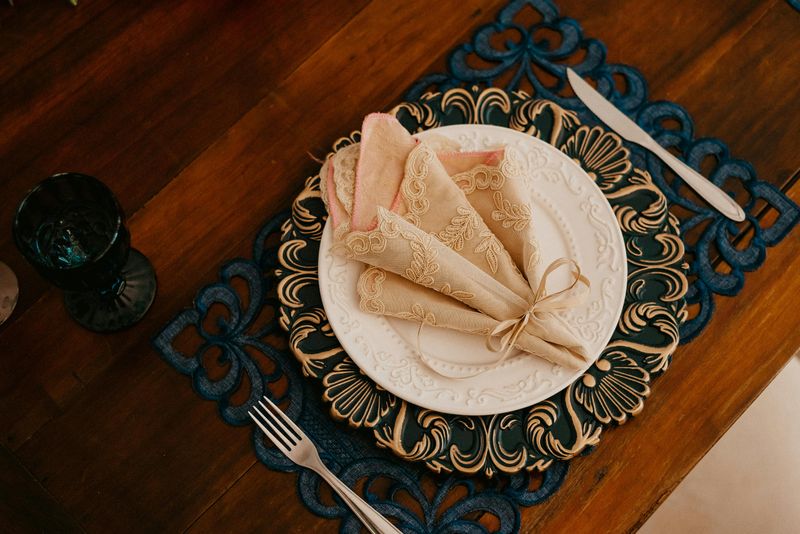
Wiping your mouth on your sleeve? Unthinkable.
Every Illinois dinner table featured napkins, and everyone was expected to use them properly. They belonged on your lap—not tucked into your collar like a bib—and you dabbed your mouth with them throughout the meal.
Proper napkin usage signaled refinement and good breeding. Parents corrected napkin mistakes as seriously as any other etiquette violation.
Forgetting to use your napkin or placing it incorrectly marked you as uncivilized and poorly raised.
While napkins still appear at modern meals, enforcement has definitely relaxed. But in the 1960s, that cloth square was part of your dinner uniform, and using it correctly was non-negotiable.
Even something as simple as wiping your face came with strict rules and social consequences for doing it wrong.
16. Special Meals Were For Sundays Or Company
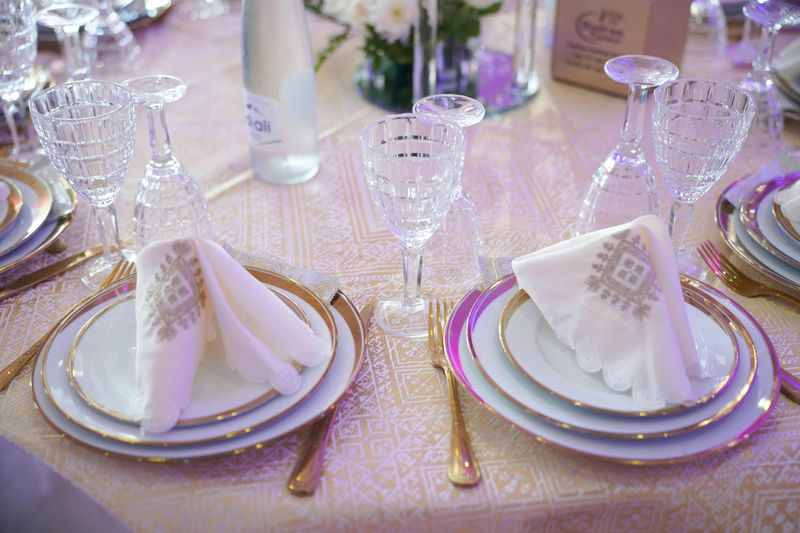
Fancy food wasn’t an everyday thing, it marked an occasion.
In many Illinois households, meals followed a clear hierarchy. Weeknight dinners were practical and predictable, while special dishes appeared on Sundays or when guests came over.
Roasts, homemade desserts, or more elaborate recipes were saved for times that felt worth the extra effort. Serving these foods on an ordinary Tuesday would have seemed unnecessary or even wasteful.
This pattern reinforced the idea that some meals carried more significance than others. Special food meant special circumstances.
Today, specialty ingredients and elaborate meals are far more common throughout the week. But in the 1960s, making something “fancy” was a signal that the day itself mattered.
17. Meals Followed A Strict Schedule
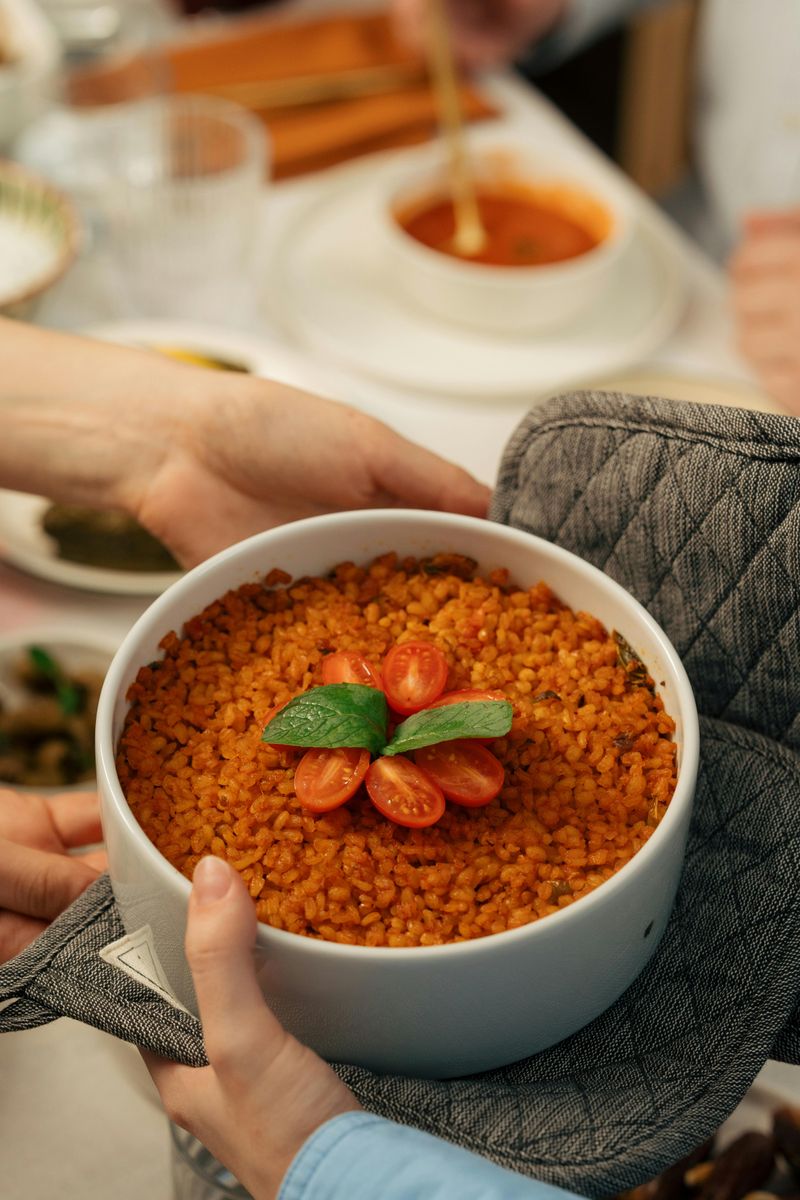
Dinner happened at nearly the same time every day.
Many Illinois families structured their evenings around a predictable mealtime, often tied to work hours and school routines. Dinner wasn’t flexible, it was a fixed point in the day.
Children were expected to be home and ready when the meal was served. Late arrivals weren’t encouraged, and excuses were rarely entertained.
This consistency created rhythm and routine, reinforcing the idea that family meals were a priority rather than an afterthought.
Modern schedules are far more fluid, shaped by extracurriculars and varying work shifts. But in the 1960s, dinner usually waited for no one.
18. Compliments About The Food Were Expected
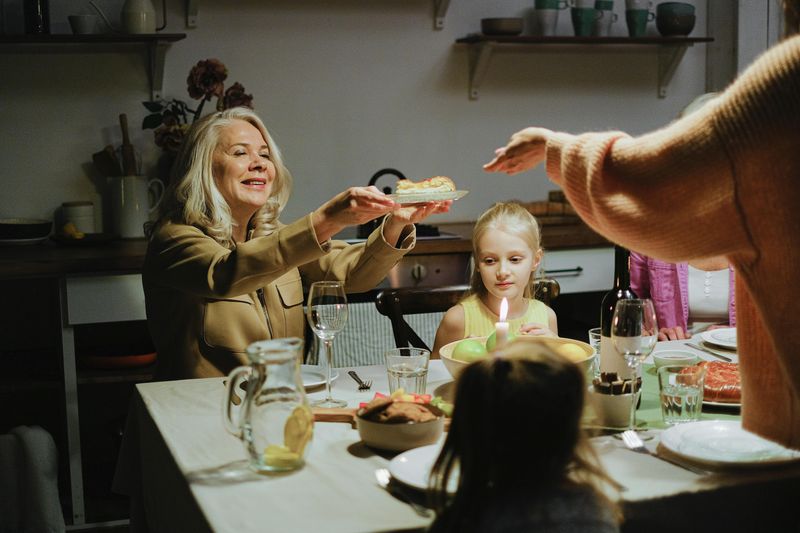
Especially toward mothers or whoever cooked.
In many homes, acknowledging the effort behind a meal was part of basic manners. Saying “thank you” or complimenting the food wasn’t optional, it was expected.
Cooking was labor-intensive, and families recognized it as real work. Failing to comment positively could be interpreted as ungrateful or disrespectful.
Children learned early that meals weren’t just about eating, but about appreciating the person who prepared them.
Today, meals are often quicker or shared responsibilities. But in the 1960s, expressing appreciation at the table was part of doing things “the right way.”
19. Complaints About Food Were Rude
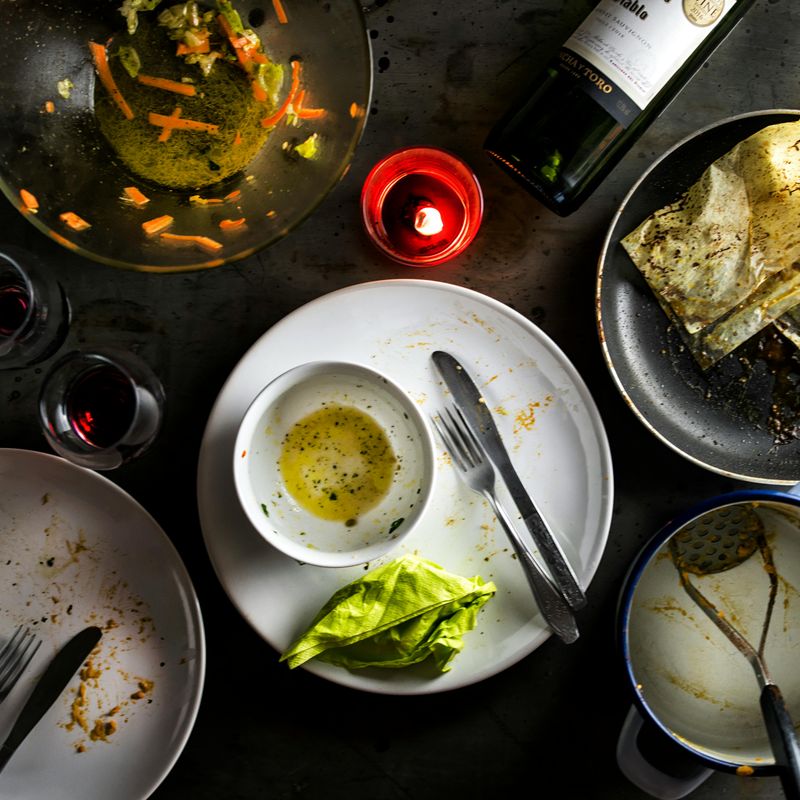
Saying you didn’t like something could get you punished.
Openly criticizing a meal was discouraged in many Illinois households. Complaints were seen as poor manners, especially when directed at someone who had spent time cooking.
Children were often told to keep negative opinions to themselves. Disliking a dish wasn’t grounds for commentary, it was something to endure quietly.
This rule reinforced gratitude and respect, even when the food wasn’t a favorite.
Today, honest feedback and preferences are more accepted. But in the 1960s, voicing dissatisfaction at the dinner table was a fast way to get corrected.
20. Meals Were Longer And Slower
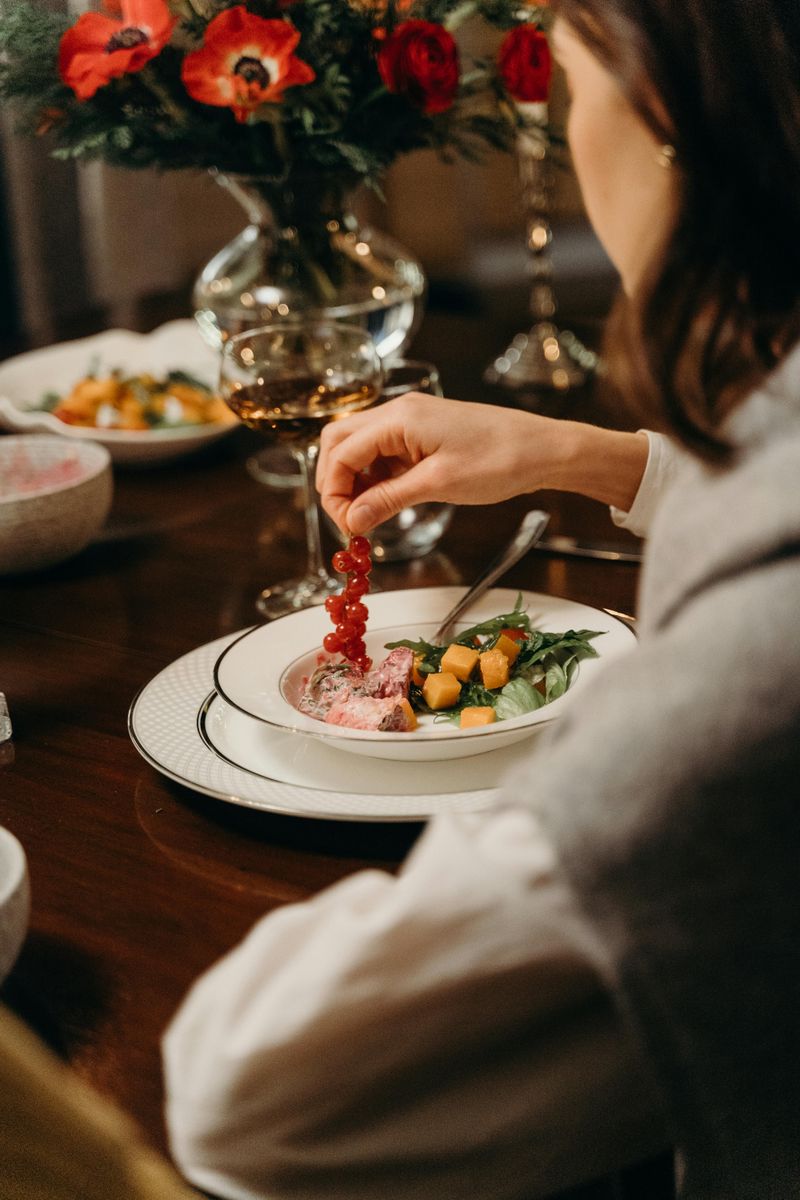
You didn’t rush. Dinner was an event, not a pit stop.
In many families, meals were unhurried affairs meant for conversation and connection. Dinner wasn’t something to rush through, it was a designated pause in the day.
People lingered at the table, talked through the meal, and waited for everyone to finish before clearing plates.
This slower pace reinforced the importance of togetherness and routine.
Modern meals are often squeezed between obligations, eaten quickly or separately. But in the 1960s, dinner was something you sat down for and stayed for.