
12 Illinois Nature Escapes That Feel Miles Away From The City In 2026
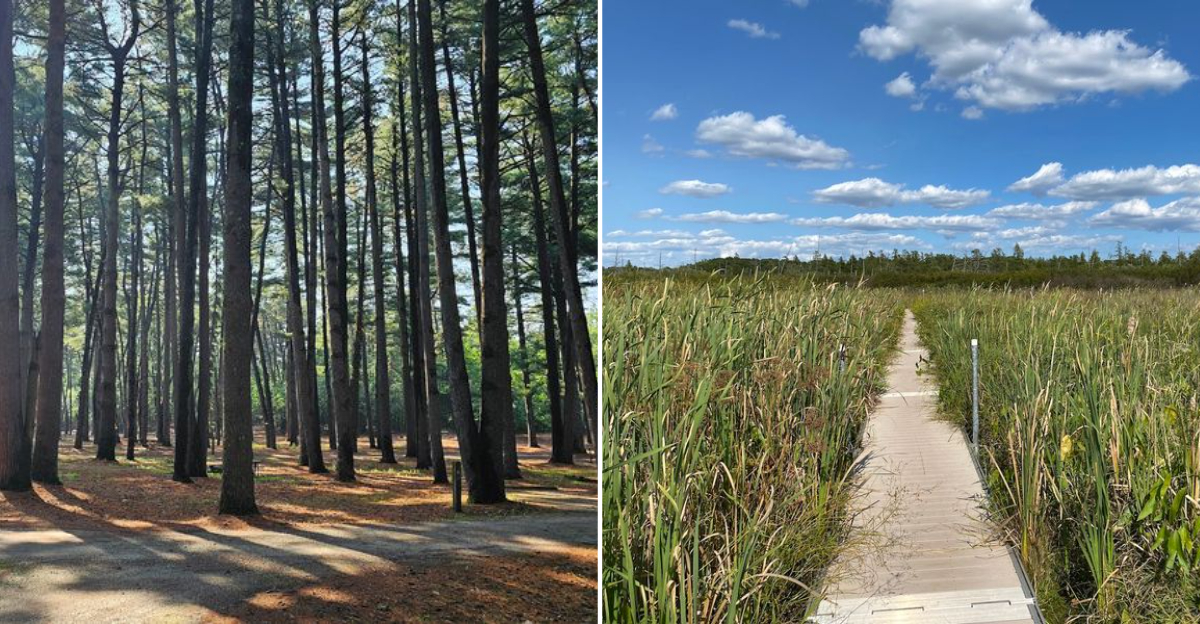
Illinois carries a reputation for cornfields and city skylines, but that picture misses a quieter side of the state. In scattered areas across Illinois, forests grow old and thick, creeks slip through sandstone canyons, and prairie grass rolls toward the horizon without a highway in sight.
Some of these places feel almost improbable. None require a long expedition, actually most sit within a simple weekend drive.
Time spent at each location brings the same surprising effect: the noise of daily life fades quickly. The phone stays in the pocket. The mind slows down.
A few of these landscapes remain surprisingly overlooked even by longtime residents.
This list highlights twelve nature escapes in Illinois that deliver solitude, striking scenery, and the kind of quiet that feels rare now.
1. Bell Smith Springs Recreation Area, Ozark, Illinois
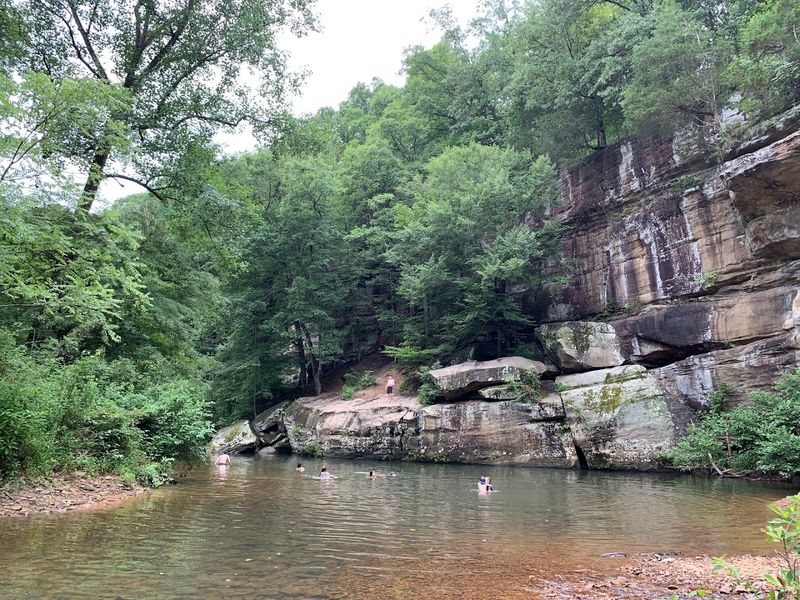
Some places just stop you cold the moment you arrive, and Bell Smith Springs is absolutely one of them. Located in the Shawnee National Forest near Ozark, Illinois, Bell Smith Springs Recreation Area is known for its dramatic sandstone cliffs, forested canyons, and clear rocky streams.
Towering sandstone bluffs, natural stone arches, and crystal-clear creek water combine to create one of southern Illinois’s most dramatic natural settings.
Hikers can explore an interconnected trail system that includes routes such as the Natural Bridge Trail, Sentry Bluff Trail, and Mill Branch Trail, which pass through forested canyons and along scenic bluff overlooks.
Wildlife sightings are common, with visitors frequently spotting deer, turtles, and a variety of woodland birds throughout the area.
Spring and early fall are the best seasons to visit, when temperatures stay comfortable and wildflowers add bursts of color to the canyon walls. Pack sturdy shoes and plenty of water.
2. Volo Bog State Natural Area, Ingleside, Illinois

Not many people can say they’ve walked across a floating mat of sphagnum moss, but a visit to Volo Bog makes that possible.
Found at 28478 W Brandenburg Rd, Ingleside, IL 60041, this is one of the southernmost quaking bogs in the United States, and it is genuinely unlike anything else in Illinois. The boardwalk trail takes you through concentric rings of bog vegetation, from open water at the center outward to tamarack forest.
Look closely and you may spot carnivorous sundew plants growing among the moss, along with other specialized bog plants adapted to this rare wetland ecosystem.
The bog earned its name from the way the ground literally quakes underfoot when you walk near the open water zone. Guided tours are available on weekends and are well worth joining for the depth of knowledge the naturalists bring.
This is a genuinely rare ecosystem, and visiting it feels like a quiet privilege that most Illinois residents don’t even know exists.
3. Nachusa Grasslands, Franklin Grove, Illinois
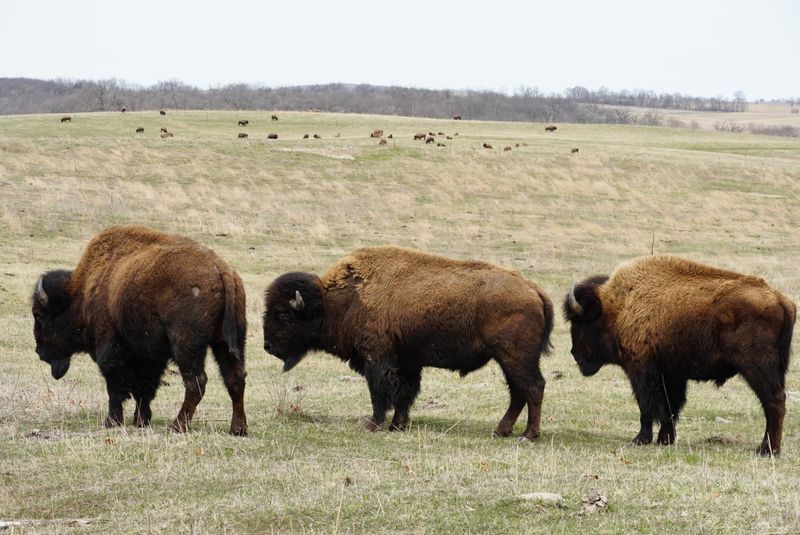
There’s something almost time-traveling about standing in the middle of Nachusa Grasslands and seeing bison roaming the restored prairie landscape.
Located at 8772 S Lowden Rd, Franklin Grove, IL 61031, this Nature Conservancy preserve has been restored to native tallgrass prairie over several decades, and it now supports a free-roaming bison herd that was reintroduced in 2014. The result is one of the most authentic prairie experiences left in the Midwest.
Miles of trails wind through wildflower-covered hills, savanna edges, and wet sedge meadows.
Spring is peak wildflower season, with blooms of shooting star, prairie phlox, and golden Alexanders painting the landscape in waves of color. Fall brings a different kind of beauty when the big bluestem grass turns copper and amber under October skies.
Visitors can hike several designated trails and sometimes observe the bison herd from viewing areas outside the fenced grazing units. Bring binoculars, wear layers, and give yourself at least half a day to fully take this place in.
4. Beall Woods State Park, Mount Carmel, Illinois
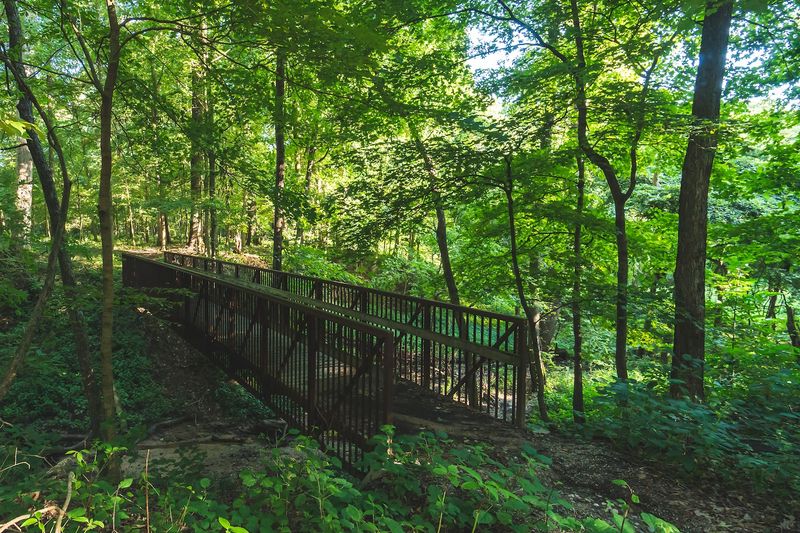
Walking through Beall Woods feels less like a hike and more like stepping into a cathedral. Located at 9285 Beall Woods Ave, Mt Carmel, IL 62863, this state park protects one of the best remaining examples of old-growth forest in the lower Wabash River Valley.
Trees here have been growing undisturbed for centuries, and some of the tulip poplars, sycamores, and oaks here reach impressive sizes rarely seen in modern Midwestern forests.
The park sits along the Wabash River, and the combination of floodplain forest, upland woods, and river views makes it a remarkably diverse natural area.
Several trails loop through the old growth and offer the kind of deep shade and forest silence that is increasingly rare anywhere in the region. Birding is outstanding here, especially during spring migration when warblers and vireos fill the canopy.
The sheer size of the trees is something photos simply cannot prepare you for. Plan a full morning visit and let the scale of this ancient forest sink in slowly.
5. Pomona Natural Bridge Trail, Pomona, Illinois
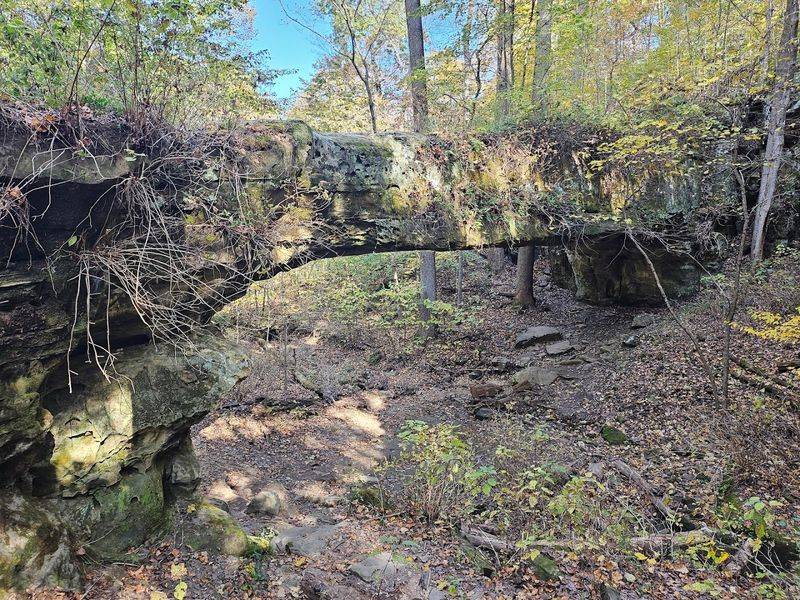
A 90-foot natural sandstone arch carved by thousands of years of erosion sounds like something you’d find out west, but Pomona Natural Bridge sits quietly in southern Illinois, waiting to surprise you.
The trailhead is located off Natural Bridge Rd, Pomona, IL 62975, within the Shawnee National Forest, and the hike to reach the arch is refreshingly short, just about a quarter mile from the parking area.
The sandstone arch spans roughly 90 feet, making it one of the largest natural bridges in Illinois. The surrounding area is laced with additional trails that pass through rocky sandstone terrain, past seasonal waterfalls, and through dense hardwood forest.
Fall foliage season turns this corridor into a riot of orange and red. Because the trail is relatively short, it works well for families with younger kids who want a big reward without a long haul.
Early morning visits offer the best light and the fewest fellow visitors.
6. Sand Ridge State Forest, Manito, Illinois

Central Illinois is not exactly famous for its sand dunes and pine forests, which is exactly what makes Sand Ridge State Forest such a surprising find.
Located near Forest City in central Illinois, Sand Ridge State Forest sits on an ancient glacial outwash plain where sandy soils support a mix of pine plantations, oak savannas, and dry sand prairie habitats.
The forest is a popular destination for hunters and horseback riders and also offers hiking along its network of roads and trails.
In spring and summer, sandy openings support a variety of prairie and savanna wildflowers adapted to dry, nutrient-poor soils. The terrain has a loose, open feel that is completely different from the dense hardwood forests found elsewhere in the state.
Bring a trail map because the road system here can be confusing. The reward for navigating it is a genuinely peaceful stretch of central Illinois wilderness that most people drive right past.
7. Lusk Creek Wilderness, Eddyville, Illinois
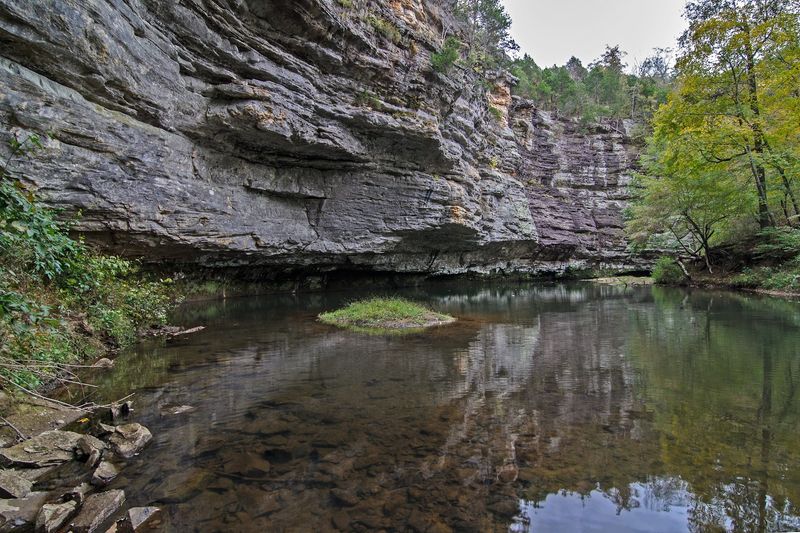
Rugged, remote, and genuinely wild, Lusk Creek Wilderness earns its name every step of the way. Accessed via the River to River Trail near Eddyville, this designated wilderness area in the Shawnee National Forest protects a dramatic sandstone canyon carved by Lusk Creek over millions of years.
The creek itself is a clear, cold stream that winds between bluffs rising up to 100 feet on either side. Several trails, including segments of the River-to-River Trail, pass through the wilderness and provide access to its rugged canyon landscape.
Hikers typically wade the creek multiple times, scramble over boulders, and squeeze through narrow canyon passages to reach the most dramatic sections. The payoff is a sense of total solitude that is hard to find in the lower Midwest.
Spring is the ideal season for a visit, when water levels are manageable and the canyon walls are draped in fresh green ferns. Wear waterproof boots and tell someone where you’re headed before you go.
8. Ballard Nature Center, Altamont, Illinois
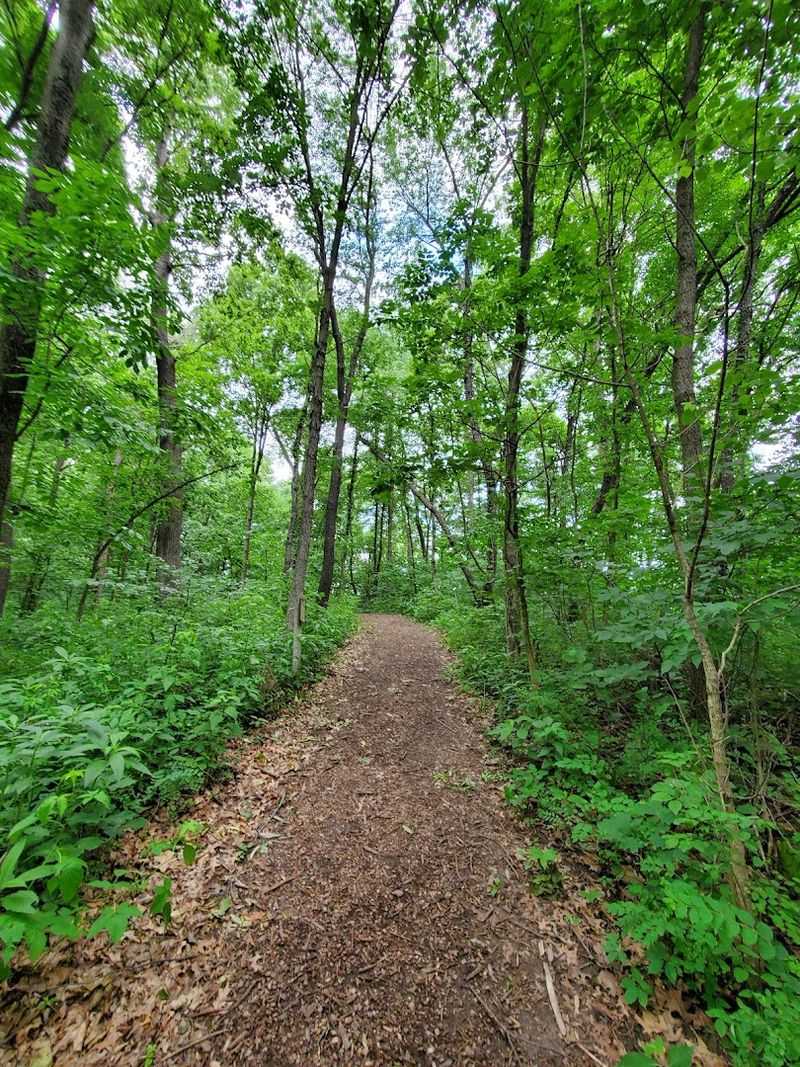
There’s a gentle, unhurried quality to Ballard Nature Center that sets it apart from more rugged outdoor destinations.
Ballard Nature Center manages more than 200 acres of prairie, woodland, and wetland habitat in central Illinois. It’s the kind of place where you can spend a full afternoon wandering trails without once checking your phone.
The center offers year-round educational programs for school groups and families, and its network of well-maintained trails passes through habitats that attract a wide variety of birds and butterflies. Native wildflower plantings along the trail edges bloom in rotating waves from April through October.
A small pond near the main building draws dragonflies, frogs, and wading birds throughout the warmer months.
The staff and volunteers here are genuinely passionate about connecting people with the natural world, and that enthusiasm is contagious. Even a short one-hour visit tends to leave people feeling noticeably calmer and more grounded than when they arrived.
9. Rock Cave Nature Preserve, Effingham, Illinois

Most people passing through Effingham on the interstate have no idea that a quiet nature preserve with a genuine rock cave sits just minutes away.
Located in Effingham County northwest of Altamont, Rock Cave Nature Preserve is a small natural area managed by the Illinois Department of Natural Resources. The central feature is a mossy sandstone cave formation tucked into a hillside, surrounded by mature oak woodland.
The trail system here is modest in length but rich in detail. Spring ephemerals like bloodroot, trout lily, and Dutchman’s breeches carpet the forest floor in April, making it one of the better wildflower walks in the area.
The cave itself is shallow and safe to approach closely, and kids in particular tend to find it endlessly fascinating.
This is a perfect spot for a quick nature fix when you’re passing through central Illinois and need a reason to pull off the highway. Bring a camera, because the light filtering through the oaks above the cave entrance makes for genuinely beautiful photographs.
10. Aroma Park Forest Preserve, Kankakee, Illinois

The name might raise an eyebrow, but Aroma Park Forest Preserve is one of the most quietly beautiful spots along the Kankakee River corridor in northeastern Illinois.
Located along South Hieland Road in Kankakee County near the Kankakee River, Aroma Forest Preserve protects a quiet stretch of floodplain forest and riverbank habitat.
Fishing is a major draw here, and the Kankakee River is well regarded for its smallmouth bass and channel catfish populations.
But even if you never pick up a rod, the walking trails through the river forest offer a deeply relaxing experience, especially on weekday mornings when you may have the whole place to yourself.
Migratory waterfowl use this stretch of river heavily in spring and fall, making it a worthwhile stop for birders with binoculars. The preserve pairs beautifully with a stop at the nearby Kankakee River State Park for a full day of riverside exploration in a part of Illinois that rarely makes travel lists but absolutely should.
11. Fox Ridge State Park, Charleston, Illinois

Fox Ridge State Park has been a beloved retreat for generations of east-central Illinois residents, and it holds up remarkably well as a destination in 2026.
Located at 18175 State Park Rd, Charleston, IL 61920, the park sits along the Embarras River and features some of the most rugged terrain in this otherwise flat part of the state. Deep ravines, wooded ridges, and river bottomland create a surprisingly varied landscape for hikers.
Several miles of trails wind through the park, ranging from easy riverside paths to steeper hikes along wooded ridges above the Embarras River.
Fall is the peak season for visitors, when the maples and oaks turn the ravines into a tunnel of warm color. The campground is small and well-maintained, making overnight trips here a genuinely restful experience.
Eastern Illinois University in nearby Charleston uses the park for outdoor education programs, which speaks to the quality of the natural resources here. Weekends in October fill up fast, so reserve a campsite early if you want to catch the full autumn show.
12. Dixon Springs State Park, Golconda, Illinois
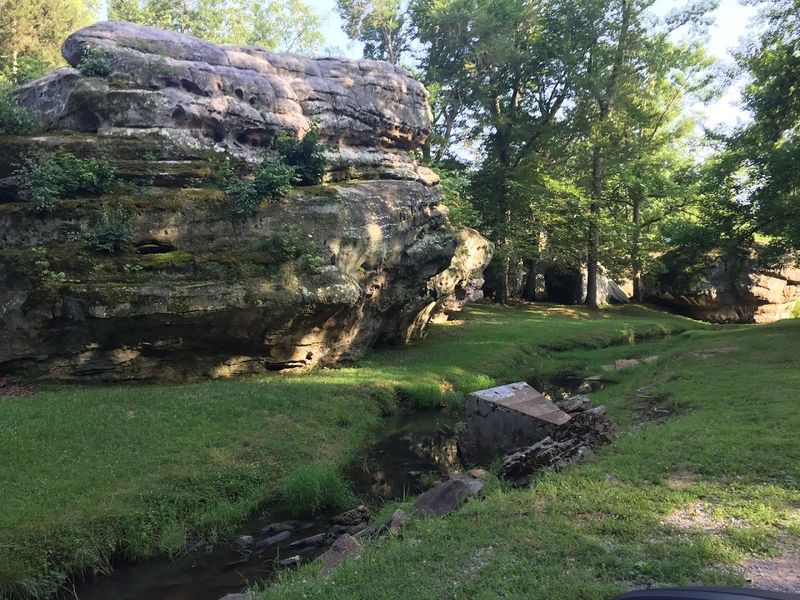
Dixon Springs State Park packs an enormous amount of geological drama into a surprisingly compact area. This southern Illinois park sits in the heart of the Shawnee Hills and features massive sandstone boulders, natural rock shelters, and moss-covered formations that look like they were arranged by a very patient giant.
The park has been a tourist destination since the 1800s, when its natural springs drew visitors seeking rest and fresh air.
Today, the main attractions are the boulder-strewn trails that wind through the rock formations and the natural swimming pool fed by a spring, which is open during summer months.
The combination of cool shade, interesting geology, and accessible trails makes this a fantastic family destination. Kids tend to go absolutely wild exploring the boulders and rock shelters.
The park is also a solid base for exploring nearby attractions like Garden of the Gods and Lake Glendale. Dixon Springs rewards a slow, exploratory pace, so resist the urge to rush through and instead let the landscape reveal itself at its own speed.