
12 Illinois Parks That Are Most Beautiful In Spring
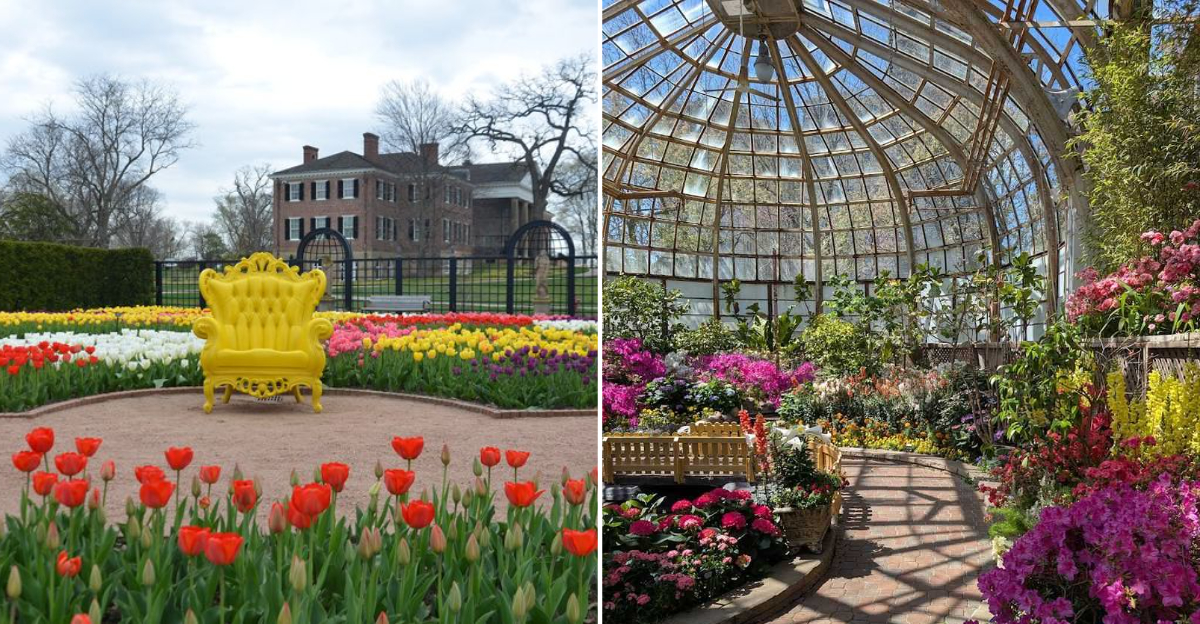
Spring in Illinois changes the mood overnight. Bare branches suddenly carry pale green buds.
Trails that felt frozen and silent in February fill with birdsong, rushing water, and the first stubborn wildflowers pushing through last year’s leaves.
Illinois parks feel especially alive between March and May. Waterfalls surge through sandstone canyons after spring rain. Japanese gardens glow with cherry blossoms. Prairie preserves begin their slow, colorful comeback after winter.
Years of road trips across Illinois proved one thing: spring delivers the most dramatic scenery of the year. This list highlights parks that truly shine in spring. Each one offers a reason to go now, before the moment passes.
Quick tip: walking shoes strongly recommended.
1. Starved Rock State Park
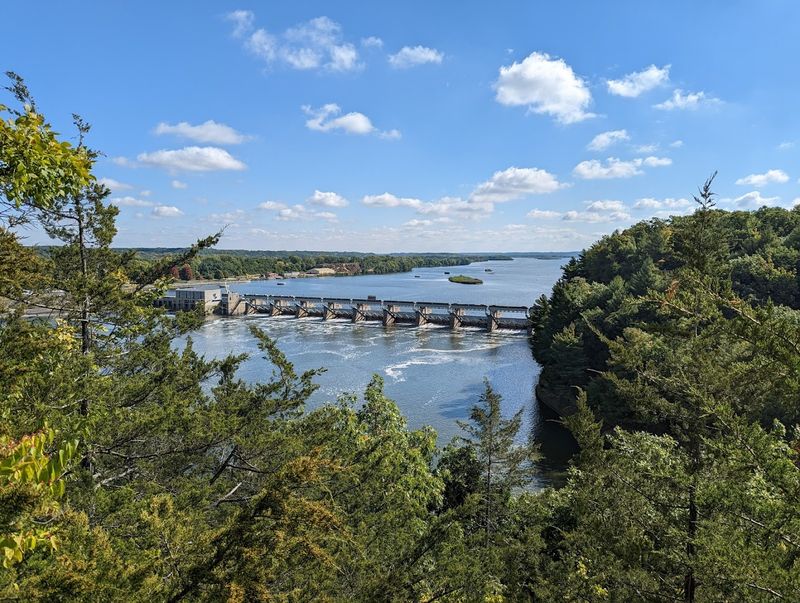
Few places in Illinois make your jaw drop quite like Starved Rock in spring. Located along the Illinois River near Utica, this state park is famous for its 18 stunning canyons carved from sandstone, and when April rains arrive, waterfalls pour down the canyon walls with serious drama.
Wildflowers carpet the canyon floors while the surrounding forest bursts into every shade of green imaginable.
The park offers more than 13 miles of well-marked trails, making it easy for both casual walkers and serious hikers to find their rhythm.
Spring is peak season here, so arriving early on weekends helps you beat the crowds and enjoy the trails in peaceful quiet. The canyon overlooks are especially rewarding after a recent rainfall.
Starved Rock sits about 90 miles southwest of Chicago, making it a popular day trip destination. Pack a lunch and give yourself a full day to explore as many canyons as your legs allow.
2. Chicago Botanic Garden
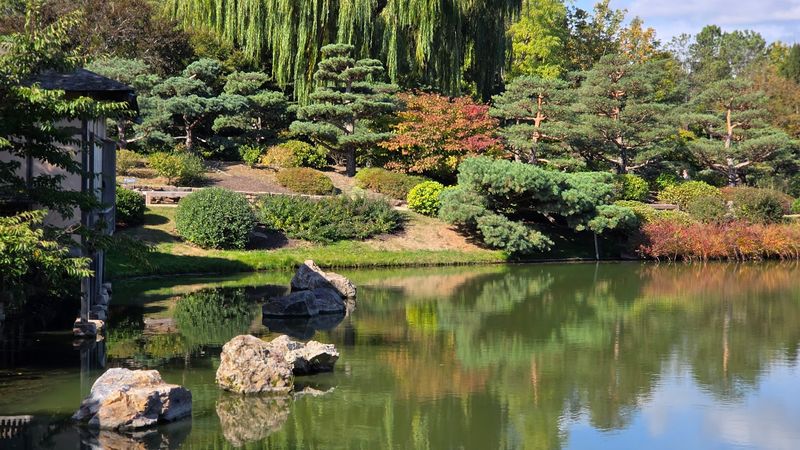
Somewhere between a world-class horticultural showcase and a genuinely relaxing afternoon out, the Chicago Botanic Garden manages to be both at once.
Spread across 385 acres in Glencoe, just north of Chicago, this living museum features 27 distinct gardens and several native habitat areas that reach their peak glory from April through May.
Spring means tulip festivals, cherry blossom blooms, and the Japanese Garden filling up with delicate pink and white flowers that practically beg to be photographed.
The garden sits on a series of islands surrounded by calm lakes, so the scenery changes beautifully as you walk from one section to the next. Bring a camera and comfortable shoes because you will want to wander for hours.
Admission policies vary by date and visitor category, and paid admission is required on many days, though some visitors and special programs offer free entry. Parking fees may also apply.
The garden is open daily and is stroller and wheelchair accessible throughout. It is one of those rare spots where the beauty genuinely exceeds the hype every single spring.
3. The Morton Arboretum

There is something quietly magical about walking under a tunnel of flowering crabapple trees in full pink bloom, and The Morton Arboretum in Lisle does exactly that every spring.
This 1,700-acre outdoor museum of trees is one of the most beloved green spaces in the Chicago suburbs, and it genuinely earns that reputation between April and May when blossoms cover nearly every corner of the property.
Founded in 1922 by Joy Morton of the Morton Salt family, the arboretum has grown into a world-renowned center for tree science and conservation.
Spring visitors can enjoy the flowering collections, the children’s garden, and miles of trails winding through woodlands, meadows, and wetlands. The Meadow Lake area is particularly stunning when surrounded by spring wildflowers.
The arboretum is open year-round, but the spring bloom season draws visitors from across the Midwest. Timed entry tickets are recommended on weekends to manage crowds and ensure a relaxed experience on the trails.
4. Anderson Japanese Gardens
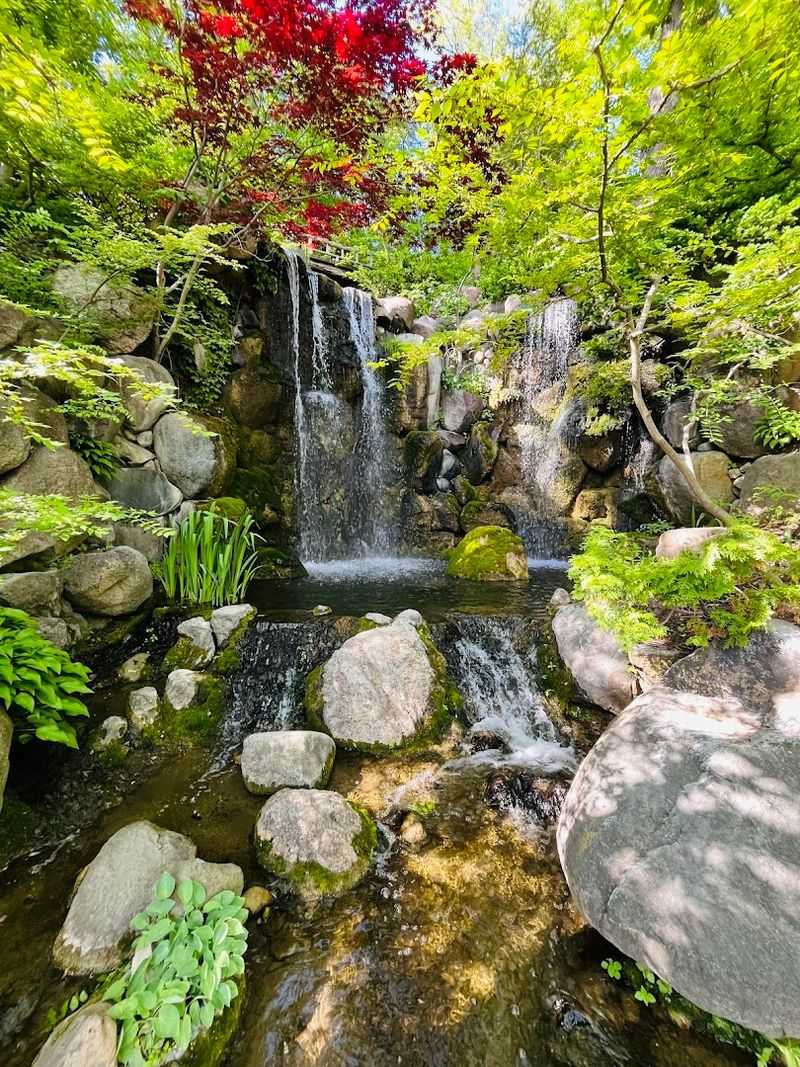
Rockford might not be the first city that comes to mind for world-class garden design, but Anderson Japanese Gardens has put it firmly on the map.
Consistently ranked among the top Japanese gardens in North America, this stunning 12-acre retreat in Rockford feels like a completely different world the moment you step through the entrance gate in spring.
Cherry trees, Japanese maples, and carefully pruned shrubs create a layered landscape of color and texture from late April onward.
The garden was designed with input from master Japanese garden designer Hoichi Kurisu, and every stone placement and water feature feels intentional and serene.
The koi ponds and waterfalls add sound and movement that make the whole experience feel alive. Spring is the most photographed season here, and honestly, it earns every photo.
The garden operates seasonally each year, typically opening in mid-April and remaining open through October, and guided tours are available for visitors who want a deeper understanding of the design philosophy behind this extraordinary space.
5. Matthiessen State Park
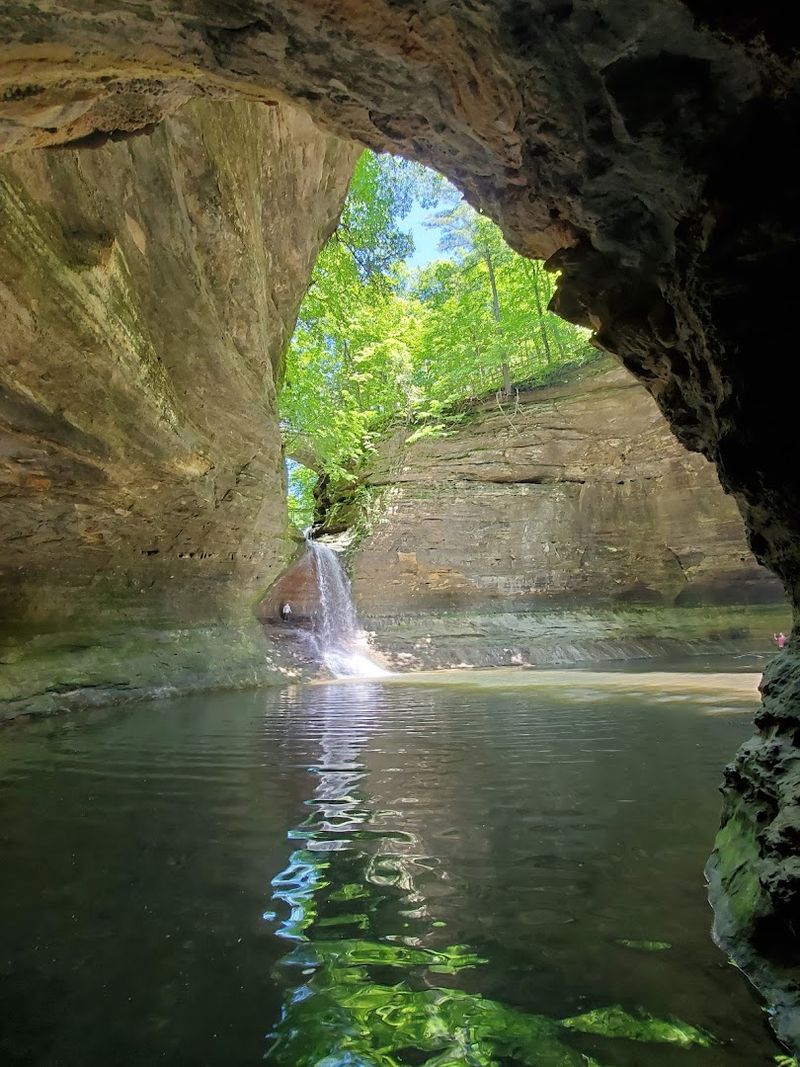
Right next door to Starved Rock but far less crowded, Matthiessen State Park is the kind of place that rewards visitors who are willing to explore beyond the obvious choice.
Located near Utica in LaSalle County, this park features its own dramatic canyon system with tiered waterfalls, sandstone bluffs, and a cedar forest that stays green and fragrant all year long.
Spring transforms Matthiessen into a lush, dripping wonderland. Snowmelt and April rains send water rushing over the canyon walls at Cascade Falls and Giant’s Bathtub, two of the park’s most photogenic spots.
The canyon trail system is about five miles total and winds through terrain that feels genuinely wild and remote despite being a short drive from civilization.
Because Matthiessen tends to draw fewer visitors than neighboring Starved Rock, spring mornings here can feel wonderfully quiet. Pack waterproof boots because the trails near the waterfall pools can get muddy and slippery after heavy spring rains, which is half the fun.
6. Allerton Park and Retreat Center
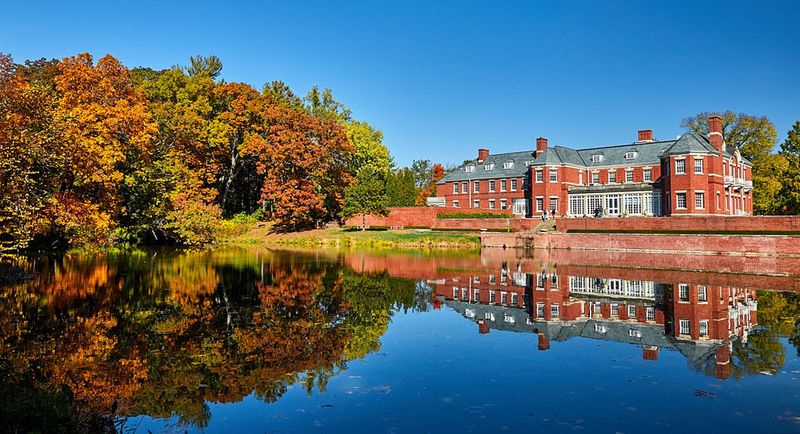
Allerton Park in Monticello is the kind of place that makes you feel like you have accidentally wandered onto the set of a period film, and spring makes it even more dramatic.
This 1,500-acre estate in east-central Illinois was gifted to the University of Illinois in 1946 and features formal gardens, woodland trails, and an extraordinary collection of outdoor sculptures and architectural follies.
The gardens come alive in spring with blooming perennials, flowering trees, and the famous Fu Dog Garden filling with color. The woodland trails are equally beautiful as wildflowers emerge beneath a fresh green canopy.
The estate includes a Georgian Revival mansion that gives the whole property a stately, European atmosphere that feels completely unique in the Illinois landscape.
Admission is free and the park is open daily, making it one of the best free spring outings in the state. Monticello sits about 25 miles west of Champaign, making Allerton a perfect stop on a longer downstate road trip through central Illinois.
7. Cantigny Park
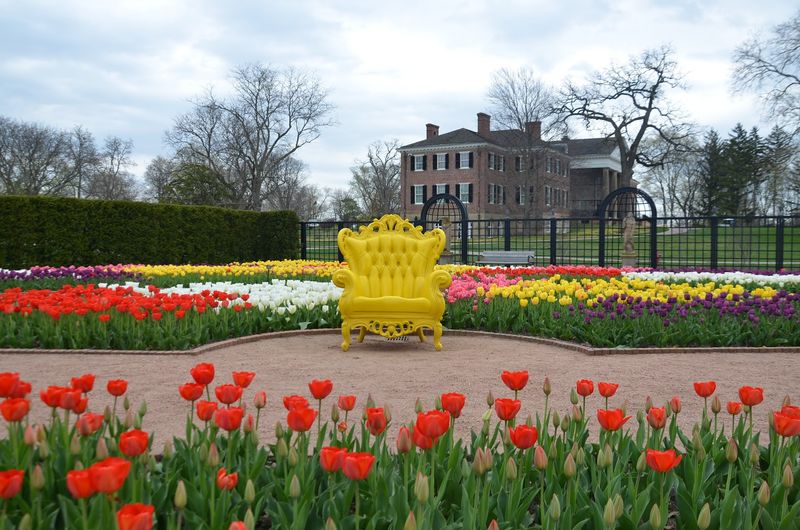
Named after a World War I battle in France, Cantigny Park in Wheaton carries a sense of history that runs deeper than its gorgeous flower beds.
The 500-acre estate was once home to Robert R. McCormick, the influential publisher of the Chicago Tribune, and today it operates as a public park featuring formal gardens, a military museum, and miles of walking paths that become especially inviting in spring.
The park’s formal gardens are the main draw for spring visitors, with tulips, pansies, and flowering trees putting on a spectacular show from April through May.
The First Division Museum adds a layer of historical depth for those who want more than just scenery. The manicured grounds and wide open lawns also make Cantigny one of the best picnic spots in the Chicago suburbs.
Admission is generally charged per vehicle rather than per person, and pricing varies by date and special events. Spring weekends here have a relaxed, community feel, with families spreading out across the lawns and photographers chasing the blooms in every direction.
8. Garden of the Gods Recreation Area
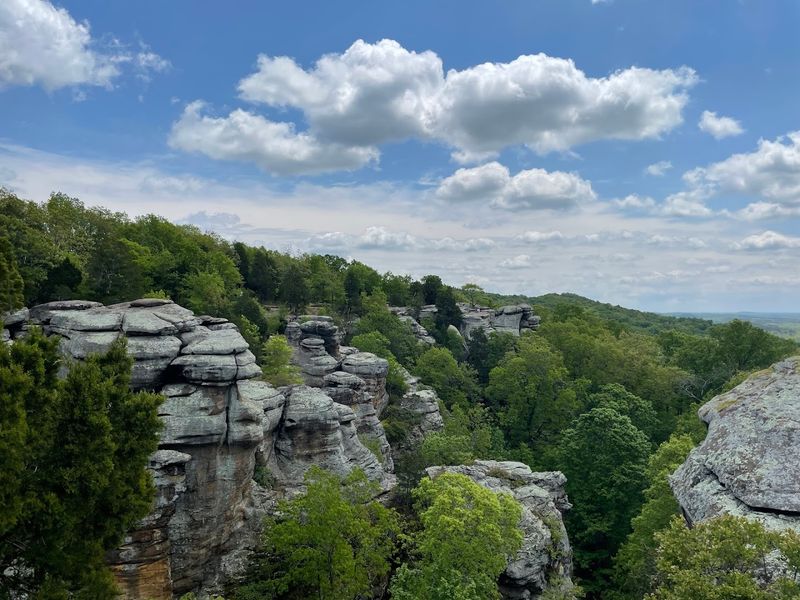
Southern Illinois has a landscape that surprises almost everyone who visits for the first time, and Garden of the Gods in the Shawnee National Forest is the most dramatic proof of that.
Located near Elizabethtown in Hardin County, this recreation area features ancient sandstone rock formations that rise above the surrounding forest canopy in shapes that seem almost too sculptural to be natural.
Spring brings a vivid green explosion to the forest below, making the contrast between the rust-colored rocks and the fresh foliage absolutely striking.
The Observation Trail is a short but rewarding walk that takes you right up to formations like Camel Rock and Anvil Rock, offering sweeping views over the treetops. Wildflowers bloom along the forest floor throughout April and May, adding soft color to the rugged terrain.
The area is remote by Illinois standards, sitting about four hours south of Chicago, but that distance is exactly what keeps it feeling wild and unhurried. Spring mornings here are genuinely peaceful and worth every mile of the drive.
9. Adeline Jay Geo-Karis Illinois Beach State Park
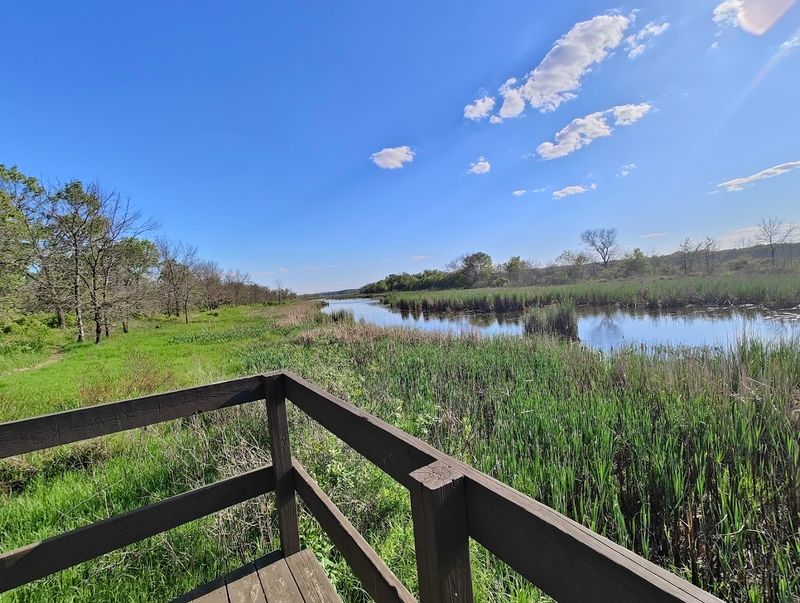
Most people do not immediately think of beach dunes and wildflowers when they picture Illinois in spring, but Adeline Jay Geo-Karis Illinois Beach State Park near Zion changes that assumption entirely.
Stretching along a six-mile stretch of Lake Michigan shoreline in Lake County, this park protects Illinois’ last remaining natural Lake Michigan beach ridge and dune landscape.
Spring is a surprisingly lovely season here, with beach grass turning vivid green, migratory birds arriving in large numbers, and wildflowers dotting the dune landscape with unexpected color.
The park covers about 4,160 acres and includes marshes, prairies, and forest in addition to the famous beachfront, giving spring visitors a rich variety of ecosystems to explore on the same visit.
The Lake Michigan views are expansive and clear on spring days when the summer crowds have not yet arrived. Birdwatchers especially love this park in April and May, as hundreds of species pass through during migration, making every walk feel like a small discovery.
10. Midewin National Tallgrass Prairie
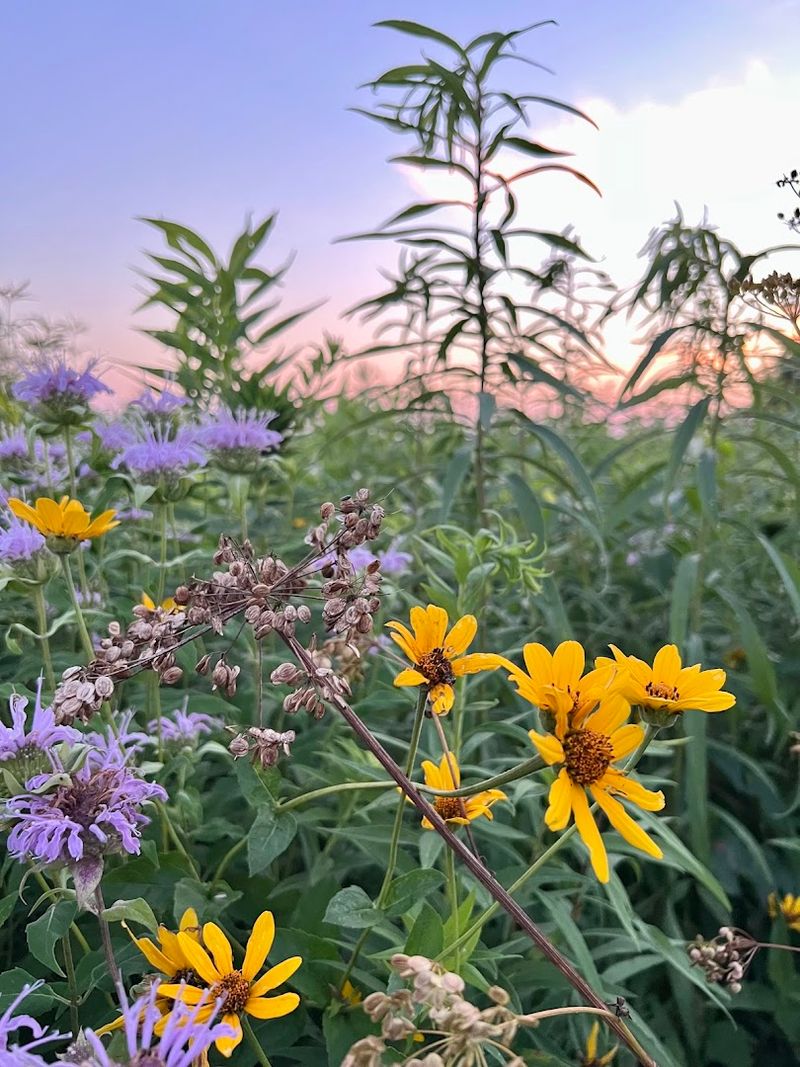
Standing in the middle of a tallgrass prairie in full spring bloom, with nothing but sky and wildflowers stretching to the horizon, is one of those experiences that quietly resets something in your brain.
Midewin National Tallgrass Prairie near Wilmington in Will County spans more than 19,000 acres overall, with nearly 9,000 acres currently open to the public across restored prairie, wetlands, and oak woodlands.
Spring is when the prairie truly wakes up, with shooting stars, wild hyacinth, and golden alexanders among the first wildflowers to emerge.
Bison were reintroduced to the prairie in 2015 and can often be spotted grazing in the distance, adding a genuinely thrilling element to a spring hike. The trails are well-maintained and open to hikers, cyclists, and equestrians.
Midewin sits about 40 miles south of Chicago on the former site of the Joliet Army Ammunition Plant, which gives it a fascinating historical dimension alongside its natural beauty.
11. Lincoln Park Conservatory
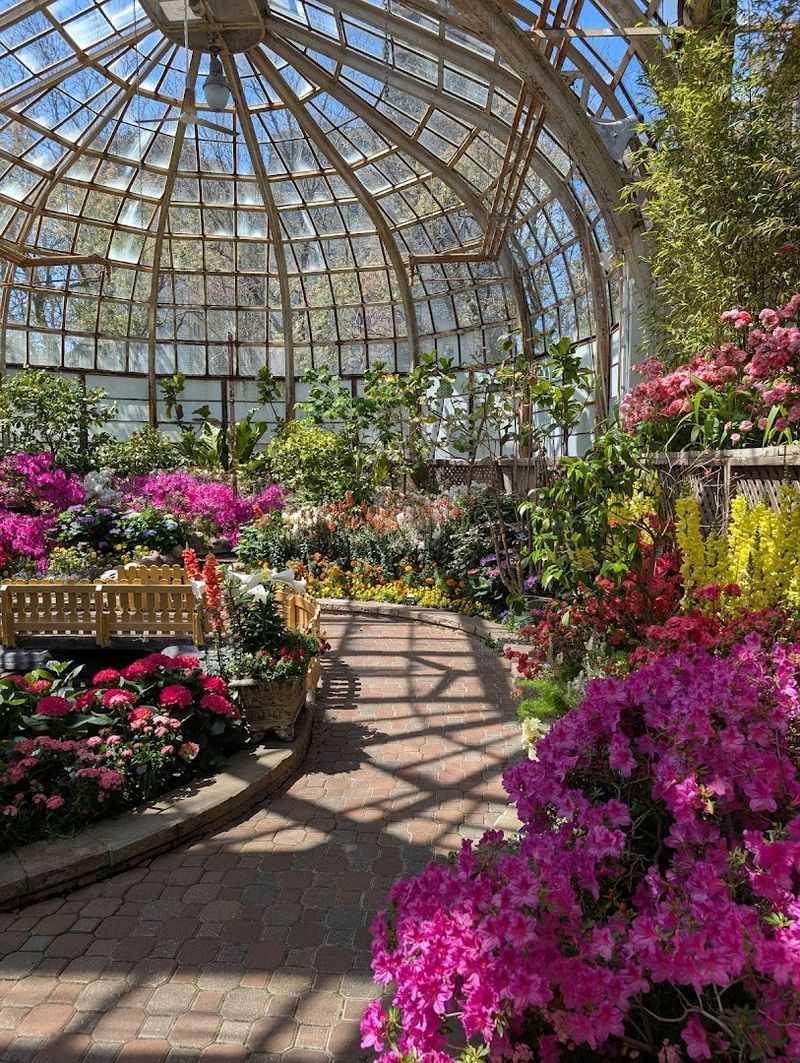
On a cool April morning in Chicago, sometimes the best park experience is one that keeps you warm while surrounding you with blooms, and Lincoln Park Conservatory does exactly that with considerable Victorian elegance.
Built in 1895 and located within Lincoln Park on the North Side of Chicago, this glass and iron greenhouse is one of the oldest and most beautiful conservatories in the United States.
The spring flower show is a highlight of the Chicago botanical calendar, filling the conservatory’s show house with seasonal blooms arranged in creative, eye-catching displays.
Even outside the formal show season, the four permanent rooms housing palms, ferns, orchids, and economic plants offer a lush escape that feels worlds away from the city streets just outside the glass walls.
Admission is free, which makes this one of the best no-cost cultural experiences in Chicago. The surrounding Lincoln Park grounds also burst into bloom in spring, so combining the conservatory visit with a walk through the park creates a full and satisfying spring afternoon.
12. Garfield Park Conservatory
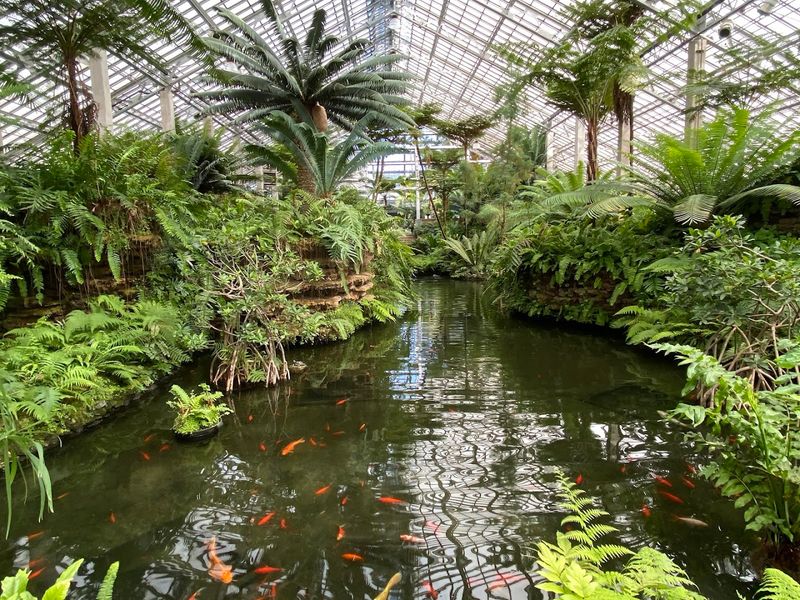
Garfield Park Conservatory on Chicago’s West Side is one of the largest conservatories in the world, and it has a warmth and personality that goes well beyond its impressive size.
Designed by landscape architect Jens Jensen and opened in 1908, the conservatory spans more than two acres under glass and houses thousands of plant species from around the world.
Spring brings the annual flower shows to life inside the Show House, where seasonal plantings create vivid, immersive displays that draw visitors from across the city and beyond.
The Fern Room and Aroid House are perennial favorites, offering cool, misty environments filled with prehistoric-looking plants that feel deeply calming. The surrounding Garfield Park grounds also feature formal gardens that bloom beautifully in April and May.
Timed entry reservations are required, with admission free for Chicago residents with proof of residency and standard admission for non-residents.
The conservatory is open year-round but the spring programming and blooms make it especially worth visiting between March and May for a truly lush and memorable experience.