
10 Illinois Places Every History Lover Should Visit In 2026
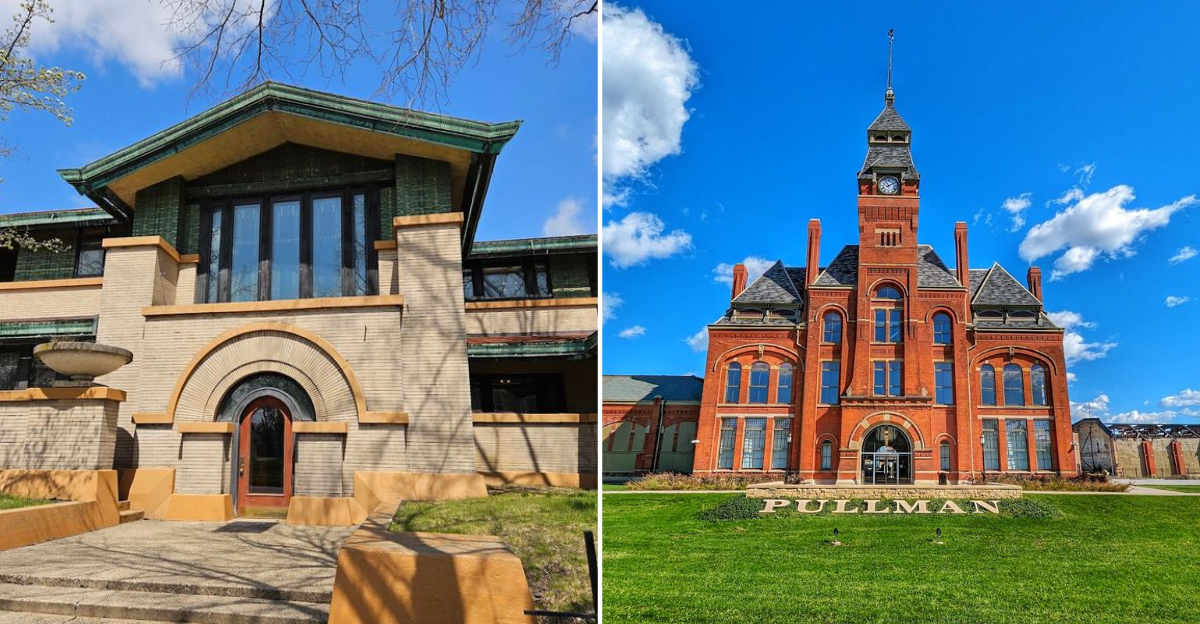
Illinois has this quiet way of pulling you back in time when you least expect it. You can be walking through a small town or down a busy street, and suddenly it hits you that something important once happened right where you’re standing.
Presidents built their lives here, workers came together to fight for change, and entire communities created something lasting from almost nothing. The scenery shifts easily between open prairie near Springfield and the historic streets of Chicago, and each place carries its own story.
What makes Illinois special is how close that history feels, like it’s still part of everyday life. If you enjoy places with real stories behind them, these ten spots are well worth your time.
1. Abraham Lincoln Presidential Library and Museum, Springfield, Illinois
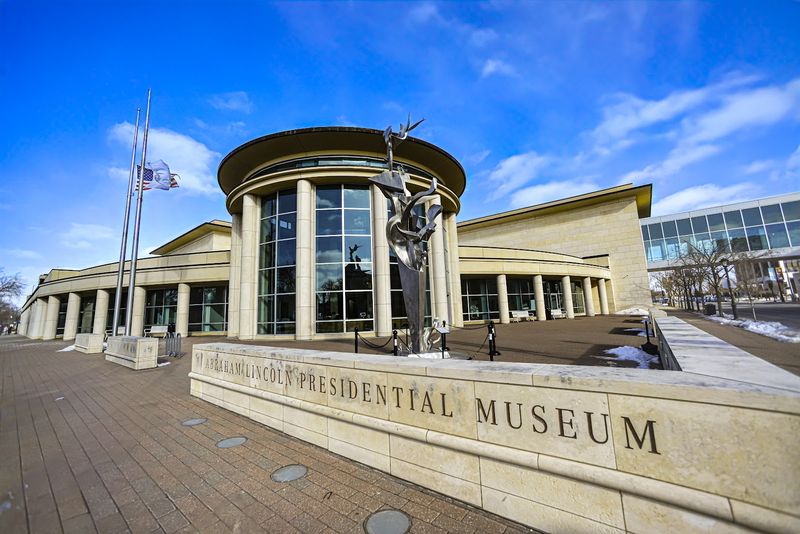
Few museums in the United States manage to make history feel this alive. The Abraham Lincoln Presidential Library and Museum, located at 212 N. 6th Street in Springfield, Illinois, is a full sensory experience that takes visitors from Lincoln’s humble log cabin childhood all the way through his years in the White House.
The exhibits here are genuinely impressive. Holographic ghost shows, rare artifacts connected to Lincoln’s life, and recreated scenes from the Civil War era make this place feel more like a time machine than a traditional museum.
Kids and adults alike tend to walk out looking a little stunned by what they just saw.
Plan to spend at least three hours here because there is truly a lot to take in.
The library side of the building holds the largest collection of Lincoln-related documents and artifacts in the world, which is a remarkable resource for anyone curious about the 16th president. Visit on a weekday morning if you want shorter lines and a quieter experience.
2. Lincoln Home National Historic Site, Springfield, Illinois
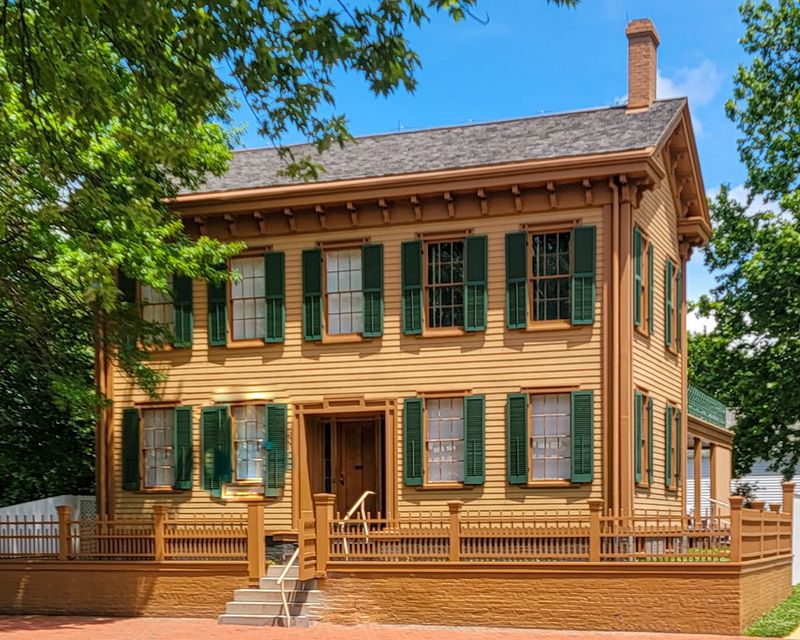
There is something quietly powerful about standing inside the actual house where Abraham Lincoln lived before he became president.
The Lincoln Home National Historic Site, at 413 S. 8th Street in Springfield, Illinois, is the only home Lincoln ever owned, and the National Park Service has done a careful job of preserving it exactly as it looked in the 1860s.
Rangers lead free guided tours through the house, pointing out period furnishings, historically researched wallpaper patterns, and personal items connected to the Lincoln family.
The surrounding four-block neighborhood has also been restored to its 19th-century appearance, which makes the whole visit feel remarkably authentic.
What makes this site stand out from other historic homes is the human scale of it. Lincoln was not wealthy when he lived here, and the house reflects that.
The rooms are modest, the yard is small, and the details are personal in a way that grand estates rarely manage to be. Visiting in spring or fall gives you the best weather for exploring the neighborhood on foot before or after your tour.
3. Old State Capitol State Historic Site, Springfield, Illinois
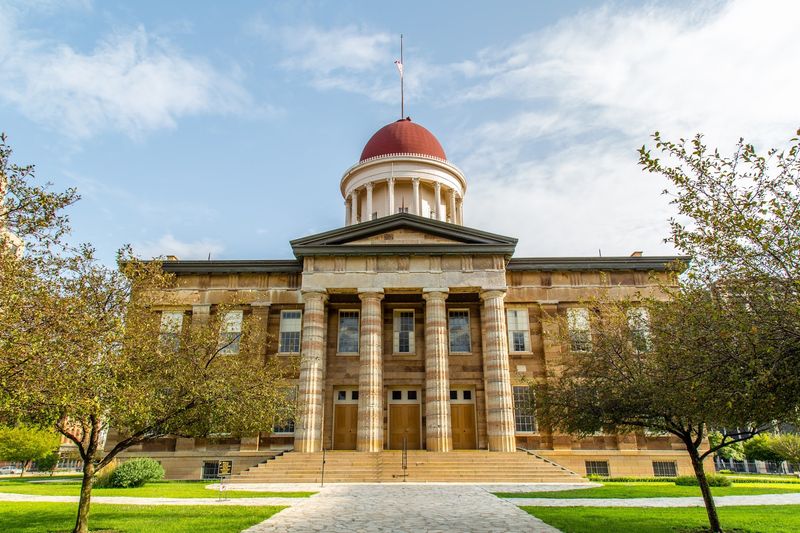
Long before the current Illinois State Capitol was built, lawmakers gathered in a Greek Revival building right in the heart of downtown Springfield.
The Old State Capitol State Historic Site, located at 1 Old State Capitol Plaza in Springfield, Illinois, served as the state’s seat of government from 1837 to 1876, and it witnessed some of the most important political moments in American history.
Abraham Lincoln delivered his famous “House Divided” speech here in 1858, and he lay in state in this building after his passing in 1865.
The restored interior is stunning, with original legislative chambers, period furnishings, and interpretive displays that walk you through Illinois politics during one of the nation’s most turbulent eras.
One detail that surprises many visitors is that the building was actually dismantled stone by stone in the 1960s and rebuilt from the ground up to correct structural problems, all while preserving the original materials.
That level of dedication to historical accuracy is impressive. Free admission makes this an easy addition to any Springfield itinerary, and the central plaza location means it pairs well with other nearby sites.
4. Lincoln Tomb State Historic Site, Springfield, Illinois
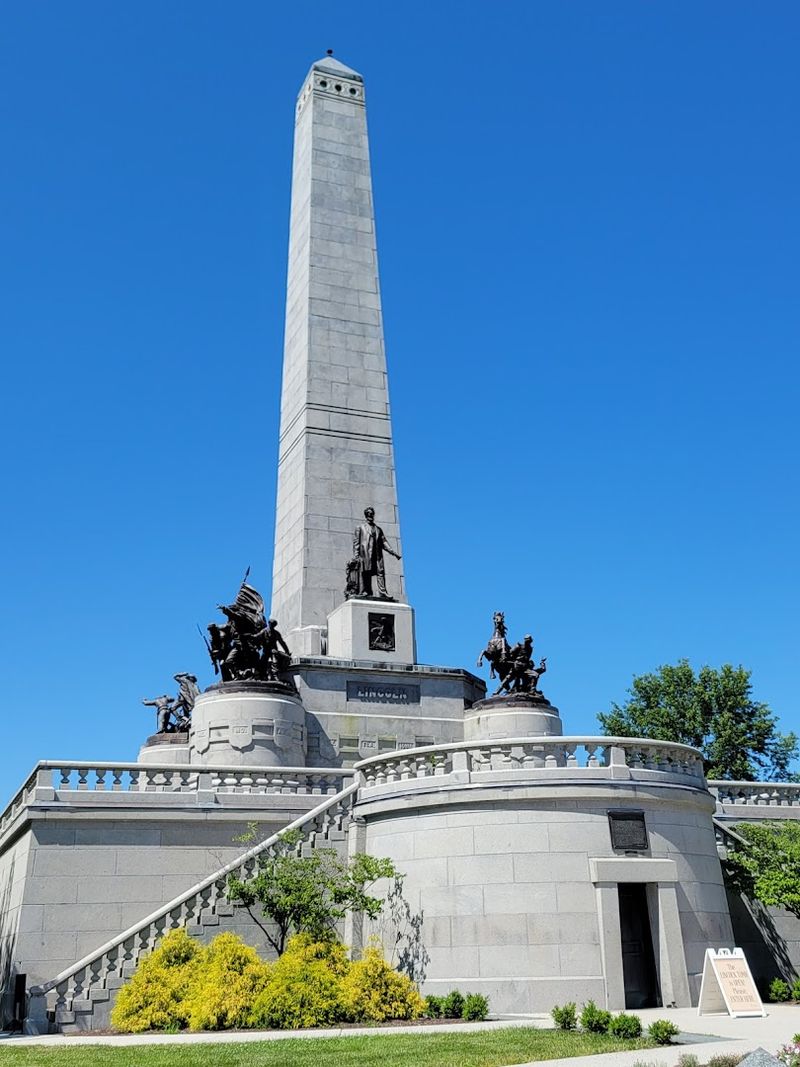
Oak Ridge Cemetery in Springfield, Illinois is home to one of the most visited burial sites in the entire country.
The Lincoln Tomb State Historic Site, at 1500 Monument Avenue, is where Abraham Lincoln, his wife Mary Todd, and three of their four sons are interred inside a soaring granite monument that rises more than 100 feet above the cemetery grounds.
A bronze reproduction of Lincoln’s face marks the entrance, and the nose on this bust has been rubbed shiny by millions of visitors over the decades who believe touching it brings good luck.
Inside the monument, a long corridor lined with marble and flags leads to the burial chamber, which feels solemn and genuinely moving.
The surrounding cemetery is beautifully maintained and worth a slow walk even beyond the tomb itself. Visiting in the early morning gives you a peaceful, almost meditative experience before the tour groups arrive.
Free guided tours are available during warmer months, and the interpretive center nearby provides helpful background on Lincoln’s presidency and the history of the monument’s construction. This is a place that tends to stay with you long after you leave.
5. Lincoln’s New Salem State Historic Site, Petersburg, Illinois
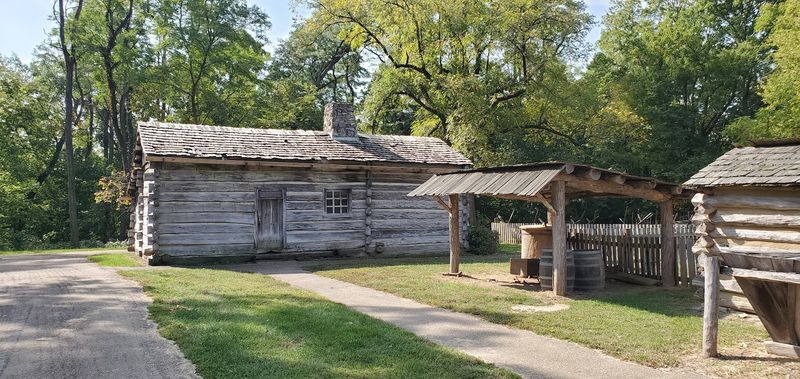
Before Springfield, before Congress, and before the White House, there was New Salem. Lincoln’s New Salem State Historic Site, located about 20 miles northwest of Springfield near Petersburg, Illinois, is a fully reconstructed 1830s frontier village where a young Abraham Lincoln spent six formative years of his life working as a store clerk, postmaster, and self-taught lawyer.
The site features more than 20 reconstructed log buildings, including homes, shops, a grist mill, and a tavern, all staffed by costumed interpreters who bring the era to life with demonstrations of period crafts and trades.
Walking the dirt paths between buildings genuinely feels like stepping into another century. What separates New Salem from many other historic sites is the depth of the storytelling.
You get a vivid picture of frontier Illinois life, not just Lincoln’s biography.
The surrounding Sangamon River valley landscape is also gorgeous, especially in autumn when the trees turn. Outdoor theater performances are held here during summer months, and the site is free to enter, making it one of the best history experiences in Illinois for the price.
Bring comfortable walking shoes because the grounds are extensive.
6. Dana-Thomas House, Springfield, Illinois
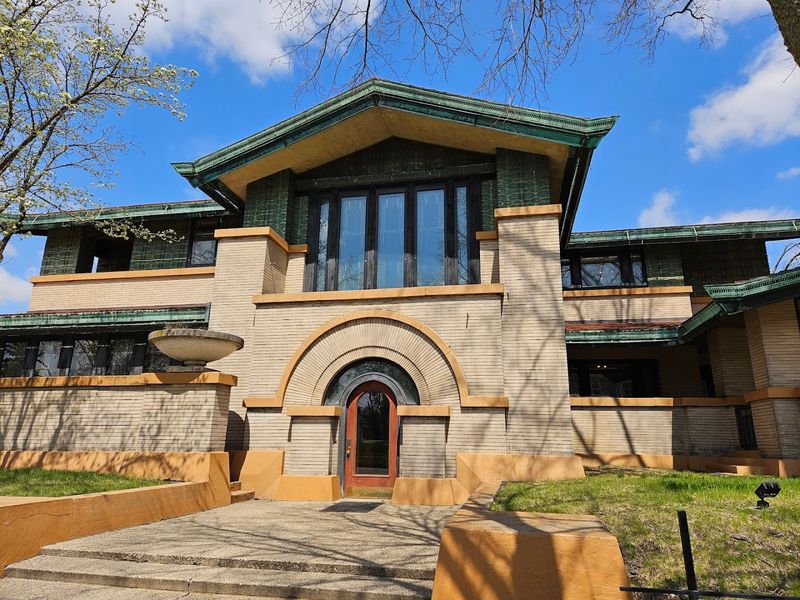
Not every historic site in Springfield is about Abraham Lincoln, and the Dana-Thomas House is proof that Illinois history has plenty of other remarkable chapters. D
esigned by the legendary architect Frank Lloyd Wright and completed in 1904, the Dana-Thomas House at 301 E. Lawrence Avenue in Springfield, Illinois is considered one of the best-preserved examples of Prairie Style architecture anywhere in the world.
Susan Lawrence Dana commissioned the house as a social venue, and Wright responded with a design that was radical for its time.
The home features 35 rooms, 16 murals, 100 pieces of original furniture designed by Wright himself, and more than 250 original art glass doors, windows, and light fixtures. The amber and gold tones throughout create an atmosphere that feels both warm and otherworldly.
Tours run regularly and guides do an excellent job of explaining Wright’s design philosophy without making it feel like an architecture lecture. Even visitors who have never heard of Frank Lloyd Wright tend to leave genuinely fascinated.
The gift shop carries a nice selection of Wright-inspired prints and books. Admission is free, and the house is conveniently located close to other Springfield historic sites, making it easy to combine into a full day of exploring.
7. Ulysses S. Grant Home State Historic Site, Galena, Illinois
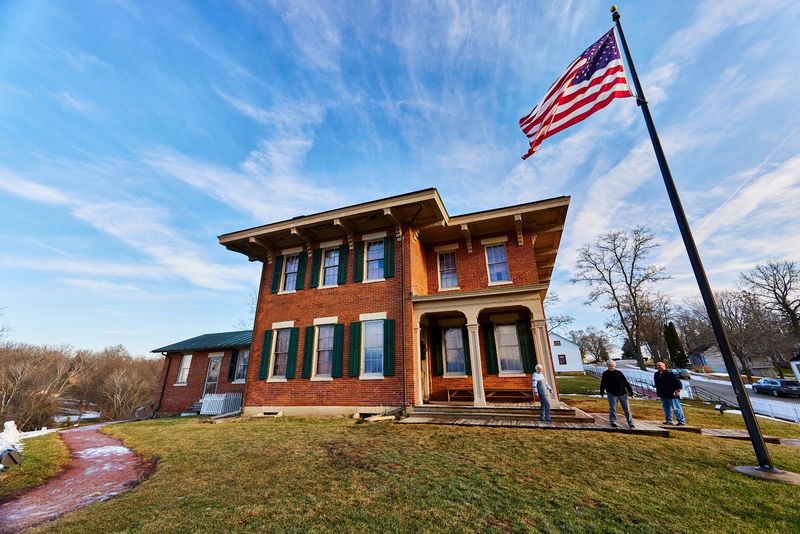
Galena, Illinois is one of those small towns that rewards curious travelers. The entire downtown looks like it was frozen in the 1860s, and the crown jewel of the experience is the Ulysses S.
Grant Home State Historic Site at 500 Bouthillier Street.
The Italianate brick house was presented to Grant by grateful Galena citizens after the Civil War, and it remained his official home base through his two terms as president.
The interior has been carefully restored to its appearance during Grant’s presidency, complete with original family furnishings, personal items, and period decorations.
Rangers lead thoughtful tours that cover not just Grant’s military career but also his life as a husband, father, and two-term president navigating the complicated politics of Reconstruction.
Galena itself deserves extra time beyond the Grant Home. The town’s 19th-century commercial district is lined with independent shops, historic buildings, and scenic views of the Galena River valley.
The drive to Galena from Chicago takes about three hours and passes through lovely rolling countryside.
Visiting in late summer or early fall gives you ideal weather and the added bonus of the surrounding hills dressed in early autumn color. Admission to the home is $5 for adults and $3 for children.
8. Pullman National Historical Park, Chicago, Illinois
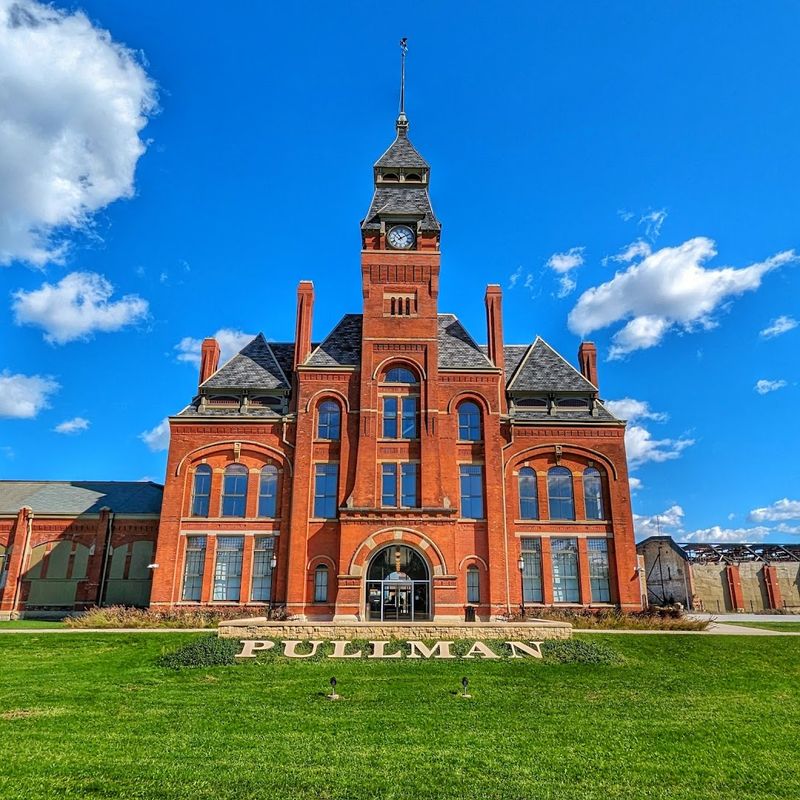
Chicago’s South Side holds one of the most fascinating and complicated stories in American labor history. Pullman National Historical Park, centered around the Pullman neighborhood with its visitor center at 610 E. 111th Street in Chicago, Illinois, preserves the remains of a company town built in the 1880s by railroad sleeping car magnate George Pullman for his workers.
The neighborhood was designed to be a model community, with row houses, parks, a hotel, a market, and a church, all owned by Pullman and rented to his employees. What followed was a landmark 1894 labor strike that changed the relationship between American workers and corporations forever.
The site was designated a national monument in 2015 and redesignated as a National Historical Park in 2022.
Ranger-led tours bring the story to life with remarkable specificity, covering the architecture, the labor movement, and the experience of African American Pullman porters who played a crucial role in building the Black middle class in 20th-century America.
The visitor center has strong interpretive exhibits, and the surrounding neighborhood is genuinely beautiful in a weathered, historic way. Visiting on a weekend gives you the best access to guided programming and special events throughout the year.
9. Chicago History Museum, Chicago, Illinois
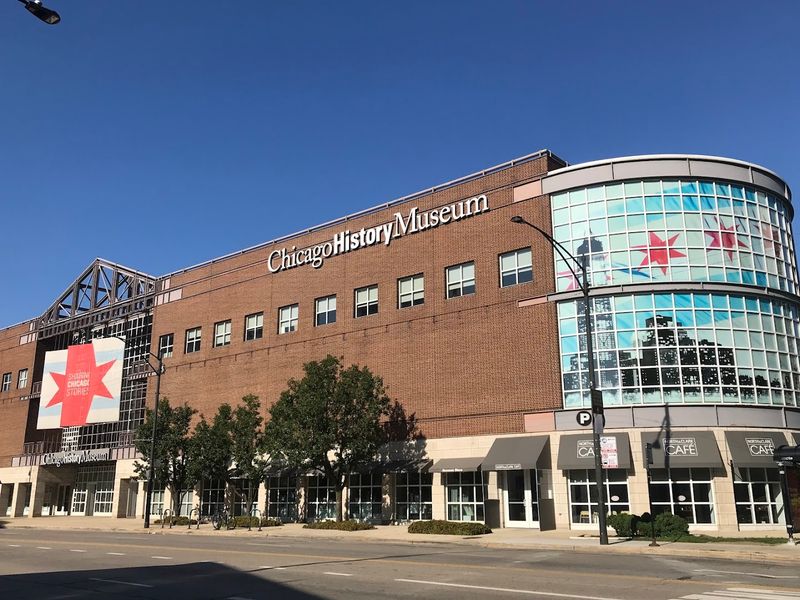
For a city with as much history as Chicago, it makes sense that the museum dedicated to telling that story would be genuinely excellent.
The Chicago History Museum at 1601 N. Clark Street in Chicago’s Lincoln Park neighborhood is exactly that, a sprawling, well-organized institution that covers everything from the Fort Dearborn era through the Great Chicago Fire, the World’s Columbian Exposition, and the city’s rise as a global cultural powerhouse.
Highlights include a full-size Chicago L elevated train car you can board, a massive diorama of the 1871 fire, and rotating exhibits that often focus on Chicago’s music, architecture, and immigrant communities.
The permanent collection alone contains more than 23 million objects, photographs, and documents, which gives the museum serious depth.
The museum sits right on the edge of Lincoln Park, so a visit pairs beautifully with a walk along the lakefront afterward. The gift shop is one of the best in the city for Chicago-themed books, prints, and souvenirs.
Admission pricing is reasonable for what you get, and the museum offers free admission on certain days for Illinois residents. Plan for at least two to three hours, especially if the current rotating exhibit catches your interest.
10. Bishop Hill State Historic Site, Bishop Hill, Illinois
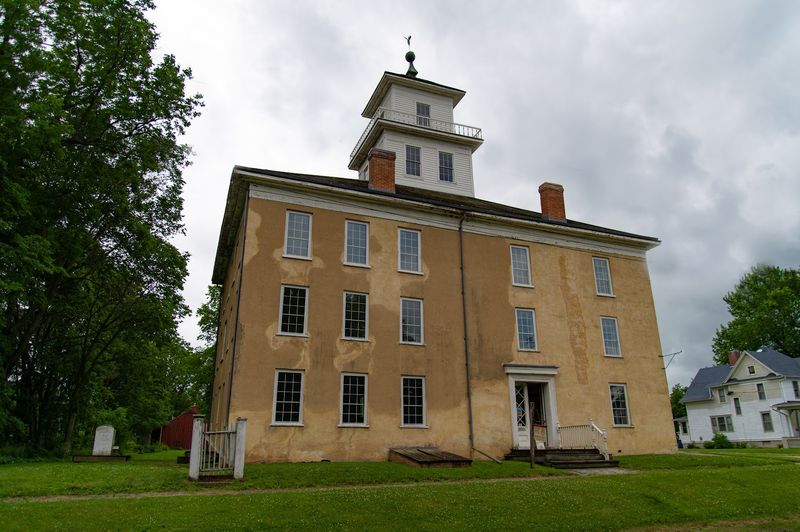
About three hours southwest of Chicago, there is a tiny Illinois village that most people have never heard of, and that is a genuine shame.
Bishop Hill State Historic Site, located in Bishop Hill, Illinois (population around 100), preserves the remains of a utopian Swedish religious colony founded in 1846 by Erik Jansson and a group of followers who emigrated from Sweden seeking religious freedom.
At its peak, Bishop Hill was home to more than 1,000 colonists who built an impressive collection of brick buildings, farms, and workshops entirely through communal labor. Several of these original buildings still stand and now house museums, galleries, and small shops.
The Steeple Building and the Colony Church are particularly worth seeing for their architecture and their collections of folk art and period artifacts.
The village has a genuinely serene quality that is hard to find anywhere else in Illinois. It hosts a popular Midsommarfest celebration every June that draws visitors from across the Midwest for Swedish folk music, traditional food, and craft demonstrations.
The surrounding Henry County farmland is flat and wide open in a way that makes the whole area feel timeless. Admission to most buildings is low-cost, and the community is warm and welcoming to curious visitors.