
7 Illinois Scenic Byways Perfect For Spring Road Trips
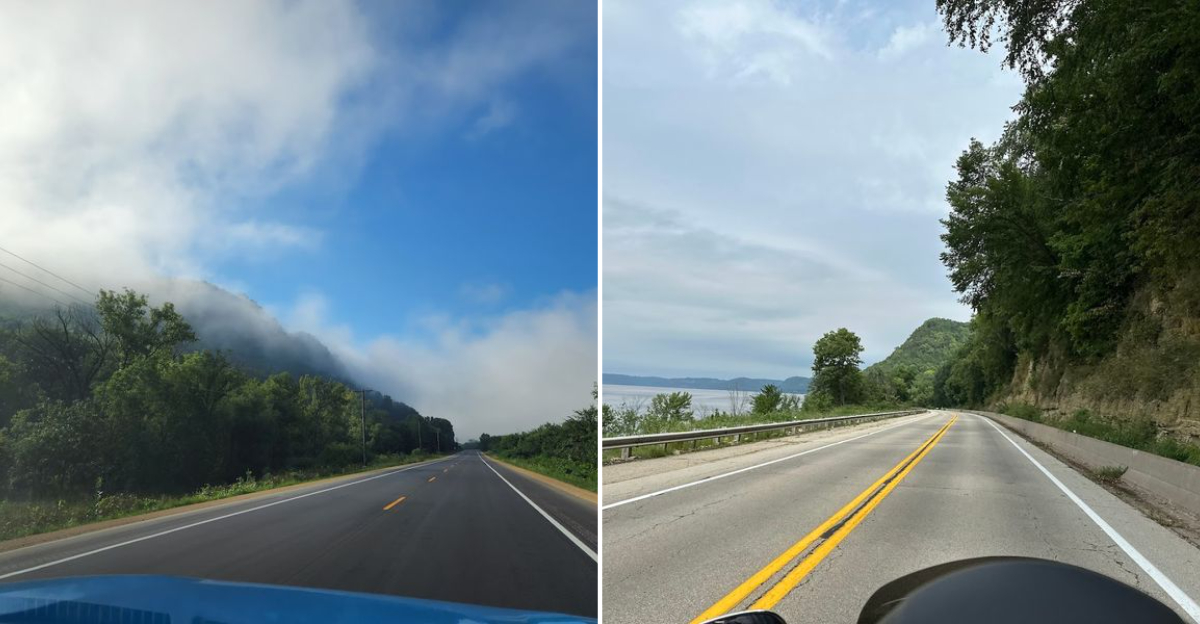
There’s a moment every spring in Illinois when everything just clicks. The trees finally start to glow green, wildflowers pop up along the roadside, and even a short drive feels like something worth slowing down for.
That’s when the scenic byways really shine. Instead of rushing past it all, you start noticing the details: river bluffs catching the light, quiet little towns with more history than you expect, and farmland rolling out in every shade of fresh green.
It feels calmer, more alive, and honestly a lot more memorable. Illinois doesn’t always get credit for its road trips, but it should.
After spending time on all seven of the state’s scenic byways, I can say each one offers something different, especially in spring when everything feels new again.
Great River Road
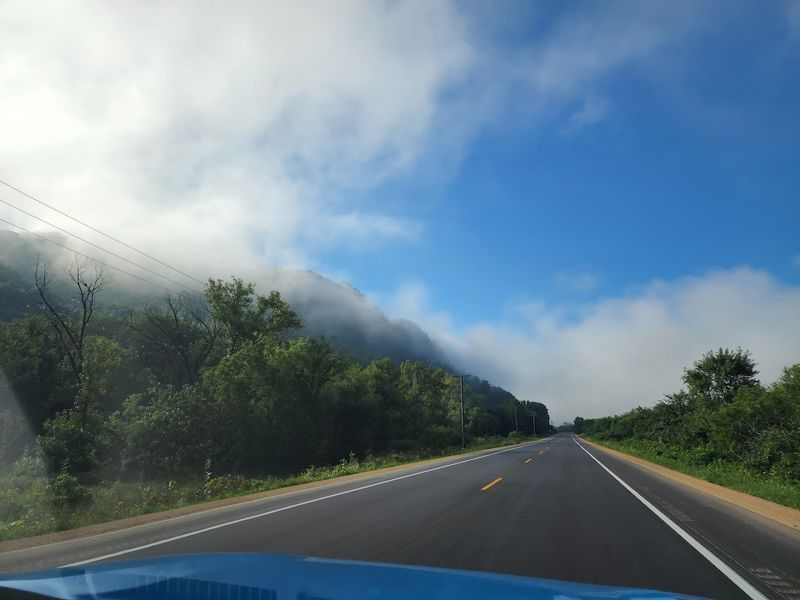
Few drives in the Midwest match the sheer drama of cruising along the Great River Road, where the Mississippi River rolls out beside you like a living, breathing postcard.
This National Scenic Byway stretches roughly 550 miles along the Illinois side of the Mississippi, connecting small river towns, towering limestone bluffs, and some of the most breathtaking overlooks you will find anywhere in the country.
Spring is genuinely the best time to do it, when migratory birds are passing through and the bluffs are dusted with fresh green growth.
The route passes through towns like Galena in the northwest and Chester in the south, each with its own personality and history. Galena alone is worth slowing down for, with its beautifully preserved 19th-century architecture and the former home of Ulysses S.
Grant open for tours.
The road itself dips and curves in ways that feel almost cinematic, especially near the area around Savanna, where the Mississippi widens dramatically.
Wildlife spotting is a real highlight in spring. Bald eagles are still visible near the river early in the season, and great blue herons nest along the banks.
Pull over at Grafton, a charming little town at the confluence of the Illinois and Mississippi Rivers, where the views from the blufftop are genuinely jaw-dropping.
Pack a picnic, bring a good playlist, and budget at least two days for this one because rushing it would be a genuine shame.
Meeting of the Great Rivers Scenic Route
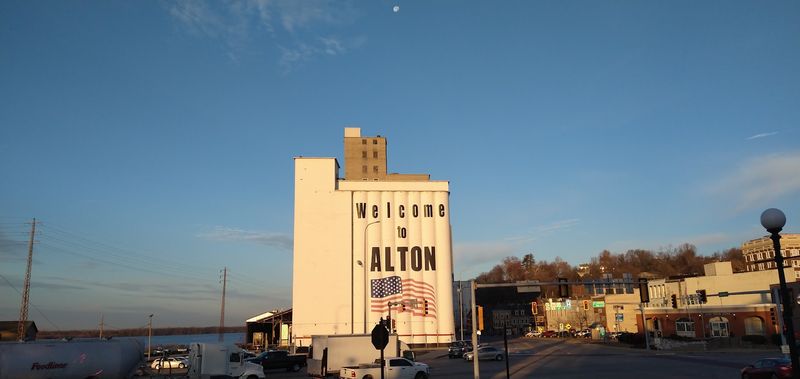
In the region around Alton, Grafton, and Hartford, where the Mississippi, Missouri, and Illinois Rivers meet at nearby confluences, you get one of the most geographically fascinating stretches of road in the entire state.
The Meeting of the Great Rivers Scenic Route covers about 33 miles in the southwestern corner of Illinois, and it punches well above its weight in terms of scenery, history, and sheer natural spectacle.
Spring amplifies everything here, with wildflowers lining the roadside and the rivers running high and silver after winter melt.
Alton itself is a town that rewards slow exploration. The city sits on dramatic river bluffs and has a deep history connected to the Underground Railroad, the Civil War, and the famous Lincoln-Douglas debates.
The Alton Museum of History and Art is a solid stop, and nearby spots like the Lewis and Clark Confluence Tower and the National Great Rivers Museum offer some of the best views and interpretation of the river confluences in the region.
Pere Marquette State Park, located just up the road near Grafton, offers hiking trails with overlooks that will make you want to stay all afternoon.
The short length of this byway is actually one of its charms. You can drive it comfortably in a morning, then spend the rest of the day hiking, birdwatching, or grabbing a bite in one of the small river towns along the way.
The Lewis and Clark State Historic Site in Hartford sits at the route’s edge and marks the spot where the famous expedition camped before heading west. History and scenery in one compact package is a combination that is genuinely hard to beat.
Historic Route 66
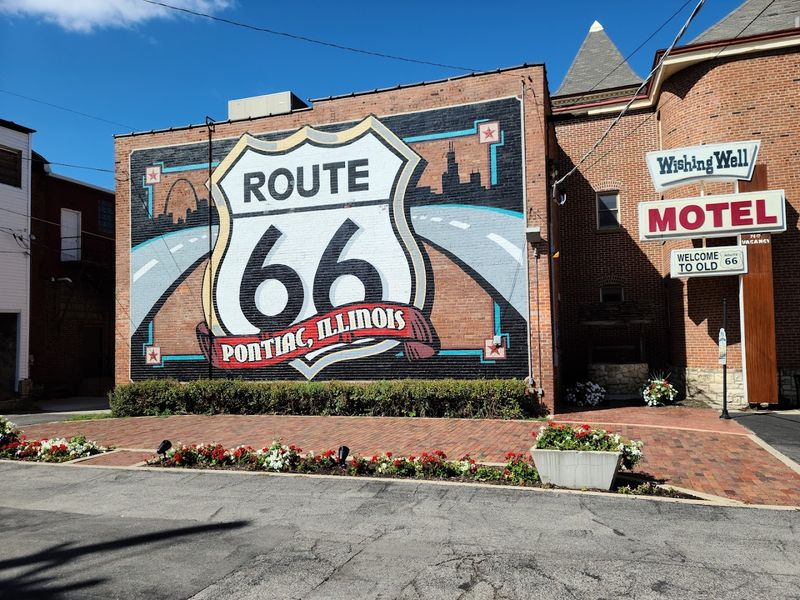
There is something undeniably thrilling about rolling onto the original alignment of Route 66 in Illinois, knowing that generations of American travelers made the same turn before you.
Illinois preserves one of the most historically significant stretches of the original Mother Road, running about 300 miles from Chicago to the Missouri border near St. Louis. The spring light on this route is something special, casting a warm golden glow over retro diners, roadside attractions, and small towns that have kept their Route 66 character alive with obvious pride.
Springfield is the crown jewel of the Illinois stretch, offering the Abraham Lincoln Presidential Library and Museum, the Lincoln Home National Historic Site, and a downtown that buzzes with energy in the warmer months.
The Cozy Dog Drive In on South Sixth Street claims to be the birthplace of the corn dog on a stick, and whether or not you take that claim at face value, the food is genuinely fun. Further south, Litchfield and its vintage Ariston Cafe, which has been serving travelers since 1935, is a must-stop.
What makes Route 66 particularly rewarding in spring is the pace it encourages. This is not a drive for people in a hurry.
Side roads branch off to unexpected roadside art, quirky museums, and century-old bridges that are still passable.
The Funk’s Grove maple sirup operation near McLean, which has been producing pure maple sirup since the 1800s, is open in spring and worth every minute of the detour. Route 66 rewards curiosity above all else.
Illinois River Road
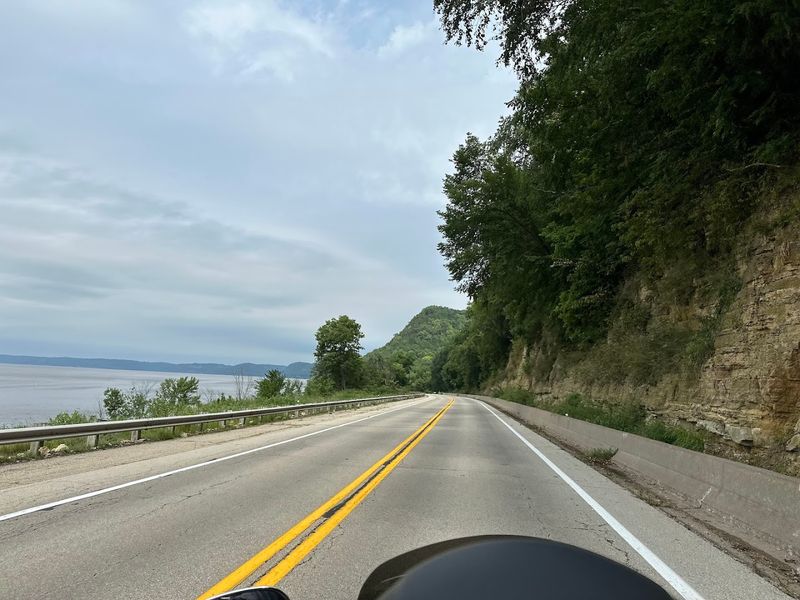
The Illinois River Road National Scenic Byway runs about 291 miles from Ottawa to Havana, following routes on both sides of the Illinois River through a landscape that shifts beautifully between river bottomlands, upland forests, and historic small towns.
Spring transforms this corridor in a way that feels almost theatrical. Wildflowers blanket the forest floors, migratory waterfowl fill the river marshes, and the whole valley seems to exhale after a long winter.
It is one of those drives where pulling over every few miles feels completely justified.
Starved Rock State Park is the undisputed highlight of this route. Located near Utica, the park features 18 canyons carved by glacial meltwater, with waterfalls that are at their most powerful during the spring runoff season.
The trails are well-maintained and accessible for most fitness levels, and the views from the sandstone bluffs above the river are genuinely stunning. The park’s lodge, built by the Civilian Conservation Corps in the 1930s, is a beautiful place to grab a meal and soak in the historic atmosphere.
Beyond Starved Rock, the byway passes through Hennepin, Ottawa, and Chillicothe, each with its own riverfront character and local history worth discovering.
The Illinois Waterway Visitors Center near Ottawa offers an interesting look at how the river locks and dams work, which is surprisingly fascinating even if you did not think you cared about engineering. Bald eagle sightings along the river are common in early spring, so keep your eyes on the tree lines and the water.
Lincoln Highway
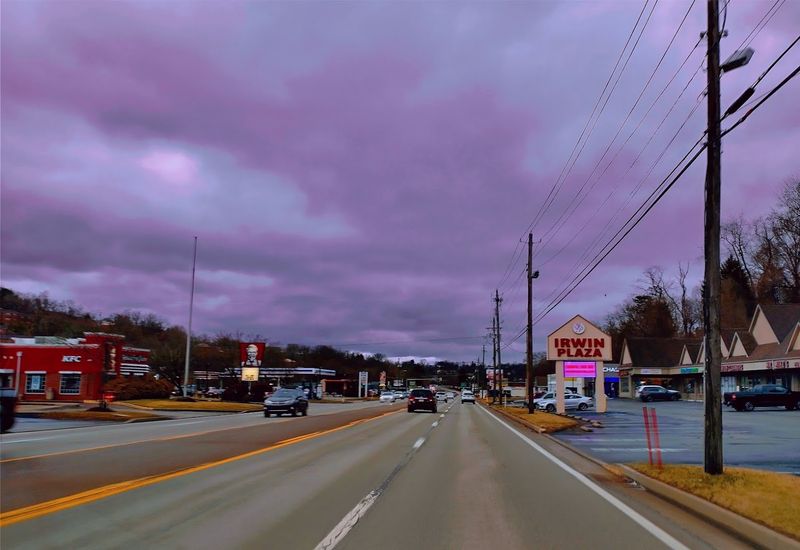
The Lincoln Highway holds a unique place in American road history as the first transcontinental road in the United States, and Illinois carries a significant and well-preserved section of it.
Established in 1913, the route cuts across northern Illinois from the Indiana state line through the Chicago Southland and on to the Mississippi River crossing near Fulton and Clinton, Iowa, passing through Joliet, DeKalb, and Dixon along the way.
Driving it in spring feels like a genuine history lesson with great scenery thrown in as a bonus.
Dixon, Illinois, is one of the most rewarding stops on this stretch. It is the childhood home of Ronald Reagan, and the Reagan Boyhood Home on South Hennepin Avenue is open for tours and offers a surprisingly intimate look at the 40th president’s early years.
The town itself is charming, with a lively riverfront along the Rock River that is especially pleasant in spring when the trees are leafing out and locals are out walking the trails.
The John Deere Historic Site in Grand Detour, just a short detour south of Dixon, adds another layer of American industrial history to the experience.
What makes the Lincoln Highway stand out from other byways is how deliberately it connects American history. Every town along the route has its own chapter in the broader national story.
In DeKalb, you can visit the Ellwood House Museum, a Victorian mansion tied to the invention of barbed wire, which shaped the entire American West. This is a byway that keeps revealing new layers the more you pay attention to it.
Ohio River Scenic Byway
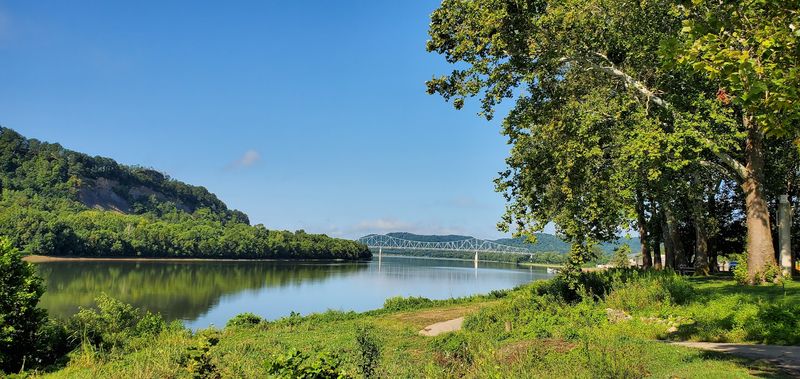
Southern Illinois is one of those places that surprises people who have never ventured past the flat agricultural plains of the central part of the state.
The Ohio River Scenic Byway runs along the southern edge of Illinois for about 188 miles, hugging the northern bank of the Ohio River and passing through a landscape that feels more like the Appalachian foothills than the Midwest.
In spring, the native redbud and dogwood trees bloom in spectacular bursts of pink and white, creating a floral display that rivals anything you will find in more famous destinations.
The byway passes through the Shawnee National Forest, which alone is worth the trip. Garden of the Gods, a remarkable collection of ancient sandstone rock formations near Herod, Illinois, offers hiking trails with views that stretch for miles across the Ohio River valley.
The rock formations have names like Camel Rock and Anvil Rock, and they genuinely look like something out of a fantasy novel. Spring is ideal here because the temperatures are mild and the forest is alive with birdsong and wildflowers.
Cave-in-Rock State Park is another standout stop along the route. The park features a large cave that opens directly onto the Ohio River, which was historically used by river pirates in the early 1800s.
The campground and picnic areas are well-maintained and offer direct river views that are peaceful and scenic. Elizabethtown, a tiny river town with a historic inn and ferry crossing, is the kind of place where time seems to move a little slower, and that is entirely the point.
Historic National Road
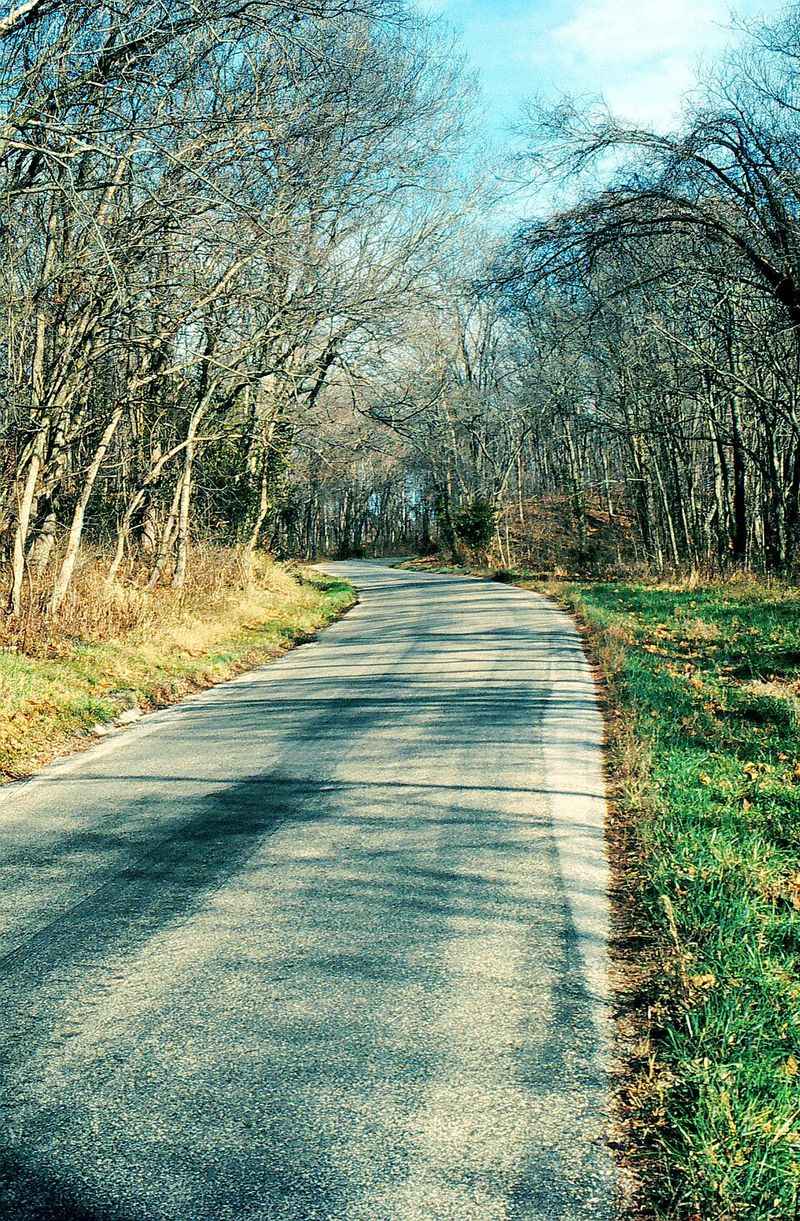
Built between 1811 and 1838, the Historic National Road is the oldest federally funded highway in American history, and its Illinois segment carries that weight with quiet dignity.
The route enters Illinois near Marshall and travels westward through Effingham, Vandalia, and Greenville before crossing into Missouri near East St. Louis.
Driving it in spring means catching the countryside at its most photogenic, with farms freshly planted, roadsides blooming, and the kind of open-sky scenery that reminds you just how beautiful the middle of America can be.
Vandalia is the most historically significant stop on the Illinois portion of the route. It served as the state capital of Illinois from 1820 to 1837, and the Vandalia Statehouse, a small but beautifully preserved building on the town square, is the oldest surviving capitol building in the state.
Abraham Lincoln served in the Illinois legislature here before Springfield took over as the capital, and the building has been carefully restored to reflect its early 19th-century appearance. The local historical society runs guided tours that are informative and genuinely engaging.
Greenville and Marshall both have their own quiet charms, with small-town main streets that feel lived-in rather than touristy.
The Lincoln Log Cabin State Historic Site, a short drive south near Lerna, preserves the last home of Abraham Lincoln’s father and stepmother and offers a fascinating window into frontier life in the 1840s.
The Historic National Road rewards travelers who appreciate depth over spectacle, and in spring, even the quiet stretches between towns feel like a gift.