
10 Illinois Small Towns That Feel Magical In Early Spring This March
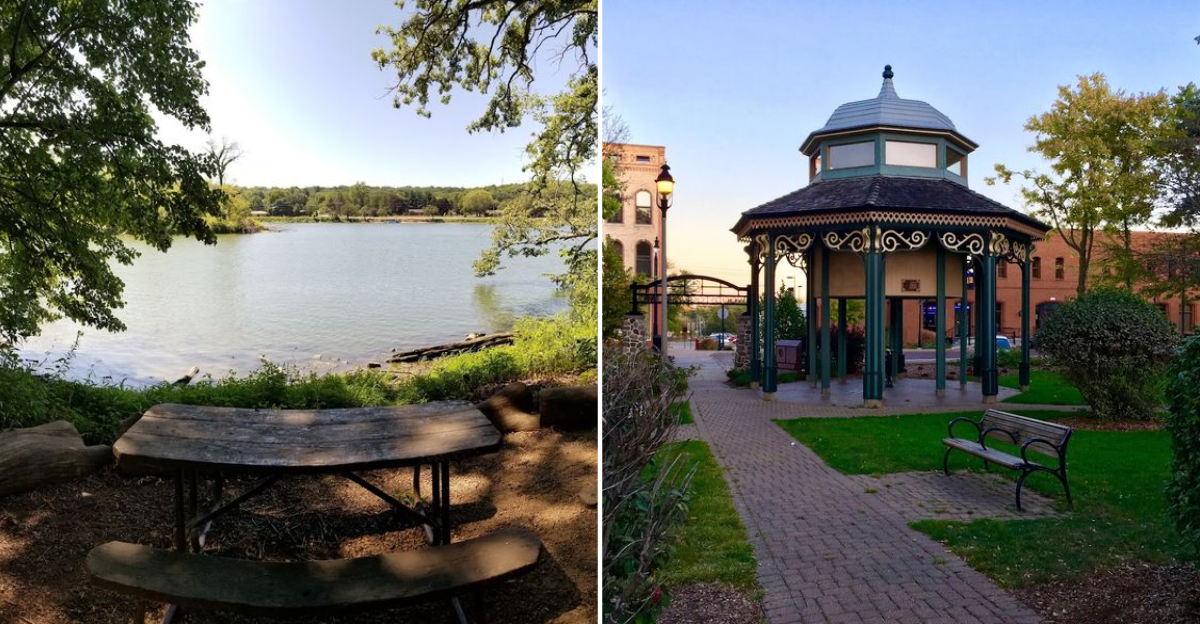
March in Illinois has a particular kind of quiet magic to it. Winter still lingers, but something subtle shifts in the landscape.
Rivers run a little faster, birds return to familiar branches, and small towns slowly stretch back to life after the long cold stretch.
I’ve spent years wandering back roads across Illinois, and early spring always feels like the moment when the state shows a quieter side of itself. There’s space to walk historic streets without crowds and time to notice the details that are easy to miss in summer.
This list highlights ten small towns that stand out especially in March. Each one has its own character, shaped by history, landscape, and the slow return of spring.
1. Galena
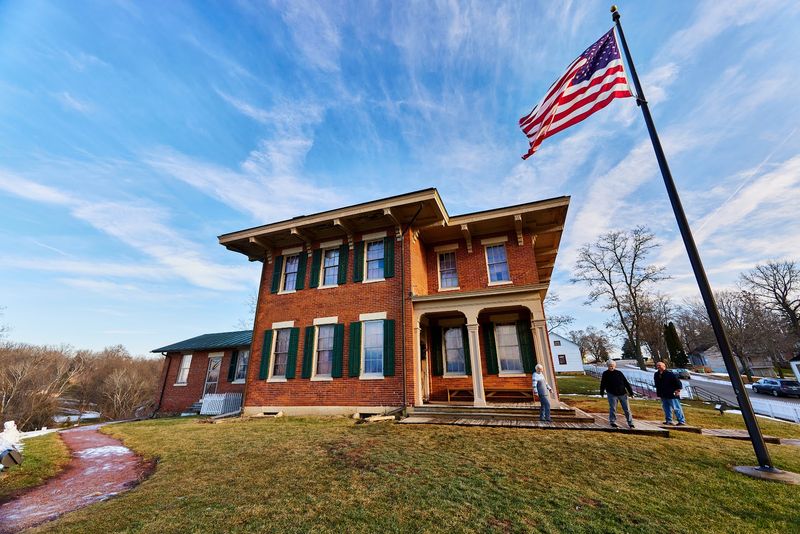
Few towns in the Midwest carry as much history per square foot as Galena, a charming river town tucked into the rolling hills of Jo Daviess County in northwestern Illinois.
The downtown streetscape, lined with 19th-century brick buildings and stately Victorian mansions, looks like it was frozen in time and then very gently thawed just for March visitors.
One of the most rewarding stops here is the Ulysses S. Grant Home State Historic Site, where you can walk through the preserved home of one of America’s most celebrated generals.
The guides are knowledgeable, the rooms are beautifully maintained, and the stories they tell bring the Civil War era to life in a way that no textbook ever could.
Early spring is a particularly good time to hike the trails around the Galena River, where you might catch the first wildflowers pushing through the leaf litter. The town is small enough to explore on foot in a single afternoon, yet rich enough in character to fill an entire weekend without ever feeling rushed.
2. Geneva
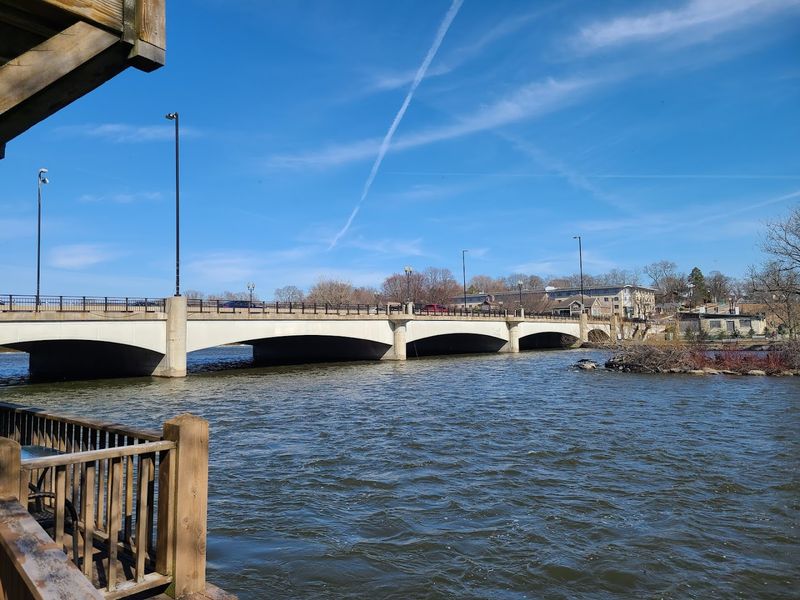
Right along the Fox River in Kane County, Geneva has the kind of downtown that makes you want to slow down and actually look at things.
The main street, Third Street, is packed with independent boutiques, cozy cafes, and art galleries that start filling up with visitors as soon as the March temperatures climb above freezing.
The Fabyan Forest Preserve is one of the most underrated outdoor spots in all of northern Illinois. In early spring, the riverside trails are quiet, muddy in the best possible way, and lined with the first hints of green that remind you winter is finally losing its grip.
The Dutch windmill on the property, an authentic mid-19th-century structure dating to the 1850s, adds a storybook quality to any morning walk.
Geneva also hosts the Swedish Days Festival later in summer, but March gives you all the charm of the town without the crowds.
The historic limestone buildings near the Fox River, including the old blacksmith shop area along the riverbank, offer a peaceful place to sit and watch the water rush past as winter slowly gives way to spring.
3. Woodstock
If you’ve ever seen the movie Groundhog Day, you’ve already had a glimpse of Woodstock, because the filmmakers chose this McHenry County town as their stand-in for Punxsutawney, Pennsylvania.
The irony of visiting Woodstock in early March, when real spring is just beginning to repeat itself day by day, is not lost on anyone who makes the trip.
The town square, centered around the historic Woodstock Opera House at 121 Van Buren Street, is genuinely one of the most photogenic public spaces in Illinois.
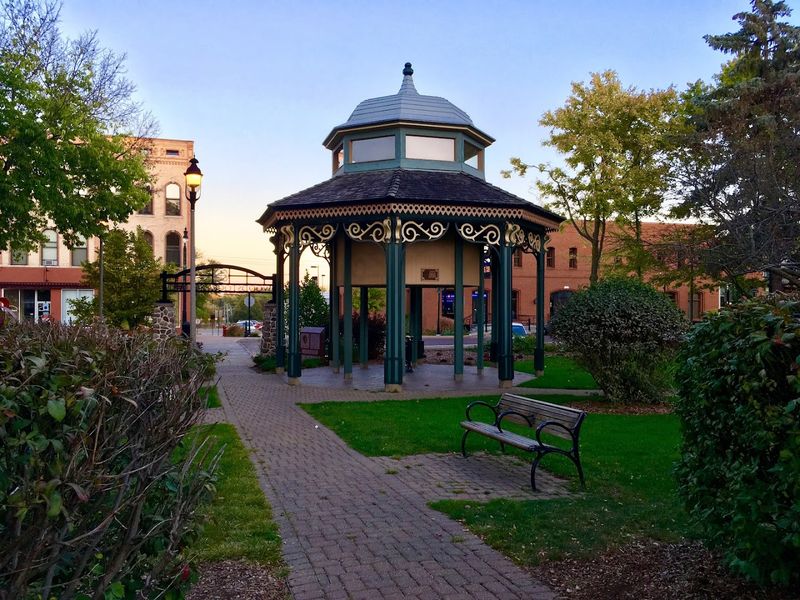
Brick streets, Victorian storefronts, and a restored gazebo give the whole area a film-set quality, except this one is completely real and open year-round. The Opera House itself hosts live theater and music events throughout March, so checking the calendar before you visit is always a smart move.
Beyond the movie connection, Woodstock has a thriving independent food scene along the square, with several cafes and bakeries that are perfect for warming up between outdoor explorations.
The surrounding countryside also offers some lovely early-spring birding, especially along the paths near Lake Emricson Park just a short walk from the main square.
4. Nauvoo
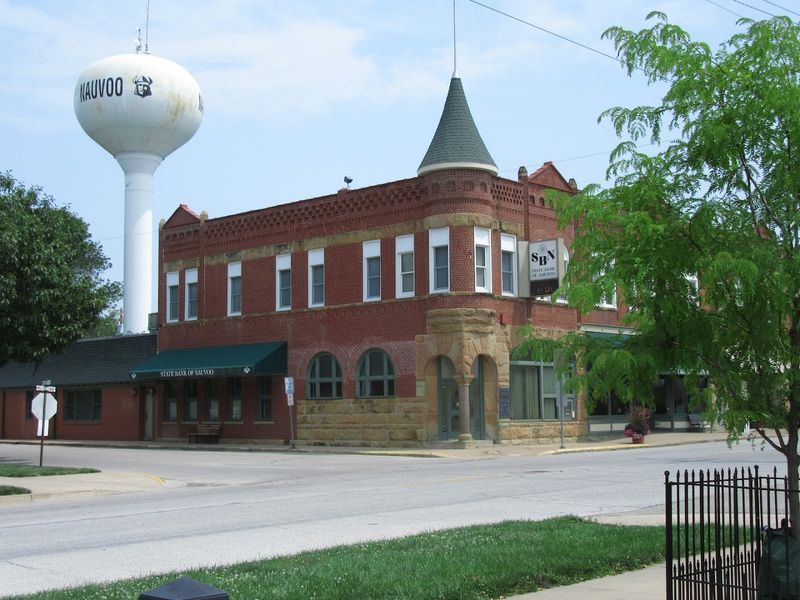
Nauvoo sits quietly on a bend of the Mississippi River in Hancock County, and it carries a weight of American history that you can almost feel in the air when you walk its streets.
This small town was once one of the largest cities in Illinois, built rapidly in the 1840s by early Latter-day Saint settlers before a turbulent period sent the community westward toward Utah.
Today, the historic district is remarkably well-preserved, with dozens of original and reconstructed pioneer-era buildings open for tours.
The Joseph Smith Historic Site along Water Street offers a thoughtful look at this period, and the guides there present the history with care and detail that rewards curious visitors.
Walking the brick paths between the old homes in early March, when the river is still running cold and the trees are just starting to think about budding, feels genuinely cinematic.
Nauvoo State Park on the southern edge of town adds a natural dimension to the visit, with river views and trails that are peaceful and uncrowded in early spring. The town’s small size means you can cover most of the historic district in a day, but the stories you carry home tend to linger much longer than that.
5. North Utica
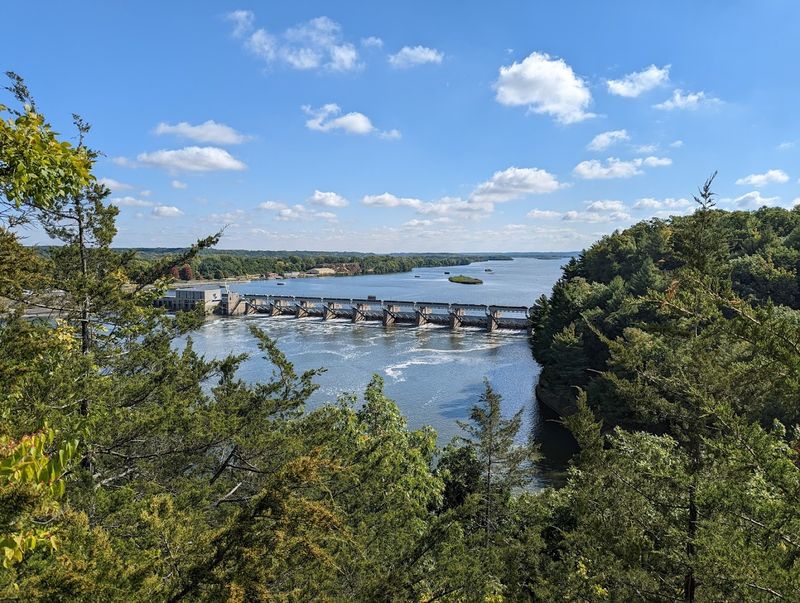
North Utica is the kind of small town that earns its reputation entirely through its surroundings. Located in LaSalle County along the Illinois River, this quiet village serves as the gateway to Starved Rock State Park, one of the most dramatic natural landscapes in the entire state.
In early March, the park’s canyons are at their most atmospheric, with frozen waterfalls beginning to melt and the first green mosses brightening the limestone walls.
The trails inside the park, accessible just minutes from North Utica’s Main Street, wind through 18 canyons carved by glacial meltwater thousands of years ago.
Sandstone and dolomite formations tower overhead, and the sound of water dripping and rushing through the narrow passages makes for a genuinely immersive outdoor experience.
Eagle watching along the Illinois River is also excellent in early March, when bald eagles are still actively feeding before migration shifts northward.
Back in town, the handful of locally owned diners and shops along Canal Street are perfect for refueling after a morning on the trails. The Utica area also has a rich history tied to the Illinois and Michigan Canal, and the heritage trail nearby offers a flat, easy walk with plenty of historical markers to read along the way.
6. Grafton
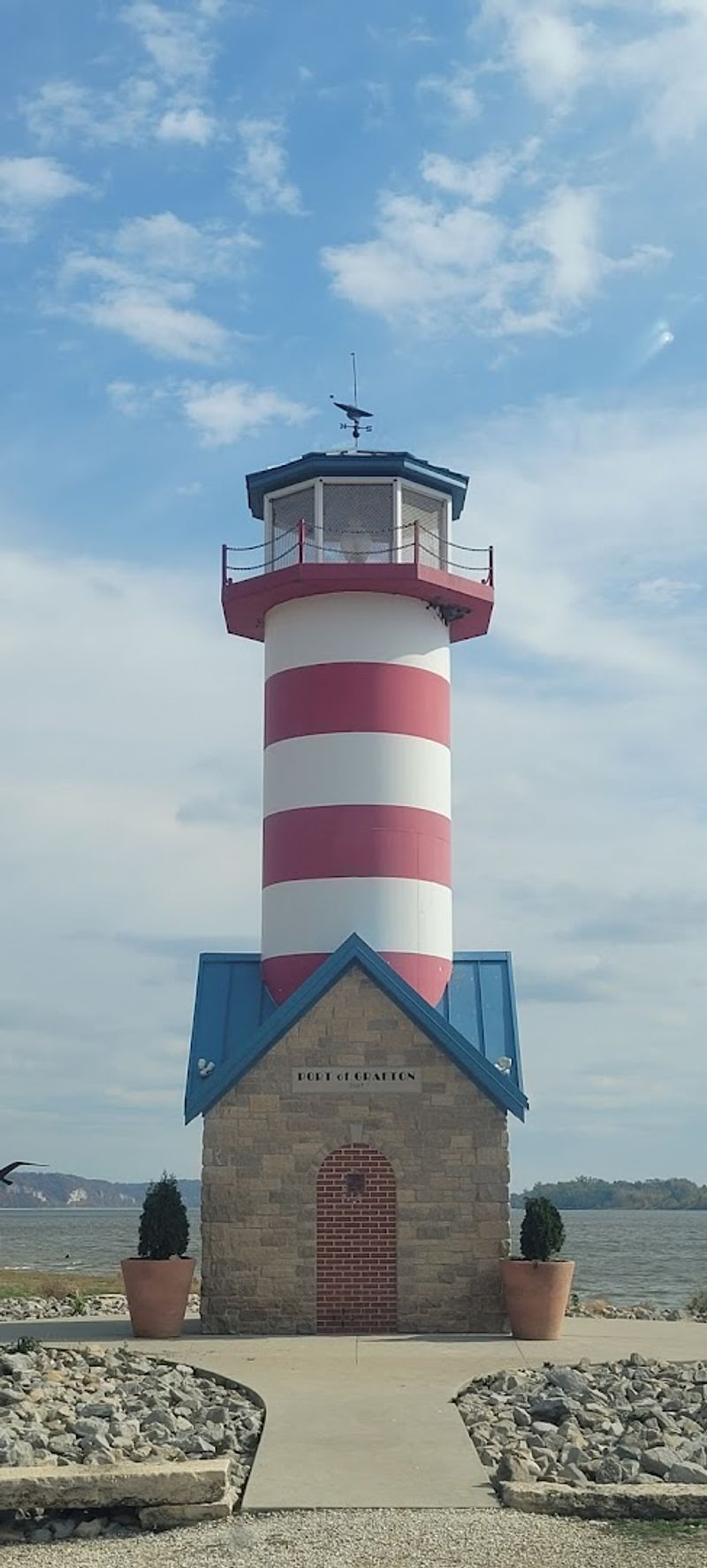
Grafton occupies one of the most geographically dramatic spots in all of Illinois, sitting right at the confluence of the Illinois and Mississippi rivers in Jersey County.
The bluffs that rise above the town are part of the Pere Marquette State Park system, and in early March they take on a moody, atmospheric quality as the bare hardwood trees begin to show the faintest green haze of new growth.
The riverfront strip in Grafton is lined with casual eateries and shops that start reopening for the season in early spring, giving the town a lively but unhurried energy.
Taking the Great River Road south from Grafton along the Mississippi is one of the most scenic drives in the Midwest, especially when the river is running high and the sky is that particular shade of pale March blue.
Pere Marquette State Park offers some of the best hiking in southern Illinois. The trails climb through oak and hickory forest to ridgeline overlooks where you can see for miles across the river valley.
Horseback riding is also available through the park’s equestrian facilities, making it a great option for visitors who want to explore the bluffs from a different vantage point entirely.
7. Oregon
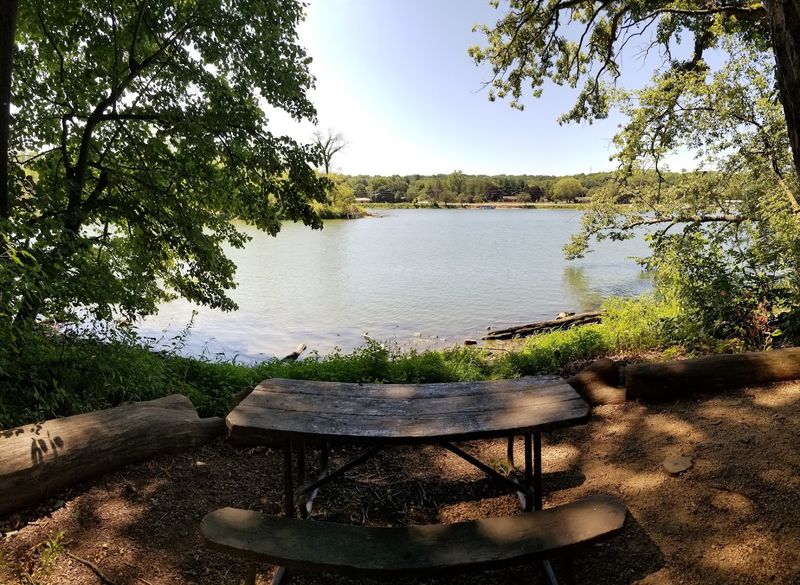
Oregon, the county seat of Ogle County in north-central Illinois, sits above the Rock River and has a quiet, unhurried character that makes it a genuinely restful place to spend a spring weekend.
The town is perhaps best known for the massive Black Hawk statue that stands at Lowden State Park, a 48-foot concrete figure designed by sculptor Lorado Taft that looks out over the river valley from a dramatic bluff-top position.
Lowden State Park is a wonderful early-spring destination because the trails through the river bluffs are manageable even when slightly muddy, and the views from the statue overlook are genuinely breathtaking. The Rock River below runs fast and cold in March, and watching it from that height gives you a real sense of the landscape’s scale.
Downtown Oregon has a low-key charm, with a few independent shops and a historic courthouse square that feels authentically lived-in rather than curated for tourists.
The area also has a strong connection to the American arts and crafts movement, thanks to the Eagle’s Nest Art Colony that operated nearby in the early 20th century. That creative heritage still shows up in the local galleries and the thoughtful way the town has preserved its architectural character.
8. Makanda
In the southern Illinois hills near Carbondale, Makanda is a tiny village that punches well above its weight in natural beauty and creative spirit.
The population barely tops 500 people, but the town sits at the doorstep of Giant City State Park, one of the most geographically spectacular places in the entire state.
Early March here is noticeably warmer than in northern Illinois, which means wildflowers often begin appearing along the park trails before the month is even halfway through.
Giant City State Park, just outside Makanda along Giant City Road, gets its name from the massive sandstone bluffs that form narrow streets between towering rock walls, giving hikers the sensation of walking through a city built by something much larger than human hands.
The park’s trail system ranges from easy boardwalk loops to more challenging ridge hikes, and all of them are worth the effort in early spring when the light filters through bare branches at beautiful low angles.
Makanda’s tiny downtown, often called the Boardwalk, is a row of artist studios and quirky shops that feel entirely unlike anything else in Illinois.
The creative community here has been building for decades, and popping into the studios on a quiet March afternoon is one of those low-key travel experiences that ends up being the highlight of the whole trip.
9. Metropolis
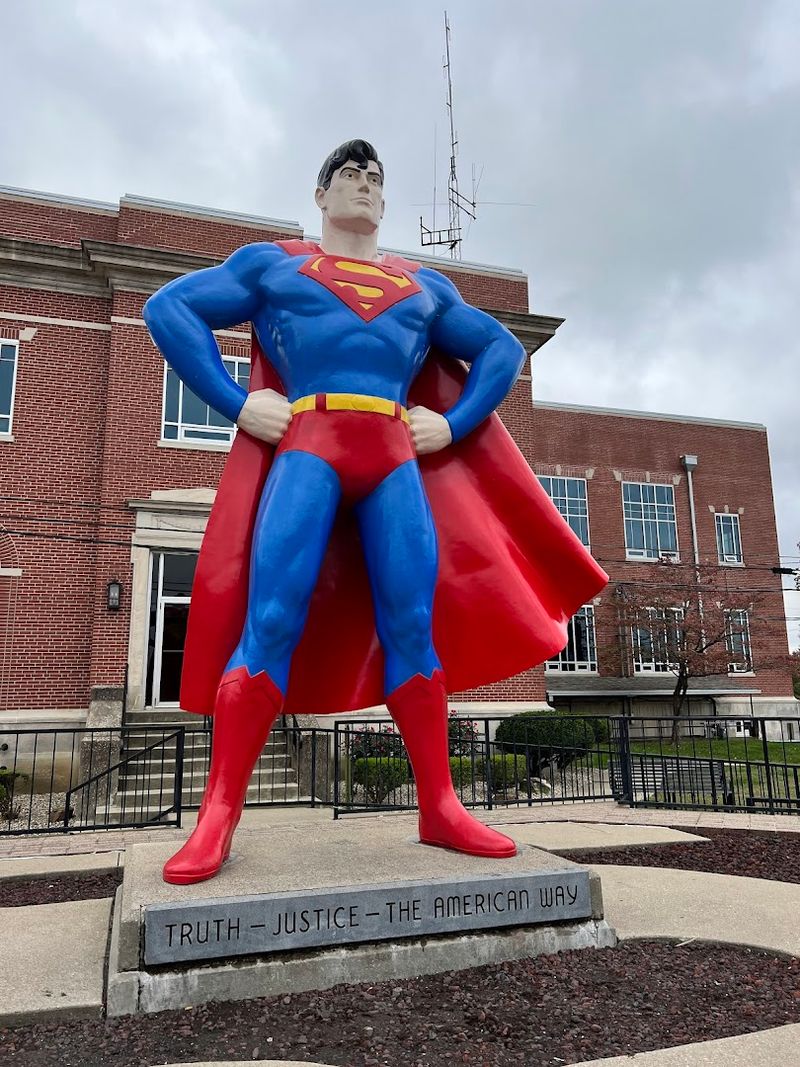
Yes, there is an actual Metropolis in Illinois, and yes, it fully leans into the Superman connection with cheerful commitment.
Located in Massac County at the southern tip of the state where the Ohio River marks the border with Kentucky, Metropolis is a small river town with a big personality and a surprisingly pleasant early-spring climate compared to the rest of Illinois.
The town’s centerpiece is the larger-than-life bronze Superman statue in the center of downtown, at the corner of Market Street and Superman Square. It’s genuinely fun, completely unironic, and absolutely worth a photo stop.
The nearby Super Museum houses one of the most extensive Superman collections in the world, with thousands of pieces of memorabilia spanning nearly a century of the character’s history.
Beyond the superhero theme, Metropolis has real historical depth tied to its position on the Ohio River, and Fort Massac State Park just east of town offers riverside trails that are especially peaceful in early March when tourist traffic is light.
The park’s museum and historic grounds tell the story of French colonial and American Revolutionary-era presence in the region, adding a layer of genuine history to what is otherwise a delightfully offbeat road trip stop.
10. Petersburg
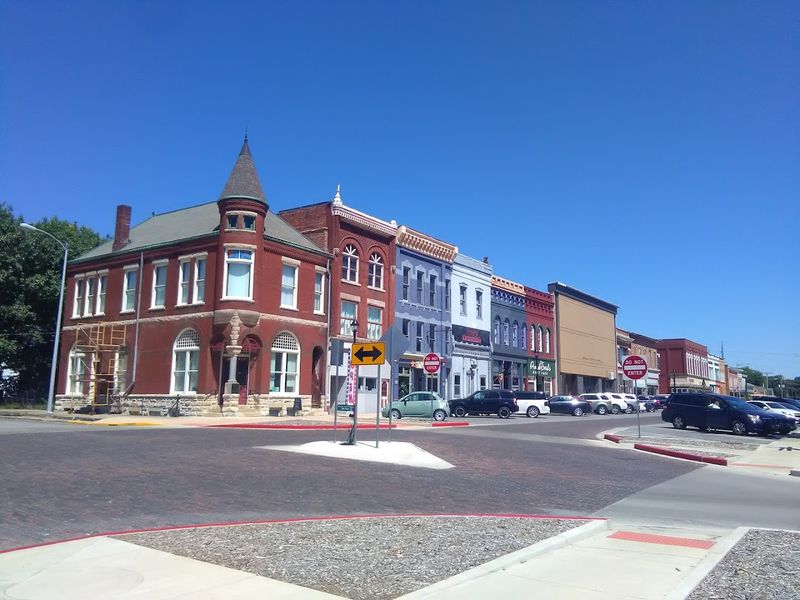
Petersburg, the county seat of Menard County in central Illinois, is one of those towns that rewards visitors who take the time to look past the surface.
It sits along the Sangamon River and has a deep connection to Abraham Lincoln’s early life in Illinois, making it a place where American history feels personal and close rather than distant and textbook-dry.
Just north of town, the Lincoln’s New Salem State Historic Site at 15588 History Lane reconstructs the entire frontier village where Lincoln lived as a young man in the 1830s.
The log cabins, cooper shop, grist mill, and tavern are all faithfully rebuilt on their original sites, and in early March the grounds are quiet and atmospheric in a way that busy summer visits simply cannot match. Walking the village paths with almost no other visitors around gives you a rare sense of what the place must have actually felt like.
Oakland Cemetery on the edge of Petersburg is the resting place of Ann Rutledge, a young woman whose friendship with Lincoln became one of the more poignant stories of his early years.
The cemetery sits on a hill overlooking the river valley, and on a clear March morning the view across the bare trees and rolling farmland is quietly stunning in a way that stays with you long after you’ve driven home.