
11 Illinois Spots Locals Prefer Over The Tourist Hotspots In 2026
Illinois has a funny way of hiding its best surprises in plain sight. Most travelers picture the obvious postcard stops, packed viewpoints, busy lakefront paths, and weekend crowds.
Locals know the real magic often lives in quieter corners, where the pace slows down and the details start standing out. Think hand-carved stonework, river breezes, hidden gardens, prairie trails, old limestone streets, and forest formations that feel wildly out of place in the Midwest.
These are the kinds of spots that make you pull over, wander longer than planned, and wonder why more people are not talking about them. This Illinois list gathers peaceful, memorable places with real character, giving you a better way to explore the state beyond the usual tourist circuit.
1. Fabyan Villa Museum & Japanese Garden, Batavia
Right along the banks of the Fox River in Geneva, this place quietly holds one of the coolest architectural stories in the state. The Fabyan Villa was remodeled by none other than Frank Lloyd Wright, and you can see his signature Prairie-style touches all over the structure.
Most tourists have no idea it even exists, which means you can actually enjoy it without bumping elbows with a tour group every five minutes.
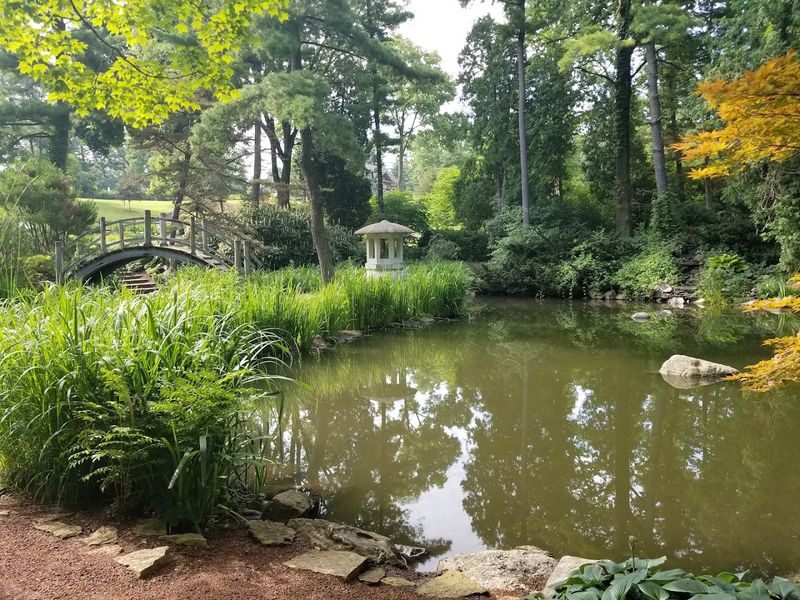
The Japanese garden on the property is genuinely peaceful. Mossy stones, carefully shaped plants, and the soft sound of the river nearby make it feel like a world apart from the suburban landscape just outside the gates.
It is a small garden, but the attention to detail makes it feel much larger than it is.
The museum inside tells the story of Colonel George Fabyan, an eccentric millionaire who funded science experiments on this very estate. His legacy here is quirky, fascinating, and surprisingly deep.
Admission is affordable, parking is easy, and the overall vibe is calm and unhurried.
Plan to spend at least two hours here, because the grounds reward slow exploration far more than a quick walkthrough ever could.
2. Garfield Park Conservatory, Chicago
Forget the Navy Pier souvenir shops and the shoulder-to-shoulder crowds along the lakefront.
Chicago’s Garfield Park Conservatory on the West Side offers something far more restorative: roughly two acres under glass plus outdoor gardens, with admission policies that vary by residency and visitor category.
It is one of the largest conservatories in the entire country, and on a cold Chicago afternoon, walking into its warm, humid tropical rooms feels like a full reset.
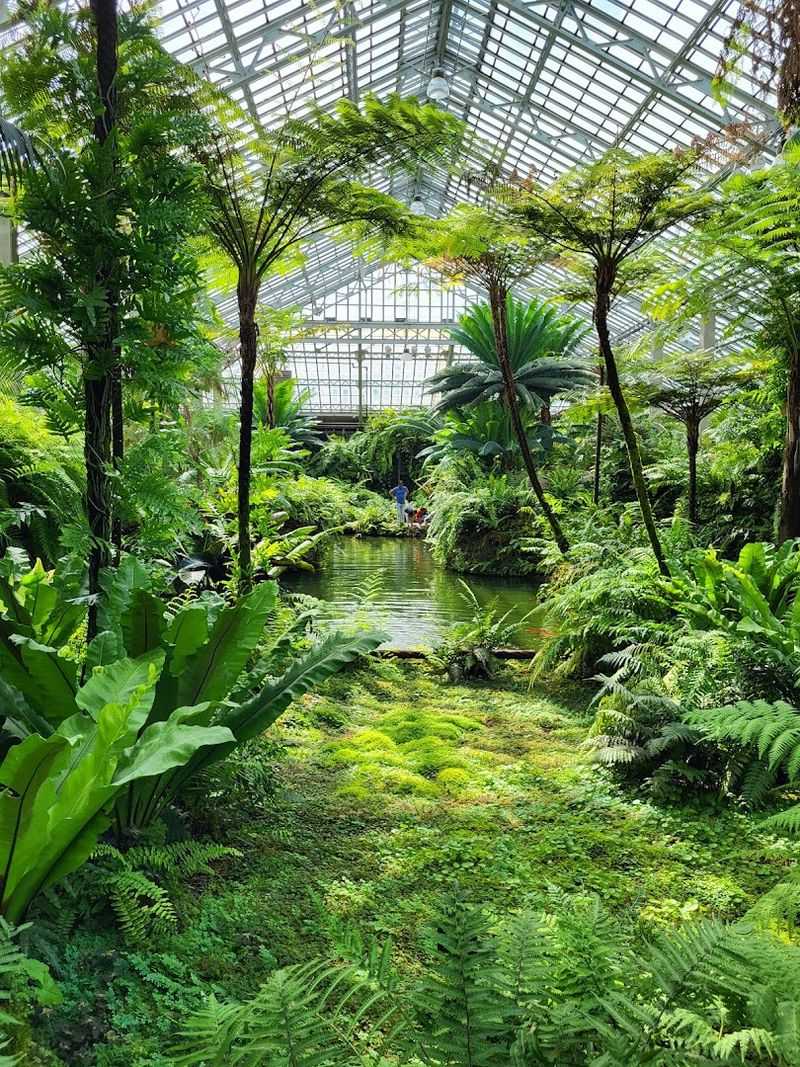
The fern room alone is worth the trip. Ancient-looking tree ferns arch overhead while mossy groundcover carpets the floor beneath your feet, creating a prehistoric atmosphere that genuinely surprises first-time visitors.
The palm house, the aroid house, and the sugar from the sun exhibit each bring their own visual personality to the experience.
Locals bring their kids here on rainy weekends, photographers come for the dramatic light filtering through the glass panels, and plant lovers spend hours identifying species.
The conservatory also hosts seasonal shows and community events throughout the year. Because it sits outside the downtown tourist corridor, it never feels overwhelmed with visitors.
If you only have one free afternoon in Chicago, this is the spot that will stick with you longest.
3. BAPS Shri Swaminarayan Mandir, Bartlett
People call it the Taj Mahal of Illinois, and honestly, that comparison does not feel like much of a stretch once you see it in person.
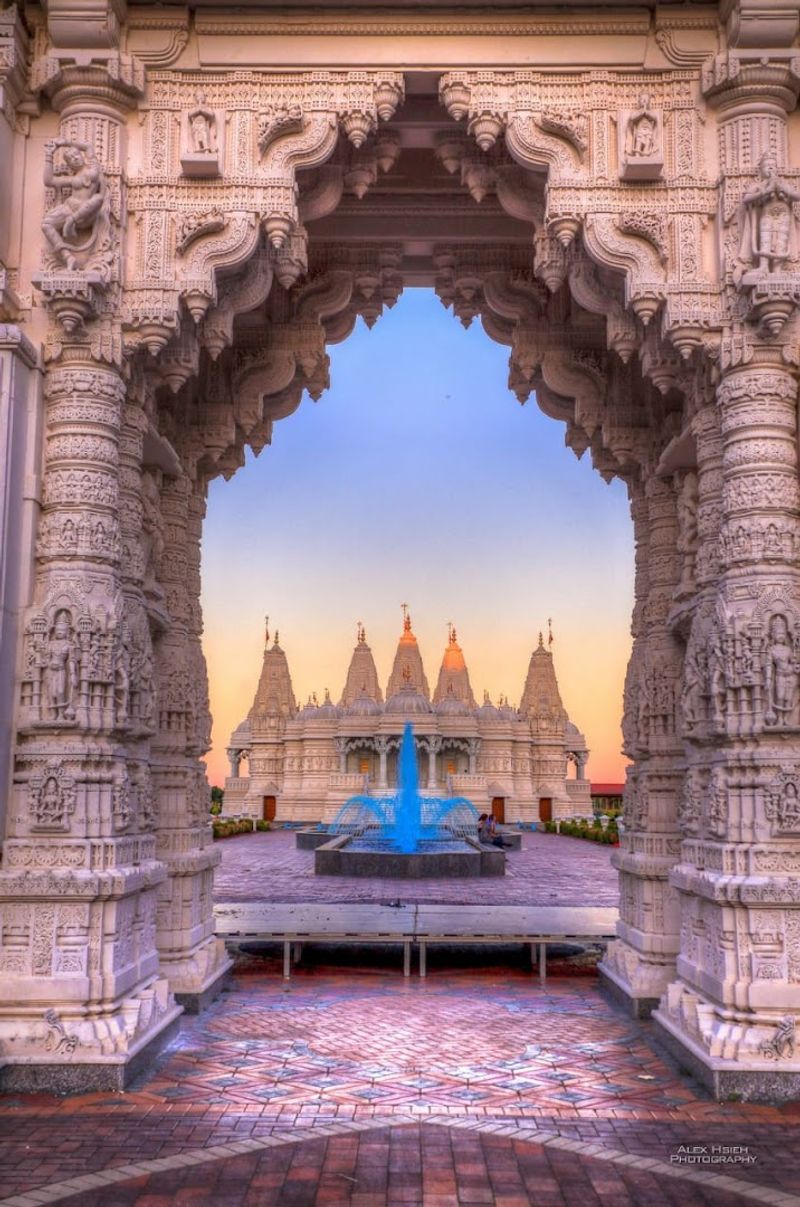
The BAPS Shri Swaminarayan Mandir in Bartlett is built from hand-carved Turkish limestone, Italian Carrara marble, and granite, with thousands of artisans involved in creating its intricate stonework.
The craftsmanship on every column, archway, and spire is the kind of detail that makes you stop mid-sentence just to stare.
The mandir is a fully functioning Hindu place of worship, and visitors are welcomed warmly as long as they are respectful of the cultural and spiritual atmosphere.
Shoes come off at the entrance, and the quiet inside the main hall is the kind of deep, intentional quiet that feels genuinely rare in modern life. The interior carvings are even more intricate than the exterior, which is saying a lot.
There is no admission fee, though donations are appreciated. The visitor center offers educational exhibits about Hindu traditions, the BAPS organization, and the construction of the mandir itself.
Saturday and Sunday afternoons tend to bring more activity, so a weekday morning visit offers the most serene experience. This is one of those places that genuinely shifts your perspective on what Illinois has to offer.
4. Gillson Park Beach, Wilmette
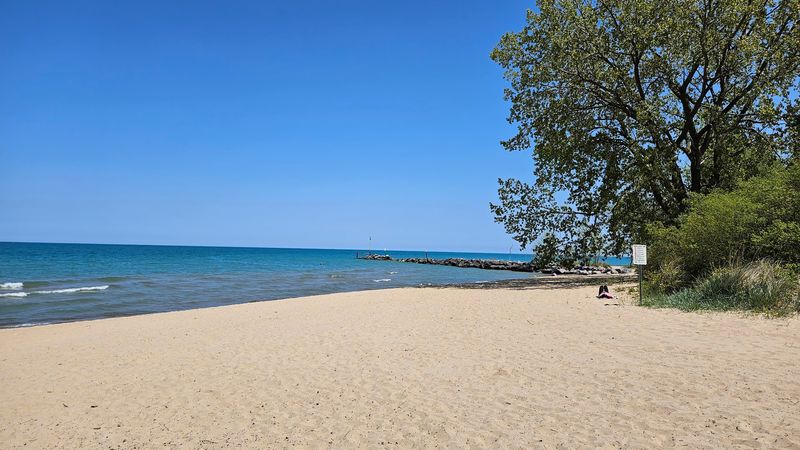
Chicago’s downtown beaches get all the attention, but ask any North Shore local where they actually spend their summer weekends and Gillson Park Beach in Wilmette comes up every time.
The sand here is clean and wide, the water is clear by Lake Michigan standards, and the park surrounding the beach is spacious enough that it never feels like everyone is sitting on top of each other.
The beach sits within Gillson Park, which also includes tennis courts, a sailing beach, a picnic area, and a fishing pier. The views across the lake on a clear day are genuinely stunning, with the Chicago skyline faintly visible to the south.
Families with young children love the shallow entry points along the shoreline, and the lifeguards are attentive throughout the summer season.
A daily parking fee and beach admission applies during peak season, but the cost is modest compared to fighting for a parking spot in the city. The neighborhood surrounding the park is charming and walkable, with good coffee shops and casual restaurants a short drive away.
Gillson is the kind of beach where you show up planning to stay an hour and end up watching the sunset instead, which is never a bad outcome.
5. Downtown Lemont, Lemont
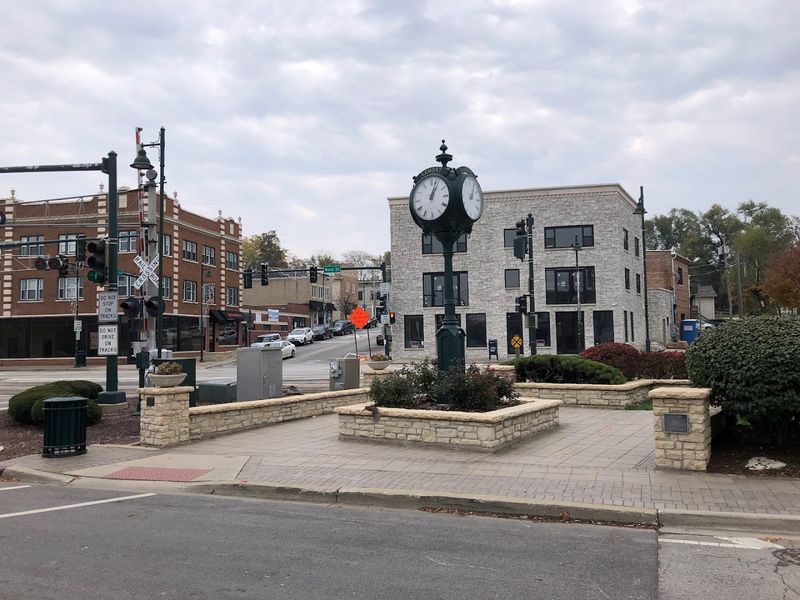
About 30 miles southwest of Chicago, Lemont’s downtown district is the kind of place that makes you slow down without even trying.
The streets are lined with 19th-century limestone buildings, many of them housing independent boutiques, bakeries, and cafes that have clearly been there long enough to become neighborhood institutions.
The Illinois and Michigan Canal runs right alongside downtown, adding a genuine historical layer to an already scenic setting.
The limestone buildings here were actually constructed by Irish and German immigrants who came to build the canal in the 1800s, and that heritage is still visible in the architecture and in the local pride residents carry for the area.
Lemont’s downtown has been carefully preserved rather than redeveloped, which gives it an authenticity that newer commercial districts simply cannot manufacture.
Weekend mornings are the sweet spot for a visit. The farmers market runs seasonally, the cafes fill up with regulars, and the canal path offers a flat, easy walk that connects history to the present in a very tangible way.
Lemont does not advertise itself aggressively, and that restraint is a big part of its charm. Once you find it, you will likely find yourself coming back on a fairly regular basis.
6. Nachusa Grasslands, Franklin Grove

There are not many places left in Illinois where you can stand in an open prairie and watch a bison herd move through the tall grass, but Nachusa Grasslands outside Franklin Grove is exactly that kind of place.
The Nature Conservancy manages this 3,900-acre restored prairie, and the reintroduction of bison here has been one of the more remarkable conservation successes in the Midwest over the past decade. The landscape itself is striking in every season.
Spring brings waves of wildflowers across the rolling terrain, summer fills the air with the sound of grassland birds, and fall turns the entire preserve into shades of amber and rust that look almost painted.
Winter visits are quieter but rewarding for those who enjoy solitude and wide, uninterrupted views.
Hiking trails wind through the preserve at a manageable length, and guided bison tours run on select weekends in the fall. The bison are wild animals on a large open range, so sightings are never guaranteed, but the grassland walk is worth it regardless.
Admission is free, and the preserve sits about two hours west of Chicago. Pack a lunch, wear good shoes, and set aside a full morning for this one.
7. Matthiessen State Park, Oglesby
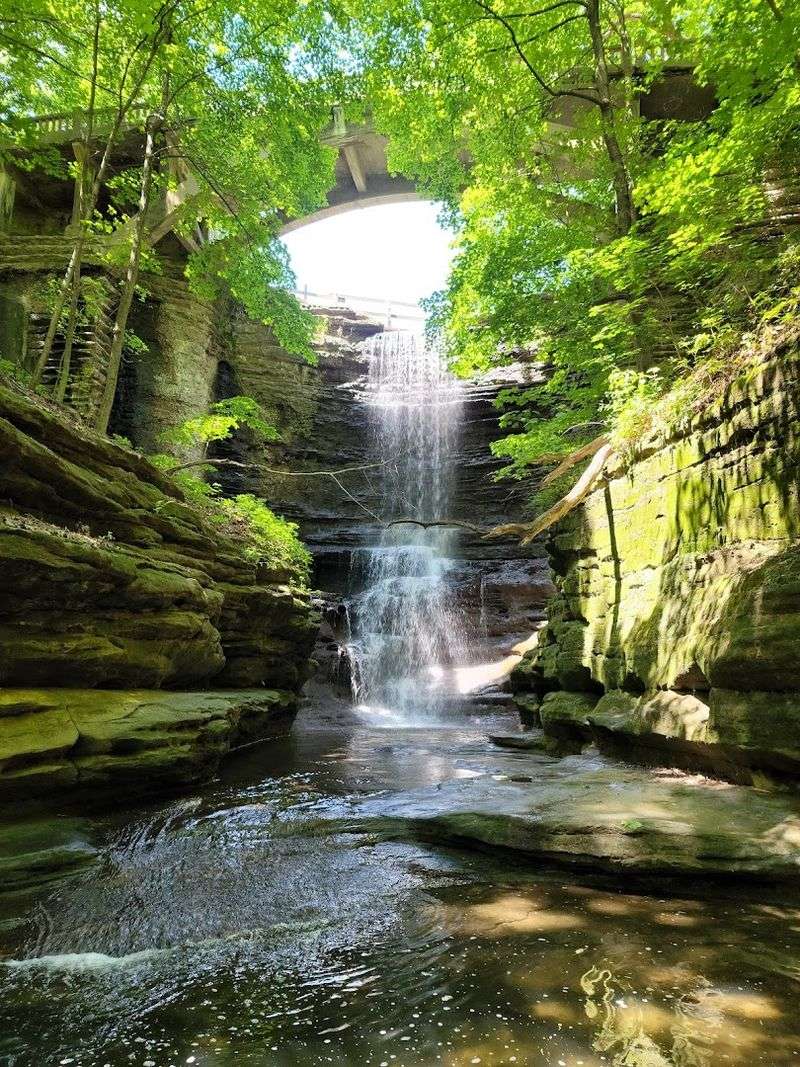
Starved Rock gets all the postcards, but Matthiessen State Park sits right next door and offers canyon scenery that is every bit as dramatic with a fraction of the foot traffic.
The park features a series of dolomite canyons carved by glacial meltwater, and the trails that wind through them feel genuinely wild despite being well-maintained and accessible to most fitness levels.
The upper and lower dells form the heart of the park’s trail system. Wooden staircases and bridges connect the canyon floors to the rim paths, giving hikers a real sense of vertical movement through the landscape.
Mineral springs seep through the canyon walls in several spots, leaving colorful mineral deposits that look almost otherworldly against the grey stone.
The creek that runs through the lower dells stays cool even in summer, making it a refreshing spot to pause mid-hike.
Matthiessen is open year-round, and fall is arguably the best time to visit, when the canyon walls frame a corridor of orange and yellow foliage overhead.
Weekday visits in spring and fall are especially quiet. The park does not charge a regular entrance or parking fee, and the trails are free to walk.
It is consistently one of the most underrated outdoor destinations in the entire state.
8. Allerton Park & Retreat Center, Monticello
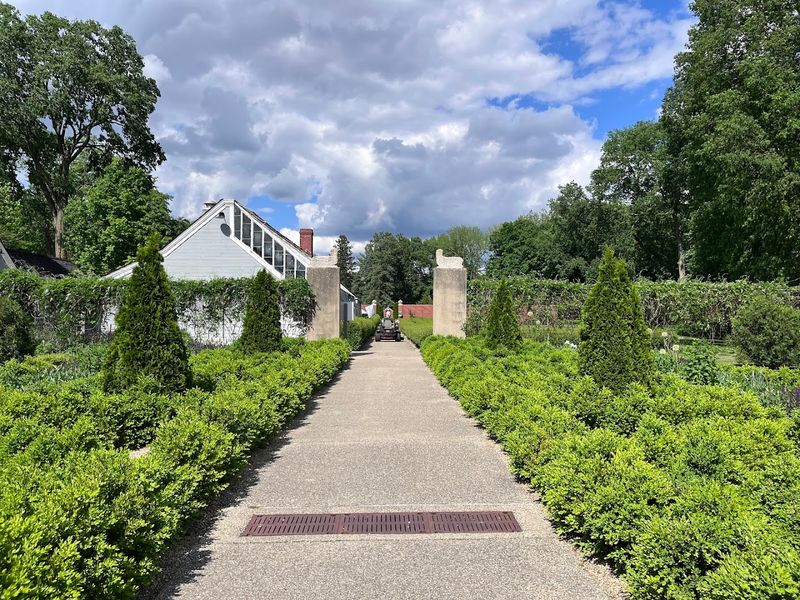
Somewhere in central Illinois, about two hours south of Chicago, there is a 1,500-acre estate that most people have never heard of, and that anonymity is a genuine gift for those who find it.
Allerton Park in Monticello was donated to the University of Illinois in 1946 by Robert Allerton, a wealthy art collector who spent decades filling the grounds with European sculptures and formal gardens. The result is one of the most unexpected and sophisticated public parks in the Midwest.
The manor house itself is a Georgian Revival structure with beautifully preserved interiors that can be viewed on guided tours.
Outside, the gardens are divided into distinct rooms, each with its own character: a sunken garden, a death and resurrection garden, a peony garden, and a series of tree-lined allees that draw the eye toward bronze figures placed at dramatic focal points.
The sculptures scattered throughout the grounds give the whole property a contemplative, almost theatrical quality.
Allerton is open daily and admission to the grounds is free, though parking fees apply. The retreat center hosts workshops and events throughout the year.
Visit in late spring when the formal gardens peak, or come in October for the fall color along the woodland trails. Either way, plan for at least three hours on the property.
9. Bell Smith Springs Recreation Area, Shawnee National Forest
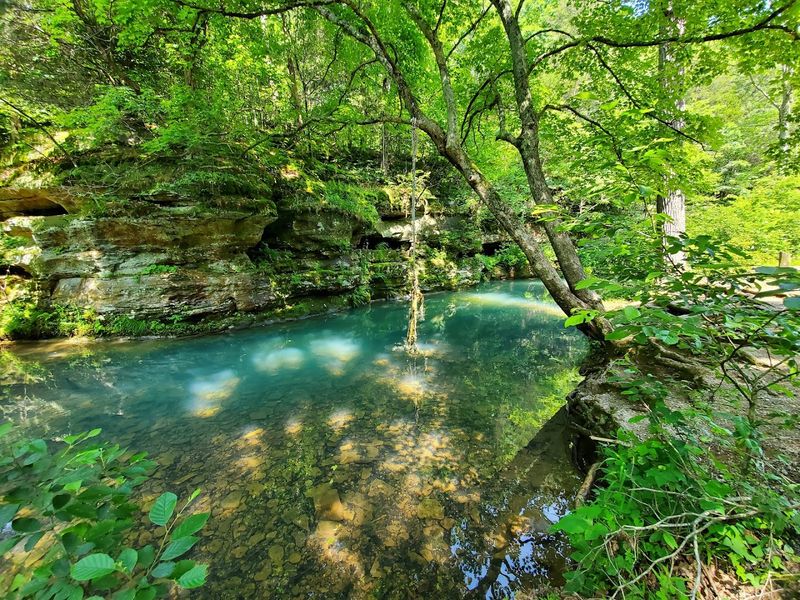
Deep in the Shawnee National Forest in southern Illinois, Bell Smith Springs Recreation Area is the kind of place that feels like it was kept secret on purpose.
Towering sandstone bluffs, clear rocky streams, and shaded forest trails give the area a secluded feel that muffles most signs of the outside world.
While Garden of the Gods draws the crowds and the Instagram traffic, this cove quietly offers a more immersive and personal version of Shawnee’s dramatic landscape.
The hike to the cove is short but scenic, passing through hardwood forest with good bird watching opportunities along the way.
The swimming area is natural and undeveloped, which means no lifeguards and no concession stands, so come prepared with water, snacks, and a healthy respect for the environment.
The sandstone cliffs around the cove make for incredible photography, especially in the golden hour before sunset.
The cove stays cooler than surrounding areas thanks to the shade of the bluffs and the cold spring water, making it a welcome retreat on hot summer days.
Visitor numbers here are noticeably lower than at the more publicized Shawnee attractions, which means you can often find a quiet spot along the shoreline even on weekends. Southern Illinois in June or September hits the sweet spot for this visit.
10. Pomona Natural Bridge, Shawnee National Forest
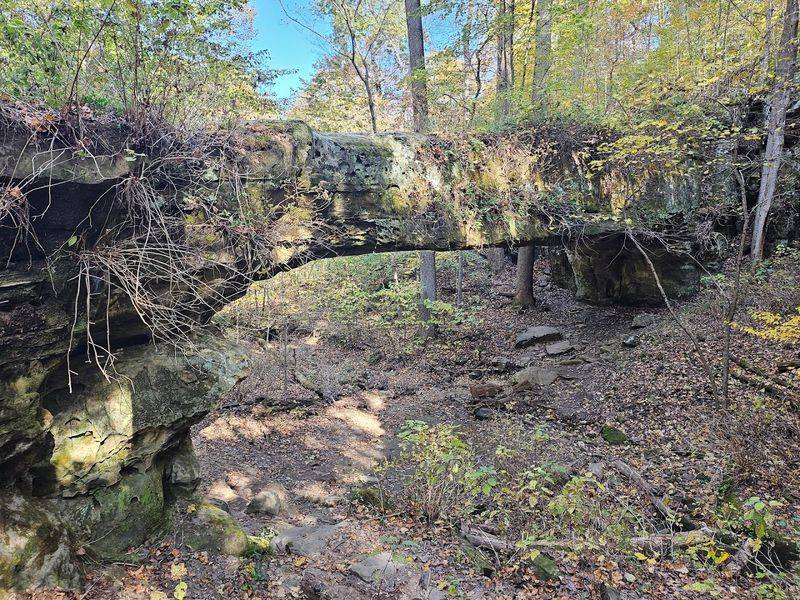
A 90-foot natural sandstone arch spanning a wooded ravine in southern Illinois sounds like something out of the American Southwest, but Pomona Natural Bridge in the Shawnee National Forest is exactly that, and it sits largely overlooked by the wider traveling public.
The arch was formed over thousands of years by water erosion working through the soft sandstone bedrock, and the result is one of the most photogenic natural formations in the entire Midwest.
The hike to the bridge is genuinely easy, covering less than a mile round trip on a well-marked trail through mature hardwood forest. The trail descends gently into the ravine, and the arch comes into view gradually as you approach from below.
Standing underneath it and looking up through the opening at the sky and tree canopy above is a moment that tends to produce a lot of quiet appreciation from even the most seasoned hikers.
Pomona Natural Bridge is free to visit and located near the small community of Pomona in Jackson County. The area is about four hours south of Chicago, making it a natural pairing with other Shawnee destinations for a weekend trip.
Fall foliage season transforms the surrounding forest into a spectacular frame for the arch, and the trail stays manageable even after light rain.
11. Fulton Windmill, Fulton
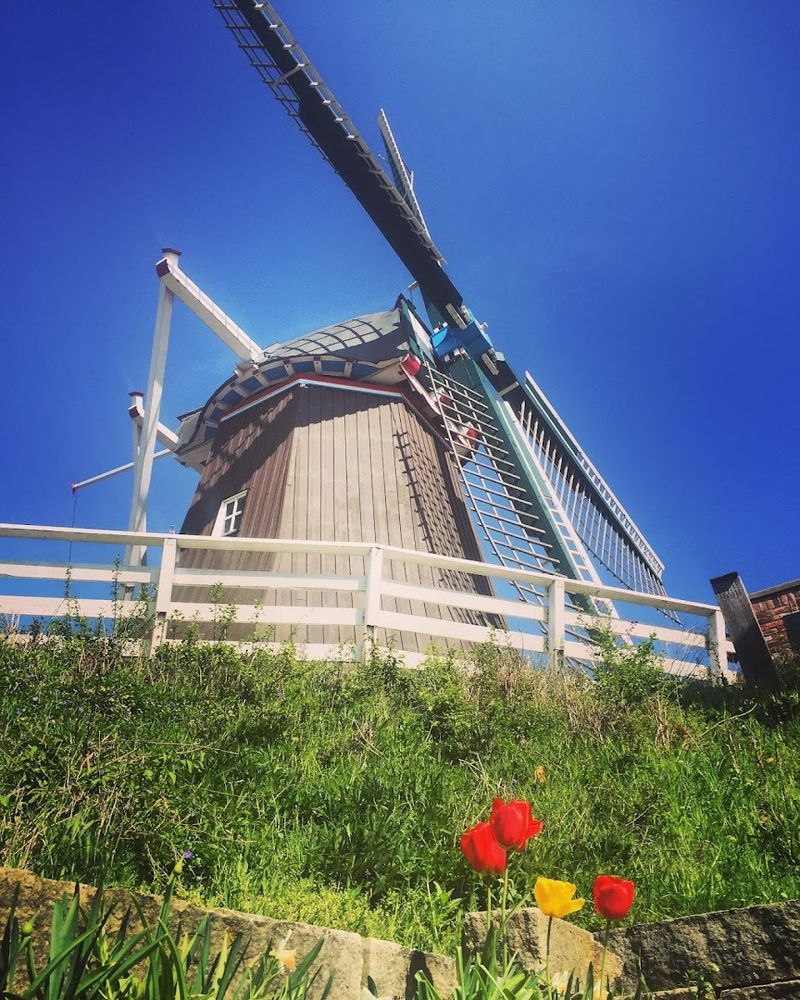
On the banks of the Mississippi River in the small city of Fulton, a fully functioning Dutch windmill turns its sails in the river breeze as if it has always belonged there.
And in a way, it has: Fulton has deep Dutch roots, and the windmill was engineered and prefabricated in the Netherlands before being shipped to Illinois and assembled by Dutch craftsmen.
Constructed using traditional 19th-century methods, it is one of only a handful of authentic, operational Dutch windmills in the entire United States.
The windmill stands five stories tall and houses a small museum on the lower floors where visitors can learn about Dutch milling history, the construction process, and Fulton’s cultural heritage.
On milling days, the machinery actually grinds grain, and the flour produced is sold to visitors as a genuinely unique souvenir. The surrounding Windmill Park offers a peaceful riverside setting with picnic areas and river views that stretch far in both directions.
Fulton itself is a quiet, friendly town that rewards a slow afternoon of exploration. The downtown has a handful of good local restaurants and shops, and the Heritage Canyon attraction nearby adds another layer of history to the visit.
This corner of northwestern Illinois, about three hours from Chicago, consistently surprises people who expect nothing more than flat farmland and open highway.