
14 Illinois State Parks With Scenic Trails You’ll Want To Explore In 2026
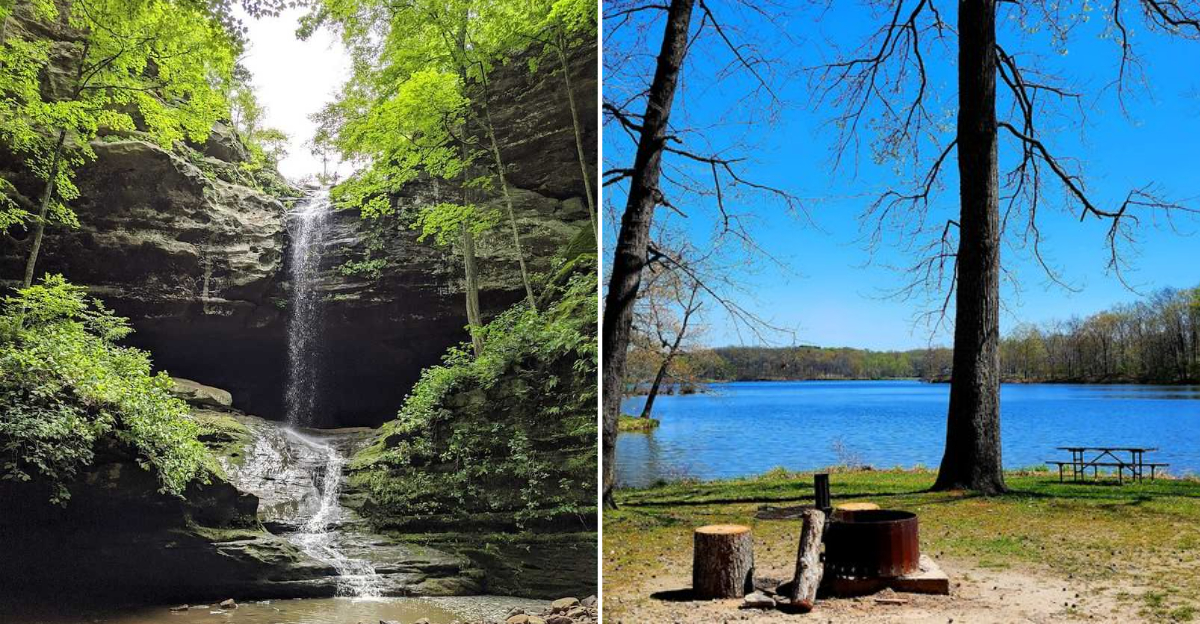
Illinois might not be the first place that comes to mind when you think about outdoor adventure, but I’ve learned that assumption sells the state short. I’ve hiked these trails in humid July heat, in crisp October air, and on quiet winter mornings when frost clings to the trees.
Illinois has a way of surprising me every single season. One park might lead me along a sandstone canyon with water echoing off the walls, while another opens up to a wide river valley where the horizon feels endless.
I still remember the first time I climbed a bluff overlooking the Mississippi and realized just how varied this landscape really is. These fourteen state parks showcase that range in ways photos never fully capture.
If 2026 is your year to spend more time outside, this list offers plenty of places worth putting on your calendar.
1. Starved Rock State Park, Oglesby/Utica Area
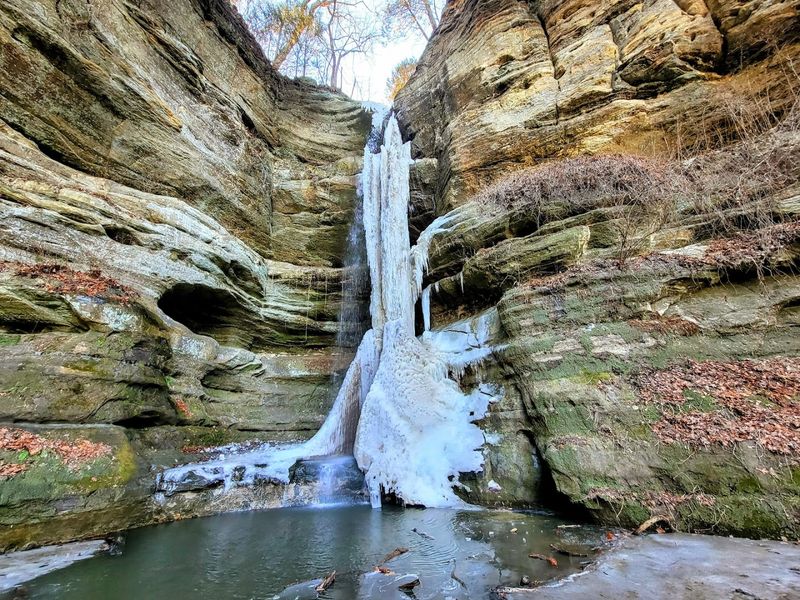
About 90 miles southwest of Chicago, this park has earned its reputation as Illinois’ most popular natural destination. More than 13 miles of trails wind through 18 canyons, each with its own character and seasonal, rain-dependent waterfalls that typically flow strongest in spring.
You’ll want to visit during winter when the waterfalls freeze into stunning ice columns, or in fall when the hardwood forests explode with color.
The park sits along the Illinois River, and the views from the top of the rock formations stretch for miles. Located at 2668 East 875th Road in Oglesby, the park offers trails ranging from easy strolls to moderate climbs.
Spring brings wildflowers that carpet the canyon floors, making every turn feel like a discovery. Pack your camera because the sandstone formations create perfect frames for photos throughout every season.
2. Matthiessen State Park, Oglesby Area
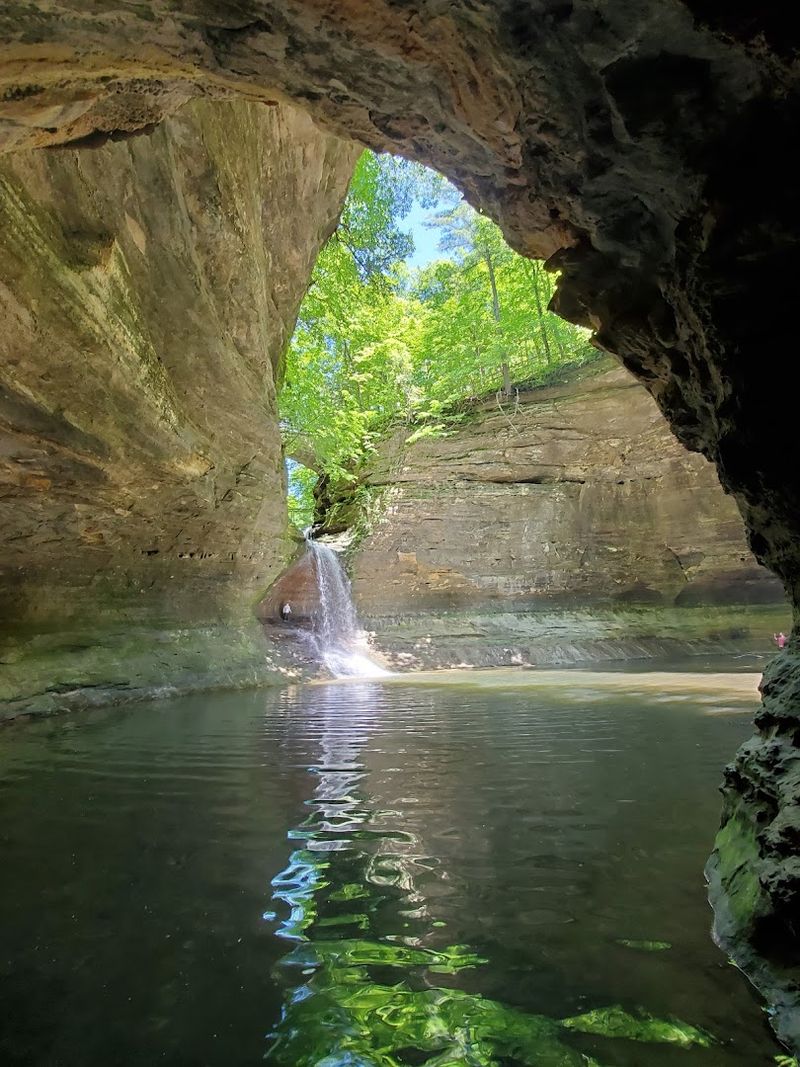
Just five miles south of Starved Rock, this park offers a quieter alternative with equally impressive scenery. The Dells area features a stunning canyon with vertical rock walls and a creek that flows year-round, creating small cascades and pools.
Lower Dells takes you through narrow passages where the canyon walls tower above you, while Upper Dells offers a more open landscape with prairie restoration areas. The park’s address is 2500 Illinois Route 178 South in Oglesby, and it covers over 1,900 acres of diverse terrain.
You can hike the entire loop system in about three hours, but plan for longer if you want to really explore.
The park sees fewer visitors than its famous neighbor, which means you’ll often have the trails mostly to yourself. Photographers love the way light filters through the canyon during midday hours.
3. Adeline Jay Geo-Karis Illinois Beach State Park, Zion
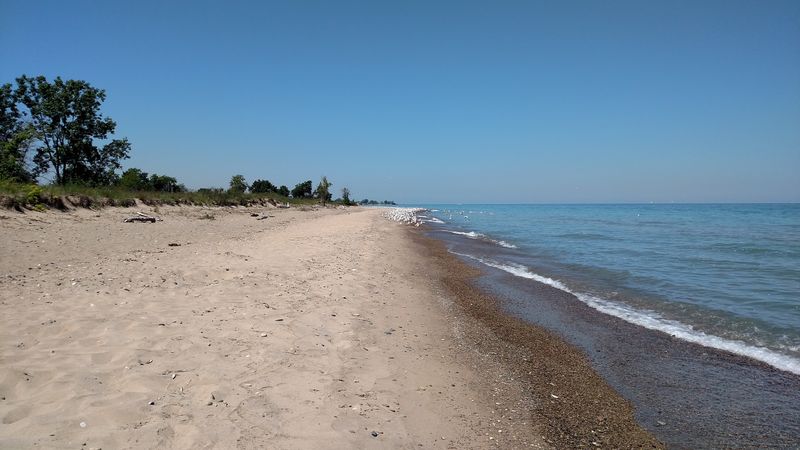
Lake Michigan’s only remaining natural dune and beach ridge shoreline in Illinois stretches along this unique coastal park. Six and a half miles of sandy beach meet over 4,000 acres of protected land, creating habitat you won’t find anywhere else in the state.
The trail system takes you through dunes, wetlands, and oak savannas, with the beach providing a constant backdrop. Located at Wadsworth Road in Zion, the park sits in the northeastern corner of Illinois along the Wisconsin border.
Spring and fall migration seasons bring incredible bird watching opportunities, with over 250 species recorded here.
Summer visitors can combine hiking with swimming, though the trails through the dunes offer cooler temperatures than the open beach. The park’s northern unit features a nature preserve with rare plants adapted to the sandy soil and harsh lake winds.
4. Rock Cut State Park, Loves Park/Rockford Area
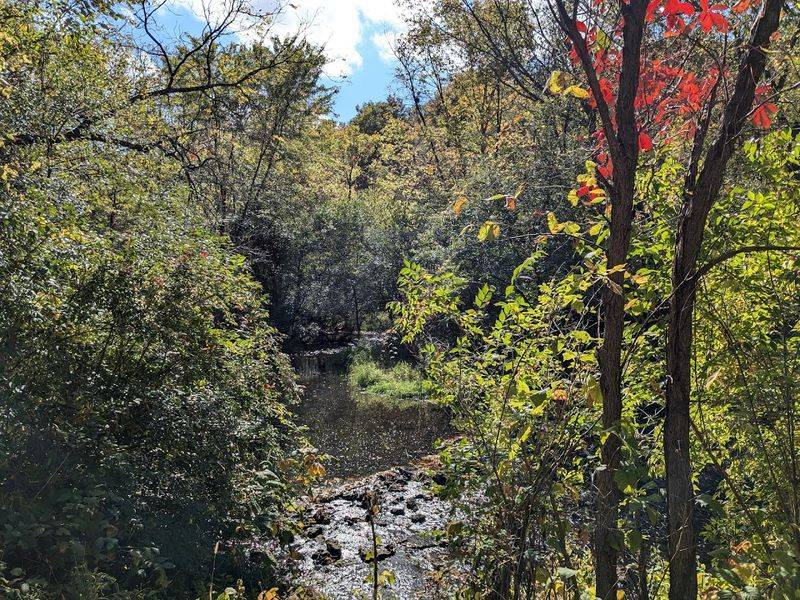
Two glacial lakes anchor this 3,254-acre park in northern Illinois, with about 40 miles of multi-use trails weaving through rolling hills and mature forests. Pierce Lake and Olson Lake offer scenic backdrops for hikers who appreciate water views without the crowds of more famous destinations.
The park is located at 7223 West Lane Road in Loves Park, just north of Rockford, making it easily accessible for day trips.
You’ll find trails suited to every fitness level, including a paved path that circles Pierce Lake for those wanting an easier walk. The Willow Creek section provides more challenging terrain with steeper hills and narrower paths through dense woodland.
Wildlife watching ranks high here, with white-tailed deer commonly spotted along the trails and great blue herons fishing in the shallow lake edges. Winter transforms the park into a cross-country skiing destination when snow covers the trails.
5. Mississippi Palisades State Park, Savanna
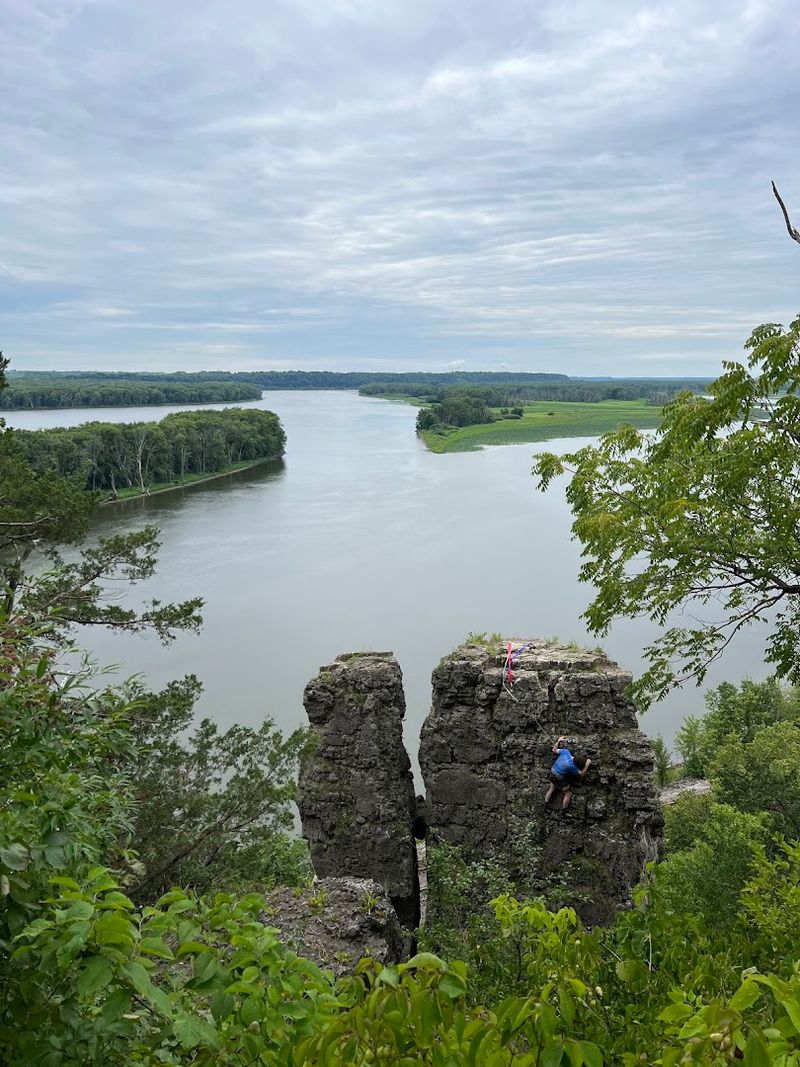
Towering limestone bluffs rise more than 200 feet above the Mississippi River, creating some of the most dramatic views in Illinois. This park features an extensive trail system that showcases the river valley from multiple overlooks, each offering a different perspective on the waterway.
Located at 16327A Illinois Route 84 in Savanna, the park sits in the northwestern corner of the state where the river forms the border with Iowa. The Sentinel Trail leads to the park’s most famous viewpoint, though you’ll need to handle some steep climbs to reach it.
Indian Head and Twin Sisters are rock formations that have become landmarks for generations of hikers.
Fall foliage season transforms the river valley into a patchwork of reds, oranges, and yellows that stretch to the horizon. The trails wind through oak and hickory forests that provide shade during summer hikes.
6. Castle Rock State Park, Oregon
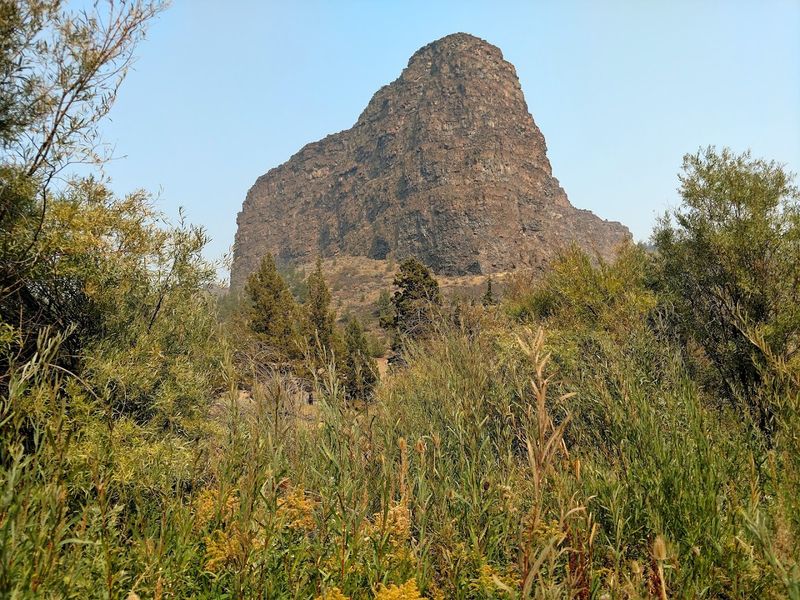
The Rock River carved out this landscape over thousands of years, leaving behind sandstone bluffs and the distinctive Castle Rock formation that gives the park its name. Located at 1365 West Castle Road in Oregon, this smaller park packs impressive geology into its roughly 2,000 acres.
Trails here wind through wooded bluffs and along the Rock River, offering a range of short and moderate hiking options within the park.
The main trail climbs to the top of Castle Rock, where you’ll get panoramic views of the river valley and surrounding farmland. Spring wildflowers bloom along the bluff edges, adding color to the rocky terrain.
The park’s sandstone bluffs create a rugged backdrop along several trails, adding an element of drama to your hike. Sunset hikes offer particularly beautiful lighting as the sun sets over the river valley below.
7. Kankakee River State Park, Near Kankakee
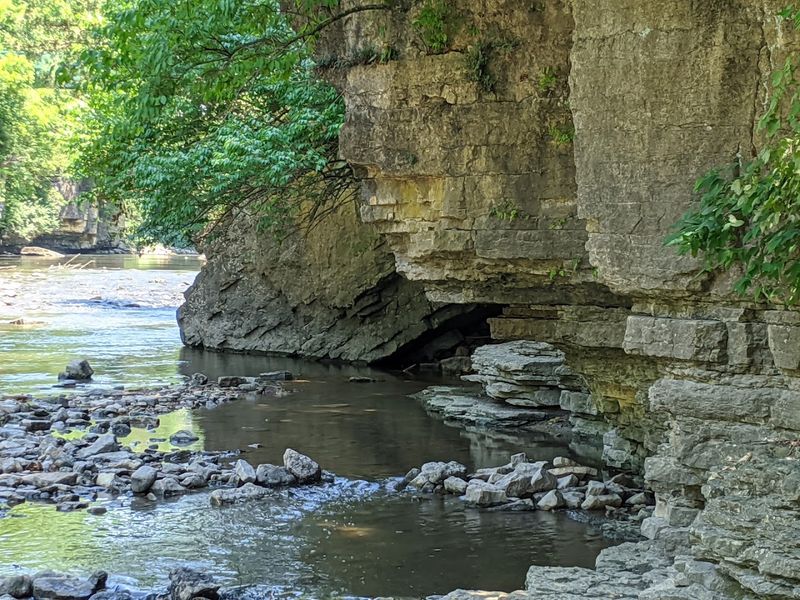
Eleven miles of the Kankakee River flow through this park, creating a ribbon of water that attracts paddlers and hikers alike. The approximately 4,000-acre park is located at 5314 West Route 102 in Bourbonnais, about an hour south of Chicago.
Rock Creek cuts through limestone to form small canyons and interesting geological features along the trail system. You’ll find an extensive network of multi-use trails here, including paths that follow the river and others that climb into upland forests.
The park’s varied terrain means you can choose easy riverside walks or more challenging routes through the hills.
Horseback riding trails share some sections of the park, so you might encounter equestrians during your visit. The river itself becomes part of the scenery throughout your hike, with opportunities to spot eagles fishing during winter months.
Summer brings lush greenery that creates a tunnel effect along some trail sections.
8. Pere Marquette State Park, Grafton
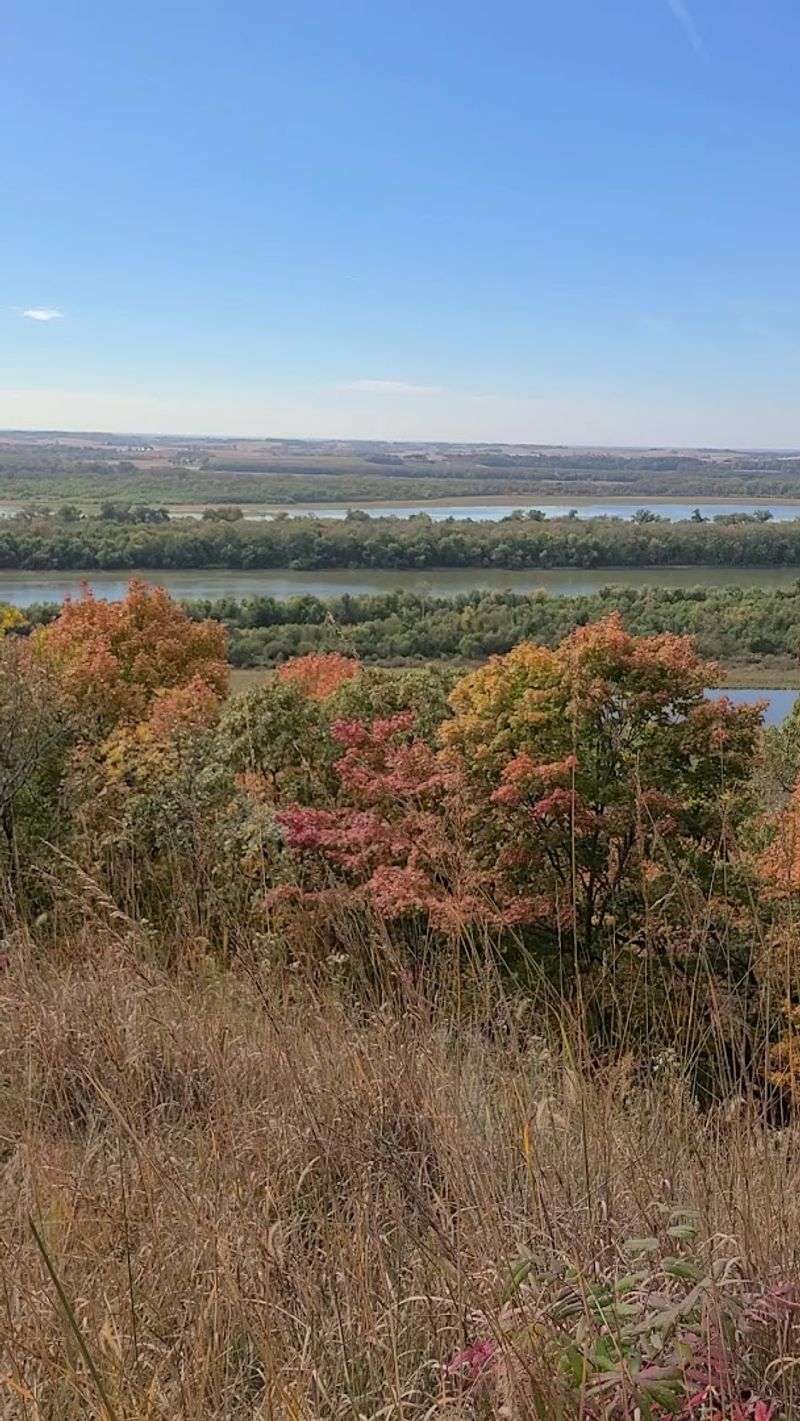
Near the confluence of the Illinois and Mississippi Rivers, this park spans about 8,050 acres of river bluffs and hardwood forests. The location at Route 100 in Grafton puts you right at one of the most scenic river confluences in the Midwest.
McAdams Peak Trail challenges hikers with a steep climb that rewards you with views of both rivers meeting below.
The park offers more than 11 miles of designated hiking trails that range from easy nature walks to strenuous ridge climbs. Bald eagles winter here in large numbers, making December through February prime time for wildlife watchers.
The park’s size means you can hike for hours without retracing your steps, discovering new vistas around each bend. Limestone bluffs create dramatic backdrops for photos, especially during golden hour when the light hits the rock faces.
Spring brings migrating warblers that fill the trees with color and song.
9. Giant City State Park, Makanda
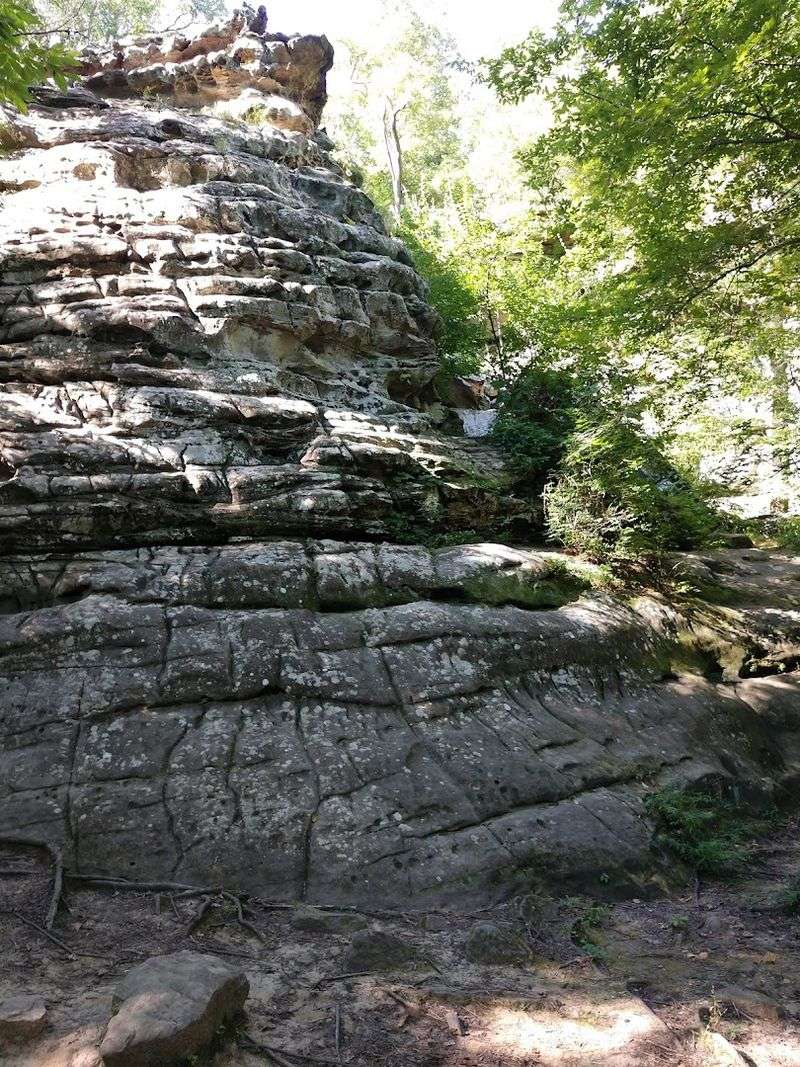
Enormous sandstone blocks stand like buildings along the Giant City Nature Trail, creating the illusion of streets built for giants. This southern Illinois park at 235 Giant City Road in Makanda offers completely different geology than the northern parks.
The rocks here date back millions of years, and erosion has carved them into distinctive shapes that spark imagination. The park features a variety of hiking options, including the 12-mile Red Cedar Backpacking
Trail and shorter routes like the Stone Fort Trail, which leads to an ancient Native American ceremonial site.
The sandstone formations create cool microclimates even on hot summer days, making this a great choice for warm-weather hiking.
Rock climbers frequent the park, and you’ll often see them tackling the vertical faces along certain trail sections.
The Trillium Trail blooms spectacularly in early spring when thousands of the three-petaled flowers carpet the forest floor. Fall colors come later here than in northern Illinois, extending the hiking season.
10. Ferne Clyffe State Park, Goreville
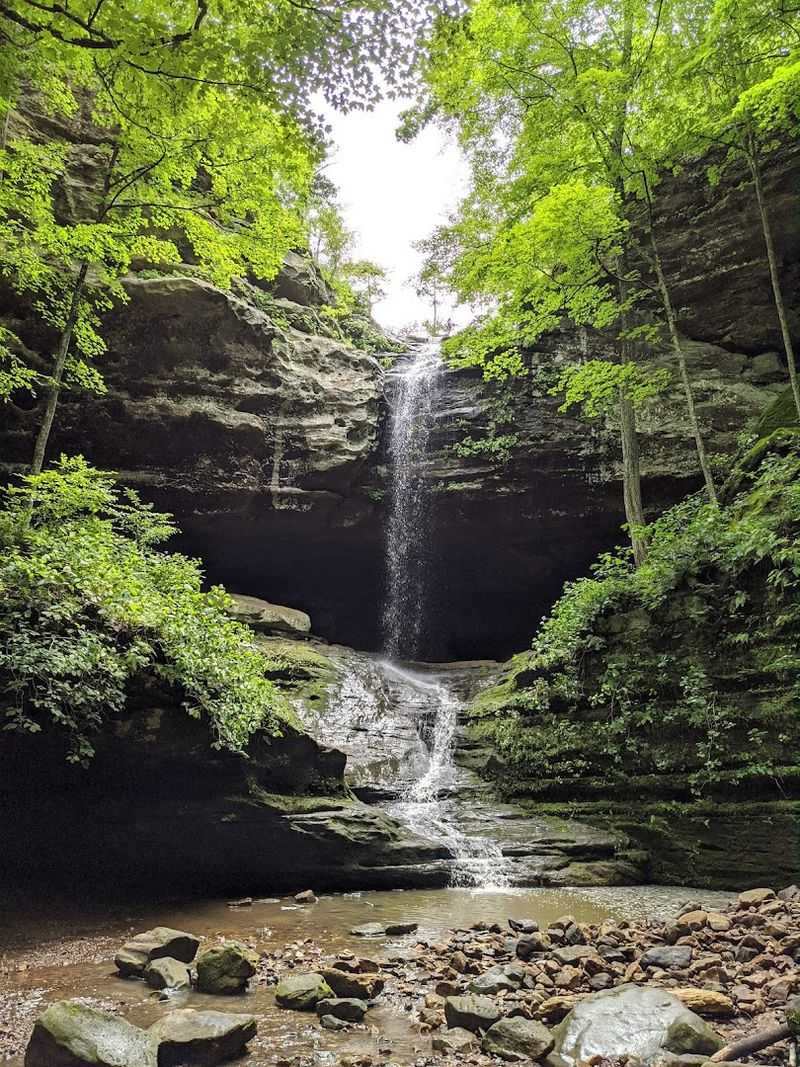
Hidden waterfalls and sheltered canyons make this park feel like a secret garden tucked into southern Illinois hills. The park is located at 90 Office Drive in Goreville, and its 2,470 acres contain some of the most photogenic waterfalls in the state.
Big Rocky Hollow Trail leads to the park’s main waterfall, which flows most strongly during wet seasons and creates a misty microclimate that supports ferns and mosses. The canyon walls shelter hikers from wind and sun, creating a pleasant hiking environment even during midday heat.
Hawks Bluff Trail offers views from the top of the bluffs, showing you the surrounding Shawnee National Forest landscape.
Spring brings the strongest water flow over the falls, though each season offers its own appeal here. The park’s relatively small size means you can explore most of the major features in a single day trip.
Wildflowers bloom in waves throughout spring and summer along the canyon floors.
11. Lake Murphysboro State Park, Murphysboro
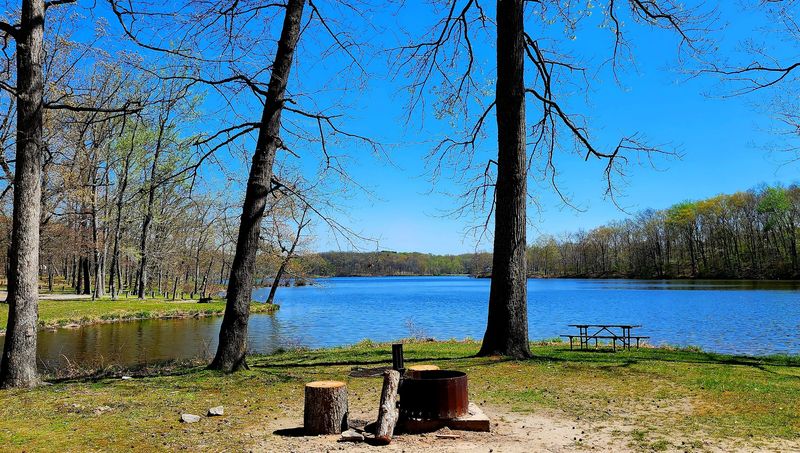
A 145-acre lake forms the centerpiece of this southern Illinois park, with trails that hug the shoreline and climb into surrounding hills. Located at 492 Lake Access Road in Murphysboro, the park features a designated 2-mile hiking trail along with additional walking paths through diverse habitats.
A designated lakeside hiking trail provides water views and opportunities to spot waterfowl and other wildlife. You can complete the loop in about two hours at a moderate pace, making it perfect for a morning or afternoon outing.
The park sits in the transition zone between northern and southern Illinois ecosystems, so you’ll see plant species from both regions.
Fishing enthusiasts often combine hiking with casting for bass and catfish, though you can enjoy the trails without any interest in angling. The relatively flat terrain makes this accessible for hikers of all abilities, including families with younger children.
Sunset walks around the lake offer particularly peaceful experiences as the water reflects the changing sky colors.
12. Moraine View State Park, Near LeRoy
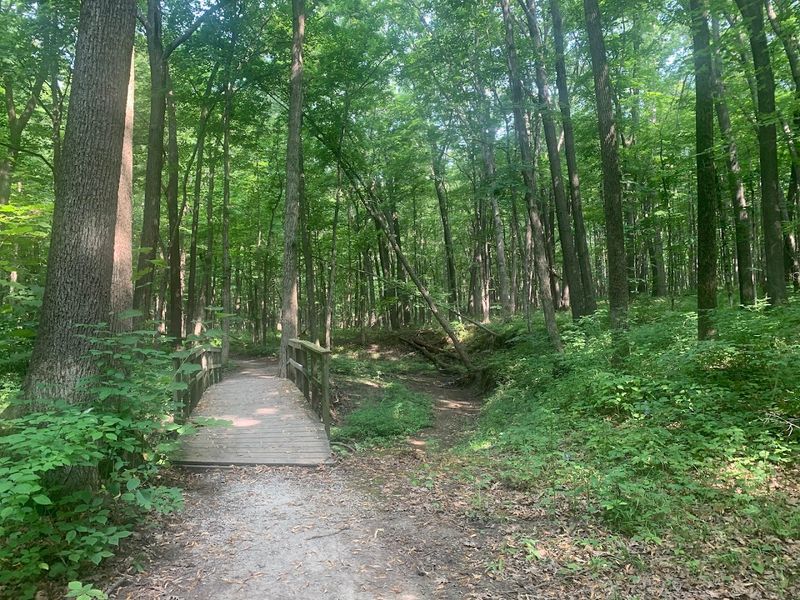
Glaciers shaped this landscape thousands of years ago, leaving behind the rolling hills and kettle lakes that define the park today. At 27374 Moraine View Park Road near LeRoy, this central Illinois park offers 1,687 acres of restored prairie and woodland.
The Dawson Lake Loop Trail offers a short scenic hike of about 1.4 miles around the park’s main water feature. The prairie restoration areas bloom with native wildflowers throughout summer, creating colorful displays that attract butterflies and other pollinators.
You’ll find the terrain gentler here than in parks with dramatic bluffs, making it ideal for longer distance walking.
The park’s location in agricultural country means you’ll see a different side of Illinois than the rocky parks up north or down south. Birdwatching is excellent during spring and fall migrations when the lake attracts waterfowl.
Winter hiking offers crisp air and clear views across the frozen lake.
13. Moraine Hills State Park, McHenry County
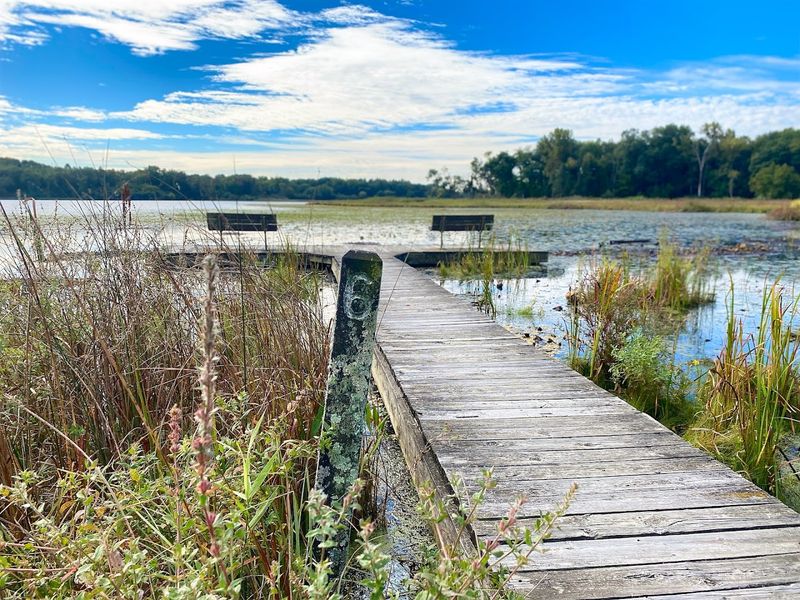
Wetlands and glacial lakes dominate this northern Illinois park, creating habitat for an incredible diversity of birds and other wildlife. The park is located at 1510 South River Road in McHenry, protecting about 2,200 acres of ecologically significant landscape.
Ten miles of trails include sections of elevated boardwalk that take you right through the marsh, offering close-up views of wetland plants and animals.
The Fox River flows along the park’s western edge, adding another water feature to explore. Lake Defiance forms the park’s centerpiece, and the trails around it provide easy walking with constant scenery changes.
Spring brings migrating waterfowl in impressive numbers, while summer fills the wetlands with blooming aquatic plants. The flat terrain and well-maintained paths make this accessible for all hiking abilities, including those with strollers or mobility aids.
Interpretive signs along the trails explain the glacial geology and ecological importance of the wetlands.
14. Lowden State Park, Oregon
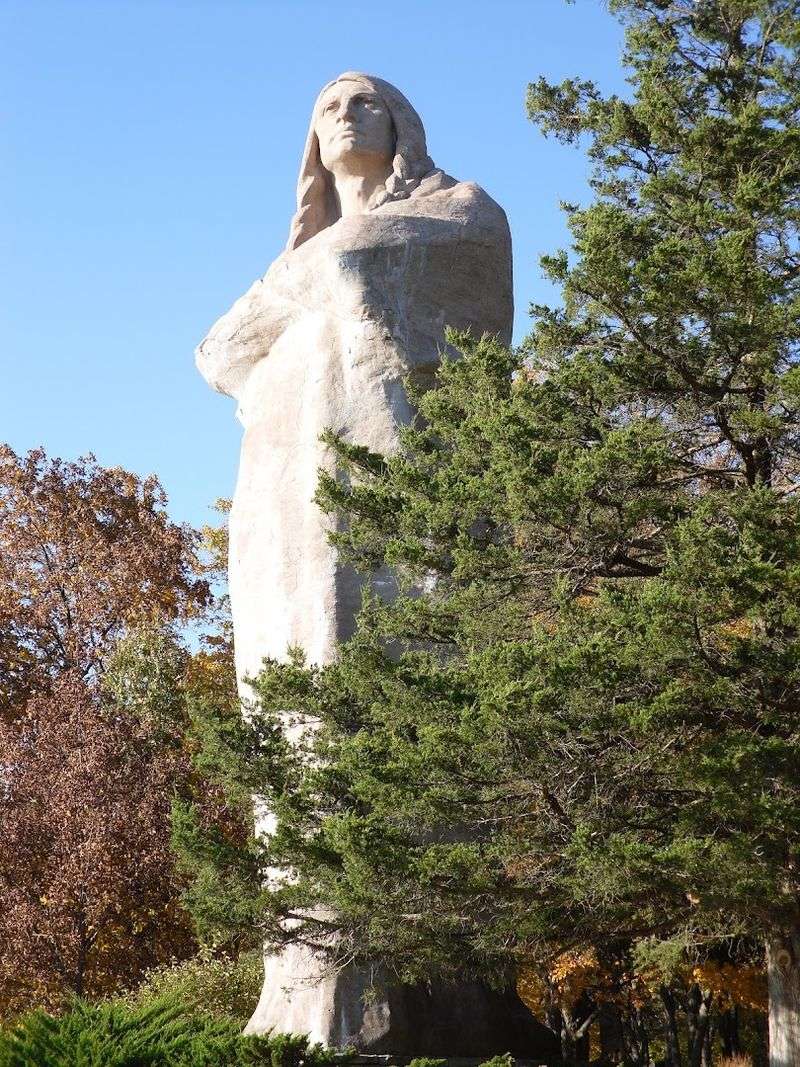
A nearly 50-foot concrete statue of Black Hawk stands watch over the Rock River from the park’s highest bluff, creating an iconic landmark visible for miles. The park’s location at 1411 North River Road in Oregon puts you along one of Illinois’ most scenic river corridors.
Trails wind through 207 acres of wooded bluffs, with the main path climbing to the statue overlook where you’ll get sweeping views of the river valley.
The statue itself, completed in 1911, honors the Sauk leader and serves as a reminder of the area’s Native American history. Spring brings wildflowers to the forest floor, while fall transforms the oak and hickory trees into a blazing display.
The park’s smaller size means you can thoroughly explore it in a few hours, making it perfect for combining with nearby Castle Rock State Park. River views accompany you throughout most of the trail system, and you might spot bald eagles soaring over the water.