
In This Iowa Village, Old-World Traditions Are Still Part Of Everyday Life
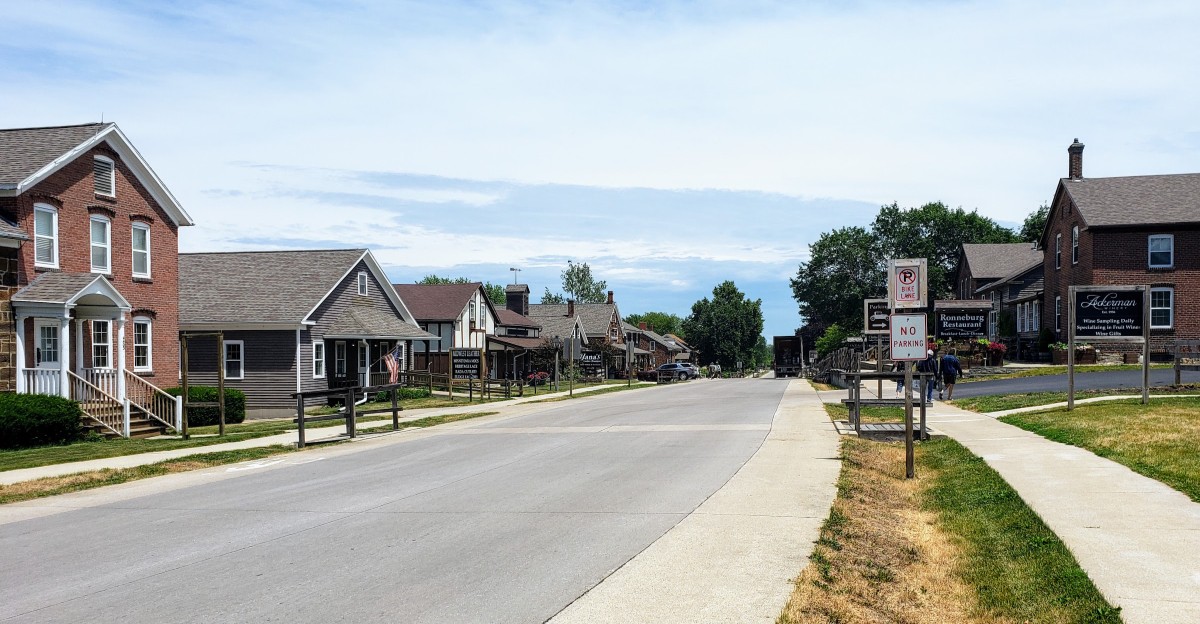
Looms have been running in one Iowa village since 1857, making its woolen mill the only working woolen mill left in the entire state. Some traditions, it seems, refuse to go out of style.
The story gets even more fascinating. The people who built this place came from Germany as part of a faith movement founded in 1714.
For more than 80 years, they shared everything, from meals and homes to jobs. Think communal living, long before it became a modern lifestyle trend.
Remarkably, much of that world still stands today. More than 450 buildings from the communal era remain across seven small villages.
Visitors can enjoy family-style meals, browse a general store dating back to 1858, and sample sausage made from an old German recipe. History has never looked quite so appetizing.
So what does life in this little corner of Iowa look like today, and how much of the old world can still be experienced, one meal at a time?
Seven Villages Share One Remarkable Story You Can Drive In A Day
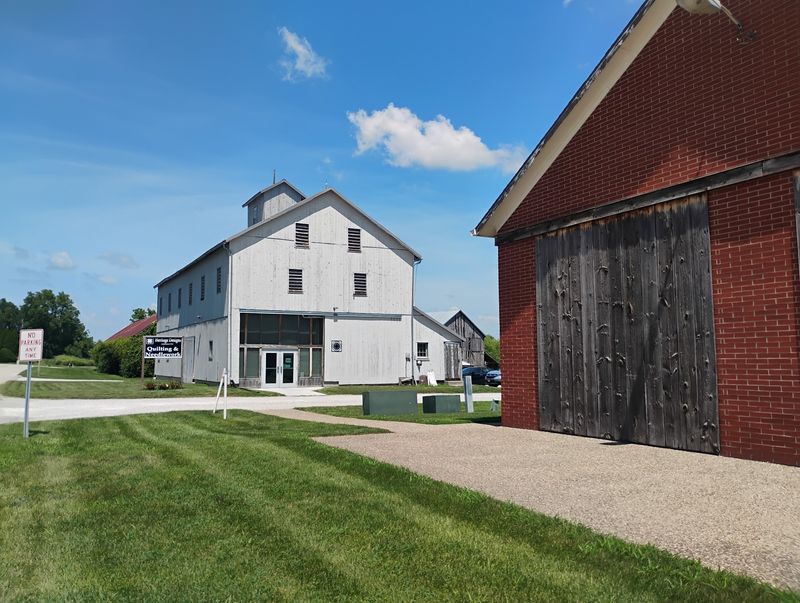
Seven villages, one loop, and a whole lot of history. The Amana Colonies sit in Iowa County in east-central Iowa, and they’re linked by a 14-mile route called the Amana Colonies Trail.
The villages are Amana, East Amana, High Amana, Middle Amana, South Amana, West Amana, and Homestead. Each one has its own feel, but they all grew from the same roots.
Those roots reach back to Germany in 1714. That year, Eberhard Ludwig Gruber and Johann Friedrich Rock founded a faith group called the Community of True Inspiration.
Facing persecution, the group moved to America and first settled near Buffalo, New York. In 1855, they came to Iowa looking for more farmland.
They chose the name Amana from the Song of Solomon. It means to remain true, which feels pretty fitting for a place that still holds tight to its past.
Homestead joined the group in 1861 for one practical reason. It gave the colonies access to the railroad.
Today, the whole area is a National Historic Landmark, a title it earned in 1965. Not bad for a cluster of farm villages that started with six.
The Looms Here Have Been Busy Since Before The Civil War
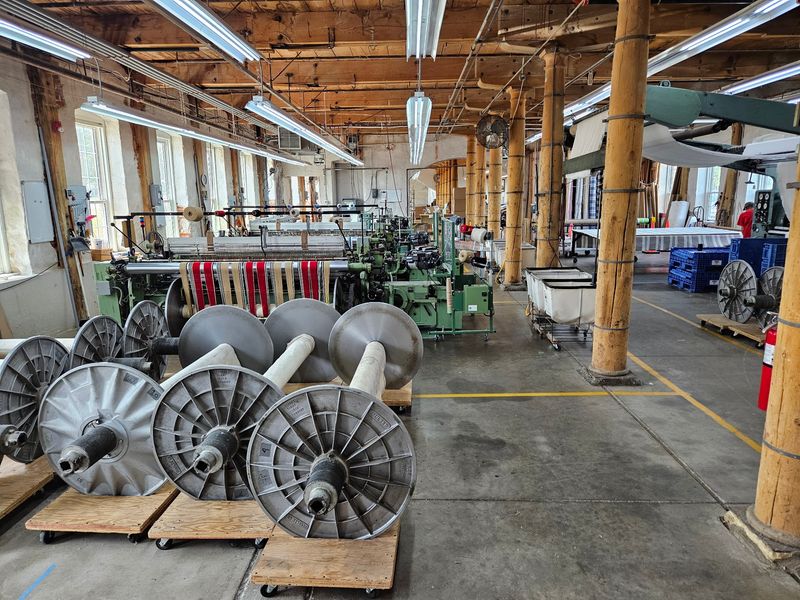
Iowa once had other woolen mills, but only one is still working. The Amana Woolen Mill has been running continuously since 1857, and that’s a streak worth bragging about.
Its weaving heritage stretches back more than 300 years to Germany. The settlers didn’t leave their skills behind when they crossed the ocean.
The mill still produces textiles today. That means the craft isn’t a museum display behind glass.
A mercantile sits alongside the mill, so you can take home something woven right in the colonies. Blankets and other wool goods make sense in a state with serious winters.
The mill also tells a story about tough times. A woolen mill fire was one of the hard blows the community faced.
That fire, plus the closing of the calico print works, helped push big changes in 1932. Even so, the mill kept its place in village life.
I like that a working factory can also feel like a history lesson. It reminds you that old-world traditions here were never just for show.
They paid the bills, kept people warm, and built a reputation that still holds today.
Pass The Bowls, Because Dinner Here Is Served Family Style
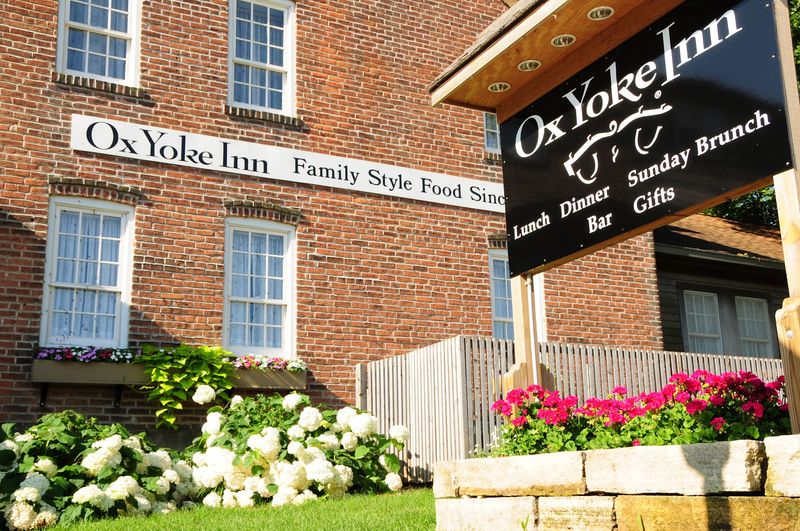
Sharing a meal is baked right into this community’s history. Back in the communal era, people ate together in community kitchens, and that spirit still shows up at the table.
The Ox Yoke Inn has been serving guests since 1940. The Ronneburg Restaurant is another favorite spot for hearty German and American food.
Both serve meals family style. Side dishes come in shared bowls, and they’re refillable, so nobody has to fight over the last scoop.
The menus lean comforting and filling. You’ll find chicken, hand-cut steaks, roast beef, ham, catfish, shrimp, and homemade soups.
German classics get plenty of attention too. Sauerbraten, wiener schnitzel, and Amana brats all bring a taste of the old country to Iowa.
Then dessert shows up and makes things complicated. Rhubarb custard pie, chocolate pie, and coconut cream pie are all on the list.
Choosing just one might be the hardest decision of the trip. A slice to share is a smart compromise.
I believe meals like these explain the colonies better than any sign. Food here is about gathering people close, and that tradition never left.
Good Luck Leaving Without A Bag Of Smoked Sausage
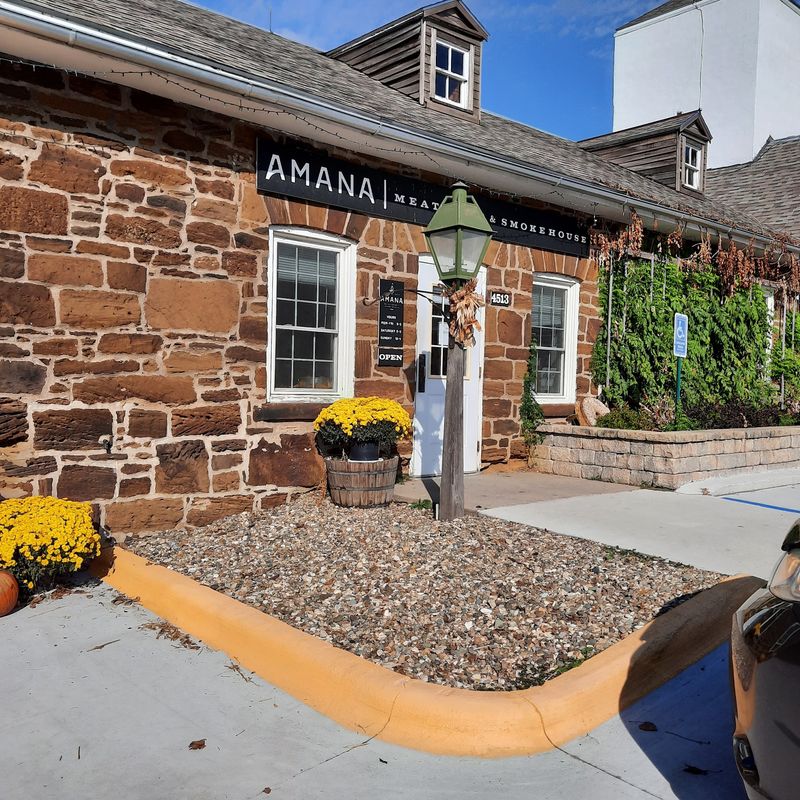
Ham, bacon, and sausage have been cured in these villages for generations. The Amana Meat Shop & Smokehouse keeps that old-world craft going today.
The tradition started in the communal kitchens. Smoking and curing meat helped feed whole villages, and the skill was passed down instead of forgotten.
Now the shop offers samples, which is both generous and slightly dangerous. Summer sausage, jerky, and Amana Brats are all fair game.
The Amana Brats follow a traditional German recipe. That alone makes them a fun souvenir for anyone who loves a good cookout.
Here’s a practical tip. Bring a cooler if you’re driving home, because a single sample often turns into a full shopping bag.
Summer sausage travels well, so it works as a gift too. It’s an easy way to share a little of Iowa with friends back home.
I like how the shop connects food to history without making it stuffy. You’re not just buying a snack.
You’re tasting a method that kept a whole community fed for decades. That’s a pretty tasty way to learn something.
Fresh Bread And Hand-Dipped Chocolate Make A Strong Team
A mother and daughter team runs the ovens at the Amana Colonies Bakery & Cafe. The bakery opened in 1981 and makes its goods from scratch.
The shelves hold breads, pastries, pies, and cookies. Jams and jellies round things out, so your toast at home can get an upgrade.
Sweet tooth still not satisfied? The Chocolate Haus is ready to help with that problem.
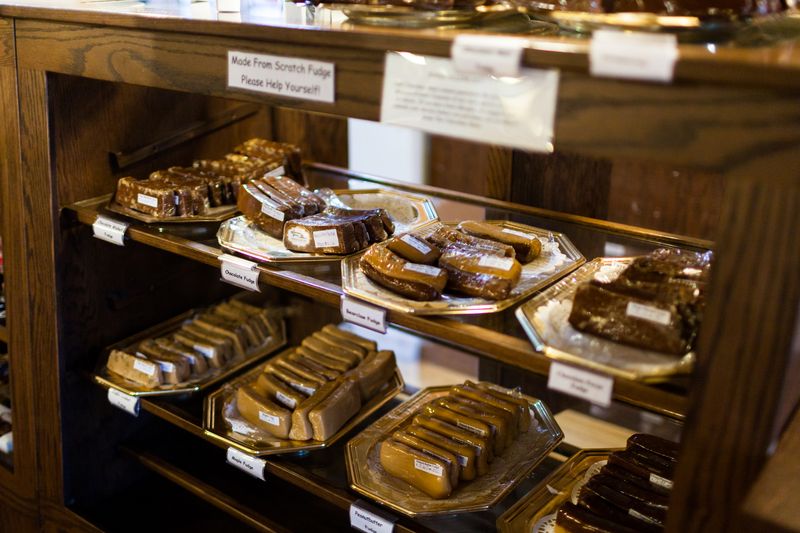
It offers hand-dipped chocolates, fudge, toffee, and turtles. Samples are often available, which feels like the polite thing to accept.
Coffee lovers have a stop too. Amana Coffee & Tea Co. sits inside the Amana General Store and sells its own line of flavored whole bean coffees.
Loose-leaf teas are on the shelves as well. Samples help you pick a favorite before you commit.
Put these three together and you’ve got a pretty sweet afternoon plan. Grab bread for later, chocolate for now, and coffee to keep going.
My advice is to save these stops for the end of your visit. Everything travels better that way, and you’ll have a treat waiting for the ride home.
Your Shopping List Might Get Longer In A General Store From 1858
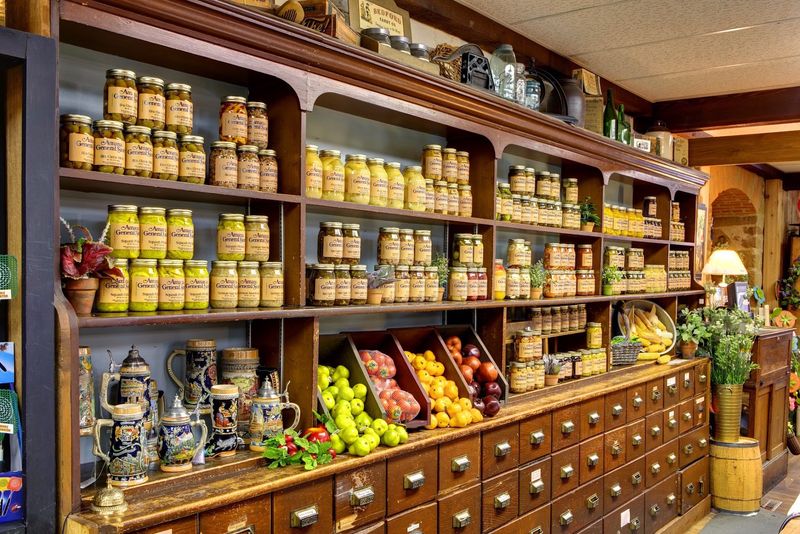
Some stores have been around a while, and then there’s this one. The Amana General Store opened in 1858, and it’s still selling goods today.
You’ll find products made in Amana, items made around Iowa, and imported treasures. It feels like a crossroads of local and global.
Christmas fans, take note. The store houses an International Christmas Market all year long, even in the middle of July.
The High Amana General Store offers a similar mix of local and imported goods. Visiting both gives you a better feel for how villages once shopped.
Craft lovers won’t run out of places to browse. Shops across the colonies sell hand-woven rugs, pottery, quilts, handmade knives, and ironwork.
Furniture making is another proud tradition. Amana Furniture and Schanz Furniture & Refinishing both carry on the craft of hand-built wood pieces.
Local artists show off their work through groups like Colony Carvers and the Amana Arts Guild. Galleries add even more to explore.
I believe the best souvenirs have a story. Here, almost every handmade item comes with one, and that beats a plastic keychain any day.
Old Kitchens And Schoolhouses Tell The Real Story
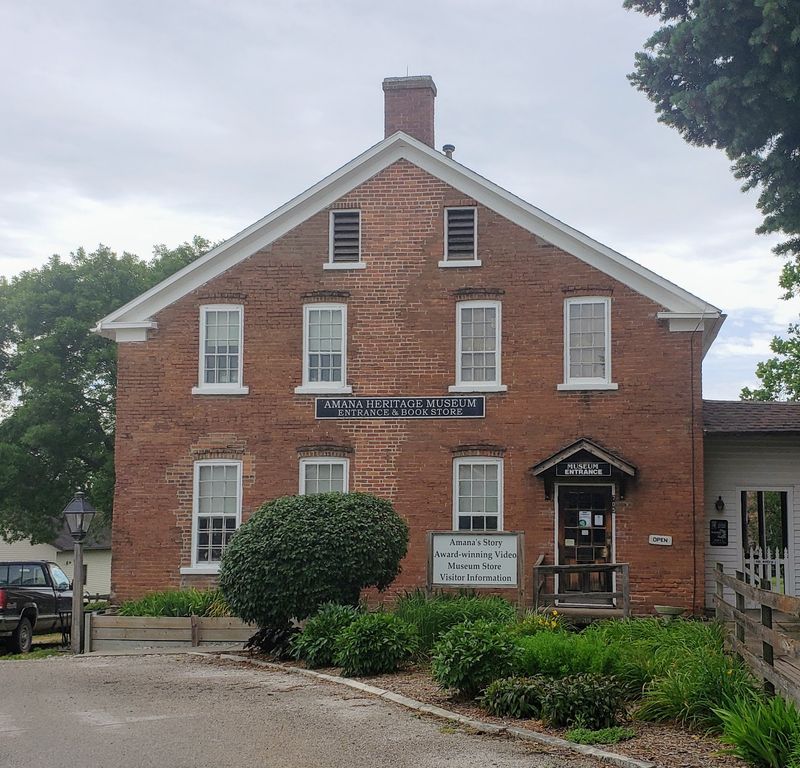
Three historic buildings make up the Amana Heritage Museum. One is the 1864 Noé House, and another is an 1870 schoolhouse.
Inside, exhibits, photos, and artifacts explain how the Inspirationists lived. You’ll also see displays on their crafts and industries.
The museum features a communal kitchen and a cooper shop. Those spaces show how much work went into feeding and supplying a village.
Want a guided route? The Visitor Center runs the Village Voyage Van Tour from May through October, and it lasts about two and a half hours.
The tour includes a video, a Church Museum, and a century-old general store. It also stops at the only surviving communal kitchen.
The Visitor Center sits at 622 46th Avenue, Amana, IA 52203. It’s a smart first stop for maps, lodging help, and planning.
History here has a big turning point called the Great Change. In 1932, the community voted to end shared living and split church and business into separate groups.
Learning that story first makes every village feel richer. Suddenly those quiet buildings start talking.
Quiet Churches And Sturdy Brick Homes Deserve A Slow Look
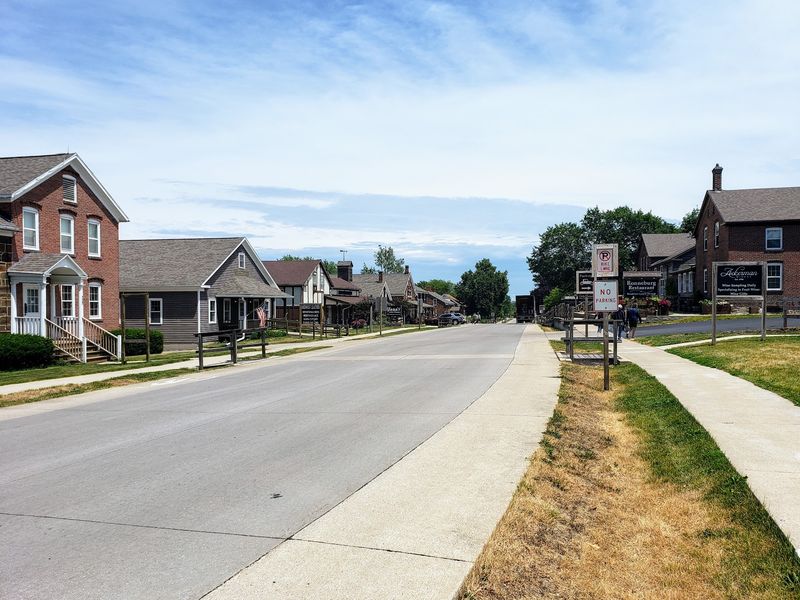
No steeples. No stained glass.
The village churches in the Amana Colonies stay plain on purpose.
That simple style reflects the Inspirationist faith. There are no tall spires or bold religious symbols, just humble buildings made for worship.
The rest of the villages carry the same practical spirit. Brick, sandstone, and wood show up again and again in the 19th-century architecture.
German influence is easy to spot in these sturdy structures. They were built to last, and more than 450 communal-era buildings prove it.
A slow walk is the best way to enjoy them. Look for how homes, shops, and workshops sit close together, a reminder of shared village life.
The faith that built these places still has a home here. The Amana Church Society handles the community’s spiritual life today.
Meanwhile, the Amana Society, Inc. manages business and land. That split has worked since 1932.
I find it oddly calming to see buildings without flashy decoration. They let the craftsmanship do the talking, and honestly, it says plenty.
Festivals, Trails, And A Giant Bowling Ball Run Round Out The Trip
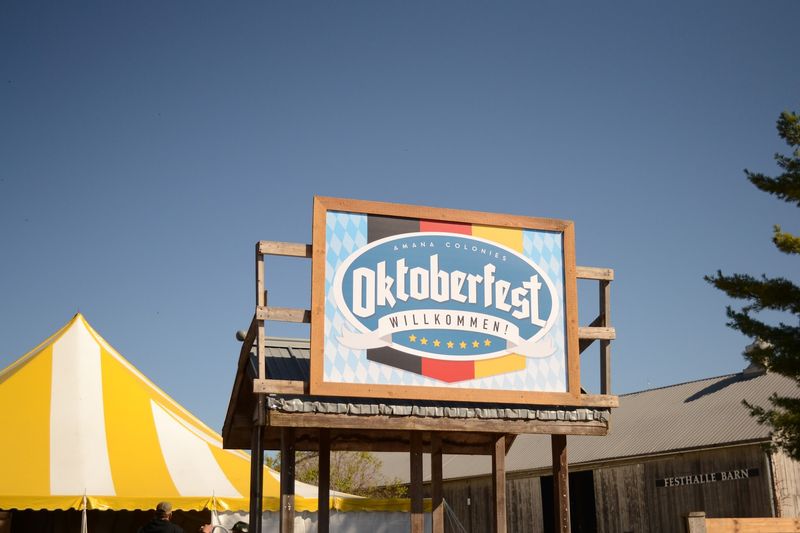
Germany’s party calendar made it to Iowa. The colonies celebrate their heritage with Maifest in spring and Oktoberfest in fall.
Winter brings its own charm. Tannenbaum Forest and Prelude to Christmas add holiday cheer, and Girls Getaway Weekend offers a fun reason to round up friends.
Need to stretch your legs after all that pie? The Kolonieweg Trail and other Amana Colonies trails are open for walking and biking along the Iowa River.
Golfers can play at the Amana Colonies Golf Club. It’s a nice change of pace between museum stops.
Now for the quirky part. Opa’s Tractor Barn and Museum in West Amana covers farming history and features a large bowling ball run.
Yes, really. Kids and grown-ups alike tend to find that hard to resist.
Over in South Amana, the Mini-Americana Barn Museum shows off miniature replicas. Small scale, big detail.
Staying overnight is easy too, with bed and breakfasts, inns, and Hotel Millwright among the options. One day in this corner of Iowa rarely feels like enough, so why rush it?