
10 Incredible Arkansas Spots You Won’t Believe Are Real
Arkansas has a way of keeping you curious the entire time you’re on the road. You think you’ve seen enough, then something new pops up and proves you wrong.
I’ve had moments here where I pulled over with no plan, just to see what was there. Ever feel that quick spark of curiosity that you can’t ignore?
That’s what this place delivers. It keeps you looking around corners, wondering what might appear next.
There are spots that feel larger than life, others that are simple but still surprising, and a few that don’t quite make sense until you’re standing right there. It all happens without much effort, which makes it even better.
No pressure, no big expectations, just real experiences that come and go as you explore. Take your time and don’t rush past anything.
The more you pay attention, the more you’ll notice. And honestly, that’s the whole point.
Blanchard Springs Caverns, Fifty-Six
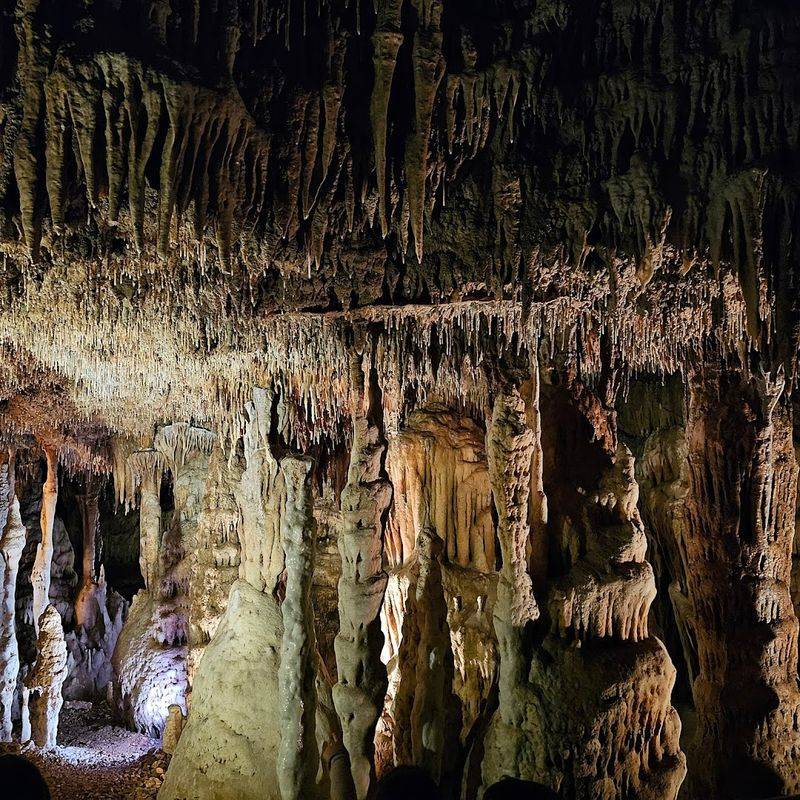
Deep beneath the Ozark National Forest, the earth opens up into one of the most stunning underground worlds I have ever walked through.
Blanchard Springs Caverns sits at 704 Blanchard Springs Rd, Fifty-Six, AR 72533, and it is a fully developed show cave managed by the U.S. Forest Service, which means the trails, lighting, and guided tours are genuinely top-notch.
The cave system features multiple guided tour options, including an easy paved walk through the Dripstone Trail that showcases some of the most impressive formations.
Every ceiling in here looks like a frozen chandelier, with stalactites dripping in formations that took thousands of years to grow just a single inch.
I remember standing in the Cathedral Room and genuinely struggling to find words, because the scale of the cavern walls around me felt closer to a natural skyscraper than a cave.
Above ground, the surrounding recreation area offers scenic overlooks, picnic spots, and access to the clear waters flowing from the spring nearby, making it easy to spend hours exploring the area.
Temperatures inside hover around 58 degrees Fahrenheit year-round, so bringing a light jacket is strongly recommended no matter how hot it is outside.
Visiting Blanchard Springs Caverns leaves you with the quiet, humbling feeling that the ground beneath your feet has been keeping spectacular secrets for a very long time.
Ozark Folk Center State Park, Mountain View
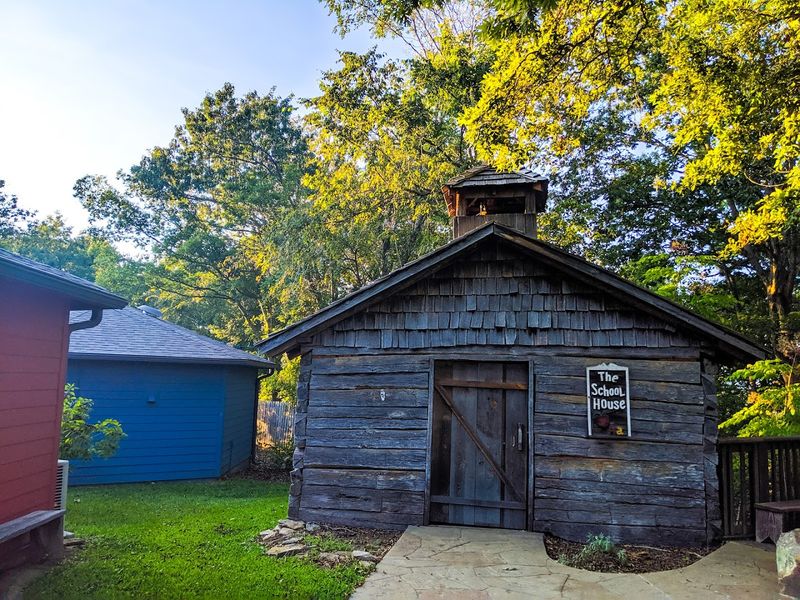
There is a place in the Arkansas Ozarks where old-time banjo music drifts out of open workshop doors and the smell of a working blacksmith forge mixes with fresh mountain air.
Ozark Folk Center State Park is located at 1032 Park Avenue, Mountain View, AR 72560, and it is the only state park in the entire country dedicated entirely to preserving Ozark heritage crafts and music.
Visiting here feels less like a museum and more like stepping into a living, breathing community of people who genuinely love what they do.
Craftspeople demonstrate skills like lye soap making, pottery throwing, dulcimer building, and natural dye weaving right in front of you, and most of them are happy to answer questions while they work.
The music program runs separately from the craft village, and the evening performances in the auditorium are the kind of acoustic shows that remind you how powerful simple instruments can sound in the right hands.
Mountain View itself is a charming small town that leans hard into its musical identity, with impromptu jam sessions happening on the courthouse square on weekend evenings throughout the warmer months.
Spring and fall are my personal favorite times to visit, since the surrounding hills are either bursting with wildflowers or blazing with autumn color.
Walking out of the Folk Center at the end of the day, I always carry a little piece of Ozark soul with me that no souvenir shop could ever bottle.
Louisiana Purchase State Park, Holly Grove
Most people associate the Louisiana Purchase with a map and a history textbook, but in a cypress swamp near Holly Grove, Arkansas, you can actually stand on the precise geographic point where it all began to be measured.
Louisiana Purchase State Park is found at AR Hwy 362, Holly Grove, AR 72069, and it preserves the original surveying point used in 1815 to establish the baseline for dividing the entire Louisiana Purchase territory.
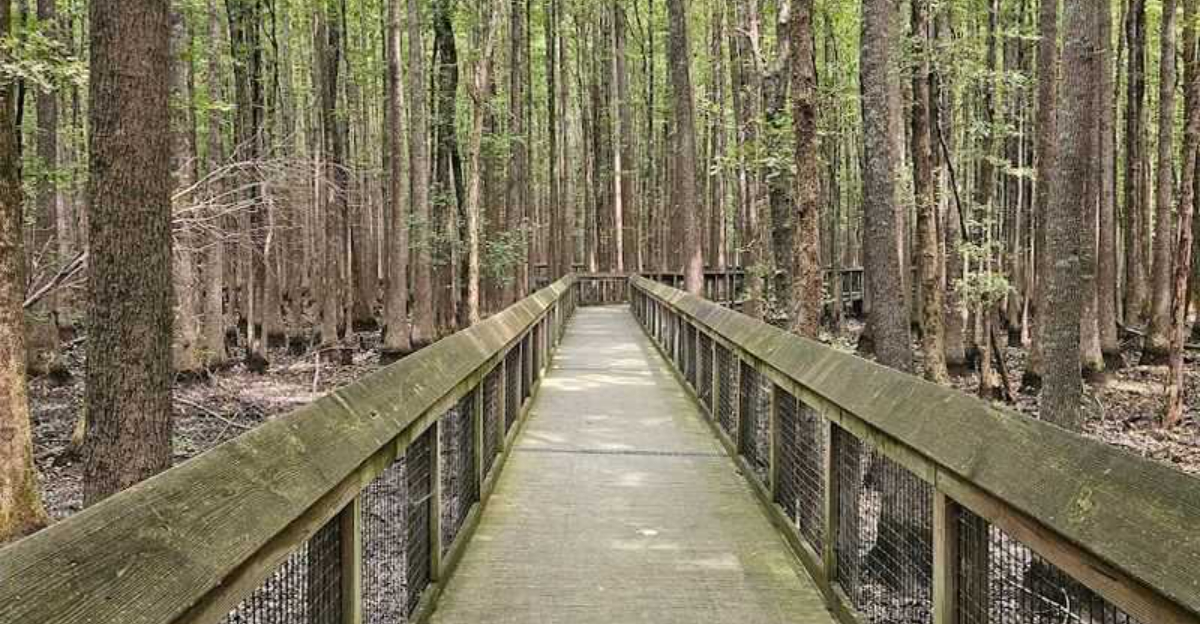
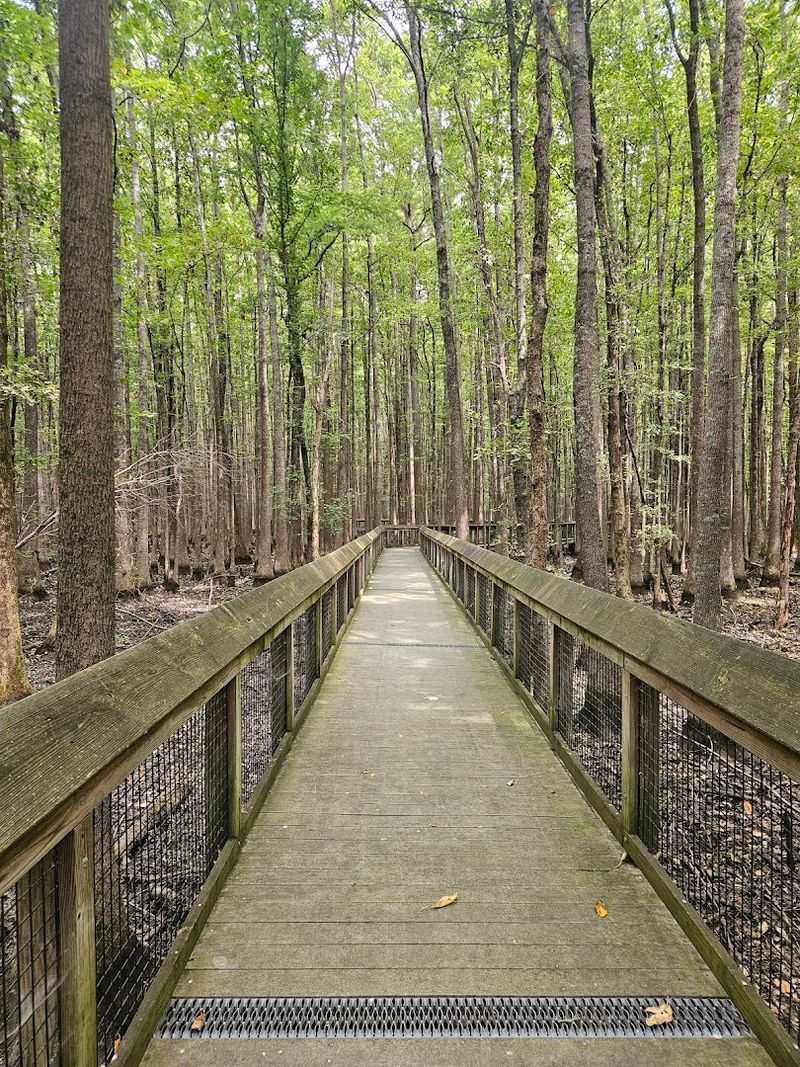
Getting to the monument means walking a short elevated boardwalk through a hauntingly beautiful bottomland swamp, where ancient cypress trees rise out of black water and great blue herons stand perfectly still in the shallows.
The park is small and quiet, which honestly makes it even more special, because you often have the whole boardwalk to yourself with nothing but the sound of frogs and wind through Spanish moss.
A granite monument marks the exact survey point, and reading the historical plaques around it gives you a genuine sense of how enormous the task of mapping this country once was.
The swamp itself is alive with wildlife, and patient visitors might spot wood ducks, turtles, or even a river otter slipping through the water beneath the boards.
I visited on a foggy morning in October, and the mist rising off the water around those cypress knees made the whole place feel like something out of a dream.
Few spots in Arkansas pack this much history and natural beauty into such a compact and peaceful package.
Parkin Archeological State Park, Parkin
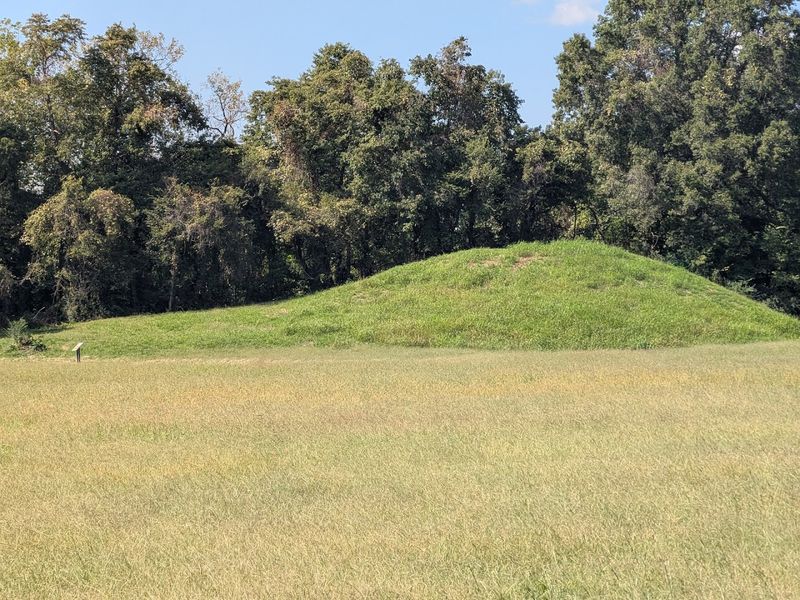
Long before European explorers arrived in the American South, a thriving town stood on the banks of the St. Francis River in what is now northeastern Arkansas.
Parkin Archeological State Park is located at 60 State Hwy 184, Parkin, AR 72373, and it preserves the remnants of a Mississippian-culture village that was occupied for several centuries before Spanish explorer Hernando de Soto and his expedition likely passed through around the mid-1500s.
The park features an interpretive center packed with artifacts recovered from the site, including pottery, tools, and ornamental items that paint a vivid picture of daily life in this ancient community.
Walking the grounds, you can still make out the shape of the central mound that once supported a community building, and the scale of it makes you realize just how organized and sophisticated this civilization truly was.
Active archaeological excavations have taken place here over the years, and the park does a wonderful job of explaining the ongoing research in ways that feel accessible rather than academic.
The St. Francis River still flows nearby, and its presence helps you understand why this location was chosen, since the water provided transportation, food, and fertile soil for crops.
Visiting in the spring means the surrounding landscape is lush and green, which adds a layer of natural beauty to what is already a deeply compelling historical site.
Parkin quietly stands as one of the most significant archaeological sites in the entire Mississippi River Valley region.
Powhatan Historic State Park, Powhatan
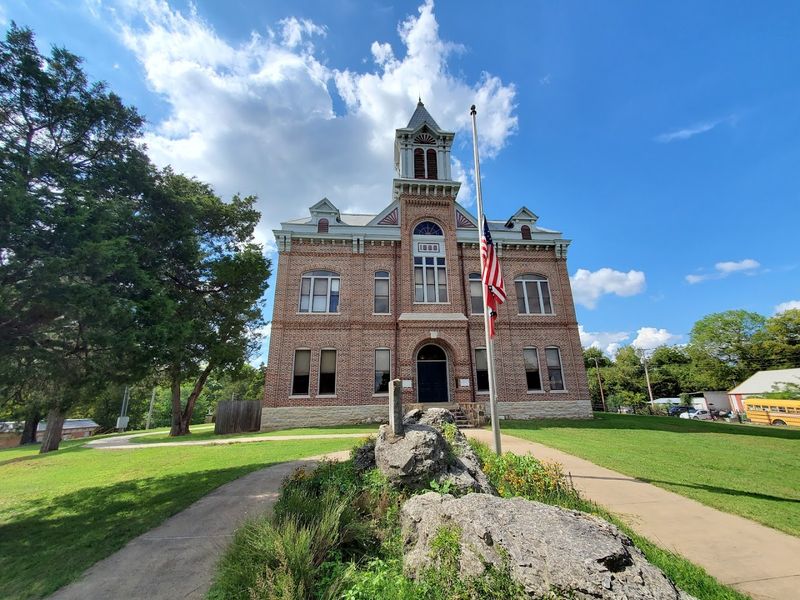
Tucked into the rolling hills of northeastern Arkansas along the Black River, the tiny community of Powhatan once hummed with the energy of a busy river town and county seat.
Powhatan Historic State Park sits at 4414 Hwy 25, Powhatan, AR 72458, and it preserves a remarkable collection of original 19th-century buildings, including a courthouse, jail, post office, and various commercial structures that together form a nearly complete picture of frontier-era Arkansas life.
The courthouse is the crown jewel of the site, a beautifully restored brick building that served the community for decades and still feels surprisingly grand for such a small town.
What makes Powhatan especially fascinating is how thoroughly the river trade shaped its early growth, and the interpretive exhibits inside the buildings do a great job of connecting that commercial history to the everyday people who lived it.
The jail is a particular favorite among visitors, with its thick stone walls and tiny cells offering a sobering reminder of how justice was administered on the frontier.
Living history events are held at the park throughout the year, bringing costumed interpreters and demonstrations that make the history feel immediate rather than distant.
The surrounding landscape is quiet and deeply rural, which adds an authentic atmosphere that no amount of set design could manufacture.
I walked out of Powhatan feeling like I had found a piece of Arkansas history that the rest of the world simply forgot to put on the map, and that suited me just fine.
Logoly State Park, Magnolia
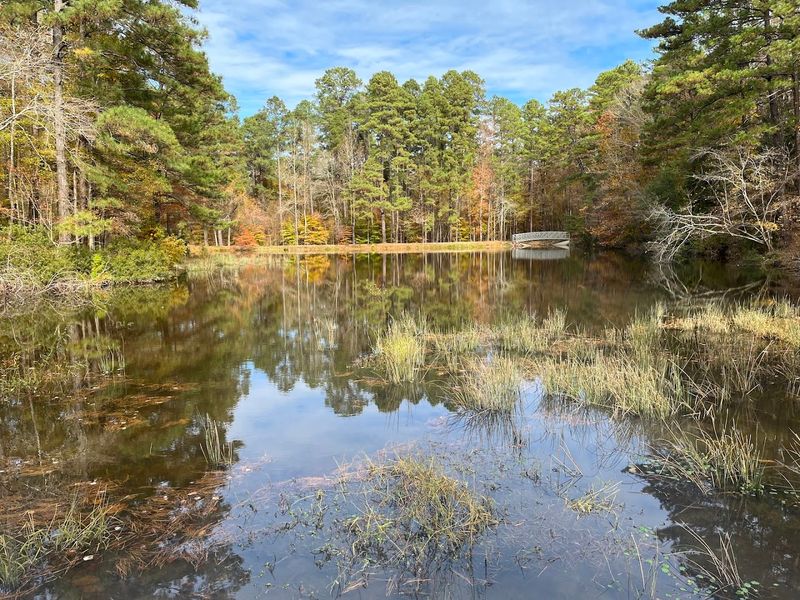
A different side of Arkansas comes into focus at Logoly State Park, where a rare pitcher plant bog sits quietly within the piney woods of southern Arkansas.
Logoly State Park is located at 131 Columbia Road 459, Magnolia, AR 71753, and it holds the distinction of being Arkansas’s first environmental demonstration state park, meaning its entire mission revolves around education and conservation.
The pitcher plants themselves are carnivorous, using their deep, liquid-filled tubes to trap and digest insects, and seeing them growing wild along the trail edges feels genuinely surreal the first time.
Beyond the bog, the park features mineral springs, longleaf pine restoration areas, and trails that wind through a surprisingly diverse range of habitats for such a compact piece of land.
Spring is absolutely the best time to visit, when the wildflowers are blooming and the bog plants are at their most dramatic and colorful.
The park also offers environmental education programs for school groups and families, with hands-on activities that make the science of ecosystems feel approachable and genuinely fun.
Group tent camping may be available by reservation, offering a chance to spend the night surrounded by the sounds of a longleaf pine forest that once covered vast stretches of the American South.
Logoly is the kind of place that quietly rewires how you think about what wild Arkansas actually looks like beneath its more familiar surface.
Mammoth Spring State Park, Mammoth Spring
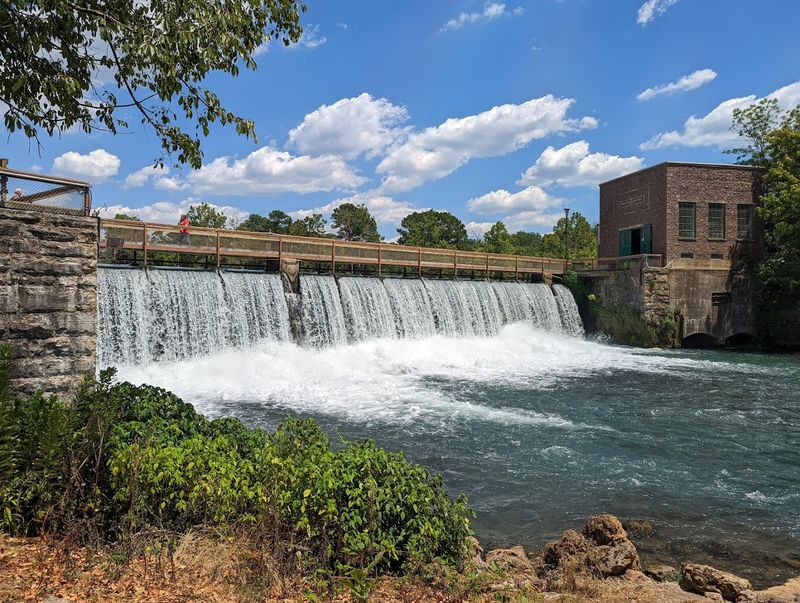
Few natural features make an impression as quickly as Mammoth Spring, where water surges from the ground with incredible force.
Mammoth Spring State Park is situated at 17 Highway 63 North, Mammoth Spring, AR 72554, right on the Arkansas-Missouri border, and the spring here is one of the largest in the United States.
The water gushes out of the ground at a volume that has to be seen to be believed, flowing immediately into a broad, clear lake before continuing south as the Spring River, one of the most popular float streams in the region.
A restored 1886 Frisco Railroad depot sits at the park and houses exhibits about the town’s history, including how the spring itself attracted settlers, businesses, and eventually a dam that created the current lake.
The nearby Spring River is well known for trout fishing, offering anglers a chance to enjoy the cool, steady flow that begins right at the spring.
The park is compact and easy to walk in an hour or two, making it a perfect stop on a longer road trip through the Ozarks rather than a destination that requires a full day.
I arrived at golden hour once, when the light was hitting the water at just the right angle, and the whole lake glowed like a sheet of hammered copper.
Mammoth Spring is the kind of natural feature that makes you reconsider how much Arkansas has been underselling itself all these years.
Hampson Archeological Museum State Park, Wilson
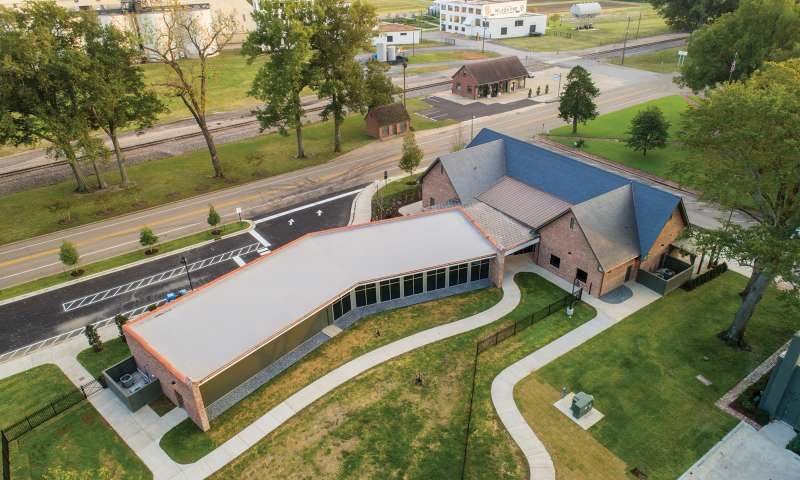
A quiet museum in the small Delta town of Wilson holds one of the most concentrated collections of Mississippian-culture artifacts in the entire country, and most people have never heard of it.
Hampson Archeological Museum State Park is found at 33 Park Avenue, Wilson, AR 72395, and it showcases artifacts excavated from the Nodena Site, a large Native American village that once stood nearby on the banks of the Mississippi River.
Dr. James K. Hampson spent decades carefully collecting and documenting the objects that came from the site, and the museum he built to house them is a testament to what dedicated local scholarship can preserve.
The collection includes intricate pottery, shell gorgets, copper ornaments, and stone tools, all displayed with enough context to make you feel the presence of the people who made and used them.
What strikes me most about this museum is the intimacy of it, because unlike a large metropolitan institution, everything here feels personal and carefully chosen rather than overwhelming.
The town of Wilson itself is worth a short stroll, since it has been thoughtfully revitalized in recent years with locally owned shops and a distinct Delta character that feels authentic rather than manufactured.
Museum admission is very affordable, and the staff are knowledgeable and genuinely enthusiastic about sharing the history of the Nodena people with anyone who walks through the door.
Hampson is proof that the most rewarding history lessons sometimes happen in the smallest and most unexpected places.
Lower White River Museum State Park, Des Arc
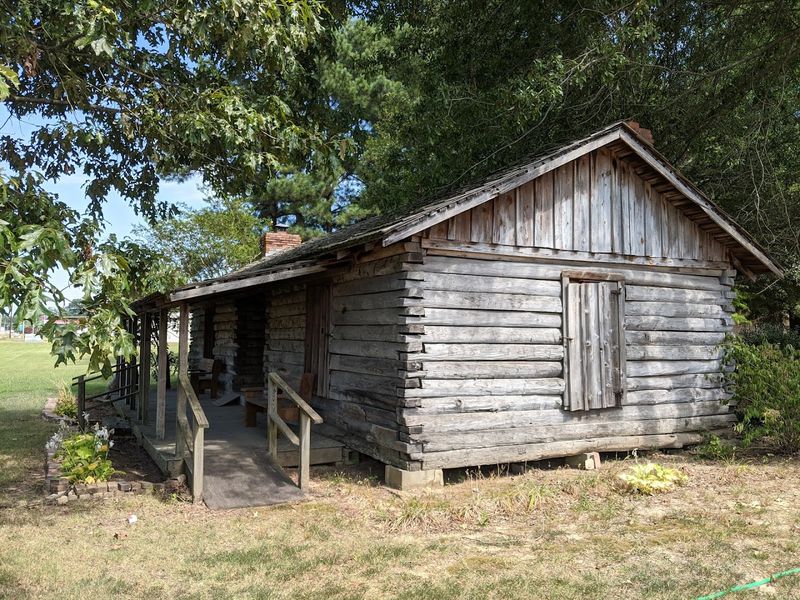
Before highways and railroads stitched the country together, the White River was one of the busiest and most important transportation corridors in all of Arkansas.
Lower White River Museum State Park is located at 2009 Main Street, Des Arc, AR 72040, sitting right on the banks of the White River in the small and charming town of Des Arc.
The museum is housed in a historic building and focuses on the steamboat era that once made river towns like Des Arc thrive as commercial hubs connecting the Arkansas interior to the wider world.
Inside, you will find an impressive collection of steamboat artifacts, navigation equipment, vintage photographs, and interpretive exhibits that bring the noisy, smoky, competitive world of 19th-century river commerce to life.
The White River itself is still right outside the door, wide and brown and moving with a quiet authority that makes it easy to imagine a paddle-wheel steamboat rounding the bend at any moment.
Des Arc is also a known stopping point for birdwatchers, since the river corridor attracts a remarkable variety of waterfowl and migratory species depending on the season.
The town has a relaxed, unhurried pace that pairs perfectly with the reflective mood the museum tends to inspire, making it a natural choice for a slow afternoon of exploration.
Leaving Des Arc, I always have a renewed appreciation for how much the rivers of Arkansas shaped the culture, economy, and character of the entire state.
Arkansas Post National Memorial, Gillett
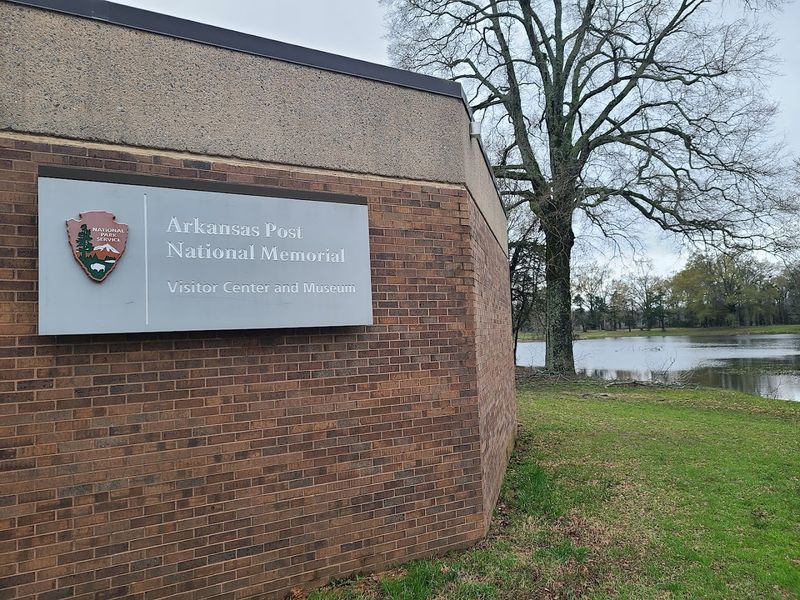
Standing on the flat, wind-swept ground near Gillett, it is hard to believe that this quiet Delta landscape was once the site of the first permanent European settlement in the lower Mississippi Valley.
Arkansas Post National Memorial is located at 1741 Old Post Road, Gillett, AR 72055, where the Arkansas River meets the surrounding wetlands in a remote and strikingly beautiful corner of the state.
The site has served as a French trading post, a Spanish colonial outpost, a territorial capital, and a Civil War battleground, layering centuries of history onto a landscape that looks deceptively simple from the outside.
The visitor center does an exceptional job of untangling all of those historical layers, with exhibits that cover Native American history, European colonization, the antebellum era, and the Civil War with equal care and depth.
Walking the trails around the memorial, you get a strong sense of how strategically important this bend in the Arkansas River once was, controlling access to the interior of the continent for anyone moving through the region.
The surrounding wetlands and oxbow lakes are outstanding for wildlife watching, particularly for birders who know that the Mississippi Flyway passes directly overhead during migration season.
Sunsets here are something special, painting the wide river and flat horizon in shades of orange and pink that feel almost too dramatic to be real.
Arkansas Post rewards visitors who take their time, because the more you read and walk and look around, the more the layers of this place reveal themselves.