
Inside This Pennsylvania Museum, You Can Get Hands-On With Science And Meet Amazing Animals
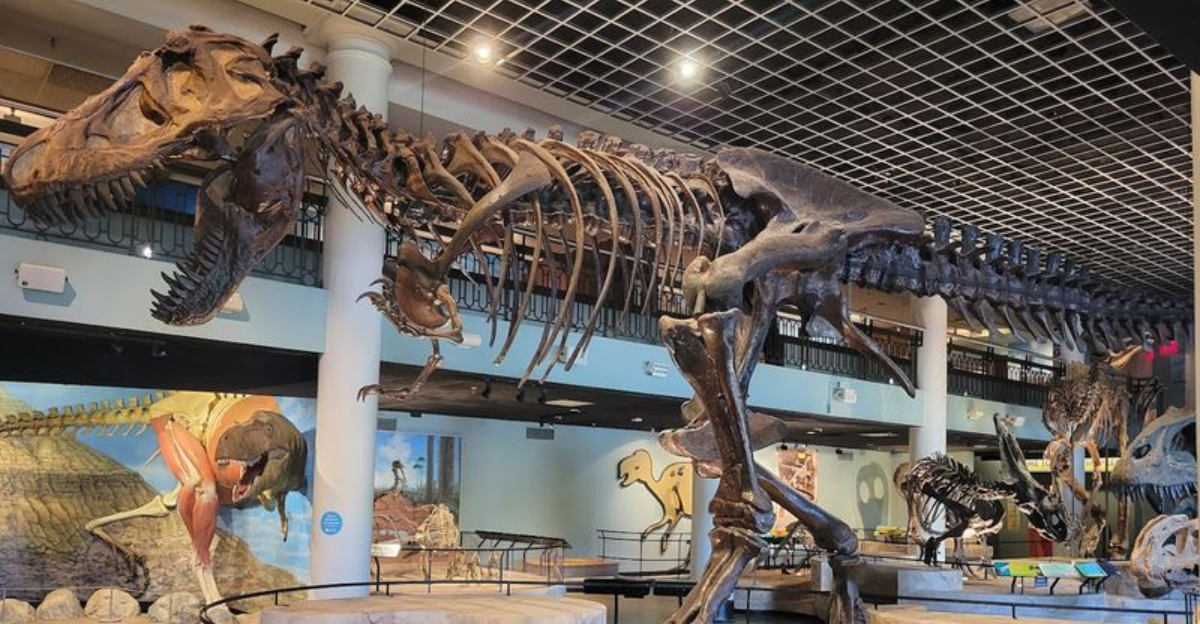
Science feels a lot less like homework when there are fossils, live creatures, hands-on exhibits, and wide-eyed discoveries waiting around every corner.
This Pennsylvania museum turns curiosity into a full-day adventure, the kind that keeps kids asking questions and adults secretly having just as much fun.
Instead of simply staring through glass, visitors can lean into the experience, follow their curiosity, and feel that spark that happens when learning becomes playful.
It is part animal encounter, part science lesson, part indoor escape, with enough “wait, look at this” moments to keep the whole visit moving.
I have always loved places that bring out the excited kid in everyone, and this is exactly the kind of museum that reminds me how fun it feels to be surprised by something new.
Dinosaur Hall: Where Giants Still Rule
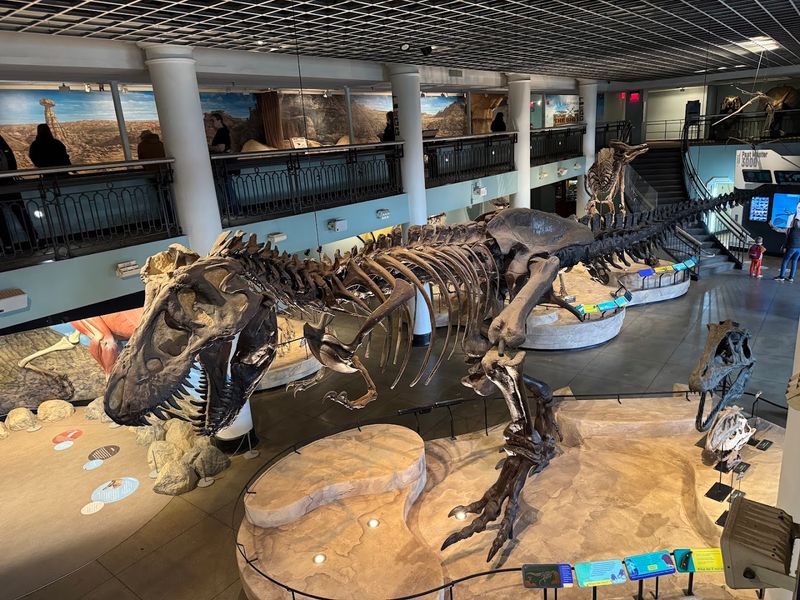
Few things in life prepare you for the moment you walk into Dinosaur Hall and realize just how enormous these creatures actually were.
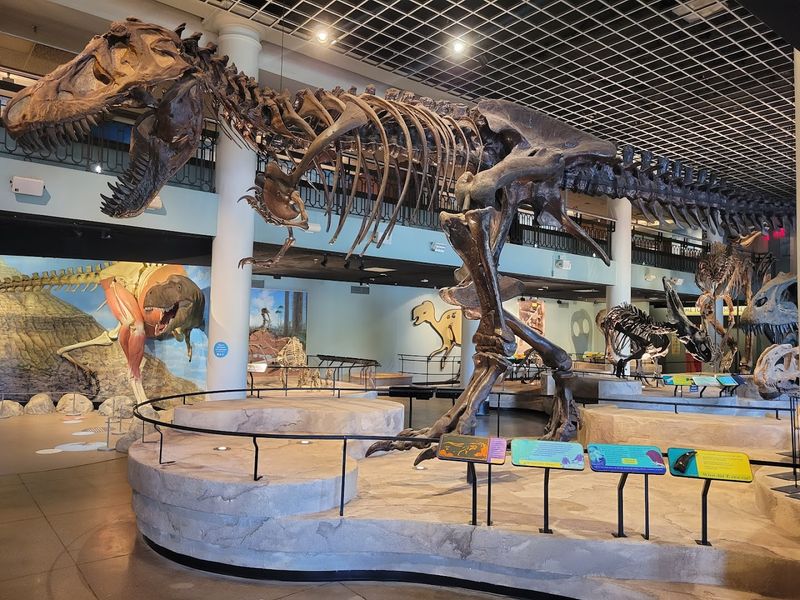
The mounted skeletons and fossil displays at the Academy of Natural Sciences of Drexel University bring prehistoric life into immediate, jaw-dropping scale.
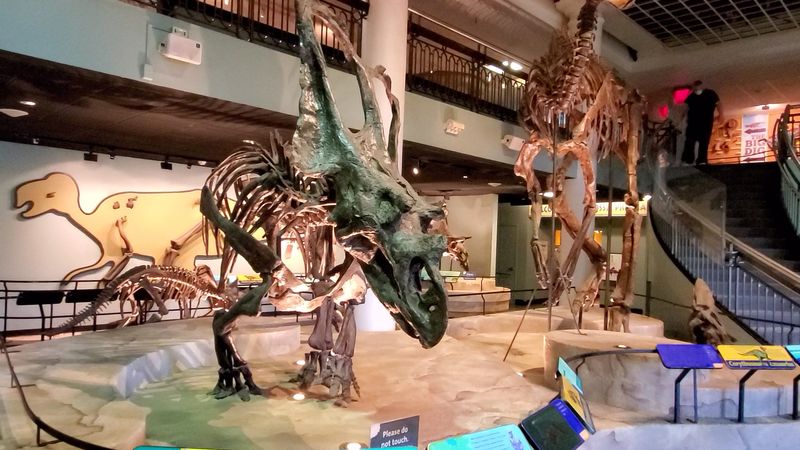
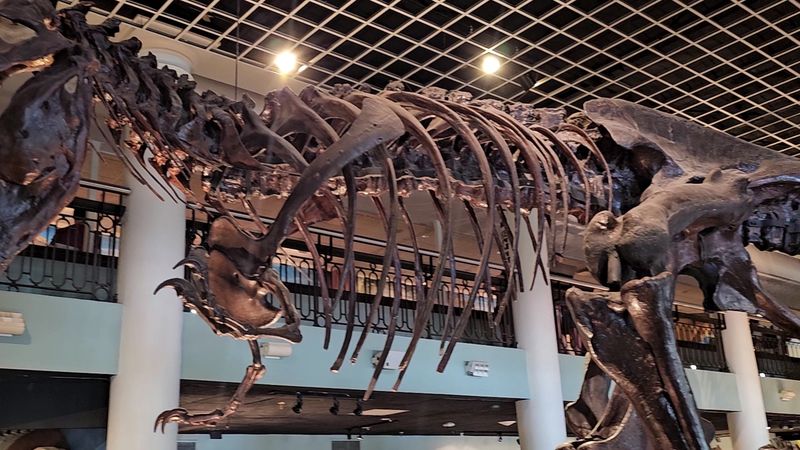
The hall is a showstopper for kids and adults alike. Massive skulls, sweeping ribcages, and towering limb bones fill the space with a sense of size that no textbook illustration can match.
More than 30 dinosaurs and other Mesozoic reptiles are represented here, giving visitors plenty to study, compare, and photograph as they move through the gallery.
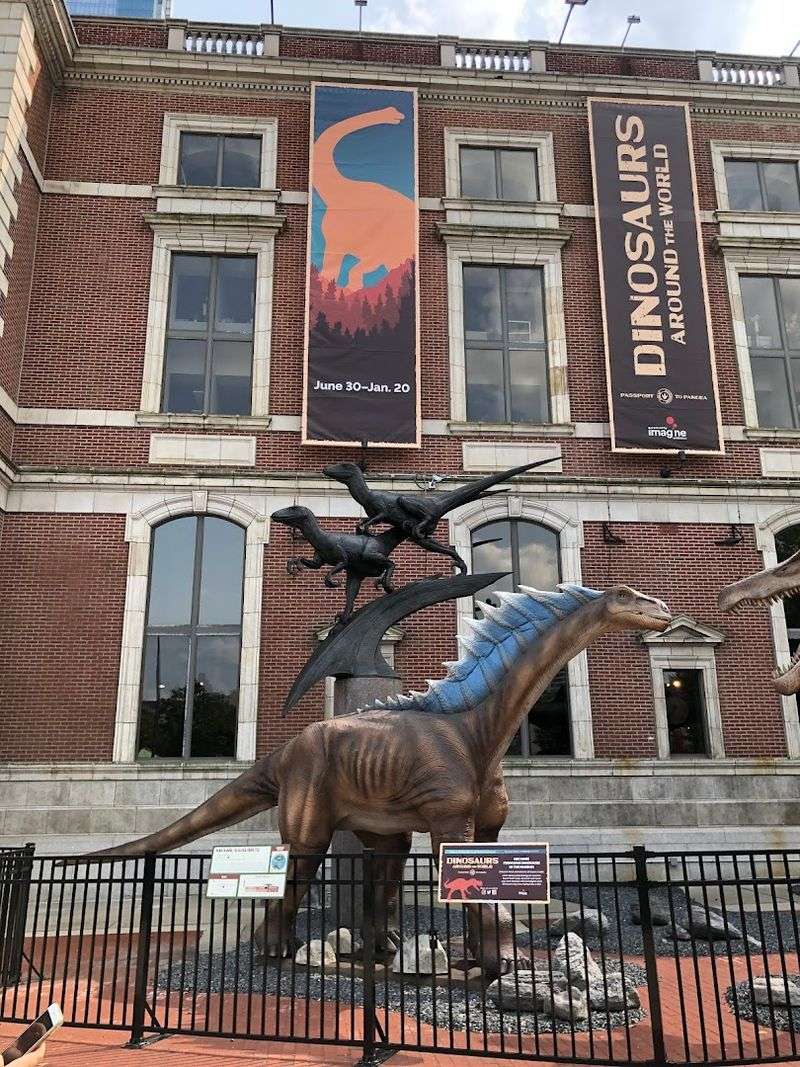
The museum also hosts special dinosaur programming and temporary exhibits from time to time, which can add even more excitement for families who time their visit well.
Getting here early on a weekend is smart, since crowds can build as the day goes on. The hall sits on the main floor and is impossible to miss the moment you step inside.
The Fossil Dig Area: Science You Can Touch
There is something genuinely thrilling about crouching down, picking up a brush, and carefully sweeping sand away from what looks like an ancient bone.
The fossil dig area at the Academy of Natural Sciences of Drexel University gives kids exactly that experience, and the staff running the station are some of the most enthusiastic people in the building.
Multiple visitors have singled out the dig area as a highlight, especially for younger children who need something tactile and active to stay engaged.
The woman overseeing the station has earned her own fan club in the reviews, praised repeatedly for her warmth and genuine love of sharing science with kids.
This is not just a passive look-and-move-on moment. Children actually use tools, follow real paleontology-style steps, and come away feeling like they accomplished something.
It is one of the best hands-on science experiences available in Pennsylvania for the elementary school crowd.
Live Animal Encounters On The Third Floor
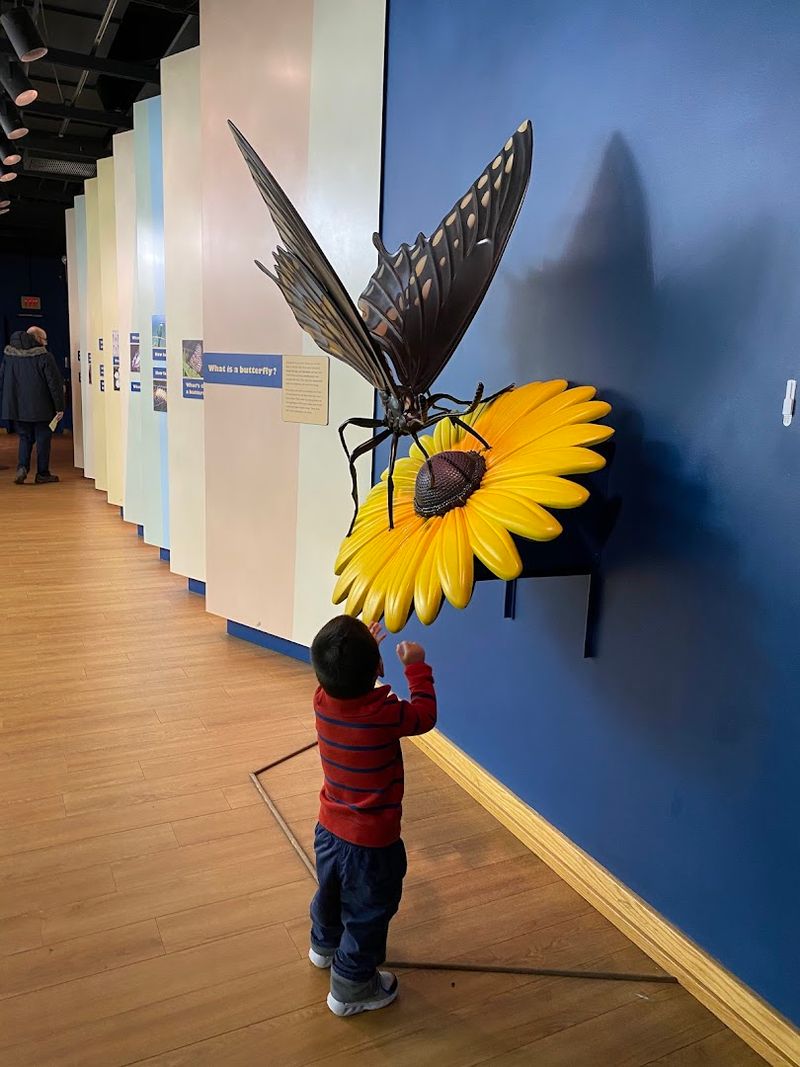
The Academy of Natural Sciences of Drexel University gets especially lively inside Outside In, the museum’s hands-on discovery center for children.
This warm, interactive space gives young visitors a chance to explore habitats, view specimens, and meet live animal ambassadors up close.
The exhibit is designed especially for kids ages 3 to 8, though curious visitors of all ages can appreciate the chance to see science feel playful and immediate.
Children can climb, investigate, ask questions, and connect with the natural world in ways that feel active rather than passive.
That makes Outside In a helpful change of pace after time spent looking at larger displays elsewhere in the museum.
The education team here clearly understands how to make discovery feel welcoming instead of intimidating.
Compared to more traditional natural history exhibits, this area feels genuinely central to the family experience. Plan to linger here longer than you expect.
Wildlife Dioramas: Ecosystems Frozen In Time
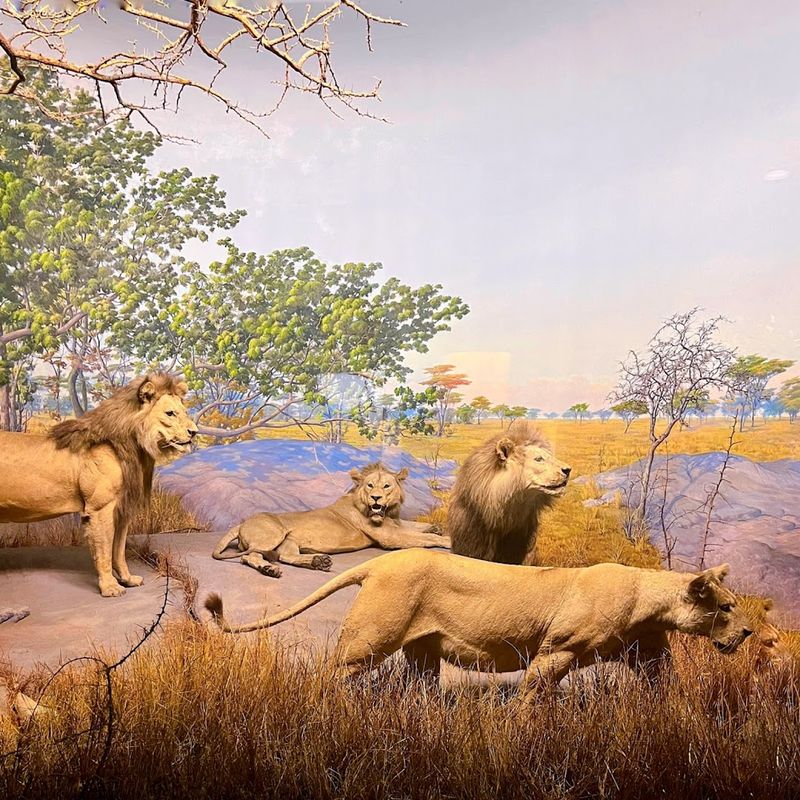
Before interactive screens and touchscreens took over museums everywhere, dioramas were the gold standard for bringing the natural world indoors.
The Academy of Natural Sciences of Drexel University has kept that tradition alive with an impressive collection of dioramas spanning ecosystems from multiple continents.
Each one is carefully maintained and surprisingly intricate up close.
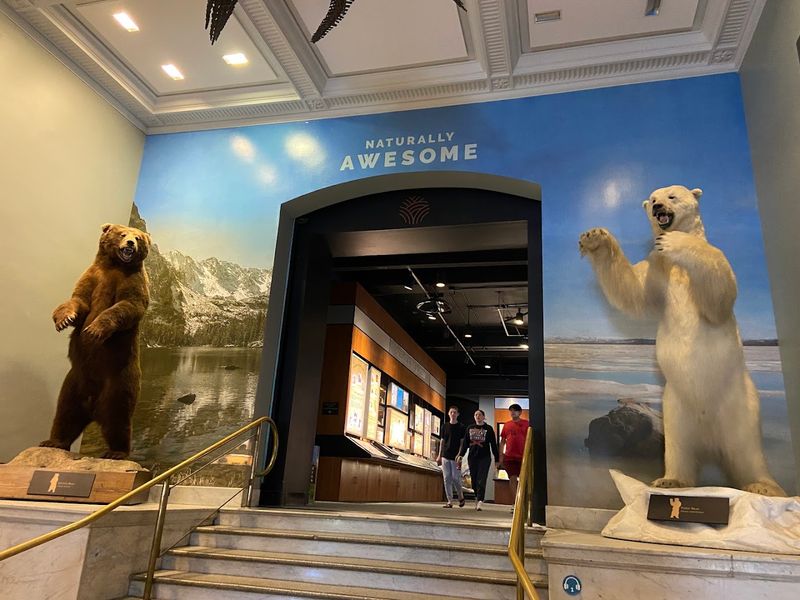
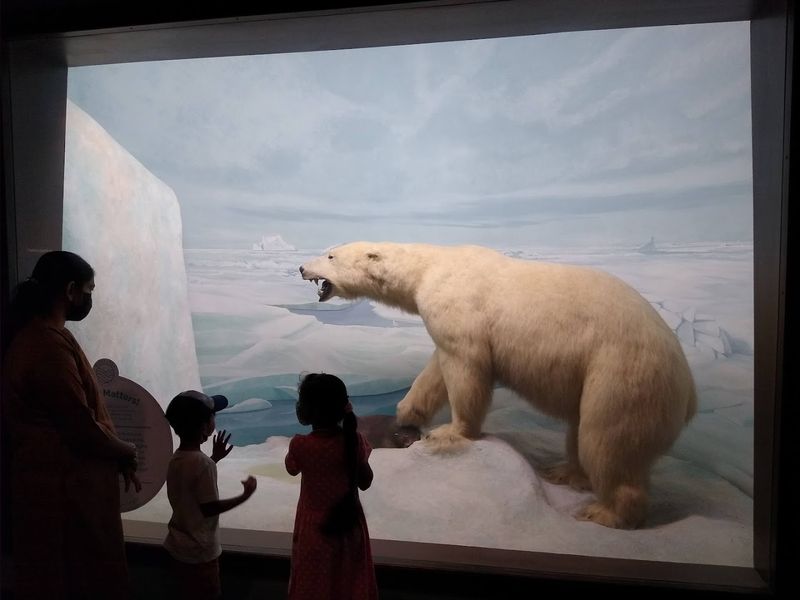
A moose standing mid-stride, a pride of lions captured in a savanna setting, Arctic scenes with polar bears. These displays reward slow, careful looking.
The craftsmanship in the preserved specimens is remarkable, and the lifelike quality of the animals has impressed even skeptical adult visitors who expected something dusty and dated.
Natural history museums across the country, including several well-regarded ones in Ohio, have scaled back their diorama collections over the years.
Here, they remain a central feature and a genuine reason to slow your pace. Bring a curious eye and you will find details that most visitors walk right past.
The Sustainability And Environmental Justice Exhibits
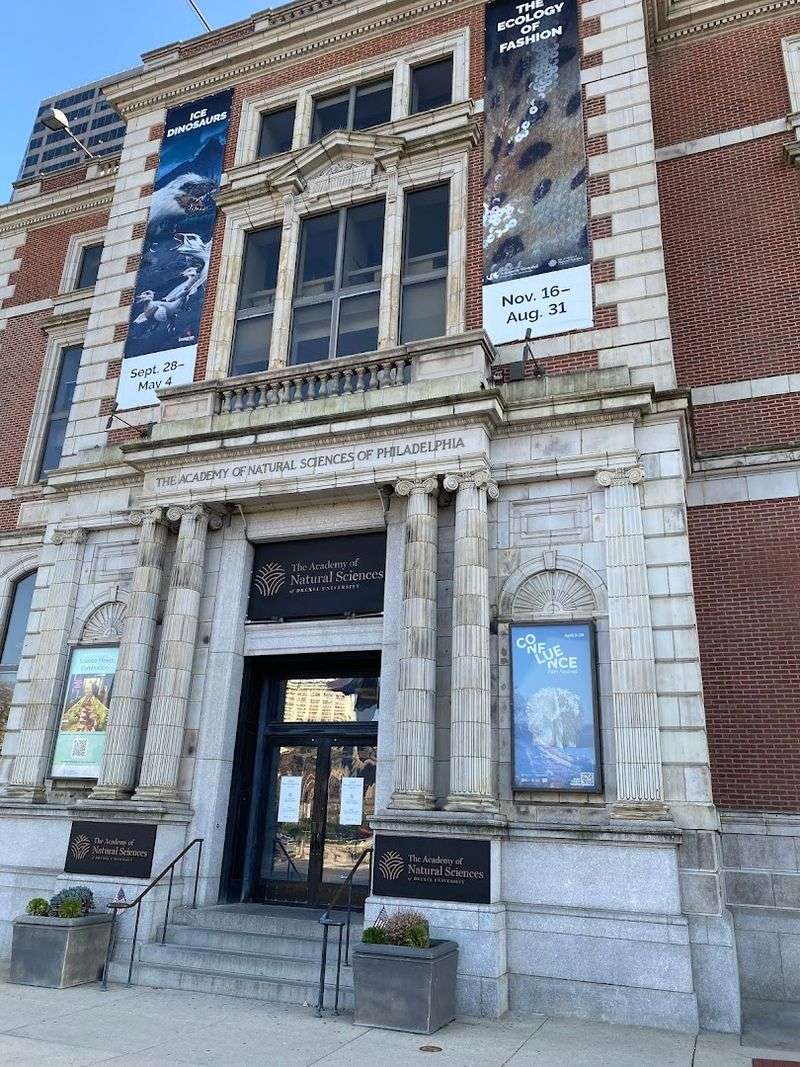
Science museums that stay relevant do so by connecting historical collections to the world outside their walls.
The Academy of Natural Sciences of Drexel University does this through exhibits and programming that explore biodiversity, community science, native plants, sustainability, and environmental change.
These are not afterthoughts. They are thoughtfully designed spaces that prompt real reflection.
Current exhibits such as Native Plants on the Parkway: A Botany of Nations Garden and Neighborhood Naturalists encourage visitors to think about land, ecology, community observation, and the role ordinary people can play in understanding the natural world.
For younger visitors, these themes land in a way that feels urgent rather than preachy. Many museums focus heavily on the past while letting the present slide by unexamined.
This museum threads the needle well, using its scientific authority to make environmental conversations feel grounded rather than abstract.
A family with curious pre-teens will find plenty here to spark a meaningful conversation on the drive home.
Accessibility Features That Actually Work
Accessibility at museums is often promised and rarely delivered well.
At the Academy of Natural Sciences of Drexel University, the visitor experience is supported by a central Philadelphia location, wheelchair accessibility, service-animal access, and nearby parking and public transportation options.
That kind of practical planning matters enormously and does not happen by accident.
The building at 1900 Benjamin Franklin Parkway, Philadelphia, PA 19103 was not originally built with modern accessibility in mind, which makes clear visitor information and access improvements especially meaningful.
Families with strollers should also find the main visitor areas manageable with a little planning.
For visitors who have experienced the frustration of inaccessible museum spaces elsewhere, this level of attention is a welcome change.
It signals that the museum takes seriously its mission of making science available to everyone who walks through the door.
Admission Pricing And Value Breakdown
At twenty-two dollars per adult, the Academy of Natural Sciences of Drexel University sits in a reasonable range for a Philadelphia cultural attraction.
Visits typically run between one and three hours depending on how deeply you explore, which makes the per-hour cost quite fair for families.
Several budget-friendly options exist for those who plan ahead.
The Philadelphia CityPASS includes admission, online ticket purchases can save money, and Pennsylvania ACCESS, EBT, or SNAP cardholders can receive two-dollar admission for the cardholder and up to three guests.
That last option has earned genuine appreciation and reflects a meaningful commitment to community access.
Special admission days also appear on the museum calendar, including ten-dollar admission days that offer access to signature galleries, rotating exhibits, and hands-on activities.
Checking the museum calendar before planning a trip is worth a few minutes of your time.
Compared to major natural history institutions in other states, the pricing here feels fair and the museum makes a real effort to keep its doors open to people across income levels.
Best Times To Visit And Planning Tips
Timing your trip to the Academy of Natural Sciences of Drexel University can make a meaningful difference in how the visit feels.
The museum is currently open Friday through Sunday from 10 AM to 5 PM, with expanded Thursday through Sunday public hours during July and August.
Arriving close to opening time can help families get a strong start, especially for young children who do better with space to move.
For a quieter and more relaxed visit, the museum itself recommends coming after 2 PM. Weekends draw bigger general crowds, but the energy is lively and the staff are fully engaged.
Parking is available nearby, and public transit is a practical option thanks to several SEPTA routes and a walkable location near central Philadelphia landmarks.
CityPASS and ACCESS admission options can also help visitors plan around budget. A two-hour block is a solid minimum for a thorough visit.
The Research Legacy Behind The Museum
Founded in 1812, the Academy of Natural Sciences of Drexel University holds a distinction that most visitors walk past without realizing: it is the oldest natural science research institution in the Western Hemisphere. That is not a marketing claim.
It is a fact backed by more than two centuries of fieldwork, specimen collection, and published science.
The museum’s connection to Drexel University keeps it tied to active academic research, which means the collections on display are part of a living scientific enterprise rather than a static archive.
Specimens connected to figures like Charles Darwin and James Audubon are part of the collection, though not always on public display, which is a point of frustration for some visitors who come hoping to see those items.
Natural history institutions in Ohio and across the country have rich legacies, but few can claim this depth of history.
The research mission running quietly beneath the public exhibits gives the whole place a sense of weight and purpose that rewards curious visitors.
Staff Interactions That Elevate The Experience
Ask almost anyone who has spent time at the Academy of Natural Sciences of Drexel University what stood out, and there is a good chance the answer involves a staff member.
The team here has been praised so consistently and so specifically that it reads less like a pattern and more like a genuine institutional culture.
Tour leaders, ticket sellers, animal handlers, and floor educators all seem to share the same energy.
One visitor described a staff member spending extended time explaining tortoise behavior to a nine-year-old with the kind of patience and enthusiasm that turns a regular Tuesday into a core childhood memory.
Another praised the 11 AM tour leader by time slot alone, unable to contain the appreciation. Good staff can rescue a mediocre exhibit, and great staff can make a good exhibit unforgettable.
This museum has figured that out. The human element here is not incidental.
It is part of what makes the whole experience worth recommending to anyone passing through Pennsylvania.