
Is There A Better Rainy Day Than Riding Vintage Streetcars At This Washington Trolley Museum?
A volunteer motorman still punches your paper ticket by hand before the streetcar rolls. That tiny click feels like a secret handshake with the early 1900s.
I love that it happens on equipment that has been running for over a century.
The cars hum along on electricity, just like they did when the line first opened. Some folks call them the original EVs, and honestly, that nickname fits.
The crew keeps the jokes coming and shares local facts most residents never learned.
This spot sits right in the middle of a Washington city, yet plenty of people drive past without a clue. Families come for summer rides, spooky Halloween trips, and cozy Santa runs.
It costs less than a typical movie night for a crowd.
So why spend a gray weekend on the couch when a century-old streetcar is waiting?
A Working Railway Museum Right In Downtown Yakima
Most museums ask you to admire old machines from behind a rope. Yakima Valley Trolleys lets you climb aboard and actually ride one.
The nonprofit operates as both an electric-rail museum and a working streetcar line. That combination is rare, and it makes a weekend visit feel more like a time-travel ticket than a field trip.
You’ll find it in Yakima, Washington, the heart of the fruit-growing Yakima Valley. Downtown stays close by, so the outing slips easily into a broader day in town.
Inside, exhibits explain how electric rail shaped local life. Outside, historic cars wait on the tracks for the next scheduled run.
I like how the place mixes learning with motion. Kids get the fun of a real ride, while grownups get the stories behind every bell and pulley.
Gray skies? Not a problem here, since the museum building gives you plenty to explore between rides.
A drizzle almost suits the old-fashioned mood anyway.
For anyone across Washington craving a nostalgic, low-key adventure, this stop deserves a spot on the list. It proves history doesn’t have to sit still behind glass.
More Than A Century Of Electric Rail History
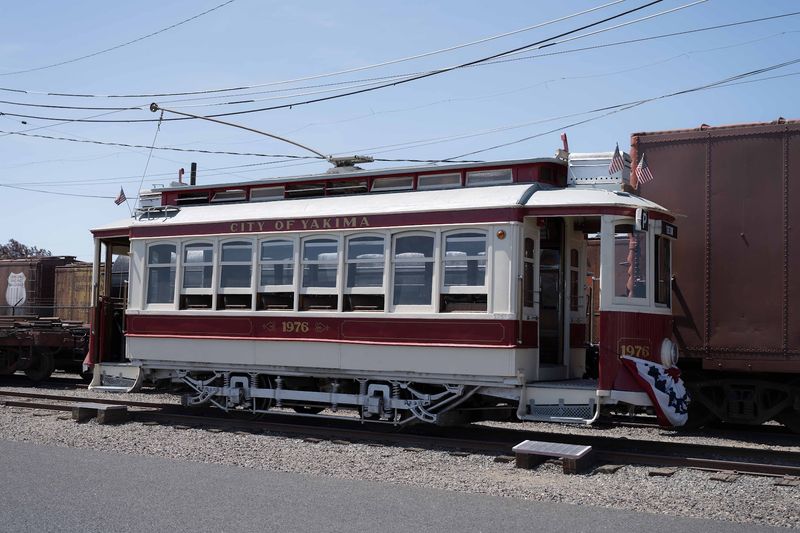
Back in 1906, electric trolleys and freight trains started rumbling through the Yakima Valley. That means rail has been part of local life here for roughly 120 years.
Those early lines did serious work. They moved people between neighborhoods and helped carry goods through one of the state’s busiest farming regions.
Plenty of American cities tore out their streetcar systems decades ago. Yakima’s story took a different turn, and pieces of its electric railway still survive today.
The museum exists to protect that legacy. Exhibits and guided talks walk you through how trolleys shaped travel, commerce, and daily routines across the valley.
Here’s a fun angle for curious kids. Long before anyone plugged in a modern electric car, these streetcars were already gliding along on electric power.
That connection makes the history surprisingly relatable. Students who love new technology might be amazed that their great-great-grandparents rode something similar.
Learning the backstory first makes the ride itself far richer. Every clack of the wheels starts to feel like a page from Yakima’s scrapbook.
History buffs will happily lose an afternoon here. Casual visitors walk away knowing far more about Washington transportation than they expected.
Streetcars With A Surprising Passport
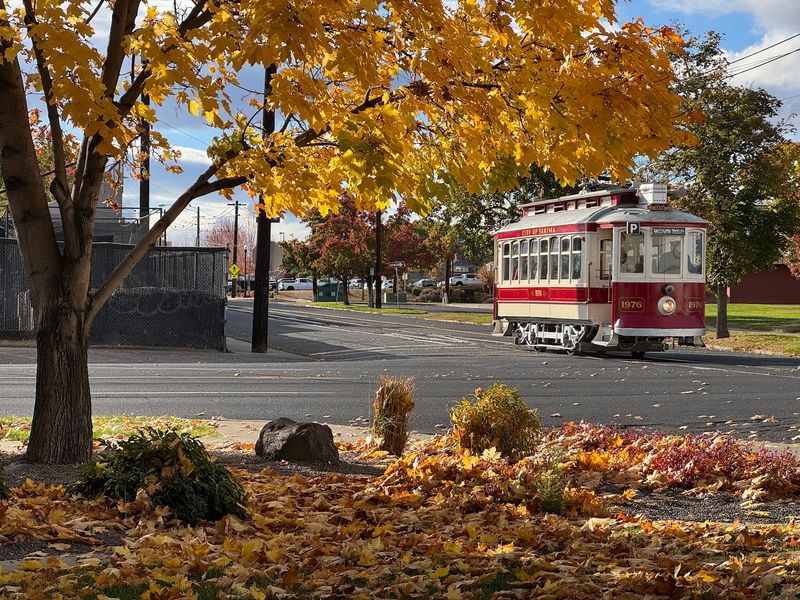
Some of these trolleys have traveled farther than most of their passengers. The museum shares the story of streetcars that made the long journey from Portugal to Yakima.
That detail tends to spark questions right away. How do you ship a trolley across an ocean, and why would anyone bother?
The answer comes down to preservation. Finding working historic cars is tough, so rail fans sometimes look far beyond their own borders.
Once here, the cars need constant care. Volunteers keep equipment running that is well over 100 years old, which is no small feat.
Picture the patience that takes, then add the creaks and quirks of real antique machinery. Yes, the cars show their age, and that’s part of the charm.
A polished replica could never match that authenticity. You’re sitting where riders sat generations ago, on hardware that has outlasted countless modern gadgets.
I can’t imagine a better way to make history tangible. Touching the worn seats and watching the controls in action beats any textbook photo.
Ask the crew which car you’re riding. Each one carries its own backstory, and the volunteers clearly enjoy sharing every detail.
Your Ticket Gets Punched The Old-Fashioned Way
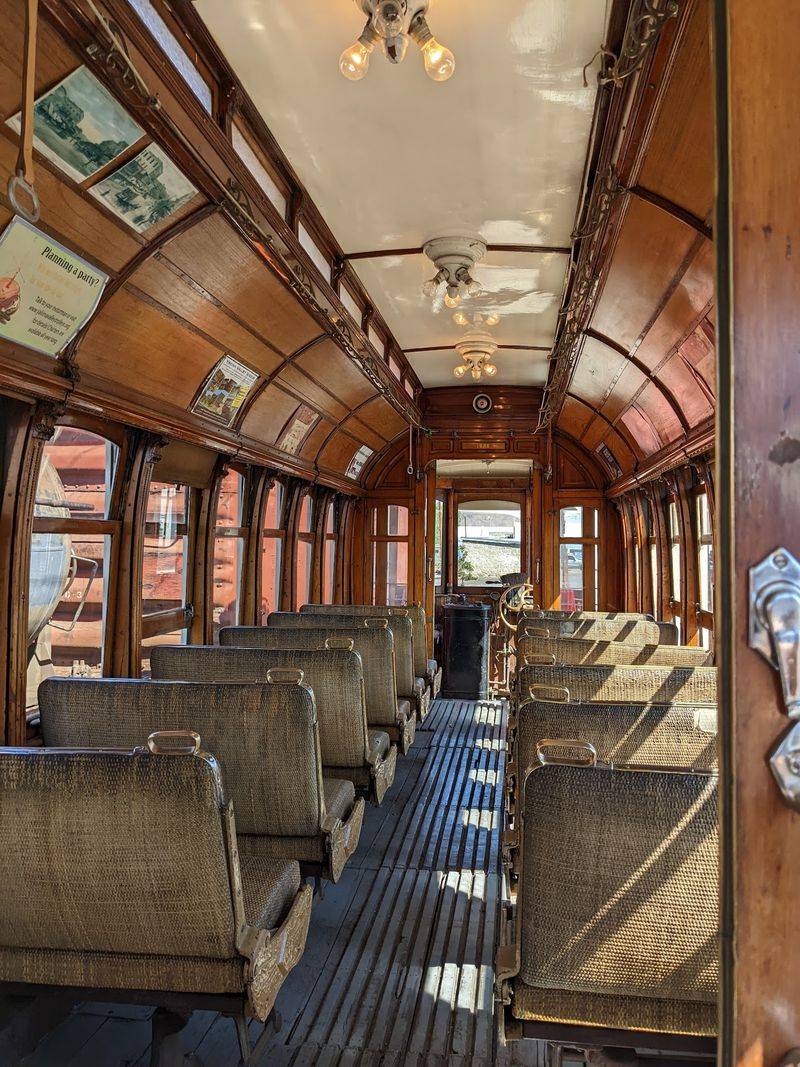
Click. That little sound kicks off every ride, because the motorman collects and punches paper tickets by hand.
It’s a small ritual, yet it sets the tone perfectly. Suddenly you’re not a tourist with a phone, you’re a passenger in another era.
Once everyone’s aboard, the streetcar eases forward on its electric power. The pace stays relaxed, so you can actually look around instead of gripping a seat.
Rides follow a set schedule during operating days. Arriving a little early gives you time to grab tickets and wander the exhibits first.
Little details make the trip memorable. Watch the trolley pole connect with the overhead wire, and listen for the bell before departure.
Kids usually press their faces to the windows. Adults tend to soak in the vintage fittings and wonder how anyone kept these machines humming so long.
On a misty day, the ride feels extra cozy. Rolling past wet streets in a century-old car has a storybook quality that’s hard to find elsewhere.
One caution for young riders, though. Some families wish the trip lasted longer, so set expectations for a short and sweet adventure.
Motormen Who Double As Comedians
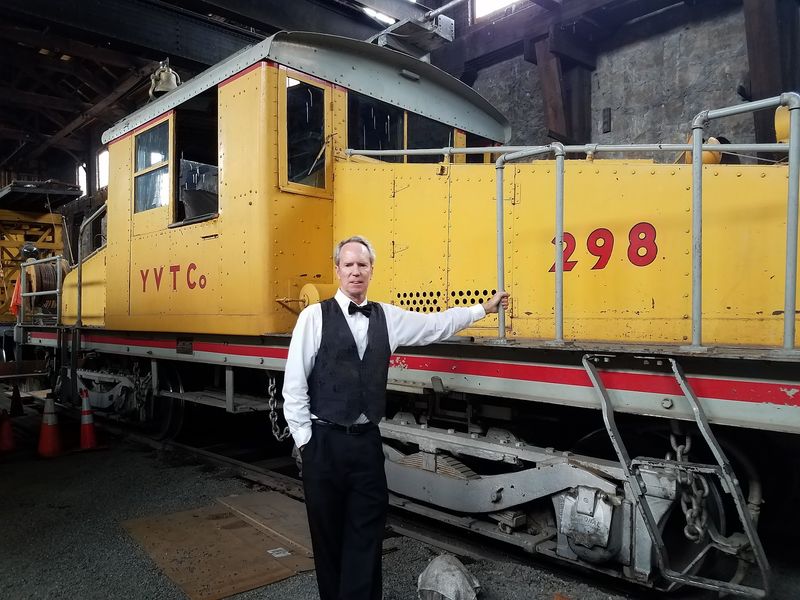
Expect to laugh more than you planned. The volunteer motormen have a reputation for quick humor and a seemingly endless supply of local trivia.
They don’t just drive. They narrate, tossing out fun facts about Yakima that even longtime residents may not know.
That mix turns a simple ride into a lively tour. You learn where things once stood, how the line operated, and why the trolleys mattered so much.
Preteens and teens are tough crowds, right? Families keep reporting that their older kids enjoyed the trip, which says plenty about the storytelling.
The crew’s enthusiasm feels genuine because it comes from volunteers. Nobody here reads from a script handed down by a corporate office.
Questions are welcome along the way. Ask about the controls, the overhead wires, or the oldest car, and you’ll likely get a detailed answer plus a joke.
I believe this human touch is the museum’s secret ingredient. Old machines are impressive, but people who love them make the visit memorable.
Back at the station, the gift shop team adds another friendly face. The warmth carries from the tracks right through the front door.
Exhibits Worth Lingering Over Between Rides
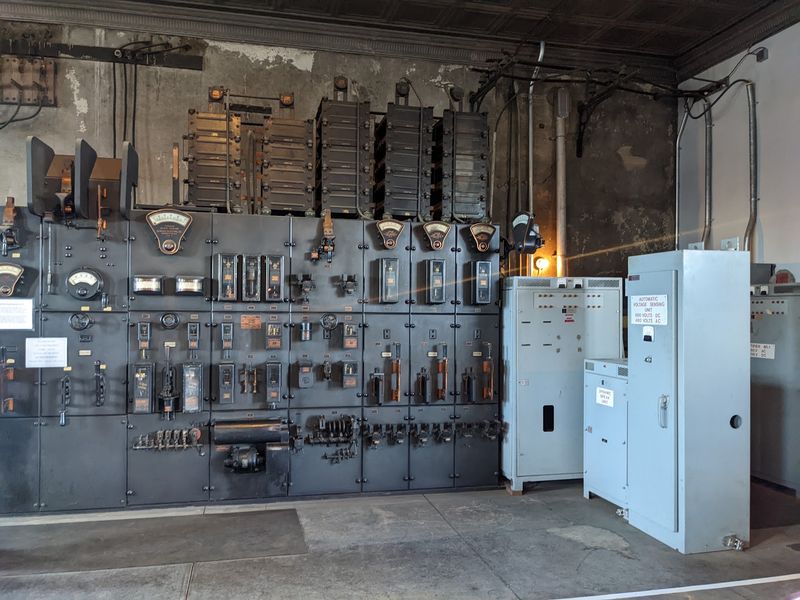
Rain tapping outside makes the museum building even more inviting. Inside, displays trace the story of Yakima’s electric railway from its earliest days.
Historic equipment fills the main space. Seeing the gear up close helps explain how electricity once powered an entire transit network.
Kids and adults both enjoy poking around here. Families often mention that exploring the museum was just as fun as the ride itself.
Volunteers on hand can fill in the gaps. Their knowledge runs deep, covering everything from engineering quirks to the valley’s growth.
Don’t rush this part. The exhibits give context that makes the streetcar trip far more meaningful afterward.
One staffer’s favorite feature? The pulleys, which hints at how much mechanical cleverness hides in plain sight.
A small gift shop rounds out the indoor experience. It’s a handy stop for a souvenir that helps support the nonprofit.
Plan your timing around the ride schedule. Browsing before boarding keeps restless little ones entertained while you wait.
For a drizzly Washington weekend, this indoor stretch is gold. You stay dry, learn something new, and still get a ride at the end.
A Peek Inside The Historic Car Barn
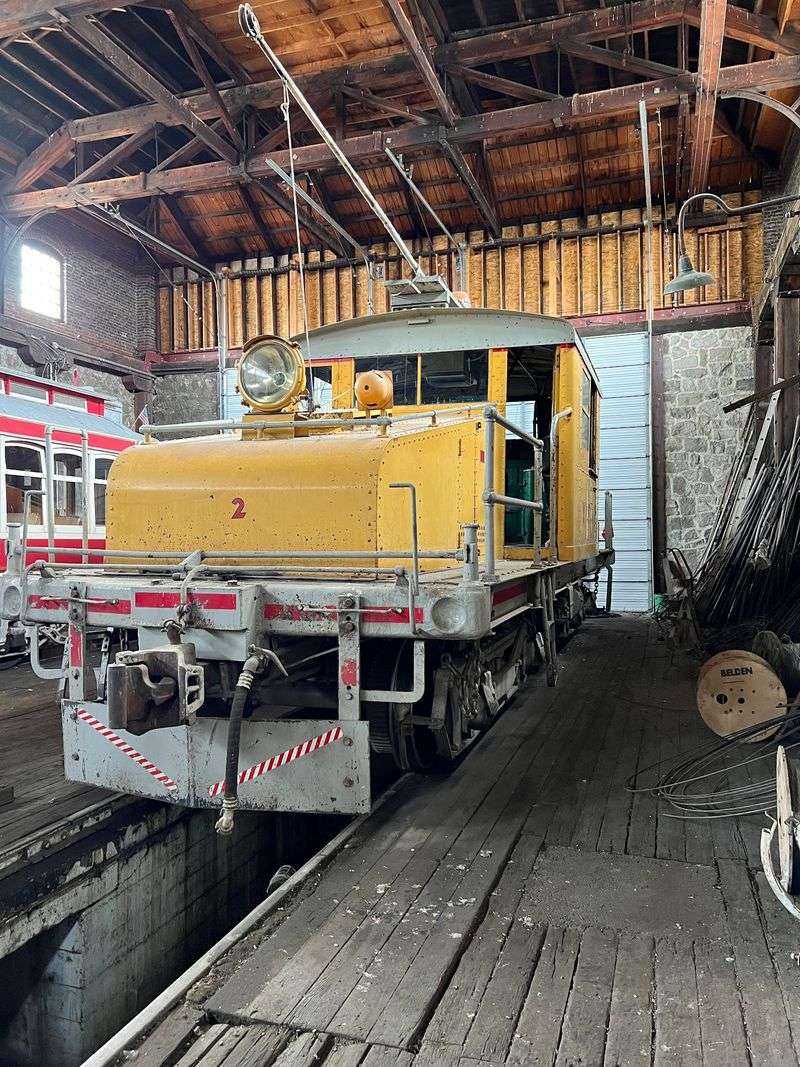
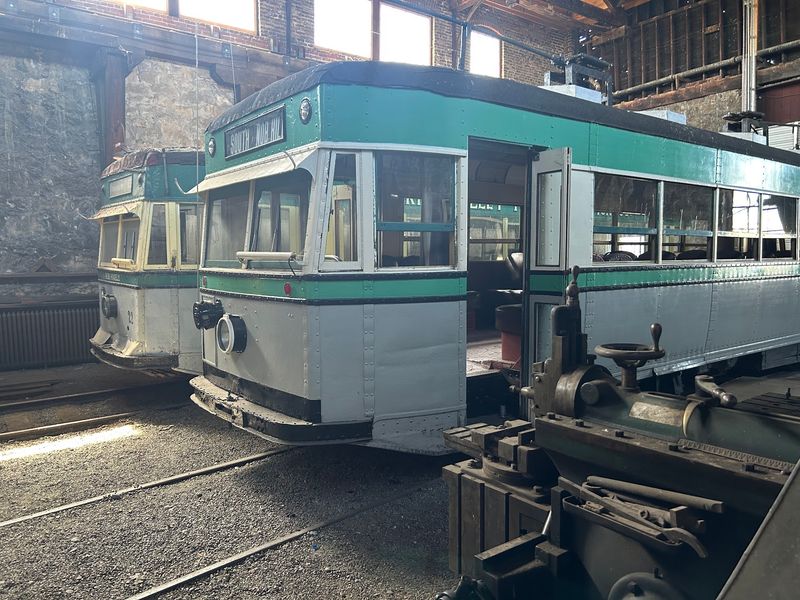
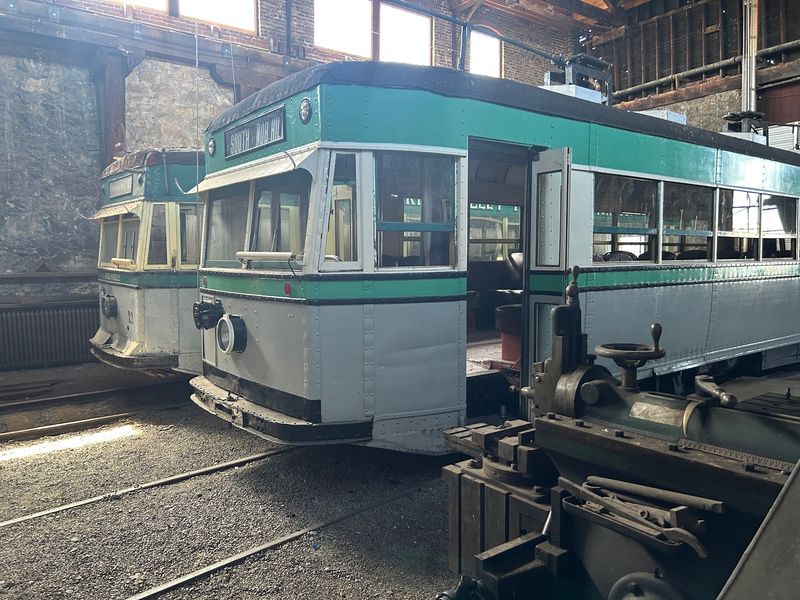
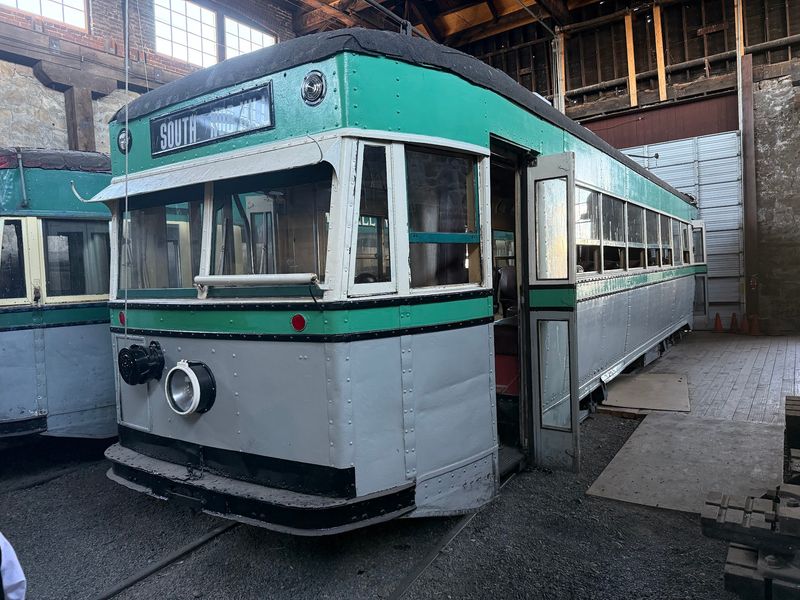
Behind the scenes, the car barn is where the real magic happens. This is where the railway cars are housed and maintained.
Rows of historic streetcars sit inside, each one waiting for repairs, restoration, or its next turn on the tracks. It’s a working space, not a staged showroom.
Guided visits have included walks through the barn. Seeing the cars at rest gives you a sense of their size and craftsmanship.
Restoration never really ends. The volunteer team keeps chipping away at projects to share more of the railway with the public.
That ongoing effort means the collection keeps evolving. A return visit might reveal progress on a car you noticed last time.
Machinery fans will feel right at home. Wheels, motors, and controls tell a story of hands-on repair that modern shops rarely see.
Curious about access on your visit? Ask a volunteer, since tours depend on staffing and daily operations.
Even a quick glance through the doors leaves an impression. Walking among these veterans of Washington transit feels like stepping through history’s back entrance.
The Volunteers Keeping The Wheels Turning
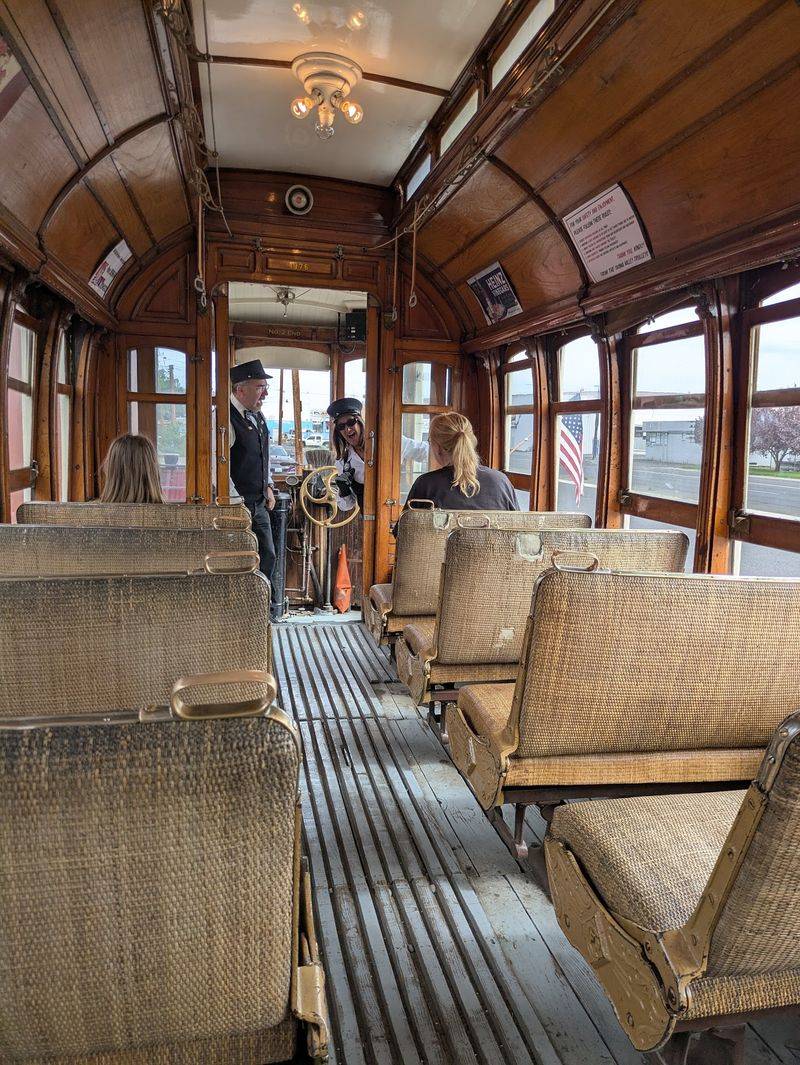
Every ride here exists because people choose to give their weekends away. Yakima Valley Trolleys runs on a small but dedicated volunteer crew.
They drive the cars, lead tours, staff the shop, and restore aging equipment. That’s a lot of jobs for a modest team.
Their passion shows in the details. Knowledgeable answers, friendly greetings, and plenty of humor come up again and again when families describe their visits.
Preservation is the bigger mission. The crew wants future generations to see and actually ride these streetcars.
Keeping century-old machines alive isn’t easy. Utility hiccups or mechanical issues can occasionally affect what runs on a given day.
Even then, the volunteers tend to make things work. Flexibility and hospitality seem baked into the culture.
Buying a ticket directly supports their efforts. Simply riding helps keep this slice of Washington history rolling.
Feeling inspired? Many heritage railways welcome new helpers, so asking about volunteer roles could be a rewarding next step.
I find it heartwarming that a community project powers something this special. The cars may be old, but the energy behind them feels refreshingly current.
Spooky, Bunny, And Santa Rides All Year Round
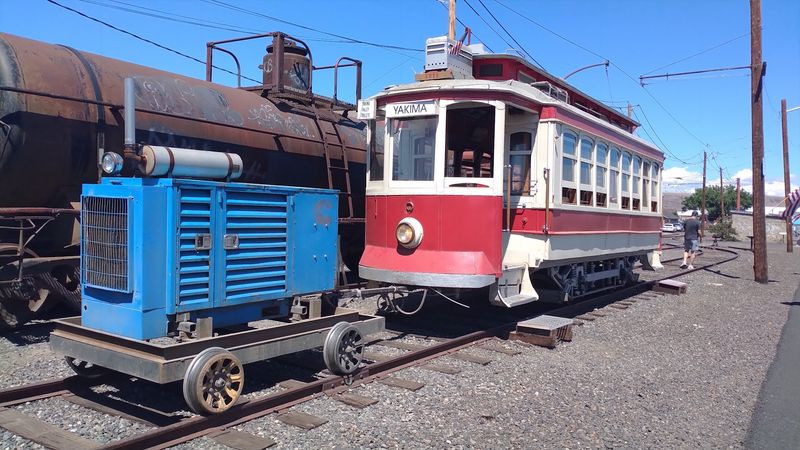
Santa on a streetcar sounds like a holiday card come to life. Christmas trolley rides are one of the museum’s seasonal treats.
Halloween brings its own themed trips. Families return year after year for the costumes, decorations, and playful spooky mood.
Easter rides have delighted younger riders too. A bunny-season outing on a historic trolley makes a sweet spring memory.
Summer remains the main riding season. Warm weekends bring regular trips for anyone wanting the classic experience.
These special events give locals a reason to come back often. Each season puts a fresh spin on the same beloved cars.
Grandparents especially enjoy sharing them with little ones. It’s the kind of tradition that bridges generations without any screens involved.
Event schedules can shift from year to year. Check the trolley organization’s announcements before planning around a specific holiday.
Dress for the weather, especially in late fall and winter. Yakima evenings can turn chilly, and cozy layers make the ride more fun.
Honestly, a Santa trolley might just become your family’s favorite December ritual. It beats waiting in a crowded mall line by a mile.
Big Family Fun On A Small Budget
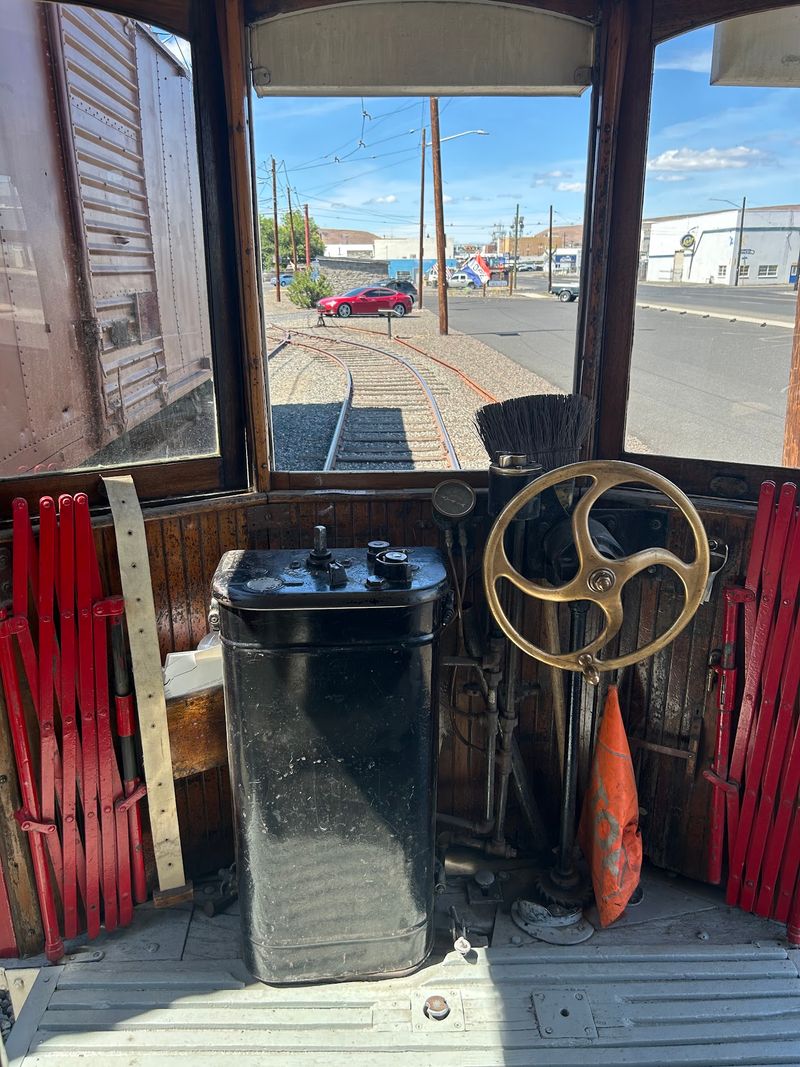
Bringing a whole crew out for the day usually drains the wallet fast. Here, families with several kids have found the trolley ride refreshingly affordable.
That makes it a smart pick for grandparents on a fixed income. It’s also great for parents juggling a tight weekend budget.
The appeal stretches across ages. Toddlers love the bell, teens enjoy the humor, and adults appreciate the history.
Families often describe it as one of their favorite museum-style outings in a long while. Some even drive across Washington, from places like Olympia, just to ride.
The pace suits everyone. Nobody needs to hike, climb, or race between attractions.
A relaxed schedule helps, too. You can tour exhibits, take a ride, and still have time for lunch downtown.
Prices can change, so confirm current fares before you go. Either way, the value feels strong for a hands-on historic experience.
I like that it doubles as a quiet lesson in preservation. Kids leave knowing their ticket helped keep something rare alive.
Memory-making doesn’t require a big splurge. Sometimes a century-old streetcar does the job beautifully.
What To Know Before You Roll Out
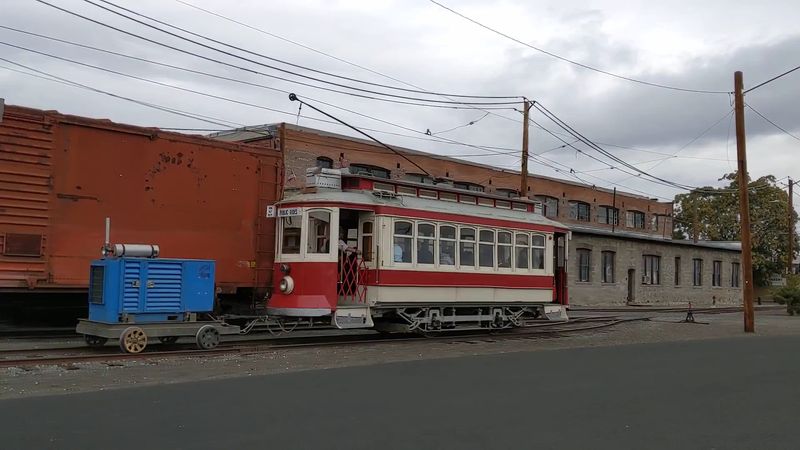
Weekends are your window. Yakima Valley Trolleys opens Saturday and Sunday from 9:45 a.m. to 3 p.m.
Monday through Friday, the doors stay closed. Plan accordingly so you don’t arrive to an empty lot.
Head to 306 W Pine St in Yakima. The museum sits close to downtown, making it simple to pair with other errands or meals.
Summer is the main season for regular rides. Holiday events fill in other parts of the year, so watch for seasonal announcements.
Operations can occasionally change because of maintenance or utility issues. A quick call or check of their social updates before leaving home is wise.
Arriving early helps. You’ll have time to buy tickets, browse exhibits, and catch a ride without rushing.
Bring a light jacket on cooler days. Comfortable shoes help too if you plan to explore the museum and grounds.
Private tours and charters have been offered as well. They could be fun for birthdays, school groups, or reunions.
Coming from Seattle or the Tri-Cities? Yakima makes a reasonable Central Washington day trip with a memorable payoff.
Why A Gray Weekend Belongs To The Trolleys
Cloudy forecast, restless kids, and nothing on the calendar. That’s the exact moment this little railway museum shines.
You get indoor exhibits, a real ride on antique equipment, and volunteers who make history funny. Few outings pack that much charm into a single stop.
Affordability seals the deal. Families and retirees alike can enjoy it without stressing over the bill.
Then there’s the bigger picture. Every ticket supports a group working hard to keep Yakima’s electric rail story alive.
Places like this don’t survive on nostalgia alone. They need riders, curious kids, and people willing to make the trip.
So is there a better rainy day? Maybe a nap comes close, but it won’t punch your ticket or crack a joke.
I believe the best outings leave you with a story to tell. A ride on a streetcar older than your grandparents certainly qualifies.
Washington has no shortage of big attractions. Still, this humble line in Yakima delivers something those flashy spots can’t.
Grab the family, check the weekend schedule, and climb aboard. The bell is waiting.