
11 July Events And Festivals Across Michigan That Make The Drive Worthwhile
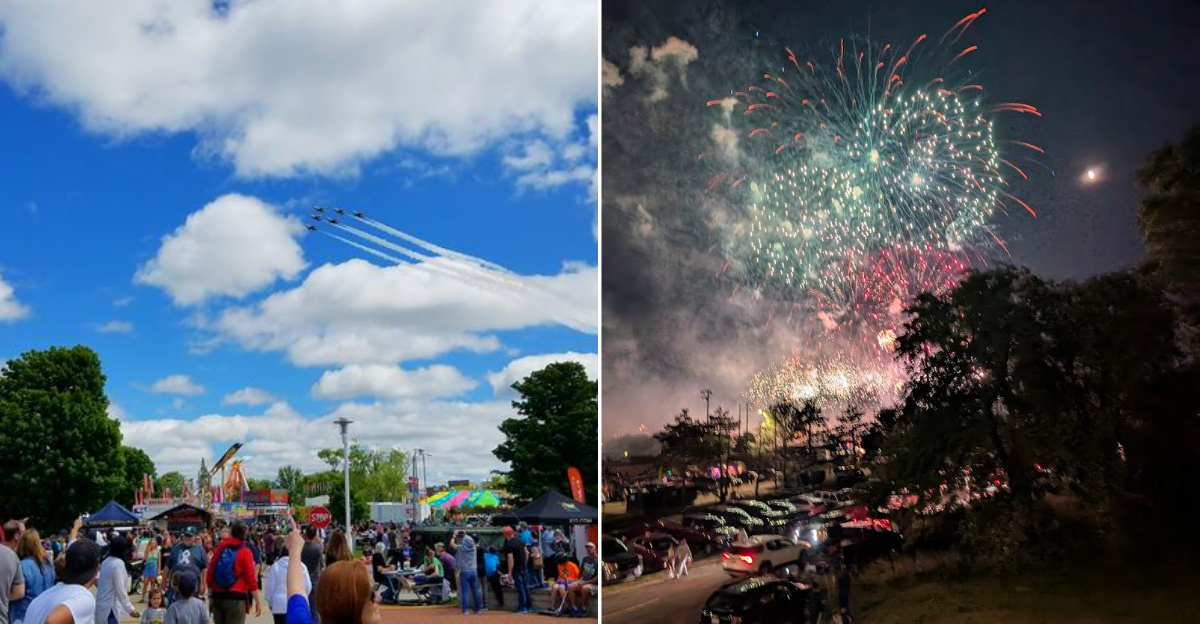
July in Michigan does not whisper. It rolls in with cherry parades plus alpine horn bands, with lavender fields you can smell from the parking lot and art fairs that take over entire downtowns for three straight summer days.
The best events this month pull you out of the house and into a crowd that is happy to be exactly where it is, whether that means standing along a river watching a small-town parade or walking beneath fireworks that light up the entire waterfront sky.
You can fill every single summer weekend from now through late August without repeating a single activity, plus the weather finally really cooperates long enough to make you completely forget what the wind chill felt like way back in February.
July redeems every frozen windshield from February across Michigan, plus every single event is worth the drive to get there.
11. National Cherry Festival, Traverse City
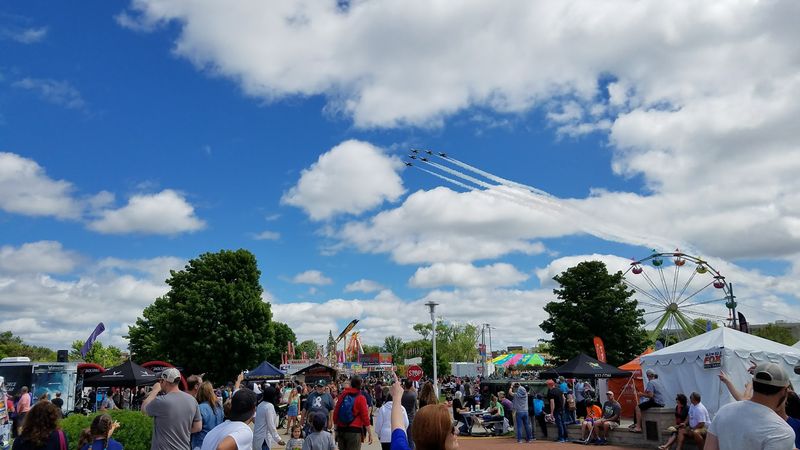
Traverse City in early July smells faintly of warm sugar and tart fruit, which is exactly why the National Cherry Festival feels so persuasive.
In 2026, the festival runs July 4 through July 11, filling Traverse City with parades, concerts, air shows, family activities, fireworks, and enough cherry-centered food to make the whole region feel organized around one fruit.
A dependable food stop is Grand Traverse Pie Company at 525 W Front St, Traverse City, MI 49684, where the cherry crumb pie tastes balanced rather than sugary, with bright fruit and a crust that keeps its structure.
That matters after a long wander through Open Space Park, where crowds, lake breeze, and cheerful excess can blur together if you do not pause for something specific.
The festival is rooted in the region’s cherry industry, and that agricultural confidence shows up everywhere, from pie counters to old-fashioned competitions.
You leave understanding why this corner of Michigan built an identity around one crop, and why a simple slice of pie can feel like the most convincing local argument of all.
10. Coast Guard Festival, Grand Haven
Some festivals are best understood by what you eat standing up, and Grand Haven’s Coast Guard Festival makes that case beautifully.
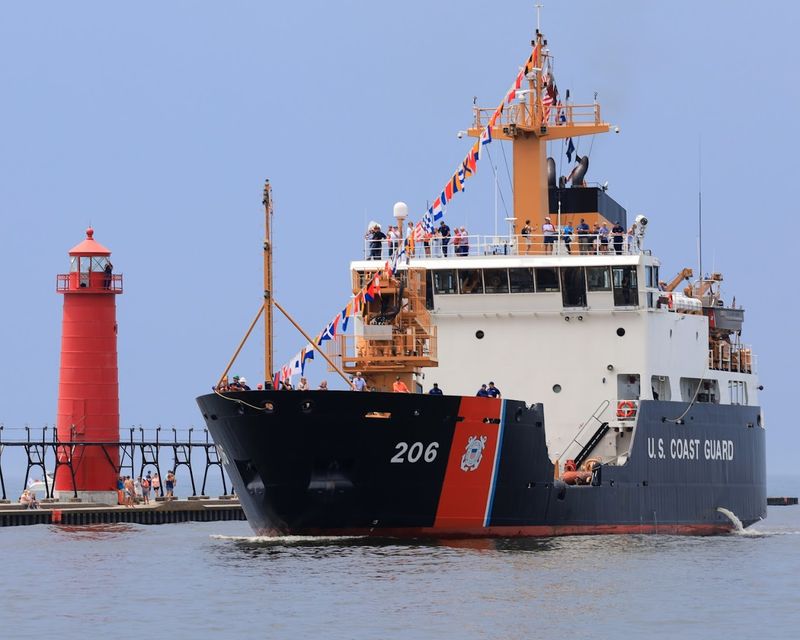
In 2026, the festival runs July 24 through August 2, giving the waterfront more than a week of ships, music, ceremonies, parades, and civic pride that feels earned rather than staged.
A classic stop is Pronto Pups at 20 S Harbor Dr, Grand Haven, MI 49417, where the famously crisp, slightly sweet corn batter and hot interior make perfect sense with the harbor breeze and the chatter of people moving toward the channel.
This festival honors Grand Haven’s long Coast Guard connection, and the maritime backdrop gives even ordinary snacks a ceremonial edge. You can watch the river traffic, catch the energy around the boardwalk, and then realize that the food worth remembering here is not complicated.
It is direct, local, and tied to summer habits people repeat year after year, which is often the strongest sign that a place has found its own flavor and kept it intact through generations of visitors.
9. Charlevoix Venetian Festival, Charlevoix
Charlevoix already looks like a summer postcard, but the Venetian Festival gives the town more motion, noise, and civic personality.
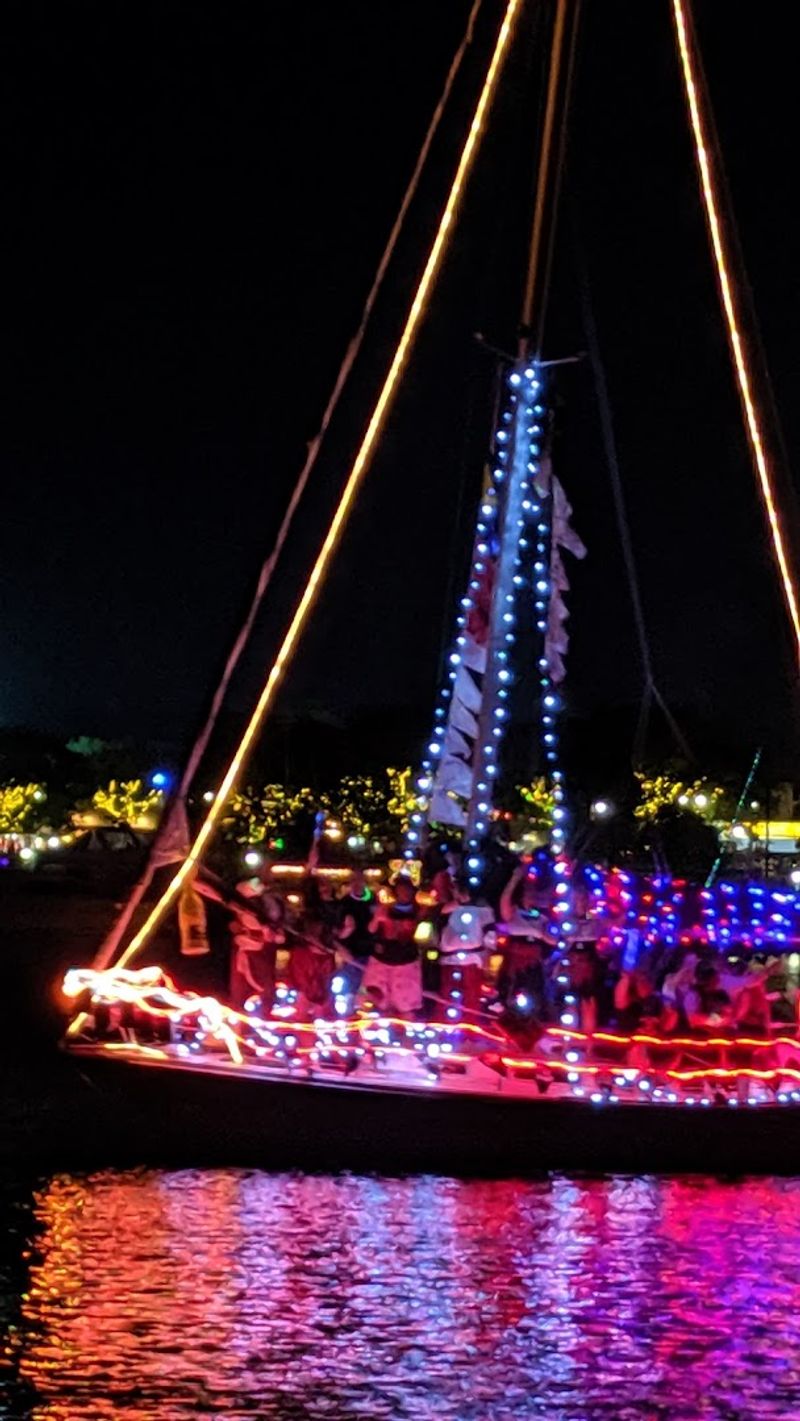
The 2026 festival runs July 18 through July 25, bringing concerts, fireworks, carnival activity, street and boat parades, athletic events, beachfront fun, vendors, buskers, and a waterfront setting that makes the whole week feel larger than the town itself.
The boat tradition gives the festival its strongest identity. Decorated boats, harbor views, and evening activity tie the celebration directly to Charlevoix’s relationship with the water.
That prevents the festival from becoming just another collection of booths and music. It has a reason to be where it is.
Terry’s Place at 101 Antrim St, Charlevoix, MI 49720, remains a practical food stop because it offers the kind of burgers, sandwiches, and comfort plates that make sense during a long day outside. You do not need delicate dining when you are moving between downtown, the waterfront, and festival activity.
The pleasure here is in letting Charlevoix become busier and less polished for a week, while still keeping the lake-town charm that brought you there in the first place.
8. Harbor Beach Maritime Festival, Harbor Beach
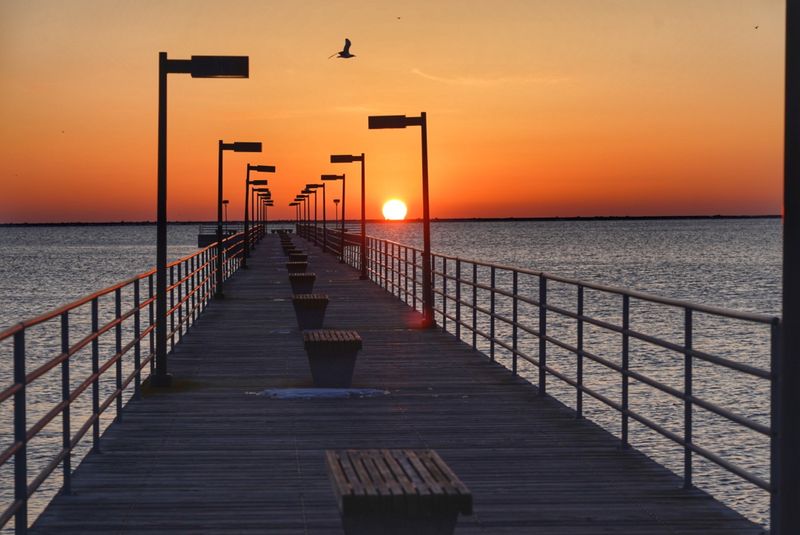
Along Lake Huron, the Harbor Beach Maritime Festival brings a relaxed waterfront rhythm to mid-July. The 2026 festival runs July 8 through July 12, turning Lincoln Memorial Park and the surrounding area into a family-friendly mix of music, boats, contests, carnival activity, food, and shoreline gathering.
It is the kind of event that feels rooted in place because the water is not just scenery; it is the reason the town has this identity at all.
The appeal comes from variety without overload. You can watch a cardboard boat race, listen to live music, wander past vendors, look toward the lighthouse, or simply sit near the water and let the festival move around you.
Harbor Beach has a quieter scale than Michigan’s bigger lake towns, and that helps the event feel more local than packaged.
Food does not need to be complicated here. Festival snacks, a simple fish fry, or a packed picnic can all fit the mood.
What matters most is staying long enough for the day to shift from bright beach-town energy into evening waterfront atmosphere.
7. African World Festival, Detroit
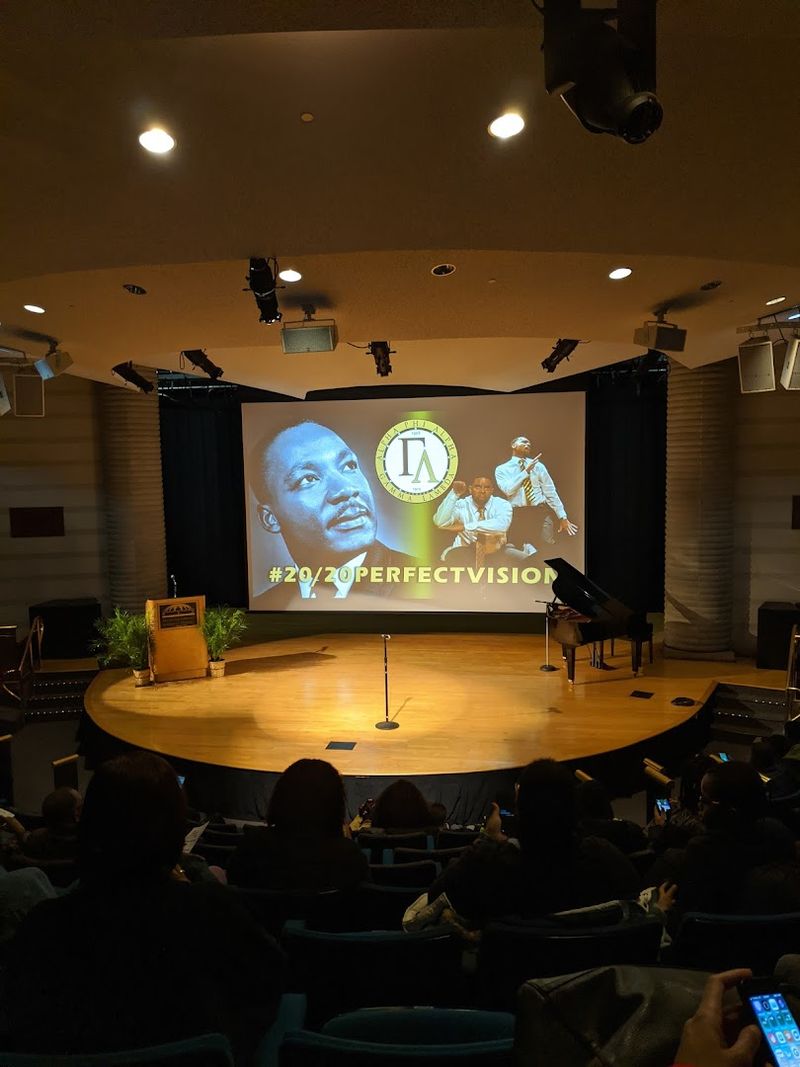
Inside Detroit’s cultural center, African World Festival brings a different kind of July energy. The 2026 event runs July 10 through July 12 at the Charles H.
Wright Museum of African American History, turning the museum setting into a three-day celebration of African Diaspora culture, music, history, community, vendors, and public gathering.
The location matters. This is not a random festival ground; it is tied to an institution built around memory, education, and cultural presence.
That gives the weekend more depth than a standard summer street event. Music, marketplace browsing, food, conversations, and performances all sit inside a larger frame of heritage and continuity.
A nearby meal in Midtown can stretch the visit into a full Detroit day, but the festival itself already gives you plenty to absorb. The African Marketplace is especially important because it lets the event move beyond entertainment into craft, entrepreneurship, and visible community exchange.
July festivals often lean on noise and heat alone, but this one offers something fuller: a reason to linger, listen, browse, and understand the city through culture rather than spectacle.
6. Blissfest Music Festival, Harbor Springs
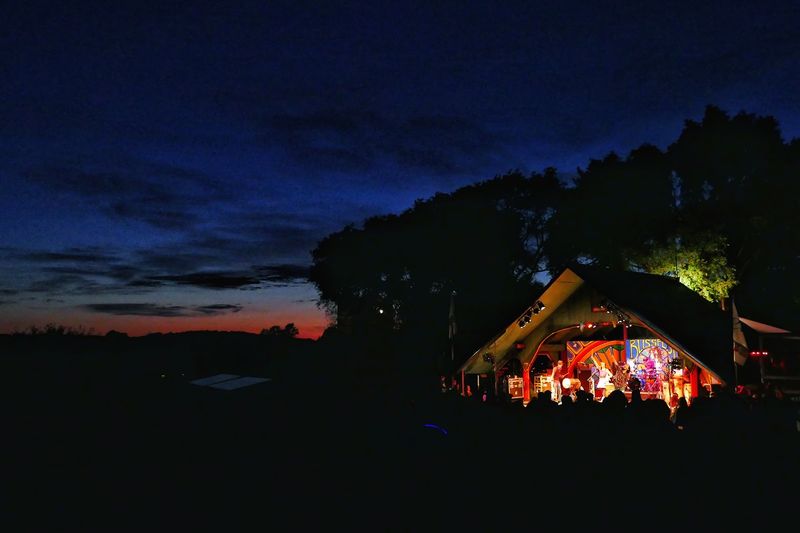
In northern Michigan, July 10 through July 12, 2026, belongs to Blissfest. Held near Harbor Springs, this long-running folk and roots music festival has the kind of atmosphere that makes people talk about weekends as if they were small temporary villages.
Music is the center, but the appeal spreads outward into camping, art, community, food, movement, and that particular open-air feeling that only happens when people choose to spend several days listening together.
The setting helps. Rural northern Michigan gives the festival room to breathe, so the music does not feel boxed in by concrete or traffic.
Folk, world, roots, and regional performers create a lineup that rewards wandering between stages rather than treating the day like one single headline act.
This is a good choice for travelers who want July to feel slower and more immersive. Instead of rushing from booth to booth, you settle into a field, follow the sound, and let the schedule carry you.
Bring comfortable shoes, water, sunscreen, and patience for festival pacing. Blissfest is less about checking off attractions and more about entering a shared rhythm for the weekend.
5. Gaylord Alpenfest, Gaylord
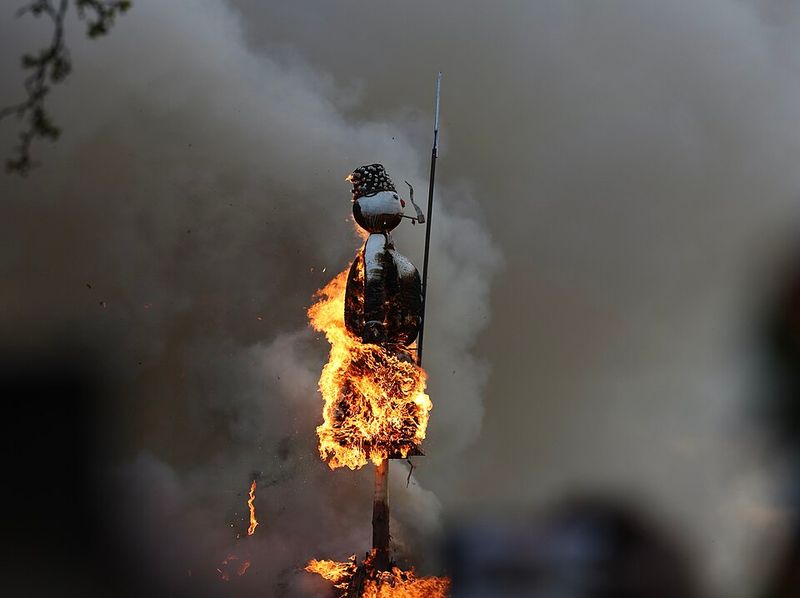
By mid-July, Gaylord leans fully into its Alpine Village personality. The 61st Annual Gaylord Alpenfest runs July 14 through July 18, 2026, filling downtown with parades, carnival rides, contests, live music, food, and traditions that give the event its own slightly eccentric charm.
The festival stands out because it does not feel interchangeable. Events like the Burning of the Boogg, the World’s Largest Coffee Break, stone throwing, and the Alpenfest Grand Parade give the week a specific local texture.
Plenty of towns hold summer festivals, but Gaylord’s version has a clear identity and enough odd little rituals to make the drive feel more memorable.
A downtown meal or snack break fits naturally here because the festival is built around walking, watching, and returning to the crowd. Sugar Bowl Restaurant is a classic nearby option if you want something steady before heading back into the activity.
The best way to experience Alpenfest is to accept the theme without overthinking it. Let the alpine details, summer heat, music, and carnival noise blend together. The result is cheerful, strange in the right way, and very Michigan.
4. Baldwin Troutarama, Baldwin, MI
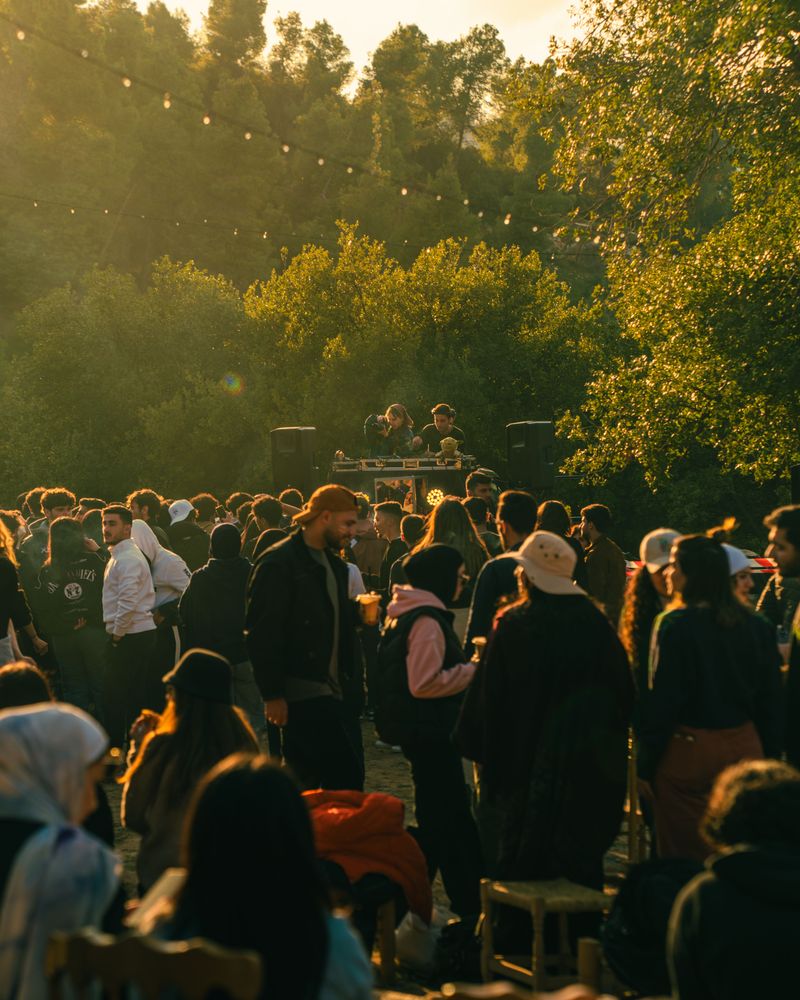
In Baldwin, the summer calendar bends around Troutarama. The 2026 festival runs July 15 through July 18, bringing carnival rides, contests, live music, vendors, family events, and the kind of small-town activity that works because it knows its own size.
It does not need to become a mega-festival to feel worthwhile. The name gives the event its local hook, but the pleasure is broader than fish alone.
Baldwin sits in a part of Michigan where rivers, trails, forests, and outdoor recreation already shape the visitor experience, so a July festival here feels like an extension of that landscape.
You can make the day about the event, or use it as the social center of a larger northern Michigan outing.
Food is part of the rhythm, whether you grab something from vendors or stop locally before heading back into the crowd. The festival is especially good for families because the activities are direct and easy to understand: rides, music, games, people-watching, and summer noise.
Troutarama works because it feels familiar without feeling generic, and because Baldwin’s outdoor character gives the celebration a real backdrop.
3. The Blue Water Festival, Port Huron
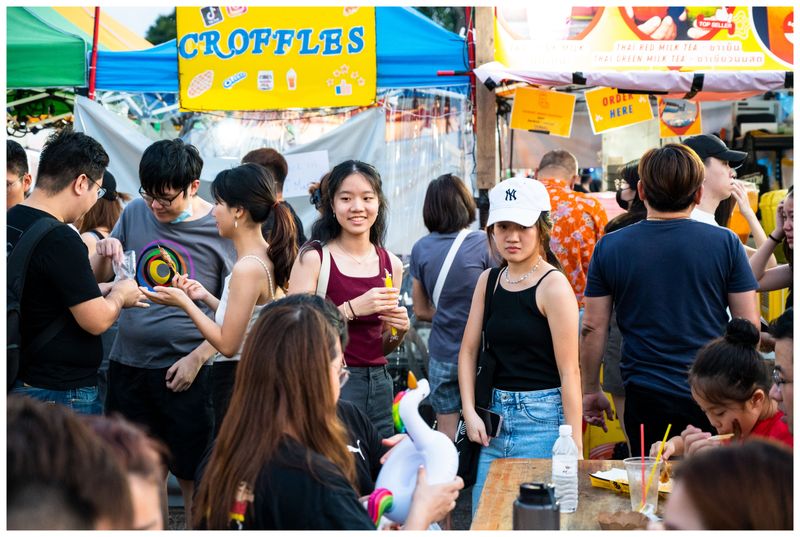
Port Huron’s Boat Weekend gives the Blue Water Festival a waterfront charge that is hard to fake. The 2026 event runs July 16 through July 18, with downtown Port Huron filling up around concerts, street activity, family events, vendors, and the larger excitement tied to the boating culture around the St. Clair River.
The setting does a lot of the work. Water, boats, bridges, crowds, and downtown movement all combine into a festival that feels active even when you are just standing still.
The Rotary International Day Parade helps kick off the week’s energy, and by the main festival dates, the city has that bright, busy feeling of a place fully turned toward summer.
This is the kind of event where food should be easy and portable. You want something that lets you stay in motion, because the best part is drifting between music, river views, street fair energy, and the conversations that gather around the boats.
Port Huron’s identity is inseparable from the water, and the festival uses that advantage well. It gives visitors a reason to see the city at its most animated.
2. Ann Arbor Art Fair, Ann Arbor
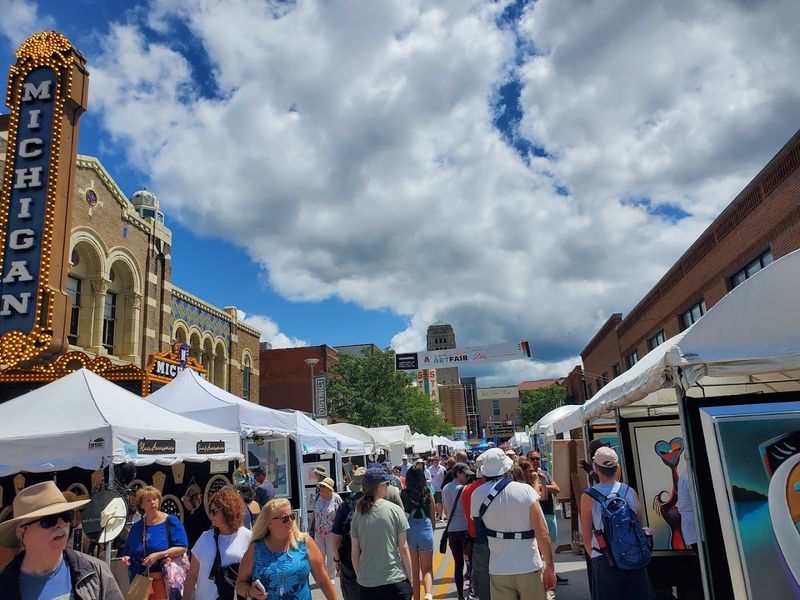
For three days in July, Ann Arbor becomes almost impossible to separate from art. The Ann Arbor Art Fair runs July 16 through July 18, 2026, spreading across downtown with artists, street performances, sidewalk sales, food, crowds, and a scale that turns casual browsing into a full-day commitment.
The size is part of the point. This is not a single neat row of booths in a park.
It takes over streets, pulls visitors through different fair zones, and creates the feeling that the whole city has become a walkable outdoor gallery.
Nearly every turn offers a different texture: ceramics, painting, jewelry, sculpture, photography, fiber work, and conversations with artists who are standing right beside the pieces.
Food breaks matter here because art fair fatigue is real. Zingerman’s Delicatessen or one of the many downtown cafes can help reset your energy before another round of walking.
The best strategy is not to see everything. Choose a starting point, let yourself wander, and accept that the fair is too large to conquer neatly. That looseness is what makes the day enjoyable instead of exhausting.
1. Michigan Brown Trout Festival, Alpena
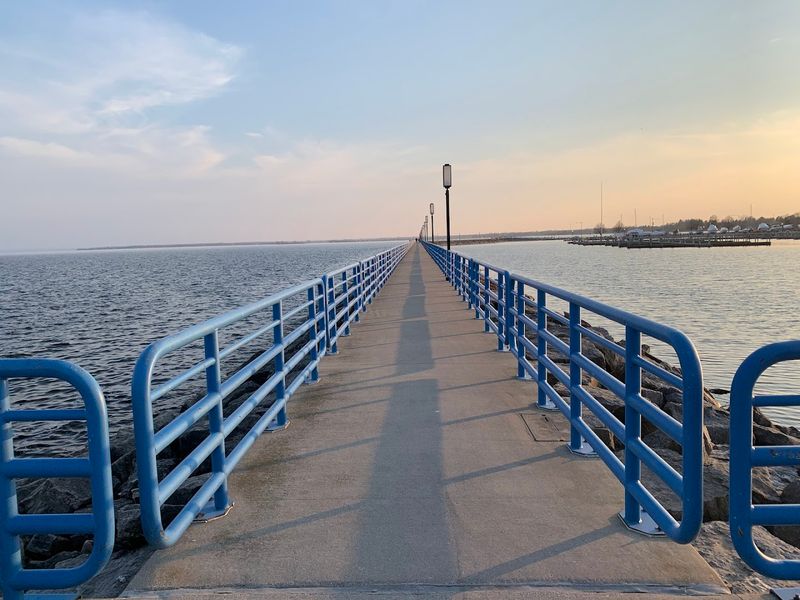
In Alpena, the Michigan Brown Trout Festival gives late July a practical, outdoorsy focus. The 2026 festival runs July 17 through July 26 at Alpena Small Boat Harbor, combining fishing tournaments, daily prizes, weigh-ins, live music, family activities, and the waterfront energy of Thunder Bay.
The event works even if you are not an angler. Watching a fishing town organize itself around the harbor has its own appeal, especially when boats, spectators, music, and food all gather around the same stretch of water.
The tournament structure gives the festival suspense, while the public activities keep it from feeling closed off to visitors who just want to enjoy the atmosphere.
A meal near downtown Alpena fits easily into the day, especially if you want something hearty after walking the harbor or watching weigh-ins. The festival is strongest when approached as both a sporting event and a community celebration.
It shows how deeply fishing culture still shapes life along Michigan’s Great Lakes shoreline. The result is not polished in a glossy way, but it feels real, active, and connected to the water right in front of you.