
9 Kansas City BBQ Traditions That Locals Refuse To Let Go
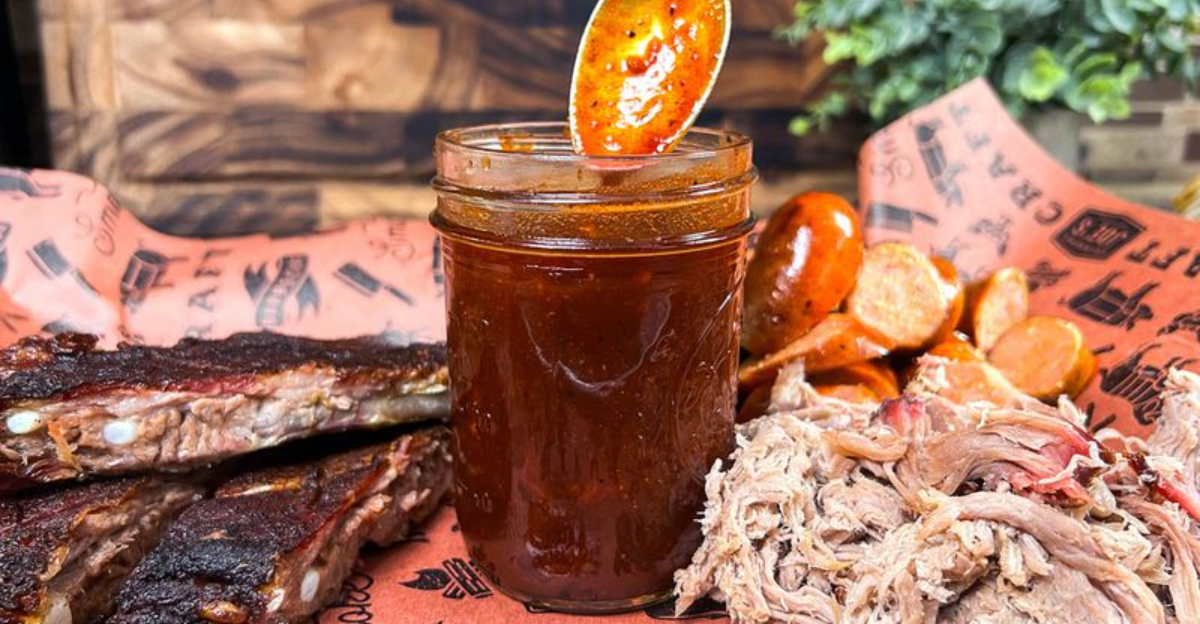
Kansas City barbecue isn’t just food — it’s our heritage, our family gatherings, and our city’s beating heart. As a born-and-raised KC native, I’ve witnessed smoky traditions unite neighbors around sauce-stained tables.
These nine customs aren’t merely techniques; they’re threads stitching our community’s fabric, taught by pit masters and backyard grillers alike.
From slow oak-and-hickory fires to ritual taste-tests, from rib tips at tailgates to burnt ends on payday Fridays, every habit tells a story. We argue lovingly about sauce, swap rubs, bless the smoke, and welcome newcomers with plates piled high. Because here, barbecue means belonging, memory, and home.
1. Low & Slow Smoking of Mixed Meats
My grandpa always said, “Rushing BBQ is like rushing a first kiss – bound to disappoint everyone involved.” Kansas City’s signature approach treats meat with reverence, smoking it at low temperatures (around 225°F) for hours upon hours.
Unlike other regions fixated on pork, we embrace diversity – brisket, ribs, chicken, turkey, and sausage all find their way into our smokers. The magic happens over real hickory or oak wood, never gas or electric shortcuts.
Arthur Bryant’s maintains this tradition religiously, their pitmasters arriving before dawn to tend fires. Joe’s Kansas City (formerly Oklahoma Joe’s) elevates the technique to competition standards, proving that patience transforms tough cuts into tender masterpieces.
2. Burnt Ends: The Crown Jewels
The first time I tasted burnt ends at Arthur Bryant’s, I nearly wept. These crusty, fatty cubes from the brisket point weren’t always menu stars – they started as scraps Arthur Bryant would give away free to waiting customers.
What began as pit master generosity evolved into KC’s signature delicacy. These twice-smoked morsels develop a candy-like exterior while maintaining a melt-in-your-mouth interior that defies barbecue physics.
Today, locals know the unwritten rule: order burnt ends early because they sell out fast. Joe’s Kansas City serves theirs only on Mondays and Saturdays, creating lines that form hours before opening – a testament to our willingness to suffer for barbecue perfection.
3. The Sweet-Tomato Sauce Symphony
“The sauce makes the boss,” my uncle always declared while stirring his secret recipe. Our thick, molasses-sweetened tomato sauce defines KC barbecue identity – rich, complex, and unapologetically sweet with subtle tang and spice.
What outsiders don’t appreciate is our sauce diversity. Gates Bar-B-Q’s classic sauce delivers that perfect sweet-spicy balance, while Arthur Bryant’s original offers a grittier, more vinegar-forward profile that cuts through fatty meats.
Most establishments serve sauce warm, on the side – never pre-slathered! This respect for the meat shows our confidence in both components. The sauce complements rather than masks, enhancing the smoke-kissed flavors in a harmonious marriage that’s distinctly Kansas City.
4. The Sacred Two-Step: Rub Then Sauce
Walking into my family’s backyard barbecues, I’d always find Dad applying his spice rub the night before – a ritual as sacred as prayer. KC pitmasters follow this two-step dance religiously: first seasoning with dry rubs, then smoking, and only adding sauce at the very end.
Our rubs typically feature brown sugar, paprika, garlic, and a dozen other spices, creating a bark (that crusty exterior) that’s practically edible gold. The sauce application timing matters tremendously – too early and it burns, too late and it doesn’t meld.
Jack Stack Barbecue maintains this tradition beautifully, allowing customers to appreciate both elements distinctly. This approach respects the meat’s journey through smoke while acknowledging sauce’s complementary role.
5. Side Dishes: Not Just Supporting Actors
“You can’t call it a proper KC barbecue without the sides,” my grandmother insisted, slapping down her famous baked beans alongside Dad’s ribs. Our barbecue culture elevates sides from afterthoughts to essential cast members in the meal’s performance.
Baked beans studded with burnt ends, tangy coleslaw that cuts through fatty meats, and seasoned fries that sop up sauce – these companions complete the barbecue experience. Jack Stack’s cheesy corn bake and loaded potato casserole showcase how seriously we take our accompaniments.
Even at humble joints like Gates, the beans receive the same attention as the meat. This comprehensive approach to the plate demonstrates our holistic view of barbecue as more than just smoked protein – it’s a complete, balanced experience.
6. No-Frills Serving Style
The first time I brought my college roommate to Arthur Bryant’s, he looked confused at the butcher paper, plastic forks, and cafeteria-style service. “Where’s the ambiance?” he asked. I laughed and pointed at the smoke-stained walls – “That IS the ambiance.”
KC barbecue joints proudly maintain humble presentations – meat served on butcher paper or cafeteria trays, eaten at communal tables often with plastic utensils. The counter service model creates a democratic experience where bankers and construction workers stand in the same line.
This unpretentious approach keeps the focus squarely on the food. The grease-stained walls at Arthur Bryant’s tell stories decades old, reminding us that barbecue’s soul thrives in simplicity, not sophistication.
7. The Community of the Queue
“HOW MAY I HELP YOU?” The booming greeting at Gates startles first-timers but makes me smile every single time. Standing in barbecue lines isn’t just waiting – it’s a Kansas City social institution where strangers become temporary friends united by hunger and anticipation.
Locals develop fierce loyalty to their preferred establishments, defending their choice with the passion usually reserved for sports teams. We don’t just eat at these places; we build relationships with them across generations.
Joe’s Kansas City’s gas station location sees lines forming an hour before opening, with customers sharing tips and recommendations. This willingness to wait demonstrates our belief that great barbecue transcends mere food – it’s a community experience worth suffering for.
8. Competition Culture: The American Royal
My first American Royal Barbecue competition felt like stumbling into a smoky Woodstock – hundreds of teams, each convinced their method was gospel. This event, the world’s largest barbecue competition, represents our competitive spirit and communal dedication to the craft.
The Royal brings together over 500 teams each October in a haze of smoke and friendly rivalry. Techniques are both guarded secrets and proudly shared wisdom, creating an evolving barbecue knowledge base that keeps our traditions vibrant.
Beyond trophies, these gatherings reinforce Kansas City’s barbecue identity. Competitors experiment while respecting foundations, ensuring our barbecue evolves without losing its soul. The camaraderie transcends competition, strengthening bonds between enthusiasts who speak the common language of smoke and fire.
9. Innovation Within Tradition
The first time I visited Q39, I was skeptical – exposed brick walls and craft cocktails alongside barbecue? But that first bite of their competition brisket silenced my doubts instantly.
Kansas City embraces barbecue innovation without abandoning core principles. Newer establishments like Q39 and Wolfepack BBQ introduce chef-driven techniques and presentation while maintaining fundamental smoking methods. This balance keeps our scene vibrant without sacrificing authenticity.
Chipotle-infused sauces, smoked jackfruit for vegetarians, and Korean-influenced rubs expand our barbecue vocabulary. These adaptations ensure Kansas City barbecue remains relevant while honoring its heritage. Our willingness to evolve while respecting tradition guarantees these smoky traditions will continue captivating future generations.