
Kansas Has A Town Where Swedish Charm Still Rules The Streets
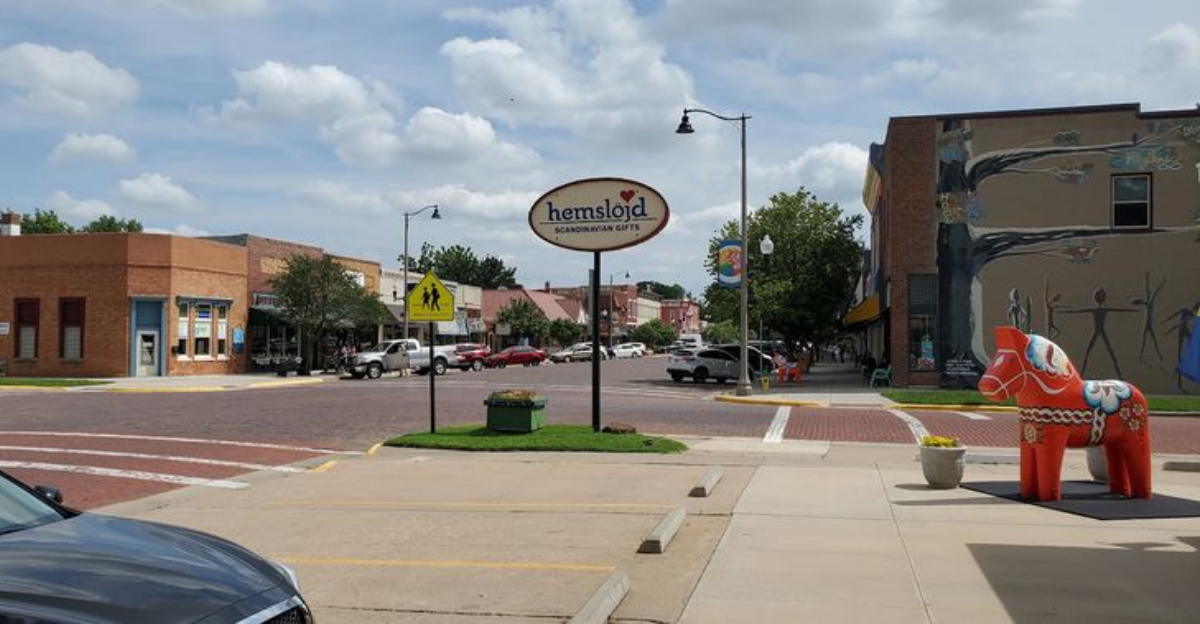
Sweden was not supposed to end up in Kansas. And yet, here it is. Blue-and-yellow flags flutter above brick storefronts.
Bright Dala horses guard the sidewalks. The smell of fresh pastries hangs in the air like temptation.
For a second, the prairie disappears and Scandinavia takes over. Founded by Swedish immigrants in 1869, this tiny town never watered down its roots. The traditions stayed.
The recipes stayed. Even the charm stayed.
Everything feels warm, colorful, and slightly storybook-like, as if a Hallmark movie collided with a Nordic postcard somewhere in the American Midwest. There is folk art. Music.
Cozy cafés. Enough personality to make you forget you are in Kansas at all.
Small town? Technically. Memorable? Absolutely.
The Wild Dala Horse Herd That Roams The Streets
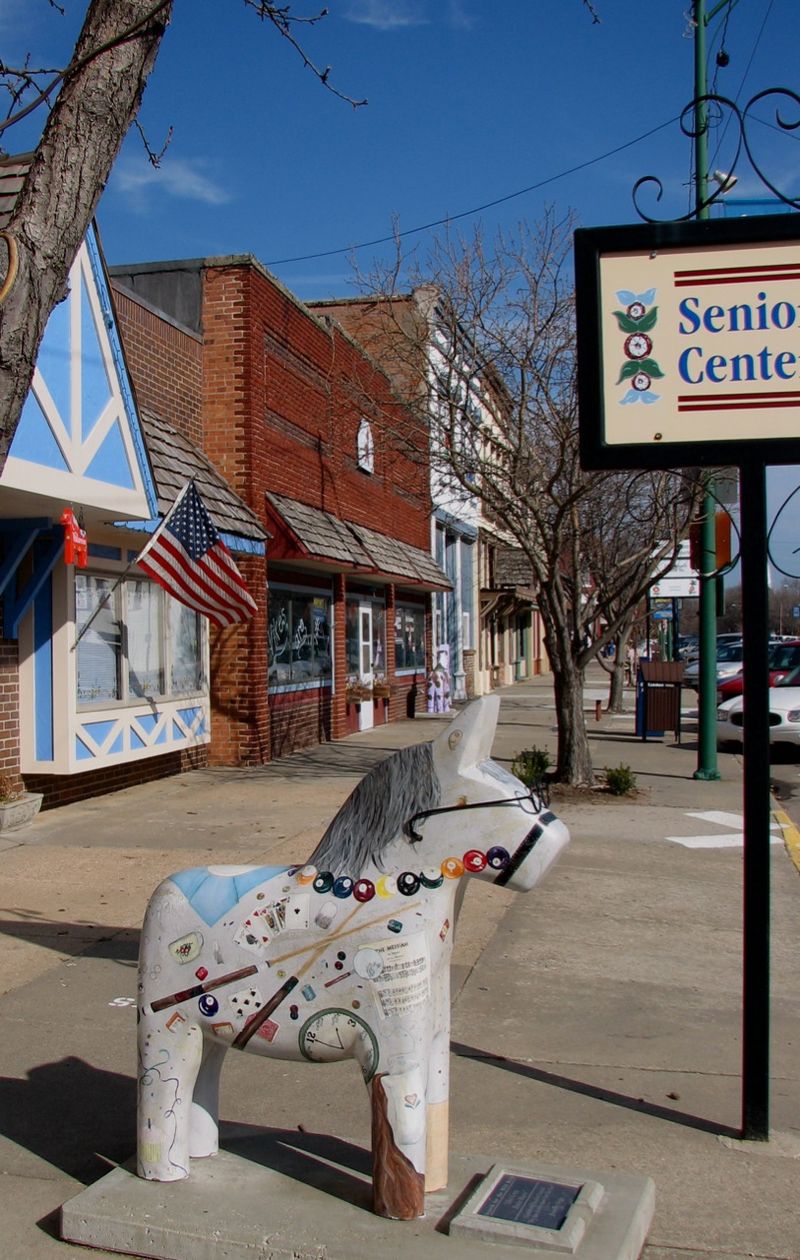
Forget garden gnomes. Lindsborg has something far more iconic lining its streets, and once you spot your first one, you cannot stop searching for the rest.
The Wild Dala Horse herd is a collection of over 35 uniquely painted Dala horse sculptures scattered throughout the community. Each one was decorated by a local artist, making every single horse a one-of-a-kind piece of folk art.
The Dala horse itself is a powerful symbol of Swedish culture, originally carved from wood in the Dalarna region of Sweden.
In Lindsborg, the tradition gets a colorful, community-driven twist. No two horses look alike, which makes hunting them down feel like the best kind of scavenger hunt.
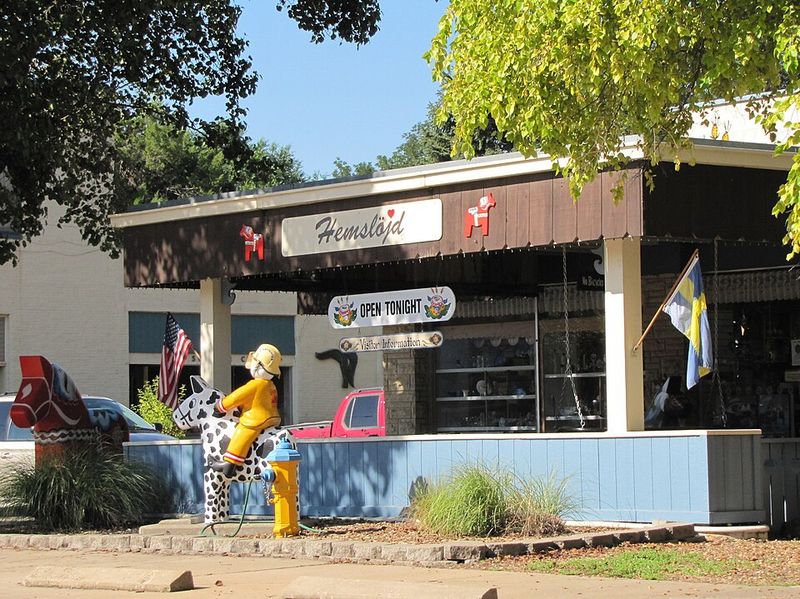
You can even watch these iconic horses being handcrafted at Hemslöjd, a local gift shop whose name literally translates to “handicraft” in Swedish.
The shop has been a Lindsborg staple for generations. Picking up a miniature Dala horse here is basically the most satisfying souvenir you will ever bring home from Kansas.
Trust that.
Svensk Hyllningsfest
Every other October, Lindsborg transforms into something straight out of a Swedish village celebration, and the energy is absolutely electric. Svensk Hyllningsfest, which translates to “Swedish Honoring Festival,” is a biennial event held in odd-numbered years.
It is one of the most genuine cultural festivals you will find anywhere in the American Midwest.
The festival pays tribute to the Swedish pioneers who built this community from the ground up. Folk dancing fills the streets, live music echoes between historic storefronts, and a lively parade winds through town with participants dressed in traditional Swedish costumes.
Arts, crafts, and a traditional smörgåsbord round out the experience beautifully.
What makes this festival stand apart from typical small-town fairs is how deeply intentional it feels. This is not a performance for tourists.
It is a living celebration of identity, memory, and cultural pride that the community genuinely cherishes. The smörgåsbord alone is worth planning your travel calendar around.
Swedes have been perfecting that spread for centuries, and Lindsborg honors that tradition with serious commitment and contagious enthusiasm.
Dancing Around The Maypole In Kansas
Picture this: it is a warm June Saturday in Kansas, and people are dancing around a flower-covered maypole while folk music plays in the background. No, you have not been transported to Scandinavia.
You are in Lindsborg, and the Midsummer’s Festival is in full swing. Held annually on the third Saturday in June, this celebration brings Swedish summer tradition straight to the prairie.
Midsummer is one of the most beloved holidays in Sweden, marking the longest days of the year with dancing, food, and community gatherings.
Lindsborg honors this tradition with craft demonstrations, traditional food vendors, and of course, the maypole dancing that draws smiles from everyone watching. It has a magical, almost storybook quality to it.
The festival is wonderfully accessible for first-timers. You do not need to know Swedish history or folk dance steps to feel completely welcome here.
The whole event has an open, joyful spirit that pulls people in naturally. Midsummer in Lindsborg is the kind of experience that makes you rethink everything you thought you knew about Kansas summers.
Lindsborg Old Mill And Swedish Heritage Museum
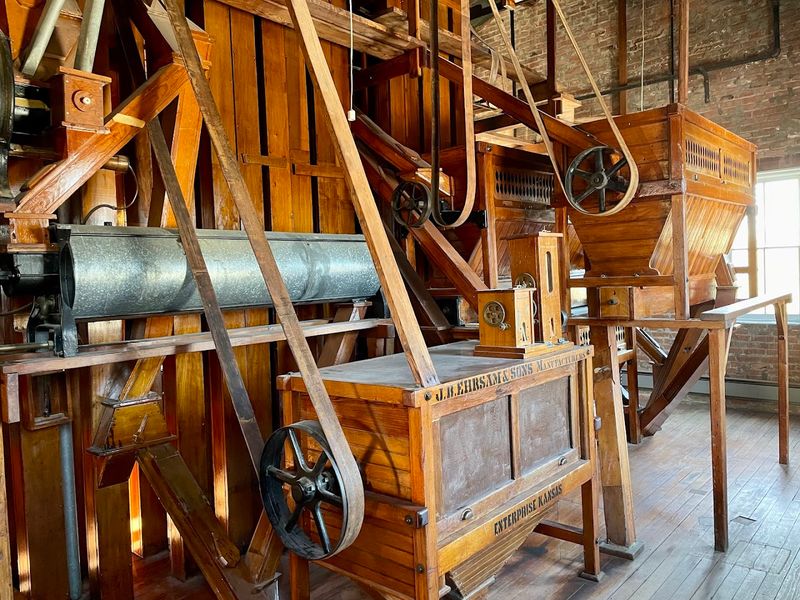
History has a way of hitting differently when it is housed inside an actual 1898 flour mill. The Lindsborg Old Mill and Swedish Heritage Museum is exactly that kind of place.
It sits along the Smoky Hill River and offers a genuinely immersive look at the pioneer life that shaped this community over 150 years ago.
Inside, exhibits trace the journey of Swedish immigrants from the Värmland province to the Kansas plains. The museum also features an 1870 Homestead Cabin, giving visitors a tangible sense of what early settler life actually looked like.
It is the kind of history that feels personal rather than distant, which makes it all the more powerful.
The mill itself is a beautifully preserved piece of industrial heritage. Walking through its wooden floors and looking at the original milling equipment, you get a real appreciation for how much ingenuity and grit went into building this town.
The museum gift shop is a solid bonus, stocked with books, Swedish crafts, and keepsakes that feel genuinely meaningful rather than mass-produced. This stop is a must.
Birger Sandzén Memorial Art Gallery
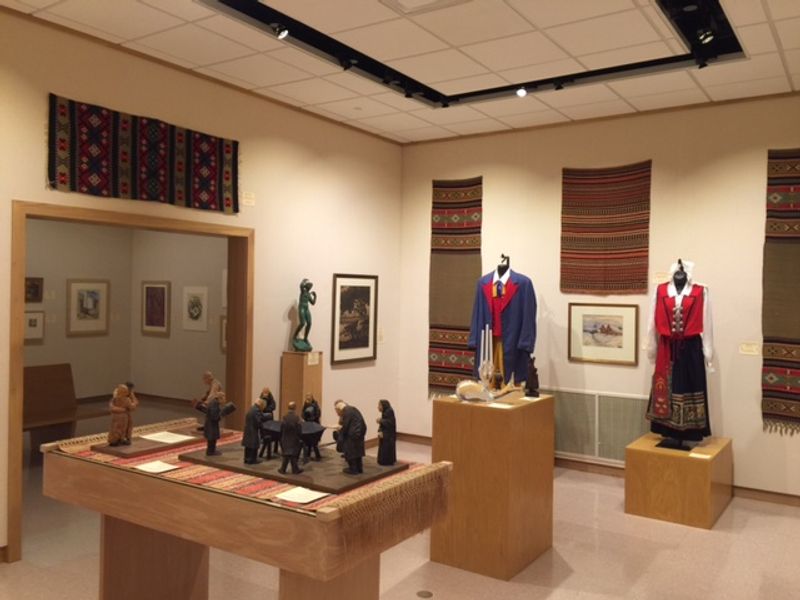
Art lovers, this one is going to make your day. Tucked onto the campus of Bethany College, the Birger Sandzén Memorial Art Gallery is a genuine cultural treasure hiding in plain sight on the Kansas prairie.
Birger Sandzén was a Swedish-born artist who immigrated to Lindsborg in 1894 and spent decades painting the American landscape with a bold, expressive style that feels almost electric.
His work draws comparisons to Van Gogh in its vivid use of color and thick, confident brushstrokes. The gallery holds a significant collection of his paintings, prints, and drawings, along with rotating exhibitions from other artists.
It is the kind of art space that makes you linger far longer than you planned.
Admission is free, which somehow makes the experience feel even more generous. The gallery has been a cornerstone of Lindsborg’s cultural identity since 1957.
Sandzén taught at Bethany College for over 50 years, shaping generations of artists and leaving a creative legacy that still pulses through the town today. Walking through these galleries, you feel that legacy in every brushstroke on every wall.
A World’s Fair Relic With A Kansas Home
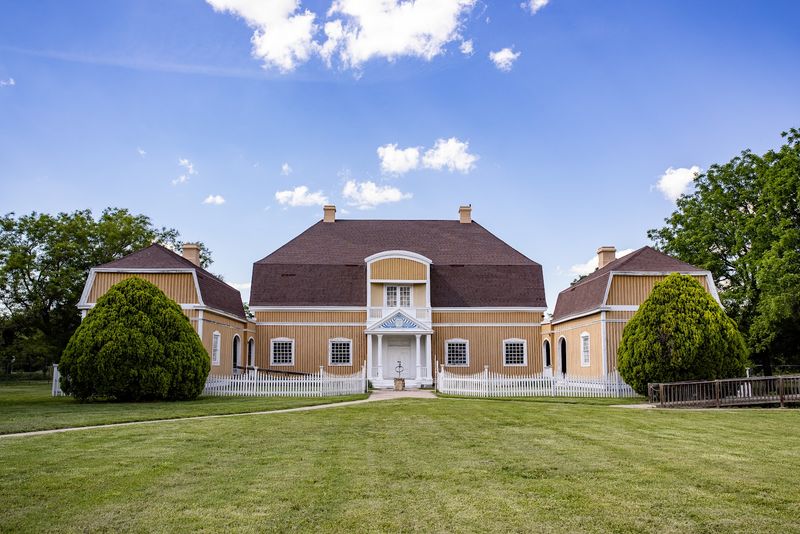
Not many towns can say they own a building that once stood at the 1904 St. Louis World’s Fair, but Lindsborg is not most towns.
The Swedish Pavilion was originally constructed for that legendary international exposition and later purchased and gifted to Bethany College, where it has lived ever since. That backstory alone is enough to make it worth a visit.
The pavilion reflects traditional Swedish architectural style and serves as a cultural gathering space for events and exhibitions on campus. It is a beautifully preserved piece of history that connects Lindsborg directly to a broader global story about Swedish culture and identity in America.
Standing in front of it, knowing it traveled from a World’s Fair to a small Kansas college campus over a century ago, gives you a genuine sense of wonder.
These are the kinds of stories that make small towns endlessly fascinating. Lindsborg has a remarkable ability to hold onto meaningful things, and the Swedish Pavilion is living proof of that.
History is not just preserved here. It is actively celebrated and woven into everyday life.
A Sandstone Castle On A Kansas Bluff
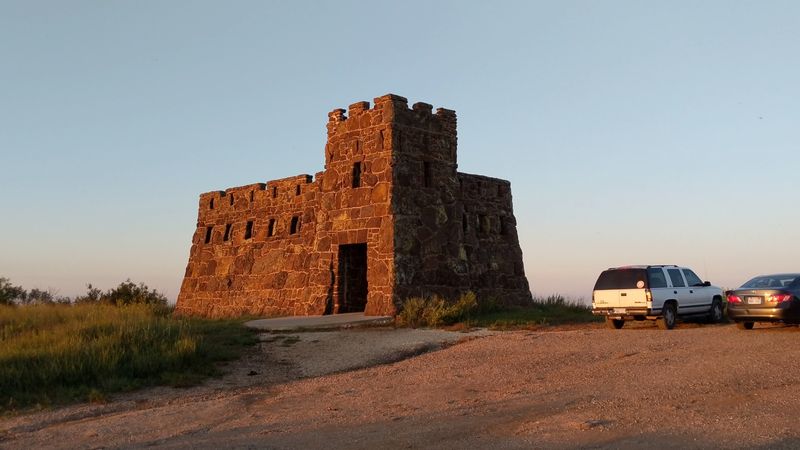
A sandstone castle perched on a bluff overlooking the Kansas plains sounds like the opening line of a fantasy novel, but Coronado Heights is completely real. Located just northwest of Lindsborg, this scenic spot sits atop a prominent hill in the Smoky Hills region and offers some of the most sweeping views you will find anywhere in central Kansas.
The site gets its name from Spanish explorer Francisco Vasquez de Coronado, who is believed to have passed through this area during his 1541 expedition searching for the legendary city of gold known as Quivira.
Whether or not he stood on this exact bluff, the legend adds a wonderfully dramatic layer to an already striking landscape.
The sandstone structure at the top was built during the 1930s and serves as a perfect picnic spot and lookout point. Sunsets here are the stuff of postcards.
The drive up is easy enough, and the view rewards every bit of effort. Coronado Heights is the kind of place that reminds you how unexpectedly beautiful the Great Plains can be when you actually stop and look around.
Smoky Valley Bakery And Swedish Sweets Worth The Drive
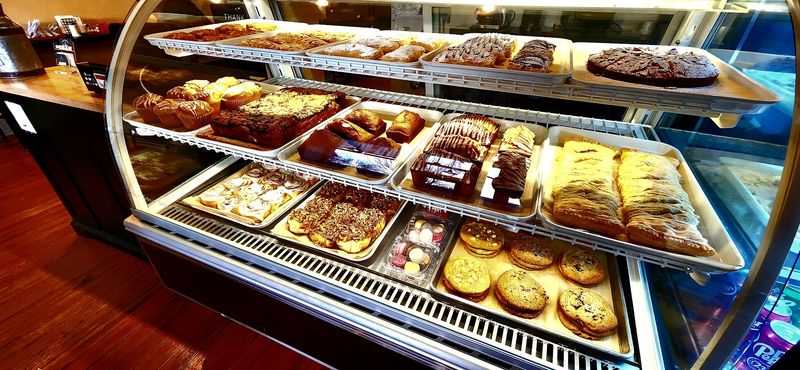
Some places you visit for the history. Some you visit for the scenery.
And some you visit because the pastries are so good they haunt your dreams for weeks afterward. Smoky Valley Bakery in Lindsborg falls firmly into that last category.
This beloved local spot has been feeding the community and delighting visitors with freshly baked goods that carry a distinctly Swedish-inspired flair.
Walking in, you are greeted by the kind of warm, buttery aroma that makes every food decision feel urgent and important.
Swedish cardamom rolls, hearty breads, and sweet treats line the cases, and everything is made with the kind of care that mass-produced baked goods simply cannot replicate. This is comfort food with cultural roots.
Lindsborg’s food scene as a whole reflects its heritage in genuinely satisfying ways. Crown Café and Anderson Butik also offer Swedish-influenced bites and specialty gifts that round out the culinary experience downtown.
But the bakery has a particular magic to it. It is the kind of neighborhood spot that feels like it belongs in a Swedish village, except it is sitting right here in the Kansas heartland, doing its delicious thing daily.
Where Lindsborg’s Story Began
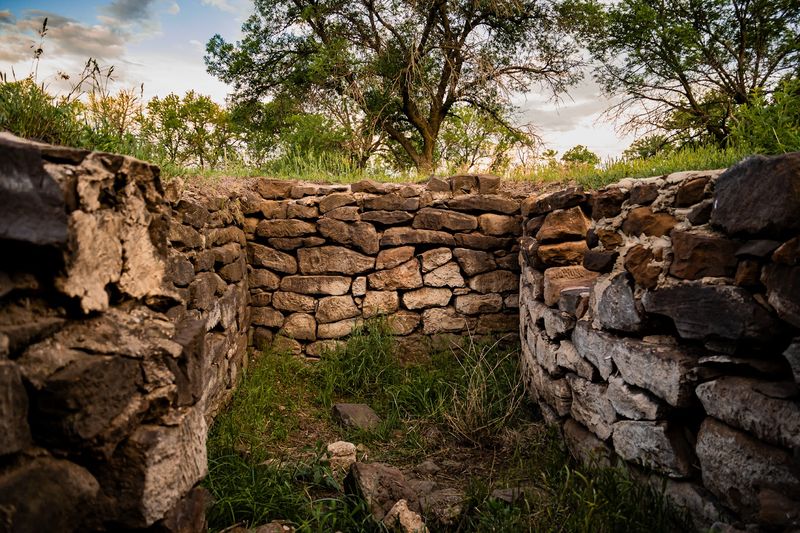
Before the Swedish-themed shops, the painted Dala horses, and the World’s Fair pavilion, there was a dugout carved into the Kansas earth by people who had nothing but determination and hope.
The Höglund Dugout, dating back to 1868, is one of the oldest surviving structures in the Lindsborg area and one of the most quietly powerful historical landmarks in the entire state.
Early Scandinavian settlers built dugout homes like this one as their first shelter on the open prairie. Sod and earth provided insulation against harsh winters and scorching summers.
Life here was raw, demanding, and far from anything these immigrants had known back in Sweden. Yet they stayed, built, and created a community that still thrives over 150 years later.
Visiting the Höglund Dugout puts everything else in Lindsborg into perspective. The festivals, the art galleries, the museums, they all trace back to the grit of those first arrivals who dug into the ground and called it home.
This humble little structure is the origin story of Little Sweden USA. And honestly, knowing where something truly began makes every colorful, joyful part of Lindsborg feel even more meaningful.
Have you ever found history this moving in a place you least expected?