
11 Kansas Small Towns That Surprise Visitors With Their Charm And History
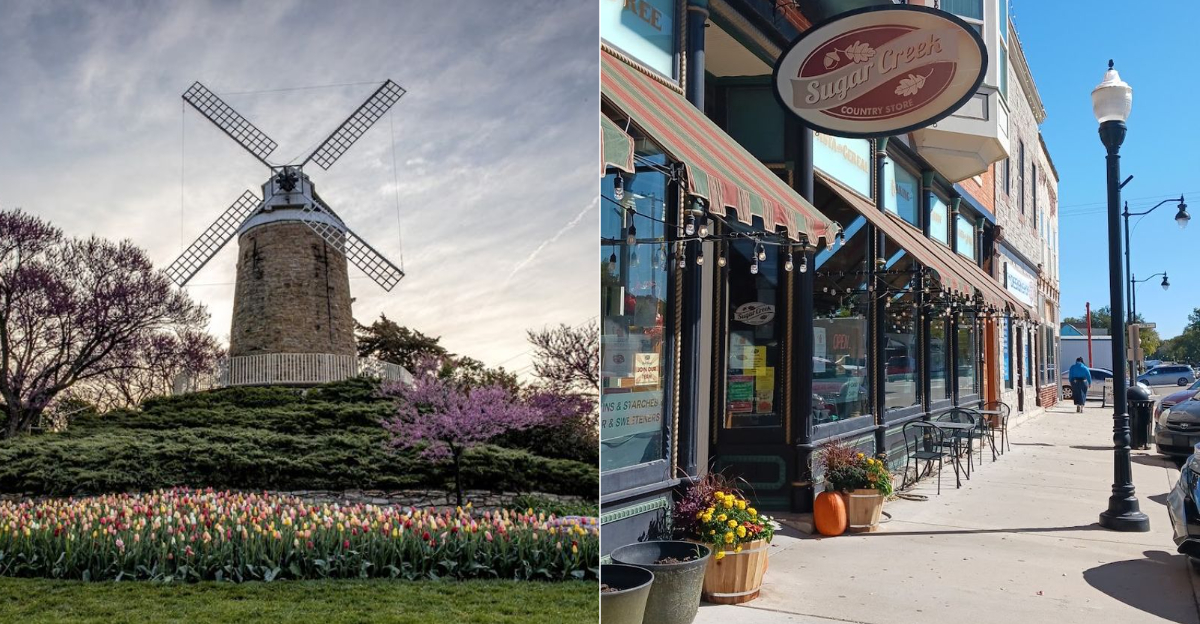
Big cities may steal the headlines, but small towns usually steal the heart. Kansas is full of places where historic main streets, friendly faces, and unexpected attractions make it easy to slow down and stay awhile.
Blink, and you might miss them. Stop, and you’ll discover stories, local traditions, and hidden gems that have been quietly waiting for curious travelers.
Every town has its own personality. Some are rich in Wild West history, others charm visitors with beautiful architecture, quirky museums, or festivals that bring the whole community together.
One thing they all have in common?
They prove you don’t need skyscrapers or packed tourist attractions to create unforgettable memories.
These Kansas small towns deliver plenty of character, fascinating history, and the kind of warm welcome that keeps visitors talking long after the road trip ends.
1. Abilene
Abilene is the kind of town that makes you feel like you have accidentally walked onto a movie set, except everything here is completely real. This city was once the roaring endpoint of the Chisholm Trail, where cattle drives and cowboys made history in the dusty Kansas sun.
The energy of that era still lingers in every corner.
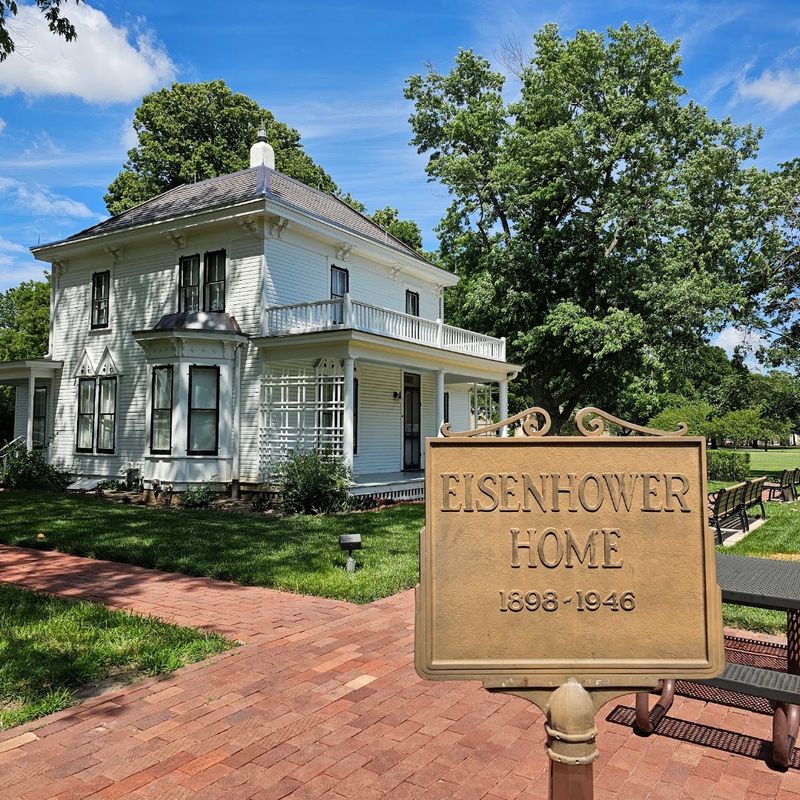
The Eisenhower Presidential Library, Museum, and Boyhood Home is the crown jewel of Abilene. It honors the 34th President, Dwight D.
Eisenhower, with exhibits that genuinely move you. Walking through his childhood home feels surprisingly personal and grounding.
History lovers should not skip the Historic Seelye Mansion, a stunning Georgian-style estate filled with treasures from the 1904 St. Louis World’s Fair.
A 120-year-old wooden bowling alley inside the mansion is one of those details you simply cannot make up. The Abilene and Smoky Valley Railroad offers a two-hour steam locomotive journey that is the only one of its kind in Kansas.
Old Abilene Town recreates frontier life with longhorn cattle drives and staged performances. Abilene rewards curious travelers with one incredible discovery after another.
2. Lindsborg
Walking into Lindsborg feels like someone quietly whispered Sweden into a Kansas wheat field, and it worked beautifully.
Known as Little Sweden USA, this McPherson County gem celebrates its Scandinavian roots with a contagious enthusiasm that pulls you right in. Swedish immigrants planted their culture here in the 1860s, and it has never stopped blooming.
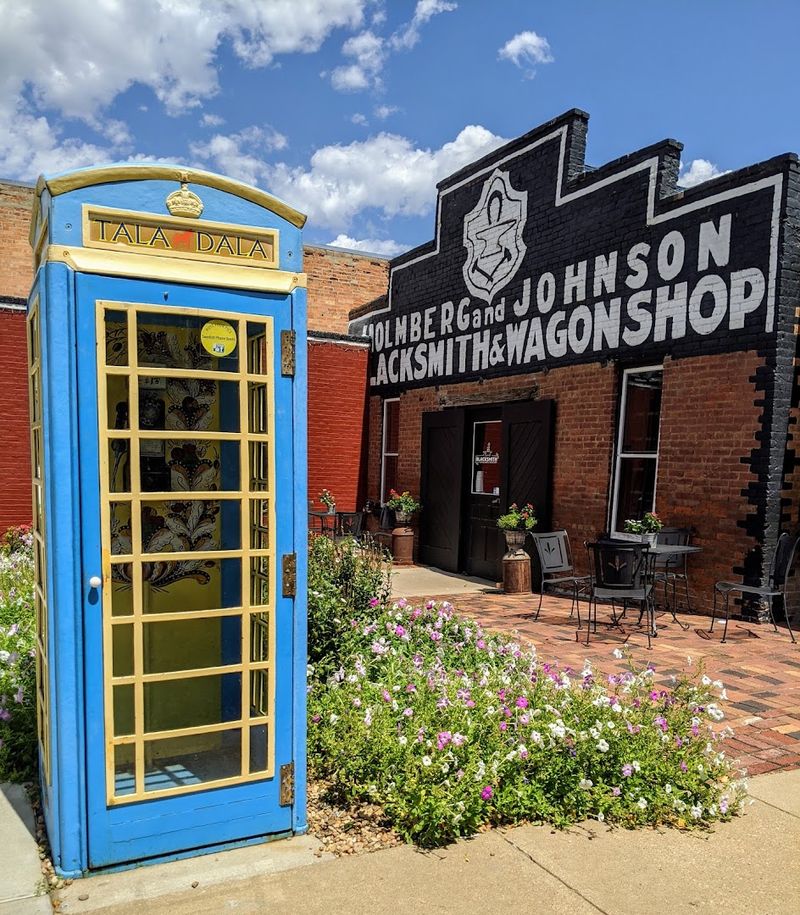
The famous Dala Town project fills the streets with hand-painted Dala horses, each one unique and bursting with color
. A community art project turned into a full-on treasure hunt, and a map helps visitors track down every wild horse scattered across town.
Coronado Heights adds a dramatic backdrop with panoramic views and a stone castle built by the Works Progress Administration.
The Old Mill Museum is where history gets cozy, housing an 1898 flour mill alongside early settler artifacts. The 1904 Swedish Pavilion from the St. Louis World’s Fair sits on the grounds and genuinely transports you across the Atlantic.
The Prairie Trail Scenic Byway winds through the area, offering landscapes that feel almost too beautiful to be real. Lindsborg is proof that small towns can carry enormous cultural weight.
3. Cottonwood Falls
Cottonwood Falls is the kind of place where you slow down without even trying, and honestly, that is the whole point. Nestled in the stunning Flint Hills, this town carries a quiet confidence rooted in deep history and breathtaking natural beauty.
It is the sort of destination that makes you wonder why you ever rushed past it.
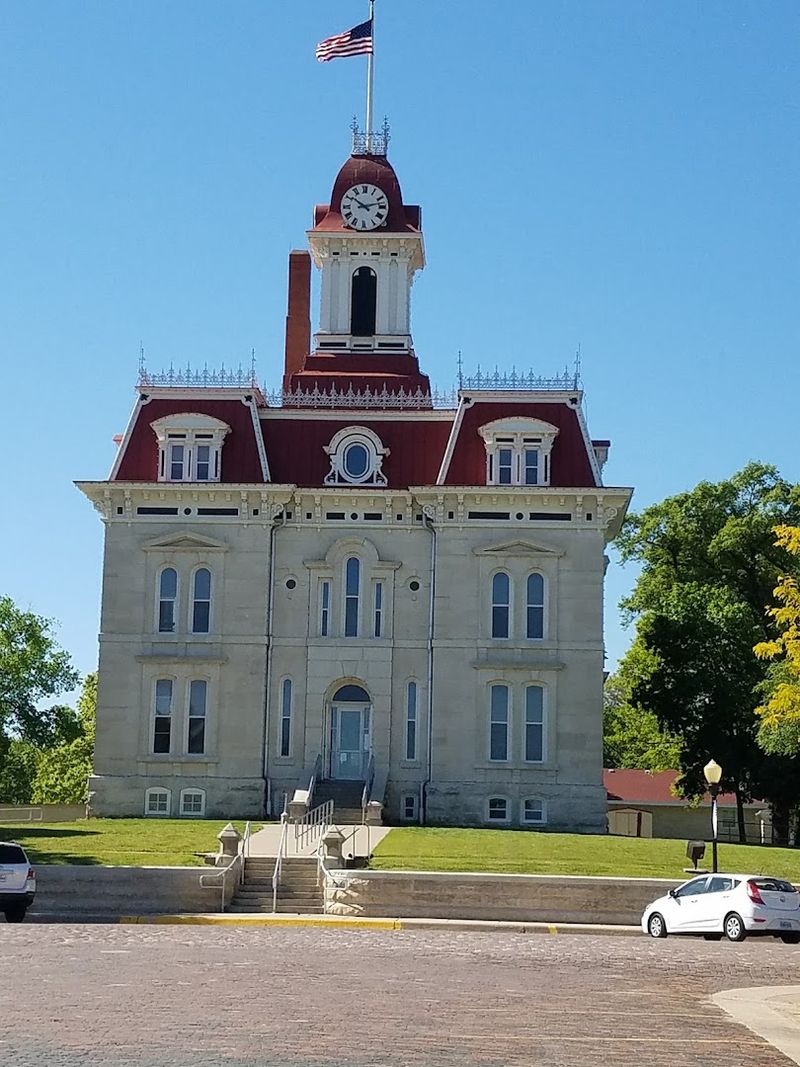
The Chase County Courthouse is a showstopper, built in the 1870s and still operating today as the oldest continuously running courthouse in Kansas. Its French Renaissance architecture feels almost theatrical against the wide prairie sky.
The cobblestone downtown surrounding it is equally charming and completely walkable.
Cottonwood Falls sits right at the gateway to the Tallgrass Prairie National Preserve, where bison roam freely across vast stretches of native grasses. Hiking trails wind through landscapes that have remained largely unchanged for thousands of years.
The Flint Hills National Scenic Byway offers rolling views dotted with wildflowers that change dramatically with every season.
The limestone dam along the Cottonwood River once powered a historic grist mill, adding another layer to the town’s rich story. Every street corner in this town feels like a postcard waiting to happen.
4. Council Grove
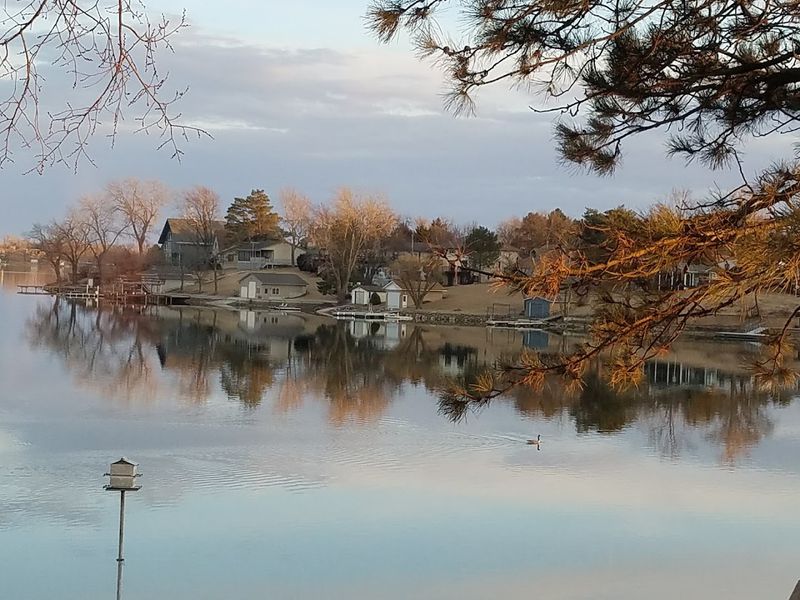
Council Grove is not just a town, it is a living chapter from one of the greatest adventure stories in American history.
This quiet community played a vital role on the Santa Fe Trail, serving as the last major supply stop before travelers headed into the vast unknown. That legacy is woven into every stone building and shaded street.
Back in 1825, a treaty was signed here with the Osage tribe, granting free passage along the Santa Fe Trail. Twenty-four historic sites are scattered throughout the community, making a self-guided walking tour feel like the best history class you never had to sit through.
The Kaw Mission State Historic Site adds another compelling layer to the town’s multicultural past.
The Hays House 1857 holds the impressive title of being the oldest continuously operating restaurant west of the Mississippi River.
The Cottage House Hotel, dating to 1867, offers a cozy vintage stay for those who want to really soak it all in.
The Neosho Riverwalk winds through the area with interpretive signs that bring trail history to life. Council Grove’s entire downtown historic district sits on the National Register of Historic Places, and every step you take proves exactly why that honor was well earned.
5. Fort Scott
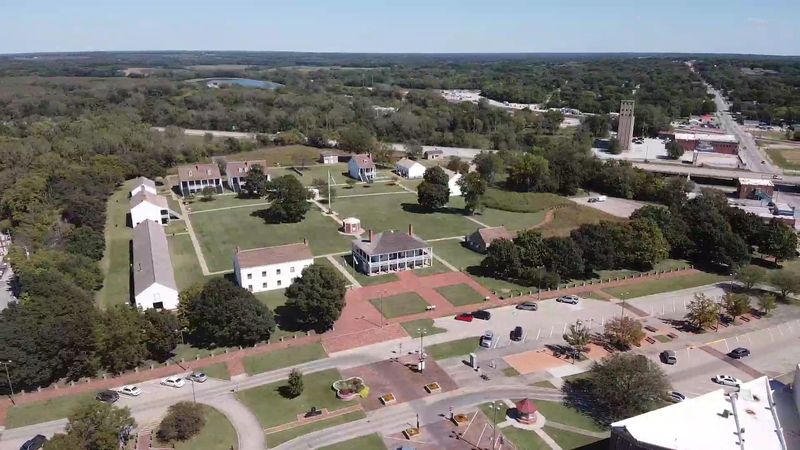
Fort Scott has the kind of historical weight that you feel the moment you cross the city limits. Founded as a military outpost in 1842, this city played a pivotal role in shaping the story of the American frontier and the Civil War era.
It wears that history proudly, and visitors feel every bit of it.
The Fort Scott National Historic Site is the anchor attraction, featuring original structures like officers’ quarters, barracks, and a parade ground where history literally echoes.
Living history programs bring reenactors to life, making the experience feel wonderfully immersive rather than just educational. The Victorian-era downtown historic district is equally impressive, lined with beautifully preserved architecture that photographers absolutely love.
A narrated trolley tour aboard Dolly the Trolley offers one of the most entertaining ways to explore the city, covering landmarks and hidden gems with charm to spare.
Fort Scott is also home to over twenty public murals, transforming blank walls into a sprawling outdoor gallery.
The Gordon Parks Museum celebrates the renowned photographer and filmmaker with a powerful collection showcasing his extraordinary connection to this town. Fort Scott is the kind of place where art, history, and community pride collide in the most wonderful way possible.
6. Nicodemus
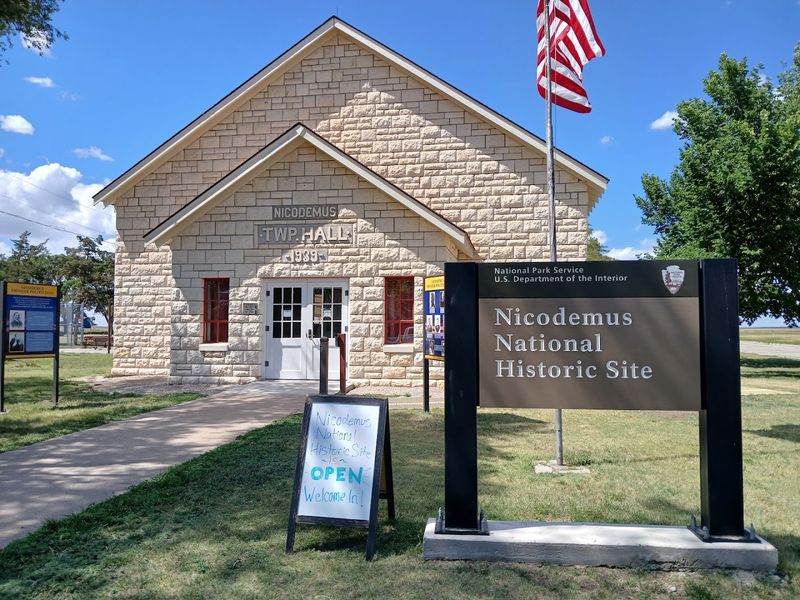
There is no other town quite like Nicodemus anywhere in the American West, and that is not an overstatement by any measure.
Founded in 1877, it stands as the oldest remaining all-Black town west of the Mississippi River, built by formerly enslaved African Americans who chose Kansas as their promised land. The courage embedded in this town’s origins is absolutely staggering.
The Nicodemus National Historic Site preserves the remarkable story of these pioneering homesteaders through exhibits, guided tours, and carefully maintained historic buildings.
The Township Hall, the First Baptist Church, and the African Methodist Episcopal Church all stand as powerful testaments to a community that refused to be defined by hardship. Walking through these spaces feels both humbling and deeply inspiring.
The District Number 1 Schoolhouse adds another dimension to the story, illustrating how education was a cornerstone of this community from the very beginning.
The Nicodemus Roadside Park offers a peaceful spot to sit with the landscape and truly absorb the significance of what happened here.
This town represents one of the most important chapters in African American history and in the broader story of westward expansion. Nicodemus does not just tell history, it demands that you truly feel it.
7. Wamego
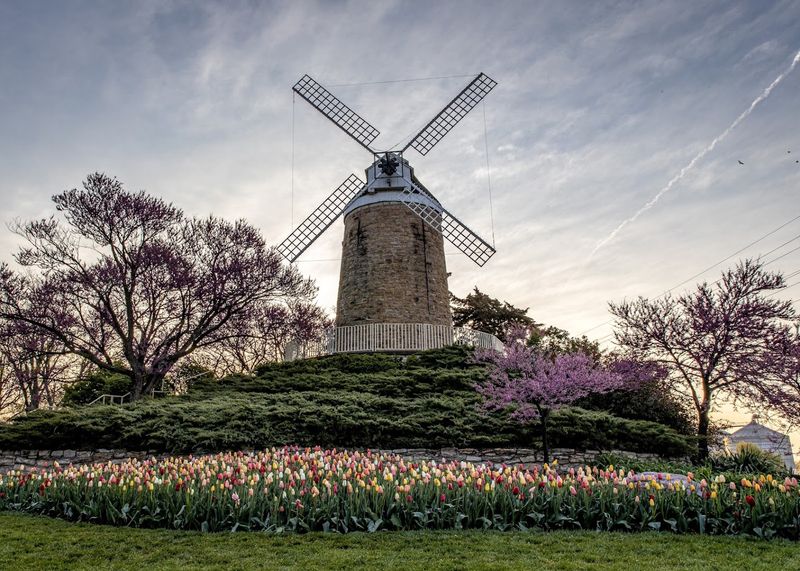
If you have ever wanted to follow the Yellow Brick Road for real, Wamego, Kansas, is your destination. This whimsical small town has leaned into its connection to The Wizard of Oz with such wholehearted enthusiasm that it has become a genuinely magical place to visit.
Even people who are not huge Oz fans tend to leave completely charmed.
The OZ Museum houses over 2,000 Oz-related artifacts and memorabilia, creating an experience that blends nostalgia with genuine storytelling.
Exhibits inspired by L. Frank Baum’s beloved stories unfold room by room, and the Yellow Brick Road outside leads visitors straight to the expansive Wamego City Park.
Inside that park, a beautifully restored 1879 Dutch windmill stands as one of the most photographed spots in town.
The windmill was originally moved and reconstructed in Wamego in 1924 and still grinds flour and cornmeal today, which feels almost impossibly cool.
The Emerald City Playground inside the park keeps the Oz theme going in the most delightful way.
The Columbian Theatre, a restored historic opera house, showcases rare paintings from the 1893 Chicago World’s Fair. Wamego proves that a small town with a big imagination can create something truly unforgettable.
8. Humboldt
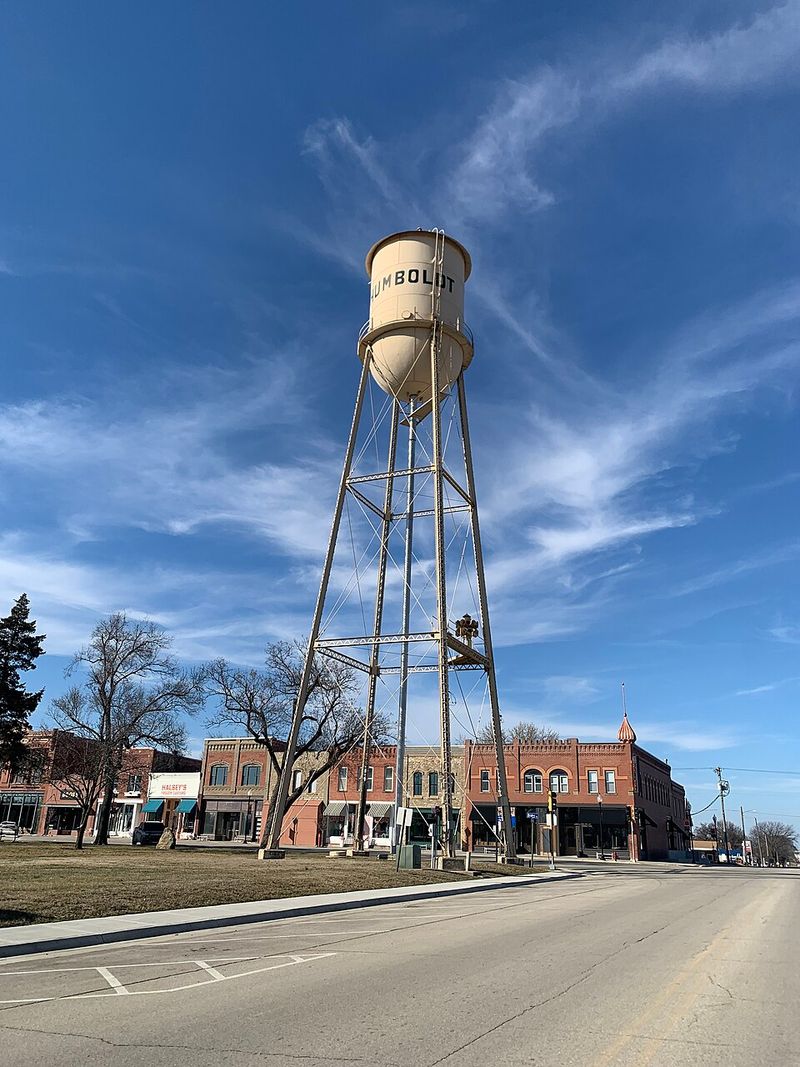
Humboldt is the kind of town that quietly earns your respect the more time you spend in it.
Founded in 1857 and named after German naturalist Baron von Humboldt, this southeast Kansas community carries a layered history that stretches from the Civil War all the way to a surprising modern-day renaissance. It is a place that has genuinely reinvented itself.
A self-guided Civil War walking tour winds through town, marked by twelve stone monuments that detail incidents from the 1861 Confederate raid.
Each marker shares personal stories tied to real events, turning a casual stroll into something far more meaningful. The Humboldt Historical Museum, housed in a turn-of-the-century building, deepens that connection with a replica one-room schoolhouse on its grounds.
In 2022, The New York Times recognized Humboldt as one of 52 Places Changing the World, a distinction that speaks volumes about this community’s forward momentum.
Downtown has come alive with revitalized local businesses that balance historic character with fresh energy. The Neosho River Park offers a tranquil natural escape with scenic river views and a picturesque waterfall nearby.
Humboldt is living proof that small towns can honor their past while boldly building something new, and that combination is absolutely worth the drive.
9. Lucas
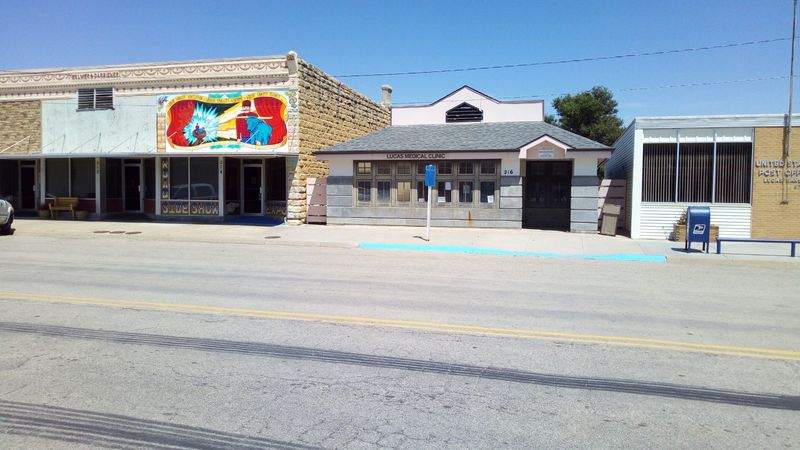
Lucas is a tiny town that operates on a completely different creative frequency than anywhere else in Kansas.
Officially designated the Grassroots Art Capital of Kansas, this small community has turned self-expression into a full-blown civic identity. The moment you arrive, you know you are somewhere wonderfully, gloriously different.
The Garden of Eden is the crown jewel, a whimsical outdoor art exhibit created by Samuel P. Dinsmoor, a retired veteran who began building his concrete masterpiece at age 62.
Biblical stories and historical figures take shape across the property in a way that is simultaneously bizarre, brilliant, and completely unforgettable. The site is listed on the National Register of Historic Places, which feels both surprising and absolutely fitting.
Next door, Miller’s Park features 45 charming rock sculptures created by Roy and Clara Miller, transforming what was once a simple rest stop into a roadside wonderland.
The Grassroots Art Center showcases self-taught artists who craft remarkable work from everyday materials, proving that creativity needs no formal training.
Even the public restroom, known as Bowl Plaza, has won awards as an art installation, which tells you everything you need to know about Lucas. This town redefines what a small community is capable of imagining.
10. Iola
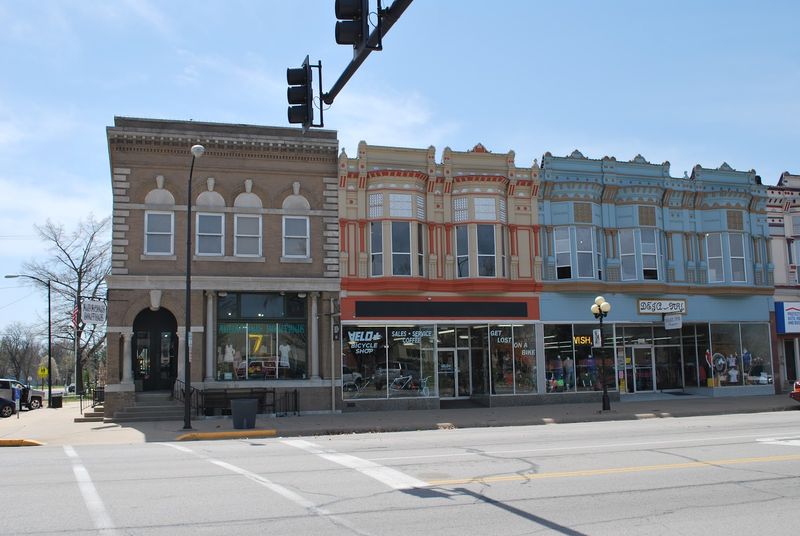
Iola sits at the heart of Allen County with the quiet confidence of a town that knows exactly who it is.
As a Kansas county seat, it anchors its community with a charming downtown square surrounded by beautifully preserved late 19th and early 20th century architecture. Walking through the main streets feels like flipping through a well-worn history book with great photographs.
The town’s historical roots run deep, with local museums and heritage sites preserving the stories of early settlers who shaped this corner of southeast Kansas.
Historical markers and walking tours connect visitors to those foundational chapters in an approachable and genuinely engaging way. The surrounding prairie landscape adds a natural beauty that frames the whole experience perfectly.
Community events and seasonal festivals give Iola a lively pulse throughout the year, drawing visitors into the authentic rhythm of small-town Kansas life.
Local shops and eateries clustered around the historic square offer a warm, unhurried experience that feels refreshingly genuine.
Parks and green spaces scattered through town invite visitors to slow down and appreciate the simple beauty of a place built on real community values.
Iola rewards the curious traveler who is willing to wander off the beaten path and discover something wonderfully unexpected around every corner.
11. St. Marys
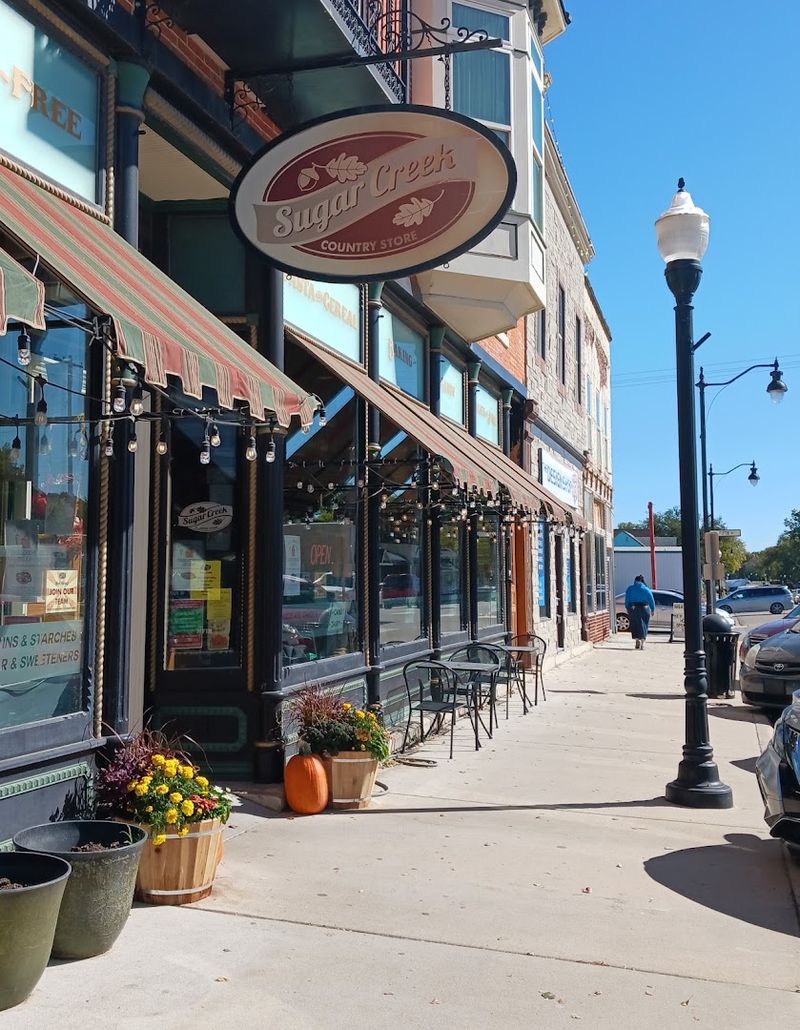
St. Marys is the kind of small town that stops you in your tracks before you even park the car. The towering Immaculata Church rises dramatically on the horizon, visible for miles across the Kansas countryside, and that first glimpse sets the tone for everything that follows.
This town carries a spiritual and historical depth that is genuinely rare.
The church, rebuilt after a 1978 fire, draws visitors from around the world who come to admire its architecture and soak in the peaceful atmosphere surrounding it.
St. Marys has deep ties to the Oregon Trail, and remnants of that historic route can still be found in the area today. The Oregon Trail Nature Park features a captivating mural painted on an old silo that tells the story of westward migration in vivid, striking detail.
The St. Marys Indian Pay Station Museum Complex offers a remarkable window into the past, centered on an original 1857 building that once served as a government agency for the Potawatomi people.
The Louis Vieux Historical Site adds yet another compelling layer to the town’s rich multicultural story.
St. Marys sits between Manhattan and Topeka, making it an easy and rewarding stop on any Kansas road trip. Is your itinerary ready for a town this full of surprises?