
Kayak, Canoe, Or Tube At A Laid-Back Riverside Resort In Arkansas
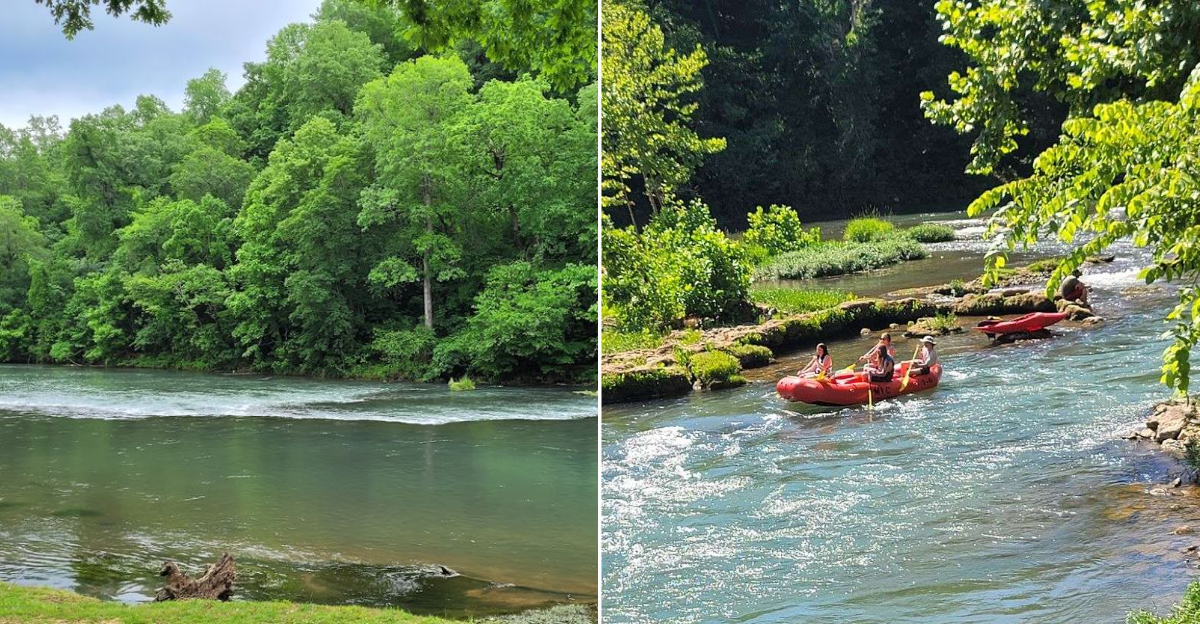
I couldn’t decide if I wanted to paddle or just float and be lazy about it. That’s the kind of choice waiting at this riverside spot in Arkansas, and I’ve gone back and forth more than once.
The water stays clear and cool, even when the air feels heavy. Some mornings I grab a kayak and move at my own pace, hugging the banks and watching the trees pass.
Other times I hop in a tube and let the current carry me without much effort. Canoes are ideal when I’m not out there alone.
Getting in the water is simple, and the river more or less sets the rhythm for the day. After a while, I stop checking the time.
I just drift, listen, and take it all in. That’s what keeps pulling me back.
First Glimpse Of Crystal-Clear Spring-Fed Water
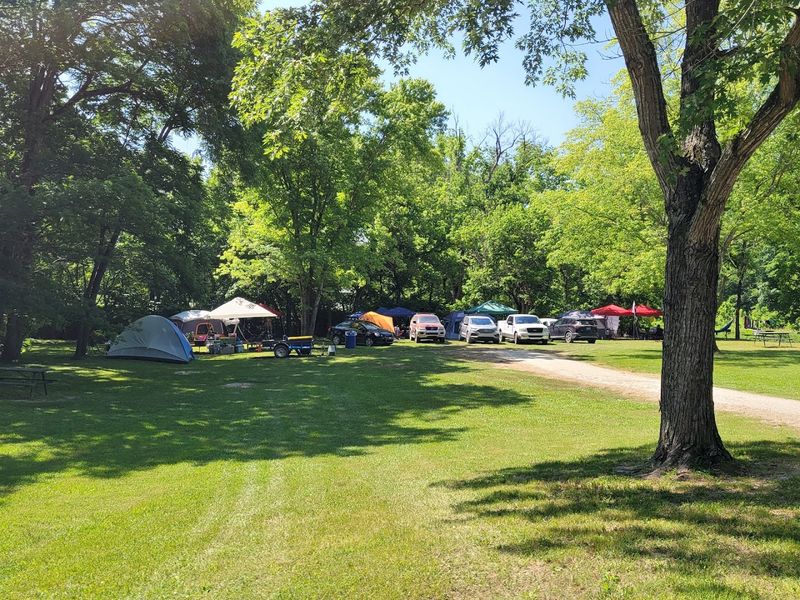
Nothing quite prepares you for that first moment you step up to the riverbank and look down through water so transparent it barely seems real.
The Spring River draws its flow from one of the largest springs in Arkansas, pumping an estimated nine million gallons of water per minute. The channel stays between 56 and 58 degrees Fahrenheit no matter how hot the Arkansas summer gets.
That constant cold temperature keeps the water exceptionally clear, and the river bottom looks almost like a freshwater aquarium with smooth limestone rocks, swaying aquatic plants, and the occasional rainbow trout darting through the shallows.
I stood at the edge for a good five minutes just watching the current move over the gravel before I even thought about getting in a boat.
The clarity also makes the river feel alive in a way that is hard to put into words, because you can actually see what is happening beneath the surface at every moment.
By the time I finally launched my kayak, I was already convinced this stretch of water was something special. That conviction never faded during the entire trip at Spring River Oak Campground at 1868 River Oaks Trail, Mammoth Spring, AR 72554.
Choosing Between Paddle Power And Lazy River Floats
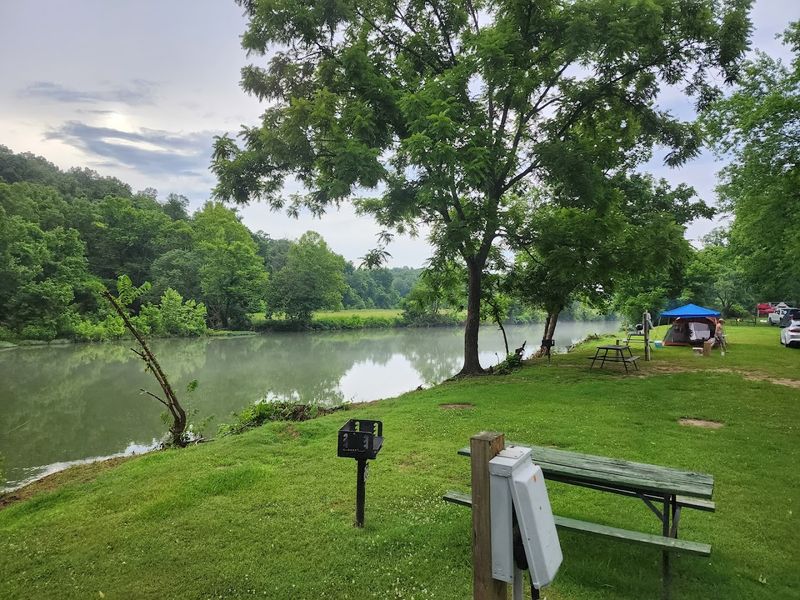
One of the best decisions the campground lets you make is choosing exactly how much effort you want to put into your river experience.
Kayaks suit the paddlers who want to steer, explore side channels, and cover more distance with a sense of purpose, while canoes offer extra room for gear, snacks, or a friend who keeps insisting they will help paddle but mostly just enjoys the view.
Tubes, on the other hand, are a completely different philosophy of river travel, one that basically asks you to surrender all control and let the current handle the logistics.
I tried all three options across my weekend stay, and I can say with total honesty that each one delivered a completely different mood even on the same stretch of river.
The tube float felt meditative and slow, the canoe felt social and roomy, and the kayak felt like I was actually exploring rather than just passing through.
Picking the right vessel really depends on the energy you bring to the water that morning, and the good news is that no choice here is ever the wrong one.
Drift Routes Framed By Limestone Bluffs And Dense Forest
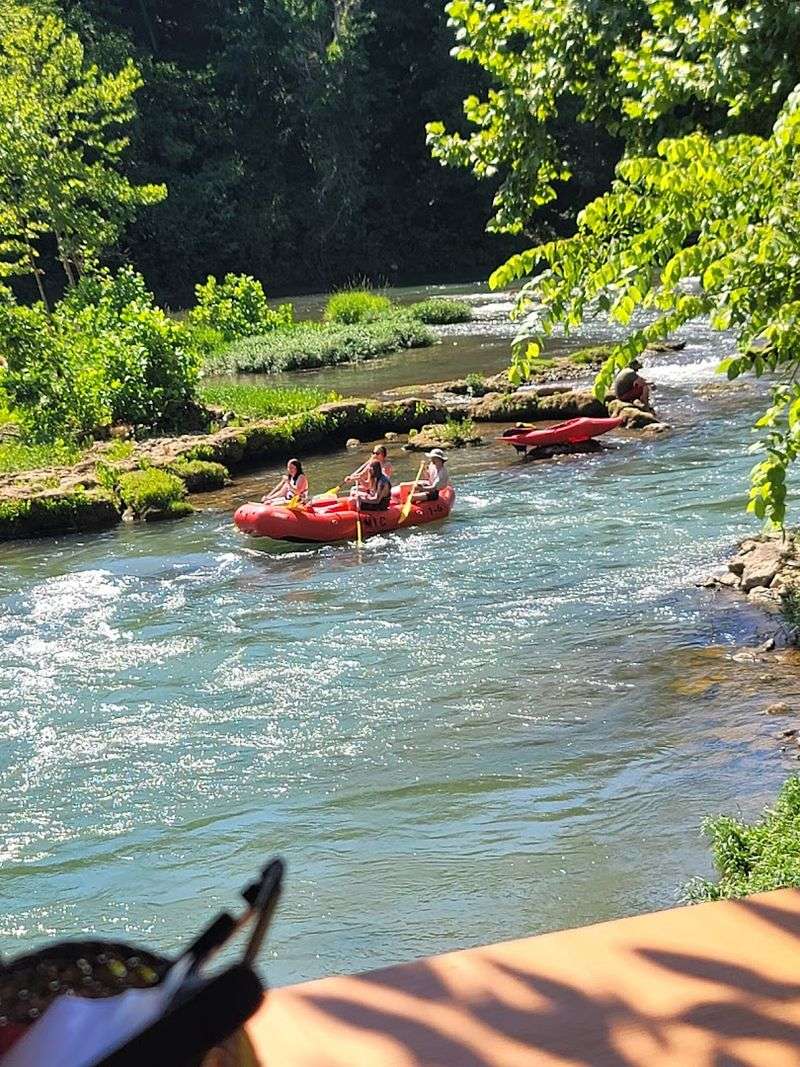
Paddling down the Spring River feels less like recreation and more like moving through a painting that someone forgot to finish because the scenery keeps getting better around every bend.
Tall limestone bluffs rise on one side of the river in certain stretches, their pale gray faces streaked with mineral patterns and draped with hanging ferns that cling to tiny cracks in the rock face.
On the opposite bank, dense stands of hardwood trees lean over the water and create long corridors of shade that are genuinely welcome during warm summer afternoons.
The combination of bluffs and forest gives the river a sense of enclosure that feels protective rather than claustrophobic, like the landscape is quietly looking after everyone floating through it.
I rounded one particular bend and stopped paddling entirely just to take in a bluff that caught the mid-morning light in a way that made the whole face glow a soft amber color.
Moments like that are scattered throughout every float route here, which is exactly why so many people who come for one trip end up returning the following season without needing much convincing.
Launching Points Hidden Just Steps From Cabin Doors
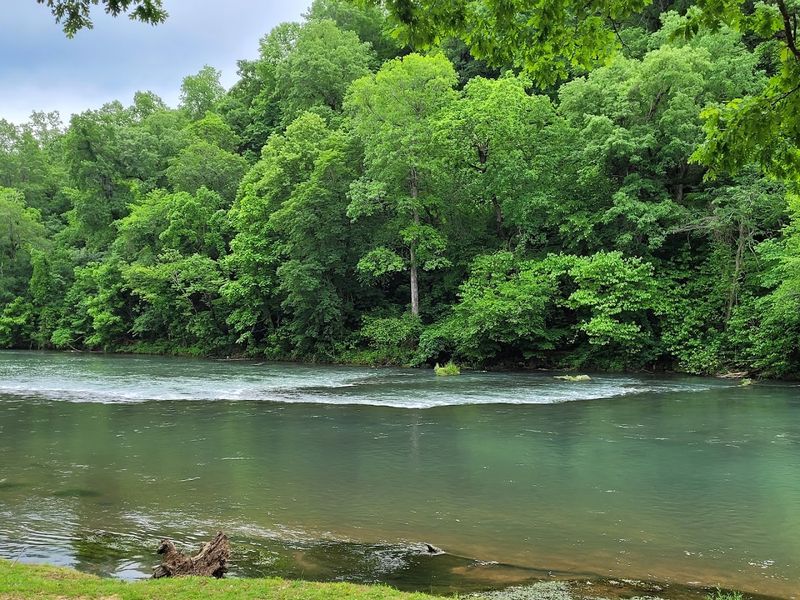
Convenience is not always the first thing people think about when planning an outdoor adventure, but it becomes surprisingly important once you are hauling a cooler and a dry bag toward a river access point at eight in the morning.
The campground layout here is built around the idea that the river should be as close to your sleeping quarters as possible, and that design choice makes an enormous practical difference in how your day actually starts.
Several cabin and camping sites sit within a very short walk of the water, meaning the gap between your morning coffee and your first paddle stroke is measured in minutes rather than miles.
I appreciated this more than I expected to, especially on the second morning when I woke up early and was able to slip out onto the river while the mist was still sitting low over the surface.
That kind of spontaneous access changes the rhythm of a river trip completely, because you stop treating the float as a scheduled event and start treating it as something you can simply step into whenever the mood strikes.
Close proximity to the water is one of those quiet luxuries that only reveals its full value after you have experienced it firsthand.
Wildlife Sightings Along Quiet Morning Currents
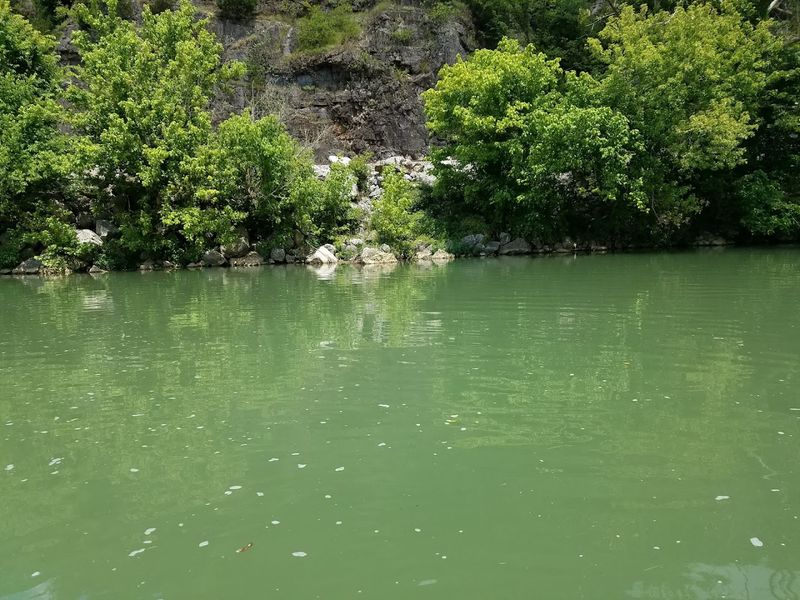
Early mornings on the Spring River belong to the animals, and if you are willing to be on the water before the rest of the campground wakes up, the sightings you collect will fill a notebook.
Great blue herons are almost guaranteed companions on any morning float, standing in the shallows with that particular stillness that makes them look like they have been posing for a nature documentary since before sunrise.
Kingfishers dart between overhanging branches with a rattling call that echoes off the water, and white-tailed deer sometimes appear on the banks in the early light before retreating into the tree line.
The river also supports a healthy trout population, and watching a fish hold steady against the current in water this clear is a surprisingly mesmerizing experience even if you are not fishing yourself.
I spotted an osprey on my second morning that hovered briefly above a pool before dropping out of sight into the trees, and I spent the rest of that float hoping it would reappear around the next bend.
Wildlife watching from a kayak offers a quieter approach than hiking, and the Spring River rewards that patience with encounters that feel completely unscripted.
Shuttle Rides That Turn One-Way Floats Into Full-Day Adventures
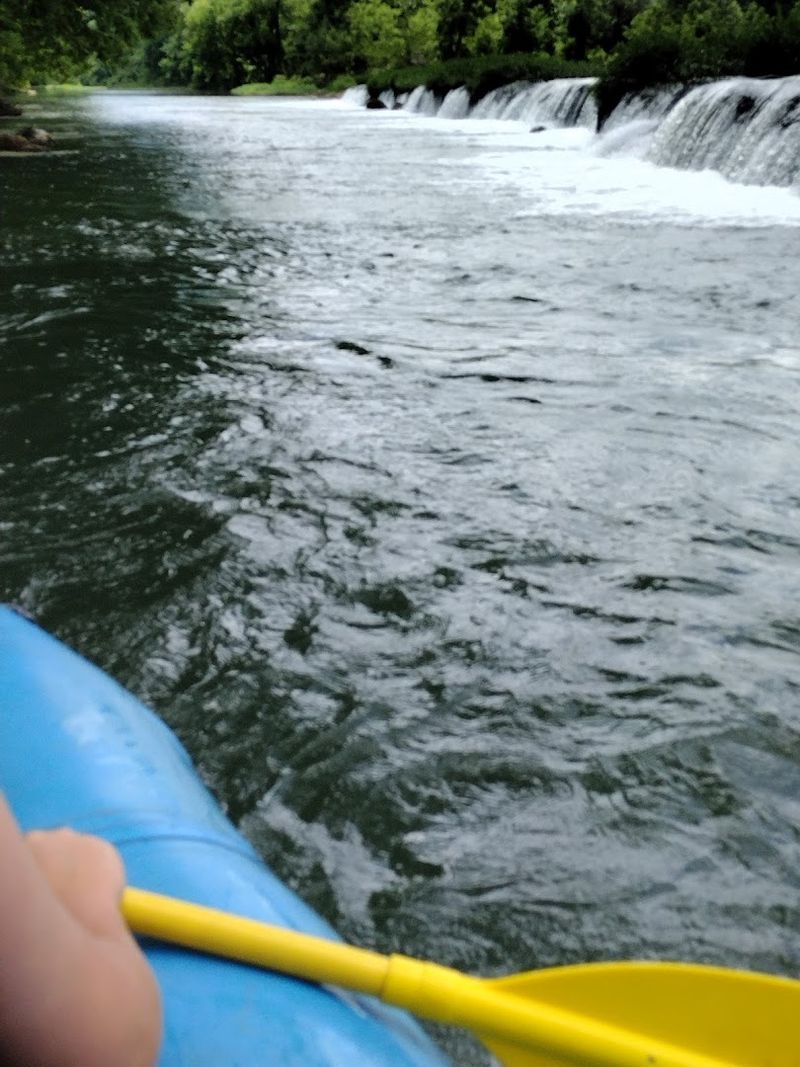
The shuttle system is the unsung hero of any serious float trip, and the campground handles this logistical puzzle in a way that lets you focus entirely on the river instead of worrying about how you are getting back.
A one-way float down the Spring River is a fundamentally different experience from an out-and-back paddle, because it means you are always moving forward through new scenery rather than retracing water you have already covered.
The shuttle drops you upstream and picks you up at a designated takeout point, which turns a few hours of paddling into a full narrative arc with a clear beginning and a satisfying end.
I did a longer shuttle float on my last full day, covering a stretch that took me past sections of the river I had not seen from my campsite, and that distance gave the trip a genuine sense of journey.
Planning a shuttle float the night before also gives you something to look forward to, which is a small but real psychological bonus when you are sitting around a campfire deciding what tomorrow should look like.
Few things improve a river trip quite like the freedom that a well-run shuttle system quietly provides.
Sunset Reflections Rippling Across Glassy Water Trails
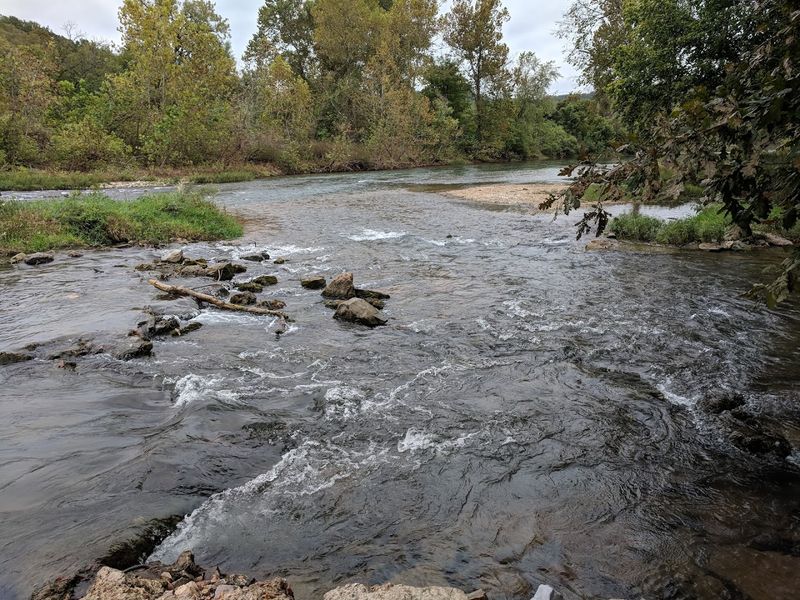
Late afternoons on the Spring River produce a kind of light show that no photographer can fully capture, which makes it all the more worth experiencing in person with your paddle resting across your lap.
As the sun drops toward the tree line, the river surface shifts through a sequence of colors that moves from gold to copper to a deep rose pink, and the reflections ripple and stretch with every small movement of the current.
The water at this hour looks almost solid, like a sheet of hammered metal that someone keeps gently disturbing from below, and the effect is genuinely hypnotic when you are floating slowly through it.
I stayed out longer than I planned on my first evening simply because turning around and paddling back to camp meant ending the light show, and that felt like a decision I was not ready to make.
The surrounding bluffs catch the last direct sunlight and hold a warm glow for several minutes after the river surface has already shifted to shadow, adding a second layer of visual drama to the whole scene.
Sunsets here are not a background detail but a main event that the river seems specifically designed to display at its best.
Campfire Evenings After Miles Of River-Borne Exploration
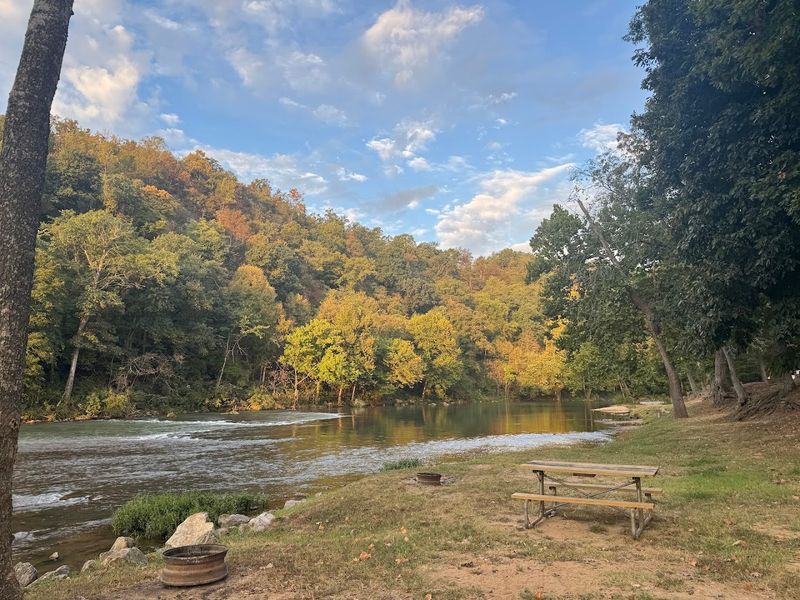
There is a particular kind of tiredness that comes from a full day on the river, and it is the best possible kind, the sort that settles into your shoulders and legs in a way that feels completely earned.
Back at camp after a long float, the campfire becomes the natural gathering point where the day gets replayed in conversation, with everyone recounting their favorite moment from the water while the flames pop and settle into a steady glow.
The campground sits in a setting where the sounds of the river carry into the campsite after dark, so even when you are done paddling you can still hear the current moving through the trees nearby.
I found that combination of fire warmth and river sound to be one of the most genuinely relaxing environments I have experienced on any camping trip, and I am not someone who relaxes easily.
Roasting food over the fire after a day of physical activity also tastes better than it has any right to, which is a phenomenon I have never been able to fully explain but have confirmed on multiple occasions.
Campfire evenings here do not feel like the end of the adventure but more like the quiet, satisfying punctuation mark that every great river day deserves.