
Kayak To Arizona’s Hidden Falls For An Adventure Few People Ever Experience
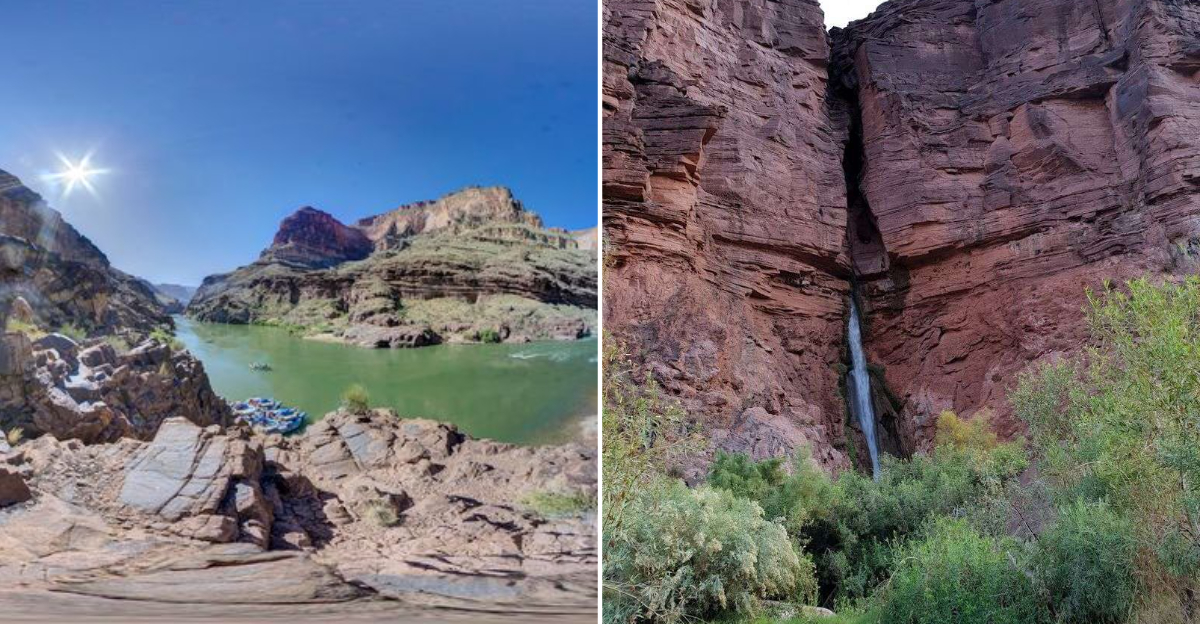
I had been craving one of those quiet Arizona escapes that feels a little harder to reach and a lot more rewarding because of it. There is something unforgettable about starting the day out on the water, paddle in hand, with towering red rock walls rising around me as I moved deeper into the canyon.
The farther I went, the more everything seemed to slow down in the best possible way. It felt peaceful, remote, and completely removed from the usual rush of everyday life.
Then came the payoff: a hidden oasis tucked into the desert, where the air turned cooler and the sound of falling water filled the space around me. It was the kind of place that made me stop for a second and just take it all in.
Arizona has a way of hiding these incredible moments in places you would never expect, and this one stayed with me long after I was back on dry land.
What Makes Deer Creek Falls So Special
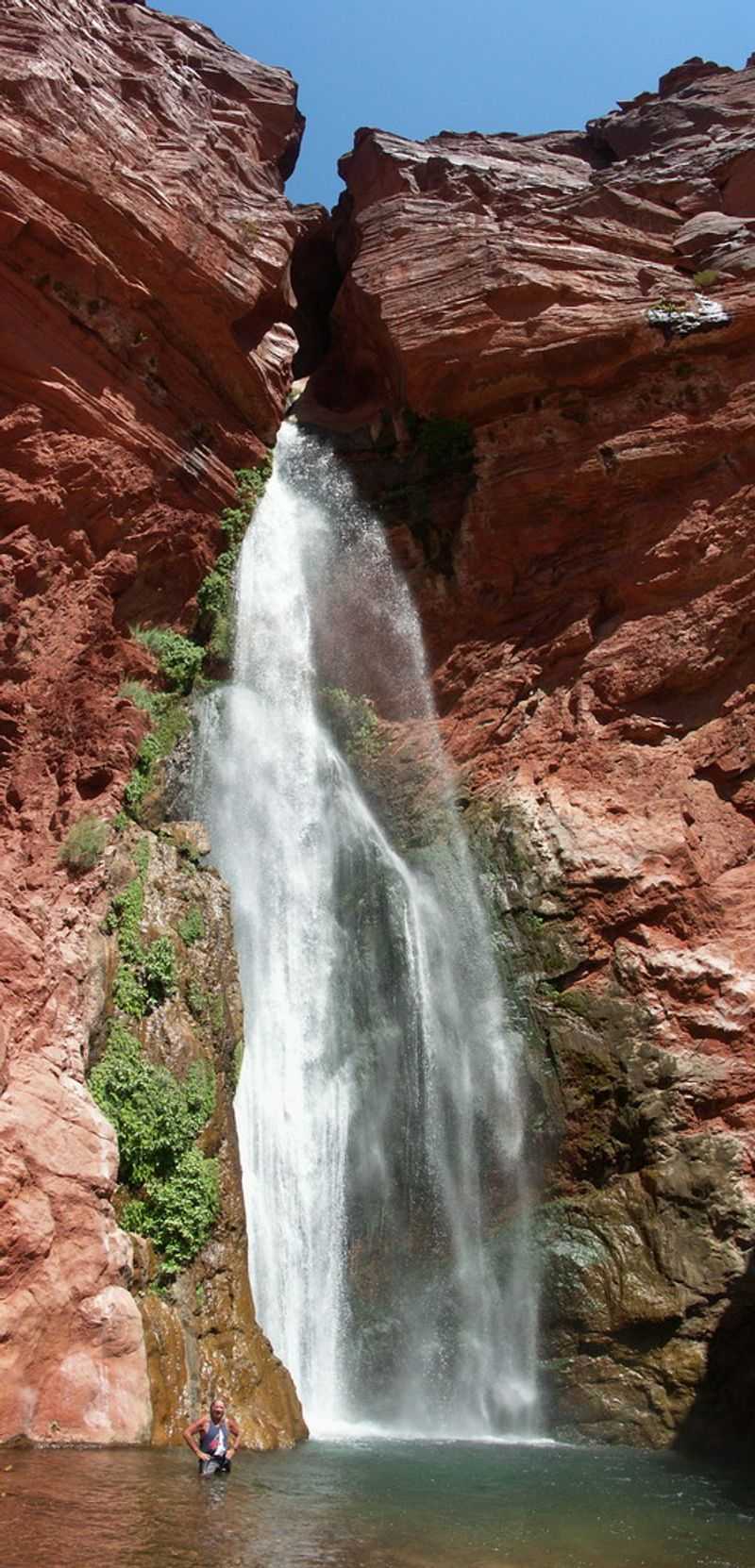
Crashing 180 feet straight down into the Colorado River, this is one of the most jaw-dropping sights inside the Grand Canyon. The waterfall is fed by Deer Creek, which carves its way through ancient rock formations before making that spectacular leap into the river below.
Standing at the base, you feel the cool mist on your face while the surrounding canyon walls rise hundreds of feet above you.
What sets this waterfall apart from others in the Southwest is how remote and untouched it feels. There are no paved roads, no parking lots, and no gift shops nearby. You earn every view here.
The contrast between the roaring white water and the deep red sandstone is the kind of scenery that sticks with you long after you’ve returned home.
The area at Deer Creek Falls also supports surprising biodiversity, with hanging gardens of ferns and wildflowers clinging to the canyon walls near the falls. This natural detail transforms the waterfall into something that feels almost otherworldly.
Even after seeing photos beforehand, nothing really prepares you for how dramatic it feels in person once that wall of water comes into view.
Kayaking Your Way To The Falls
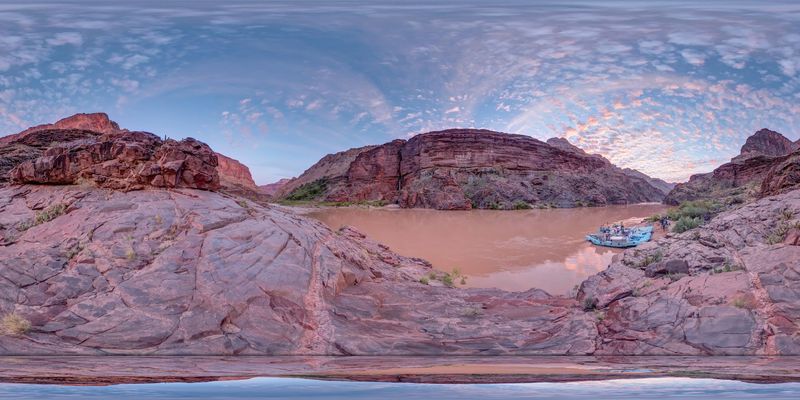
Paddling the Colorado River to reach Deer Creek Falls is a bucket-list experience that combines raw adventure with stunning scenery around every bend. Most kayakers join guided multi-day trips that launch from Lees Ferry, a put-in point located about 15 miles below Glen Canyon Dam in northern Arizona.
From there, the river winds through the heart of the Grand Canyon for over 200 miles. Deer Creek Falls appears near river mile 136, so you’ll have several days of paddling before you arrive.
Those days are filled with exciting rapids, calm stretches perfect for soaking in the views, and opportunities to explore side canyons along the way.
Camping on sandy beaches each night under a sky full of stars adds another layer of magic to the journey.
Kayaking this route requires solid river experience or the guidance of a licensed outfitter. Beginners should seriously consider joining a commercial rafting trip instead, which still gets you to the falls while keeping safety as the top priority.
Each morning on the river feels a little different, which makes the approach to Deer Creek Falls even more memorable. By the time you finally reach it, the waterfall feels less like a stop on the route and more like a hard-earned reward at the heart of the whole journey.
Hiking Through Deer Creek Narrows
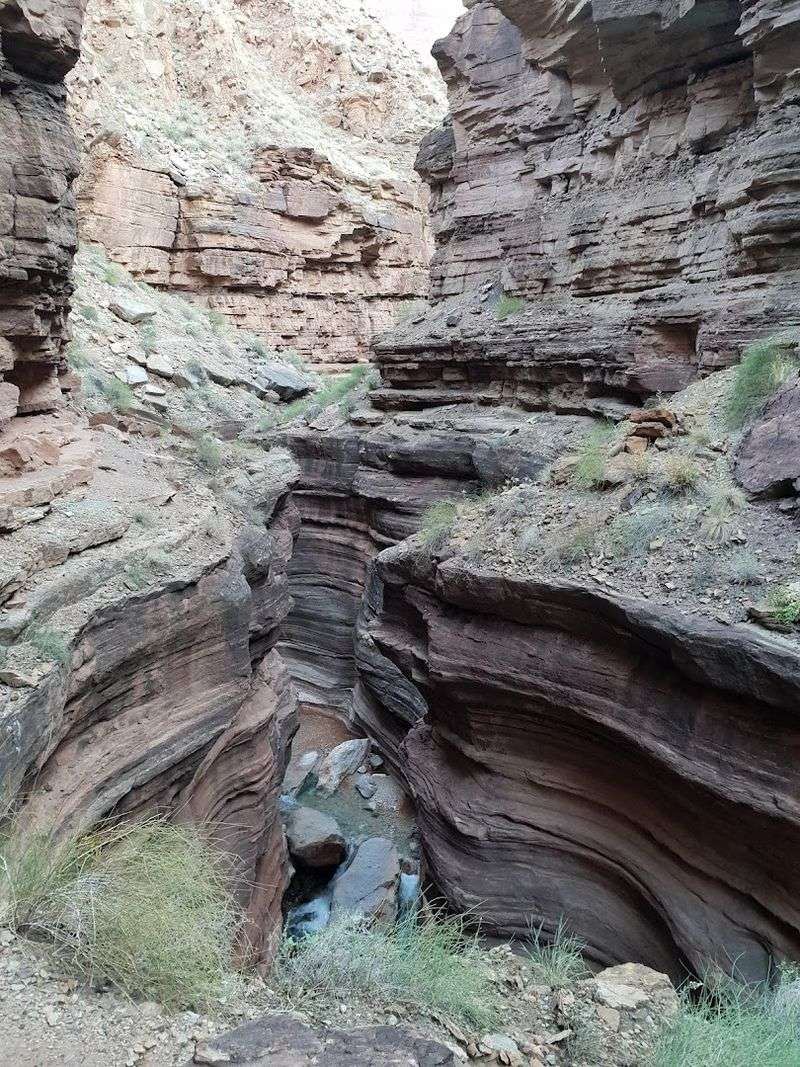
One of the most magical stretches of trail in the entire Grand Canyon is the Deer Creek Narrows, a tight slot canyon that feels like walking through a living painting. The walls squeeze close enough to touch on both sides, and the rock above is draped with hanging gardens of ferns, mosses, and desert wildflowers.
Water trickles along the canyon floor, keeping the air surprisingly cool and fresh.
This section of trail connects Deer Creek’s upper reaches to the waterfall at the Colorado River. Hikers who access the falls from the North Rim pass through the narrows as part of a roughly 24-mile round-trip backpacking route.
The trail descends the North Kaibab Trail before following the river upstream to Deer Creek.
Climbing or rappelling inside the narrows is strictly prohibited by the National Park Service to protect the fragile ecosystem. The narrows reward those who simply walk and observe, making it one of those rare spots where slowing down is absolutely the right move.
Permits And Planning Essentials
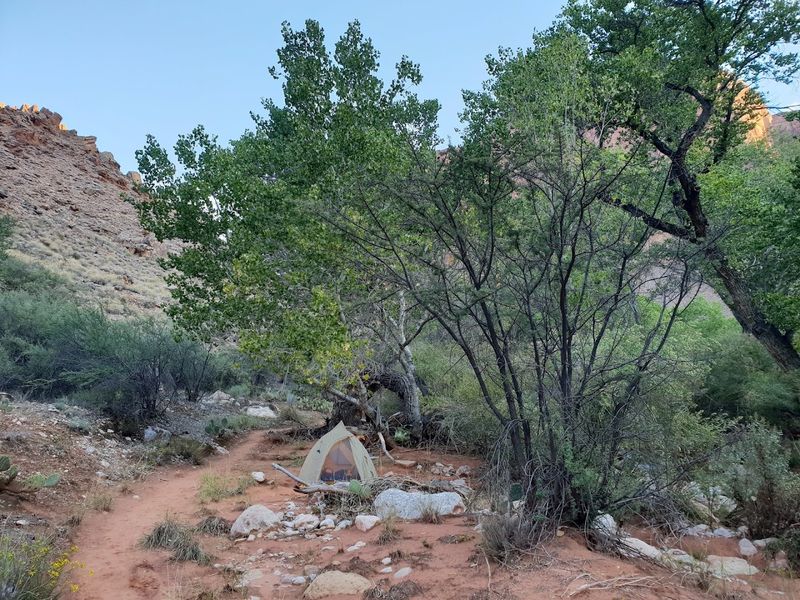
Getting to Deer Creek Falls takes more than just packing a bag and showing up. If you plan to hike there from the North Rim, you’ll need a backcountry camping permit from the National Park Service.
These permits are competitive, especially during spring and fall when the weather is most pleasant. Applications open four months in advance, so planning ahead is absolutely essential.
For those joining a commercial rafting or kayaking trip, the outfitter typically handles all river permits on your behalf. Private river permits are issued through a separate lottery system managed by the NPS and can be notoriously hard to snag.
Many paddlers wait years before their number comes up. Beyond permits, smart planning means researching water sources, understanding emergency exit points, and knowing the seasonal weather patterns of the inner canyon.
Summers inside the Grand Canyon can push temperatures past 110 degrees Fahrenheit, making spring and October the most comfortable windows for visiting Deer Creek Falls safely and comfortably.
Safety Tips For The Inner Canyon
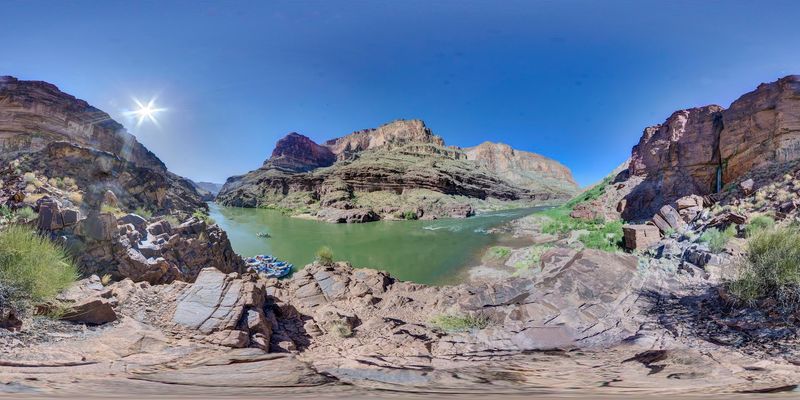
The Grand Canyon is breathtakingly beautiful, but it demands serious respect. The terrain inside the canyon is rugged, remote, and unforgiving in ways that catch unprepared visitors off guard.
Heat, dehydration, and flash floods are the biggest risks, and all three can escalate quickly without proper preparation.
Carrying at least one liter of water per hour of hiking is the standard recommendation from park rangers. Electrolyte supplements are worth packing too, since sweating heavily in dry canyon air depletes your body faster than you might expect.
Eating salty snacks regularly helps maintain your energy and hydration balance throughout long hiking days.
Always check the weather forecast before heading into the canyon, paying special attention to thunderstorm activity upstream. Rain miles away can send a flash flood rushing through a slot canyon like Deer Creek Narrows with almost no warning.
Telling someone your detailed itinerary before you head out is a simple habit that makes a real difference in backcountry safety.
Wildlife And Nature Along The Route
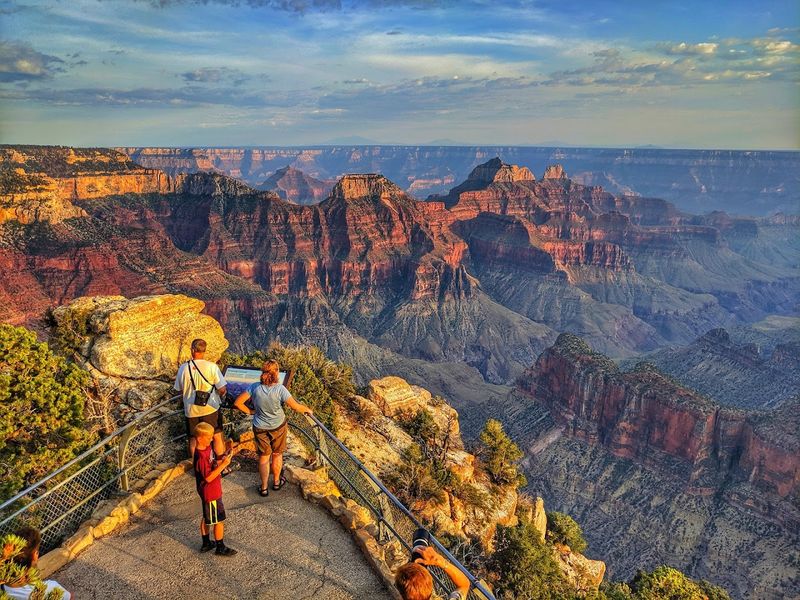
The route to Deer Creek Falls is alive with wildlife that most people never expect to find deep inside a desert canyon. California condors, one of North America’s rarest birds, are frequently spotted riding thermals above the canyon walls.
With wingspans reaching nearly ten feet, spotting one overhead is a genuinely unforgettable moment that tends to stop hikers and paddlers in their tracks.
Along the river and in side canyons, bighorn sheep pick their way across impossibly steep rock faces with casual ease. Great blue herons stalk the shallows of calm river pools, while canyon wrens fill the air with their distinctive descending song.
The biodiversity here reflects millions of years of ecological history layered into one dramatic landscape. Near the waterfall itself, the moisture supports plant life that feels out of place in the surrounding desert.
Columbine flowers, maidenhair ferns, and monkey flowers cluster around the base of the falls, creating a lush micro-habitat that contrasts beautifully with the arid canyon environment just steps away.
Keep an eye on the rocky ledges too, because lizards often dart between sunlit cracks while smaller birds move quickly through the brush near the water.
If you are lucky, you may also catch sight of fish flashing below the surface in calmer stretches of the river, adding yet another layer of life to this surprisingly rich canyon habitat.
Making The Most Of Your Visit
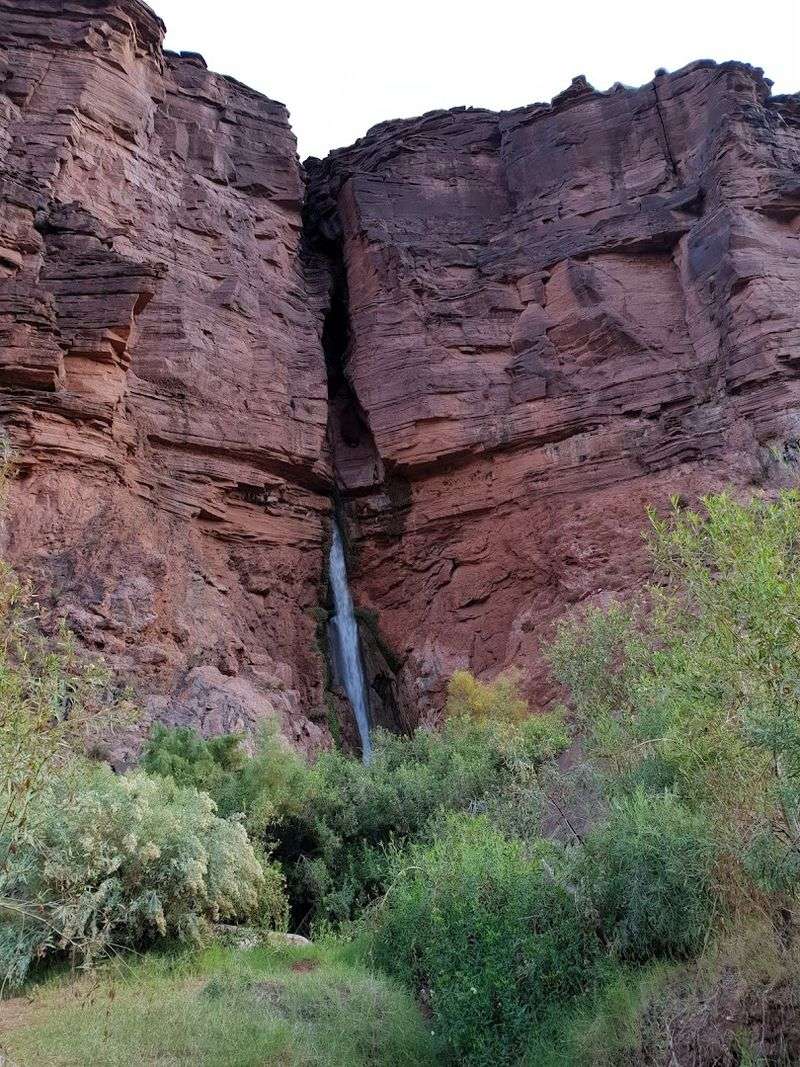
Timing your visit thoughtfully can transform a good trip into a truly great one. The sweet spots for visiting Deer Creek Falls are April through early June and September through October.
During these windows, temperatures inside the canyon are manageable, the river flows are generally predictable, and the light hits the canyon walls in ways that make every photograph look effortless.
If you’re joining a commercial rafting trip, research your outfitter carefully. Look for companies with strong safety records, experienced guides, and small group sizes.
A knowledgeable guide can share the geological and cultural history of each canyon feature, turning the journey into an education as much as an adventure.
Pack lightweight, moisture-wicking layers for cool mornings and warm afternoons on the river. Waterproof dry bags are non-negotiable for protecting electronics, sleeping gear, and food.
Most importantly, arrive with an open schedule and a flexible mindset, because the Grand Canyon has a way of rewriting your plans in the most rewarding ways possible.
Sturdy water shoes with good grip make a big difference once you reach the rocky areas near the falls. It also helps to bring plenty of sun protection, since long stretches on the river offer very little shade.