
These Kentucky Dinner Table Rules From The 1960s Would Shock Today’s Families
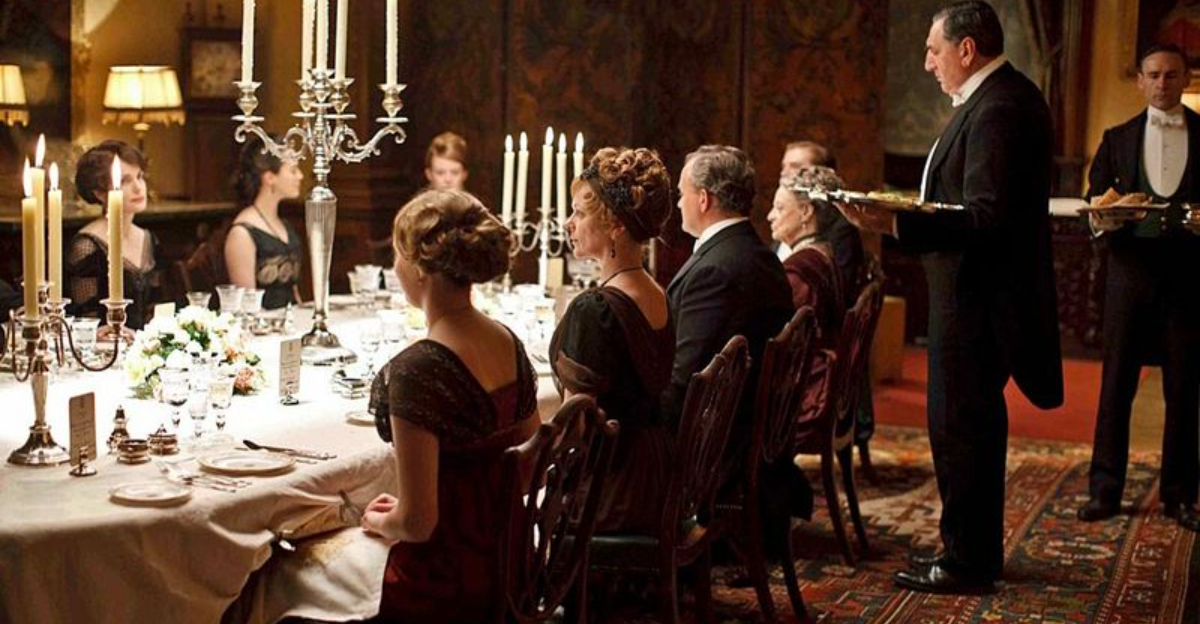
Kentucky supper tables in the 1960s ran like clockwork, with rules stricter than a schoolmarm’s ruler. Families gathered nightly around mismatched chairs and hand-me-down china, following codes of conduct that shaped more than just mealtimes.
These weren’t suggestions scribbled on refrigerator magnets but expectations carved into the culture itself. Today’s casual dining habits would have earned a raised eyebrow and a firm talking-to back then.
Modern families text during tacos and grab plates on the go, but Kentucky households five decades ago treated supper like a sacred ceremony.
Let me walk you through the unwritten laws that governed every forkful, every conversation, and every cleared plate.
1. Say Grace Before Anyone Lifts A Fork
Hands folded, heads bowed, supper steam fogging eyeglasses. A short blessing came first, every time, because food was a gift, not a given.
Grandma led the prayer most nights, her voice steady as a metronome. We mumbled along, bellies rumbling, eyes sneaking peeks at the fried chicken glistening under the overhead bulb.
Skipping grace meant starting over, plates pushed back, forks returned to rest. Gratitude wasn’t optional; it was the appetizer nobody dared refuse, setting the tone for everything that followed at that crowded, lively table.
2. Father Sits At The Head And Starts The Meal
Chairs scraped, eyes watched the head of the table. Once Dad picked up his fork or passed the first bowl, the meal officially began.
His seat faced the kitchen door, closest to the coffee pot and the window overlooking the backyard garden. Authority came with position, and position came with responsibility, like carving the roast or deciding when seconds got served.
Nobody questioned the arrangement. Tradition flowed through that chair like gravy through a good biscuit, thick and unapologetic, holding the whole structure together with quiet, unshakable presence.
3. Elders And Guests Served First
Plates for grandparents and company traveled the line before children touched a spoon. Respect tasted like hot biscuits and the first pick of the chicken.
I remember watching the drumsticks disappear to Aunt Loretta while I eyed the wings. Patience wasn’t just taught; it was practiced three times daily, seven days weekly, until waiting became second nature and complaining became unthinkable.
Guests noticed the courtesy, often commenting on how well-mannered the youngsters behaved. That recognition mattered to parents, proof their training stuck better than jam on toast.
4. Sit Up Straight, Elbows Off The Table
Backs tall, napkins in laps, arms kept tidy. Posture told the room you were raised right, not raised wild.
Slouching earned a gentle tap between the shoulder blades or a whispered reminder that felt louder than shouting.
Elbows crept onto the tablecloth like sneaky cats, and just as quickly got shooed away by watchful parents who missed nothing.
Good posture wasn’t about comfort; it was about presentation. How you sat reflected on the whole family, and nobody wanted neighbors whispering about sloppy children over Sunday coffee and gossip.
5. No One Eats Until Everyone Is Seated
Serving bowls waited, spoons hovered. Community mattered more than hunger, and the first bite belonged to the whole family at once.
Late arrivals hustled to their spots while mashed potatoes cooled and butter softened into little yellow pools.
Nobody grumbled about the delay because togetherness trumped temperature every single time, binding the meal with invisible threads stronger than any recipe.
This rule taught patience without preaching it. We learned that some things were worth waiting for, and sharing a moment beat rushing through it alone, even when stomachs growled like thunderstorms.
6. No Television Or Radio During Supper
Screens stayed dark, dials quiet. Conversation rose instead, stories sliding across the table like butter on cornbread.
The living room TV sat silent as a church mouse, even when favorite shows aired during supper hour. News waited, cartoons paused, and the world outside that dining room took a backseat to the world inside it, where voices mattered more than broadcasts.
We talked about school tests, garden tomatoes, and whether the Johnsons’ new porch looked crooked. Real connection happened in those thirty minutes, faces visible, voices heard, attention undivided, and gloriously present.
7. Children Speak When Spoken To
Kids listened more than they talked. When invited, they shared a schoolyard victory or a choir song, voices soft as pie meringue.
Interrupting adult conversation earned swift correction and sometimes an early exit to the porch. We learned to read conversational cues, waiting for natural pauses, gauging when our input might be welcomed rather than tolerated with tight-lipped patience.
Silence taught observation. I learned more about neighbors, politics, and human nature from listening than I ever did from talking, absorbing lessons that textbooks never covered and teachers never taught in classrooms.
8. Chew Quietly, Don’t Talk With Your Mouth Full
Forks paused for words. Crumbs belonged on plates, not in sentences, and laughter waited until swallowing finished.
Smacking sounds earned glares sharper than steak knives. Talking mid-chew was considered downright barbaric, something only poorly raised children from questionable households might attempt during polite company gatherings.
I once forgot this rule while excitedly recounting a playground incident. Mom’s expression froze me mid-sentence, and I swallowed hard, cheeks burning hotter than the skillet cornbread.
The table waited silently for me to finish chewing before continuing my story, a lesson learned without a single spoken word.
9. Ask Politely To Be Excused
May I be excused from carrying weight? The seat didn’t empty without permission, and chores often followed the blessing’s amen.
Sliding away without asking was unthinkable, like skipping church or talking back to teachers. Even finishing your plate didn’t grant automatic freedom. You waited, asked properly, and accepted whatever answer came back, whether yes or not quite yet.
Sometimes permission came with conditions: scrape your plate, take out the trash, or wait five more minutes while adults finished coffee. Independence had a price, and politeness was the currency we used to pay it.
10. Compliment The Cook, Don’t Critique The Menu
Even if beans appeared again, gratitude came first. A simple supper’s fine landed sweeter than any dessert.
Complaining about food was considered deeply disrespectful. Someone spent hours over a hot stove, and your job was appreciation, not culinary criticism. Preferences stayed private, pushed around the plate quietly if necessary, but never voiced aloud.
I learned to find something positive in every meal, even the nights when lima beans outnumbered everything else.
Thanking Mom became a habit, and her tired smile made every forced compliment worth the effort, lighting up her face like birthday candles.
11. Finish What You Take, Waste Nothing
Plates cleared clean, scraps wrapped for tomorrow. Leftovers meant stewardship, not stinginess, and nothing good met the trash can.
Eyes-bigger-than-stomach syndrome got corrected quickly. If you scooped it, you ate it, no exceptions, no excuses, no feeding it to the dog under the table when parents weren’t watching, though many tried that risky maneuver anyway.
Depression-era memories lingered in Kentucky households, shaping attitudes toward waste.
Food scarcity wasn’t ancient history but recent memory, and respect for every bite ran deeper than table manners, touching something almost sacred about survival and gratitude.
12. Mind The Table Setting And Learn It Young
Fork outside, knife inside, glass upright and waiting. Kids learned layout like a hymn, so company nights felt easy.
Setting the table was childhood job training. By age six, we knew which side held the napkin and where the spoon rested.
Mistakes got corrected gently but firmly, because proper presentation mattered when neighbors dropped by unannounced.
I practiced on rainy afternoons, arranging pretend place settings with toy dishes until muscle memory took over.
That knowledge followed me through life, making restaurant meals and formal dinners feel less intimidating than they might have otherwise seemed.
13. Keep Family Talk Civil At The Table
Disagreements cooled beside the sweet tea. Arguments waited for the porch, because supper protected peace.
Raised voices got hushed immediately. The dinner table was neutral territory, a demilitarized zone where conflicts paused and civility ruled absolutely.
Siblings who squabbled all afternoon called temporary truces, passing each other potatoes with forced politeness that sometimes felt harder than genuine affection.
This rule created a sanctuary. No matter what chaos swirled outside, those thirty minutes offered stability, predictability, and calm. Problems still existed after dessert, but at least we faced them on full stomachs and steadier ground.
14. Everyone Pitches In After The Meal
Chairs pushed in, plates stacked, water warm and cloudy. Boys and girls alike helped, even if the cooking belonged to Mom that night.
Cleanup wasn’t negotiable or gender-specific. Everyone who ate contributed to the aftermath, whether scraping plates, drying china, or sweeping crumbs from under the table where they mysteriously multiplied during every single meal.
I remember standing on a stepstool to reach the sink, dish towel in hand, listening to Dad whistle while he washed.
Those moments taught teamwork better than any sports practice, showing that shared work divided became lighter work, almost pleasant in its rhythm.
15. Sunday Supper Carries Extra Reverence
Church clothes hung by the door, roast rested under foil. Sunday felt special, slower, softer, and the rules held tight like a family photo.
The good china came out, the lace tablecloth got smoothed flat, and extra chairs appeared for relatives who showed up like clockwork. Conversations lingered longer, dessert got served on actual plates instead of eaten standing at the counter.
Everything mattered more on Sundays. Blessings stretched longer, manners sharpened, and even the food tasted different somehow, blessed by the day itself and the collective effort to make one meal each week feel truly sacred and set apart.
16. Never Reach Across Someone Else
Salt shakers didn’t fly across the table like paper airplanes. Asking politely beats stretching rudely, every single time.
Reaching across someone’s plate was considered invasive, almost aggressive. Personal space mattered, even in crowded dining rooms where elbows nearly touched and chairs scraped together tighter than puzzle pieces.
Please pass the butter became our most-used phrase. Distance didn’t matter, politeness did, and even items sitting inches away required proper requesting protocol.
This taught patience and communication, skills that translated far beyond dinner tables into every interaction life threw our way later.
17. Use Your Napkin, Not Your Sleeve
Cloth squares lived in laps for good reason. Shirt cuffs weren’t cleaning tools, and face-wiping belonged to napkins, not forearms.
I watched my brother once swipe his mouth on his shoulder, earning a look from Mom that could have frozen soup mid-boil.
Napkins sat right there, within easy reach, yet somehow sleeves seemed more convenient to seven-year-old logic that adults refused to accept.
Proper napkin use separated refined from rough. Dabbing corners of mouths, catching crumbs, folding neatly when finished – these small actions added up to big impressions, especially when company came calling with watchful eyes and long memories for poor manners.
18. Guests Get The Best Cuts And Portions
The company received the plumpest chicken breast, the crispiest edge of cornbread. Hospitality meant sacrifice, small and edible.
We learned early that guests ate better than family. The logic seemed backward at first, but Kentucky hospitality ran deeper than logic, rooted in pride and generosity that defined entire communities and reputations built over decades of consistent behavior.
I remember eyeing the drumstick I wanted, watching it land on Mrs. Henderson’s plate instead. Disappointment stung briefly, but Mom’s approving nod felt better than any chicken ever could, teaching me that giving sometimes fills you up more than keeping ever would.
19. No Reading At The Table
Books stayed closed, newspapers folded away. Eyes belonged on people, not pages, because connection couldn’t happen through comic strips.
Dad sometimes tried sneaking the evening paper to his spot, but Mom’s raised eyebrow sent it back to the living room every time.
Meals were for talking, not reading, and even the funnies couldn’t compete with actual conversation happening right there in real time.
This rule forced engagement. Shy kids couldn’t hide behind stories, and distracted parents couldn’t escape into headlines.
We faced each other, talked to each other, and built relationships one supper at a time through that simple, powerful presence.
20. Keep Unpleasant Topics Off The Table
Sickness, money troubles, and neighborhood scandals waited until after dessert. Supper was for pleasant talk, light stories, and comfortable silence.
Bad news spoiled appetites faster than spoiled milk. Parents steered conversations away from darkness, keeping things neutral or positive, creating a bubble of normalcy even when life outside that bubble felt chaotic or uncertain.
This sometimes meant surface-level chat about weather and gardens, but it also meant protection.
Kids didn’t need adult worries served alongside their vegetables, and the dinner hour offered a brief escape from problems that would still be there when plates got cleared away.
21. Children Clear Their Own Plates
Finishing meant carrying your plate to the kitchen, not leaving it for someone else. Responsibility started small, one dish at a time.
Even little ones helped, wobbling toward the sink with both hands gripping their plates, supervised closely to prevent crashes. This taught accountability and contribution, showing that everyone’s effort mattered regardless of age or size.
I felt proud carrying my plate at age five, like I was part of the team instead of just a mouth to feed.
That simple task built confidence and competence, preparing me for bigger responsibilities that came later when childhood stretched into something more complicated and demanding.
22. No Singing Or Humming During The Meal
Music belonged elsewhere, not between bites of meatloaf. Quiet conversation ruled, and humming disrupted the careful peace that mealtimes protected.
This seemed harsh to musical children who carried tunes everywhere like pockets full of rocks. But dinner had its own rhythm, its own soundtrack of clinking forks and soft voices, and adding melody disrupted that delicate balance.
I once got so caught up in a church hymn that I hummed through half of supper before Dad’s gentle cough reminded me where I was.
The tune died mid-note, and I returned to the business of eating, saving my songs for dishwashing time when nobody minded the entertainment.
23. Wait For Hot Dishes To Cool, Don’t Blow
Steaming soup required patience, not puffing. Blowing on food looked childish and spread germs, or so mothers claimed with absolute certainty.
We learned to wait, testing cautiously with tiny sips, accepting burned tongues as the price of impatience. Fanning with hands was equally discouraged, leaving only time as the acceptable cooling method for scalding mashed potatoes fresh from the stove.
This taught delayed gratification in miniature doses. Good things came to those who waited, even if waiting meant watching steam rise while your stomach growled and your siblings somehow managed to eat theirs without apparent discomfort or third-degree burns.