
12 Kentucky Foods That Outsiders Always Mispronounce (But Locals Know By Heart)
Kentucky’s kitchen comes with a vocabulary all its own, one that can stump even the most confident diner. Savory stews, sugary indulgences, and tongue-twisting names carry with them a legacy of heritage, creativity, and deep local pride.
Planning a visit or just hoping to blend in? Nail these pronunciations, and you’ll earn instant respect from Kentuckians who grew up savoring these beloved dishes.
1. Burgoo: Not Your Average Stew
Kentucky’s famous meat stew has tripped up countless visitors who say “bur-GOH” instead of the correct “BUR-goo.” This hearty mixture combines multiple meats slow-cooked with vegetables into a thick, satisfying consistency.
You’ll find burgoo at Owensboro church picnics, Kentucky Derby celebrations, and BBQ joints throughout the state. Many families guard their recipes like treasures, passing down special techniques through generations.
2. Ale-8-One: The Soda With a Trick Name
First-time visitors to Kentucky often butcher this iconic ginger-citrus soda’s name by pronouncing it exactly as spelled.
Locals know it’s actually said as “A Late One” – a clever pun from its 1926 naming contest, where it was dubbed “the latest thing” in soft drinks.
The green bottles have been a Kentucky staple for nearly a century, often paired with bourbon trail tours and outdoor adventures.
3. Modjeska: The Sweet Treat With Polish Roots
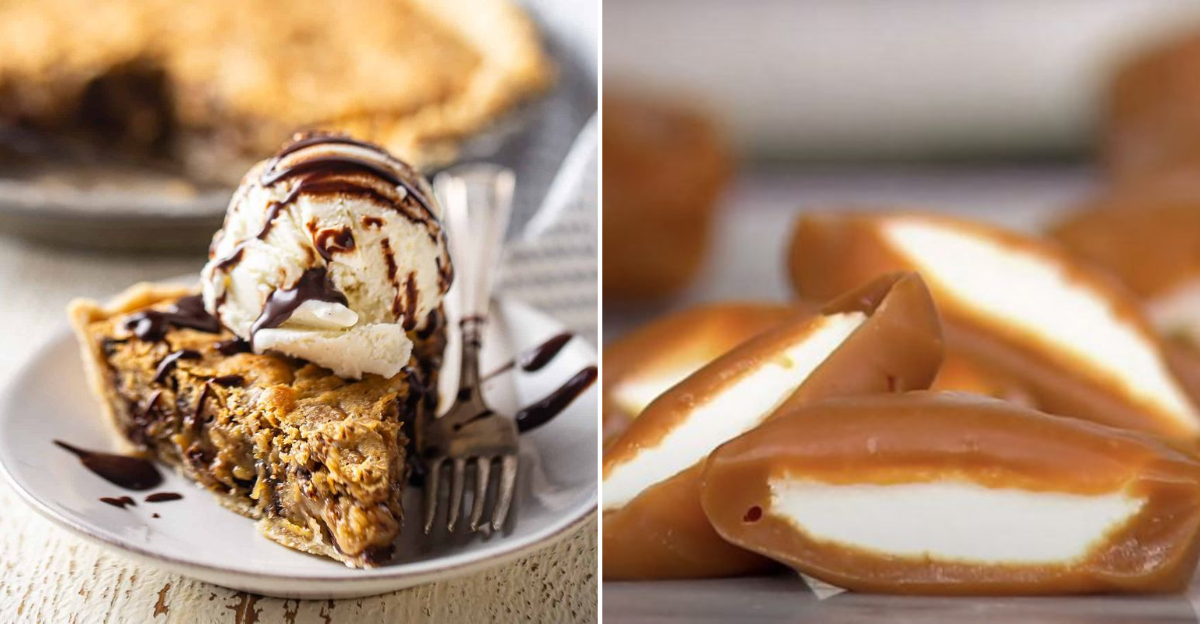
Named after a famous Polish actress, this Louisville candy confection (pronounced “moh-JESS-kuh”) features a marshmallow dipped in caramel. The unusual spelling sends most visitors reaching for pronunciation help.
My grandmother used to bring a box of these treats whenever she visited, carefully wrapped from Muth’s Candies downtown. She’d always correct anyone who mangled the name, insisting proper pronunciation showed respect for tradition.
Today, local candy shops like Muth’s and Bauer’s keep this sweet tradition alive.
4. Benedictine: The Cucumber Spread That Puzzles
This pale green cucumber-cream cheese spread is a Louisville original that causes pronunciation confusion when visitors put emphasis on the wrong syllable. Say it like “ben-ih-DIK-teen” with stress on the third part.
Created by caterer Jennie Benedict in the early 1900s, this spread transforms ordinary sandwiches into Kentucky classics.
Perfect for Derby parties and afternoon teas, Benedictine remains a staple at social gatherings across the Bluegrass State.
5. Henry Bain Sauce: The Gentleman’s Condiment
When ordering this classic Louisville steak sauce, remember to rhyme “Bain” with “pain” – not “bahn” as outsiders often say. This sweet-savory concoction was created at Louisville’s exclusive Pendennis Club by head waiter Henry Bain in the early 1900s.
I once watched a waiter at a fancy Louisville restaurant gently correct a table of business executives who kept asking for “Henry BAHN sauce.” The knowing smiles exchanged between local diners told the whole story.
6. Goetta: Northern Kentucky’s Breakfast Secret
Northern Kentucky’s German-heritage breakfast specialty looks like it should be pronounced “go-EE-tah,” but locals firmly correct visitors with “GET-uh.”
This mixture of ground pork, beef, steel-cut oats, and spices creates a sliceable loaf that fries up crispy on the outside.
The dish crosses the Ohio River from Cincinnati but has firmly established itself in Kentucky cuisine. Glier’s, the largest commercial producer, makes over a million pounds annually for devoted fans.
7. Cushaw: The Squash With The Tricky Name
Gardeners across Eastern Kentucky grow this distinctive crookneck squash, pronounced “KOO-shaw” (not “CUSH-aw” as visitors might guess). With its curved neck and green-striped skin, this heritage vegetable stars in fall desserts and side dishes throughout Appalachia.
Many Kentucky families pass down heirloom cushaw seeds through generations. The sweet, orange flesh makes incredible pies that rival pumpkin, while “candied cushaw” appears at holiday tables as a special treat.
8. Poke Sallet: The Wild Green With Rules
This foraged Appalachian dish causes double pronunciation trouble. First-timers often say “POKE sal-LAY” instead of the correct “POHK SAL-it.” The spelling “sallet” is an old form of “salad,” confusing modern readers.
My great-aunt taught me how to prepare these greens when I was just a boy. She insisted on three separate boilings to remove toxins, draining the water each time.
The resulting tender greens, typically served with bacon or ham, represent mountain resourcefulness and knowledge.
9. Pawpaw: North America’s Forgotten Fruit
Kentucky State University runs the world’s only full-time research program dedicated to this native fruit, correctly pronounced “PAW-paw.” Visitors often say “puh-PAW” or confuse it with papaya, missing the distinctive double emphasis.
The custard-like yellow flesh tastes like a blend of banana, mango, and vanilla. Found growing wild along creek banks and forest edges throughout Kentucky, pawpaws were grown by Thomas Jefferson at Monticello.
10. Sorghum: The Golden Syrup
Fall brings sorghum-making time across Kentucky, when tall grass stalks are pressed and the juice is boiled down to a golden syrup. The silent “gh” trips up visitors who say “sor-GUM” instead of the correct “SOR-gum.”
I remember watching my grandfather at the annual Morgan County Sorghum Festival, stirring the bubbling juice in a long pan over an open fire. The horses circled endlessly, powering the press that squeezed juice from the stalks.
Drizzled over biscuits or cornbread, this sweetener remains a Kentucky treasure.
11. Derby-Pie®: The Dessert You Can’t Call By Name
Kentucky’s famous chocolate-nut pie creates double pronunciation trouble. First, visitors often use the British “DAR-bee” instead of the American “DER-bee.”
Second, only Kern’s Kitchen can legally use the trademarked name “Derby-Pie®” – everyone else must call it “chocolate-walnut pie.”
Created in 1954, this sweet tradition combines chocolate and walnuts in a flaky crust. During Derby season, bakeries across the state produce their versions under creative alternative names.