
12 Kentucky Smokehouse Terms You’re Probably Saying Wrong (Here’s How Locals Say Them)
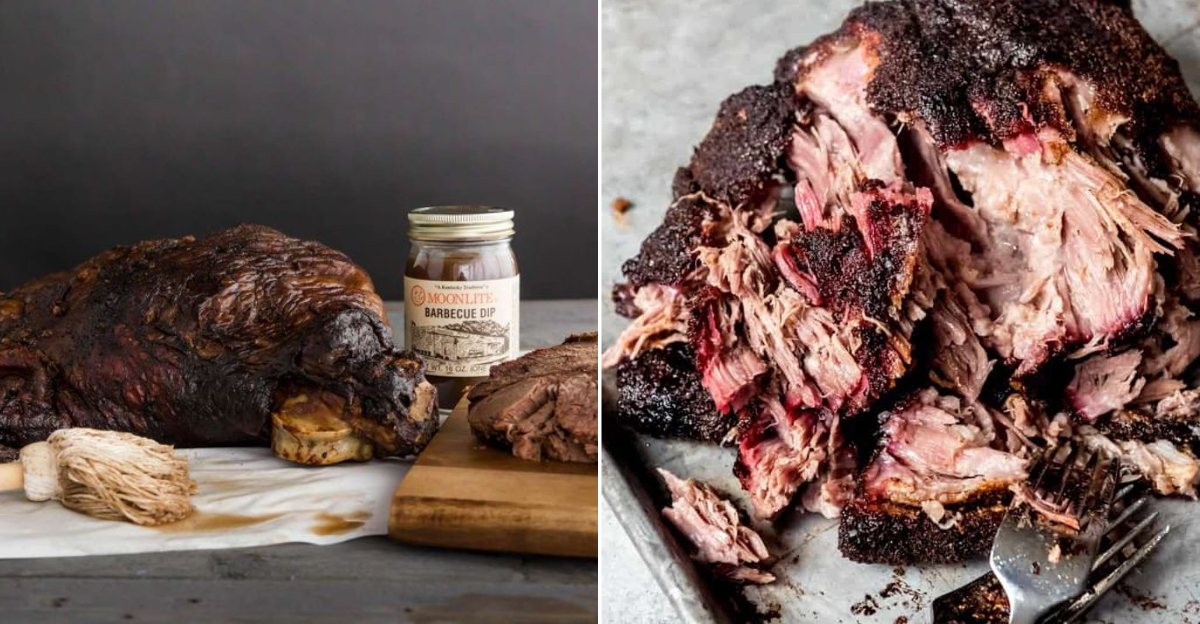
Kentucky barbecue speaks in a language all its own; part dialect, part devotion. Spend enough time near a pit and you’ll start to hear it: phrases passed down beside smoldering hickory, shorthand that means as much about pride as it does about technique.
These twelve words are woven into the state’s smoke-soaked culture, from Owensboro’s church picnics to backroad roadhouses where mutton still reigns supreme. Each carries a trace of history, a flavor born of place, and a rhythm that’s pure Kentucky.
Learn them, and you’ll start to hear barbecue the way locals do, slow, musical, and full of meaning that lingers long after the last bite.
1. Mutton
The smell hits first, earthy, rich, smoky in a way that pork can’t quite imitate. Around Owensboro, “muh-tun” is the correct drawl, and it carries reverence. The locals treat it like barbecue royalty.
This meat comes from mature sheep, smoked low and slow until the fibers surrender to the heat. The flavor is bold, almost gamy, softened by time and smoke.
When I finally tried true Kentucky mutton, it felt like tasting barbecue’s untamed cousin, wilder, older, and far too interesting to forget.
2. Burgoo
At big Kentucky gatherings, you’ll spot giant kettles bubbling with burgoo, rhymes with “stew,” not “goo.” The steam smells like campfire, pepper, and memory.
Burgoo started as a frontier stew made from whatever the hunt brought home, mutton, squirrel, rabbit, and now blends beef, corn, beans, and tomatoes into a smoky harmony. It’s served statewide at picnics and church fairs.
Best move: grab cornbread and use it like a spoon. Locals won’t judge; they’ll probably nod in approval and hand you seconds.
3. Dip
Here, “dip” doesn’t mean queso or something in a jar, it’s the thin, peppery mop sauce brushed onto meat mid-cook and poured over before serving. The word drops quick, “dihp”, like it’s too busy smoking to linger.
Owensboro’s version leans dark and tangy with Worcestershire and vinegar, while Monroe County’s runs fiery with red pepper. Both balance the richness of the meat with bite and brightness.
Ask for “extra dip” and watch the pitmaster smile. It’s the secret handshake of Kentucky barbecue fluency.
4. Owensboro Style
There’s something in the air in Owensboro that smells faintly of hickory and Worcestershire, it’s how you know you’re in barbecue country. The town hums with quiet confidence, proud to do things its own way.
Here, “Owensboro style” means mutton, slow-smoked over open pits and finished with a black, tangy dip that clings to every strand. Locals treat it as gospel, not garnish.
If you show up asking for ribs or brisket, they’ll gently correct you. Then they’ll hand you mutton so good you’ll never argue again.
5. Monroe County Style
A sizzle rises from the pit, loud and sharp, and the air fills with vinegar and red pepper, Monroe County’s calling card. The style here leans hot and direct, no sugar to soften the punch.
Born from necessity, this tradition uses pork shoulder steaks, grilled fast, flipped often, and dunked in a fiery dip that bites before it soothes. It’s rural barbecue stripped to essence.
Wear dark clothes and lean in. The smoke leaves its mark, and you’ll smell like victory the rest of the day.
6. Boston Butt
The name confuses newcomers, it’s not the rear of the pig at all, but the upper shoulder. “Butt” came from the barrels, or butts, once used to ship pork from New England.
In Kentucky, pitmasters treat Boston butt as the perfect canvas: marbled fat, forgiving texture, and plenty of surface for seasoning. Smoked low over hickory, it becomes tender enough to pull with a plastic fork.
I love watching the moment it’s sliced, steam rising, bark cracking softly. It’s barbecue theater at its finest.
7. Shoulder
The shoulder is where patience shows its worth. When cooked right, it yields strands of meat so juicy they glisten under the pit light. The vibe around a shoulder roast is reverent, every pitmaster watching for that perfect give beneath the bark.
Historically, shoulders were the working cuts, less prized but full of flavor when smoked long and slow. In Kentucky, they’ve earned top billing, often chopped fine and served dripping with dip.
You should order it “pulled, not sliced” if you want the full smoke-soaked texture. That’s where the magic hides.
8. Pork Steak
At first bite, it’s not the heat that gets you, it’s the vinegar. Sharp, tangy, and unapologetic, Monroe County pork steaks don’t whisper; they holler. The aroma alone feels electric, red pepper dancing with smoke.
These thin-cut shoulder steaks are grilled over open flame, flipped fast, and mopped in pepper dip until the meat drinks in every drop. It’s barbecue that crackles with energy.
If you’re visiting, skip the fork. Grab it by hand, let the sauce run, and accept that this is how it’s meant to be eaten.
9. Half Chicken
Somewhere between a roast and a smoke, the Kentucky half chicken balances tenderness with char. The skin shimmers golden, brushed lightly with sauce that caramelizes without turning sweet.
This staple pops up at every festival and fundraiser, cheap to make, easy to share, and beloved for that faint hickory perfume. Pit crews split the birds flat, cook them slow, then move them closer to flame for that last kiss of crisp.
My favorite part is the pause before the first bite, everyone just goes quiet, like the bird’s earned respect.
10. Mutton Ribs
The smell hits before the sight, rich, almost sweet smoke with that faint mineral note only mutton carries. It’s heavier than pork, lighter than beef, and endlessly interesting. The vibe around an Owensboro pit shifts when ribs are on; people lean closer, talk quieter.
These come from older sheep, trimmed lean, smoked for hours over hickory until the bones shine clean. The flavor runs deep and rustic.
If you’ve never tried them, start slow, one rib at a time. It’s an acquired taste that quickly becomes an obsession.
11. Pit Cooker
In Kentucky, the pit cooker is less an appliance and more a sacred altar. Every town has one, brick-lined, wood-fed, and tended with care that borders on devotion. Standing near it feels like being in church, if church smelled like hickory.
The traditional design stays open and low, allowing pitmasters to shovel in coals and adjust heat by instinct alone. It’s barbecue at its most human scale.
Tip for visitors: if a place invites you to “see the pit,” don’t hesitate. You’re being welcomed behind the curtain of craftsmanship.
12. Hickory Smoke
You hear it before you see it, a soft hiss from the logs, the whisper of sap turning to scent. Hickory smoke is Kentucky’s signature, weaving through air, clothes, and memory until it becomes identity.
It burns hot but steady, giving meat a golden edge and an aroma that lingers long after the meal ends. Most pitmasters mix it with oak for balance but swear by hickory for flavor.
I’ve walked out of joints smelling like it and never once minded. It’s the truest souvenir you can take home.