
Kids Step Into The 1840s At This Old Illinois Farm Park, Even In Winter
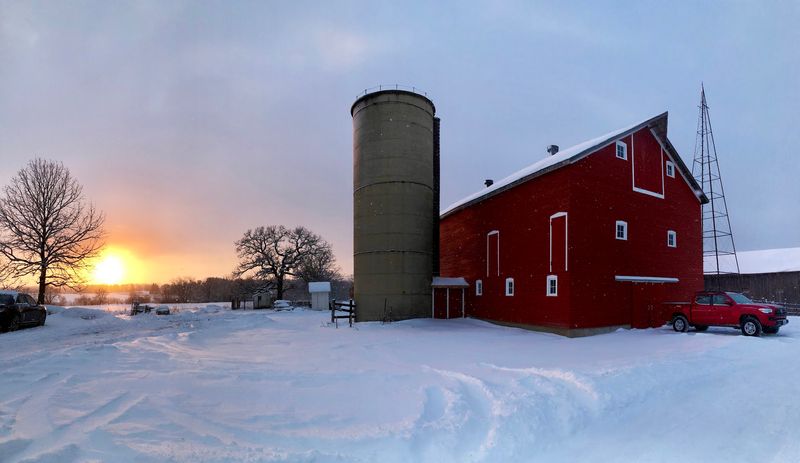
Oxen still pull the plow on one Illinois farm, and repairs get made with tools from the 1840s. Nobody is calling a tractor for backup.
The whole place runs like a working farmstead from nearly two centuries ago. Guides wear period clothing, old barns still stand on the land, and a historic inn waits for curious visitors to step inside and look around.
I like how this spot skips the flash entirely. It offers 366 acres of quiet history, rare farm animals, and people who clearly enjoy answering every question a kid can throw at them.
Winter makes it even more tempting for families who need a break from screens. Holiday-season visits, cozy tours, and a packed event calendar give kids something real to remember.
So how does a farm this old stay this lively?
An 1840s Farmstead Still Doing Things The Slow Way
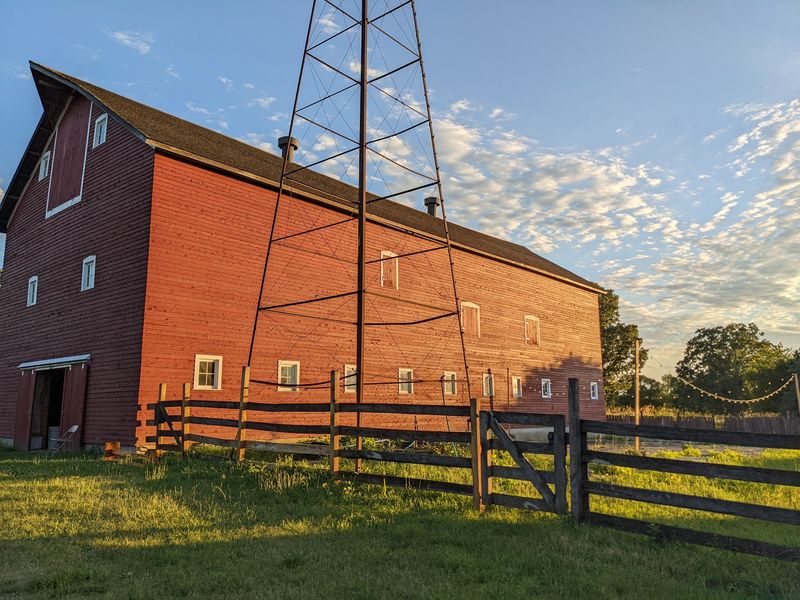
Garfield Farm Museum sits in the little community of La Fox, out in the farm country of Kane County, Illinois. It’s a 366-acre 19th-century farmstead preserved to show how rural life worked in the 1840s.
That date matters more than you’d think. Plenty of historic farms focus on the late 1800s, but this one stays firmly rooted in an earlier, rougher era.
The museum treats that decade like a living, breathing workplace. Staff dress in period costume, animals do real chores, and the buildings still serve a purpose instead of just looking pretty.
Kids tend to get it right away. A barn is more exciting when something is actually happening inside it.
The farm also hosts a long list of educational and entertainment events throughout the year. That means two visits rarely feel exactly alike, which is great news for families who like returning.
Think of it as a field trip without the permission slip. You show up, you wander, and you leave knowing a lot more about early Illinois than when you arrived.
Not bad for a quiet road west of the bigger suburbs.
One Family’s Farm Tells The Story Of A Whole Region
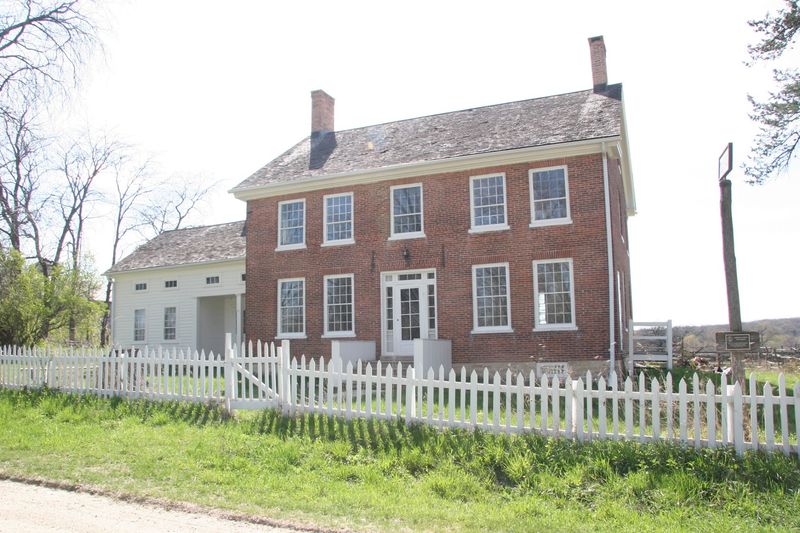
History lessons usually zoom way out, covering whole nations in a single chapter. Garfield Farm Museum zooms in on one family’s farm instead.
That close-up view makes the past surprisingly easy to follow. You see how this corner of Illinois grew into what it is today through one homestead’s daily life.
The farm is close to 200 years old, which gives it real bragging rights. Few places in the area can say their buildings were already standing when settlers were still carving out new roads.
Tour guides fill in the gaps with stories about the farm’s history and its mission. The volunteers and staff here are known for being genuinely knowledgeable, and they enjoy sharing it.
You don’t need to know anything about agriculture to keep up. The tours are pitched so curious beginners walk away feeling smarter, not lost in jargon.
That mission of preservation runs through every corner of the property. Early farms like this one are rare survivors, and the people caring for it treat that fact seriously.
For kids, the takeaway is simple and memorable. Real people lived, worked, and figured things out right here.
Oxen Handle The Plowing While Kids Watch In Awe
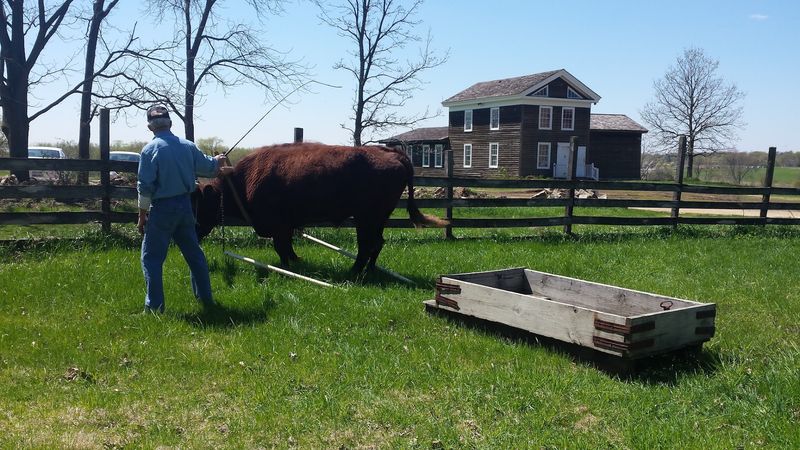
Forget engines and gas cans. On this farm, oxen pull the plow just like they did in the 1840s.
Watching that kind of muscle at work is a big deal for kids raised on tablets. Few children have ever seen a field worked without a single motor humming nearby.
The old-fashioned approach goes well beyond plowing. Repairs around the farm get made with tools of the time, so the work looks and sounds the way it would have long ago.
Staff in period costume add to the effect. It’s easy to forget what year it is when everyone around you is dressed for a different century.
Parents might appreciate the lesson tucked inside the fun. Everything took effort back then, from turning soil to fixing a broken gate.
The animals also give younger visitors an easy way into the history. Some tours can focus mainly on the farm animals, which works nicely for little ones with short attention spans.
Bring questions, because the guides clearly welcome them. Kids who ask why oxen instead of horses will probably get a far better answer than any textbook offers.
The Old Inn Might Be The Most Intriguing Building On The Property
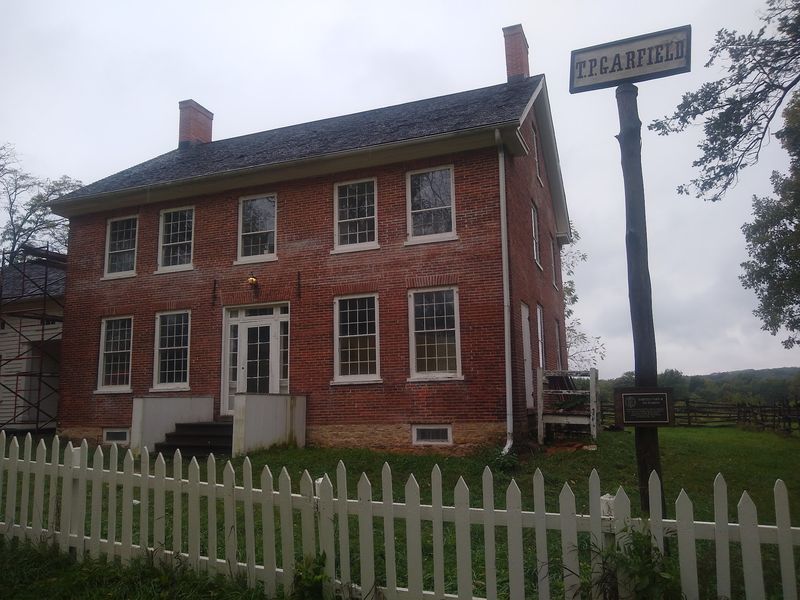
A farm with its own historic inn? That detail alone makes Garfield Farm Museum stand out among Illinois history stops.
The old tavern is open for touring, and it tends to fascinate visitors more than they expect. Travelers once stopped at places like this for food and a place to rest on long journeys.
Stepping inside offers a peek at how hospitality worked before hotels lined every highway. It’s a very different picture from a modern roadside motel with a vending machine.
Group tours can include the tavern alongside the farm itself. Guides will shape the visit around your group, whether that means animals only or a deeper look inside the inn.
Classes have even taken place upstairs in the building. Dulcimer music lessons once filled the space, which sounds wonderfully cozy on a cold afternoon.
For kids, the inn turns history into something they can picture. Imagine arriving by wagon, muddy and tired, and finally finding a warm room.
Older students and history buffs will likely want extra time here. The building rewards slow looking and lots of questions.
Rare Breeds Turn An Ordinary Barnyard Into Something Special
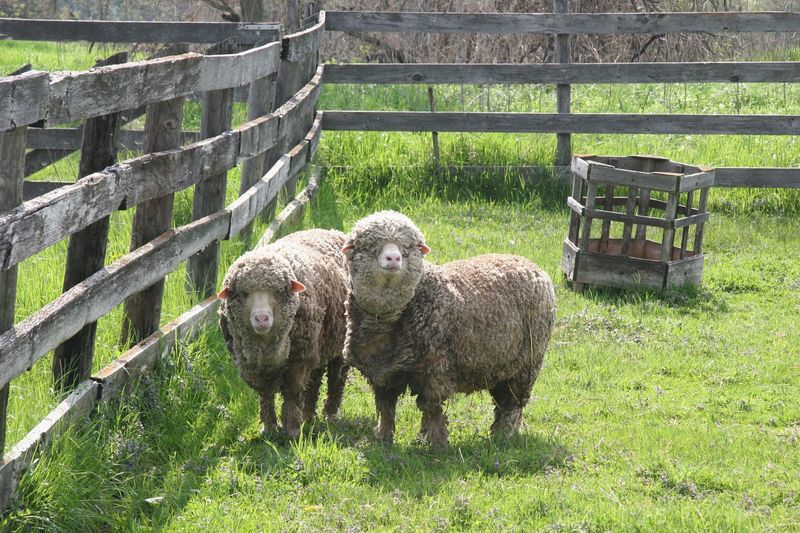
Some farm animals are getting harder and harder to find. The yearly Rare Breeds show at this farm puts several of them front and center.
The event has become a favorite tradition for many families. It’s the kind of outing people return to year after year because it never feels stale.
Heritage breeds connect directly to the farm’s 1840s focus. These animals look different from the ones on most modern farms, and kids notice right away.
Seeing them up close sparks great conversations. Why did farmers once raise these breeds, and why are they so uncommon today?
The show also makes a relaxed afternoon for the whole family. Grandparents, parents, and toddlers can all enjoy it at their own pace.
Check the museum’s event schedule before planning around it, since it happens once a year. Dates can shift, and you won’t want to miss the main event.
Even outside show days, the farm’s animal life keeps things lively. A visit almost always includes some four-legged or feathered company.
Cold-Weather Visits Feel Like An Old Holiday Card Come To Life
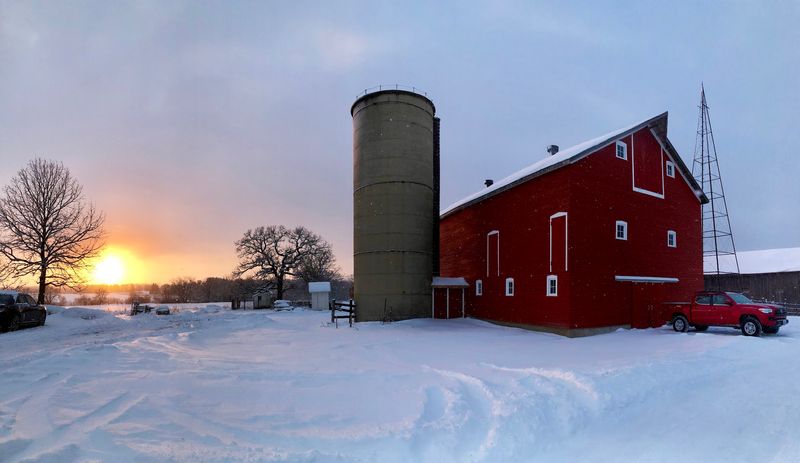
Snow on old barn roofs just hits differently. At Christmas time, this working 1840s farm offers a seasonal visit that feels miles away from crowded malls.
Winter on a historic farm also reveals a side of pioneer life most kids never think about. Animals still needed care, and chores didn’t pause because the temperature dropped.
Families hoping for a horse-drawn sleigh ride should check the calendar first. Winter programs depend on the schedule, and snow in Illinois is never a sure thing.
That small bit of planning saves a lot of disappointed faces in the back seat. The museum regularly lists its special events, so a quick look ahead pays off.
Even a simple winter tour holds plenty of charm. Period clothing, old buildings, and quiet fields make the season feel wonderfully old-fashioned.
Bundle up, because this is a farm and not a shopping center. Warm boots and mittens will keep little explorers happy longer.
Afterward, a cozy drive home gives everyone time to talk about what they saw. Those conversations are half the fun.
Homemade Ginger Ale, Dulcimer Tunes, And Wildflower Walks
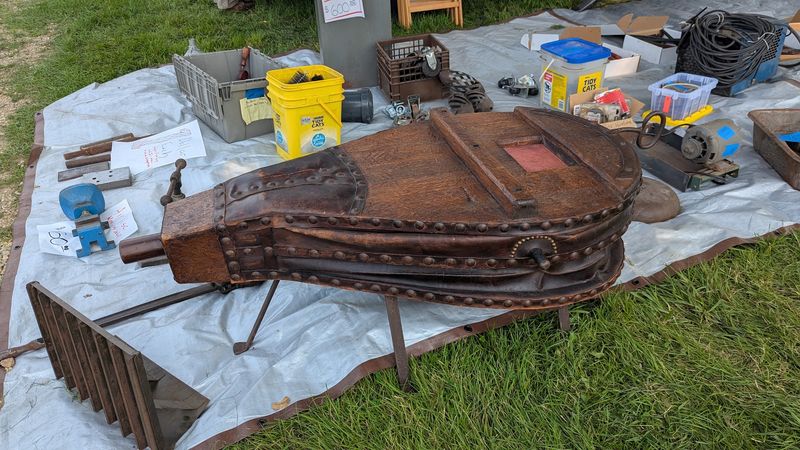
Ginger ale, made by hand the old way, has been one of the hands-on classes here. That gives you a sense of how playful the programming can get.
Classes at Garfield Farm Museum mix learning with genuine fun. Past offerings have included dulcimer music lessons held upstairs in a historic building.
Outdoors, the prairie and wildflower walks draw their own fans. Even people who aren’t history lovers have enjoyed strolling the grounds with a guide.
These walks follow a schedule, so plan ahead before you go. Showing up on the right day makes all the difference.
Dances and other special events also pop up on the calendar. Some families visit once and immediately start planning a return trip for one of them.
Visitors have also gone home with flower seeds, a sweet little souvenir. Planting them in spring stretches the memory of the visit for months.
The variety keeps the farm from feeling like a one-and-done stop. Every season seems to offer a different reason to make the drive across Illinois.
Hours, Costs, And Getting To La Fox
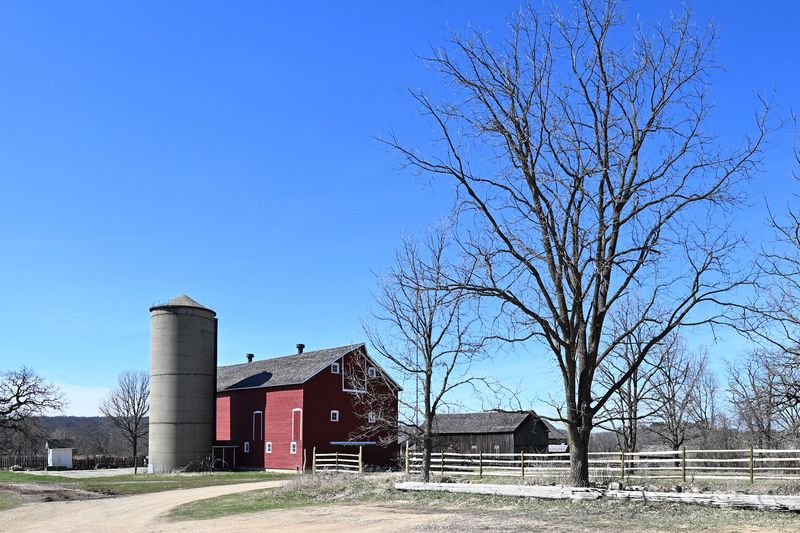
Planning ahead is easy, and your wallet will barely notice. Garfield Farm Museum is located on Garfield Rd, La Fox, IL 60147, in western Kane County.
The drive takes you into quiet rural Illinois, just beyond the busier Fox Valley towns. It’s close enough for a day trip without feeling like a big production.
Hours run from 8 a.m. to 5 p.m. on Monday, Tuesday, Thursday, Friday, and Saturday. Wednesday and Sunday hours are shorter, running from 1 to 4 p.m.
Tours have historically asked for a small contribution rather than a big ticket price. That makes this one of the more budget-friendly family outings around.
Special events and classes may follow their own schedules and costs. A quick look at the museum’s calendar before leaving home is always smart.
Quieter days can bring a nice bonus. Some visitors have ended up with an almost private tour, with plenty of time for questions.
Dress for the weather and the ground. Farm paths and fields call for sturdy shoes in every season.
Why This Quiet Farm Deserves A Spot On Your Family Calendar
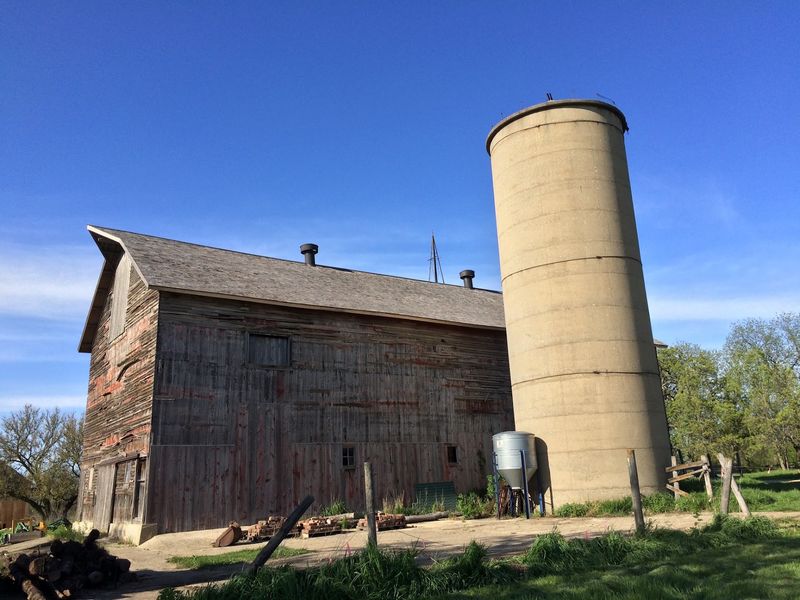
Plenty of people drive past La Fox without realizing this place exists. Many who finally stop are glad they did.
Garfield Farm Museum doesn’t try to wow you with size or noise. At first it may not seem like much, but the guides and the stories make it well worth the trip.
The atmosphere stays relaxed and welcoming for all ages. Toddlers can enjoy the animals while grandparents soak up the history at an easy pace.
Some fans have been coming back for more than three decades. That kind of loyalty says a lot about a small Illinois museum.
It also fits families looking for affordable, screen-free memories. A modest contribution and a short drive buy an afternoon kids will actually talk about.
Winter, spring, summer, or fall, the calendar usually offers something new. Rare breeds, holiday visits, classes, and walks keep each season fresh.
So pack the snacks, check the schedule, and point the car toward Kane County. The 1840s are waiting, and the oxen probably won’t mind the company.