
8 Lesser-Known Arkansas Towns That Belong On Your Fall Road Trip Radar
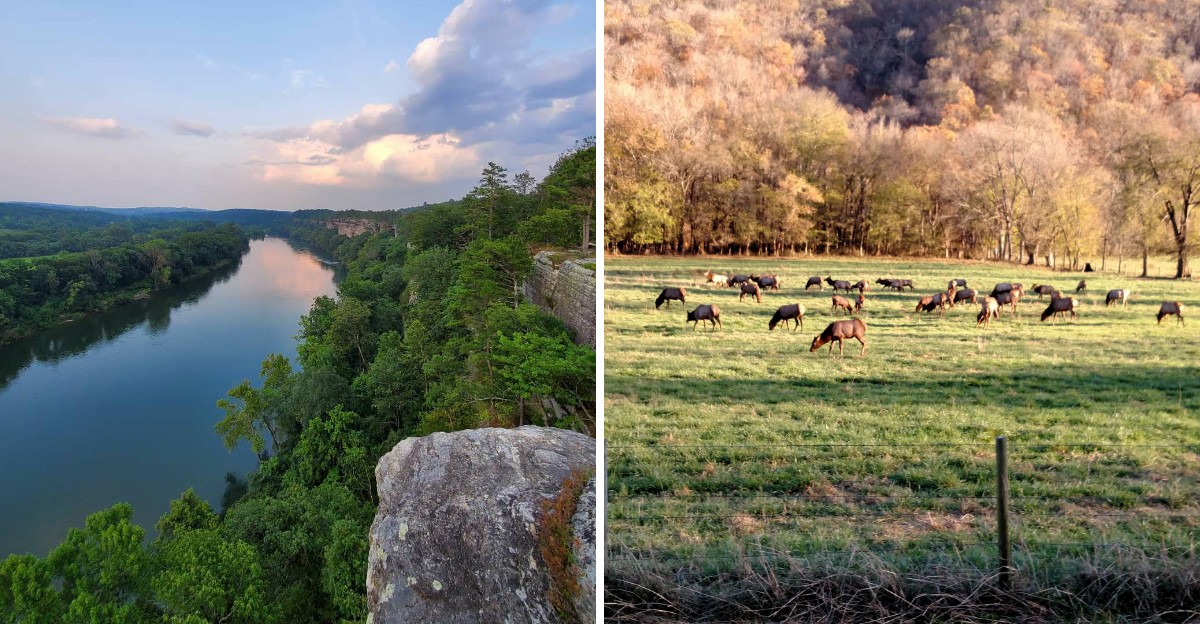
Arkansas has a famous pie that many call the state pie, and one of the best places to try it sits right beside a canyon view. The pie even has a name that sounds like a warning to tidy up the living room.
I love that kind of detail.
I’m also drawn to a valley where wild elk bugle every fall, more than 40 years after the herd returned to the state. Add folk musicians on a courthouse square, a mountain byway that crosses into Oklahoma, and river bluffs streaked like calico fabric.
My map starts filling up fast.
None of these stops are the big names people usually chase in autumn. They’re small, a little out of the way, and packed with reasons to slow down.
Which one would you hit first?
1. Jasper
Few towns can claim a canyon view, a state pie, and a courthouse square within a short drive. Jasper pulls it off with roughly 500 residents.
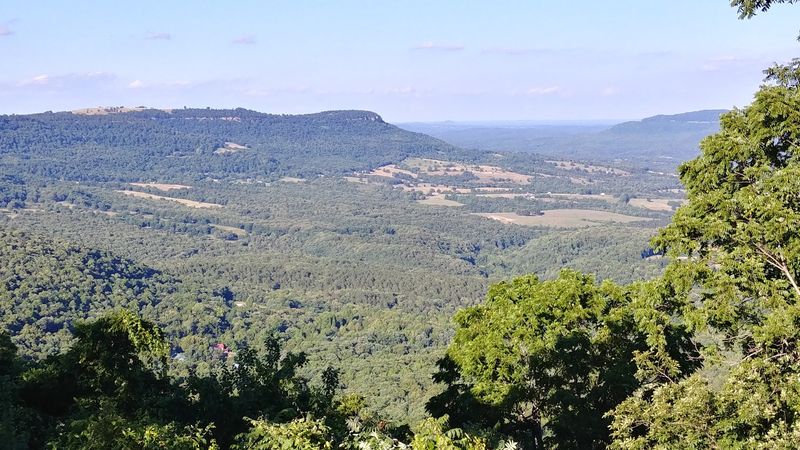
The town sits along Scenic Byway 7 in the Buffalo River Valley. In fall, those rolling Ozark ridges turn into a patchwork of gold, orange, and red.
Head about six miles south of the square to the Arkansas Grand Canyon Overlook. The pull-off offers sweeping views of the Boston Mountains, and the Rotary Ann Pavilion gives you a picnic spot.
Right next door, the Cliff House Inn serves home cooking in a dining room overlooking that same view. Its claim to fame is Company’s Comin’ Pie, widely known as Arkansas’s state pie.
You’ll also find fried catfish, ribeye steaks, burgers, po’boys, salads, and other homemade desserts. A gift shop on site handles souvenirs while your lunch settles.
Timing matters here, so plan ahead. The restaurant closes Monday and Tuesday, and it doesn’t take dining reservations.
Breakfast runs only on Sunday, Wednesday, and Thursday mornings. Friday and Saturday shift to lunch and dinner, so check the schedule before building your day around pie.
The inn opened in May 1967 as a gift shop and a five-unit motel. The famous pie arrived in the mid-1970s, so it’s had decades of practice.
Bring a jacket for the overlook, since mountain mornings can feel brisk in fall. A camera helps too, because those ridges look different as the light shifts.
After lunch, wander back to the historic square and stretch your legs. Then point the car along Highway 7 and let the leaves do the talking.
2. Mena
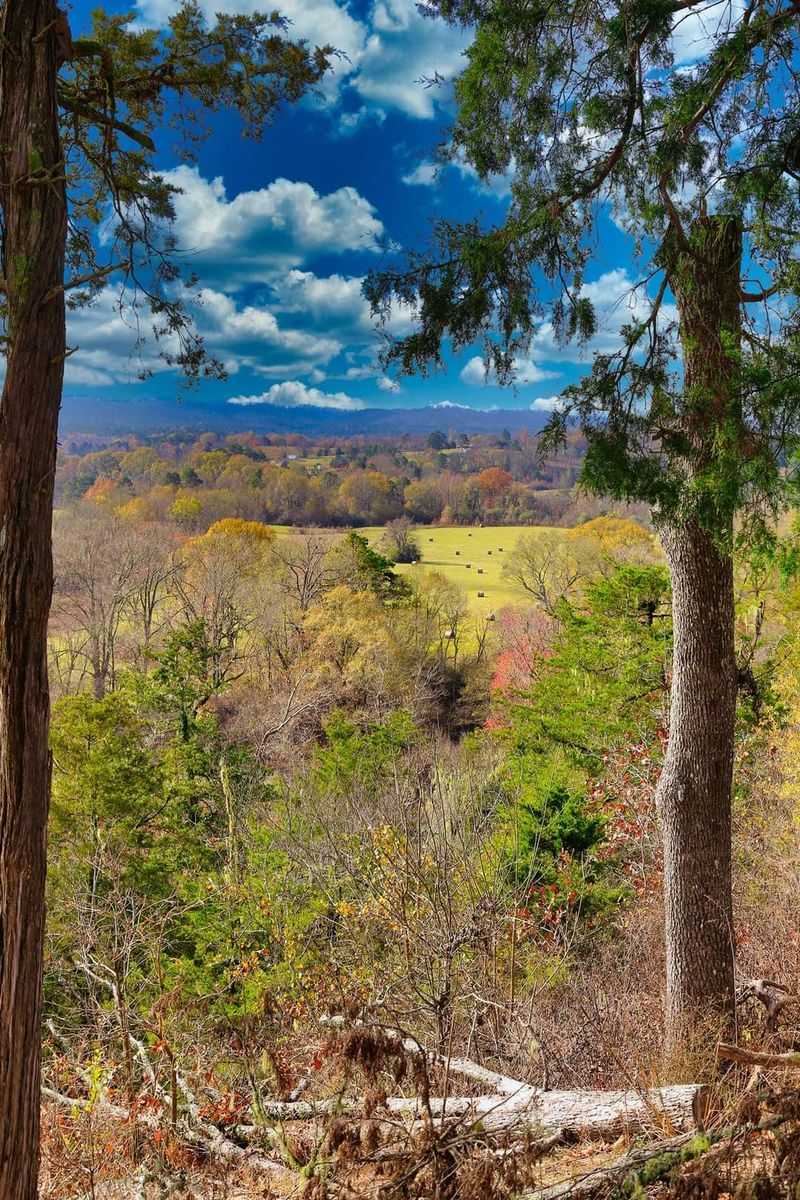
One road, two states, and 54 miles of ridgetop views make Mena a fall favorite in the making. The town marks the eastern starting point of the Talimena National Scenic Byway.
The byway follows Highway 88 out of Arkansas and across the Ouachita Mountains. It ends in Talihina, Oklahoma, so you can tell friends you crossed state lines for leaves.
Rich Mountain is the star on the Arkansas side. The road climbs along its crest, with fall color spreading across the slopes below.
Along the way, you’ll pass Queen Wilhelmina State Park near the top of Rich Mountain. It’s a natural break point for a picnic or a stretch.
The Ouachitas run east to west, which is unusual for American mountain ranges. That quirk gives the byway long ridge views instead of a twisty valley crawl.
Before you climb, spend some time in town. Mena has around 5,500 residents and a historic main-street district that rewards a slow stroll.
Grab supplies here, since the byway is mostly forest and overlooks. Topping off your tank in town is smart before heading into the mountains.
Pullouts dot the route, so there’s no need to rush. Use them to stop, snap photos, and let faster drivers pass.
Fog can roll over the ridges on cool mornings. If that happens, slow down and wait for the views to clear.
Fall weekends bring the byway’s heaviest traffic. A weekday visit gives you more room at the overlooks and a calmer ride.
The full drive makes a great day trip. Start in Mena after breakfast, and you’ll have plenty of daylight to drive, stop, and return.
3. Ozark
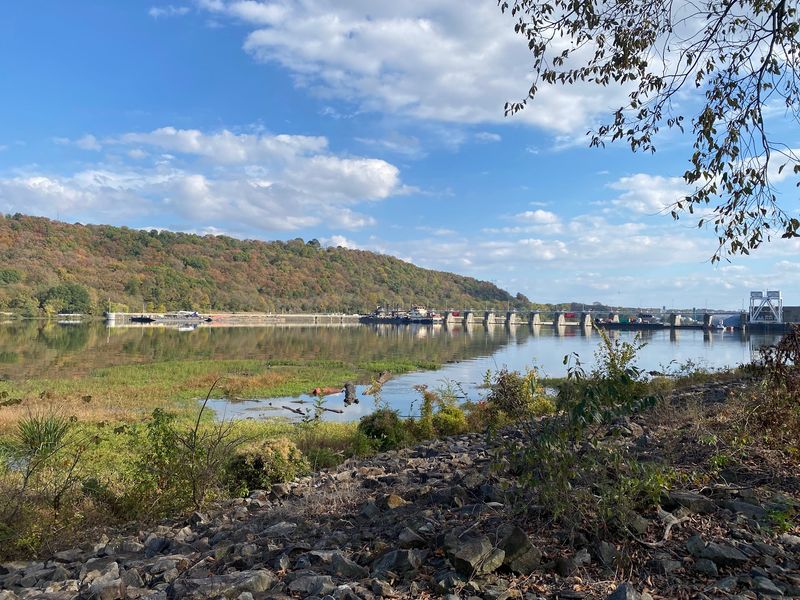
Nicknamed for Razorback fans who drove it to games in Fayetteville, the Pig Trail is one of Arkansas’s most famous scenic routes. Ozark serves as a southern gateway to Highway 23, which leads north toward the designated 19-mile scenic byway.
The town has about 3,500 residents and a main-street square facing the Arkansas River. It’s a pleasant spot to fuel up and stretch before the curves begin.
Once you head north, the road gets busy in the best way. Hairpin turns stack up as the highway climbs into the Ozark National Forest.
In peak fall color, trees close in over the pavement and form leafy tunnels. Those canopy views are the reason the route earns so much autumn buzz.
Drive it slowly. The curves are tight, and motorcyclists share the road on pretty weekends.
Pullouts are your friend when traffic stacks up behind you. Let faster drivers pass, then enjoy the view without pressure.
Before you leave, take a walk near the river. Watching the Arkansas River roll past the square makes a nice contrast to the twisty mountain road ahead.
Pack a picnic from town before you start the climb. The forest offers plenty of scenery but far fewer places to shop.
Mountain color in Arkansas usually peaks around late October. Checking a foliage report before you go helps you catch the show at its best.
Weekdays offer a calmer ride. Fall weekends draw bigger crowds to the Pig Trail, especially during football season.
Carsick passengers should grab the front seat. Those switchbacks can humble even sturdy stomachs.
4. Ponca
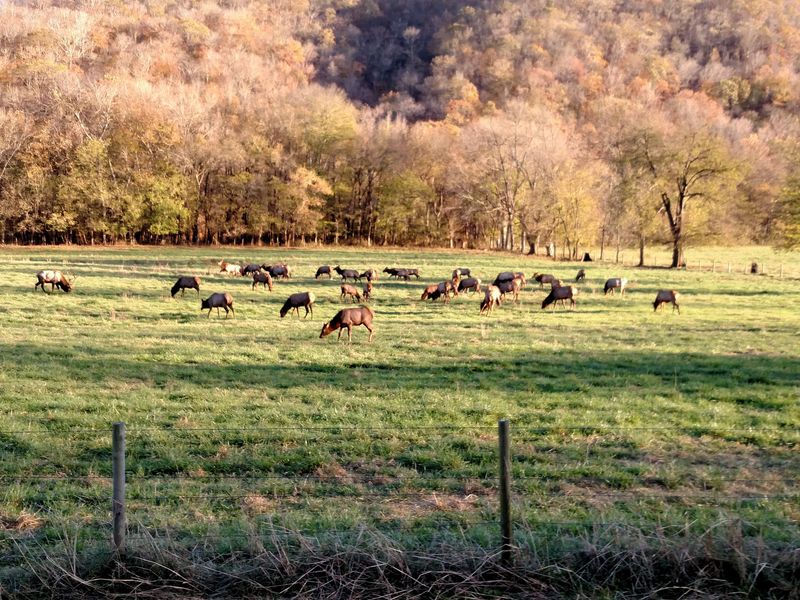
Bring binoculars, because the most famous residents here wear antlers. Ponca, a tiny Ozark hamlet of fewer than 200 people, sits at the doorstep of Arkansas elk country.
Elk were reintroduced to the state in 1981, and Boxley Valley is now a top spot to see them. Drive Highways 43 and 21 south of town and use the marked pullouts to watch safely.
Fall is the main event. The rut usually runs from mid-September to mid-November, when bull elk bugle and spar across the fields.
Early morning and late evening tend to be your best bets. Stay near your car or the pullout, and let the elk keep their personal space.
Want to stretch your legs? Lost Valley Trail starts about 1.5 miles south of Ponca off Highway 43 and runs roughly 2 miles round trip.
The easy-to-moderate hike follows a seasonal creek to a natural bridge, Eden Falls, and a cave you can explore with a flashlight. The first half-mile is relatively smooth and level, but a creek crossing and the steeper sections beyond may limit accessibility.
Back in town, the Buffalo Outdoor Center has served adventurers since 1976. Its store stocks gear, river maps, souvenirs, and groceries for your trip.
Hungry hikers can grab a mile-high sandwich or fresh-baked pizza at the deli inside. The center also runs cabin rentals and the state’s only wilderness zip line.
Store hours shift to 8 am to 5 pm starting in November. River trips mostly happen in spring and early summer, so treat autumn as hiking and elk season.
Stick around after sunset if the sky is clear. The Buffalo National River is an International Dark Sky Park, so the stars put on a show of their own.
5. Calico Rock
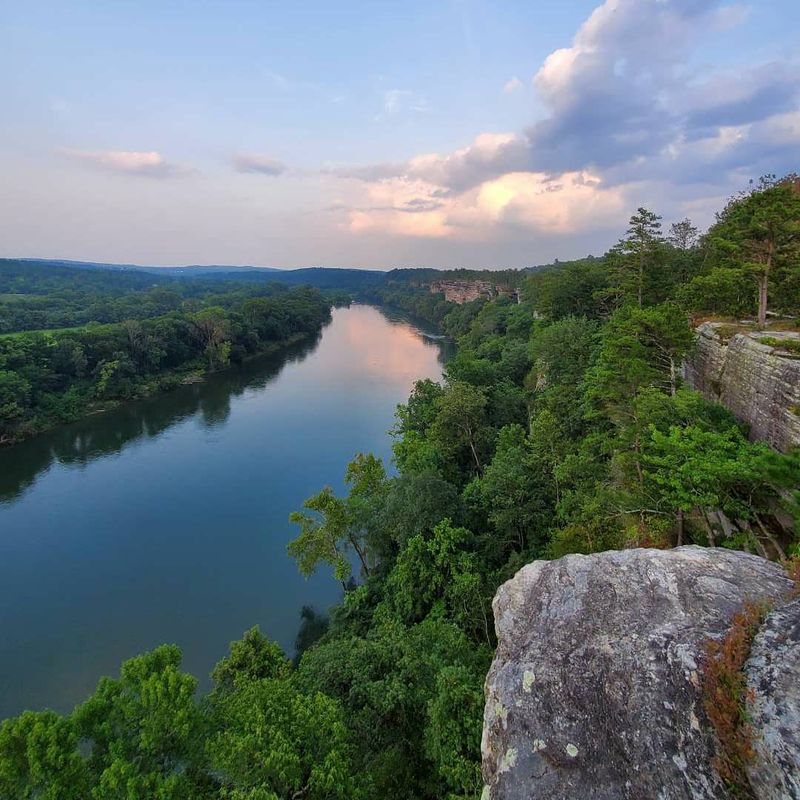
Plenty of towns are named for founders, but this one borrowed its name from a rock wall. Calico Rock refers to the multicolored bluffs along the White River, which early river travelers compared to calico fabric.
The town sits high on those bluffs along Highway 56 in north-central Arkansas. With fewer than 1,000 residents, it feels more like a secret than a stop.
That bluff-top perch is the big draw in fall. Looking down at the White River while the hills change color gives you a view worth pulling over for.
Downtown has a historic main street that’s easy to explore on foot. The pace stays slow enough for lingering, which is exactly the point.
Nearby, you’ll find the East Calico historic district. Wandering it gives you a sense of how the town looked in its earlier days.
Getting here is part of the fun. Highway 56 winds through rural Ozark country, with hardwood hills on both sides when the season peaks.
Calico Rock also fits neatly into a bigger loop. Mountain View is within driving distance, so you can pair river bluffs with folk music in one weekend.
Plan for a relaxed visit rather than a packed schedule. Small towns like this reward people who park, walk, and notice details.
Pack snacks and fill your tank before the back roads. Services can be spread out in this part of the state, and the curves invite a slower drive.
Afternoon light tends to make those painted bluffs pop. Time your stop for later in the day, then watch the river shimmer below you.
6. Mountain View
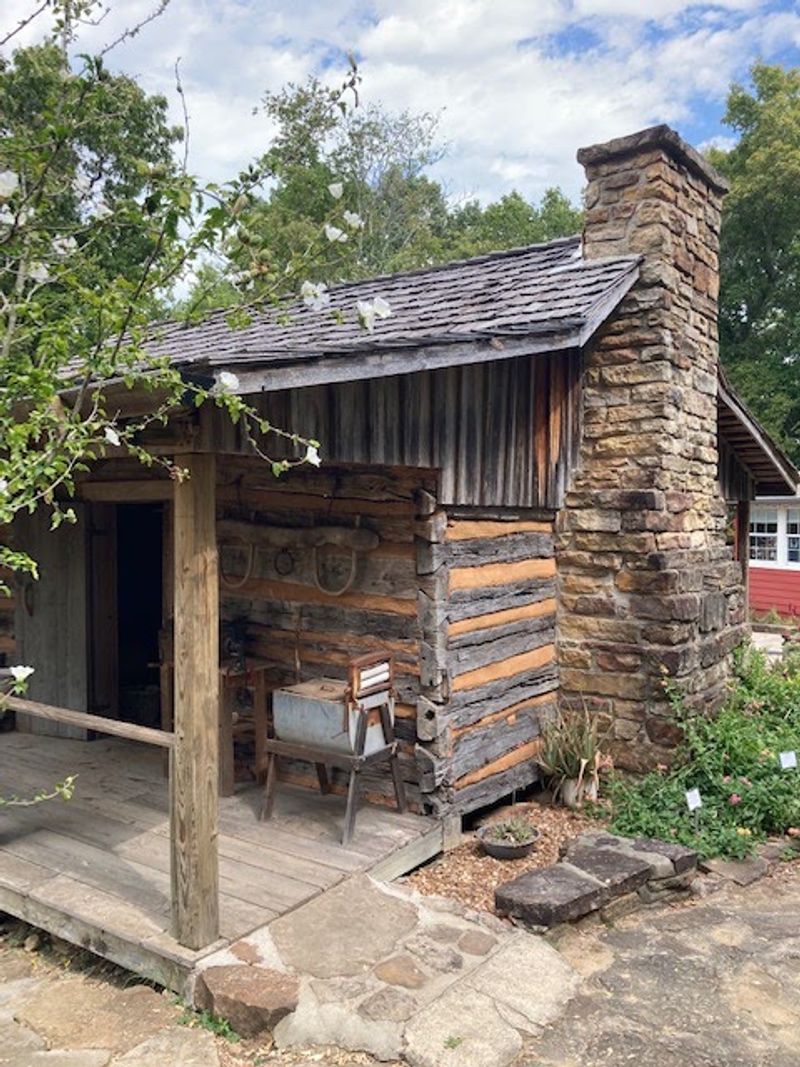
Banjos and fiddles do the talking around here. Mountain View, home to about 2,800 people, is known for folk musicians who gather to play on the courthouse square.
The town keeps Ozark music and crafts front and center. Grab a spot nearby, listen awhile, and you’ll understand the appeal fast.
Just outside downtown, Ozark Folk Center State Park has celebrated mountain traditions since 1973. Its Craft Village features more than 20 working artisans who demonstrate and sell their work.
Expect flame-painted copper jewelry, brooms, baskets, pottery, ironwork, and quilts. You can chat with the makers and watch old techniques up close.
Live Southern mountain music fills the Blacksmith Stage, while the 1,000-seat Ozark Highlands Theater hosts special performances and events. The Heritage Herb Garden and The Skillet Restaurant round out a full day.
Fall timing works in your favor. The park generally runs its main season from mid-April to mid-November, with the Craft Village open Tuesday through Saturday.
Back on Main Street, the Arkansas Craft Guild and Gallery shows work from more than a hundred guild members. The guild started as a cooperative in 1962.
Shelves hold pottery, wood carvings, stained glass, knives, gourd art, quilts, jams, and honey products. It’s open Tuesday through Saturday, so skip Monday if shopping is the plan.
Leaf peepers should save time for Highway 14. The Sylamore Scenic Byway winds through hardwood-covered passes in the nearby Ozark National Forest.
Book lodging early for October weekends. A music town in peak foliage season can fill up quickly.
7. Leslie
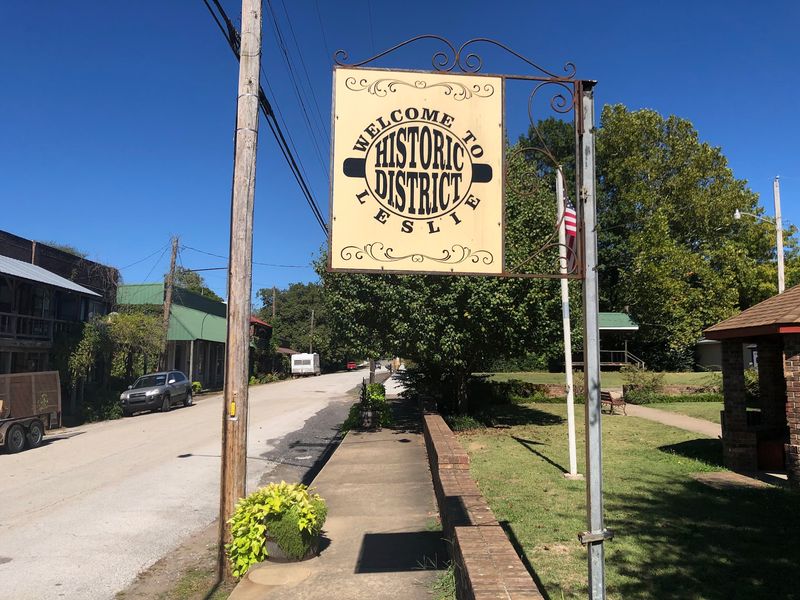
Plan on a pastry stop, because Leslie takes its bread seriously for a town of roughly 350 people. Artisan bakeries share its main street with a lineup of antique stores.
The town grew up as an Ozark timber town. That history still shows on the main street, which feels like a step back from highway hustle.
Leslie sits along US Highway 65 in Searcy County. That makes it an easy, natural pause on drives through the Boston Mountains.
In fall, the stretch of 65 around here rolls through wooded hills and ridges. Color sweeps across the slopes, and the curves give you plenty of reasons to slow down.
Once you park, give yourself time to browse. Antique shops are the kind of places where a quick look turns into an hour.
Leave some trunk space before you go in. Antique hunting has a funny habit of filling cars.
The bakeries make the stop feel complete. Grab something fresh for the road, and your next hour of driving gets a lot more pleasant.
Mornings are a smart time to roll into town. Fresh bread and a crisp fall breeze make a pretty great combination.
Searcy County is quiet, rural country. Expect small-town hours, and arrive earlier in the day for the best shot at open doors.
Leslie also pairs well with other stops on this list. Jasper and the Buffalo River area sit to the northwest, so you can link them into one scenic loop.
Snap a photo of the historic storefronts before you leave. Old timber towns like this one don’t pop up often on a major highway.
8. Wilson
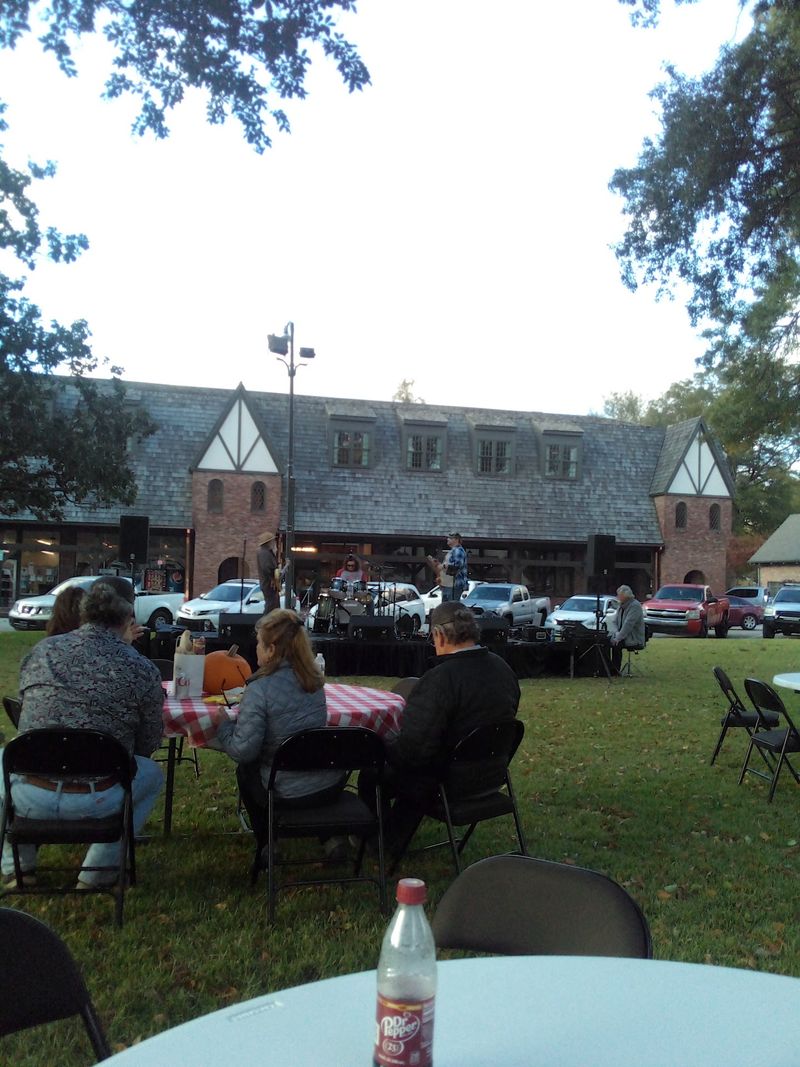
Tudor-style buildings in the middle of Arkansas farm country sound like a mix-up, yet Wilson pulls it off. The town square features English Tudor architecture, a real surprise in the flat Delta.
Fewer than 900 people live here. The town’s roots run deep into agriculture, and that heritage still frames the landscape around it.
Wilson sits on the Great River Road, US Highway 61, in eastern Arkansas. This route trades mountain curves for wide, open country.
Fall here looks different from the Ozarks. Instead of leafy ridges, you get harvest season across sweeping fields and big skies.
That change of scenery is the whole charm. After a week of switchbacks, a straight Delta road can feel like a deep breath.
Park near the square and take a slow lap. The Tudor details make for fun photos, especially in soft afternoon light.
Bring a curious eye for small details. Rooflines and timber trim give the square a storybook look you won’t expect this close to the Mississippi.
Wilson works best as part of a longer drive along Highway 61. Pair it with other Delta towns, and you’ll see a side of the state many travelers miss.
Watch for farm equipment during harvest. Big machines share the roads this time of year, so patience pays off.
Fill your tank before the long, open stretches. Towns sit spaced out along this part of the Great River Road.
Pack layers for the trip. Delta fall days can start cool and turn mild by afternoon.
Ending a road trip here feels right. The mountains grab the headlines, but Arkansas saves a wide-open finale for drivers who head east.