
Locals Avoid This Colorado Camping Spot After Dark During The Fall Rut
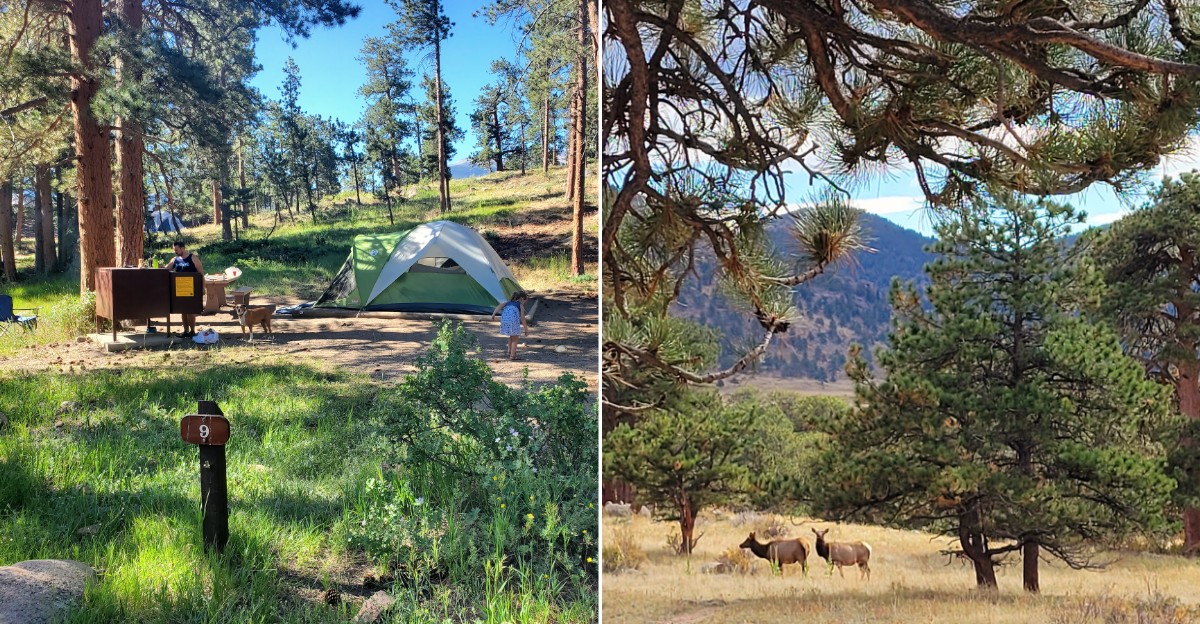
Autumn can turn a peaceful campground into front-row seating for one of nature’s loudest dating seasons. Bugling bulls, moving herds, and suddenly alert campers make evenings near the meadows feel very different once the light starts fading.
During fall in Colorado, elk rut activity can completely change how people move through camp after sunset. This is not the season for wandering toward strange noises with a flashlight and heroic confidence.
Wildlife needs space, visibility drops quickly, and a calm afternoon can become surprisingly active by dusk. The spectacle is remarkable, especially when those unmistakable calls start carrying across the valley.
Visitors exploring this part of Colorado are better off enjoying the drama from a respectful distance. Keep dinner close, keep nighttime walks short, and resist the urge to investigate every sound beyond the campsite.
Sometimes the smartest evening plan is also the easiest one: stay put, listen carefully, and let the elk handle the after-dark entertainment themselves.
The Rut Turns A Quiet Campground Into Elk Territory
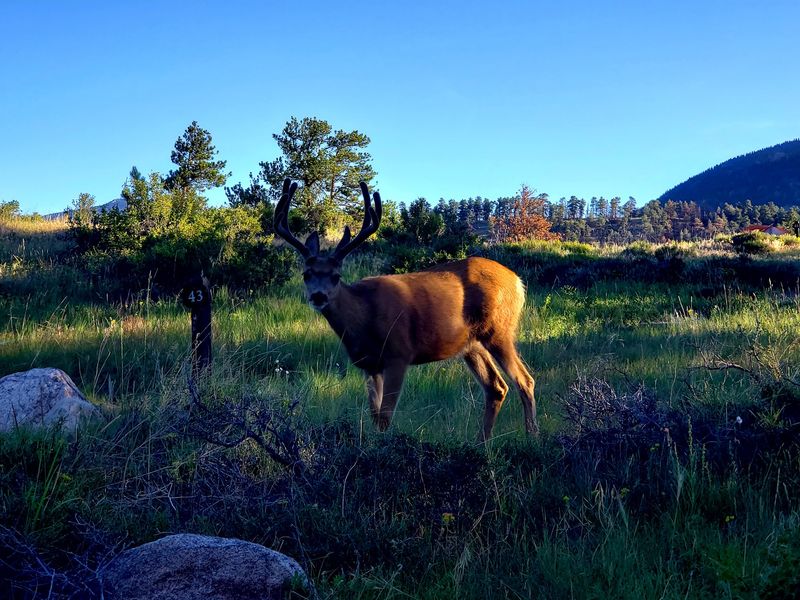
Fall at Moraine Park Campground does not arrive quietly. The elk rut brings bugling, posturing, and large animals moving through the Moraine Park valley like they own the calendar, which, for a few weeks, they basically do.
The campground sits inside Rocky Mountain National Park near Estes Park, Colorado, where elk are a major part of the autumn story. Bulls gather cows into groups, move across meadows, and may react strongly when people, cars, or campers get too close.
That is why locals tend to admire the show before dark, then let the animals have the evening shift.
National Park Service guidance is simple: keep a safe distance from wildlife and never approach elk. At Moraine Park Campground, that advice matters because the campground is close to open habitat where elk are often seen in fall.
A flashlight stroll may sound harmless, but after sunset your view shrinks and an elk can appear much closer than expected.
The smart plan is not fear. It is respect, timing, and a little humility.
Elk are not campground entertainment. They are wild neighbors with antlers and very little interest in your schedule.
After Dark Is When Simple Mistakes Get Larger
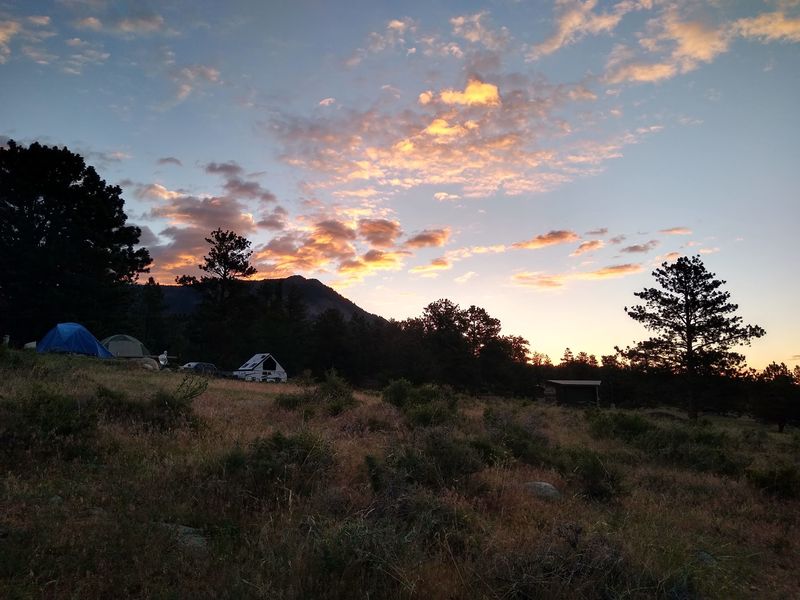
A campground path feels different when the sun drops behind the ridges. At Moraine Park Campground, familiar loops, restrooms, and food lockers are easier to manage in daylight, especially during the fall rut when elk may be nearby.
After dark, the problem is not that the campground suddenly becomes mysterious in a movie trailer way. The problem is practical.
People see less, judge distance poorly, and may not notice wildlife until they are already too close. During rut season, bull elk can be more defensive, especially around groups of cows.
Locals know this rhythm because Estes Park has long dealt with elk moving through town and park areas in autumn. The National Park Service reminds visitors to watch wildlife from a distance, use pullouts when viewing from roads, and never block traffic.
Those same habits apply inside the campground, only with tent stakes and sleepy children added to the equation.
Evening can still be calm if campers prepare before sunset. Fill water, secure food, visit the restroom, and know the way back to your site.
Moraine Park Campground rewards people who finish chores early and resist the urge to go wandering just because the elk started talking.
Moraine Park Road Leads Into A Real National Park Setting
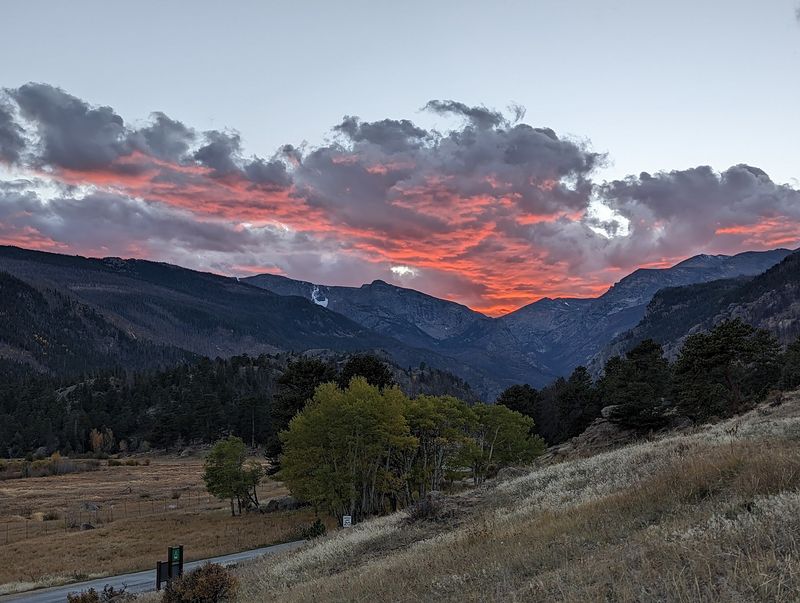
The address sounds almost too plain for the setting: Moraine Park Road, Estes Park, CO 80517. Follow it into Rocky Mountain National Park, though, and Moraine Park Campground becomes part of a much larger landscape shaped by meadows, forest, mountains, and wildlife movement.
This is not a roadside campground pretending to be wild. It is operated by the National Park Service inside Rocky Mountain National Park, with access to park scenery and the responsibilities that come with sleeping where animals actually live.
That includes storing food properly, keeping campsites orderly, and treating wildlife viewing as a privilege rather than a photo assignment.
The campground is known for sites that serve tents and RVs, with basic facilities such as toilets and potable water available seasonally according to park information. Reservations are handled through Recreation.gov, which matters because popular national park campgrounds are not the place to rely on optimism and a half charged phone.
For travelers coming from Estes Park, the appeal is clear. Moraine Park Campground gives you a base inside Colorado high country without pretending the outdoors is a theme park.
In fall, that honesty becomes especially useful. The elk are part of the place, not an added attraction.
The Campground Layout Makes Wildlife Awareness Part Of Camp Life
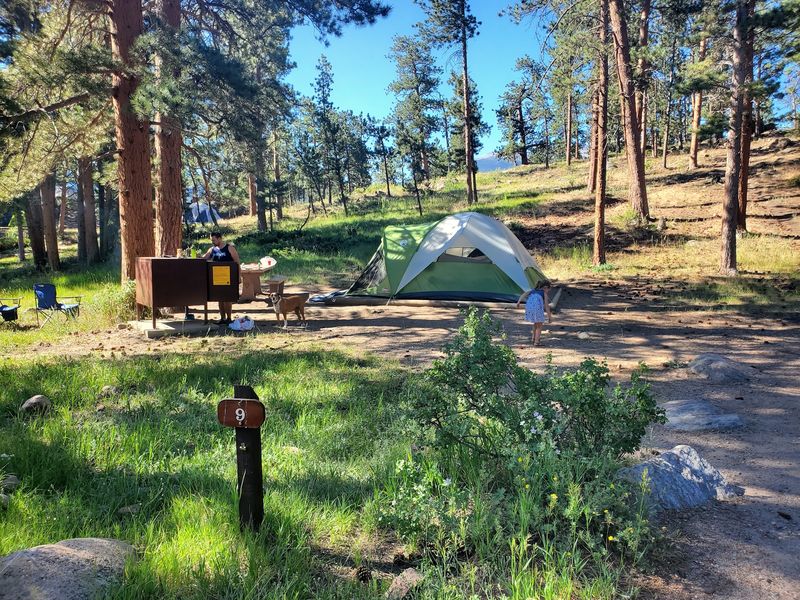
At some campgrounds, wildlife talk feels like a sign you read while looking for the trash bins. At Moraine Park Campground, it is part of the actual operating system.
The setting places campers close enough to natural habitat that good habits matter every day.
Each campsite routine should begin with food storage. Rocky Mountain National Park requires campers to store food, cooking gear, scented items, and trash so animals cannot get them.
Food storage lockers are a normal part of camping here, and using them is not optional campground neatness. It helps protect wildlife and people.
The layout also means visitors should think ahead about movement around loops, restrooms, water points, and parking pads. In daylight, those details are easy.
After dark during the rut, they become the small things that separate a peaceful night from an awkward standoff with an animal that weighs more than your weekend luggage.
Moraine Park Campground has a practical, no nonsense personality. Picnic tables, tent pads, restrooms, and campground roads make it usable, but none of that cancels the wild setting.
The best campers here are not the bravest ones. They are the ones who can enjoy a mountain evening without needing to inspect every shadow.
Bugling Sounds Impressive Until You Remember Who Is Making It
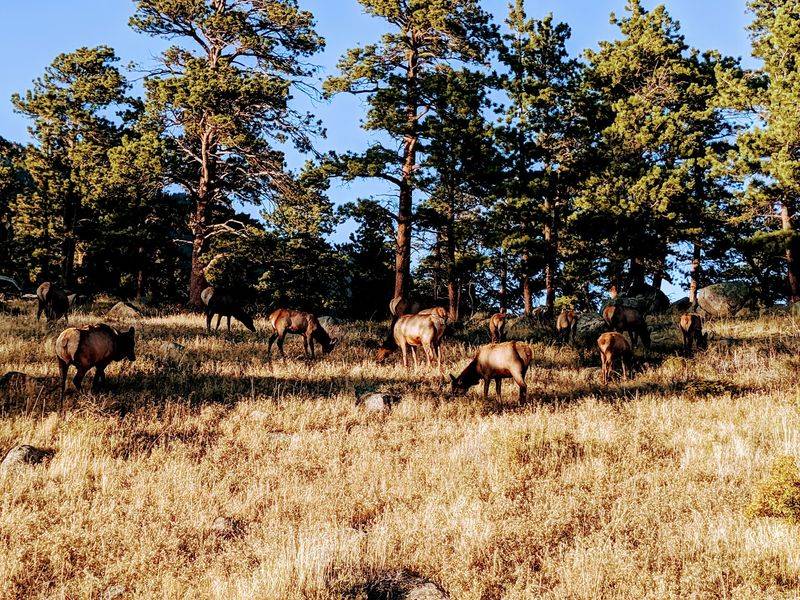
The bugle of a bull elk is one of autumn’s strangest mountain sounds. It can seem thrilling, lonely, and slightly ridiculous all at once, like nature found a brass instrument in a garage and refused lessons.
That sound is serious business for elk. During the rut, bulls use bugling and body language to compete for attention and space.
Around Moraine Park Campground, campers may hear or see rut behavior because the campground sits near the meadows of Moraine Park, a well known area for elk viewing in Rocky Mountain National Park.
The National Park Service advises visitors to stay at least 75 feet from elk and other large animals, and farther when needed. A camera zoom is useful.
A person zooming with their feet is not. Fall visitors should also avoid placing themselves between animals, especially a bull and cows.
Colorado visitors often come hoping for classic rut moments, and Moraine Park Campground can put them close to the seasonal action without leaving the park. The trick is remembering that close does not mean casual.
Listen from camp, watch from safe areas, and let the elk decide where the drama happens. They already have the costumes.
Families Should Plan The Evening Before The Light Fades
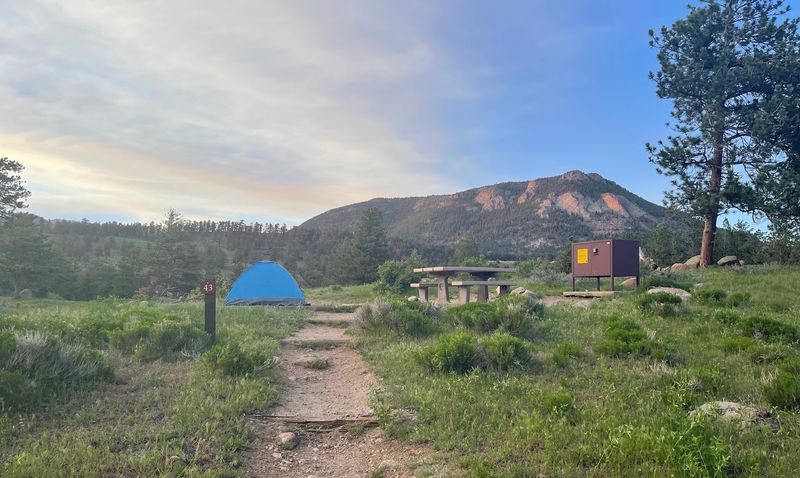
Parents know that bedtime outdoors can already involve negotiations worthy of a small town council meeting. At Moraine Park Campground in the fall, add elk activity after sunset, and the smartest family plan is to get evening chores done early.
Before dark, families can locate the nearest restroom, fill water containers, secure food and scented items, and make sure everyone knows the route back to the campsite. That sounds dull until you are trying to guide a sleepy child with a headlamp while a bull elk is making prehistoric trumpet noises somewhere nearby.
The campground can work well for families because it offers an organized national park camping experience with defined sites and basic facilities. Still, it is not a fenced backyard.
Children need clear rules: do not approach wildlife, do not feed animals, and do not wander away from adults, especially during the rut.
A simple Saturday detour into Estes Park can become a memorable camping trip if expectations are honest. Moraine Park Campground gives families access to Rocky Mountain National Park scenery, but the best memories often come from doing ordinary things well.
Eat early, tidy camp, keep voices reasonable, and let the elk handle the evening performance from a distance.
Couples And Solo Campers Get Quiet If They Keep Boundaries Clear
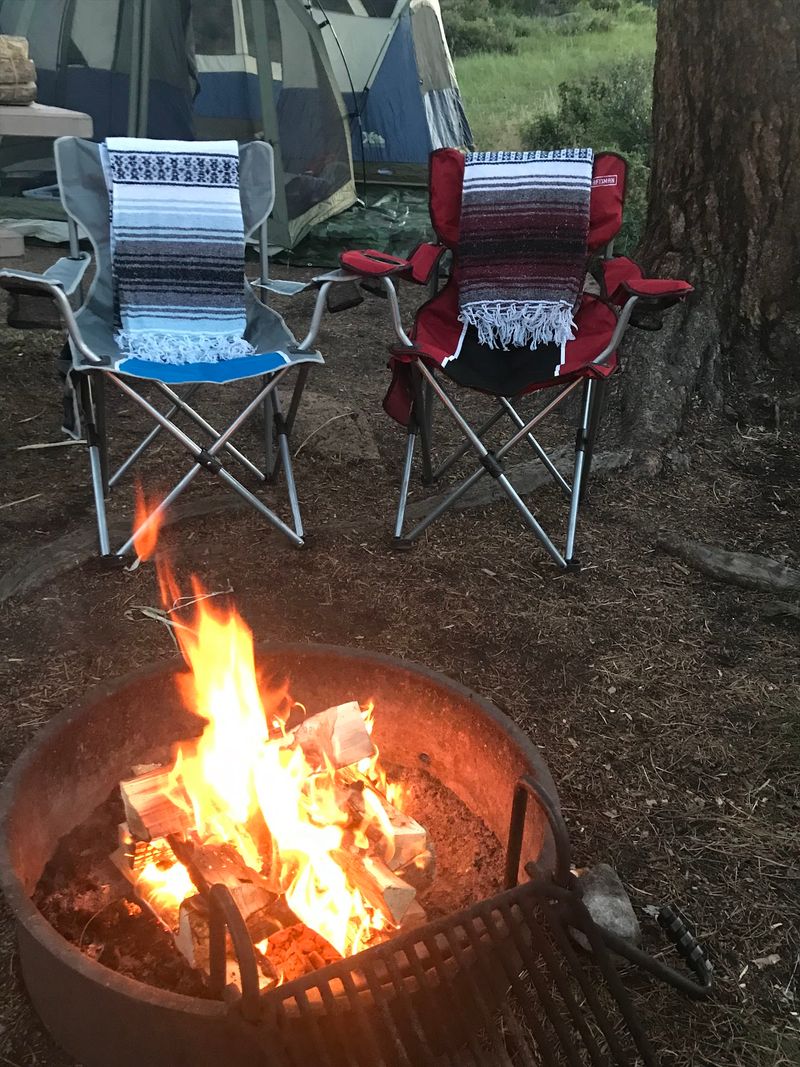
Couples and solo campers often choose Moraine Park Campground because it keeps the national park close without requiring a complicated backcountry plan. You can sleep inside Rocky Mountain National Park, use an established site, and still feel the seriousness of the surrounding landscape.
During the fall rut, that seriousness deserves attention. A quiet evening walk may sound like the whole point of a mountain trip, but after dark it can put people closer to elk than they meant to be.
For solo visitors, especially, staying near camp after sunset is a practical choice, not a timid one.
Couples can treat the evening like a shared lesson in restraint, which is not always the most glamorous travel skill but is wildly useful. Settle camp before sunset, keep food stored, and watch wildlife only from safe distances.
Nobody needs a dramatic story that begins with, so we thought we could get a little closer.
Moraine Park Campground also suits travelers who appreciate structure. Reservations, assigned sites, restrooms, campground roads, and National Park Service rules create a clear framework.
Within that framework, Colorado still feels very much like Colorado: big country, real animals, and weather and seasons that do not ask for your approval before changing the plan.
Reservations Matter Because Autumn Is Not A Casual Guessing Game
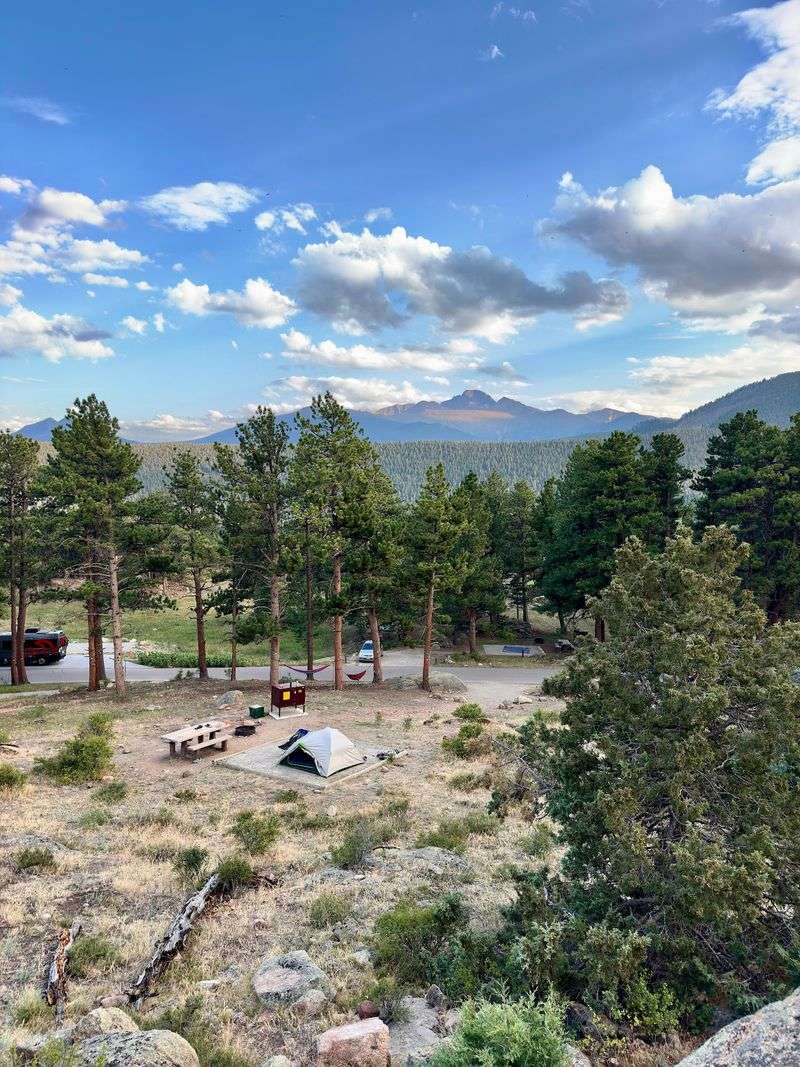
Showing up without a plan might sound romantic until a full campground turns that romance into a parking lot discussion. Moraine Park Campground uses the Recreation.gov reservation system, and travelers should check current National Park Service information before building a weekend around it.
Seasonal operations can change, and Rocky Mountain National Park updates camping details for opening dates, available facilities, and reservation rules. That matters in Colorado, where fall can feel like three seasons taking turns at the steering wheel.
Campers should confirm what is open, what services are available, and what vehicle or equipment limits apply before packing.
The campground has long been one of the main developed camping options on the east side of Rocky Mountain National Park. Its appeal is not mysterious: established sites, park access, and a setting near Moraine Park meadows create a strong draw, especially when elk rut activity peaks.
Practical planning also reduces after dark wandering. Arrive with directions saved, reservation details handy, and enough time to set up before the light fades.
Moraine Park Campground is far more enjoyable when you are not trying to identify a campsite marker by flashlight while your cooler, tent poles, and patience all seem to have joined separate committees.
The Best Elk Viewing Happens With Distance And Patience
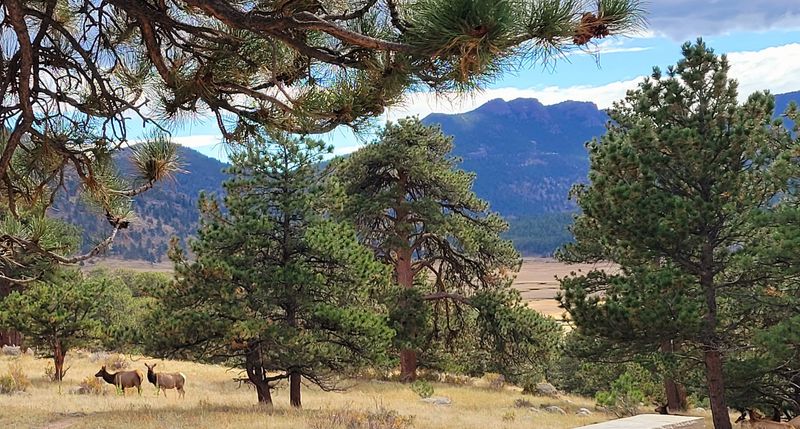
Good wildlife viewing is mostly the art of not making yourself the most interesting thing in the meadow. Near Moraine Park Campground, that means watching elk from a distance, using binoculars or a zoom lens, and accepting that patience beats chasing.
Rocky Mountain National Park asks visitors to give elk room and avoid approaching, feeding, or disturbing wildlife. During the rut, those rules become even more important because elk are focused on breeding behavior.
A bull that looks calm one minute can move quickly the next, especially if people crowd the scene.
Campers should view from safe places and avoid stopping in ways that block roads or campground traffic. If an animal moves toward you, back away calmly and create more space.
The goal is not to win a staring contest with an elk. The elk is better equipped, and frankly, has a busier fall calendar.
Moraine Park Campground offers a rare chance to be near one of Colorado’s signature seasonal wildlife events while still sleeping in an established campground. That convenience should make visitors more careful, not less.
The best story to take home is simple: you saw the rut, respected the animals, and did not become part of park staff’s evening paperwork.
Locals Avoid The Darkness Because The Place Is Better Respected Than Tested
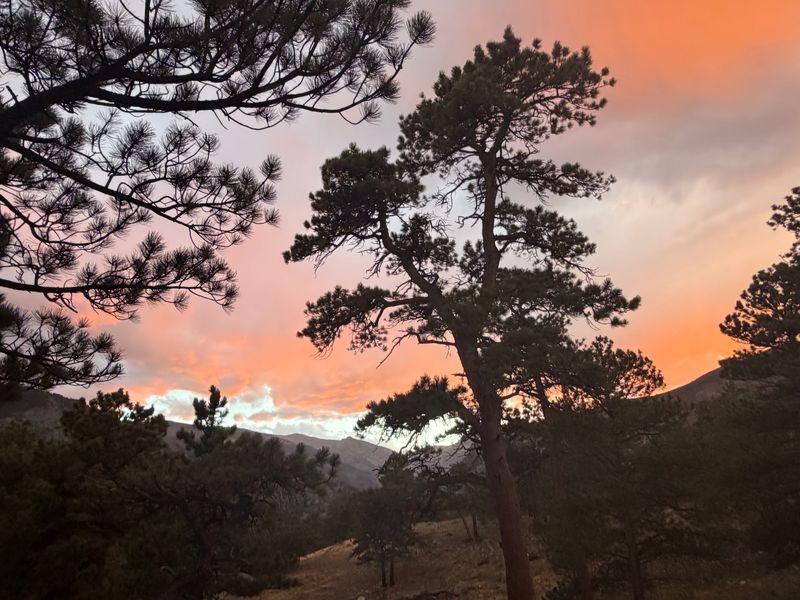
The local habit of avoiding Moraine Park Campground after dark during the rut is not about spoiling anyone’s fun. It is a practical reading of the room, assuming the room is a mountain valley full of elk with seasonal priorities.
By daylight, campers can appreciate why this place draws attention: the national park setting, the Moraine Park landscape, the access from Estes Park, and the chance to witness autumn wildlife behavior in Colorado. After sunset, the same features call for a quieter plan.
Stay near camp, keep food secured, and let the meadows belong to the animals.
Moraine Park Campground works best when visitors understand both sides of its appeal. It is convenient enough for families, couples, solo campers, and road trippers, yet wild enough that ordinary campground habits need sharper edges.
The rut simply makes that truth harder to ignore.
No one needs to avoid the campground altogether. The better move is to enjoy it with timing and respect.
Watch elk from a safe distance before dark, finish chores early, and keep the night simple. If a friend asks for the short version, tell them this: Moraine Park Campground is a fine Colorado camp, but in fall, do not go wandering when the elk clock in.