
Locals Call This Ohio Ghost Tour The State’s Most Terrifying Tradition
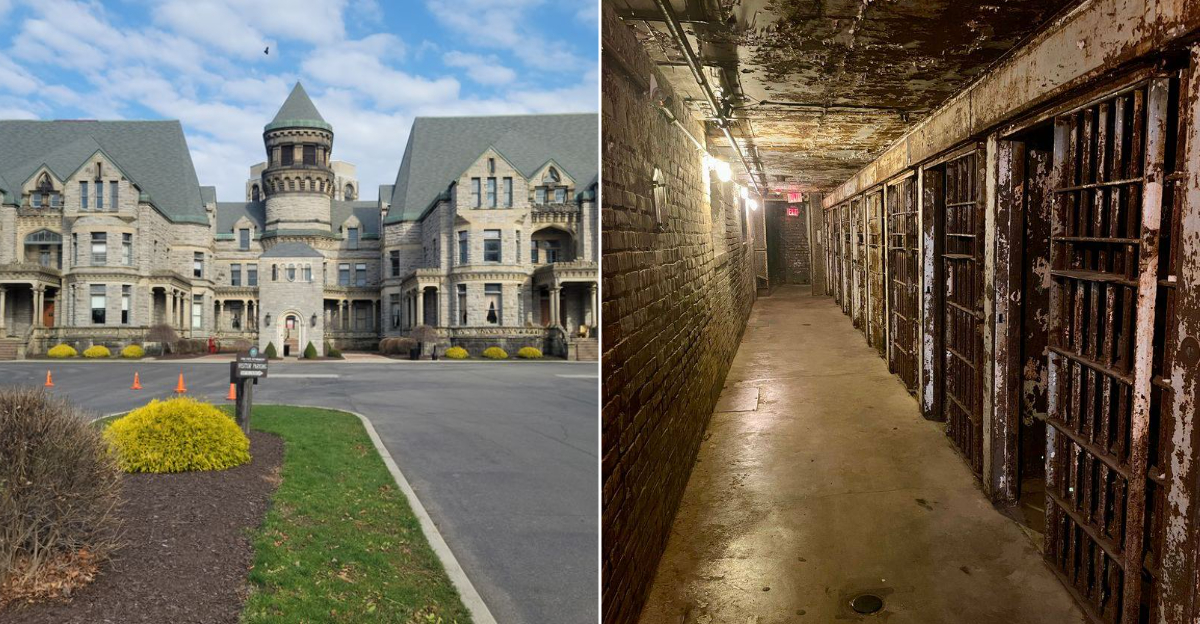
I never thought a Thursday morning drive to Mansfield would lead me straight into one of the most chilling experiences I have ever had, but pulling up to The Ohio State Reformatory at 100 Reformatory Rd, Mansfield, OH 44905 changed everything I thought I knew about ghost tours.
This towering Romanesque Revival prison, built in 1886, looms over the landscape with a presence that feels both magnificent and deeply unsettling.
You might recognize it as the famous backdrop for The Shawshank Redemption, but locals know it for something far more spine-tingling: its reputation as Ohio’s most haunted destination.
The stories that echo through these halls are not just Hollywood fiction, they are whispered warnings passed down by guides, visitors, and even skeptics who swear they felt something they cannot explain.
A Gothic Castle With a Dark Past
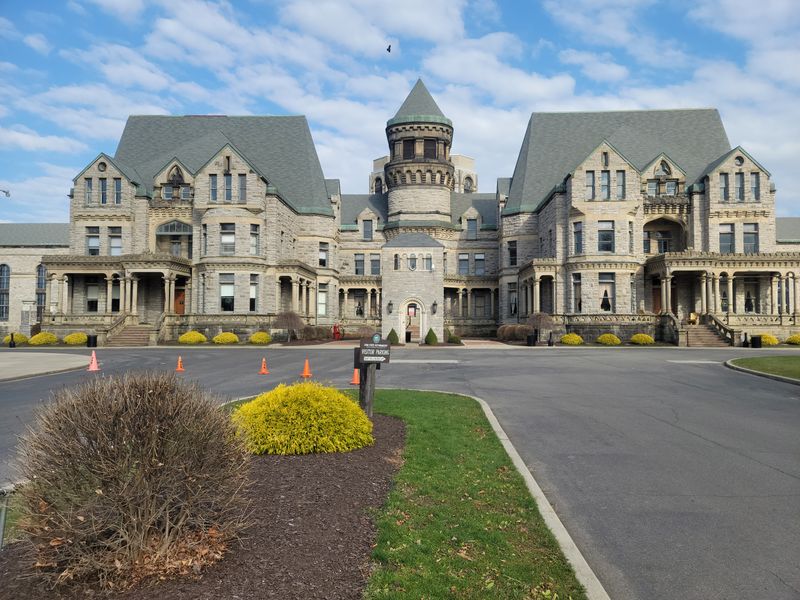
Walking toward the reformatory for the first time, I felt my breath catch in my throat as the massive stone structure rose before me like something pulled from a Victorian nightmare.
The Ohio State Reformatory is not just big, it is overwhelmingly imposing, with turrets, arched windows, and walls that seem to absorb the light around them.
Designed in the Romanesque Revival style, the building was intended to inspire both fear and reform in the men who served time here between 1896 and 1990.
Over those decades, more than 155,000 individuals passed through its gates, and the stories they left behind are woven into every brick and iron bar.
What strikes you immediately is how the architecture itself feels alive.
The towering cellblocks, the narrow corridors, and the shadowy corners all seem designed to make you feel watched. I found myself glancing over my shoulder more than once, even in broad daylight.
This place was never meant to be welcoming, and that original intent lingers in every creak and groan of the old structure.
Guides will tell you that the reformatory was built to rehabilitate, but the harsh conditions and tragic events that unfolded here tell a different story.
Standing in its shadow, you understand why locals call this the most terrifying tradition in Ohio, because the building itself is a character in every ghost story told within its walls.
The Cellblocks That Never Sleep
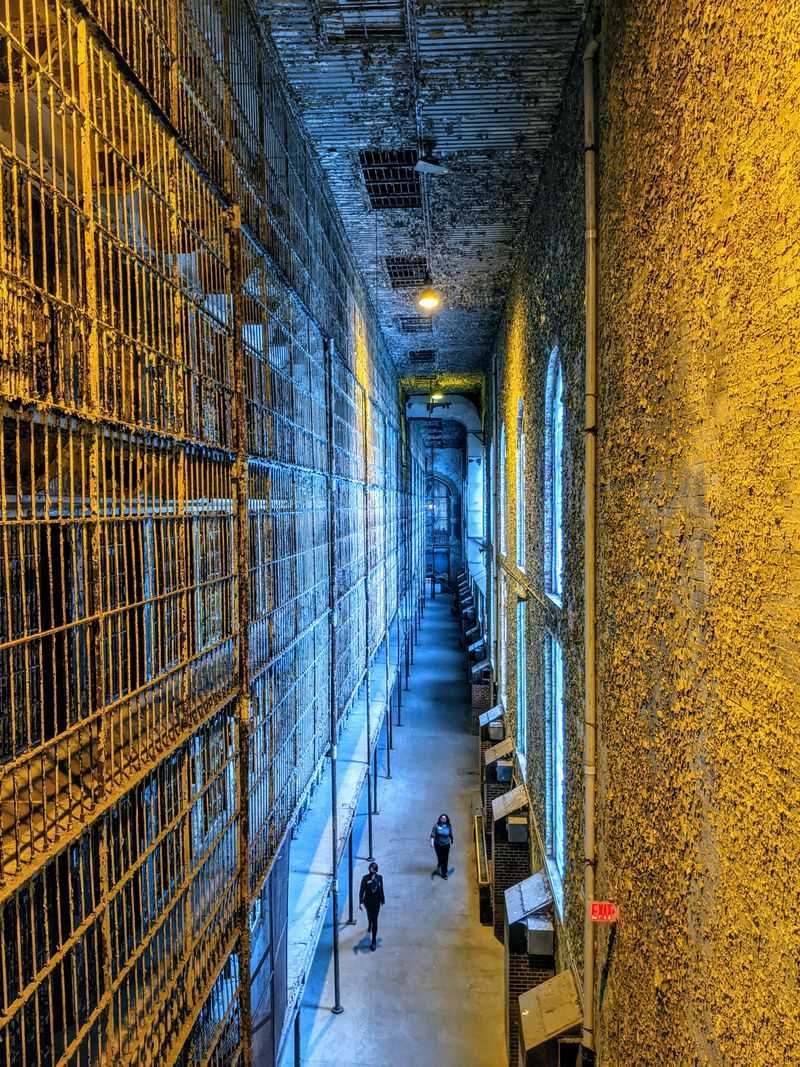
Stepping inside the cellblock felt like entering a place where time had simply stopped and refused to move forward.
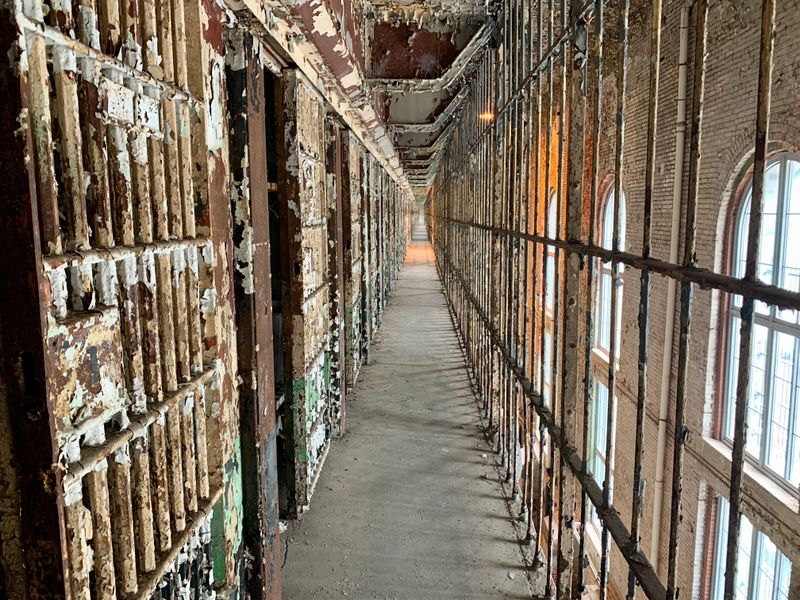
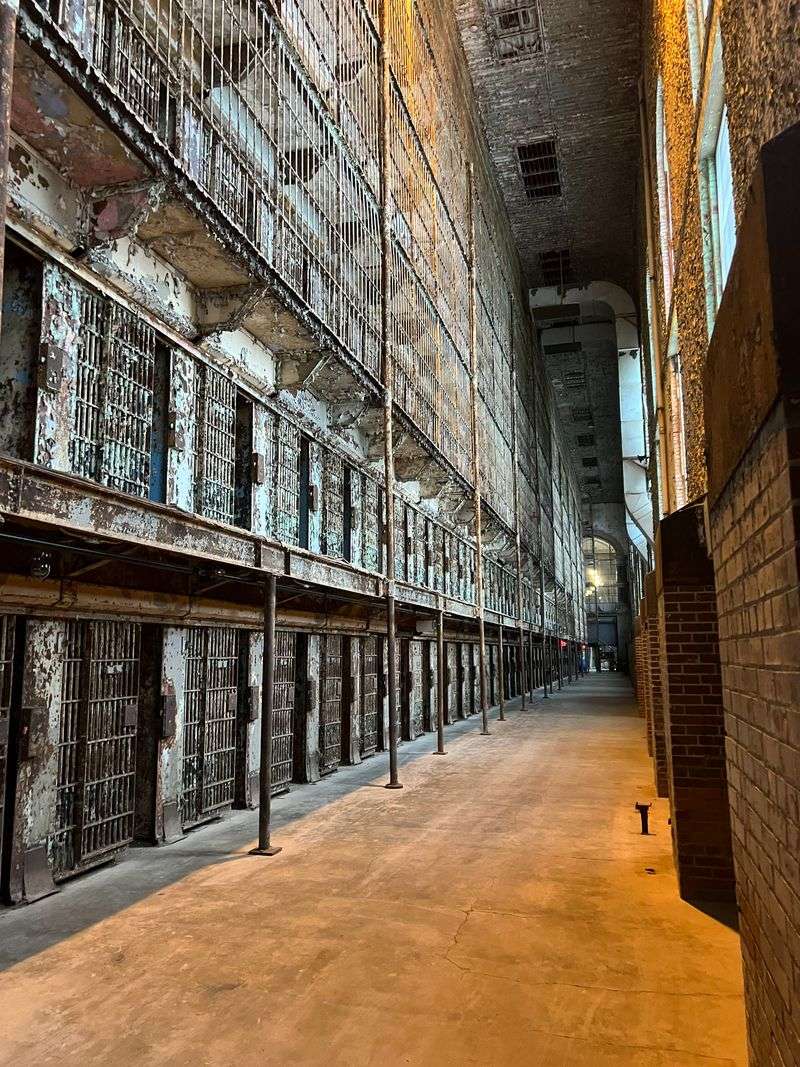
The East Cell Block is the tallest freestanding steel cellblock in the world, stretching six tiers high and holding over 600 cells in a space that feels both cavernous and suffocatingly tight.
I stood at the bottom and looked up, and the dizzying rows of barred doors seemed to go on forever.
The air was cold, even though it was a warm afternoon outside, and every sound I made bounced off the metal and stone in eerie, distorted echoes.
Tour guides share stories of shadowy figures seen moving between the cells, disembodied voices calling out names, and the unmistakable sound of cell doors slamming shut when no one is near them.
I did not believe most of it until I heard a metallic clang from somewhere above me, sharp and sudden, and no one else was on that tier.
My heart hammered in my chest, and I quickly moved on.
Visitors have reported feeling unseen hands brush against them, cold spots that appear without warning, and an overwhelming sense of being watched from the upper levels.
Even skeptics admit that something about this space feels off, as if the energy of decades of confinement and despair never quite left.
Walking through those cellblocks, I understood why people come back year after year, drawn by the mystery and the unmistakable feeling that they are not alone.
The Warden’s Quarters and a Tragic Tale
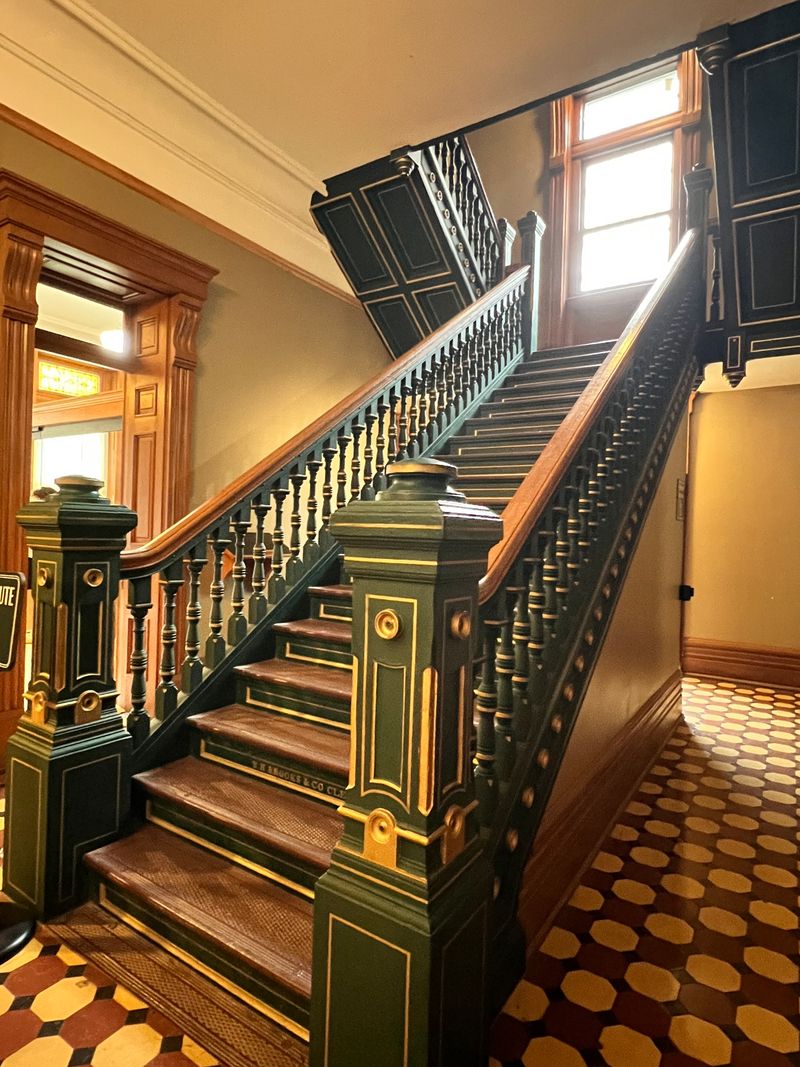
Climbing the stairs to the warden’s quarters, I felt the atmosphere shift from oppressive to deeply personal, as if I was stepping into someone’s private sorrow.
These rooms, once home to the warden and his family, are beautifully preserved with period furniture, rich woodwork, and elegant details that contrast sharply with the harsh cellblocks below.
But beneath the surface beauty lies one of the reformatory’s most heartbreaking stories.
In 1950, the warden’s wife was accidentally struck by a ricocheting bullet from a handgun that fell from a closet shelf, and she passed away days later from her injuries.
Her presence is said to linger here, with visitors reporting the scent of rose perfume, the feeling of a gentle touch, and the sound of a woman’s voice softly humming in empty rooms.
I wandered through the parlor and library, and I swear I caught a faint floral scent that had no source I could identify. It was delicate and fleeting, but it left me unsettled in a way that felt almost tender.
Tour guides speak of her with respect, describing her as a kind spirit who simply cannot leave the home she loved.
The warden’s quarters remind you that the reformatory is not just a place of punishment and fear, it is also a place where real people lived, loved, and experienced tragedy.
That human element makes the ghost stories here feel less like entertainment and more like echoes of real pain that still need to be heard.
Solitary Confinement and the Hole
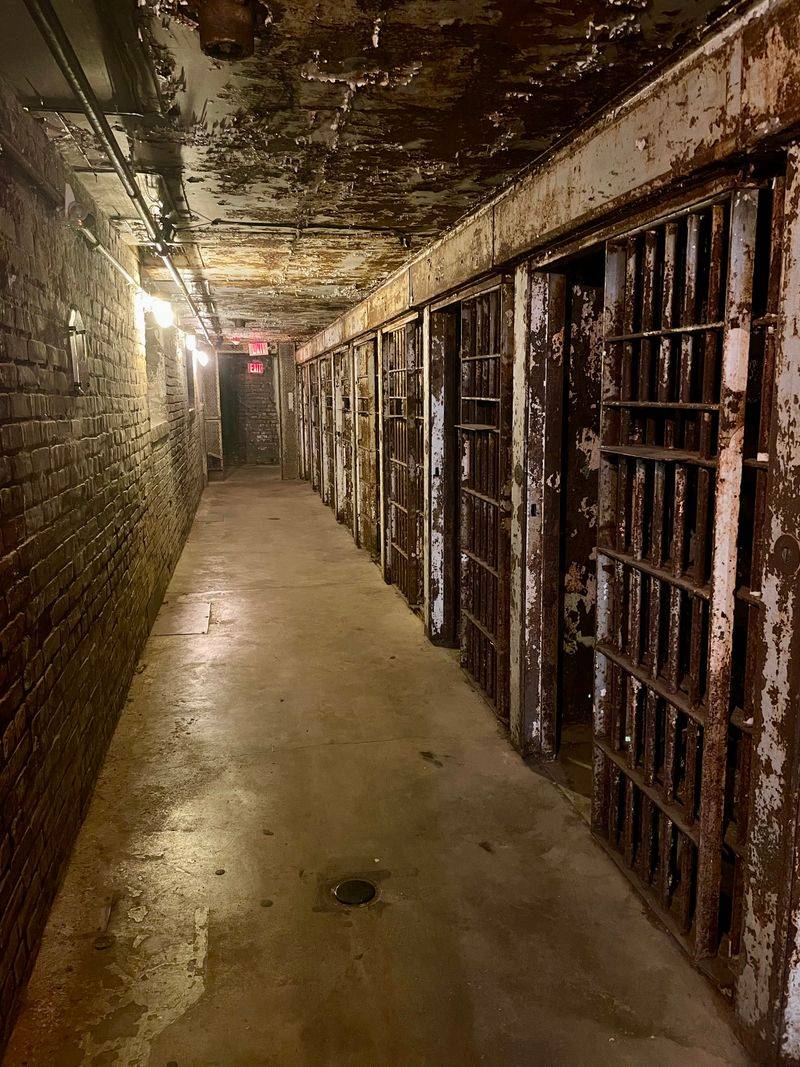
Nothing prepared me for the suffocating dread I felt when I descended into the solitary confinement area, a place inmates called The Hole.
These cells are tiny, dark, and utterly devoid of comfort, designed to break the spirit of anyone confined within them.
Men were locked in here for days, sometimes weeks, with little light, no human contact, and only their own thoughts for company.
The walls are covered in scratches, carvings, and desperate messages left behind by those who endured this punishment. I ran my fingers over one etching and felt a chill run through me, imagining the isolation and fear that drove someone to leave their mark.
Paranormal investigators consider this one of the most active areas in the entire reformatory.
Visitors report hearing screams, banging on walls, and voices pleading to be let out.
Some have captured unexplained shadows on camera, and others have felt an overwhelming sense of panic that forces them to leave the area quickly.
I tried to stay for a few minutes, but the weight of the atmosphere pressed down on me, and I found myself backing toward the exit without even realizing it.
The Hole is not a place you visit lightly. It is a stark reminder of the cruelty that existed within these walls, and the emotional residue of that suffering seems to cling to every surface.
Locals warn that this is where the most intense encounters happen, and after standing in that darkness, I absolutely believe them.
Ghost Tours That Test Your Nerves
Signing up for the ghost tour felt like a dare I made to myself, and I quickly realized I had underestimated just how intense the experience would be.
The Ohio State Reformatory offers several different tour options, including daytime history tours and after-dark paranormal investigations, but the ghost tours are what bring people back again and again.
These tours take you through the most haunted areas of the prison, guided by staff who share chilling stories backed by years of documented encounters.
You will walk through the cellblocks, the warden’s quarters, the infirmary, and the solitary cells, all while listening to firsthand accounts of strange phenomena.
What makes these tours truly terrifying is that they encourage participation.
Guides hand out EMF detectors, invite you to ask questions aloud to any spirits present, and give you the freedom to explore dark corners on your own.
I watched as one device lit up and beeped frantically in a cell where nothing visible was present, and the entire group fell silent.
The tension in the air was electric, and I felt my hands tremble as I held my flashlight.
Locals swear by these tours, calling them the most authentic paranormal experience in Ohio.
Unlike commercialized haunted houses, the reformatory does not rely on actors or special effects.
The fear you feel here is real, rooted in history and the unsettling possibility that you might encounter something you cannot explain.
By the end of the tour, I was equal parts exhilarated and relieved to step back into the night air.
Why This Tradition Endures
Standing outside the reformatory after my tour, I understood why this place has become such an important part of Ohio’s cultural identity.
The Ohio State Reformatory is more than just a haunted attraction.
It is a piece of living history, a monument to the criminal justice system’s evolution, and a place where the past refuses to be forgotten.
Since its closure in 1990, the Mansfield Reformatory Preservation Society has worked tirelessly to restore and maintain the building, transforming it into a museum and event space that educates as much as it entertains.
The ghost tours are a vital part of that mission, drawing visitors who might never have learned about the reformatory’s history otherwise.
What keeps people coming back is the authenticity.
You are not walking through a set or a staged experience.
You are walking through real cells where real people suffered, loved, hoped, and sometimes despaired.
The stories told here are backed by records, photographs, and decades of eyewitness accounts.
That combination of history and mystery creates an experience that feels deeply respectful even as it sends shivers down your spine.
Locals call this Ohio’s most terrifying tradition not just because of the scares, but because it honors the past while inviting us to confront the uncomfortable truths about justice, punishment, and humanity.
I left Mansfield with a new respect for the power of place and memory, and I know I will return.
The reformatory has a way of calling you back, whether you believe in ghosts or not.